

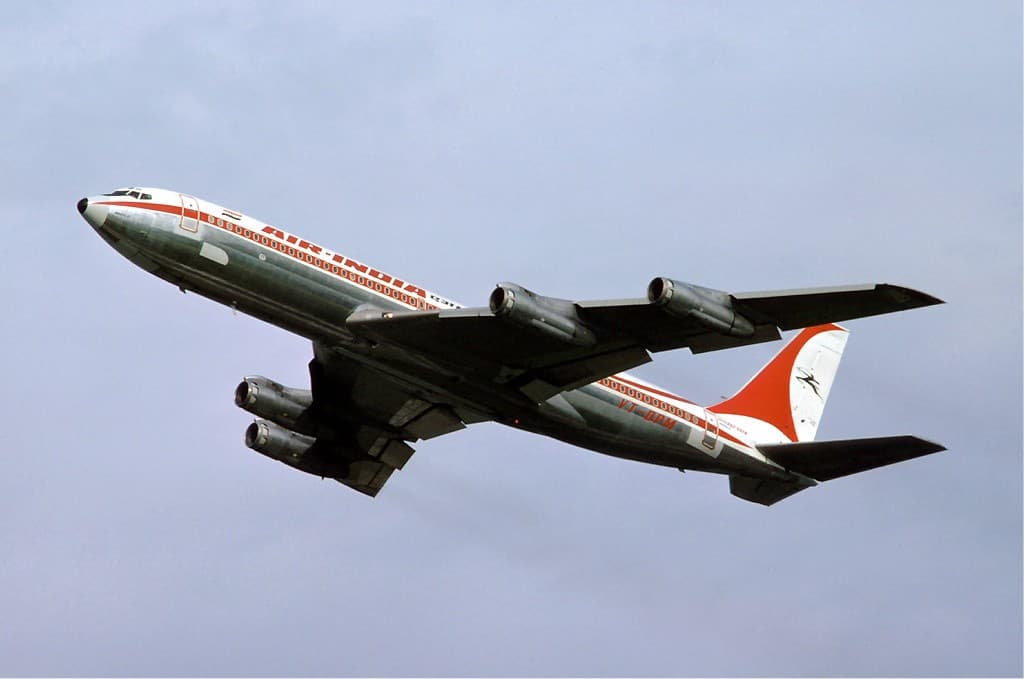
Image: Eduard Marmet · CC BY-SA 3.0 · via Wikimedia Commons
Douglas DC-8's engineering longevity outpaces Boeing 707 by decades in cargo service
The Douglas DC-8, last operated by Samaritan's Purse until late 2025, remained active over 50 years longer than the Boeing 707 due to superior design ideals suited for enduring cargo operations.
The gist
The DC-8’s robust engineering and adaptable design extended its life far beyond the Boeing 707, symbolizing reliability in cargo aviation for nearly six decades.
Continuing coverage
All Cargo Aviation →When Samaritan’s Purse concluded its humanitarian missions with the retirement of the McDonnell Douglas DC-8 freighter N782SP in late 2025, it marked the end of an era in commercial aviation. This aircraft, manufactured on Christmas Eve 1968, had contributed nearly 99,000 flight hours over an impressive 57-year operational lifespan, a testament to both its durability and the aviation community’s trust in the type.
The DC-8’s longevity far exceeded that of one of its contemporaries, the Boeing 707. While the 707 was the first commercial jetliner to establish jet travel globally, it was eventually phased out of service decades earlier than the DC-8. Analysts attribute the DC-8’s extended utility largely to engineering choices made by Douglas Aircraft in the 1960s that favored adaptability and maintainability, especially in cargo roles which demanded aircraft resilience over novelty.
The DC-8 was originally designed with a focus on longer range and consistent performance, supporting both passenger and freight configurations. This flexibility meant operators could economically convert or maintain the aircraft for freight operations as passenger service moved towards more modern, fuel-efficient designs. Samaritan’s Purse exemplified this use case by employing the DC-8 for critical cargo missions, including humanitarian aid deliveries up to its final retirement flight to Jamaica in 2025.
Modifications and upgrades over the decades helped the DC-8 meet evolving safety standards and operational demands. The airframe's robust construction allowed it to tolerate repeated retrofits of avionics and engines, which—while sometimes older technology by modern standards—offered dependable performance. This adaptability extended the type’s relevance in cargo niche markets where newer aircraft often proved prohibitively costly for operators needing tough, proven platforms.
Conversely, the Boeing 707, while a revolutionary vehicle in its time, lacked some of the structural margins for extensive operational life extension. Its design targeted speed and passenger comfort over the long-term cargo flexibility that defined the DC-8. By the time environmental regulations and fuel economics tightened in the later 20th century, many 707s were hastily retired or scrapped, ceding their roles to newer widebodies and more efficient jets.
The DC-8 also holds a symbolic place in aviation history as one of the last representatives of the first-generation jetliner era. Its four-engine layout and original design philosophy symbolized a period when airlines worldwide embraced jets as the future of air travel. While other early jets have disappeared entirely, the DC-8’s survival in cargo roles speaks to how early design foresight can influence decades-long aircraft lifecycle outcomes.
The retirement of Samaritan’s Purse’s N782SP is noteworthy not only as a closing chapter for one specific aircraft but also as a marker reflecting broader shifts in cargo aviation fleets. Most operators have transitioned to twin-engine widebodies and dedicated freighters built on newer platforms. Nonetheless, the DC-8 remains a case study in how durable airframe engineering and operational flexibility can preserve aircraft serviceability beyond expectations.
Future cargo aviation developments increasingly emphasize fuel efficiency and emissions reductions, often sidelining older aircraft like the DC-8. However, the historical precedence set by the DC-8 demonstrates that robust mechanical design and ease of modification can greatly extend operating life, affecting decisions about fleet renewal and legacy aircraft utilization worldwide.
Read more
All Cargo →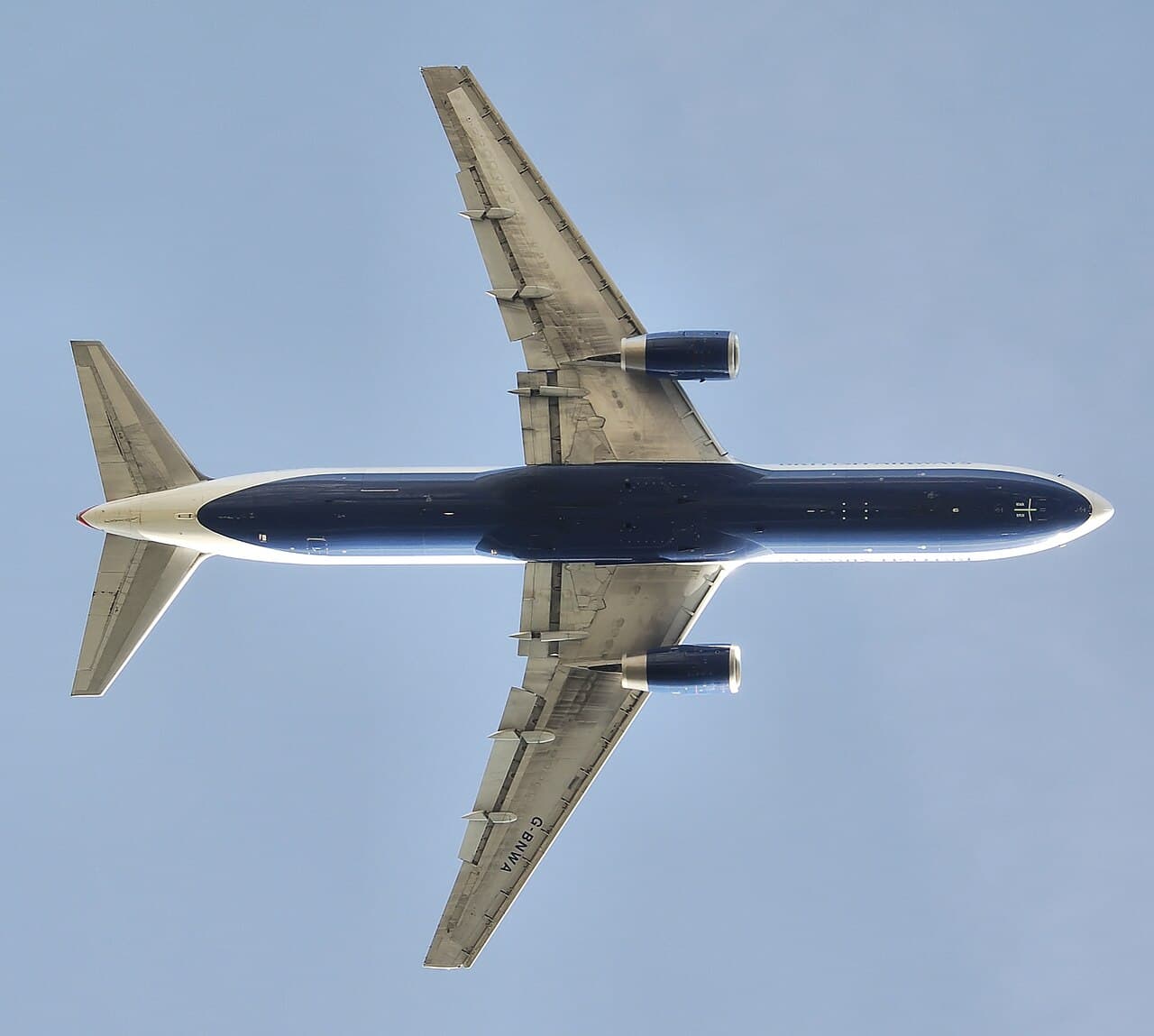
UPS Boeing 767 Freighter Executes Safe Landing After Total Instrument Failure in Denver
Over the weekend, a Boeing 767-300 Freighter operating a domestic cargo flight for UPS Airlines had a more dramatic arrival into Denver than its crew might have been bargaining for, following a total instrument failure on approach to the Colorado hub. This forced the pilots to defer to the jet's standby instruments, with which they were indeed able to successfully carry out a safe landing at Denver Airport.
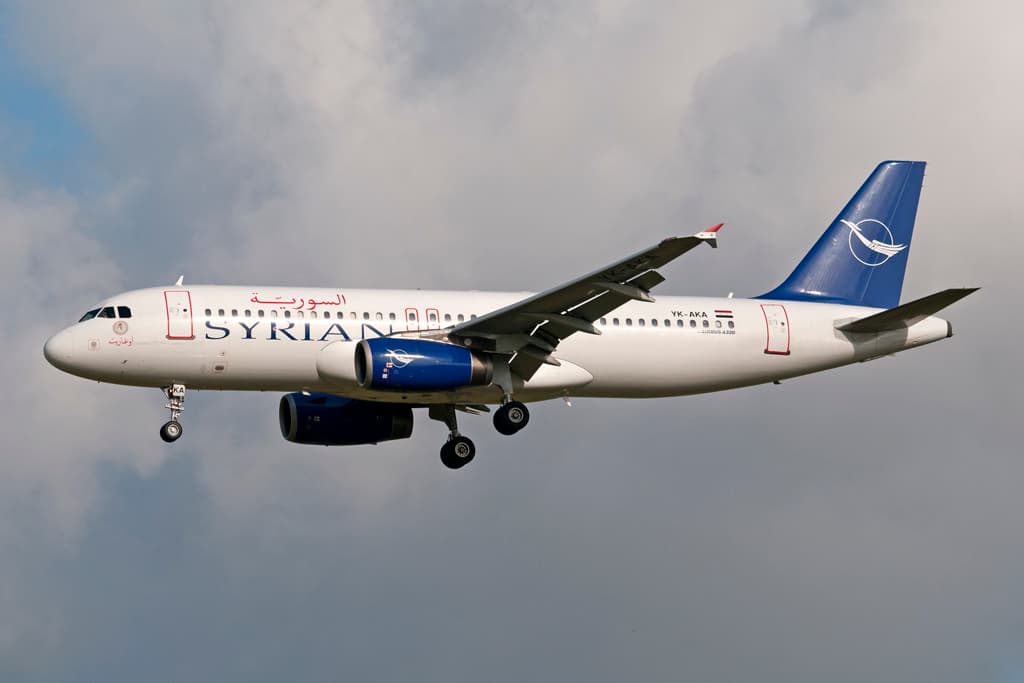
Syrian Airlines Restarts Damascus-Moscow Flights After 18-Month Pause
A Syrian Airlines passenger flight arrived in Moscow's Sheremetyevo International Airport (SVO) on August 16, 2026,, marking the first flight between the Syrian and Russian capitals in more than 1.5 years and the resumption of scheduled service between the two countries. The aircraft landed at 0644 local time, with the return flight to Damascus International Airport (DAM) operating later the same day. Flights between the two capitals, suspended in December 2024 due to Syria's political situation, are expected to resume on a weekly basis, operating every Sunday. Syrian Airlines eyes new routes as it rebuilds global presence Omar Al Hosari, President of Syria's General Authority of Civil Aviation, said the resumption reflects broader efforts to rebuild Syrian Airlines' regional and international presence and reconnect the country with the world. He said the plan includes launching additional direct routes and expanding travel options for Syrian citizens as part of a wider strategy to strengthen the country's air connectivity. Al Hosari added that Syrian Airlines is expected to resume service to several more regional and international destinations in the coming period, including new European routes that will be announced gradually. The Moscow route follows a series of other recent route resumptions for the airline. A direct flight from Berlin arrived in Damascus on August 15, 2026, restoring air connectivity between the two cities after nearly 14 years. Syrian Airlines also returned to the European market with direct Damascus-Amsterdam service on July 2, 2026 and resumed weekly flights to Madinah, Saudi Arabia, on August 11, 2026. A fleet limited by years of sanctions Syrian Airlines, commonly known as Syrianair, has operated under US sanctions since the early 1980s, a restriction that has significantly limited its ability to acquire new aircraft or source spare parts for its existing fleet. According to ch-aviation, the airline's fleet includes eight Airbus A320s, two A340-300s, two Tupolev Tu-134Bs, and two Ilyushin Il-76 cargo aircraft, though six of the A320s and both A340s remain parked due to a lack of available spare parts. Before the fall of the Assad regime, Syrian Airlines operated four routes to five destinations across three countries. The country's only other mainline carrier, Cham Wings Airlines, currently operates a fleet of five A320s serving two routes to three destinations. Rebuilding connectivity Syrian aviation authorities also reported a rise in overall air traffic through the country's airspace, with 20,315 aircraft transiting Syria in July 2026, a sign of gradually returning activity in the region's skies as the country continues working to restore its broader aviation network. RELATED Syrian president plans to order eight Airbus aircraft as Macron visits country
The World's Largest Airports Ranked by Land Area in 2026
When we talk about air travel on a global scale, metrics like passenger numbers, number of flights, or connectivity often take center stage. But another metric, which is less-celebrated but often more spectacular, measures an airport's significance by its physical size. The sheer land area of an airport influences everything from runway capacity to future expansion potential, cargo handling, and even landscape planning.
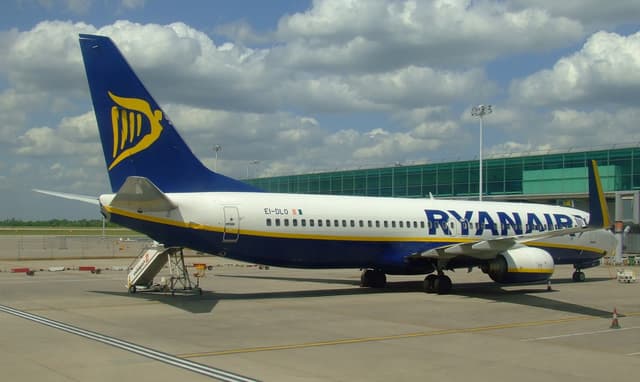
Ryanair Signs Five-Year AI and Cloud Partnership with Google to Boost Operations
Ryanair, Europe’s largest airline, has teamed up with Google Cloud in a major five-year partnership. The deal, announced on 12 August 2026, brings advanced data and AI tools to the airline’s operations. ezstandalone.cmd.push(function () { ezstandalone.showAds(119); }); It aims to boost efficiency, strengthen systems, and support ambitious growth plans. Under the agreement, Ryanair will roll out Google Workspace and Google Cloud services to its 35,000 employees. This move backs the airline’s target of carrying 300 million passengers each year by 2034. ezstandalone.cmd.push(function () { ezstandalone.showAds(127); }); A key part of the package is Gemini Enterprise. This is Google Cloud’s agentic AI platform. It connects company data, automates workflows, and builds custom AI agents. How the AI Tools Support Operations Gemini Enterprise will play a central role in daily work. Teams can use it to automate decision-making and optimise flight crew logistics. It will also lift overall corporate productivity. ezstandalone.cmd.push(function () { ezstandalone.showAds(128); }); At the same time, the partnership creates a dual-cloud strategy. This adds an extra layer of infrastructure resilience for the growing airline. Ryanair CEO Eddie Wilson highlighted the importance of reliable systems. “Ryanair is on an incredible growth journey to 300 million passengers by 2034,” he said. ezstandalone.cmd.push(function () { ezstandalone.showAds(129); }); “To support this growth, we need to ensure we have excellent infrastructure resilience, and our new dual-cloud strategy provides this, alongside technology partners that match our speed and relentless focus on efficiency.” “With that, we’re pleased to partner with Google Cloud, putting Gemini Enterprise and Google Workspace in the hands of our teams, driving even greater efficiency across our business while bolstering our infrastructure resilience.” Google Cloud’s View on the Partnership Google Cloud also sees strong potential in the collaboration. Maureen Costello, Vice President for UK, Ireland and Sub-Saharan Africa at Google Cloud , commented on the fit with aviation needs. ezstandalone.cmd.push(function () { ezstandalone.showAds(130); }); “Aviation is an industry defined by precision, and Ryanair is a pioneer in operational execution,” she said. “We are thrilled to be Ryanair’s AI transformation partner.” “This agreement demonstrates how deploying generative AI at scale – coupled with modern collaboration tools for frontline workers – can help industry leaders scale securely, reduce operational costs, and redefine the travel experience.” Supporting Scale and Efficiency The partnership focuses on practical gains. Google Workspace will give staff modern tools for everyday collaboration. Meanwhile, the broader Google Cloud platform handles data and AI needs. ezstandalone.cmd.push(function () { ezstandalone.showAds(131); }); Together, these services help Ryanair manage complex operations more smoothly as passenger numbers rise. Flight crew logistics often involve tight schedules and last-minute changes. AI agents can analyse data quickly and suggest better options. Automated decision-making can speed up routine processes. This leaves human teams free to focus on higher-value tasks. The dual-cloud approach further protects systems against disruptions, which matters in a high-stakes industry like aviation. ezstandalone.cmd.push(function () { ezstandalone.showAds(132); }); Ryanair has built its success on low costs and high efficiency. Adding advanced AI and cloud tools aligns with that model. The airline can process more data, respond faster to operational needs, and keep costs under control while expanding. Looking Ahead This five-year deal marks a clear step in Ryanair’s technology journey. By putting Gemini Enterprise and Google Workspace into the hands of thousands of employees, the airline aims to work smarter at scale. The dual-cloud strategy adds resilience at the same time. As Ryanair pushes toward 300 million passengers a year, strong digital foundations will prove essential. The partnership with Google Cloud supplies both the AI capabilities and the collaboration tools needed for that growth. ezstandalone.cmd.push(function () { ezstandalone.showAds(133); }); It positions the airline to maintain its operational edge while handling higher volumes of flights and customers. In short, the agreement combines proven cloud infrastructure with modern AI. Ryanair gains practical tools for efficiency and resilience. Google Cloud partners with a leading airline ready to put those tools to work across a large European network. The result should support smoother operations for years to come. ezstandalone.cmd.push(function () { ezstandalone.showAds(134); });
The Daily Touch & Go
The day's best aviation news in your inbox. Free, no spam.