

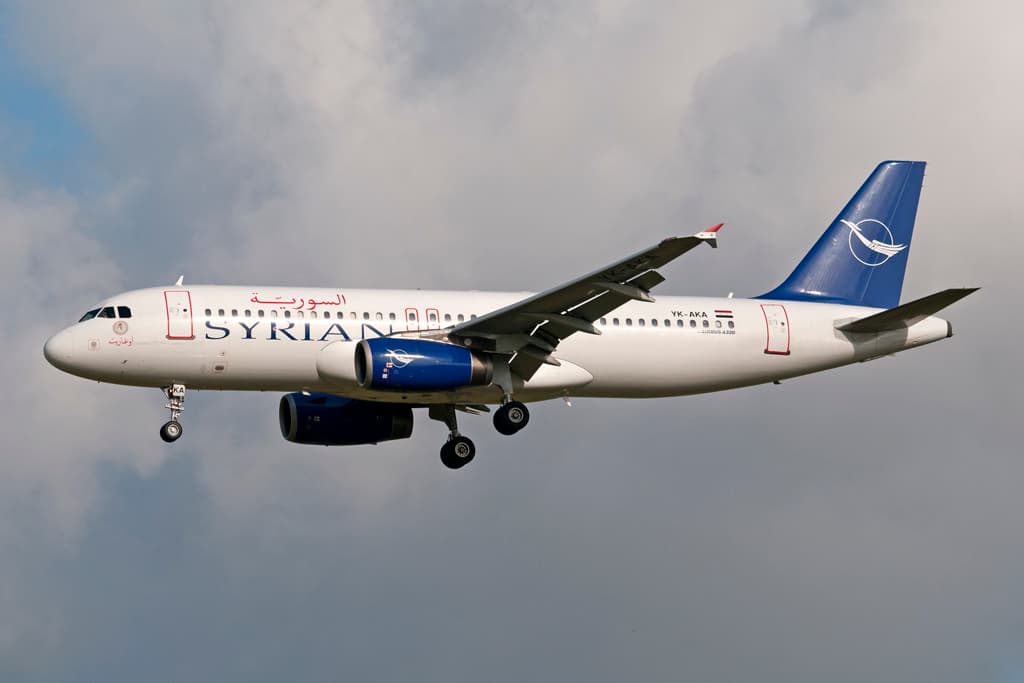
Image: Pieter van Marion from Netherlands · CC BY-SA 2.0 · via Wikimedia Commons
Syrian Airlines Restarts Damascus-Moscow Flights After 18-Month Pause
Syrian Airlines resumed weekly scheduled flights between Damascus and Moscow following a suspension since December 2024 due to political tensions.
The gist
Syrian Airlines has reinstated weekly Damascus-Moscow service after a 1.5-year halt, expanding its regional and international routes amid fleet constraints.
Syrian Airlines marked a significant milestone on August 16, 2026, with the first passenger flight landing at Moscow’s Sheremetyevo International Airport (SVO) since the route’s suspension over 18 months ago. The early morning arrival at 06:44 local time reinstated direct air connectivity between Syria’s capital Damascus and Russia’s capital city. The return leg departed from Moscow on the same day, setting a weekly Sunday schedule for these strategically important flights. This resumption comes after suspension of the route in December 2024 amid Syria’s unsettled political circumstances.
The restoration of direct Damascus-Moscow service is part of a wider initiative led by Syria’s General Authority of Civil Aviation to reclaim the nation’s disrupted air links. Omar Al Hosari, the authority’s president, framed this development as a key component of Syrian Airlines’ ongoing strategy to rebuild its regional and international footprint. Mr. Al Hosari indicated that reinstating this route enables Syrian citizens to access broader travel opportunities and strengthens Syria’s air transport connections with important geopolitical partners.
Recent months have seen an uptick in Syrian Airlines’ reestablishment of services to various destinations after years of constrained operations. Notably, on August 15, 2026, Syrian Airlines relaunched direct flights between Damascus and Berlin for the first time in nearly 14 years, highlighting an attempt to reconnect with European markets. Earlier, in July 2026, the airline had resumed Damascus-Amsterdam flights, marking a comeback on another key European route. In addition, flights to Madinah, Saudi Arabia, were restarted in August 2026, confirming efforts to rebuild links within the regional network.
The airline faces formidable operational challenges due to longstanding US sanctions imposed since the early 1980s, which have severely restricted asset acquisition and maintenance capabilities. Syrian Airlines’ current fleet, as detailed by aviation analytics provider ch-aviation, includes eight Airbus A320s, two Airbus A340-300s, two Tupolev Tu-134Bs, and two Ilyushin Il-76 cargo aircraft. However, parts shortages have sidelined six A320s and both A340s, limiting the airline’s full operational potential. These sanctions have contributed to a reduced network compared to pre-crisis years when the airline flew four routes across five international destinations.
Syria’s only other significant carrier, Cham Wings Airlines, operates five A320 aircraft serving two routes to three destinations, underscoring the limited domestic aviation landscape. This scarcity reflects the broader challenges for Syrian civil aviation infrastructure amid sanctions and regional instability. Despite these constraints, the resumption of key international routes signals an incremental restoration of air travel options for Syrian passengers and commerce.
Syrian aviation authorities have also noted a measurable increase in air traffic traversing Syrian airspace, with 20,315 aircraft movements recorded passing overhead in July 2026. This figure illustrates a gradual return of regional airspace activity, suggesting improving conditions for civil aviation operations. The increase in overflight volume may also indicate Syria’s growing role as a transit corridor amid evolving airspace management in the region.
The Damascus-Moscow flights not only reconnect two politically allied capitals but also serve a broader purpose within Syria’s ambitions to expand its airway networks. The government’s civil aviation leadership has outlined plans to launch additional direct routes, including several new European connections to be announced incrementally. These strategic expansions form part of a concerted push to reintegrate Syrian Airlines into global and regional aviation markets, despite operational headwinds.
Overall, the steady restoration of Syrian Airlines’ routes, including the Damascus-Moscow service, reflects incremental progress in overcoming longstanding disruptions. By reactivating critical air corridors, the airline and civil aviation authorities appear committed to rebuilding operational capacity and enhancing Syria’s connectivity at a time when other sectors remain constrained. This phased reopening mirrors broader ambitions to progressively rebuild Syria’s civil aviation infrastructure and presence after more than a decade of conflict and sanctions.
Frequently asked questions
- When did Syrian Airlines resume flights between Damascus and Moscow?
- Syrian Airlines resumed scheduled flights between Damascus and Moscow on August 16, 2026, after a suspension since December 2024.
- What challenges does Syrian Airlines face with its fleet?
- Due to US sanctions since the 1980s, Syrian Airlines struggles to acquire new aircraft and spare parts, with several planes currently grounded, limiting its operational fleet.
- Has Syrian Airlines resumed other international routes recently?
- Yes, before restarting Moscow flights, Syrian Airlines resumed direct flights between Damascus and Berlin in August 2026 and Damascus-Amsterdam in July 2026, along with weekly flights to Madinah.
Read more
All Cargo →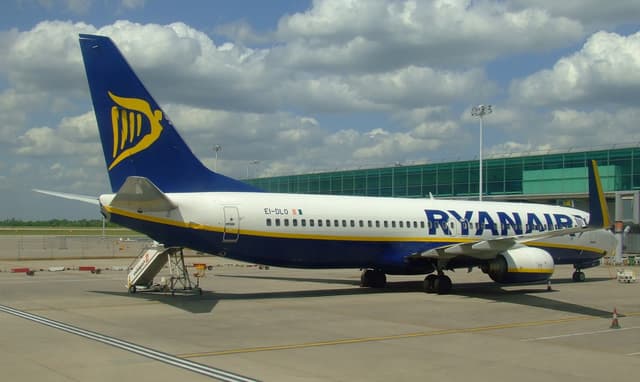
Ryanair Signs Five-Year AI and Cloud Partnership with Google to Boost Operations
Ryanair, Europe’s largest airline, has teamed up with Google Cloud in a major five-year partnership. The deal, announced on 12 August 2026, brings advanced data and AI tools to the airline’s operations. ezstandalone.cmd.push(function () { ezstandalone.showAds(119); }); It aims to boost efficiency, strengthen systems, and support ambitious growth plans. Under the agreement, Ryanair will roll out Google Workspace and Google Cloud services to its 35,000 employees. This move backs the airline’s target of carrying 300 million passengers each year by 2034. ezstandalone.cmd.push(function () { ezstandalone.showAds(127); }); A key part of the package is Gemini Enterprise. This is Google Cloud’s agentic AI platform. It connects company data, automates workflows, and builds custom AI agents. How the AI Tools Support Operations Gemini Enterprise will play a central role in daily work. Teams can use it to automate decision-making and optimise flight crew logistics. It will also lift overall corporate productivity. ezstandalone.cmd.push(function () { ezstandalone.showAds(128); }); At the same time, the partnership creates a dual-cloud strategy. This adds an extra layer of infrastructure resilience for the growing airline. Ryanair CEO Eddie Wilson highlighted the importance of reliable systems. “Ryanair is on an incredible growth journey to 300 million passengers by 2034,” he said. ezstandalone.cmd.push(function () { ezstandalone.showAds(129); }); “To support this growth, we need to ensure we have excellent infrastructure resilience, and our new dual-cloud strategy provides this, alongside technology partners that match our speed and relentless focus on efficiency.” “With that, we’re pleased to partner with Google Cloud, putting Gemini Enterprise and Google Workspace in the hands of our teams, driving even greater efficiency across our business while bolstering our infrastructure resilience.” Google Cloud’s View on the Partnership Google Cloud also sees strong potential in the collaboration. Maureen Costello, Vice President for UK, Ireland and Sub-Saharan Africa at Google Cloud , commented on the fit with aviation needs. ezstandalone.cmd.push(function () { ezstandalone.showAds(130); }); “Aviation is an industry defined by precision, and Ryanair is a pioneer in operational execution,” she said. “We are thrilled to be Ryanair’s AI transformation partner.” “This agreement demonstrates how deploying generative AI at scale – coupled with modern collaboration tools for frontline workers – can help industry leaders scale securely, reduce operational costs, and redefine the travel experience.” Supporting Scale and Efficiency The partnership focuses on practical gains. Google Workspace will give staff modern tools for everyday collaboration. Meanwhile, the broader Google Cloud platform handles data and AI needs. ezstandalone.cmd.push(function () { ezstandalone.showAds(131); }); Together, these services help Ryanair manage complex operations more smoothly as passenger numbers rise. Flight crew logistics often involve tight schedules and last-minute changes. AI agents can analyse data quickly and suggest better options. Automated decision-making can speed up routine processes. This leaves human teams free to focus on higher-value tasks. The dual-cloud approach further protects systems against disruptions, which matters in a high-stakes industry like aviation. ezstandalone.cmd.push(function () { ezstandalone.showAds(132); }); Ryanair has built its success on low costs and high efficiency. Adding advanced AI and cloud tools aligns with that model. The airline can process more data, respond faster to operational needs, and keep costs under control while expanding. Looking Ahead This five-year deal marks a clear step in Ryanair’s technology journey. By putting Gemini Enterprise and Google Workspace into the hands of thousands of employees, the airline aims to work smarter at scale. The dual-cloud strategy adds resilience at the same time. As Ryanair pushes toward 300 million passengers a year, strong digital foundations will prove essential. The partnership with Google Cloud supplies both the AI capabilities and the collaboration tools needed for that growth. ezstandalone.cmd.push(function () { ezstandalone.showAds(133); }); It positions the airline to maintain its operational edge while handling higher volumes of flights and customers. In short, the agreement combines proven cloud infrastructure with modern AI. Ryanair gains practical tools for efficiency and resilience. Google Cloud partners with a leading airline ready to put those tools to work across a large European network. The result should support smoother operations for years to come. ezstandalone.cmd.push(function () { ezstandalone.showAds(134); });
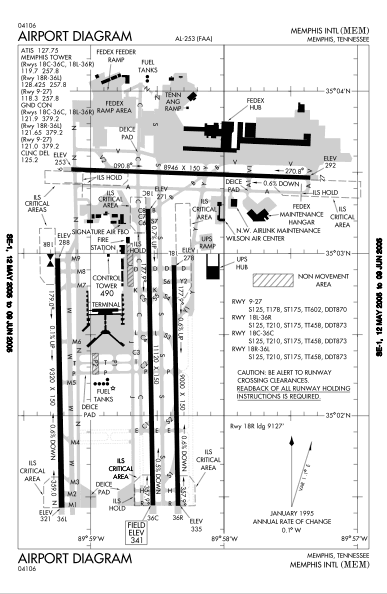
Memphis International Airport Renamed to Honor FedEx Founder Frederick W. Smith with New Significance
FedEx announced: On August 11, 2026, the Memphis community and FedEx team members worldwide came together to honor the legacy of the late FedEx founder Frederick W. Smith. In a dual tribute, the Memphis-Shelby County Airport Authority celebrated the renaming of the Memphis International Airport in his honor, coinciding with the inaugural FedEx FWS Day […]
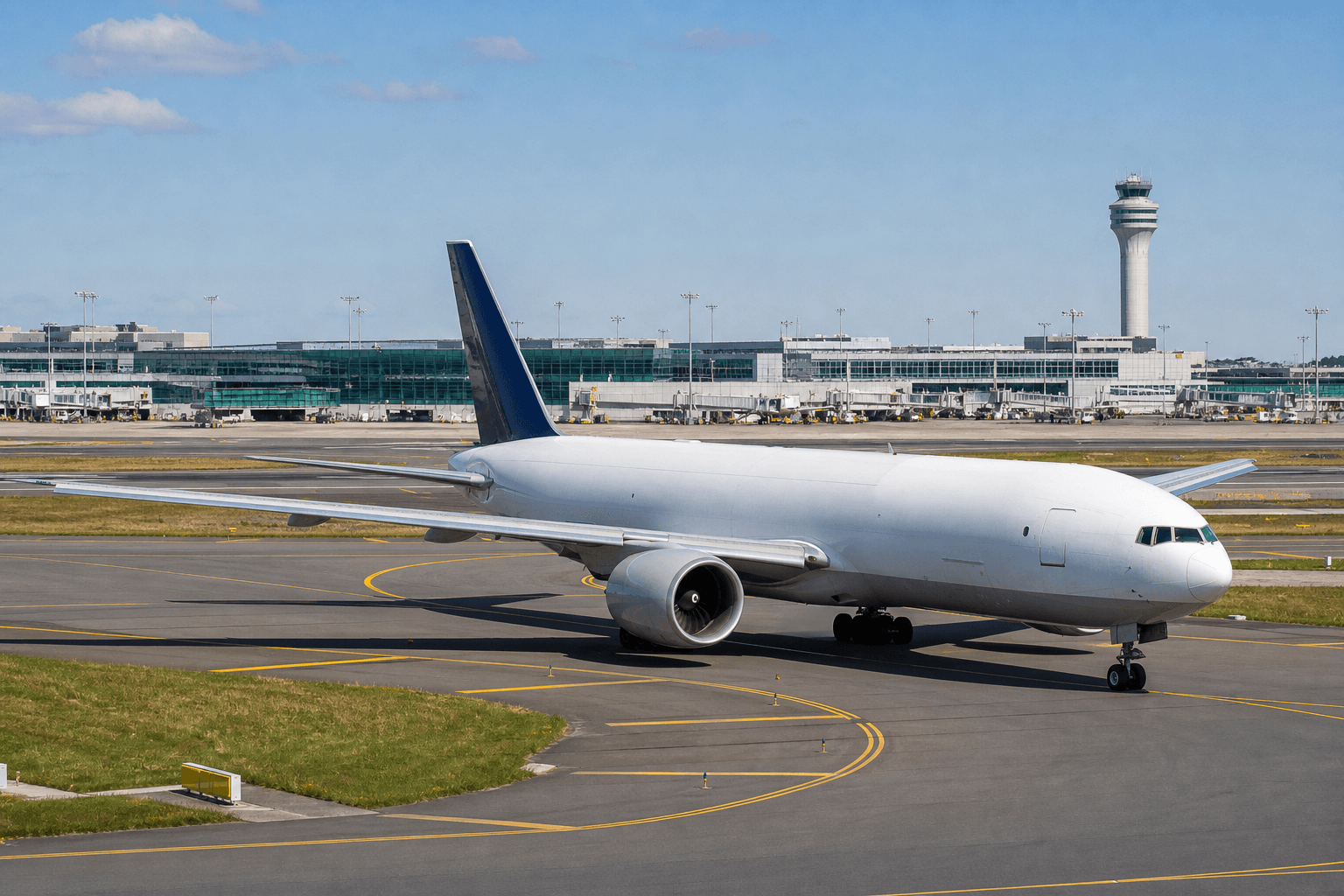
DAE Signs Deal to Acquire and Lease Four Boeing 777F Freighters to Saudia
Dubai Aerospace Enterprise has signed a major agreement with Saudia. The deal, announced on 10 August 2026, covers four new Boeing 777F aircraft. It also includes long-term leases for these planes. ezstandalone.cmd.push(function () { ezstandalone.showAds(119); }); Deliveries will run from October 2026 to May 2027.This purchase-and-leaseback deal strengthens Saudia’s cargo operations. It helps the Saudi flag carrier serve more markets worldwide. What the Agreement Involves DAE will purchase the four Boeing 777F freighters. Then it will lease them back to Saudia under long-term contracts. This structure is common in aviation. It gives airlines access to new aircraft while spreading costs. ezstandalone.cmd.push(function () { ezstandalone.showAds(127); }); The Boeing 777F is a long-range, widebody freighter. It offers strong payload capacity of about 102 tonnes. It also delivers good operational efficiency and high reliability. Leading cargo operators around the world already use this aircraft type. Firoz Tarapore, CEO of DAE , commented on the deal. “We are pleased to announce a purchase-leaseback agreement for four Boeing 777F aircraft with Saudia,” he said. ezstandalone.cmd.push(function () { ezstandalone.showAds(128); }); “This transaction reflects our continued commitment to supporting our airline customers with high-quality, in-demand aircraft.” He added that the planes will support Saudia’s growing cargo work. They will also help the airline reach key markets on its global network. Tarapore wished Saudia continued success. ezstandalone.cmd.push(function () { ezstandalone.showAds(129); }); Why This Matters for Saudia Saudia aims to expand its dedicated freighter fleet. The carrier wants to meet rising global demand for air cargo. These four new aircraft will boost capacity. They will improve connectivity between key international destinations. Saudi Arabia continues to position itself as a major logistics hub. Extra freighter capacity supports that national goal. The aircraft can carry a wide range of cargo across long distances. This makes them ideal for expanding routes. Earlier in 2026, Saudia Group announced an order for four Boeing 777Fs with the manufacturer. The DAE agreement aligns with that plan. It ensures the planes arrive on a clear schedule between late 2026 and mid-2027. ezstandalone.cmd.push(function () { ezstandalone.showAds(130); }); About Dubai Aerospace Enterprise DAE is a global aviation services company based in Dubai. It owns, manages, or has commitments for more than 1,000 aircraft. This fleet includes over 250 Boeing planes. The company serves more than 200 airline customers in over 85 countries. DAE plans to grow its portfolio further to meet market demand. Its fleet value stands at around $35 billion. The lessor operates through offices in several cities, including Dubai, Dublin, London, and Singapore. This latest deal shows DAE’s focus on high-demand freighter aircraft. Cargo traffic remains strong in many regions. Lessors that supply modern freighters can support airline growth effectively. ezstandalone.cmd.push(function () { ezstandalone.showAds(131); }); Looking Ahead The first aircraft should arrive in October 2026. The remaining three will follow by May 2027. Once in service, they will join Saudia’s existing freighter fleet. That fleet already includes other 777Fs, 747-400Fs, and converted Airbus models. No financial details of the transaction were released. Still, the strategic value is clear for both parties. Saudia gains modern capacity. DAE expands its portfolio with sought-after assets on long-term leases. The partnership highlights ongoing cooperation between Dubai’s aviation sector and Saudi carriers. Both regions continue to invest heavily in air transport and logistics. This agreement is one more step in that direction. ezstandalone.cmd.push(function () { ezstandalone.showAds(132); }); As deliveries approach, industry watchers will track how quickly the new freighters enter commercial service. They are expected to play a key role in Saudia’s cargo expansion plans over the coming years.
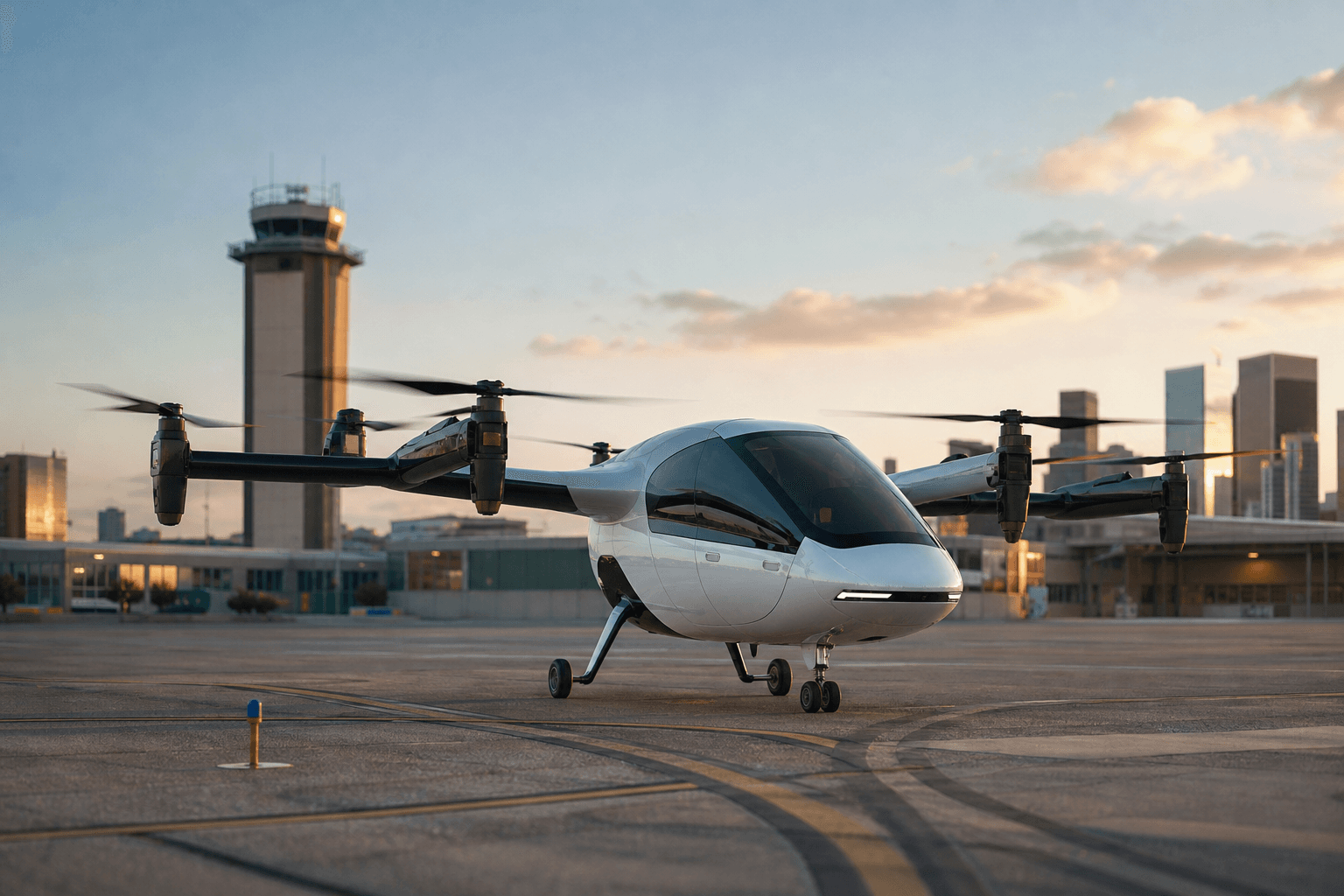
FAA Forecasts 24,600 Advanced Air Mobility Flights in First Year of Service
The FAA is projecting advanced air mobility (AAM) operations could generate 24,600 departures during their first full year of service in the U.S., according to the agency's latest Aerospace Forecast. The forecast covers airport shuttles, commuter air taxis, cargo feeders and medical transport operations. Operations Could Ramp Quickly The FAA estimates the nation’s initial AAM fleet will consist of seven aircraft with operations in two markets. By year three, the forecast ramps up to 80 aircraft across 15 markets, producing 334,800 annual departures. By Year 6, the FAA expects 367 aircraft will fly in 32 markets and will generate about 1.6 million annual departures. That would be roughly 4,400 flights per day. The forecast does not assign a specific calendar year to the start of commercial AAM service. The FAA said the timing remains uncertain and will depend on factors outside the scope of its demand study. Joby Aviation, Archer Aviation and Beta Technologies are among the manufacturers the agency identified as planning operations in the 2026-2027 timeframe. Several companies are beginning limited operations this year under the Department of Transportation’s Electric Vertical Takeoff and Landing and Advanced Air Mobility Integration Pilot Program ( eIPP ). "These partnerships will help us better understand how to safely and efficiently integrate these aircraft into the National Airspace System," FAA Deputy Administrator Chris Rocheleau said when the projects were announced in March. "The program will provide valuable operational experience that will inform the standards needed to enable safe Advanced Air Mobility operations." Airport Shuttles Expected First Airport shuttle service is expected to account for the largest initial share of AAM operations. The FAA also said it anticipates cargo feeder service in sparsely populated western areas and island communities, along with commuter air taxi and medical transportation operations. To determine the fleet required to meet the projected demand, the FAA assumed aircraft used for airport shuttle, cargo and commuter air taxi service would average 28 trips per day, based on two trips per hour during a 14-hour operating day. Medical transport aircraft were projected to average 2.5 trips per day. The FAA said expected production capacity announced by manufacturers indicates aircraft availability should not constrain the projected fleet growth.
The Daily Touch & Go
The day's best aviation news in your inbox. Free, no spam.