

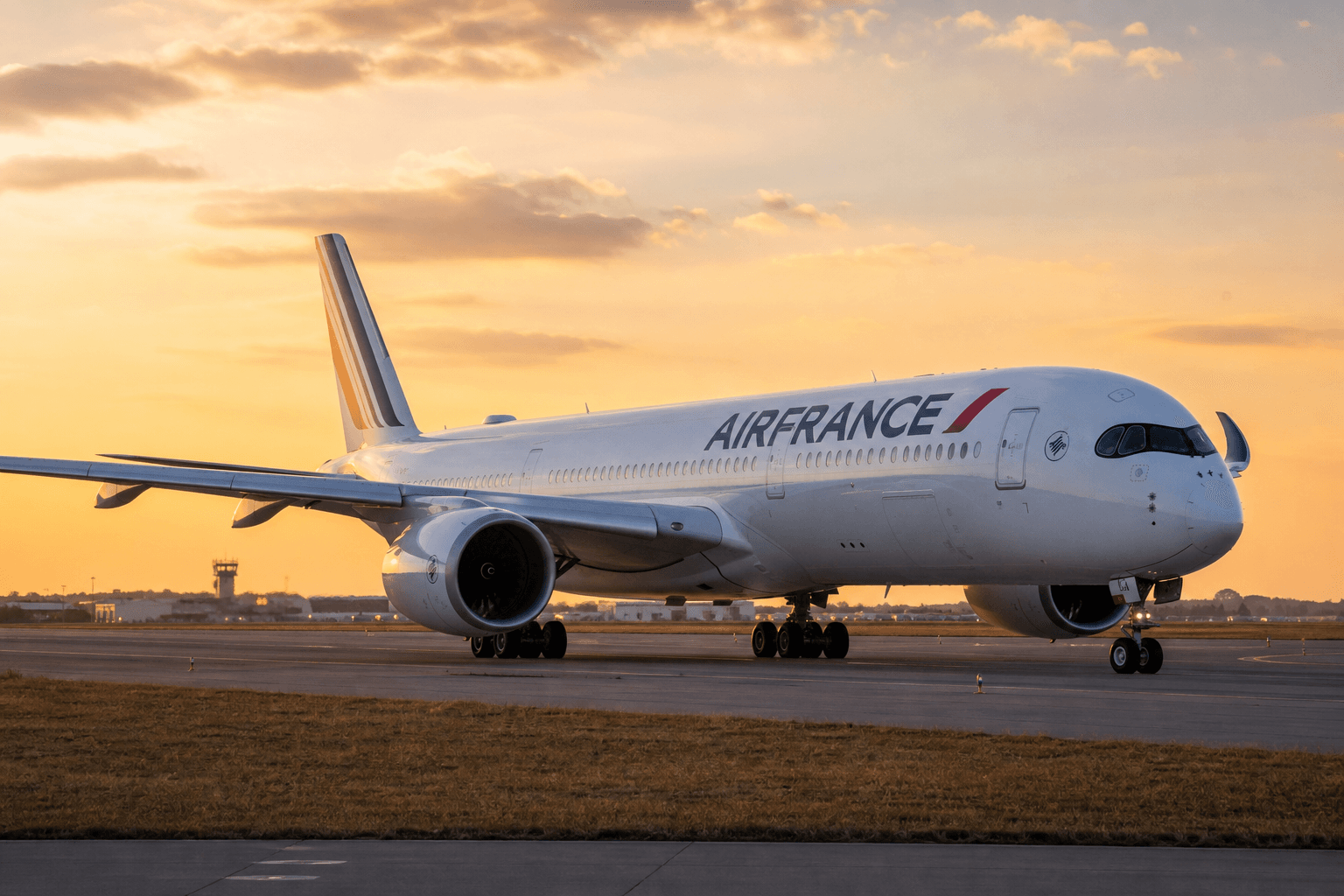
Illustration: The Touch & Go
Citi Offers 20% Bonus on Points Transferred to Air France-KLM Flying Blue Until August 22, 2026
Citi ThankYou points transfers to Air France-KLM Flying Blue come with a 20% bonus through late August, boosting mileage redemption value for travelers.
The gist
Citi ThankYou points transfers to Flying Blue earn a 20% bonus through August 22, enhancing rewards on Air France-KLM flights.
The Citi ThankYou rewards program has launched a new promotion offering a 20% transfer bonus when points are moved to the Air France-KLM Flying Blue frequent flyer program. Running from July 19 to August 22, 2026, the deal enhances the standard 1:1 points transfer ratio to 1,200 Flying Blue miles for every 1,000 Citi ThankYou points transferred. Citi’s system automatically applies this bonus at the time of transfer, allowing participants to immediately benefit from the upgraded mileage balance. Transfers are generally instantaneous, ensuring travelers can quickly capitalize on award opportunities with the enhanced point total.
This transfer bonus can be utilized an unlimited number of times during the promotional period, making it possible for Citi ThankYou members to significantly boost their Flying Blue mileage balance quickly. Various Citi credit cards earn ThankYou points, including the Citi Strata Premier® Card and the Citi Strata Elite℠ Card, both popular choices among those who want flexible points transferable to multiple airline programs. Points can be consolidated between these cards, simplifying redemption for travelers who hold multiple Citi rewards products and want to leverage this bonus effectively.
Flying Blue, the frequent flyer program for Air France and KLM, is renowned for offering valuable award redemptions, particularly on transatlantic flights. The program provides competitive pricing on premium cabin award seats aboard Air France and KLM aircraft, including the acclaimed Boeing 777 business class and Air France’s Airbus A350 business class. Frequent flyers often find Flying Blue miles to be highly useful for both economy and premium cabin award bookings, partly because the program releases more award seats to its members than to partner frequent flyer programs, enhancing availability.
While Flying Blue is celebrated for its award pricing, saver level award space can sometimes be limited, posing a challenge for travelers seeking the best deals. However, members holding Flying Blue Platinum status gain access to additional award seats, which considerably improves booking chances on desirable flights. This status perk can be especially valuable for frequent transatlantic travelers who rely heavily on mileage redemption for business and first-class travel experiences.
Comparing Flying Blue with other SkyTeam frequent flyer programs, it frequently offers the most competitive redemption options on Air France-KLM flights. Delta SkyMiles, another major SkyTeam program, has experienced multiple devaluations recently, making Flying Blue a more attractive option for many flyers looking to optimize their point value. Having Flying Blue miles on hand can be an indispensable tool for those planning travel in the coming months, as it broadens access to premium seats and competitive routes within Europe and beyond.
The market for airline transfer bonuses is competitive, as many transferable points currencies partner with Air France-KLM Flying Blue. Transfer promotions occur relatively often, but the current Citi 20% bonus is notable as it is the first such offer in around a year. Travel enthusiasts and frequent users of Citi ThankYou points often await these opportunities as they can significantly stretch the value of their points when redeeming for premium cabin airfare.
Despite the allure of transfer bonuses, travelers are advised to consider the strategic nature of their transfers, as transferring points speculatively without a concrete redemption plan can tie up points unnecessarily. Since other programs and airlines also appear periodically with transfer bonuses to Flying Blue, choosing when and how to transfer points should align with imminent travel needs and the best redemption value available. This balance is crucial for maximizing rewards benefit and avoiding missed opportunities elsewhere.
For travelers looking to maximize their miles and points economy, this 20% transfer bonus creates a timely opportunity to build Flying Blue miles at a lower effective cost. Combining this with available award seats on Air France and KLM’s impressive long-haul business and first-class cabins can produce a luxurious travel experience at a fraction of the usual mileage expense. For holders of Citi ThankYou points planning European or transatlantic travel, transferring points to Flying Blue during this promotional window is a compelling option.
Frequently asked questions
- What is the current transfer bonus offered by Citi ThankYou points to Flying Blue?
- Citi ThankYou is offering a 20% bonus on points transferred to Air France-KLM Flying Blue between July 19 and August 22, 2026.
- How quickly do Citi ThankYou points transfer to Flying Blue miles?
- Transfers from Citi ThankYou points to Flying Blue miles are generally instant, allowing immediate use with the 20% bonus.
- Why might travelers choose to transfer points to Flying Blue?
- Flying Blue offers valuable award pricing on Air France and KLM flights, with better award seat availability for its members, especially for transatlantic travel.
Read more
All Airlines →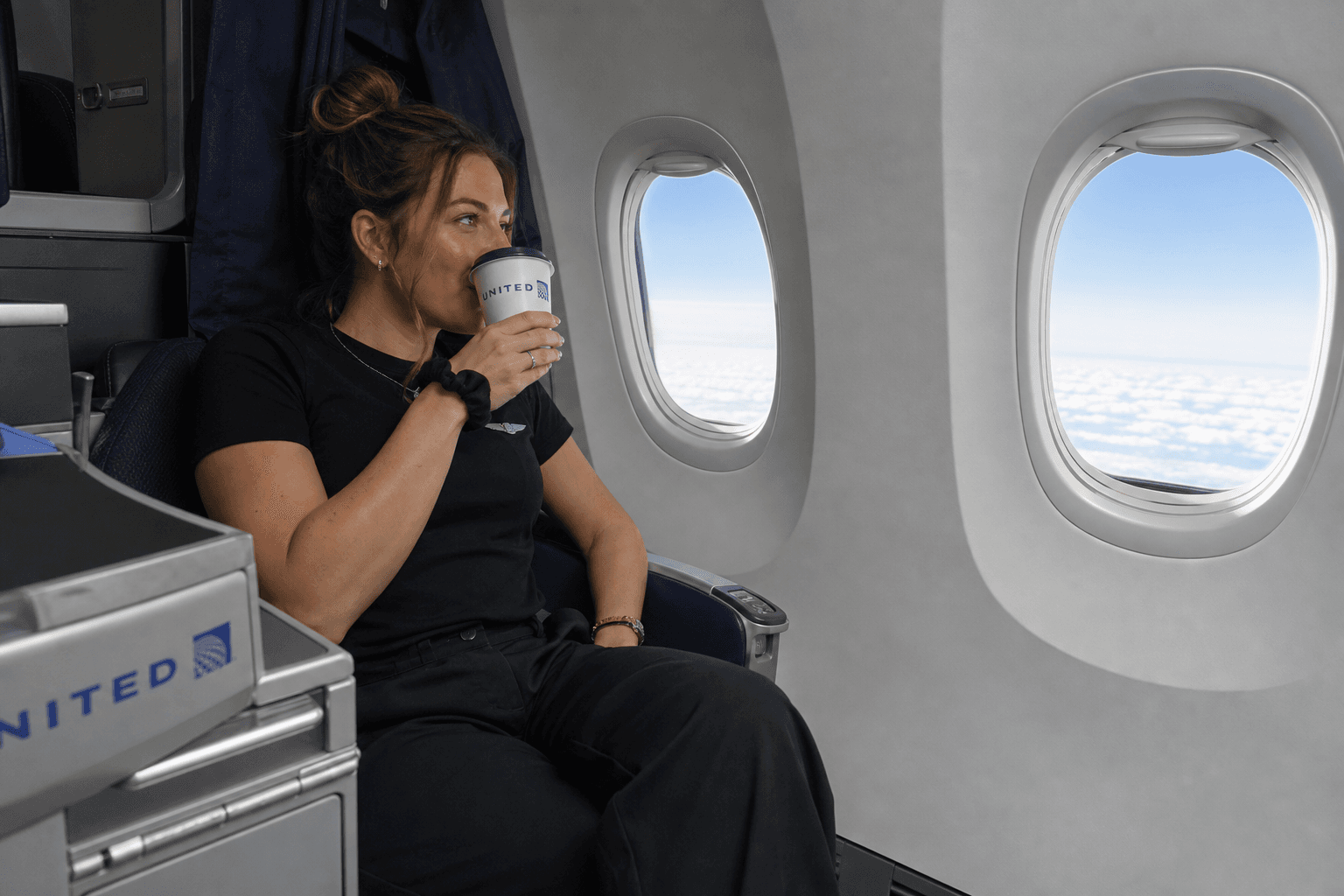
United Airlines Allows Flight Attendants to Drink Alcohol While Deadheading Under Strict Conditions
United Airlines flight attendants can drink while on duty in one narrow situation: when they are deadheading as passengers, out of uniform, and not expected to work another flight that day.
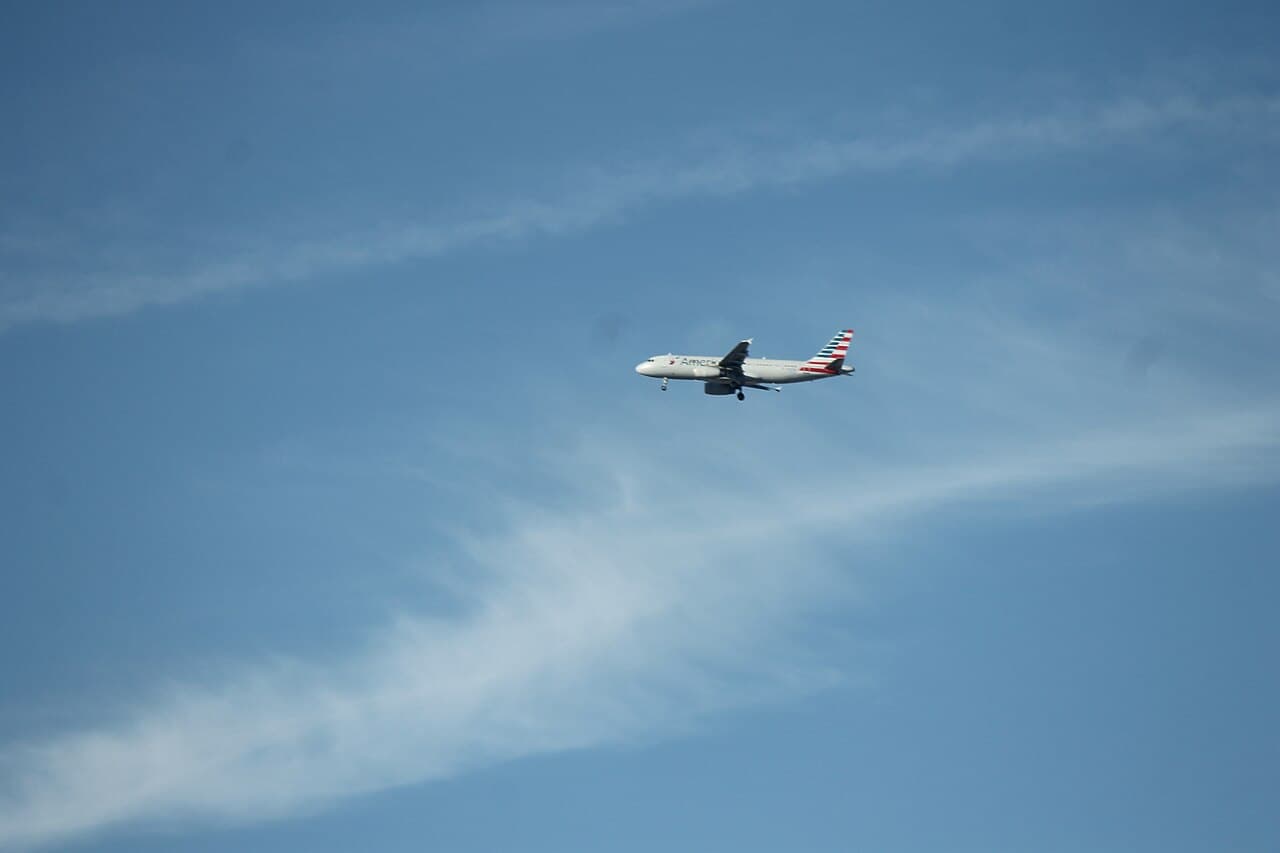
How Crews and Aircraft Separation Amplify Flight Delays Even After Weather Clears
Airlines often blame weather even after skies clear because the disruption has scattered aircraft, pilots and flight attendants across the network. After a storm delayed my American Airlines flight at Washington National, a missing crewmember exposed how separating planes and crews can turn one late arrival into delays across multiple flights.
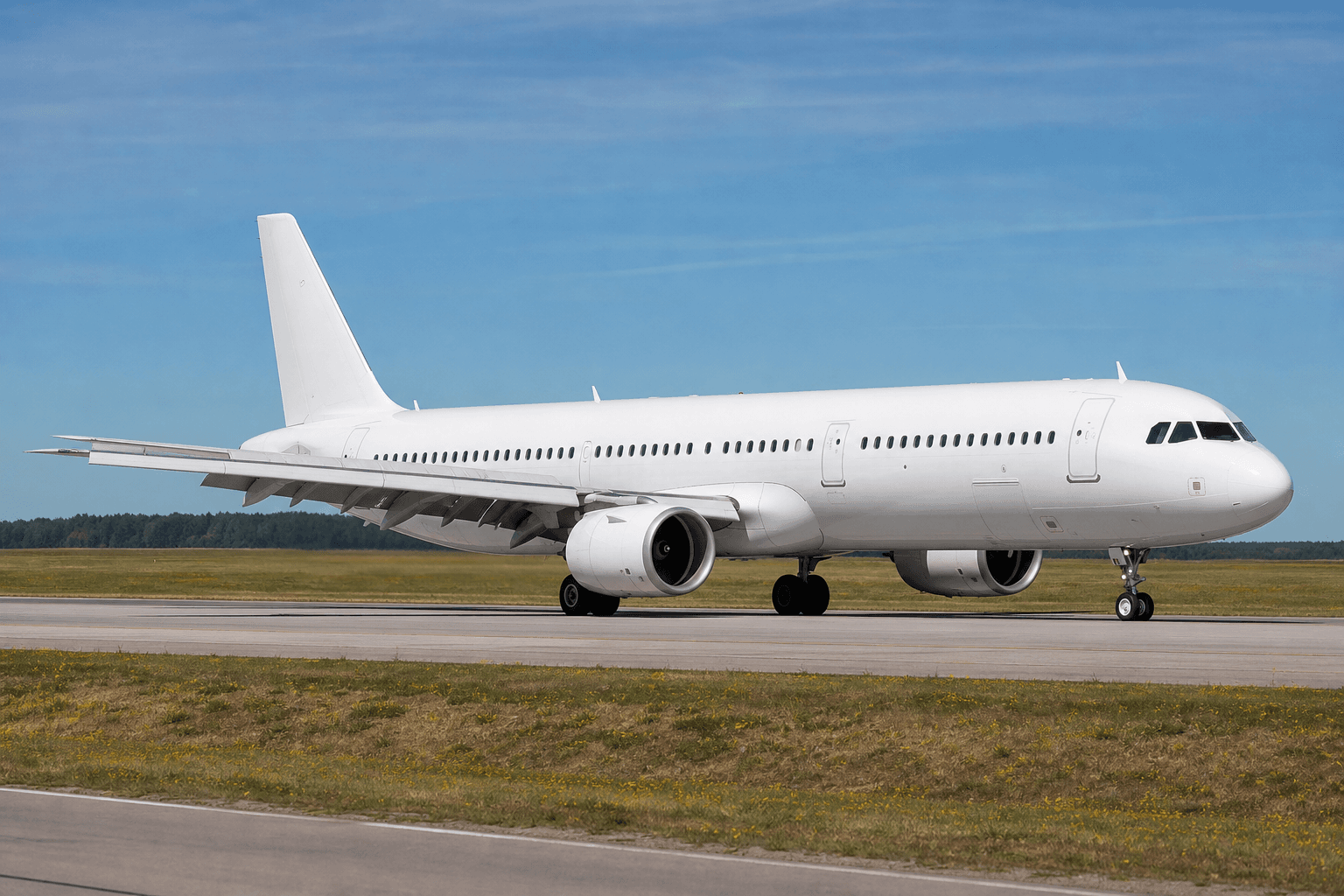
Airbus to upgrade A321neo with A321XLR wing design and single-slotted flaps
Airbus to incorporate batch of improvements on popular single-aisle model, and test production maturity of some on A320neo line. Airbus is to migrate A321XLR technology – including its revised wing design – to the A321neo, while other enhancements for the single-aisle family will initially be applied to the A320neo before being transferred up to the larger variants. The long-range XLR includes a lighter wing with a single-slotted inboard flap, and this will be incorporated into the regular A321neo, which currently uses a double-slotted design. A321neos will take advantage of a take-off performance improvement system which introduces intermediate flap positions, and works in conjunction with the single-slotted flap arrangement. The changes are part of a package of incremental improvements known as STEP4. A321neos will also benefit from new flight-control laws, the lighter electronic ‘e-rudder’, forward cabin temperature zones, and updated multi-functional runway lights. Head of A320-family development Torsten Hartung says the airframer is putting the "good ingredients" from the XLR onto the popular A321neo platform – the A321neo had a backlog of over 5,600 orders at the end of June. But the STEP4 enhancement will also entail new modifications which Airbus is to apply initially to the A320neo, as a low-risk measure to ensure production maturity before transferring them to the higher-rate A321neo, including the XLR variant. The A320neo will notably receive a new 'cobra' duct for the auxiliary power unit – mounted in the top of the fuselage, and aimed at enhancing cabin air quality – and corrosion-prevention measures such as titanium cabin rails. "The baseline A320neo is the first model to incorporate and prove the new modifications," says STEP leader for A320 family programme development Martin Schnoor. “Where we physically change the aircraft we decided to apply it first on A320neo in order to learn and see how well things are going." Once integration on the A320neo line is smooth, the new modifications will be made to the A321neo and XLR. Schnoor says deliveries of initial STEP4 A320neos are beginning, with the first A321neos and XLRs set to follow after a year. The A320neo has a different wing to the A321neo, but Airbus is ultimately aiming to migrate as many XLR innovations, outside of wing-related changes, to the A320neo as it can. Airbus says STEP4 will also eventually deliver further enhancements across the family, such as cabin-floor reinforcement, to account for changing standards in the weight of passengers and baggage, and a standardised flight data interface and management unit.
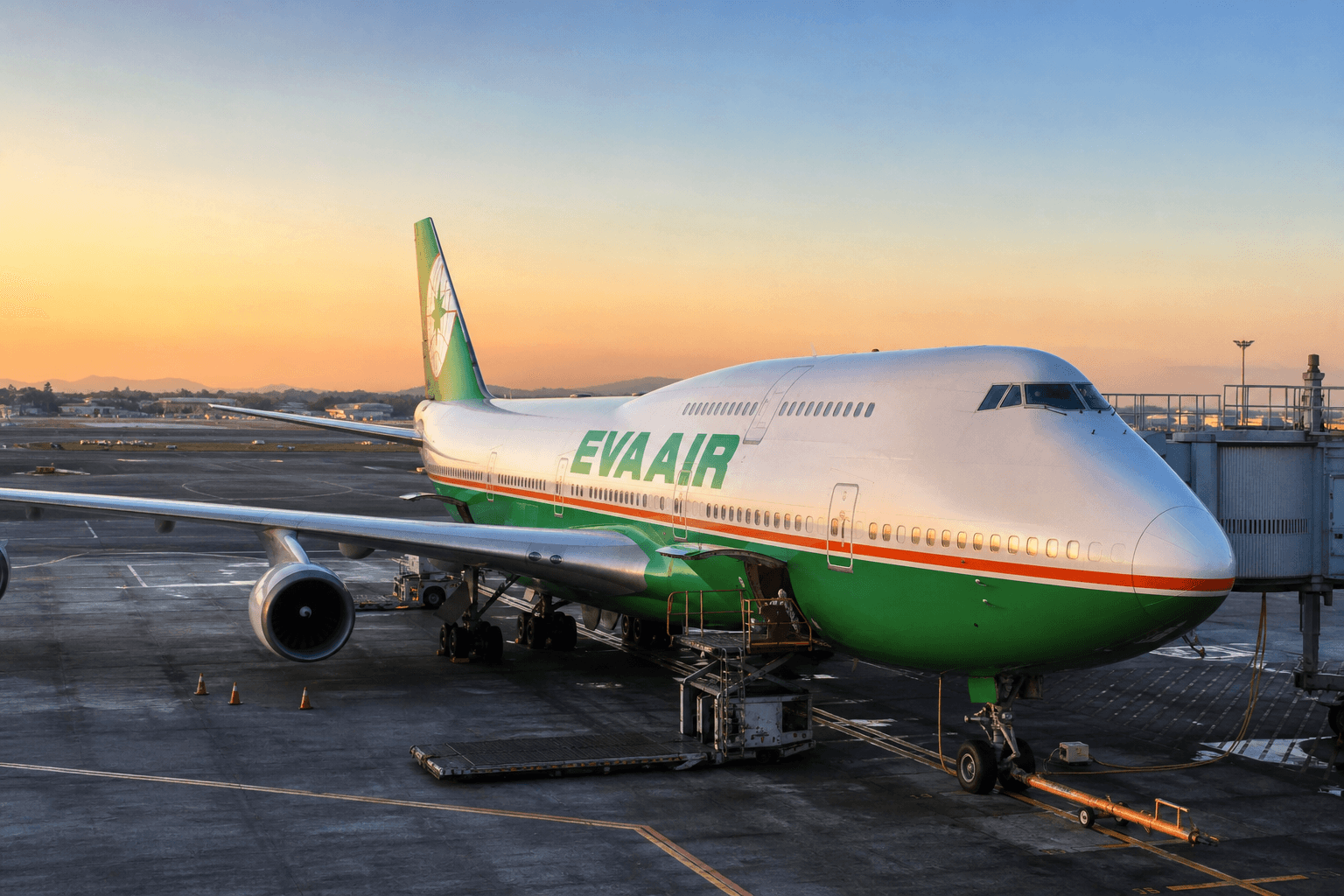
EVA Air Pioneered Premium Economy, Reshaping Long-Haul Travel Since 1992
Today, Premium Economy has become one of the most important cabin classes in long-haul aviation. Airlines across the world now rely on the product to bridge the gap between economy affordability and business class comfort, offering wider seats, improved dining, and additional personal space for travelers willing to pay slightly more for a better experience.
The Daily Touch & Go
The day's best aviation news in your inbox. Free, no spam.