

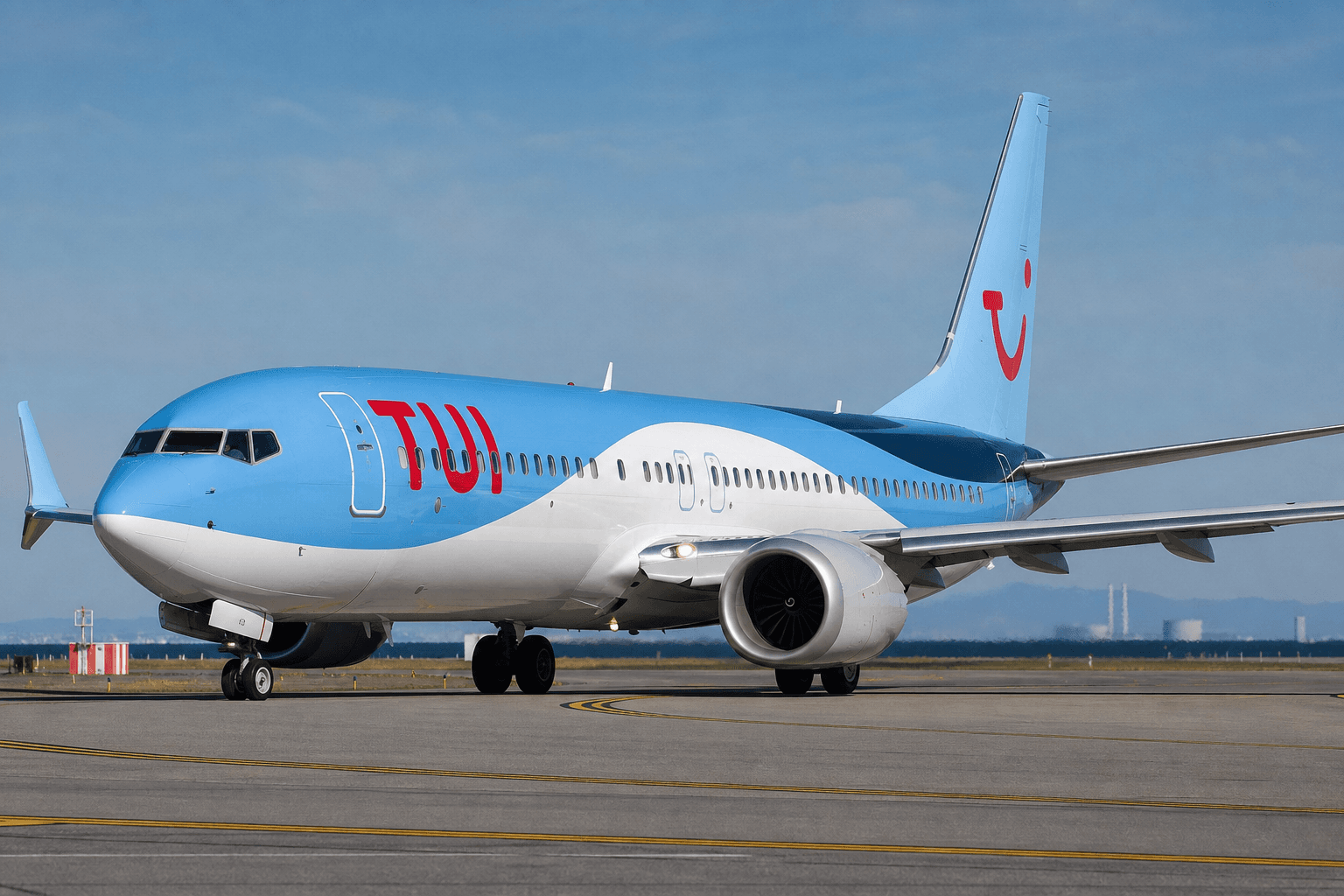
Illustration: The Touch & Go
TUI Advances Airline Commercial Strategy Amid Third-Quarter Loss from Geopolitical Turbulence
TUI's markets and airlines segment posts €16m loss for Q3, weighed by fuel costs and market pressures; airline direct sales expand with tuifly.com launch.
The gist
TUI's airline unit faces Q3 losses due to fuel and demand hits but boosts direct sales to drive future growth.
European travel giant TUI reported a challenging third quarter for its combined markets and airlines business, registering an underlying EBIT loss of €16 million for the April to June period. This performance contrasts sharply with the €50 million profit recorded in the same quarter the previous year. The company attributed this downturn primarily to geopolitical tensions around the conflict in Iran, higher fuel prices, and increased market capacity leading to softer demand and pricing pressure across its operations.
The markets and airlines segment encompasses TUI’s tour operators, sales channels, and airline operations. The loss reflects the cumulative impact of recent market dynamics, including consumer caution prompted by geopolitical uncertainty. TUI highlighted a trend toward later bookings for summer 2026, with total booked revenues currently down 6% compared to pre-conflict levels. However, the last four weeks have seen a 7% increase in bookings, signaling signs of recovery as traveler confidence gradually improves.
In response to these market challenges, TUI has been advancing its strategic initiative to develop TUI Airline as a commercially independent business unit. A key part of this strategy is enhancing operational efficiencies and diversifying revenue streams through increased flight-only offerings separate from traditional package holidays. June saw an important milestone with the launch of tuifly.com, the German airline’s direct sales website, designed to capture more high-margin direct ticket sales and reduce dependency on third-party booking platforms.
This move toward direct distribution aims to bolster TUI’s airline revenue while enabling more nimble customer engagement and a better margin profile. Plans are underway to roll out similar direct sales platforms for other TUI airline subsidiaries within the year, signaling a group-wide transformation of airline sales and marketing.
Geographically, demand remains strongest for popular Mediterranean destinations such as Greece and Spain, with emerging growth in the eastern Mediterranean region as well. Despite geopolitical headwinds, these areas are showing resilience in traveler interest, supporting TUI’s summer season bookings and providing opportunities for targeted network optimization and fleet utilization.
At the wider group level, TUI posted an underlying EBIT of €235 million for the third quarter, with full-year profit guidance narrowed to between €1.1 billion and €1.4 billion. This forecast assumes no major worsening in geopolitical conflicts or fuel supply disruptions. While the midpoint of the guidance represents a slight decline from the €1.41 billion profit in the previous financial year, it indicates anticipated stability with cautious optimism for the remainder of 2026.
TUI’s efforts to navigate market volatility through strategic localization of its airline business highlight the complexities facing integrated travel conglomerates in a turbulent geopolitical and fuel price environment. The direct sales push and network adjustments are critical as TUI seeks to regain profitability in its airline division while maintaining broader market presence.
With geopolitical risks continuing to cast uncertainty on consumer confidence and operational costs, TUI’s enhanced commercial autonomy for its airlines and the new direct booking channels provide essential tools for improved resilience. Close monitoring of booking trends and fuel market developments will be necessary for TUI to meet its profit targets by September 2026.
Frequently asked questions
- What caused TUI's markets and airlines division to post a loss in Q3 2026?
- TUI's markets and airlines division posted a loss due to higher fuel costs, increased market capacity, weaker demand driven by geopolitical tensions from the conflict in Iran, and increased price pressure.
- How is TUI advancing its airline business strategy?
- TUI is commercialising its airline by developing it as a commercially independent business, enhancing cost and network efficiencies, increasing flight-only offerings, and launching tuifly.com for direct airline sales to capture higher-margin revenue.
- What impact have geopolitical events had on TUI's bookings for summer 2026?
- Geopolitical events, including the war in Iran, have caused increased consumer caution and a trend toward later bookings, resulting in a 6% decline in booked revenue for summer 2026 compared to prior periods, though recent weeks show a 7% rise in bookings.
Read more
All Airlines →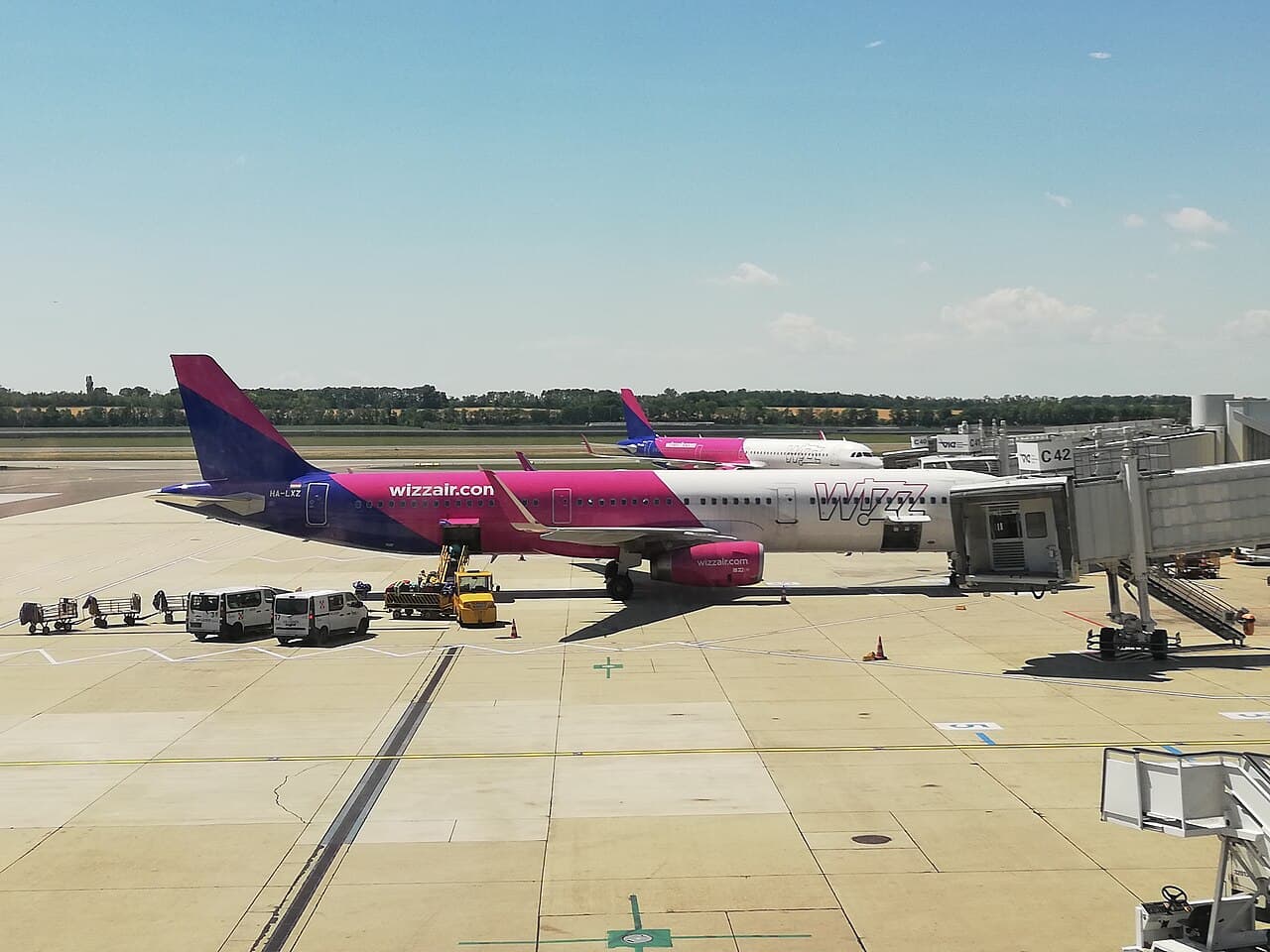
Wizz Air posts €183m operating loss in Q1 amid 39% fuel cost surge
Central European budget operator lifts passenger numbers by a quarter during April-June period. Wizz Air fell to an operating loss of €183.3 million ($211.6 million) in the three months to June 2026 on fuel costs up 39% for the period. The Central European budget carrier increased revenues 6% to €1.5 billion in the first quarter of its financial year, which runs to March 2027. However, fuel costs over the same period jumped to €610 million, driving a 21% rise in the carrier's overall costs. As a result, Wizz slipped from an operating profit €27.5 million for its first quarter in 2025 to a loss of €183.3 million. Likewise, it posted a net loss of €198.2 million in the April-June period, compared with a €38.4 million profit a year ago. "The industry has been extremely volatile over the June quarter due to conflict in the Middle East, elevated fuel prices and changes in booking patterns," says Wizz Air chief executive Jozsef Varadi. He though flags "some notable success" in the quarter, including a 25% increase in passenger numbers to 21.2 million. Wizz last year refocused its network strategy to put more emphasis its core Central European and UK markets, reducing its stage lengths to improve aircraft utilisation and slowing its long-term capacity growth. That has been accentuated by the carrier redeploying capacity from the Middle East, primarily Israel, because of the Iran conflict. "We are focused on strengthening the core network, improving density and reallocating flying from longer-haul Middle Eastern operations into shorter European sectors," says Varadi. "This supports higher sector productivity, creates more attractive schedules for customers, improves network integrity and delivers incremental growth at a lower cost." The carrier offered little by way of full-year profit guidance, but Varadi says: “While we continue to see the build-up of forward bookings, the rest of the year is expected to present both industry challenges and strategic opportunities. "We will continue to manage the business for profitability while remaining ready to take advantage of market opportunities that may arise as supply and demand rebalance across Europe. support the long-term growth of Wizz Air."
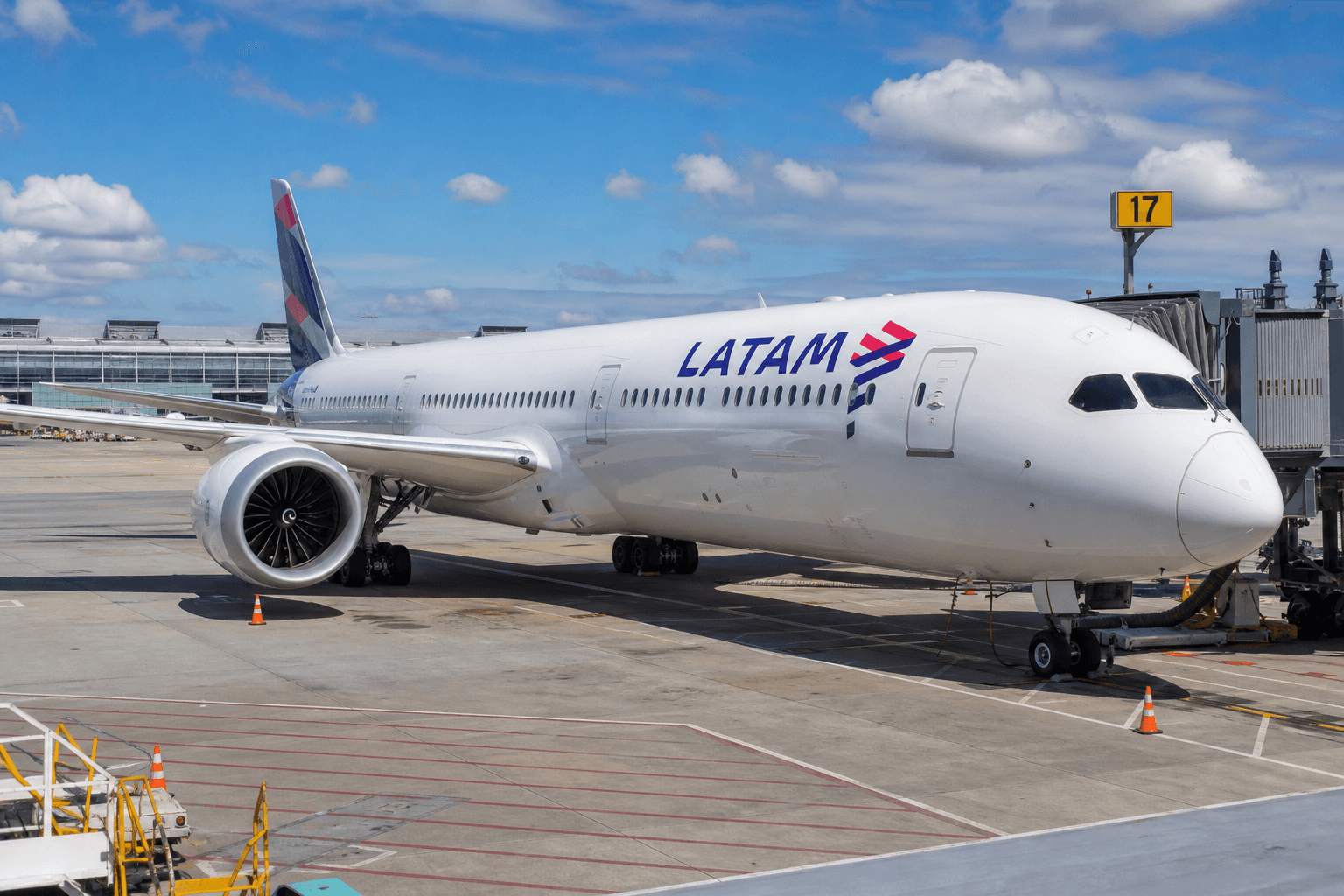
LATAM Airlines posts $227 million Q2 profit amid strong premium demand
Resilient demand for premium seats and from loyalty programme members kept LATAM in the black. LATAM Airlines Group was able to pass to customers much of the increase in fuel prices in the second quarter thanks to strong travel demand, especially for premium seats and from member of its loyalty programme. The company reported an adjusted operating profit of $227 million for an adjusted operating margin of 5.4% during the three months ending in June. Its revenue increased 28% year on year to $4.2 billion, driven by an 18% year-on-year increase in revenue per available seat kilometre, allowing LATAM to recapture much of the additional $700 million fuel expense it paid in the period. LATAM’s second-quarter expenses jumped 39% year on year to $4.0 billion. "The combination of effective execution, commercial flexibility and the resilience of LATAM's diversified business model allowed the group to increase unit revenues this quarter [and] successfully mitigate a substantial portion of that [fuel] impact," said Ricardo Dourado, the chief financial officer of LATAM, during an earnings call on 5 August. Premium-seat sales and demand from loyalty programme members showed "greater resilience" than overall demand in the second quarter, he adds. LATAM is investing in new business-class suites and premium-economy seats for its widebody Boeing 787s. Installations began in 2025 and continue across the fleet. It is also expanding the number of premium-economy seats on its narrowbody fleet of Airbus A320-family aircraft and plans to introduce the seats on Embraer 195-E2s scheduled to enter service in November. LATAM initially plans to fly E195-E2s to four new destinations and on eight new routes in Brazil. The aircraft will allow it to expand and tailor capacity on existing routes to better match demand at various times of day, chief executive Roberto Alvo says. Looking ahead, LATAM reinstated its guidance despite what Alvo says remains a "highly dynamic" market. The company expects to grow capacity, measured in available seat kilometres, 8-9% in 2026 and forecasts a 2026 adjusted operating margin of 12-13%. LATAM is scheduled to take delivery of 15 A320neo-family aircraft, one 787-9 and 12 E195-E2s in the second half of 2026, its latest fleet plan shows. It forecasts adding 27 aircraft to its fleet in 2026, bringing its fleet to 410 aircraft at year-end. LATAM can retire older Airbus A319s if the demand environment weakens, Alvo says.
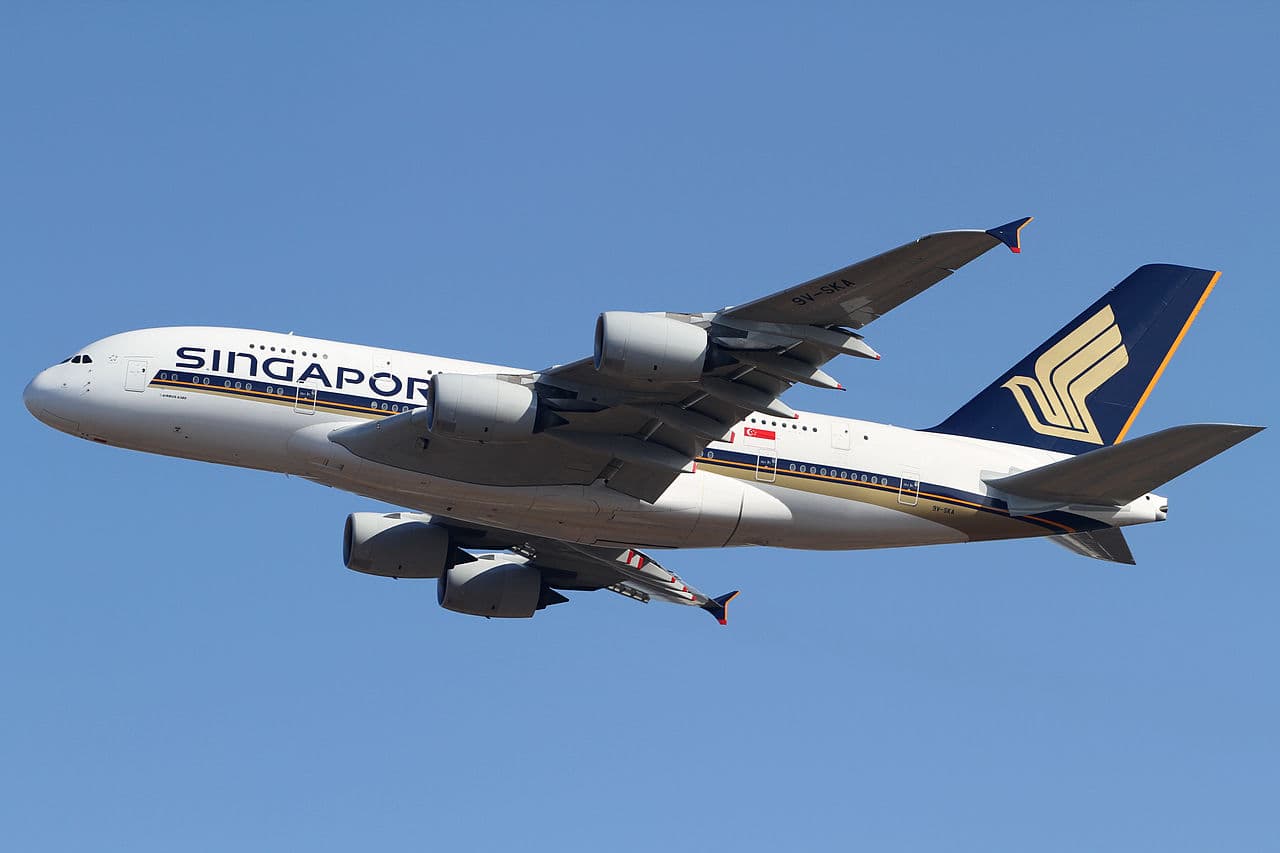
Singapore Airlines Business Class Delivers Consistent Luxury With Tailored Comfort
Singapore Airlines' Business Class has long been regarded as one of the most polished premium products in the world of global aviation. While many carriers are capable of offering lie-flat seating, refined meals, and premium lounges, Singapore Airlines layers these elements with a consistency, attention to detail, and overall design philosophy that elevate the entire experience. The airline views Business Class not simply as a transport product but as a hospitality offering built on deliberate service rituals, thoughtful cabin ergonomics.
Indian Lawmaker Urges Women-Only Lavatories on Planes to Improve Hygiene and Comfort
An Indian lawmaker is being mocked for supposedly demanding that Boeing and Airbus redesign aircraft with separate bathrooms for men and women. Her actual letter asks airlines to designate one existing lavatory women-only and clean all of them more often—a real sanitation problem wrapped in a policy likely to create new capacity, enforcement and gender-definition problems.
The Daily Touch & Go
The day's best aviation news in your inbox. Free, no spam.