

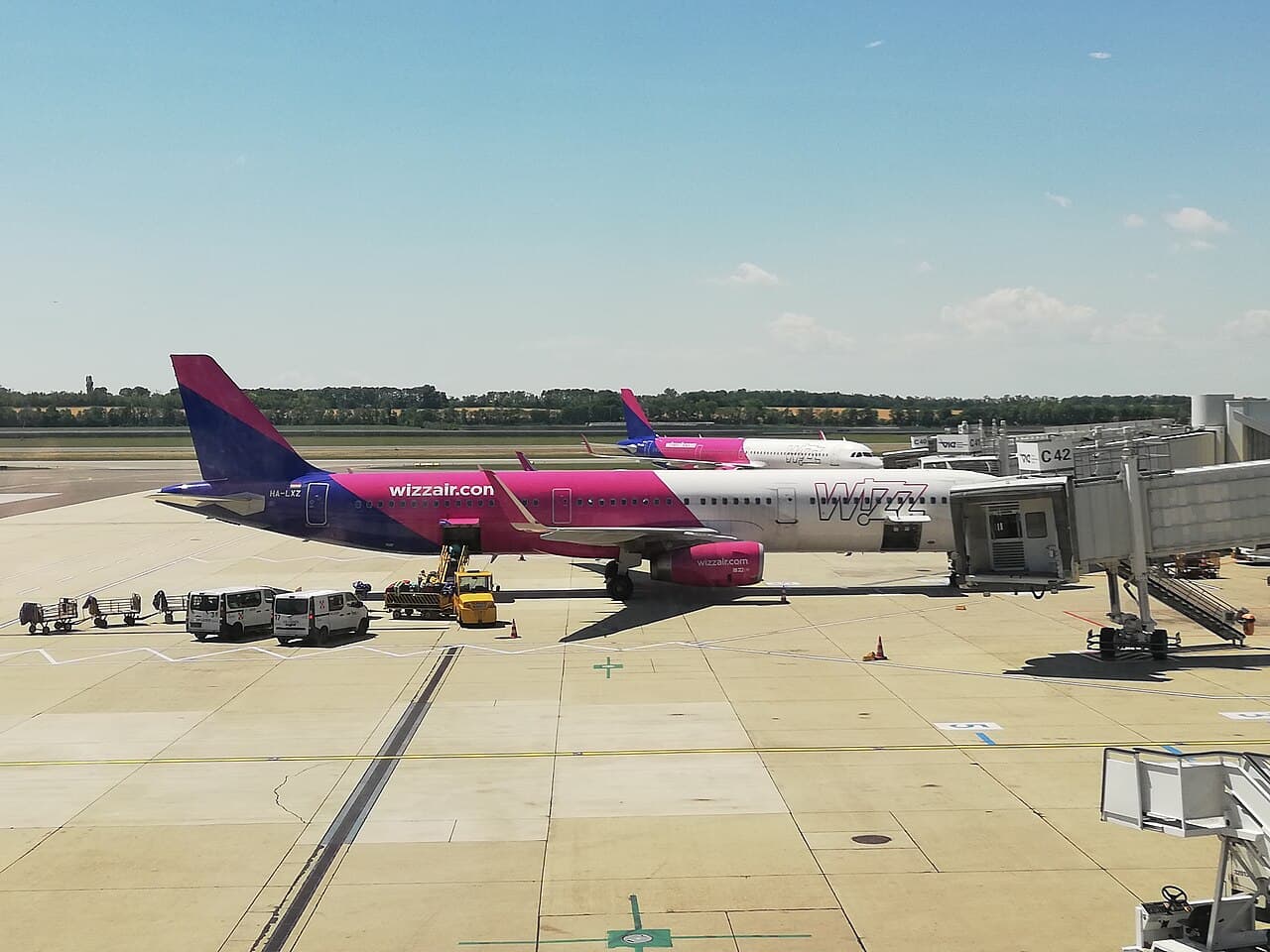
Image: Aron Szegedi · CC BY-SA 2.0 · via Wikimedia Commons
Wizz Air posts €183m operating loss in Q1 amid 39% fuel cost surge
Wizz Air's operating loss widened sharply in April-June 2026 due to soaring fuel expenses, despite a 25% rise in passenger numbers and 6% revenue growth.
The gist
Wizz Air swung to a €183m operating loss in Q1 2026 as fuel costs jumped 39%, offsetting record passenger growth.
Wizz Air recorded a substantial operating loss of €183.3 million ($211.6 million) in the first quarter of its 2026-27 financial year, citing a 39% increase in fuel costs as the primary driver. The Hungarian-based low-cost carrier experienced a challenging April to June quarter, which contrasted sharply with its profitable performance during the same period in 2025. Despite growing its total revenues by 6% to €1.5 billion, the dramatic rise in fuel expenses pushed overall costs up 21%, squeezing margins and erasing operating profits.
The surge in fuel prices saw Wizz Air's expenditure on fuel reach €610 million during the quarter, marking a significant burden on the airline's cost base. This contributed to a net loss of €198.2 million for the three-month period, reversing from a €38.4 million net profit achieved in the previous year. The increase in fuel costs is attributed, in part, to geopolitical tensions, including the conflict in the Middle East, which has disrupted energy markets and contributed to volatility in operating conditions for airlines worldwide.
Chief Executive Jozsef Varadi acknowledged the challenging environment, highlighting that the industry faced several headwinds, including changes in booking patterns and elevated fuel prices exacerbated by Middle East conflicts. However, he also noted some positive elements, pointing to a 25% increase in passenger numbers to 21.2 million during the quarter. This reflects strong underlying demand despite the operational difficulties and suggests resilience in Wizz Air’s business model.
Strategically, Wizz Air has been refining its network focus over the past year, shifting attention towards its core Central European and United Kingdom markets while reducing stage lengths. This repositioning aims to boost aircraft utilization and operational efficiency. The airline has also pulled capacity back from longer-haul routes in the Middle East—mainly Israel—due to regional instability linked to the Iran conflict. This redeployment favors shorter European sectors that generally offer better productivity per sector and enhanced schedule attractiveness for customers.
Varadi elaborated that the network adjustments are intended to strengthen schedule density and improve network integrity, all while supporting incremental growth at a lower cost base. By prioritizing shorter sectors in Europe, Wizz Air aims to optimize aircraft rotation and better align capacity with demand fluctuations. These measures reflect an effort to maintain competitiveness in a volatile cost environment and to mitigate fuel price exposure.
Although Wizz Air did not provide specific profit guidance for the remainder of the financial year, Varadi underscored that the airline expects ongoing industry challenges as well as strategic opportunities. He emphasized a balanced approach of managing the business for profitability while remaining agile enough to capitalize on shifting market dynamics as supply and demand rebalance across European markets.
The quarter’s results underscore the critical impact of global fuel price inflation on airline profitability, especially for low-cost carriers with thin margins. Wizz Air’s experience illustrates how rapidly rising operating costs can overshadow robust traffic growth and solid revenue performance. The carrier’s focus on network optimization and cost control will be crucial to navigate the uncertain outlook and sustain long-term growth.
Frequently asked questions
- What caused Wizz Air's operating loss in the first quarter of 2026-27?
- Wizz Air's operating loss of €183.3 million was mainly due to a 39% increase in fuel costs, which rose to €610 million, driving overall costs up by 21%.
- How did Wizz Air's passenger numbers and revenues change during the quarter?
- Passenger numbers grew by 25% to 21.2 million and revenues increased by 6% to €1.5 billion despite the operating loss.
- What strategic changes has Wizz Air made to its network amid geopolitical tensions?
- Wizz Air refocused on core Central European and UK markets, reduced stage lengths to improve aircraft utilization, and redeployed capacity from the Middle East due to conflict in the region.
Read more
All Airlines →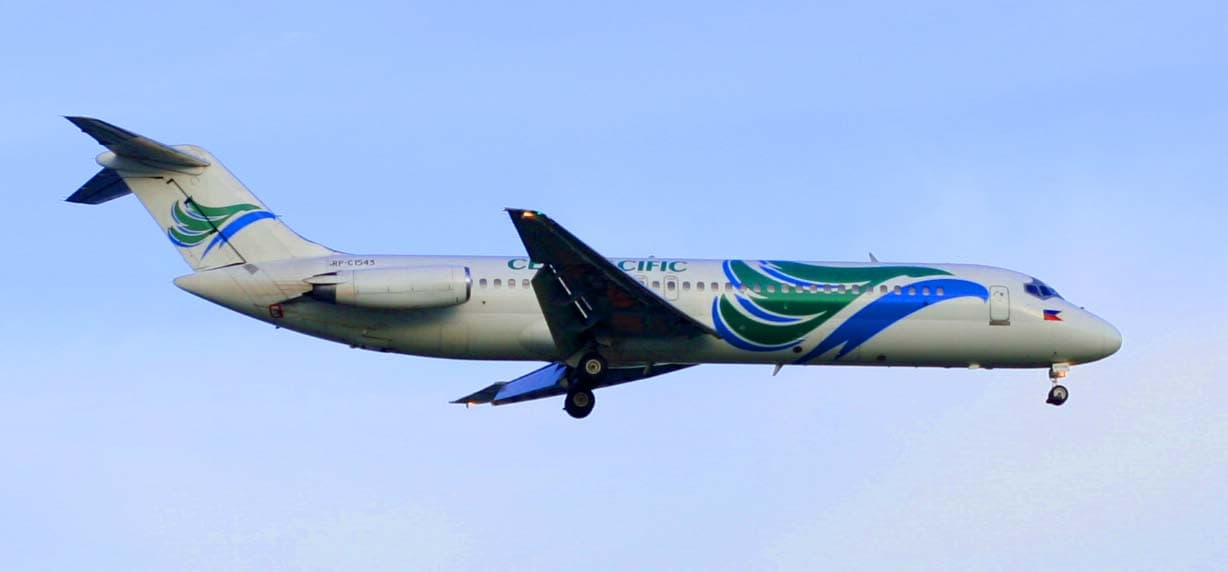
Cebu Pacific posts Q2 loss as fuel costs more than double operating expenses
Airline saw fuel expenses more than double during its second quarter. Cebu Pacific swung to the red in the second-quarter as it took a significant hit from heightened fuel prices in what what it terms the "most challenging operating environment post-pandemic". The low-cost operator posted an operating loss of Ps2.7 billion ($44.3 million) for the three months ended 30 June, a quarter that has traditionally been stronger performing. The loss compares to a Ps6 billion operating profit it reported in the year-ago period. Cebu Pacific operating costs rose 41% year on year to Ps37.9 billion, driven by a doubling in fuel expenses during the quarter. Airline chief Mike Szucs says the “extraordinary” spike in fuel costs – its "single largest cost component" – happened very quickly, "outpacing our ability to recover these costs" through "calibrated fare increases" implemented during the quarter. Szucs, speaking at an earnings call on 6 August, adds that the fuel impact "temporarily disrupted the positive trajectory we had seen earlier in the year". Indeed, the spike in operating expenses significantly outpaced a 7% increase in revenue – to Ps35.2 billion – a sign that underlying demand "still remains resilient", notes Szucs. During the quarter, Cebu Pacific slashed capacity, especially on long-haul routes, in response to the increase in fuel prices. The airline "selectively reduced flights to focus on markets with profitable contribution margin" during the quarter, notes airline chief operating officer Xander Lao. The "deliberate capacity reductions" were behind a 2% decline in system-wide capacity, led by a 13% cut in international ASKs. Still, the airline carried 7 million passengers, roughly similar to the year-ago period. The airline has also warned of continued volatility in fuel prices in the near-term. The July-September period is also a "relatively weaker" and loss-making season for the carrier, which has warned that its losses for this third-quarter period could be steeper given the higher fuel costs. Lao, however, says that forward booking data remains strong, with the third-quarter demand shaping up to be better than previous years. The airline's international travel demand is "doing quite well" in the near-term, with domestic demand "already starting to catch up", Lao adds.
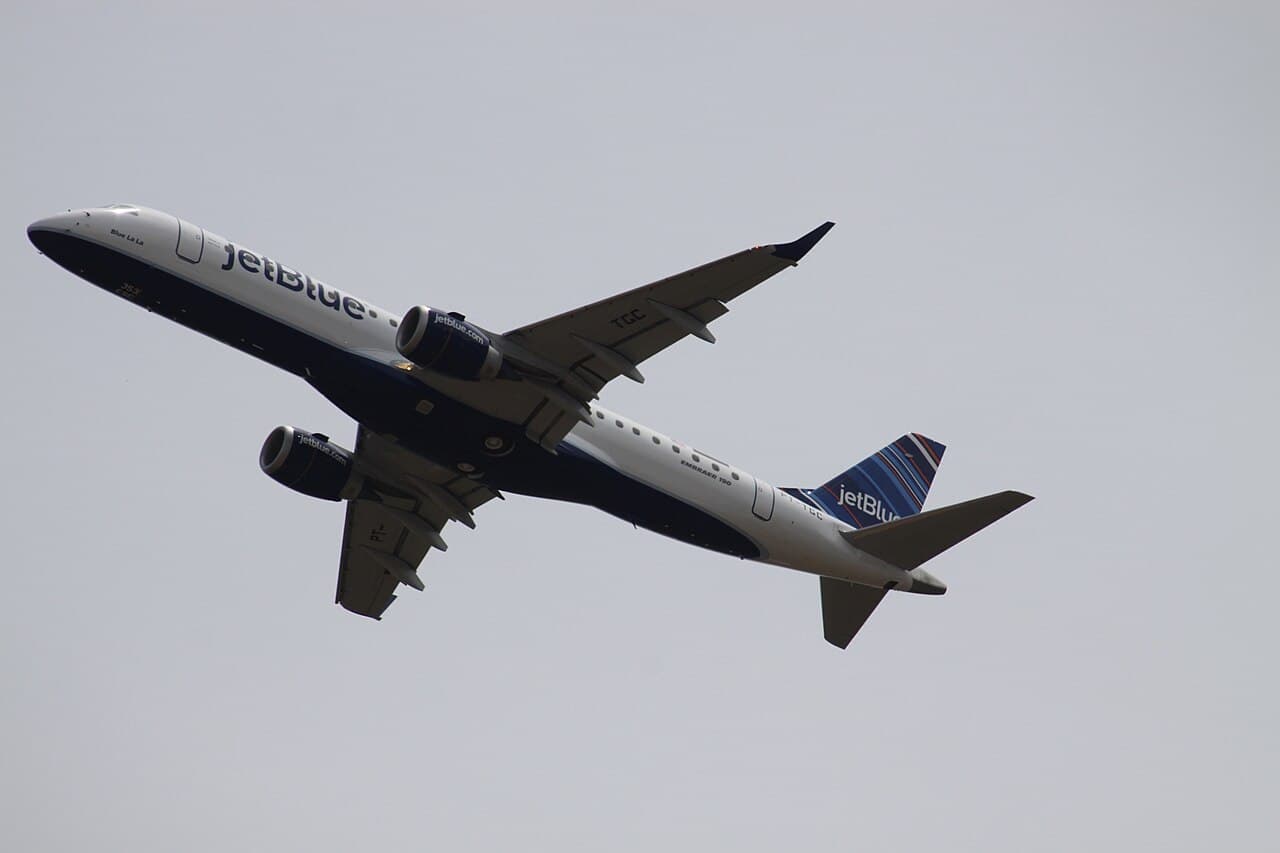
JetBlue Posts 14.5% Revenue Growth in Q2 2026, Reinstates Full-Year Outlook
JetBlue Airways reported robust second-quarter 2026 results on July 28, highlighting the early success of its JetForward transformation strategy despite elevated fuel prices. ezstandalone.cmd.push(function () { ezstandalone.showAds(119); }); The airline posted operating revenue of $2.7 billion, marking a 14.5% increase from the prior year, driven by strong customer demand and targeted commercial initiatives. Revenue per available seat mile (RASM) rose 10.9% year-over-year, landing near the upper end of the company’s revised guidance. ezstandalone.cmd.push(function () { ezstandalone.showAds(127); }); This performance reflects broad-based strength across premium and main cabin products. Premium RASM was up approximately 13% with main cabin RASM growing 11%. Capacity increased a modest 3.2% year-over-year, aligning with expectations. Fuel Costs Create Short-Term Pressure, But Recovery Exceeds Expectations Higher fuel prices significantly impacted profitability. JetBlue’s average fuel cost reached $4.23 per gallon in Q2, a 76% jump from the previous year. ezstandalone.cmd.push(function () { ezstandalone.showAds(128); }); This drove operating expenses higher, resulting in an operating loss of $141 million and a net loss of $247 million, or $0.66 per share. Despite the surge, the airline recaptured nearly 50% of the higher fuel costs—well above initial expectations of 30-40%. ezstandalone.cmd.push(function () { ezstandalone.showAds(129); }); Cost per available seat mile excluding fuel (CASM ex-fuel) rose only 2.4% year-over-year, beating the midpoint of guidance by 1.6 points. This disciplined cost management underscores JetBlue’s operational focus. Photo Credit: JetBlue JetForward Strategy Showing Tangible Progress Two years into JetForward, JetBlue has generated $470 million in cumulative incremental EBIT through June 2026. The company remains on track to deliver $850–$950 million in annual incremental EBIT benefits by the end of 2027, with expectations building to approximately $1.2 billion by 2028. ezstandalone.cmd.push(function () { ezstandalone.showAds(130); }); Key highlights include improved operational reliability, with A14 performance up about one point and Net Promoter Score rising five points year-over-year. In Fort Lauderdale, JetBlue achieved 11% RASM growth despite nearly 40% capacity expansion, capitalizing on market opportunities. Loyalty revenue grew 13%, fueled by strong co-brand card performance and new initiatives like ClarityPay for flexible payments. Premium experiences continue to win acclaim. Mint ranked highest in customer satisfaction among first/business passengers in the J.D. Power 2026 North America Airline Satisfaction Study for the second year running. ezstandalone.cmd.push(function () { ezstandalone.showAds(131); }); The BlueHouse lounge at JFK earned “Best Airport Lounge of 2026” honors, with Boston’s location opening soon. Upcoming enhancements include BlueFirst, the new domestic first-class product launching sales this fall, and expanded Blue Sky reciprocal loyalty benefits. Long-Term Confidence Reflecting momentum, JetBlue introduced a 2028 earnings per share target of at least $1.00, assuming sustained demand and average jet fuel prices of $3.00 per gallon. CEO Joanna Geraghty emphasized the strategy’s role in building a more profitable future. ezstandalone.cmd.push(function () { ezstandalone.showAds(132); }); “We’re encouraged by the progress we’re making,” Geraghty said. “Strong customer demand and decisive actions enabled us to recover fuel costs more quickly than anticipated.” Photo Credit: JetBlue Reinstated 2026 Outlook JetBlue reinstated its full-year 2026 guidance, supported by better visibility into the second half: Capacity (ASMs): 1.5%–3.5% year-over-year for FY; 3.0%–6.0% for Q3 RASM: 10.0%–12.5% for FY; 12.5%–16.5% for Q3 CASM ex-Fuel: 2.0%–4.0% for FY; 2.5%–4.5% for Q3 Adjusted Operating Margin: (2.0%)–(5.0%) for the full year Fuel Price: Approximately $3.49 per gallon Capital Expenditures: ~$850 million for the year ezstandalone.cmd.push(function () { ezstandalone.showAds(133); }); CFO Ursula Hurley noted expectations for second-half operating margin improvement of about 3.5 points year-over-year, supporting the path to sustained profitability. Strategic Positioning for Future Growth JetBlue continues investing in its East Coast leisure network, technology modernization, fuel efficiency, and AI-driven operations. President Marty St. George highlighted traction in commercial initiatives and network enhancements, including additional slots in New York. ezstandalone.cmd.push(function () { ezstandalone.showAds(134); }); As the airline advances JetForward, it aims to deliver greater value to customers and shareholders through reliable service, valued products, and a stronger financial foundation. With demand remaining resilient, JetBlue appears well-positioned to navigate near-term challenges and drive long-term earnings growth.
Riyadh Air and GOL spearhead 2026 long-haul network expansions amid established carriers' route growth
Flying has come a long way since the first scheduled passenger flight. That service carried just one passenger and flew the short distance of around 21 miles, but it marked the beginning of an industry that would eventually transform the way people travel around the world. Today, we can travel from one corner of the world to another with relative ease.
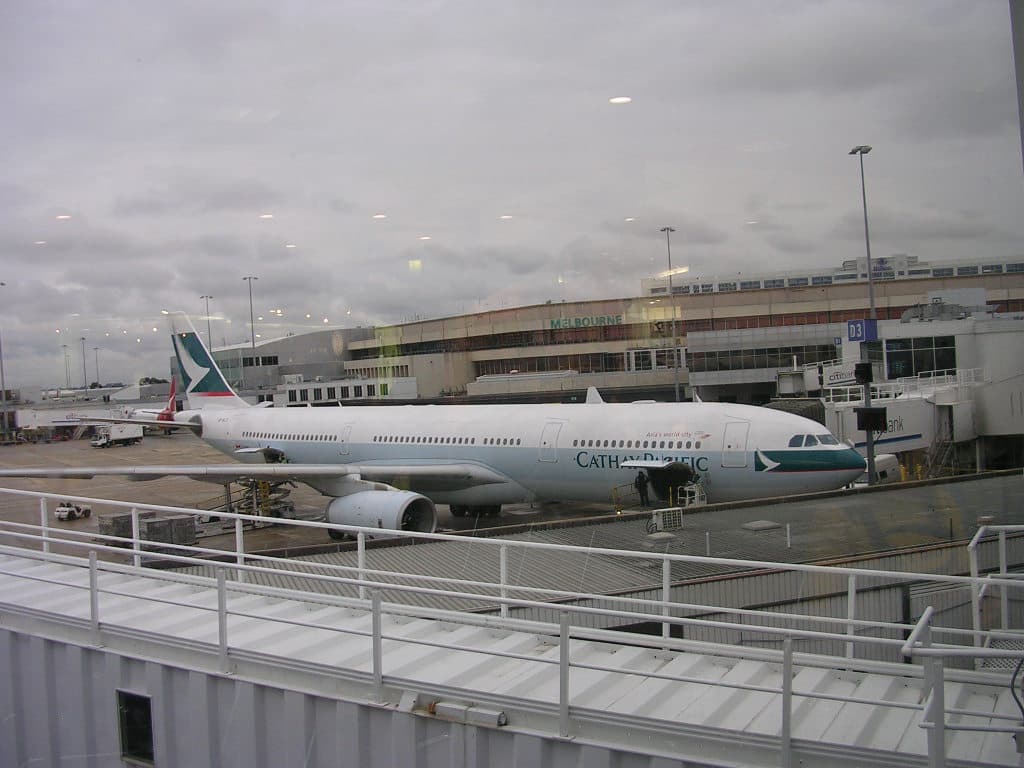
Cathay Pacific Group Posts 27% Operating Profit Rise and Stays on Track for 10% Capacity Growth
The group saw a 27% increase in its half-year operating profit, while net profit was up 71% year on year. Cathay Pacific Group is maintaining its full-year capacity growth guidance, with near-term demand "looking strong", and as its half-year profit improves. The Hong Kong-based airline group "remains on track" to reach its passenger capacity growth target of 10%, says Cathay chair Guy Bradley. "We remain cautiously optimistic for the rest of the year, subject to developments in the Middle East situation and other macroeconomic factors," Bradley, who was appointed airline chair in May, adds. The group, comprising mainline operator Cathay and low-cost unit HK Express, expects the "impact of elevated fuel prices" to continue for the rest of the year. Nonetheless – and if "market conditions are favourable" – the airline group is targeting to operate to 150 international points in 10 years, with 150 new aircraft set to join its fleet. For the six months ended 30 June, Cathay Group saw a 27% jump in its operating profit to HK$7.5 billion ($961 million). This was despite half-year expenses climbing 27% to HK$61.4 billion, led by a spike in fuel-related costs. Bradley notes that the group's fuel expenses close to doubled between the January-March and April-June quarters, underscoring the impact of the Middle East conflict on fuel costs. Group revenue was up 25% to HK$68 billion, on the back of strong travel demand on mainline operations, as well as significant operational improvements from HK Express. "Having got off to a strong start in the first quarter, we faced a more challenging second quarter due to the situation in the Middle East and the resulting significant increase in jet fuel prices," states Bradley. The group posted a net profit of HK$6.2 billion, a 71% jump from the year-ago period. During the period, Cathay took on non-recurring gains of around HK$1 billion, from the reduction of its shareholding in Air China in June this year.
The Daily Touch & Go
The day's best aviation news in your inbox. Free, no spam.