

Image: Glenn Beltz from Goleta, CA, USA · CC BY 2.0 · via Wikimedia Commons
Indian Lawmaker Urges Women-Only Lavatories on Planes to Improve Hygiene and Comfort
Indian parliamentarian seeks to designate female-only lavatories on flights with multiple bathrooms to address cleanliness concerns and enhance passenger comfort.
The gist
An Indian MP requests airlines to set aside at least one female-only lavatory on flights to improve hygiene and comfort for women passengers.
Continuing coverage
All India →- IndiGo suspends London Heathrow and shifts Amsterdam to A321XLR as it awaits Airbus A350 widebodies
- Chinese Lessor Begins Repossession of Four Boeing 737-8 Jets from SpiceJet
- China's ICBC seeks DGCA deregistration of four SpiceJet Boeing 737 MAX 8s over engine issues
- India's DGCA certifies Embraer E190, E195 and E195-E2 aircraft expanding regional jet options
- SpiceJet Struggles to Rebuild Amid Fleet Groundings and Financial Strains
A Member of the Indian Parliament, Varsha Eknath Gaikwad, representing Mumbai North Central, has formally urged the country's Civil Aviation Minister to require airlines operating domestically to designate one lavatory exclusively for female passengers on aircraft equipped with multiple bathrooms. This initiative stems from concerns about sanitation and comfort for women, elderly travelers, pregnant passengers, and mothers traveling with young children on crowded, short-haul domestic flights.
Most narrow-body and regional aircraft serving India's domestic routes currently feature shared, gender-neutral lavatories. High passenger turnover and short turnaround times between flights contribute to challenges in maintaining cleanliness, which Gaikwad's letter notes as causing hygiene discomfort, particularly for female passengers. The proposed measure aims to improve sanitation standards by reserving a lavatory for women and enhancing cleaning protocols on board.
The politician also recommends that airlines standardize inflight sanitation procedures to ensure more frequent cleaning during flights, reflecting passenger needs and usage rate. Additionally, Gaikwad calls for airlines to include clear gender markers on lavatories and to incorporate these considerations when acquiring new aircraft, hoping to encourage improvements in fleet design to address these concerns.
Aircraft lavatories are a contentious topic in aviation, especially on long-haul flights. There have been several notable incidents in recent years involving deteriorated lavatory conditions. For example, in March 2025, Air India had to turn a Boeing 777 flight back mid-route from Chicago to Delhi after multiple lavatories became unusable due to items flushed into the plumbing system. Similarly, in January 2024, an American Airlines Delhi to New York flight operated for over 10 hours with four flooded lavatories, impacting passenger experience severely.
The complications arise because aircraft lavatories are typically limited in number, particularly on narrow-body planes that generally have only two or three bathrooms. Designating one lavatory exclusively for women effectively reduces the available facilities for men, raising operational challenges. Moreover, the single-occupancy design and usage patterns prompt questions about privacy, caregiving needs, and accommodating families traveling with children of different genders.
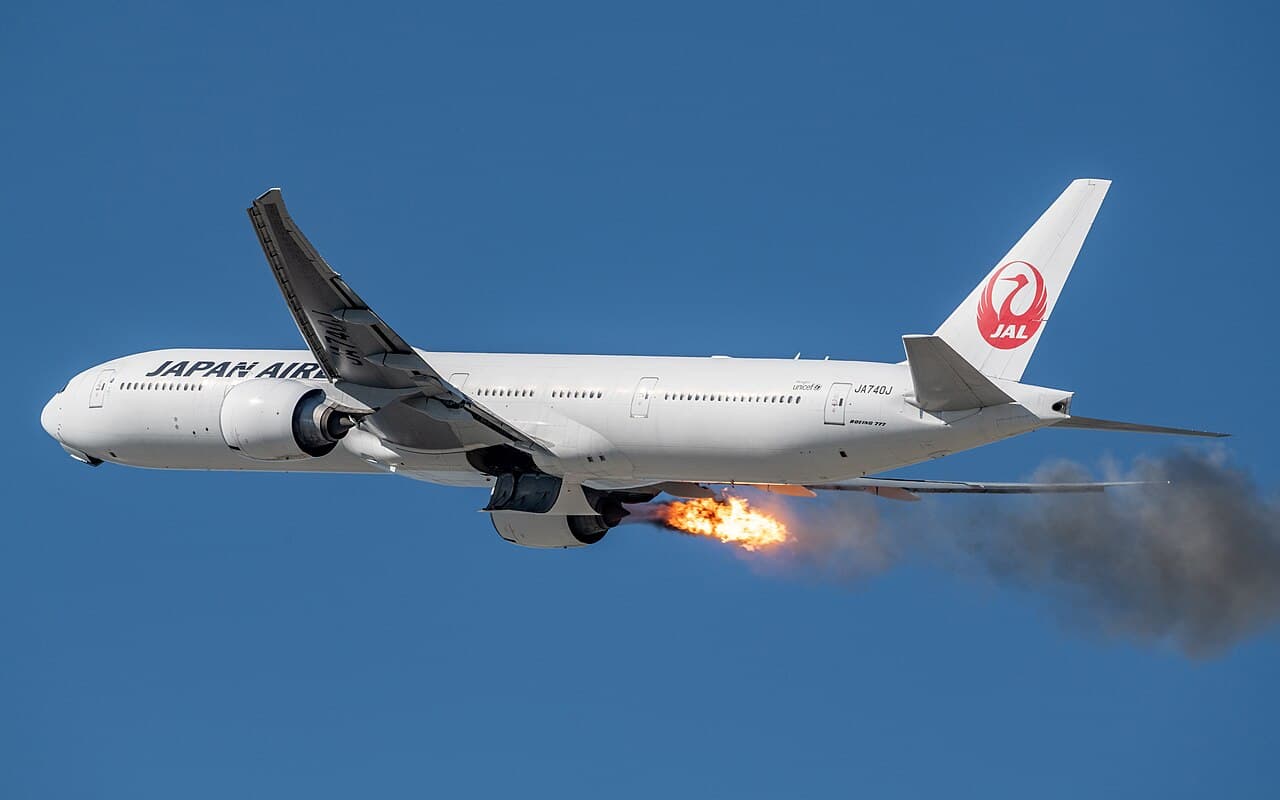
This concept of women-only lavatories on airplanes is not without precedent internationally. All Nippon Airways instituted a women-only lavatory on many international flights beginning in 2010, with similar practices adopted by Korean Air and Japan Airlines. Finnair introduced women-oriented business class lavatories, while Virgin Australia also experimented with female-designated lavatories in business class on their Boeing 777 routes. However, these arrangements have typically been voluntary or situational, rather than mandated.
In the Indian aviation sector, gender-based accommodations extend beyond bathrooms. Airlines have trialed programs to allocate seats specifically to female passengers traveling alone, aiming to enhance comfort and safety. For instance, Air India had six designated economy seats for solo women without additional cost, and other carriers offered seat maps highlighting nearby female passengers to allow women to choose seating adjacent to other females. These initiatives reflect ongoing concerns about female passenger comfort but differ fundamentally from mandating women-only lavatories.
The proposal to designate lavatories on flights also raises practical and policy questions, including enforcement of gender restrictions, dealing with transgender and nonbinary passengers, and organizing lavatory access for caregivers assisting passengers of the opposite sex. Such complex social and operational issues make a compulsory women-only lavatory system challenging to implement seamlessly in commercial aviation.
Greater cleaning and sanitation improvements remain a key priority for many passengers, with some expressing willingness to pay premiums for enhanced hygiene guarantees reminiscent of pandemic-era standards. While the idea of women-only lavatories is well-intentioned, airlines and regulators must balance operational realities, cabin space constraints, and inclusivity to serve diverse passenger needs effectively.
Frequently asked questions
- What is the main request from the Indian MP regarding airplane lavatories?
- Varsha Eknath Gaikwad requests that airlines designate at least one lavatory exclusively for female passengers on aircraft that have multiple lavatories to improve hygiene and comfort.
- Why do Indian airlines face sanitation challenges in their aircraft lavatories?
- High passenger turnover, short turnaround times, and heavy lavatory usage make it difficult to maintain optimal sanitation, leading to discomfort, especially for women, elderly, pregnant passengers, and mothers with young children.
- Are women-only lavatories on airplanes a new concept globally?
- No, several airlines like All Nippon Airways, Korean Air, Japan Airlines, and Finnair have implemented women-only or women-priority lavatories on select flights since at least 2010.
Read more
All Airlines →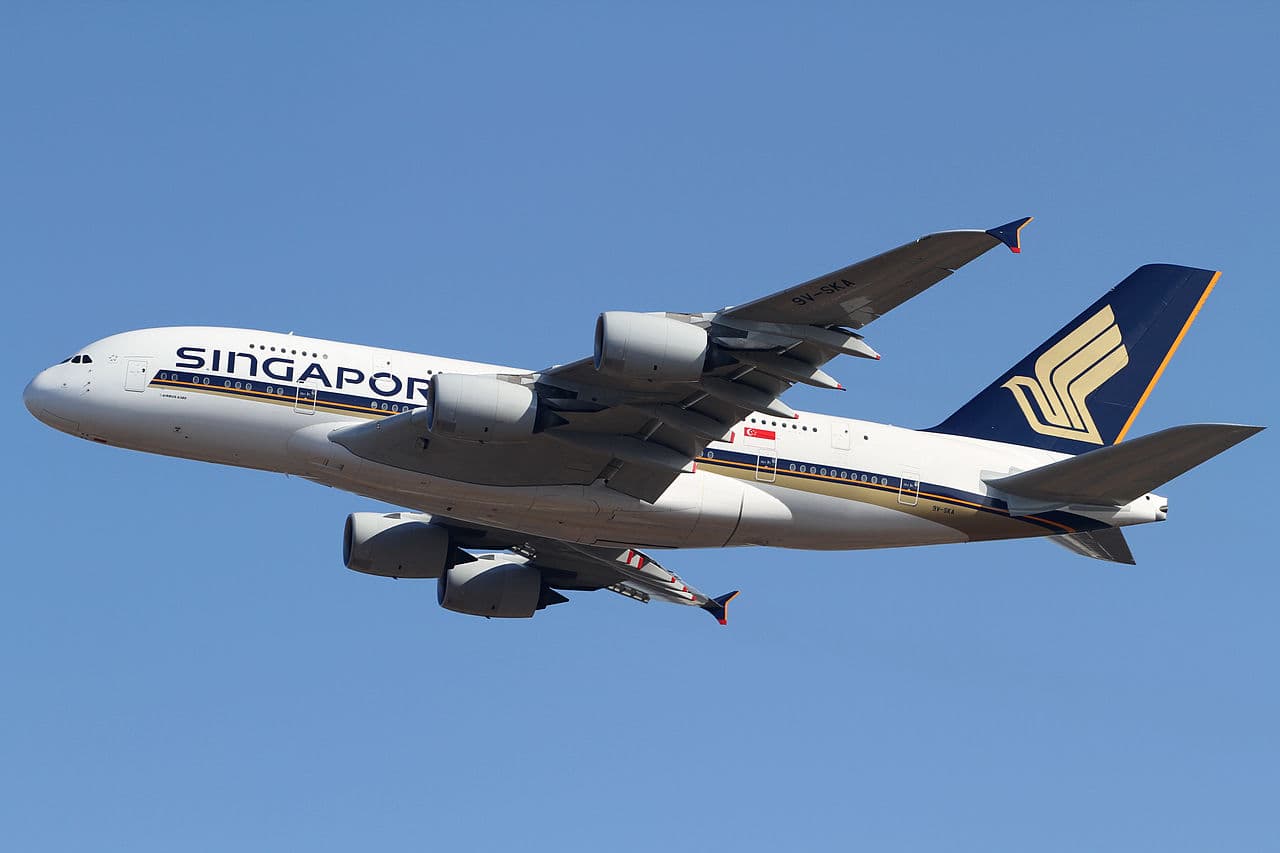
Singapore Airlines Business Class Delivers Consistent Luxury With Tailored Comfort
Singapore Airlines' Business Class has long been regarded as one of the most polished premium products in the world of global aviation. While many carriers are capable of offering lie-flat seating, refined meals, and premium lounges, Singapore Airlines layers these elements with a consistency, attention to detail, and overall design philosophy that elevate the entire experience. The airline views Business Class not simply as a transport product but as a hospitality offering built on deliberate service rituals, thoughtful cabin ergonomics.
TUI Advances Airline Commercial Strategy Amid Third-Quarter Loss from Geopolitical Turbulence
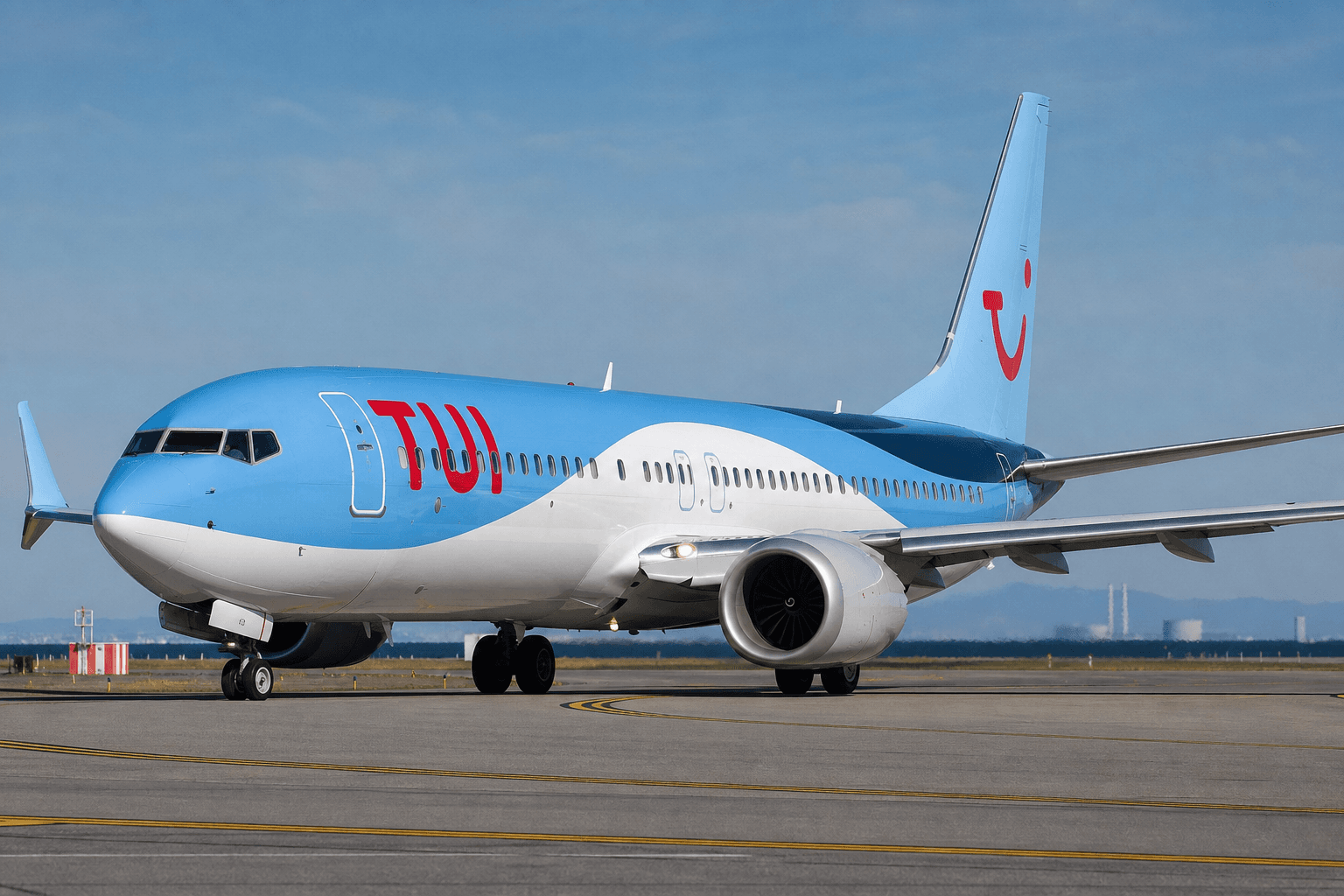
Strategy to commercialise TUI’s airline business bolstered by launch of website supporting direct sales in June . European travel giant TUI slipped to a loss in its markets and airlines division for the April-June period, citing higher fuel costs and increased market capacity amid the conflict in Iran. TUI's markets and airlines business, which include tour operators, sales and its airline operations, posted an underling EBIT loss of €16 million ($18.5 million) for the company's fiscal third quarter. That compared to a profit of €50 million for the same period in the previous financial year. "This development was driven by weaker demand as a result of geopolitical developments and increased price pressure in a market environment characterised by higher fuel costs and additional capacity on the market," TUI says. The company is developing TUI Airline as a "commercially independent business" as part of wider group strategic initiatives, a process it says is well on track. That includes cost and network efficiencies and moves to increase its flight-only offering, a move boosted in June by the launch of tuifly.com enabling direct airline sales from its German airline. Sales for TUI’s other airline units will follow this year. “This direct distribution channel is expected to support revenue diversification by capturing higher-margin direct sales while reducing reliance on third-party booking platforms,” it says. TUI adds that summer 2026 business for the division also continues to be affected by the fallout from the war in Iran. "This is reflected in increased consumer caution and the ongoing trend towards later bookings," it says, noting booked revenue for the summer is currently 6% down. The company though does point to bookings being up 7% over the last four week, indicating a recovery in demand. It also notes that while demand has been strongest in Greece and Spain, this has also picked up for destinations in the eastern Mediterranean. Overall TUI posted an underlying group EBIT of €235 million for its third quarter and expects a profit in the range of €1.1-1.4 billion for the year ending September 2026, assuming there is no significant escalation in geopolitical tensions and fuel supplies. The top end of that guidance range is slightly below the €1.41 billion profit it made in the previous financial year.
Global airlines announce fleet expansion and new routes in August 2026
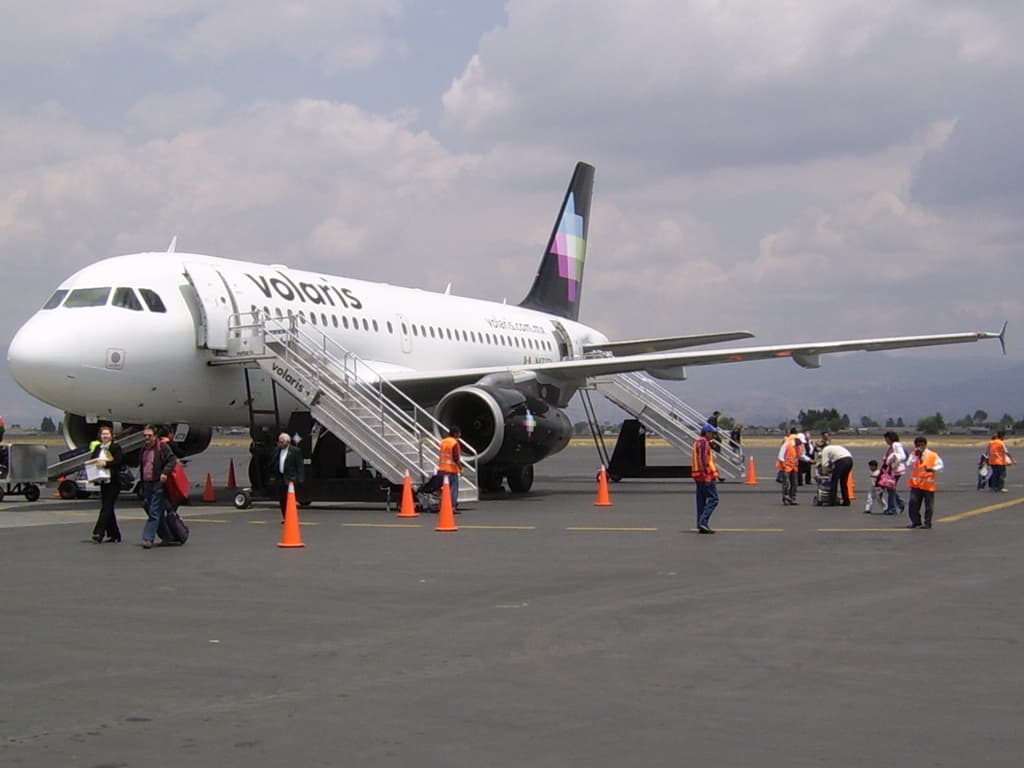
Top airline news stories for August 11, 2026 (click the link for the full details): airBaltic to reorganize Breeze Airways expands internationally Trinitiy Airways is born Pegasus Airlines expands in Europe with a major acquisition Riyadh Air expands in Asia American Airlines restores a seasonal route to South America Volaris adds 8 new routes
Air Canada Nears $2 Billion Deal Selling Minority Aeroplan Stake to Blackstone
Bloomberg is reporting that that Air Canada is nearing a deal to sell a minority stake in its frequent flyer program to Blackstone, in order to fund new planes, aircraft interiors, etc. Will this have any implications for program members? Blackstone to take $2 billion stake in Aeroplan Blackstone is reportedly very close to investing $2 billion in Air Canada's Aeroplan loyalty program, in exchange for a minority stake (there are some reports that this would be for a 20% stake, though I don't see that in the initial reporting). Some Canadian funds are set to invest in Aeroplan at the same time, and an announcement could be made in the coming days. It's not unusual to see airlines looking to raise cash. In this case, Air Canada is looking to raise money to buy new aircraft and to invest in the interiors of existing planes. Obviously the airline is under financial pressure, given the impact that increased fuel costs are having on the industry. There's certainly precedent to airlines using their loyalty programs for financing. At many airlines, loyalty programs are by far the highest margin aspects of the business, and the programs often make up a majority of the value of an airline. During the pandemic, the "big three" carriers in the United States raised more than $25 billion through debt deals that used loyalty programs as collateral. Keep in mind that this wouldn't be the first time that Air Canada is looking to outside firms to invest in its loyalty programs. Air Canada went into bankruptcy protection in 2003, and in 2005, the loyalty program was listed as a separate company, which was later renamed Aimia. So for a long time, Aeroplan was a completely separate, publicly traded company. The relationship between the two companies eventually soured, and in 2017, Air Canada announced it wouldn't renew its contract with Aimia, and would instead start its own competing loyalty program. Eventually the company agreed to sell Aeroplan back to Air Canada for $450 million CAD ($323 million USD) in cash, plus the assumption of certain liabilities. Air Canada is close to selling a $2 billion stake in Aeroplan Should Aeroplan members be worried about this? Broadly speaking, outside investment firms getting involved in businesses (whatever they may be) typically doesn't lead to an improved experience for customers. They want margins to be as good as possible, often at the expense of trying to promote the overall brand. It's one thing if Air Canada were just using its loyalty program as collateral for financing, but it sounds like Blackstone is actually taking a stake in Aeroplan, so may have a bit more say. Do I like the sound of this? No. At the same time, this isn't something I'd be overly worried about. Ultimately we're talking about a minority stake. And honestly, in terms of value for members, I'd argue that Aeroplan was actually at its best when it was a fully separate company. Now, the lack of broad value nowadays isn't the fault of Air Canada leadership, but instead, reflects how the miles & points world has evolved , especially with airlines increasingly limiting award space to members of their own frequent flyer program, and not making it available to members of partner frequent flyer programs. Aeroplan just isn't the Star Alliance award booking powerhouse it used to be, and that's because no program is that way anymore — you really often have to use each individual loyalty program to find availability. Aeroplan just isn't as useful for redemptions as it used to be Bottom line Air Canada is reportedly nearing a deal to sell a minority stake in the Aeroplan loyalty program to Blackstone for around $2 billion. So while the program wouldn't be fully spun off, it would have outside investors that would presumably have expectations of getting some level of return. Going back nearly a decade, Aeroplan was fully spun off, and was owned by Aimia, only to then have Air Canada buy the program back at a huge discount. While I never like the sound of outside investors coming in, I wouldn't expect there to be too many implications here, quite frankly. What do you make of Blackstone investing in Aeroplan?
The Daily Touch & Go
The day's best aviation news in your inbox. Free, no spam.