

Illustration: The Touch & Go
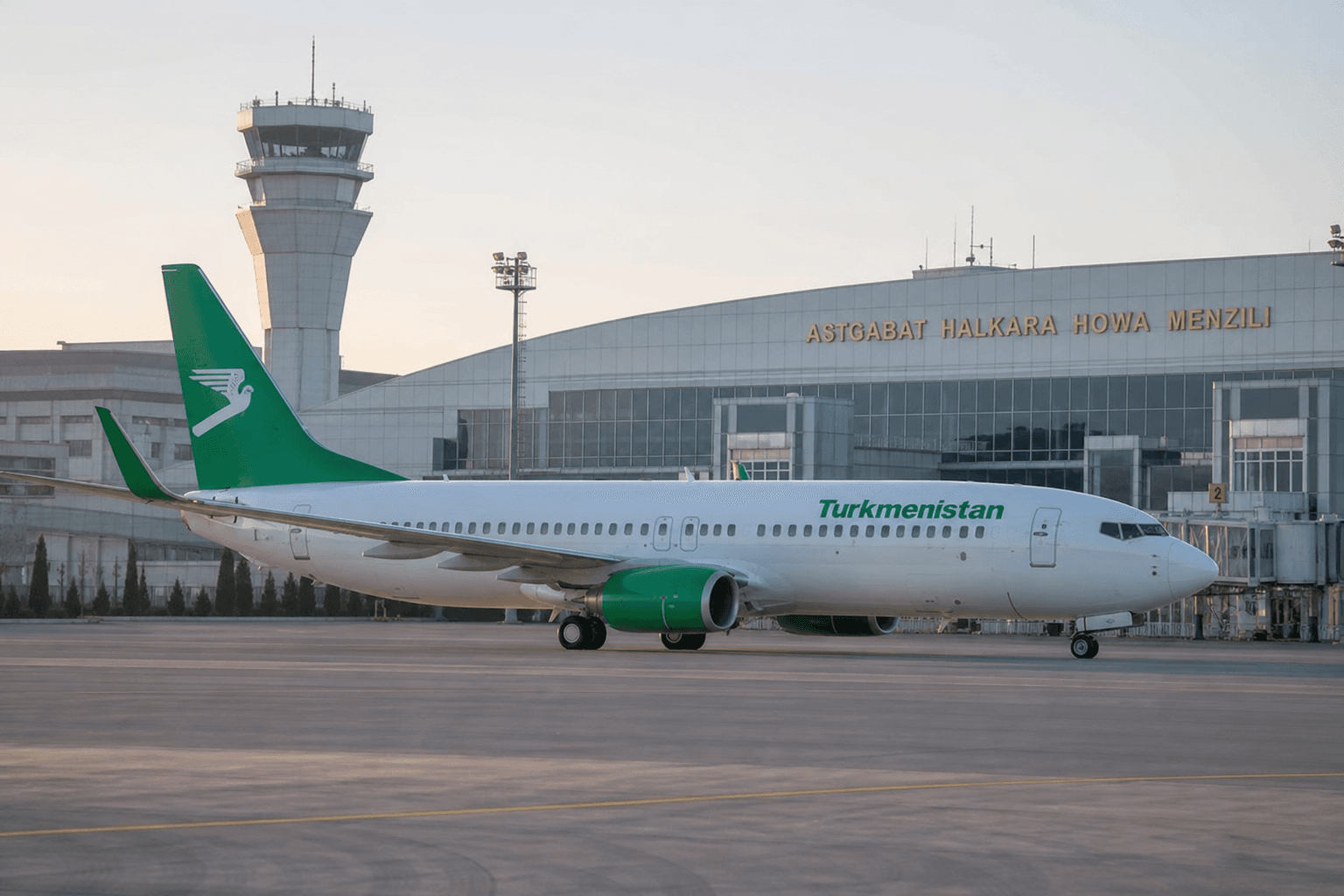
Inside Turkmenistan Airlines 737 Business Class: Unusual Service and Full Cabin on Ashgabat-Delhi Flight
A detailed look at Turkmenistan Airlines' Boeing 737-800 business class reveals a full cabin, slow meal service, and unexpected route maneuvers on the Ashgabat to Delhi route.
The gist
Turkmenistan Airlines’ 737 business class on Ashgabat-Delhi offers surprising service quirks and a packed cabin, highlighting a distinct flying experience.
A recent journey aboard Turkmenistan Airlines’ Boeing 737-800 business class between Ashgabat (ASB) and Delhi (DEL) exposed a rare combination of operational quirks and service peculiarities. Though the aircraft’s cabin configuration provides a reasonably comfortable setting, the flight featured an unexpectedly full business class section and an unusual in-flight experience that departed from common airline service norms. The experience included a mid-flight 180-degree turn and a distinctive, slow-paced meal service that challenged typical expectations for premium class travel.
The 737 business class cabin seats are configured in a 2-2 layout with a recliner style that arguably offers more space than comparable setups within U.S. carriers. Limited streaming entertainment options are available onboard, yet passengers cannot access Wi-Fi, which limits connectivity. Notably, Ashgabat Airport and Turkmenistan Airlines have strict policies prohibiting photography, a rule strongly enforced during this flight, despite no prior warnings at boarding or from airport signage, underscoring the airline’s stringent privacy measures.
The flight departed at 6:40 a.m., initially featuring an empty business class cabin. However, after a half-hour with only a few passengers onboard, all remaining business class seats rapidly filled, raising questions about last-minute operational upgrades or boarding preferences among premium travelers. This unusual boarding sequence seemed atypical, as the full cabin suddenly materialized well after the business class call, contributing to a distinctive atmosphere in the cabin.
Shortly after takeoff, the aircraft unexpectedly executed a 180-degree turn back toward Ashgabat before resuming course to Delhi, placing the airplane in an extended holding pattern. This deviation sparked curiosity about the airspace complexities near Turkmenistan and Afghanistan. The panoramic views over Afghanistan offered from the window during this period were notable and added a unique scenic aspect to the flight experience.
Meal service, contrary to standard protocol, was notably sluggish and atypical. A single flight attendant managed business class service, delivering meals in a sequential front-to-back order with significant delays between passengers. The service pace was so slow that meal trays were sometimes cleared from earlier-served passengers before others had received their food. This led to a last-minute meal arrival just ten minutes before descent, a rarity for premium cabins.
The offerings themselves were unusual for a morning flight. Despite the 6:40 a.m. departure time, the menu included lunch dishes such as chicken with cheese sauce and beef stroganoff rather than traditional breakfast fare. The flight attendant described the meal as lunch service, aligning with the menu but contrasting traveler expectations for a morning flight. The meal presentation was generous, including multiple side packages and branded accompaniments, though the quality was described as average and the tray arrangement cumbersome due to its bulk.
Passengers received a variety of items, including three separate packages of nuts and dried fruits, which is uncommon in other premium airline meal services. The airline demonstrated thoughtful branding across packaging, which contributed positively to the experience despite the mid-range meal quality. However, the sheer volume and stacking of meal components presented logistical challenges for passengers attempting to manage their tray tables in the confined cabin environment.
Overall, the traveler concluded that Turkmenistan Airlines offers a distinctive, value-driven option for those willing to accept a bare-bones but adequate premium experience. The airline delivered on comfort and quantity but diverged from international business class norms in terms of service speed and meal timing. This flight adds insight into the country’s national carrier and its operational characteristics on key regional routes, marking it as an interesting case study in contrasting premium service models.
This reporting from the 737 flight segment complements earlier observations from the same traveler on Turkmenistan Airlines’ Boeing 777-300ER business class and Ashgabat Airport transit experience, providing a comprehensive look into the carrier’s offerings. The 737 flight’s idiosyncrasies highlight the complexities and cultural nuances inherent in operating a national airline within Turkmenistan’s regulatory context and geographical setting.
Frequently asked questions
- What unusual in-flight route event occurred on the Turkmenistan Airlines 737 flight to Delhi?
- The aircraft made a 180-degree turn back toward Ashgabat shortly after takeoff, entering a holding pattern before continuing to Delhi.
- How was the meal service on the Turkmenistan Airlines 737 business class flight described?
- The meal service was very slow, with a single flight attendant serving meals sequentially, resulting in some passengers getting their meals just minutes before landing.
- What was notable about the business class cabin occupancy on the Ashgabat to Delhi flight?
- Though initially empty, the business class cabin became completely full suddenly after about 30 minutes, an unusual boarding pattern possibly indicating last-minute upgrades or boarding preferences.
Read more
All MRO/Maintenance →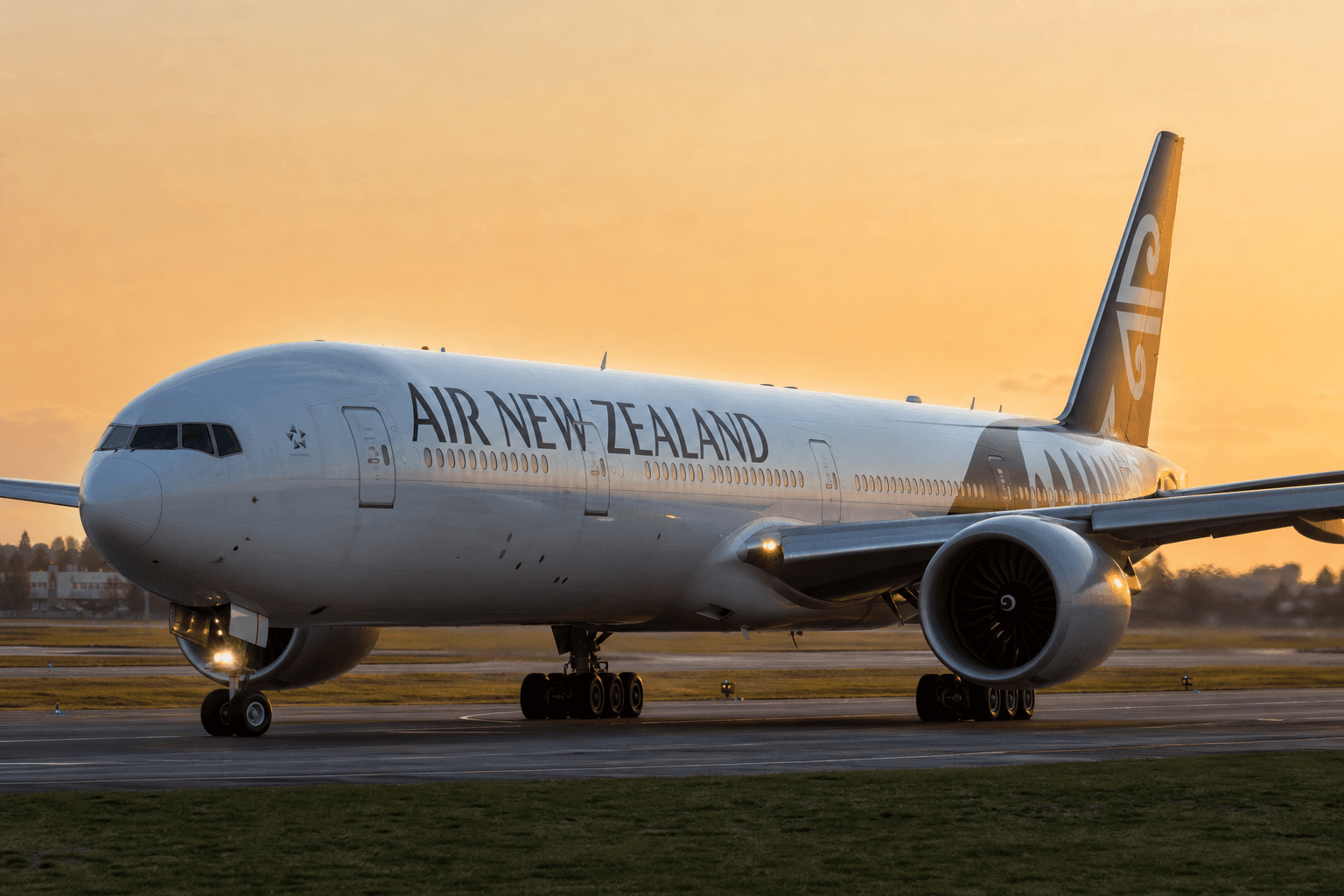
Air New Zealand to Retrofit Boeing 777 Fleet with New Business Class Seats in 2027
Air New Zealand has just unveiled plans to retrofit its entire Boeing 777 with new business class seats starting in 2027. However, these won't be the same new business class seats that are currently being installed on the Boeing 787 fleet… and that's probably a good thing? Air New Zealand plans reverse herringbone seats for 777s Air New Zealand intends to introduce a new business class product on its entire fleet of seven Boeing 777-300ERs (that excludes the ex-Cathay Pacific frames). Specifically, the airline will be installing reverse herringbone seats with doors on these aircraft, based on the Collins Aerospace Elevation platform. The cabin will feature 44 seats (just as it does now), with seats having 43″ of pitch. All seats will have direct aisle access and privacy doors, and center seats will have sliding privacy dividers between them. Seat back entertainment will consist of 18″ monitors with bluetooth audio. The seats will also have USB-A and USB-C charging, but no wireless charging. Air New Zealand's plan is to reconfigure the first aircraft with these interiors as of March 2027, with hopes of having the plane in service by May 2027. Of course when we're talking about aircraft interiors, it's especially important to emphasize that delays are common, and even likely. As before, the planes will feature 342 seats, with the same number of business class seats. However, we're going to see two premium economy seats removed and two economy seats added, as obviously a little more space was needed to make room for these seats. New Air New Zealand 777 business class cabin New Air New Zealand 777 business class cabin Here's what's Air New Zealand Chief Customer & Digital Officer, Jeremy O'Brien, had to say about this project: "Our current Business Premier and Economy cabins have served us exceptionally well since we welcomed the first 777-300ER into our fleet in late 2010, however the time is right to raise the bar once again. Alongside our retrofitted 787-9 Dreamliners, these upgrades will deliver a more consistent experience across Air New Zealand's international fleet, with a design and production standard that matches the world-class Kiwi service we're proud to provide onboard. Our Boeing 777-300ER aircraft continue to play a key role in our international network, and upgrading the interiors means we can keep these aircraft flying for longer, while reducing the maintenance demands that come with an older cabin product." New Air New Zealand 777 business class seat This looks great, even if the inconsistency is odd Air New Zealand's new 777 business class is long overdue, and customers should be very happy about this. There's nothing cutting edge about it, but it puts the product in the category of being very competitive. That's a massive contrast to the current herringbone seats you have on these planes, which I'd argue are among the worst business class seats (at least purpose-built long haul ones) flying nowadays. Now, from a consistency standpoint, I do find it strange how Air New Zealand is currently installing two different new business class seats on two different fleet types. In some cases that's necessary due to cabin width, but clearly that's not the case here, since the 777 cabin is actually wider than the 787 cabin. Ironically, I think Air New Zealand's new off the shelf business class on the 777 is a superior product to the custom product on the 787 , which doesn't even have doors. New Air New Zealand 787 business class cabin New Air New Zealand 787 business class seat Bottom line Air New Zealand will be installing a new business class product on its Boeing 777 fleet, which is long overdue. The airline will be installing a familiar reverse herringbone product with doors, which represents a major upgrade over the carrier's current herringbone seats on these planes. The only thing I can't make sense of is why the airline is installing a different product than on the Boeing 787 fleet. Admittedly I actually think this product is better than the new 787 product. Regardless, it's nice to see Air New Zealand's entire long haul fleet get a refresh. What do you make of Air New Zealand's new 777 business class?
Avelo Launches Service from McKinney Regional Airport to Major Leisure Destinations
Avelo has made it clear that its newfound focus is on alternate airports in areas with good-sized population, and so far it has found New Haven, Lakeland (FL), Concord (NC), and Wilmington (DE). We had already learned number five would be McKinney (TX), and now schedules are loaded. For those who don’t know how the...
1966 Cessna 150G Offers Affordable Time-Building with Modern Avionics Upgrade
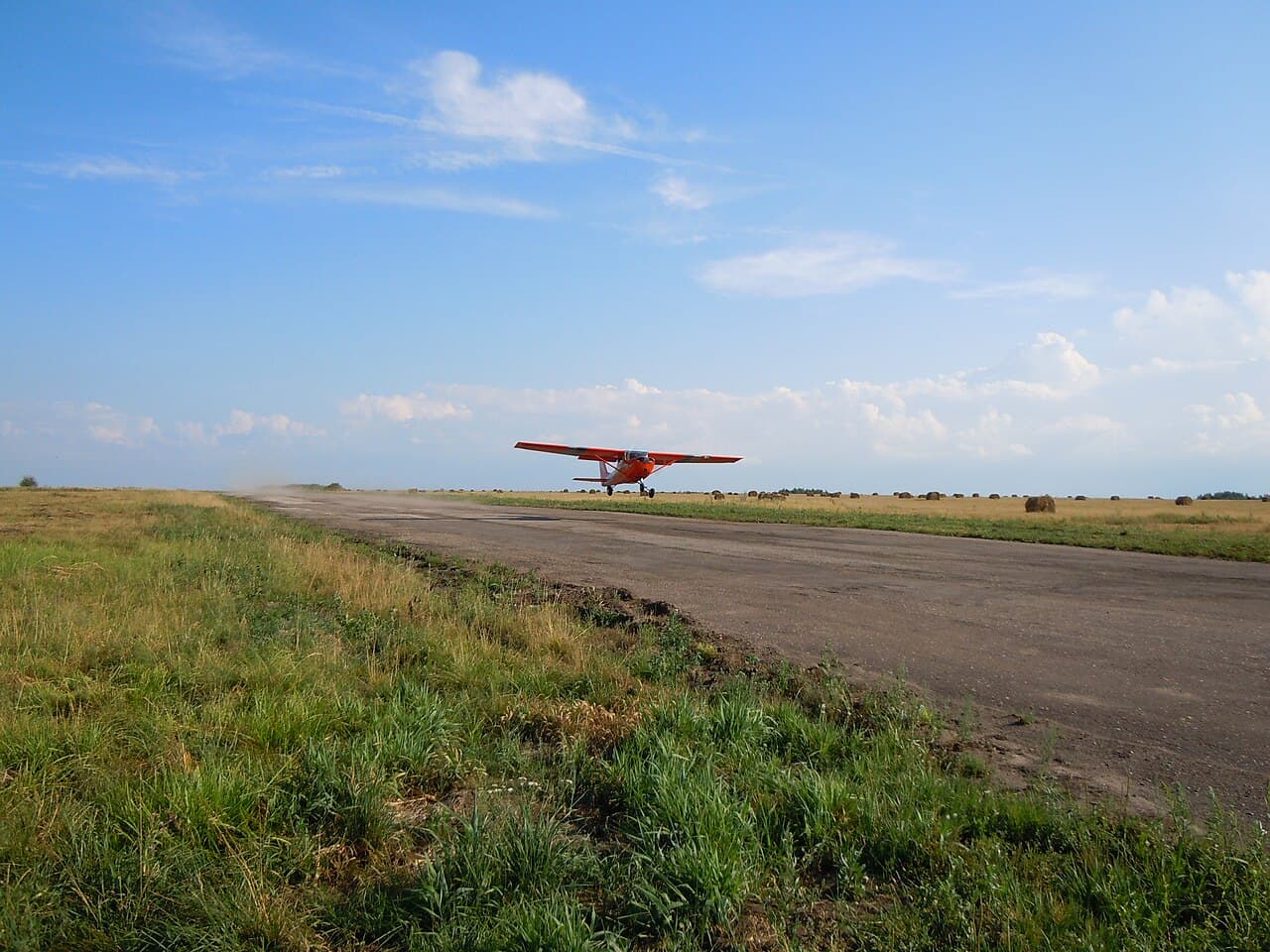
Every day, the team at Aircraft For Sale chooses an airplane that catches our attention because it is unique, a good deal, or has other qualities we find interesting. You can read Aircraft For Sale: Today's Top Pick at FLYINGMag.com daily. Today's Top Pick is a 1966 Cessna 150G. Serving as a backbone of flight training for decades, the Cessna 150 has built a legacy of forgiving handling and economic time building. This particular G-model serves as a prime opportunity for student pilots or private owners looking for an affordable platform that retains its original paint and interior while remaining mechanically sound. With 4,816 total hours on the airframe (TTAF) and a useful load of 470 pounds, the aircraft provides a highly dependable gateway to logging hours. Lifting the cowling reveals a proven 100 hp Continental O200-A powerplant that delivers highly economical operation. The engine shows just 646 hours since major overhaul (SMOH), offering plenty of time remaining for its next owner. Translating this power to thrust is a McCauley fixed-pitch propeller showing 1,487 hours since overhaul (SPOH). The aircraft also benefits from an auto fuel STC for added operational flexibility, Madras Super-Tips STC wingtips, and upgraded wingtip LED navigation and strobe lights. The flight deck immediately highlights the most impressive aspect of this time-tested trainer with a significantly upgraded avionics suite that transforms it into a capable modern instrument platform. The panel centers around dual Garmin G5 electronic flight instruments serving as the attitude indicator and HSI, alongside a Garmin GNC 355 nav/comm slaved to the G5 system. 1966 Cessna 150G [Credit: Seitz Aviation] Communication and airspace compliance are further supported by a Collins AMR-350 audio panel, an Appareo Stratus transponder equipped with ADS-B Out, and convenient Stratus USB charging ports for mobile devices. Ensuring immediate mechanical readiness for the buyer, this Cessna 150G is scheduled to receive a fresh annual inspection by Vertex Aviation prior to delivery. Listed at $44,500 , this Washington state-based trainer stands as an outstanding value for aviators seeking a reliable entry into aircraft ownership. If you're exploring ownership options, FLYING Finance can help get you airborne. Use our airplane loan calculator to estimate your monthly payments, or connect with an aviation finance expert at flyingfinance.com . FLYING Magazine: Why Aren't Cessna 140s/150s Considered Light Sport Aircraft? FLYING Magazine: Passenger Lands Cessna 150 After Pilot Incapacitation FLYING Magazine: I Learned About Flying From That: 18,300 Feet in a Cessna 150 Plane + Pilot : Incredible Plane: Cessna 150 Plane + Pilot : Cessna 150/152 The Aviation Consumer: Used Aircraft Guide: Cessna 150/152
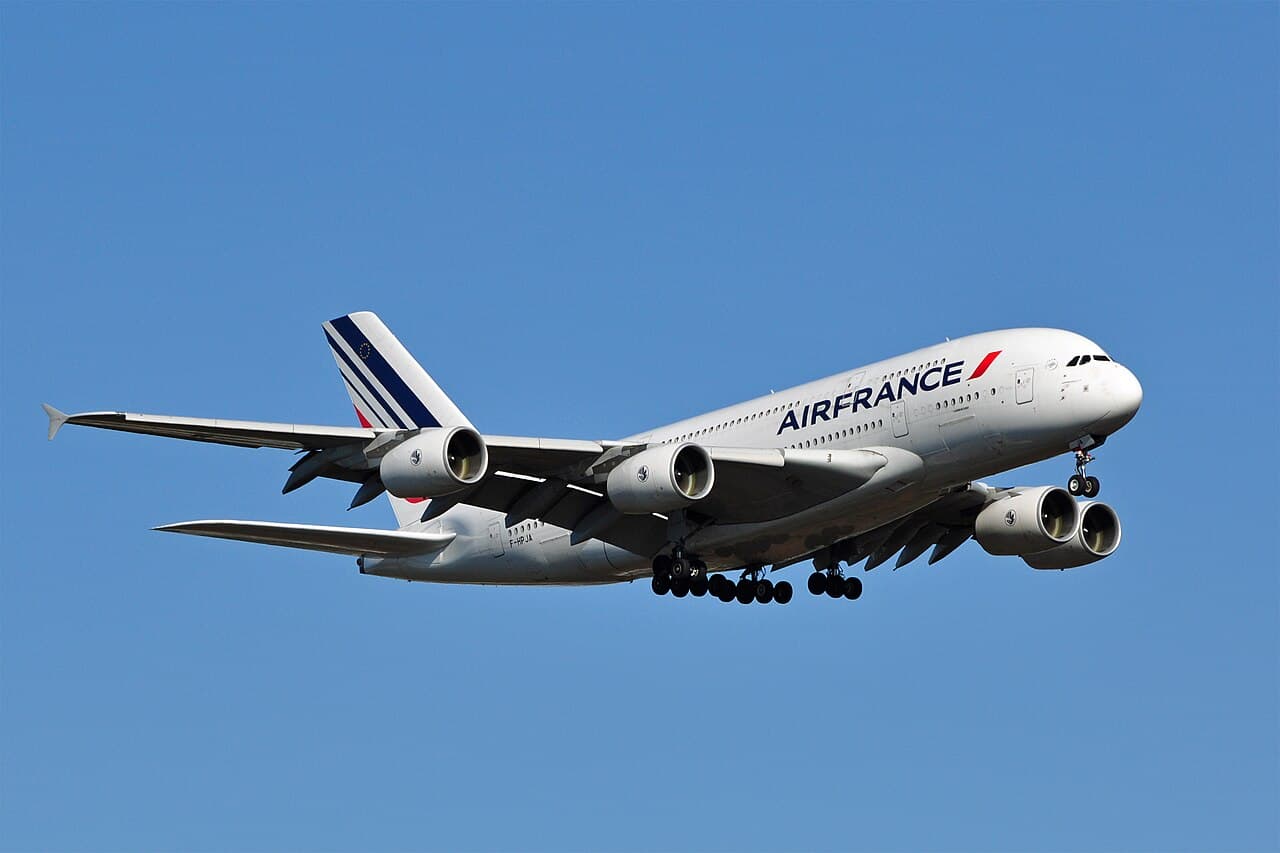
Emirates Extends Airbus A380 Service by Cannibalizing Older Jets for Parts
The Airbus A380 is undoubtedly one of the most iconic aircraft ever built, and it remains the only full-length double-decker aircraft in commercial operations. However, despite its popularity among passengers, the type has also become one of the most complex airplanes for airlines to keep flying. After all, Airbus delivered the final A380 to Emirates in December 2021, ending the program after less than two decades of production. Among other things, this has made it increasingly difficult for airlines to retain the aircraft in their fleets. However, for Emirates, the A380 remains a crucial part of its long-haul fleet and network strategy.
The Daily Touch & Go
The day's best aviation news in your inbox. Free, no spam.