

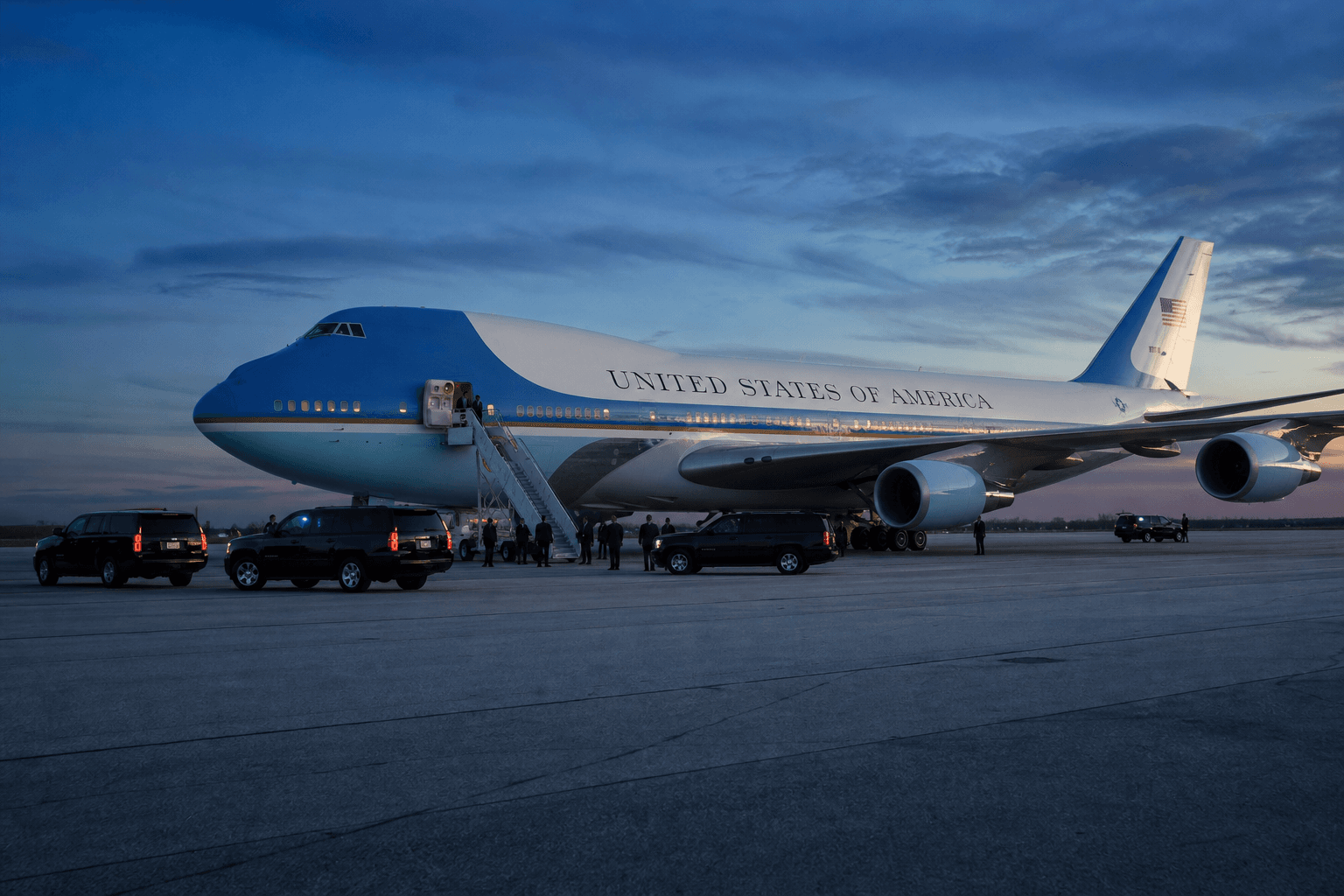
Illustration: The Touch & Go
Trump Secretly Switched Air Force One Planes Twice in 2026 Iran Threat Operation
In July 2026, President Trump was covertly transferred between three US Air Force presidential aircraft in Turkey and the UK to evade a potential Iranian assassination attempt.
The gist
President Trump’s Air Force One flight in 2026 involved secret plane swaps and a decoy mission to foil an Iranian threat during a NATO summit.
In an extraordinary security operation during the July 2026 NATO summit in Ankara, US President Donald Trump was secretly switched between multiple presidential aircraft to evade a suspected Iranian attempt on his life. The operation involved intricate deception tactics including the use of three US Air Force planes, a decoy flight carrying the press corps, and covert transfers on the tarmac, demonstrating the lengths taken to protect the commander-in-chief under credible threat.
Trump arrived in Turkey aboard a newly converted Boeing 747-8 donated by Qatar, which entered presidential service as an interim replacement while Boeing develops the next generation of VC-25B aircraft. This aircraft, known as the VC-25B Bridge, was meant to serve as the president’s transport. However, Trump publicly announced plans to return to the older VC-25A Boeing 747-200B for his flight to the UK, in a nod to past tradition.
What followed was a complex ruse. The Qatar-supplied 747 departed Ankara first, ostensibly flying ahead to RAF Mildenhall in Britain. Meanwhile, Trump was seen boarding the legacy VC-25A in the presence of reporters and staff, maintaining the appearance that he was on board. Secretly, though, once inside, Trump and aides slipped into a catering truck positioned at the rear of the 747, which was then lowered to the ramp and driven across the airport to another waiting aircraft.
That aircraft was a US Air Force C-32A Boeing 757, the military variant used for vice presidential and senior official transport, which frequently accompanies Air Force One flights as a backup. Defense Secretary Pete Hegseth boarded the C-32A separately using normal stairs to mask the unusual transfer. The C-32A then flew Trump to the UK under the call sign RCH18 (Reach 18), deliberately avoiding the Air Force One designation and remaining invisible to public flight tracking as part of the deception.
Meanwhile, the decoy VC-25A carrying White House press personnel and some staff left Ankara without Trump onboard. Reporters were instructed to keep cabin window shades drawn, and the aircraft appeared publicly as the presidential transport all the way to Britain, reinforcing the illusion that Trump remained aboard. The C-32A arrived at RAF Mildenhall minutes before the VC-25A, but Trump emerged from the familiar 747 several minutes later, having been transferred back from the 757 by undisclosed means.
Following the transfer, Trump greeted US service members at RAF Mildenhall, then boarded the Qatar-supplied 747-8 for his return trip to the United States. The entire operation was prompted by US intelligence warnings of a targeted assassination threat linked to escalating tensions with Iran during the summit. Given Turkey's proximity to Iran and recent US military strikes against Tehran, secured presidential movement was deemed critical.
The newly introduced Qatar-supplied 747-8 lacked the full defensive suite installed on older VC-25As, undergoing rapid conversion but pending further security upgrades, which contributed to the decision to utilize the legacy aircraft for the flight. White House Communications Director Steven Cheung emphasized that multiple adversaries target President Trump and all protective measures are utilized when necessary.
This operation is not without precedent. Historical instances include President Bill Clinton’s 2000 visit to Pakistan, where an unmarked aircraft served to mask the presidential arrival while the recognizable Air Force One acted as a decoy. US officials acknowledge similar tactics are employed when credible threats arise, reflecting the ongoing balance between transparency and security in presidential air travel.
Frequently asked questions
- What aircraft were involved in the secret Air Force One operation to protect Trump in 2026?
- The operation involved a Qatar-donated Boeing 747-8 VC-25B, a legacy Boeing 747-200 VC-25A, and a Boeing 757 C-32A used to covertly transfer President Trump.
- Why did Trump switch aircraft during his flight from Turkey to the UK in July 2026?
- US intelligence identified a threat from Iran against Trump or his plane during the NATO summit, prompting a secret transfer between planes to evade potential assassination attempts.
- How was the deception carried out to maintain the appearance that Trump was aboard the 747 VC-25A?
- Reporters and staff boarded the VC-25A without Trump, were instructed to keep window shades closed, and the C-32A carrying Trump flew under a non-standard call sign to mask his true location until a transfer in the UK.
Read more
All Military/Defense →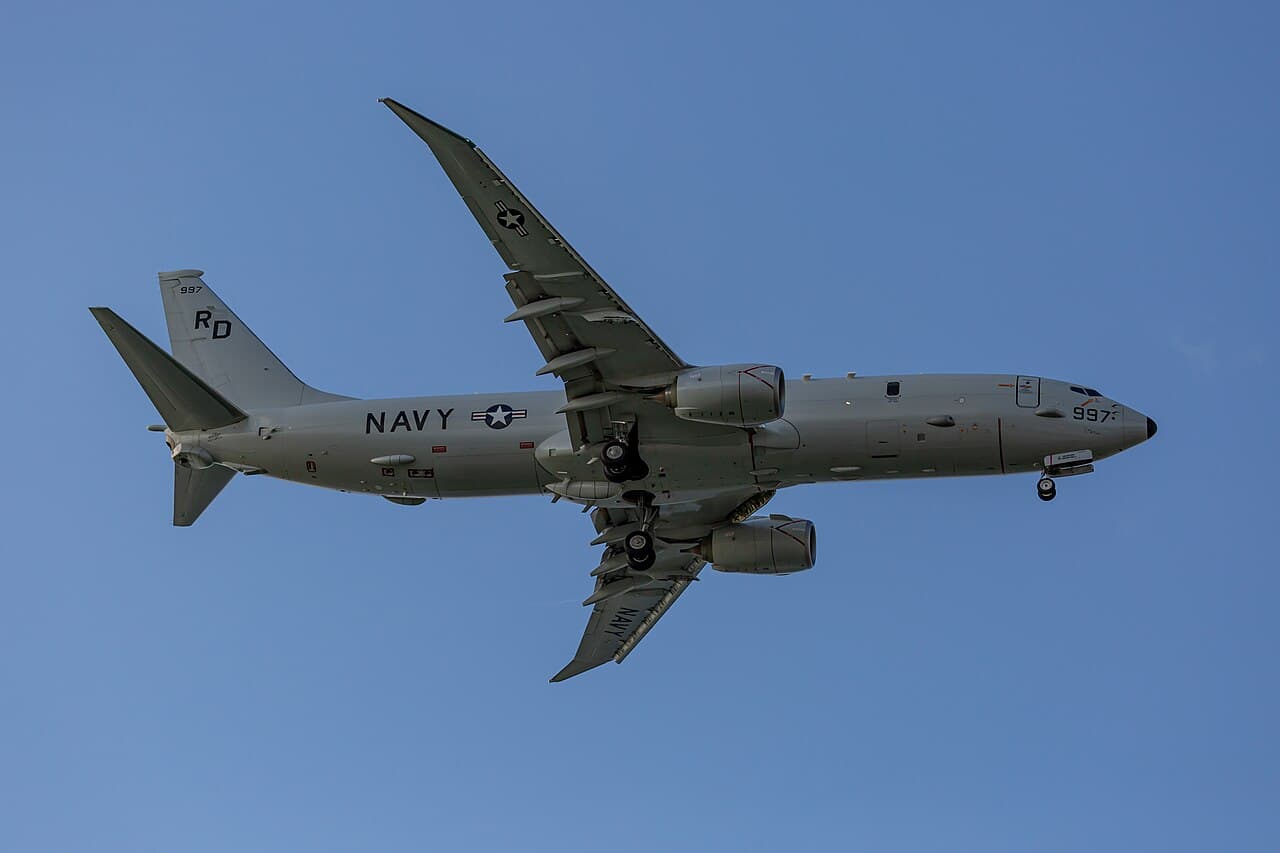
NATO Expands Use of Boeing P-8A Poseidon to Bolster Maritime Surveillance
The Royal Air Force in the United Kingdom took delivery of the first Boeing P-8A Poseidon Maritime Patrol aircraft in 2019. It was the first in the North Atlantic Treaty Organization to induct the new Boeing MPA after the United States. In the year that followed, the roster of nations to adopt the Poseidon is now up to five.
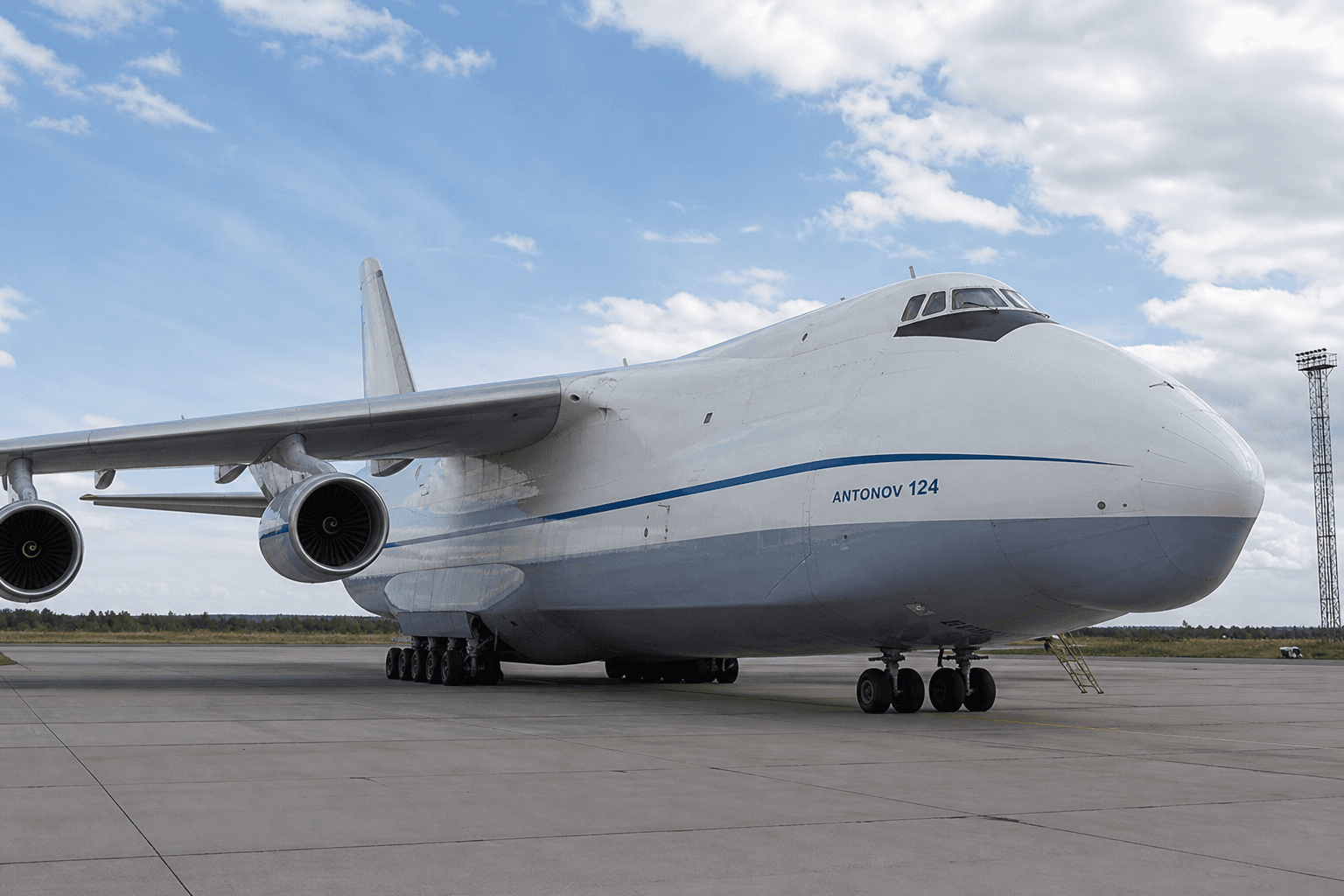
Antonov's Decline: From Soviet Aerospace Giant to Production Hiatus Amid Geopolitical Strains
Antonov produced many of the Soviet Union's most iconic transport aircraft, including the huge An-124 Ruslan and An-225 Mriya . It built most of the mid-sized military transports as well as regional aircraft like the Antonov An-148 and the enormously successful An-2 biplane. By the late 1980s, the company was producing around 250 aircraft annually. After the Soviet collapse, that fell to between five and 20 annual deliveries, with the last new aircraft produced in 2016.
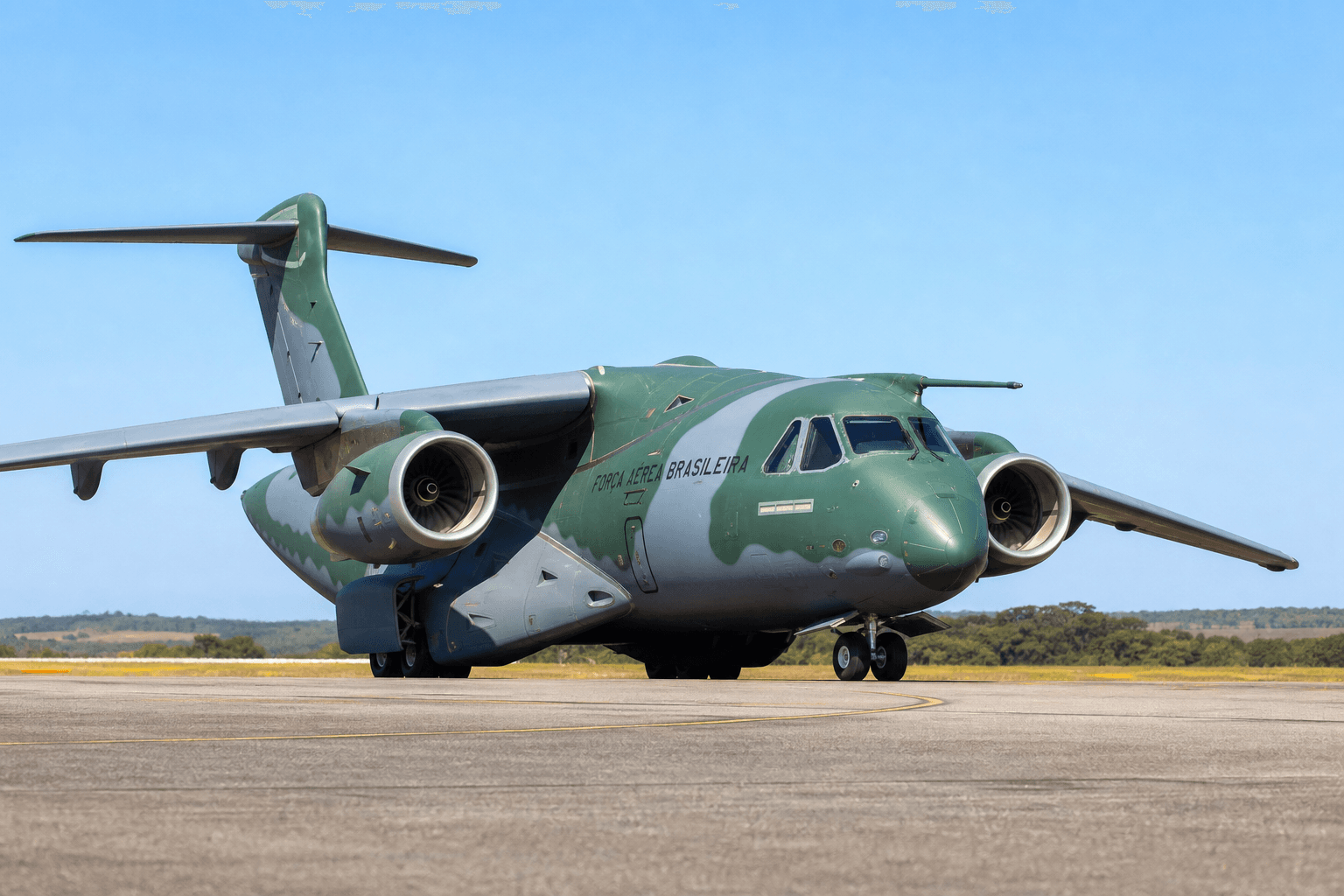
Embraer C-390 Emerges as Leading Affordable Western Military Airlifter for Smaller Nations
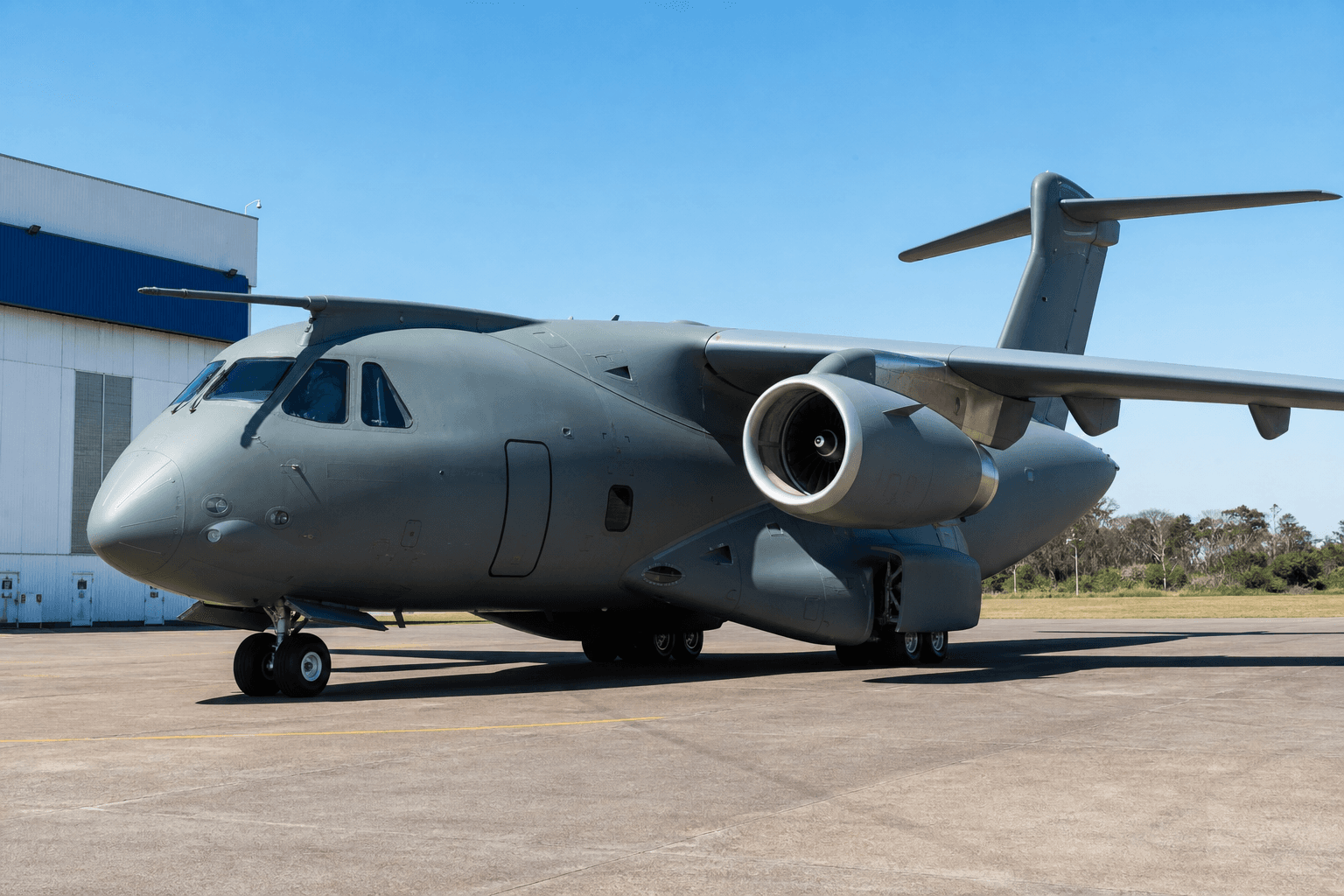
While Brazil is typically not considered a 'Western' country, its Embraer C-390 Millennium is part of the Western supply chain, and it is marketed to various Western countries as an alternative to the Lockheed Martin C-130J Super Hercules. It is seen as a geopolitically acceptable military aircraft for NATO allies to purchase in a way that Chinese and Russian military aircraft are not.
Colombia orders two Embraer KC-390 Millennium airlifters for fleet modernization
Embraer announced on August 4, 2026, that the Fuerza Aeroespacial Colombiana (FAC) has signed a contract for two KC-390 Millennium multi-mission aircraft, making Colombia the first Latin American customer for the type outside Brazil and the 13th nation to order it. The FAC put the value of the contract at $366.4 million at fixed prices, with execution spread over four years. The package covers the two aircraft, mission equipment, initial training for pilots, maintenance technicians and mission support personnel, ground support equipment, and 24 months of integrated logistics support. Embraer said the deal also includes an offset program structured to meet Colombian regulatory requirements. Deliveries are scheduled for 2029 and 2030, with the first aircraft to be ferried from Embraer's Gavião Peixoto plant to CATAM air base in Bogotá. Replacing an aging Hercules fleet The purchase falls under the FAC's heavy tactical military transport requirement, part of a modernization plan the force ties to its Air and Space Development Strategy 2042 (EDAES 2042), formulated in 2019. Colombia's tactical airlift currently rests on a small fleet of Lockheed C-130B and C-130H Hercules, operated since the late 1960s and supplemented over the years by second-hand US transfers. That fleet came under scrutiny after a C-130H registered FAC-1016 crashed shortly after takeoff from Puerto Leguízamo on March 23, 2026, killing 70 of the 126 people on board. The decision was not entirely free of controversy. President Gustavo Petro directed the FAC to conclude negotiations with Embraer in July 2026, according to Infodefensa , before the force had completed a technical comparison that also included the Lockheed Martin C-130J Super Hercules and Airbus A400M. The FAC nevertheless maintained that its selection followed technical, legal and financial analyses conducted by its own personnel. Tanker role and Gripen interoperability Two Brazilian Air Force F-39E Gripen fighters refuel simultaneously from an Embraer KC-390 Millennium. (Credit: Embraer) Embraer said the aircraft will be delivered with connectivity allowing them to operate alongside the 17 Gripen E/F fighters Colombia ordered from Saab in November 2025 under a €3.1 billion contract. The KC-390 can be fitted with removable air-to-air refueling equipment, allowing it to serve as either tanker or receiver. Bosco da Costa Junior, President and CEO of Embraer Defense & Security, said the company was "honored by the FAC's decision to select the KC-390 Millennium," pointing to a relationship dating back more than 35 years to Colombia's purchase of the EMB-312 Tucano and later the A-29 Super Tucano. Embraer says the KC-390 carries up to 26 tons of payload at speeds of up to 470 knots and can operate from short or unpaved strips. Beyond Brazil, the type has been selected by Portugal, Hungary, South Korea, the Netherlands, Austria, the Czech Republic, Uzbekistan, Sweden, the United Arab Emirates, Slovakia and Lithuania [though the latter postponed the procurement – ed. note]. The Czech Air Force received its first aircraft on July 16, 2026.
The Daily Touch & Go
The day's best aviation news in your inbox. Free, no spam.