

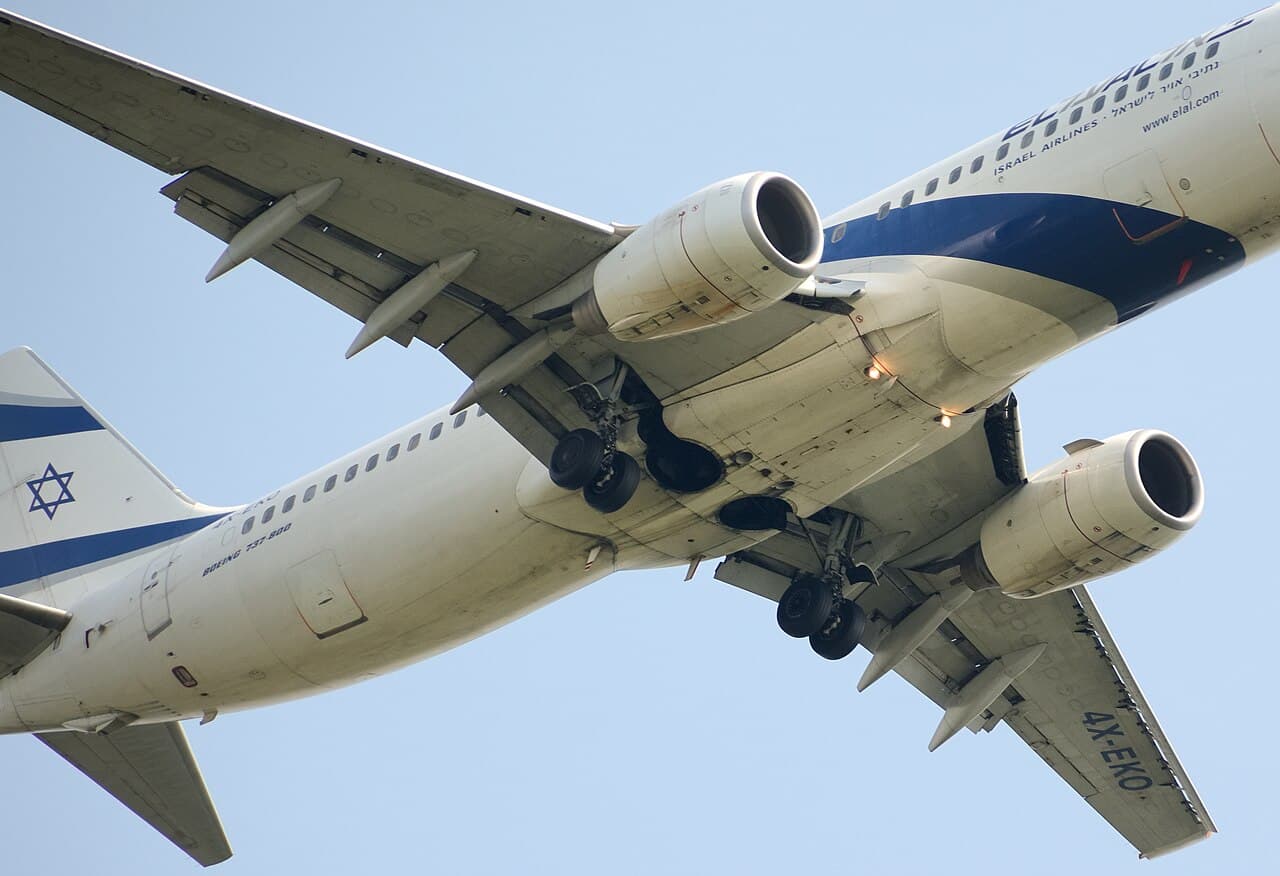
Image: Peter Haas · CC BY-SA 3.0 · via Wikimedia Commons
Alaska Airlines Flight Returns to Gate After Passenger Threats in Miami
Alaska Airlines Flight 305 from Miami to Seattle returned to its gate following threats from passengers including an attempt to commandeer the aircraft, prompting a lockdown and law enforcement response.
The gist
Threats on Alaska Airlines Flight 305 forced it to return to Miami gate and initiate cockpit lockdown before law enforcement intervened.
Continuing coverage
All Alaska Airlines →- Delta Resumes Seattle-Narita Flights to Rival Alaska's Tokyo Expansion
- Delta Air Lines to Resume Seattle-Tokyo Narita Service in 2027, Challenging Alaska Airlines
- Alaska Atmos Rewards Launches Monthly Global Getaways Sale with Up to 50% Off Economy Awards
- Hawaiian to Replace Aging B717 Fleet with B737-800s for Interisland Service Starting 2028
- Boeing returns to Farnborough Airshow with emphasis on rebuilding trust and safety
On August 9, 2026, Alaska Airlines Flight 305, a Boeing 737-800 registered as N592AS, experienced a serious disruption shortly after pushing back from Miami International Airport. The aircraft, scheduled to operate a Seattle-bound flight, returned to its departure gate E6 within minutes after multiple passengers issued threats to flight attendants and one threatened to take control of the plane. The cockpit remained locked until the threat was resolved and law enforcement secured the scene.
The flight had completed its inbound leg from Seattle, arriving in Miami around 5:20 p.m. local time. After turnaround preparations, pushback for the return flight occurred at 6:29 p.m. However, almost immediately following departure, flight attendants reported escalating threats from passengers, including one who allegedly declared an intention to seize the aircraft. In response, the flight crew promptly aborted the departure and returned to the gate by 6:47 p.m.
During communications with air traffic control, the Flight 305 crew clearly requested law enforcement intervention due to the security threat onboard. The captain was directly involved in handling the situation, emphasizing the seriousness of the incident as it unfolded. Miami Airport police personnel met the aircraft on arrival back at the gate, implementing a lockdown protocol to ensure the safety of all onboard and to apprehend the individual(s) responsible for the threats.
No actual hijacking or aircraft seizure occurred, as the cockpit door remained secured throughout the event, and forceful attempt to take control was not verified. Nonetheless, the situation met criteria for a lockdown due to the credible threats made against flight attendants and the potential danger to the flight’s safety. These rapid safety procedures prevented escalation and allowed for law enforcement to take control once the aircraft was stationary.
The Boeing 737-800 involved is part of Alaska Airlines’ mainline fleet, frequently operating on the Miami-Seattle transcontinental route. This incident adds to airline safety concerns involving disruptive passengers, showcasing how crews and ground authorities swiftly respond to maintain security during inflight emergencies or pre-flight disturbances. Alaska Airlines has procedures in place for handling unruly passengers to minimize hazards for crew and travelers alike.
Social media commentary noted that Flight 305 corresponds to the original Northwest Orient flight famously associated with the D.B. Cooper hijacking in 1971, a historical coincidence unrelated to the current episode. While the 2026 incident involved threats to take over the plane, no extortion or positive hijacking attempt was reported, therefore not classified as air piracy under current international standards.
Following the lockdown and removal of the threat, indication remains that Flight 305 was intended to proceed with its scheduled departure later that evening. Alaska Airlines and airport authorities continue to review the incident as part of ongoing security measures and to assess any necessary operational adjustments to enhance crew and passenger safety during volatile situations.
This event underscores the critical role of crew vigilance, timely communication, and coordinated response with airport law enforcement in mitigating potential airborne security risks. The swift decision to return to gate and maintain cockpit lockdown exemplifies established protocols designed to prevent escalation and preserve safety during passenger disturbances on commercial flights.
Frequently asked questions
- What caused Alaska Airlines Flight 305 to return to the gate in Miami?
- Threats from multiple passengers including a threat to take over the aircraft led the flight crew to return the plane to the gate under lockdown protocols.
- Was there an actual hijacking on Alaska Airlines Flight 305?
- No, there was no actual hijacking or seizure; the cockpit door remained locked and no forceful takeover occurred, only reported threats.
- How did the flight crew handle the threat on Flight 305?
- The crew stopped departure, returned to the gate, locked the cockpit door, and coordinated with air traffic control and law enforcement to manage the situation safely.
Read more
All Aviation Safety →
Malaysia Orders 30-Day Drug Testing for All Pilots and Cabin Crew After Smuggling Arrest
A Malaysia Airlines pilot was recently arrested in Indonesia after they were found to be smuggling drugs into the country. With the event having serious safety and reputational ramifications for not just the airline but, indeed, the commercial aviation sector in Malaysia as a whole, authorities are working hard to ensure that the incident is not repeated. Most recently, mandatory drug testing is being rolled out.
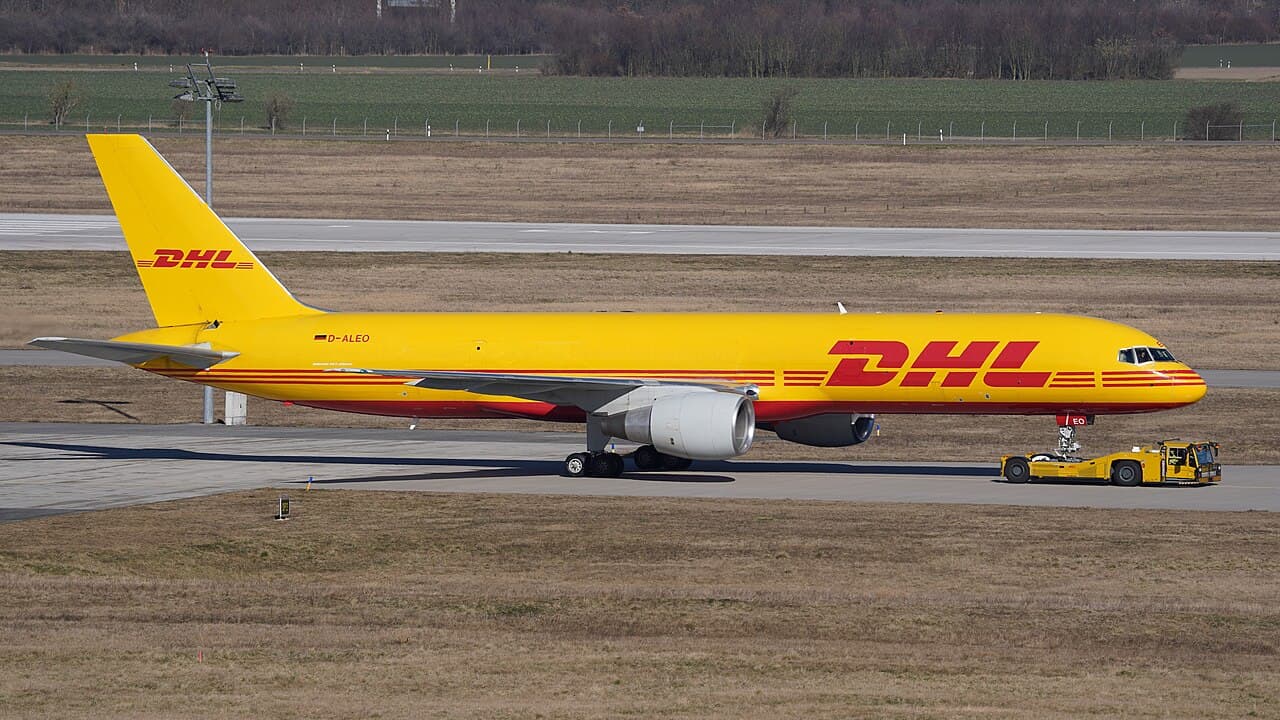
Delta Boeing 757 evacuated via slides after smoke reported in cockpit at Atlanta
Delta Air Lines passengers were forced to evacuate a Boeing 757-200 on escape slides at Hartsfield-Jackson Atlanta International Airport (ATL) following an emergency landing. On August 8, 2026, the Delta Air Lines flight left Atlanta at 07:35, for Orlando International Airport (MCO) but diverted back to ATL shortly after takeoff. In a statement, the Federal Aviation Administration (FAA) said that smoke was reported in the cockpit of the Boeing 757-200, registered N555NW. Once the aircraft landed back at Hartsfield-Jackson Atlanta, the passengers disembarked via emergency slides onto the taxiway. It is understood that there were 199 passengers and six crew members on the flight. A staff member and a passenger required medical attention. A Delta flight was evacuated Saturday morning at the airline's main hub in Atlanta after the crew reported fumes on board the plane shortly after takeoff. Nearly 200 passengers evacuated via the emergency slides on the runway and boarded a different plane to Orlando. pic.twitter.com/3jcDVuTuE4 — CBS News (@CBSNews) August 8, 2026 In a voice recording with air traffic control a Delta pilot can be heard saying that there is "smoke in the back" and "we need to deplane immediately". According to Flightradar24 , the passenger jet reached around 9,650 feet before reducing altitude and initiating a diversion. "The flight crew followed procedures to return to Hartsfield-Jackson Atlanta International Airport after reports of fumes in the flight deck," Delta Air Lines said. "A slide evacuation occurred on a taxiway, and customers are being reaccommodated on a new aircraft. Safety is paramount at Delta, and we apologize to our customers for their experience." The FAA said it is investigating the incident. RELATED Trump pick David Cummins sworn in as eighth TSA Administrator
United Airlines Sued for Alleged Collusion Leading to ICE Detention of Passenger at Phoenix Airport
What should have been the end of a happy weekend celebrating a friend’s wedding in Arizona turned into a living nightmare when Patience Gore, a Zimbabwian national, was detained by three undercover ICE agents at the Phoenix Sky Harbor Airport (PHX) and subjected to two weeks of ‘degrading confinement’ in immigration custody before a court ordered her release. Gore is now accusing United Airlines of colluding with Immigration and Customs Enforcement (ICE) after one of the carrier’s gate agents in Phoenix repeatedly made announcements for Patience to go to the gate where the ICE agents were lying in wait. United Airlines is said to have colluded with ICE in detaining Patience Gore at Phoenix Sky Harbor Airport. The incident occurred late on Sunday, March 15, when Patience and her partner arrived at Phoenix Sky Harbor to fly home to Maryland after a busy weekend celebrating a friend’s wedding. They were booked on United flight UA-483 to Washington Dulles, and had checked in, dropped off their luggage, and obtained their boarding passes without any issues. The couple then went through TSA security and waited in the departures concourse for their delayed flight to be ready to board. During this time, Patience heard a voice over the airport’s intercom system repeatedly imploring: “Passenger Patience Gore, please come to the gate.” Patience couldn’t work out why she would be needed at the gate, as she and her partner had checked in with plenty of time to spare, and they both had their boarding passes. During bag drop, no issues had been raised by the United agents, but Patience dutifully made her way to Gate E7. On her arrival, the United gate agent repeatedly referred to Patience’s boarding pass. At this point, three male undercover ICE agents who weren’t wearing any visible identification or badges suddenly surrounded Patience and made it clear that she wasn’t free to go. Patience was eventually led out of the airport and transported to a detention facility in Florence, Arizona, where she was held for three days before being transferred to the Eloy Detention Center. There, she was forced to sleep on a mattress placed directly on the floor, subjected to repeated lockdowns, and denied a change of clothes or basic personal necessities, a lawsuit filed against United alleges. She was detained for two weeks before a court ordered her release after concluding that she had been previously granted a withholding of removal and that her removal to Zimbabwe is unlikely to occur in the near future. The detention did, however, mean that Patience missed a round of IVF treatment that she was scheduled to undergo at home. A replacement cycle did not result in pregnancy. In a new lawsuit filed in an Arizona district court, Patience makes it clear that United is banned from communicating with law enforcement, including ICE, and, where necessary, sharing data about its passengers. The lawsuit does, however, claim United “retained control over how it exercised its own passenger announcement authority and used that authority in a manner that created the appearance of legitimate airline business when no airline-related issue was identified.” Patience alleges that the presence of the ICE agents at the gate, along with the repeated announcements and the fact that the gate agents quickly lost interest in Patience once they had identified her from her boarding pass, shows that she was being called to the gate solely for the purpose of her detention. United is being sued for negligence because of the misleading use of passenger announcements and false imprisonment. Patience is requesting damages and punitive damages, with the total claim to be more than $75,000. United Airlines did not immediately respond to a request for comment.
King Air ambulance crashes in New Mexico amid military GPS jamming during night visual approach
Military exercise taking place when descending aircraft struck mountain ridge during visual approach in darkness. US investigators have yet to determine why a Beechcraft C90 King Air ambulance fatally crashed into high terrain during a night visual approach in New Mexico, at a time when military jamming was taking place in the area. The National Transportation Safety Board stresses that it is still probing the 14 May accident, which left no survivors from two pilots and two nurses on board. But the aircraft had been attempting to descend from 12,000ft towards Sierra Blanca regional airport, near Ruidoso, which lies at an elevation of about 6,800ft. Although the aircraft's crew had initially intended an area navigation approach – which requires satellite-based positioning – to runway 24, they opted to switch to an ILS approach owing to the loss of GPS navigation capability. But neither the area navigation nor the ILS approach procedure was authorised if no local altimeter setting had been received, and NOTAM information stated that Sierra Blanca airport's automated weather system was out of service. The aircraft had been directed to fly northwest in preparation for a vectored approach. While about 27nm northeast of Sierra Blanca airport, however, the crew informed the area controller that they had "a visual on Ruidoso" and could "go visual". This meant turning southwest and descending over the Capitan mountains – which rise to some 10,200ft – in darkness and zero moonlight, just after midnight. Nearly 5min after commencing the descent, the aircraft had reached the mountain ridge and – according to its Spidertracks flight-tracking equipment which provided GPS-generated altitude data – was flying at 9,400ft. The aircraft subsequently began climbing but, about 45s later, it collided with terrain at about 9,950ft. Complicating the inquiry is the fact that military GPS jamming activity was taking place near the White Sands missile range, and the Albuquerque area control centre had issued a NOTAM warning that it could interfere with GPS navigation and ADS-B. This has generated speculation in various media channels that the King Air's GPS equipment might have been providing false information to the crew. But amid these suggestions, the National Transportation Safety Board insisted on 5 August that it has "not yet determined the probable cause or any contributing factors". It points out that it validates and analyses "all available evidence" before reaching conclusions. There is evidence that GPS and ADS-B data from the flight was affected. The crew reported losing GPS capability shortly after departure, and requested headings. While Spidertracks GPS-based data was generated for the whole flight, there was only a partial ADS-B record owing to the reporting frequency substantially reducing for much of it. The Spidertracks data typically indicated altitudes 600ft higher than the ADS-B data. As area centre controllers sought to vector the aircraft they requested that the military jamming exercise cease temporarily. ADS-B reporting frequency returned to normal shortly afterwards. Jamming was permitted to resume when the aircraft's pilots confirmed they would make a visual approach to Sierra Blanca airport, and began their descent. Investigators state that at least three other aircraft in the vicinity reported a loss of GPS around the same time as the King Air. Generation Jets had been operating the 47-year old aircraft (N249CP), working with its partner Trans Aero MedEvac which provided the medical support personnel.
The Daily Touch & Go
The day's best aviation news in your inbox. Free, no spam.