

Illustration: The Touch & Go
American Airlines completes first US passenger flight powered by non-biobased sustainable aviation fuel
American Airlines operated a commercial flight from Corpus Christi to Dallas-Fort Worth using Infinium's electro sustainable aviation fuel made from waste CO2 and renewable electricity, marking a U.S. aviation first.
The gist
American Airlines flies first U.S. commercial passenger flight using non-biobased electro sustainable aviation fuel from Infinium.
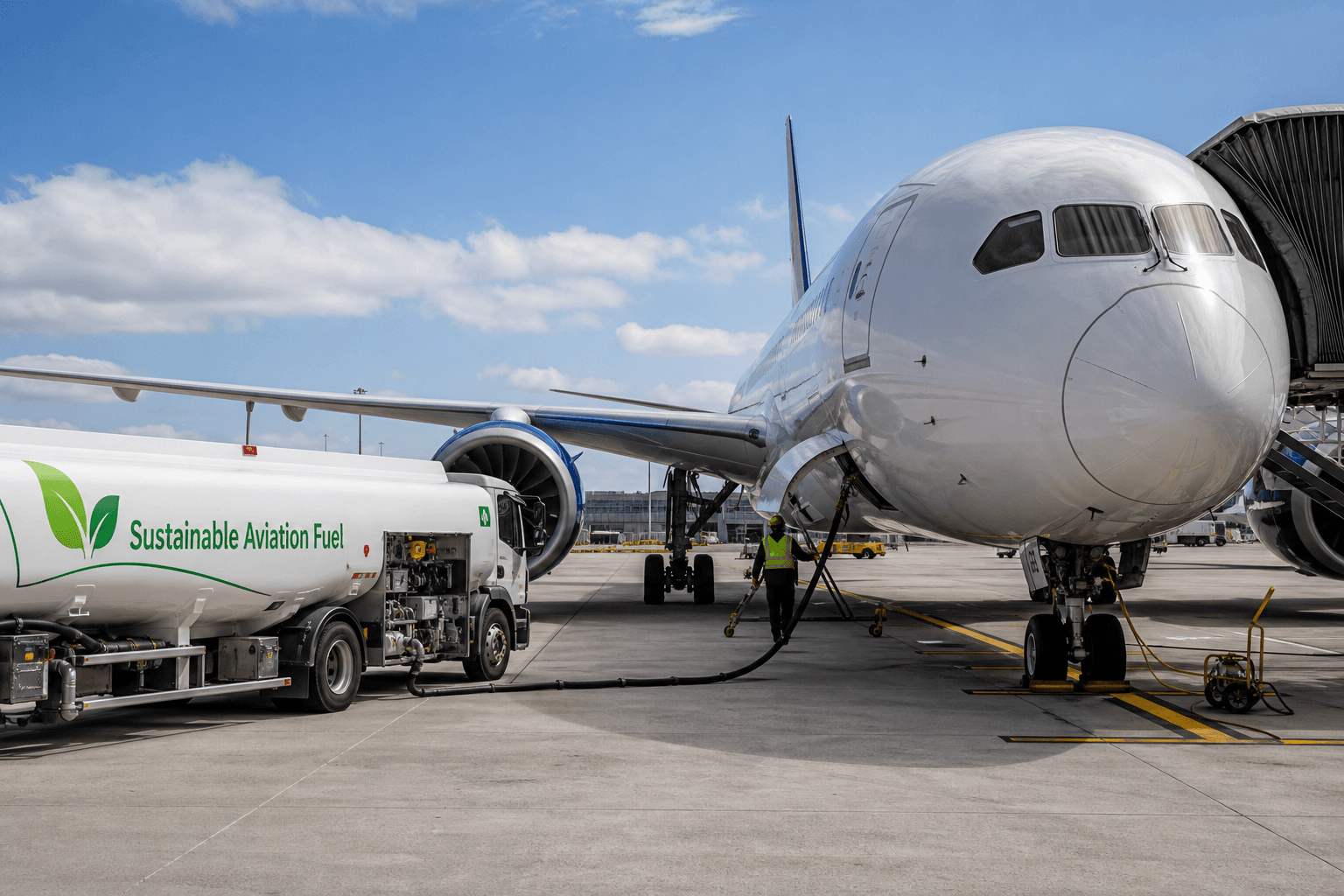
American Airlines achieved a milestone in sustainable aviation by operating the first U.S. commercial passenger flight powered by sustainable aviation fuel (SAF) produced without biobased feedstocks. The flight originated at Corpus Christi International Airport and arrived at Dallas-Fort Worth Airport, utilizing a new form of electro sustainable aviation fuel known as eSAF. This marks a significant step towards reducing carbon emissions in the commercial aviation sector by adopting advanced fuels beyond traditional bio-derived options.
The fuel was produced by Infinium, a company specializing in eFuels, at their Pathfinder facility located in Corpus Christi. Unlike conventional SAF that relies on plant or animal materials, Infinium’s eSAF is synthesized using waste carbon dioxide captured from industrial sources combined with renewable electricity. This innovative process yields a jet fuel alternative that does not compete with food production or land use, helping to address some key sustainability challenges in the biofuel space.
Before the flight, Infinium blended the eSAF with traditional jet fuel and delivered it into the common fuel tanks at Corpus Christi International Airport. This blend was then seamlessly used by American Airlines for the scheduled flight to Dallas-Fort Worth, demonstrating the compatibility of eSAF with existing airport fuel infrastructure. It also confirmed that sustainable alternative fuels can be adopted within current fueling systems without requiring major modifications or new logistics chains.
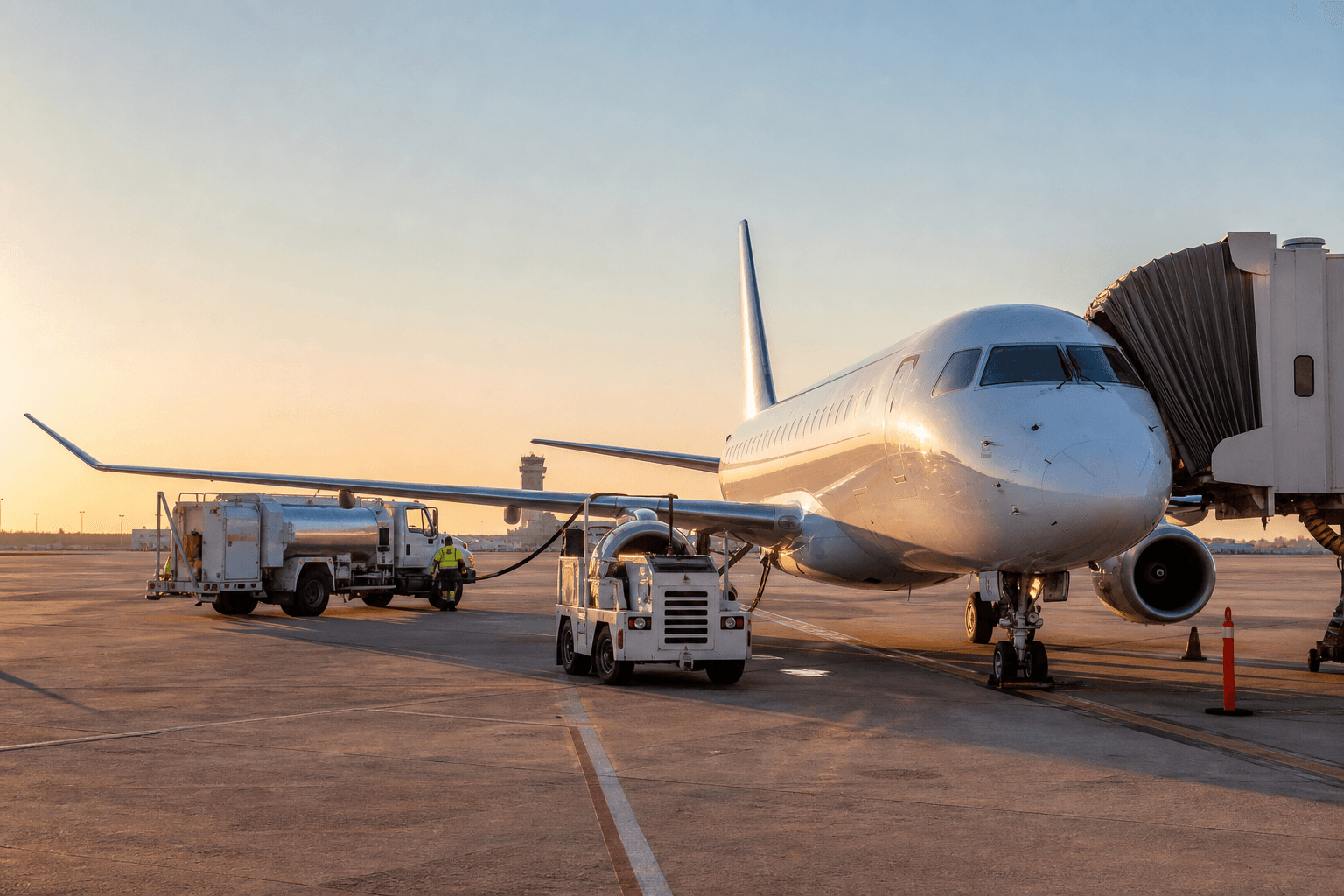
While American Airlines did not disclose the exact aircraft model used, industry context suggests the flight was operated by Envoy Air, its regional partner, typically deploying Embraer E175 aircraft on the Corpus Christi-DFW route. The use of eSAF coatings on regional jets represents an important proof of concept for integrating new fuels in everyday commercial regional operations before wider adoption across larger aircraft types.
American Airlines CEO Robert Isom highlighted the flight as a pivotal moment in aviation sustainability efforts, emphasizing the move from early investments in emerging technologies like eSAF to tangible real-world applications. American’s engagement with Infinium serves as a strategic partnership aiming to accelerate the adoption and commercial availability of net-zero fuels as part of the airline’s broader climate goals.
Infinium has been producing electrofuels at its Pathfinder plant since 2023 and is now scaling up with its Project Roadrunner facility located in West Texas. Scheduled to commence production in 2027, Project Roadrunner aims to produce over 5 million gallons of eSAF annually once fully operational. American Airlines has committed to purchasing commercial volumes from this larger-scale facility, underscoring its commitment to sourcing sustainable fuels that align with long-term decarbonization targets.
This breakthrough flight underscores how the aviation industry is progressively embracing novel fuel technologies that decouple fuel production from biogenic feedstocks. By leveraging waste carbon dioxide and renewable energy, eSAF promises a sustainable pathway to significantly reducing lifecycle carbon emissions from jet fuel, which remains a major contributor to global greenhouse gas emissions.
The successful demonstration at Corpus Christi lays groundwork for broader infrastructure integration of eSAF at airports and offers a scalable alternative fuel supply that does not compete with agriculture or food security. As production facilities like Project Roadrunner come online, fleets may have expanded access to low-carbon fuels that can be blended into existing fuel supplies, enabling airlines to reduce carbon footprints incrementally without altering aircraft designs or operations.
This event represents a tangible advancement in meeting aviation’s ambitious environmental targets and may inspire additional industry stakeholders to invest in and adopt non-biobased sustainable aviation fuels. The transition toward electric sustainable fuels could become a critical piece in achieving net-zero carbon emissions in the commercial air transportation sector by mid-century.
Frequently asked questions
- What kind of sustainable aviation fuel was used on the American Airlines flight?
- The flight used electro sustainable aviation fuel (eSAF) produced by Infinium from waste carbon dioxide and renewable electricity, without using biobased feedstocks.
- Where was the flight operated and what route did it serve?
- The flight operated from Corpus Christi International Airport to Dallas-Fort Worth International Airport.
- How does Infinium produce their sustainable fuel?
- Infinium produces eSAF by capturing waste carbon dioxide and combining it with renewable electricity, bypassing the use of plant- or animal-based feedstocks.
Read more
All Sustainability →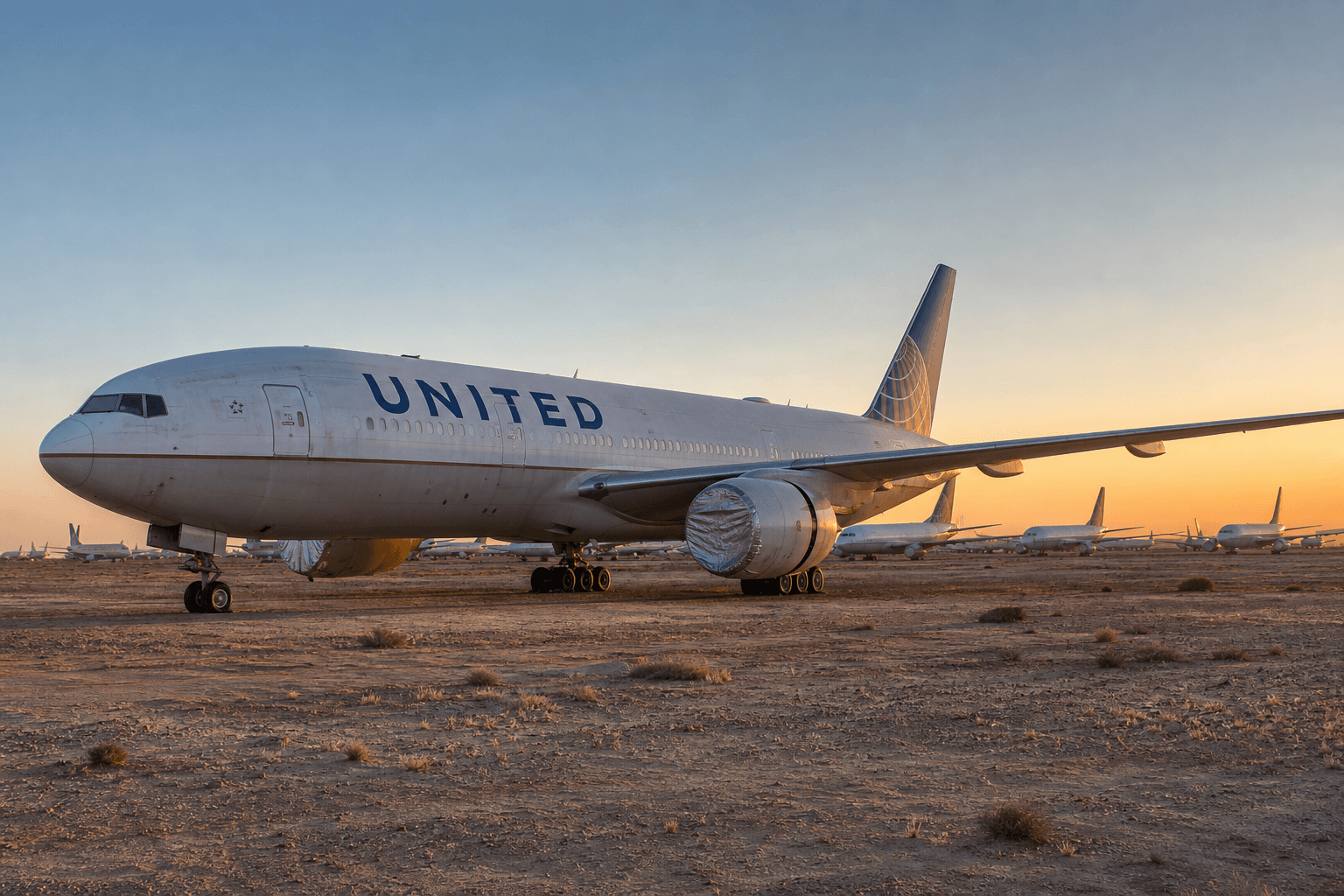
United Airlines Accelerates Retirement of Aging Boeing 777-200s Amid Europe's Carbon Policies
Europe's newest carbon rules do not ban older airliners, nor do they impose a direct tax on jet fuel. Yet 2026 is the year those policies began influencing which widebody aircraft airlines can afford to keep flying across the Atlantic. For carriers such as United Airlines , that shift reinforces the business case for retiring its nearly 29-year-old Boeing 777-200 aircraft in favor of newer, more efficient replacements.
Rolls-Royce Trent XWB and GE GEnx Engines Burn 100% SAF but Lack Certification
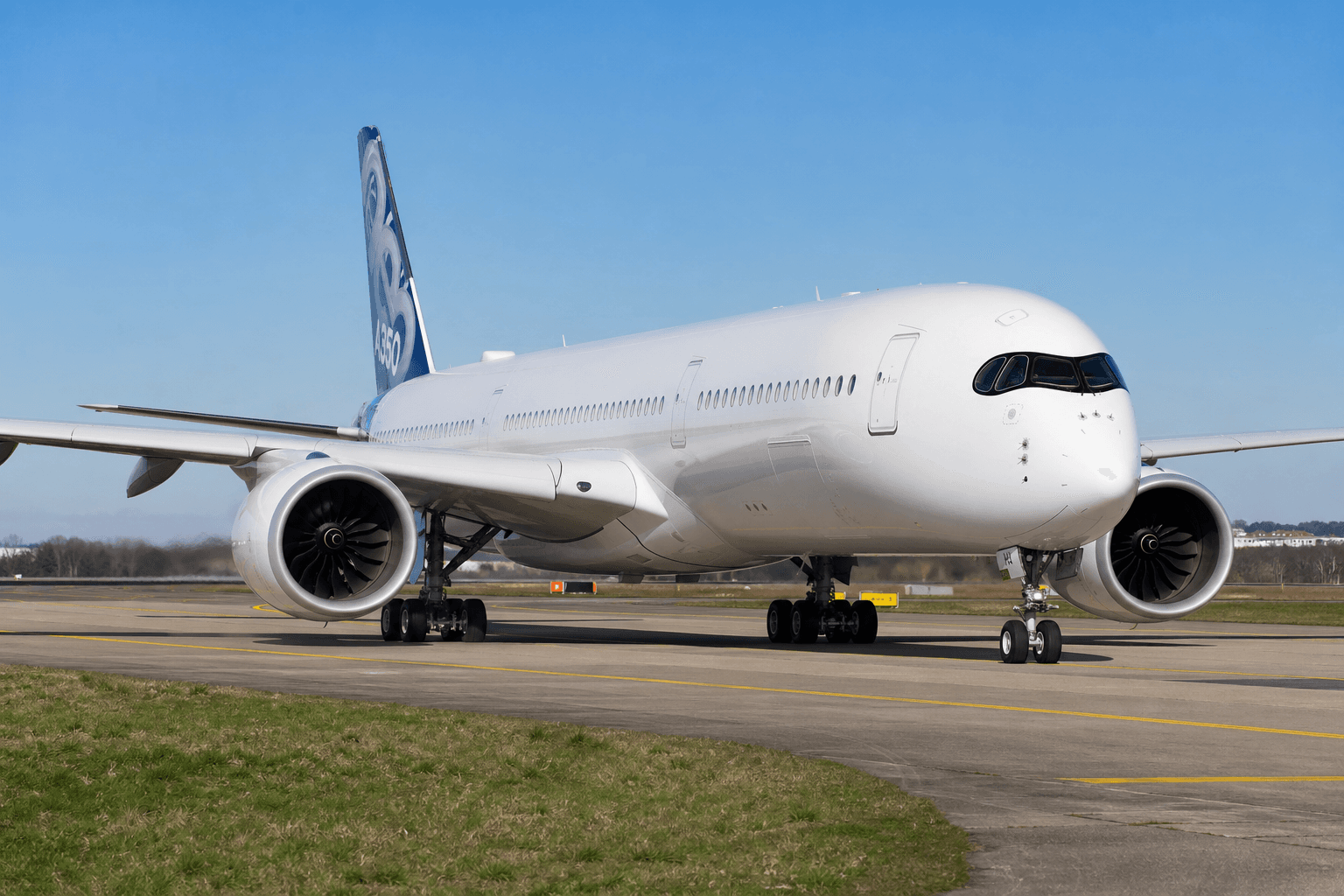
Modern widebody jet engines have reached the pinnacle of thermodynamic engineering, capable of producing immense thrust while burning cleaner alternative fuels. Manufacturers like Rolls-Royce and GE Aerospace have repeatedly shown that their flagship powerplants, including the Trent XWB and the GEnx , can operate perfectly on 100% sustainable aviation fuel during controlled demonstrations. If an airline were to attempt to pump unblended synthetic fuel into a commercial passenger flight today, the aircraft would be legally grounded.
Gulfstream and Rolls-Royce Complete First High-Altitude Flights Using 100% Sustainable Aviation Fuel
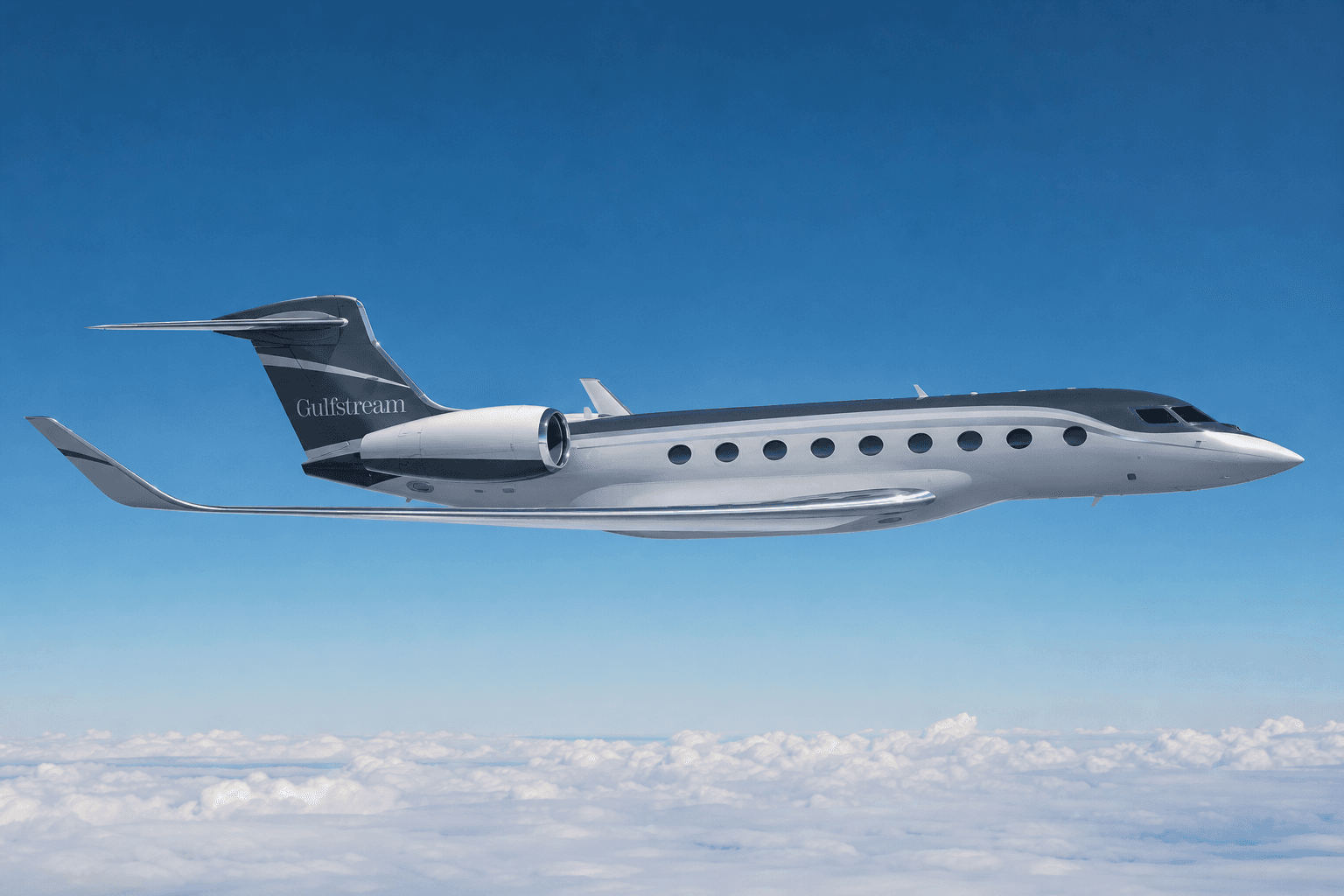
Gulfstream Aerospace and Rolls-Royce said this week that they completed a high-altitude flight-test campaign examining the emissions produced by 100% sustainable aviation fuel at altitudes up to 50,000 feet. A Gulfstream G800 powered by Rolls-Royce Pearl 700 engines conducted the flights alongside a modified G700. The G700 served as an airborne laboratory and measured particulate emissions and atmospheric conditions while flying in close formation. The campaign also marked the first G800 flight using 100% SAF. [Credit: Gulfstream] Researchers compared conventional Jet-A, low-sulfur Jet-A and 100% hydroprocessed esters and fatty acids SAF . Rolls-Royce said preliminary results showed a measurable reduction in particles that contribute to contrail formation. The FAA, NASA, German Aerospace Center and Missouri University of Science and Technology participated in the project. Although the test used unblended SAF, current fuel standards generally limit its commercial use to blends of up to 50% with conventional jet fuel, depending on the production pathway. Rolls-Royce said the campaign data will help inform future fuel standards and that demonstrating its current engines can operate on 100% SAF lays groundwork for certification.
Aviation's 65% Sustainable Fuel Goal by 2050 Faces Serious Doubts Amid Supply and Policy Challenges
There are significant obstacles in the way for the airline industry to reach net-zero carbon emissions.
The Daily Touch & Go
The day's best aviation news in your inbox. Free, no spam.