

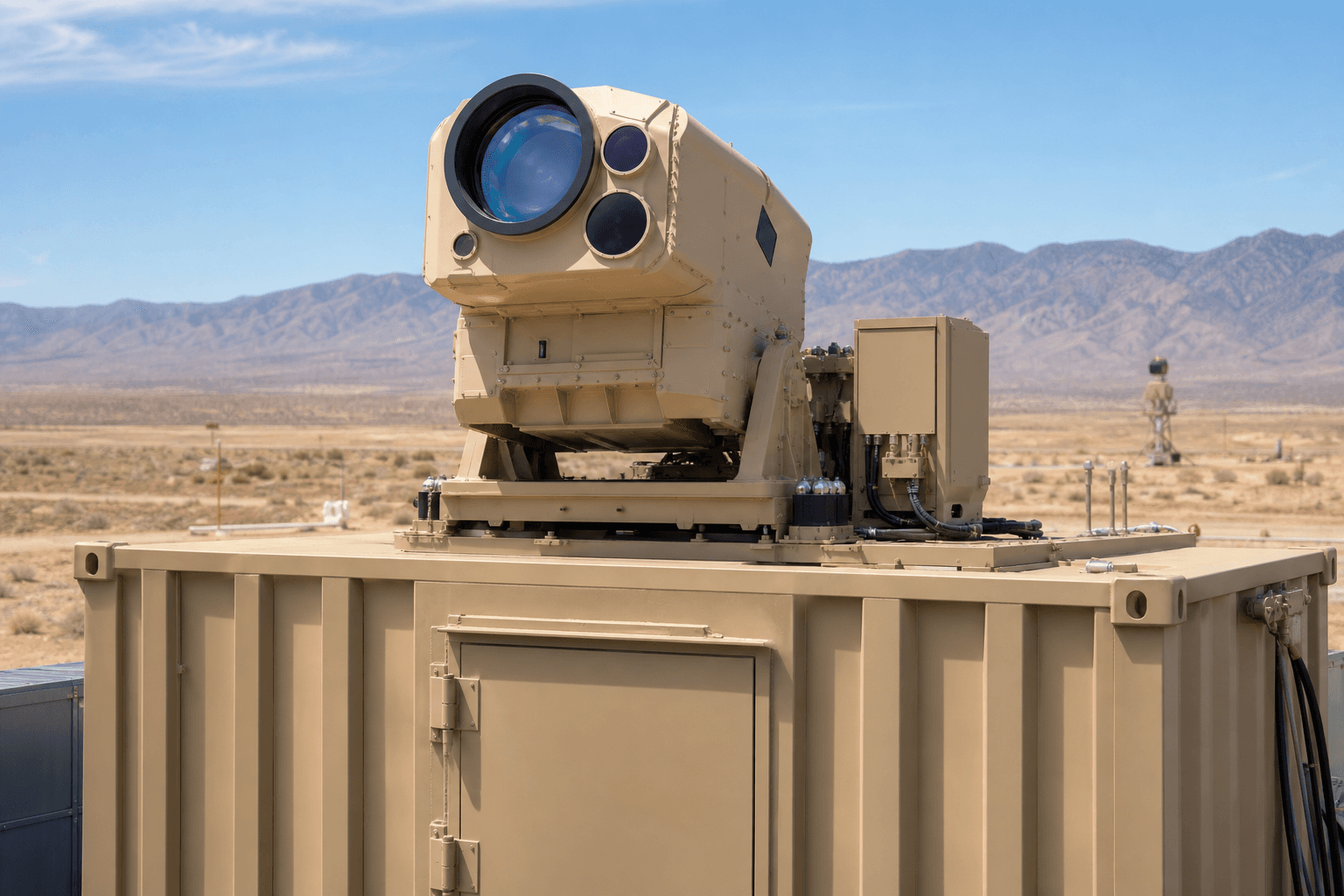
Illustration: The Touch & Go
Pentagon Accelerates Fielding of High-Power Laser Weapons to Counter Drone and Missile Threats
The US Department of Defense commits $86 million initially to develop containerized laser systems from 150-kilowatt class upward, targeting sustainable drone and cruise missile defense solutions.
The gist
The Pentagon invests in scalable high-energy laser weapons offering cost-effective, power-based defense against drones and cruise missiles.
The Pentagon has taken a significant step toward deploying high-energy laser weapons by awarding contracts worth an initial $86 million to nLIGHT Defense and Lockheed Martin Aculight. These agreements are positioned to advance laser prototypes into operational systems capable of defending against unmanned aerial vehicles (UAVs) and cruise missiles. The program’s total ceiling is set at $847 million, reflecting strong commitment to transitioning this technology from experimental stages into active military use. The first generation of these laser weapons will deliver around 150 kilowatts of power, with plans to scale up to between 300 and 500 kilowatts to engage more challenging, faster targets effectively.
This initiative responds to a growing tactical challenge: large numbers of inexpensive drones saturate current air defenses, making missile-based response financially and logistically unsustainable. Traditional interceptors, costing hundreds of thousands to millions of dollars each, become prohibitively expensive against swarming drone attacks. Laser weapons alter this dynamic by consuming mostly electrical power per shot once the system is in place, thereby creating what defense officials describe as a 'deep magazine.' This term highlights the capacity for virtually unlimited engagements limited only by power generation and cooling capabilities rather than finite missile inventories.
Understanding the significance of power ratings is crucial to grasping laser weapon capabilities. At 150 kilowatts, these systems are designed to neutralize relatively vulnerable aerial targets such as small drones by maintaining a concentrated beam long enough to inflict disabling damage. Increasing power to the 300 to 500-kilowatt range enhances destructive potential, allowing lasers to challenge cruise missiles, which require quicker and more forceful energy delivery to critical components. However, power alone doesn’t guarantee success; the system must detect, precisely track, and maintain beam focus despite atmospheric conditions like turbulence, fog, or moisture, all of which affect beam quality and effectiveness.
Laser weapons are not intended to replace missile systems but to complement them within a layered air defense architecture. They provide a low-cost, rapid response option when conditions and target types permit while reserving missiles for engagements beyond laser capabilities. The technology is evolving through the Pentagon’s High Energy Laser Scaling Initiative (HELSI), which pushes the envelope toward a one-megawatt-class system. Achieving this milestone would enable rapid defeat of tougher targets but presents engineering challenges, including heat management, power supply, and maintaining beam coherence over operational distances.
nLIGHT Defense employs an approach called coherent beam combining, merging multiple laser sources to form a single high-quality beam. This technique enables packaging into a mobile, containerized system compatible with standard military logistics. The company aims to integrate precise tracking and adaptive optics while ensuring the laser remains effective in the field. Prior attempts, such as the Boeing YAL-1 Airborne Laser program, experienced limited success due to complexity and scale, but advancements in solid-state and fiber laser technologies now offer more practical and sustainable options.
The historical context underscores the technological leap. Earlier chemical laser weapons, like the YAL-1 system mounted on a modified 747 aircraft, demonstrated concept feasibility but were too large, costly, and operationally impractical. Today’s fiber lasers benefit from rapid commercial advances, enabling defense adaptation to counter fast-proliferating threats like low-cost drones and autonomous munitions. These directed-energy systems expand the defensive toolbox, alongside electronic warfare techniques and kinetic interceptors, enhancing resilience against diverse aerial threats.
nLIGHT Defense’s emergence as a key player illustrates the evolving defense industrial base. Once focused on industrial laser applications for commercial manufacturing, the company has reoriented its expertise to meet military requirements. This shift exemplifies how evolving threats drive defense innovation, prompting the integration of commercial-grade technology into frontline weapon systems. The program anticipates deploying ruggedized laser weapon platforms capable of integration with existing layered defense networks, providing ground and naval forces with adaptable protection.
The progression from laboratory research to field-deployable laser weapons marks a pivotal moment in modern air defense strategy. By offering cheaper, refillable options for repeated engagements, these systems can transform how militaries respond to air attacks, especially given the rapid spread of drone technology globally. The Pentagon’s investment and developmental trajectory indicate a future where energy-based weapons will become an operational reality, supplementing and in some scenarios supplanting traditional interceptors against certain classes of threats.
Frequently asked questions
- What power levels are planned for the Pentagon's laser weapon systems?
- The initial systems will start at about 150 kilowatts, then scale up to between 300 and 500 kilowatts, with a goal toward a one-megawatt-class prototype in development.
- Why are laser weapons considered advantageous against drone swarms?
- After initial investment, laser weapons primarily consume electricity per shot, providing a 'deep magazine' capability that is economically sustainable against large, inexpensive drone attacks unlike costly missile interceptors.
- How does atmospheric condition affect laser weapon effectiveness?
- Environmental factors like air turbulence, clouds, fog, smoke, dust, and moisture can distort, absorb, or scatter the laser beam, making precise tracking and beam control critical to weapon performance.]}
Read more
All Military/Defense →
Socata TB30 Epsilon pilots meet French Air Force jet team during US tour
A spur-of-the-moment idea morphed into a one-of-a-kind get together between general aviation pilots flying Socata TB30 Epsilon piston-engine military trainers and their jet counterparts flying the blue-white-and-red livery of the French Air and Space Force during a stopover at Martin State Airport near Baltimore July 3.
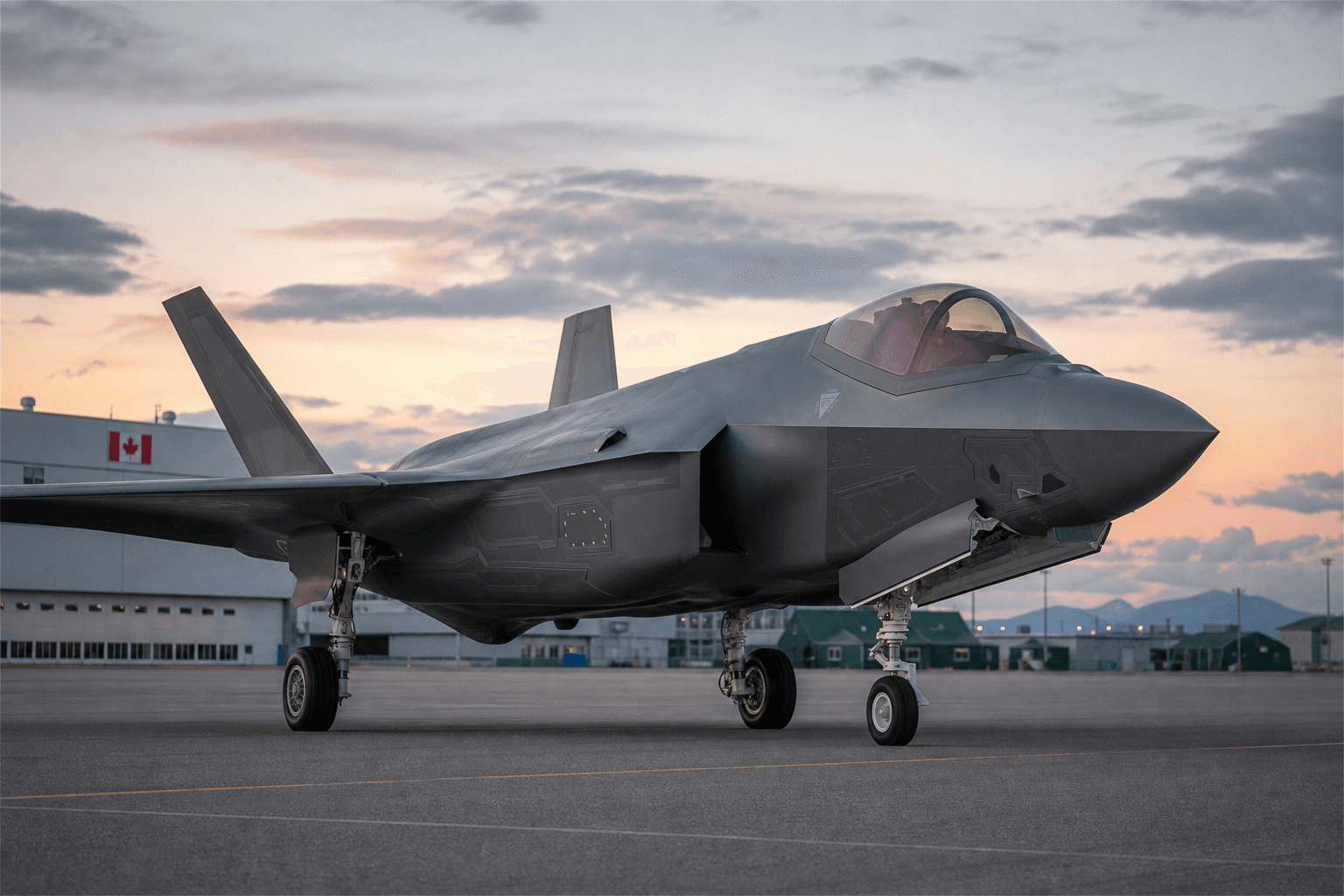
Canada Quietly Advances F-35 Fighter Jet Payments Amid Public Debate on Purchase
Canada's fighter jet debate has increasingly been framed as a dramatic political decision: should Ottawa proceed with its planned purchase of F-35 stealth fighters or pivot toward alternatives such as Saab's Gripen? Public discussions have focused on cost overruns, industrial benefits, trade tensions with Washington, and broader questions surrounding Canada's long-term defense dependence on the United States . To many observers, the issue still appears unresolved, with government leaders publicly emphasizing that reviews are ongoing and that options remain available.
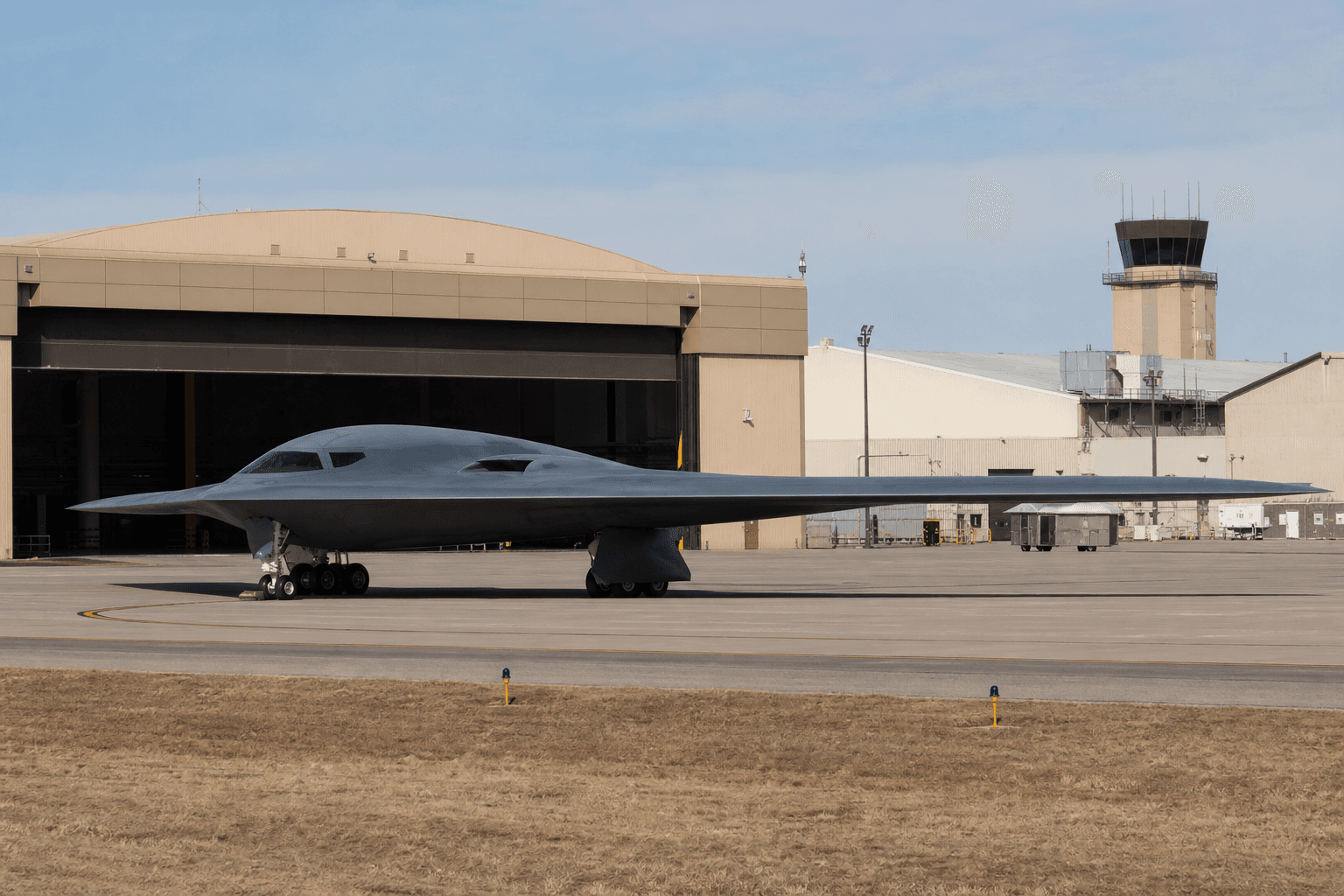
USAF Commits $2B to Prepare Ellsworth AFB as First Operational B-21 Raider Base
Ellsworth Air Force Base (RCA) was selected to be the first main operating base of the Northrop Grumman B-21 Raider. Located in South Dakota, the base has been home to the Rockwell B-1B Lancer, a supersonic swing-wing bomber. Although the B-21 is a less delicate plane than the NG B-2 Spirit, rebuilding the base in order to prepare for its first stealth aircraft comes at a cost of nearly $2 billion to taxpayers .
Snowbirds Perform at Barrie Airshow Despite Low Cloud Disruptions
By Ian Brown, EAA 657159, Editor, Bits and Pieces; Member, Canadian Council; Washago, Ontario Every year around this time, there's an air show in Ontario — the Barrie Airshow. It's held right on the shores of Kempenfelt Bay, which is part of Lake Simcoe. We were ready to leave before the evening firework display, but […]
The Daily Touch & Go
The day's best aviation news in your inbox. Free, no spam.