

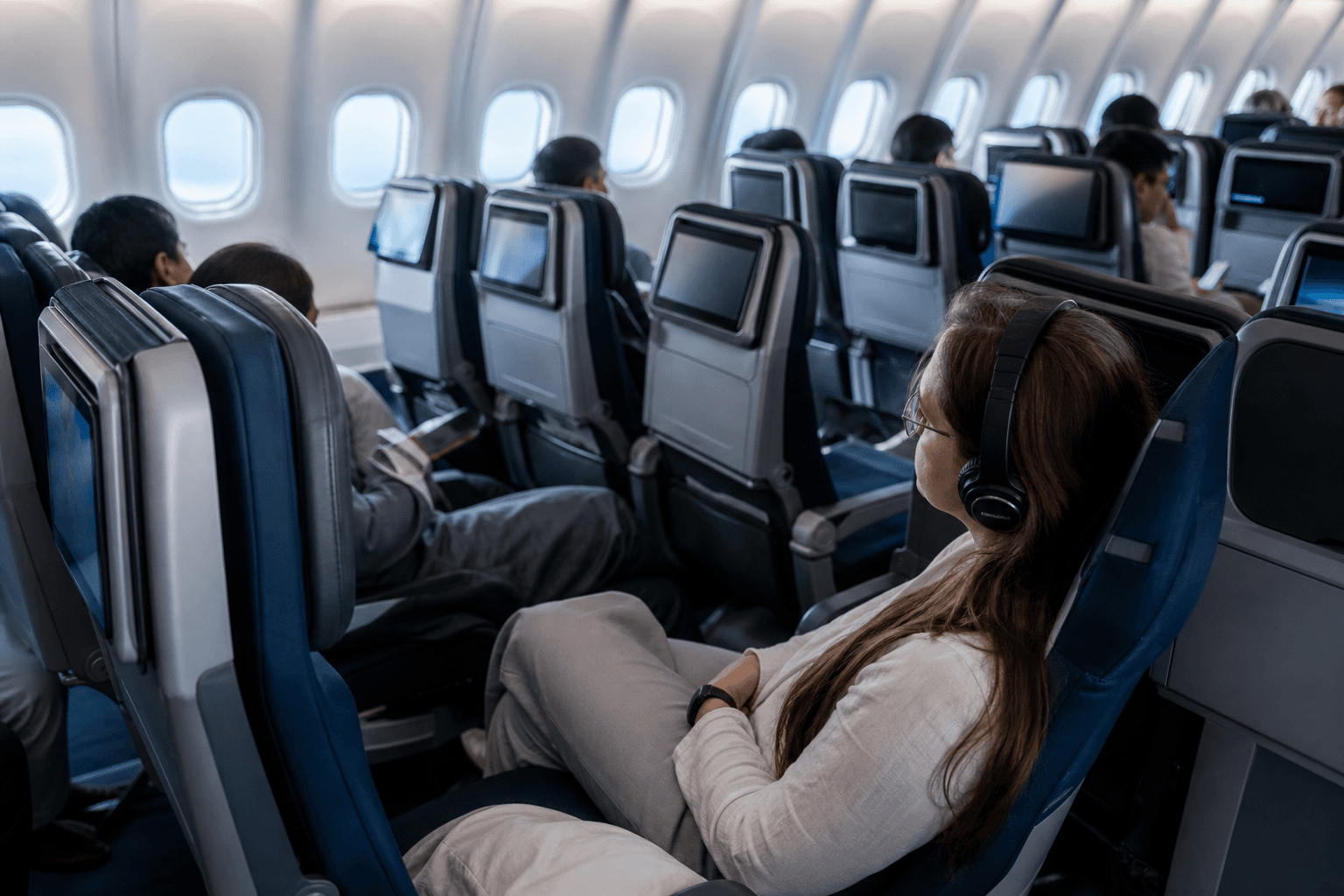
Illustration: The Touch & Go
Top 10 Airlines with the Most Comfortable Economy Class Seats in 2026
Some airlines now offer enhanced economy cabins featuring enjoyable meals, ample seat space, and attentive service for better passenger comfort.
The gist
Discover the ten airlines leading the way in economy comfort with better meals, spacious seats, and friendly crews.
Economy class travel has often been criticized for its cramped seats and minimal amenities, but select airlines are changing that perception by upgrading their cabins to offer passengers a far more comfortable experience. In 2026, some carriers stand out for going the extra mile in economy service, providing meal options travelers genuinely appreciate, more generous seat dimensions, and crew known for their warm, attentive care. These enhancements mark a shift toward elevating the standard economy offering in an increasingly competitive market.
Seat comfort is a crucial factor in economy class, impacting traveler satisfaction on short and long-haul flights alike. Carriers making the list feature wider seats with greater pitch and improved cushioning to help reduce fatigue during flights. Innovations such as ergonomically designed headrests, adjustable lumbar support, and in-seat power outlets are also becoming more common. This increased attention to seat ergonomics helps redefine economy cabins from merely functional to comfortably livable spaces.
Meal service in economy class often determines the overall flight experience, especially on long-haul routes. The airlines recognized for the best economy seats invest in quality meal preparation and menu variety, moving beyond the typical bland or repetitive fare. Passengers can expect meals featuring fresh ingredients, balanced diets, and options catering to dietary preferences. The focus on meal enjoyment underscores a broader trend toward passenger-centric service models even in the most affordable class of travel.
In addition to tangible cabin upgrades, the human element defined by cabin crew behavior greatly affects traveler comfort. Airlines excelling in this area emphasize training their staff to be courteous, attentive, and responsive. Passengers often rate friendly, helpful service as a top factor in their satisfaction with economy class. This customer-focused approach fosters a welcoming environment that complements the physical improvements in seating and meals.
The evolution of economy cabins aligns with broader airline strategies aimed at differentiating their offerings in a post-pandemic market where passenger expectations have heightened. Investment in the economy experience is a response to demand for value without sacrificing comfort, especially on longer flights where cramped conditions can be a significant deterrent. These improvements also serve to attract a wider demographic of flyers who may have otherwise opted for premium classes or alternate travel modes.
Industry observers note that upgrading economy class can also generate ancillary revenue streams, such as paid seat selection for more spacious seats or premium meal upgrades. For airlines, balancing cost efficiency with enhanced traveler experience is a critical challenge but one that is increasingly viewed as necessary to maintain competitive loyalty levels. The top airlines in this arena showcase how thoughtful cabin design and service excellence can be combined to elevate economy travel.
As the aviation world strives to recover and evolve, these leading airlines set a benchmark in economy class comfort that others are likely to follow. Passengers evaluating their next flights should consider not only the price but also the quality of the onboard experience offered. With choices expanding, the gap between economy and premium economy may continue narrowing, reshaping future cabin class distinctions.
Looking ahead, the ongoing refinement of economy class cabins is expected to include further personalization of service, integration of technology to improve comfort, and enhanced sustainability of onboard products. Airlines that innovate in these areas will likely capture greater market share and customer loyalty. For travelers, the takeaway is clear: economy class can now offer a much more pleasant journey than ever before.
Read more
All Airlines →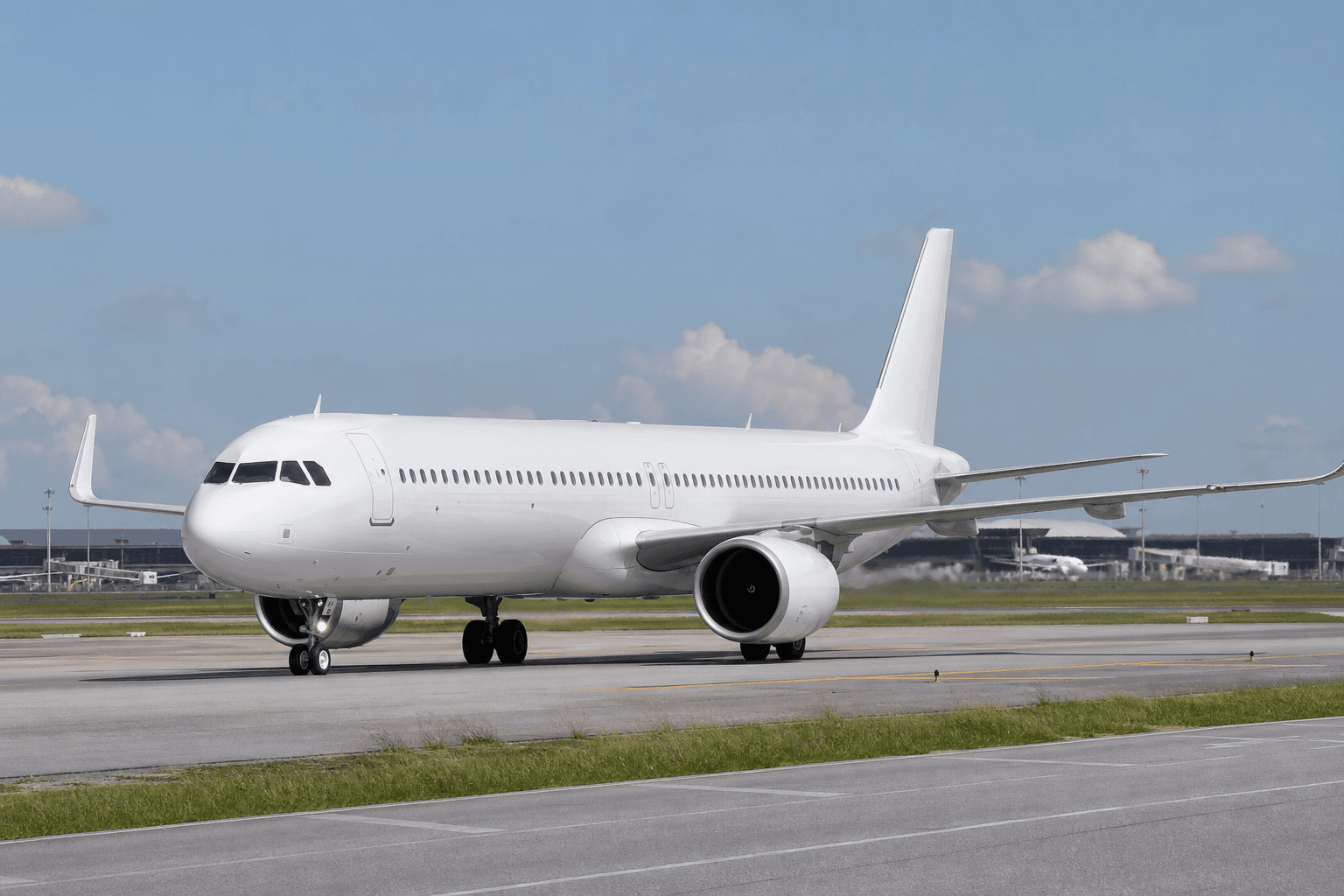
AirAsia X ends widebody expansion, pivots to Airbus A321XLR single-aisle strategy
In mid-2026, Airbus was hit with a major decision from one of its long-standing customers. AirAsia X and Airbus reached a mutual agreement to remove the remaining 15 Airbus A330-900 aircraft from the manufacturer's backlog. The decision unravels a long-shelved widebody expansion plan that had previously been framed as the future of budget travel across the Asia-Pacific region. Now formally striking these twin-aisle flagships from its future alignment, the airline group has reached an undeniable conclusion: the economic realities of flying massive, multi-aisle jets on long-distance budget routes no longer make structural sense in a volatile global market.
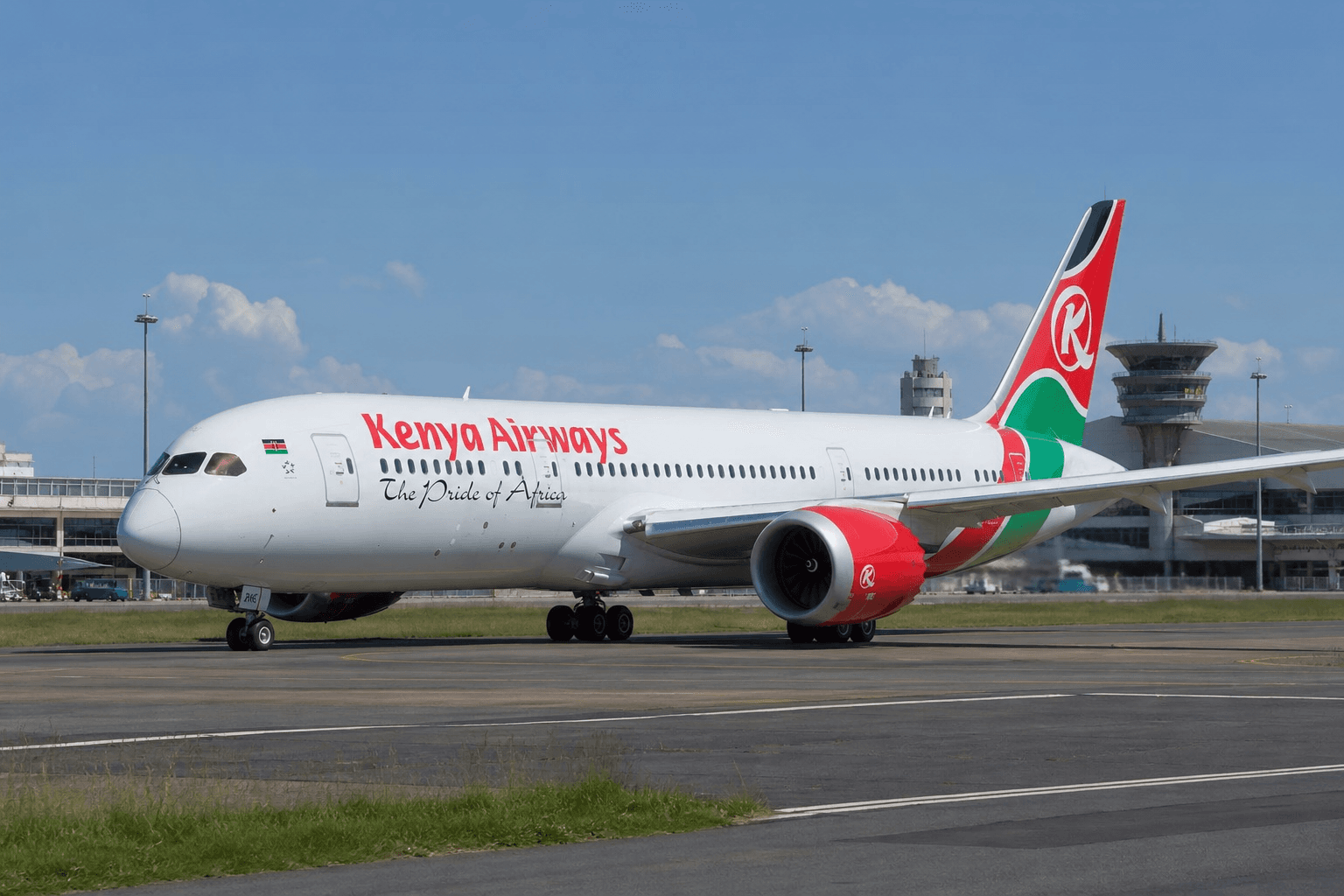
Kenya Airways Dreamliner Returns to Nairobi Due to Flight Controls Spoiler Issue
The New York-bound flight turned around over central Africa and landed safely in Nairobi.
RwandAir Showcases Vibrant Sunburst Livery Reflecting National Identity
The East African carrier's colorful tail draws inspiration from one of Rwanda's national symbols.
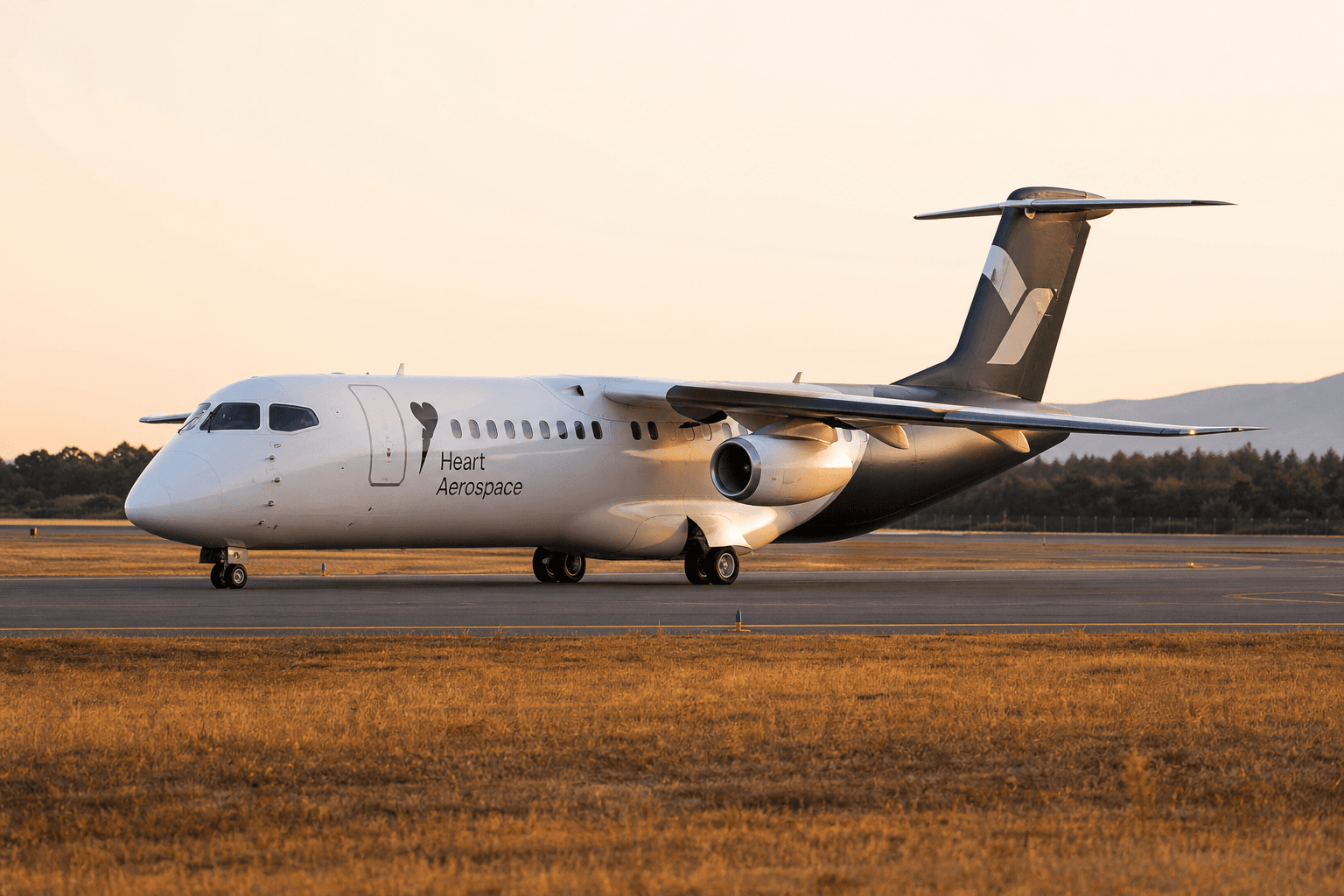
Five Regional Aircraft Makers Drive Innovation In Sub-100-Seat Market In 2026
Across all types of routes, airlines are taking advantage of advancements in aerospace manufacturing to begin choosing different types of aircraft for shorter-duration flights. Finding the right balance between route frequency and fuel burn has renewed focus on the sub-100-seat market. Major airframe manufacturers chase larger narrowbody families, all the while several specialist builders remain intensely committed to this essential segment.
The Daily Touch & Go
The day's best aviation news in your inbox. Free, no spam.