Illustration: The Touch & Go
Allegiant to Retire Sun Country Brand by Early 2028 After FAA Merger Approval
Following its acquisition of Sun Country Airlines, Allegiant plans to consolidate operations under its own brand after securing FAA's single operating certificate within two years.
The gist
Allegiant will phase out Sun Country’s brand once FAA grants a combined operating certificate, ending Sun Country’s 44-year identity.
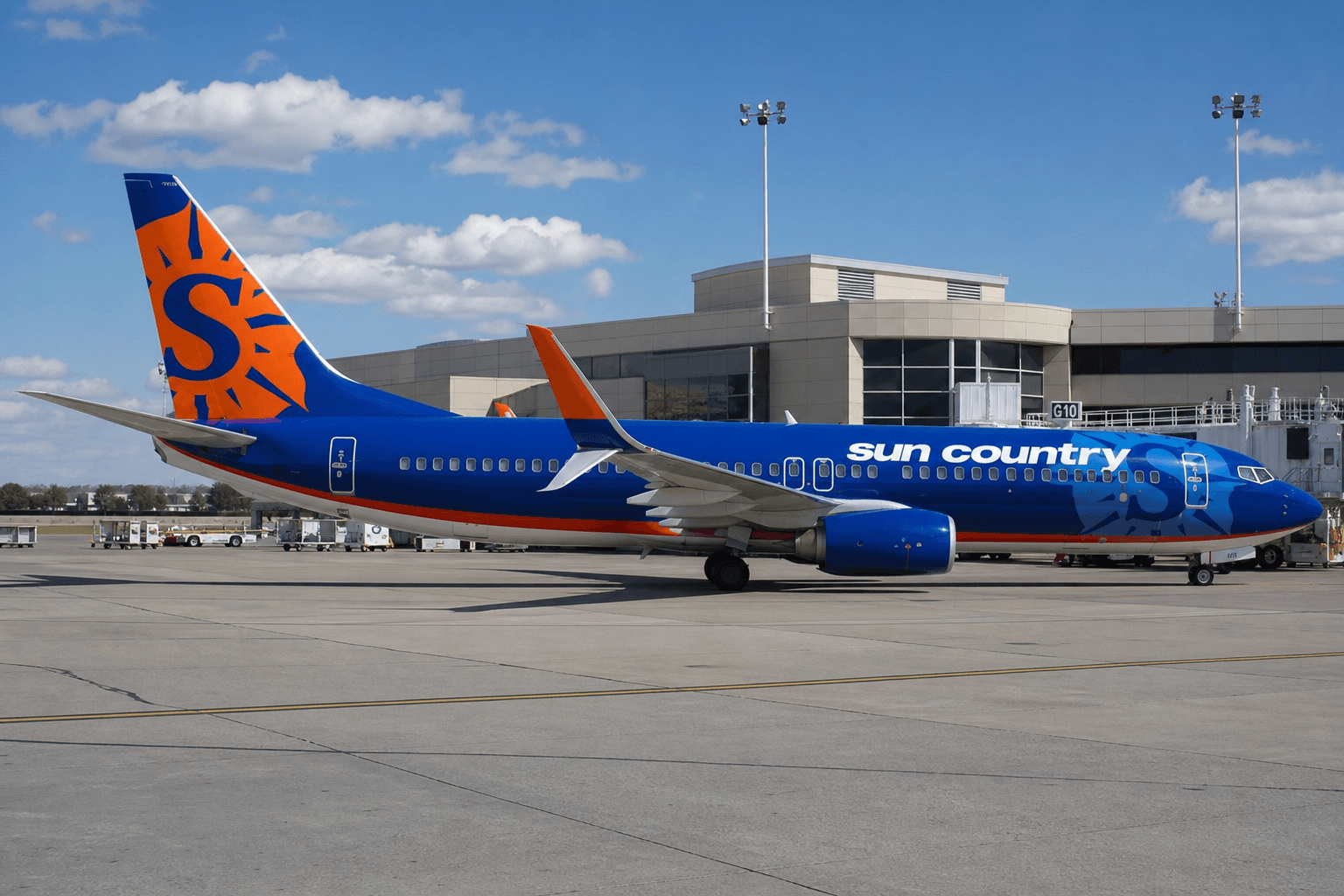
Allegiant Air has announced that the Sun Country Airlines brand will be completely phased out once the merged carriers receive a single operating certificate from the Federal Aviation Administration (FAA), a process expected to be complete within 18 to 24 months. This move will unify the two airlines’ operations under the Allegiant name and paint scheme, retiring Sun Country’s iconic orange-and-blue livery. Kristen Schilling-Gonzales, Allegiant’s vice president of network, planning, and charters, confirmed the timeline and brand transition in a recent interview.
The acquisition of Sun Country by Allegiant earlier this year set the stage for this consolidation. Although the plan to eventually merge operations was known, there had been speculation about whether Sun Country’s brand and identity would persist regionally, especially given its strong presence in Minnesota and the Midwest. However, leadership has clarified that continuing separate brand identities indefinitely is no longer part of the strategy.
At present, Sun Country and Allegiant remain distinct in their day-to-day operations, with minimal impact on customers during what is effectively a transitional period. Both airlines continue flying their respective routes, with Sun Country based at Minneapolis/Saint Paul International Airport serving domestic and international destinations including Canada, Mexico, Central America, and the Caribbean. The company has cultivated a loyal customer base through its distinctive branding and regional focus over its 44 years of operation.
The integration plan includes negotiating unified labor agreements across various employee groups, which is a key step ahead of achieving the single operating certificate. This certificate is crucial because it will allow Allegiant to fully integrate Sun Country’s fleet and network under one certification, streamlining regulatory oversight and operational procedures. Only once this certificate is secured will the full brand merger take effect.
Sun Country’s fleet, which operates alongside Allegiant’s, will undergo rebranding to reflect the Allegiant identity. This means repainting aircraft and updating marketing materials to align with Allegiant’s orange-and-gray livery, replacing the familiar Sun Country colors. Such rebranding efforts have historically been part of merger processes to present a unified market presence and optimize marketing efficiencies.
The timing of up to two years for regulatory approval and labor negotiations is in line with similar airline consolidations, reflecting the complexity of integrating established carriers with long-standing employee contracts and federal oversight. This period will also see the airlines working closely with regulators to ensure a smooth transition without disrupting service quality or safety standards.
From a strategic perspective, Allegiant’s move to consolidate brands follows broader consolidation trends in the U.S. airline industry, where mergers help carriers strengthen market share and operational scale. For Allegiant, acquiring and then absorbing Sun Country expands its geographical reach and diversifies its route portfolio in leisure markets, mergers that typically yield operational cost savings and network synergies.
The discontinuation of the Sun Country brand marks the end of a significant chapter in regional aviation history. For decades, Sun Country built a reputation for its service from Minneapolis and various leisure destinations across North America. While the brand will retire, its operational legacy will live on within Allegiant’s broader network, now under one operating certificate and unified corporate identity.
Industry watchers will observe how the merger affects route efficiencies and consumer choice in the Midwest and leisure travel markets. The integration is likely to influence competitive dynamics, especially as Allegiant leverages Sun Country’s established infrastructure and market presence while standardizing customer experience across its expanding system.
Frequently asked questions
- When will the Sun Country brand be phased out?
- The Sun Country brand is expected to be phased out within 18 to 24 months, once Allegiant secures a single operating certificate from the FAA, likely by early 2028.
- What is needed for Allegiant to unify operations under one brand?
- Allegiant must obtain a single operating certificate from the FAA and negotiate single labor agreements before fully merging operations and retiring the Sun Country brand.
- What will happen to Sun Country's aircraft and livery?
- Sun Country's aircraft will be rebranded to Allegiant's livery, replacing the distinctive orange-and-blue colors with Allegiant’s orange-and-gray scheme after the merger completes.
Read more
All Airlines →
AirAsia X ends widebody expansion, pivots to Airbus A321XLR single-aisle strategy
In mid-2026, Airbus was hit with a major decision from one of its long-standing customers. AirAsia X and Airbus reached a mutual agreement to remove the remaining 15 Airbus A330-900 aircraft from the manufacturer's backlog. The decision unravels a long-shelved widebody expansion plan that had previously been framed as the future of budget travel across the Asia-Pacific region. Now formally striking these twin-aisle flagships from its future alignment, the airline group has reached an undeniable conclusion: the economic realities of flying massive, multi-aisle jets on long-distance budget routes no longer make structural sense in a volatile global market.
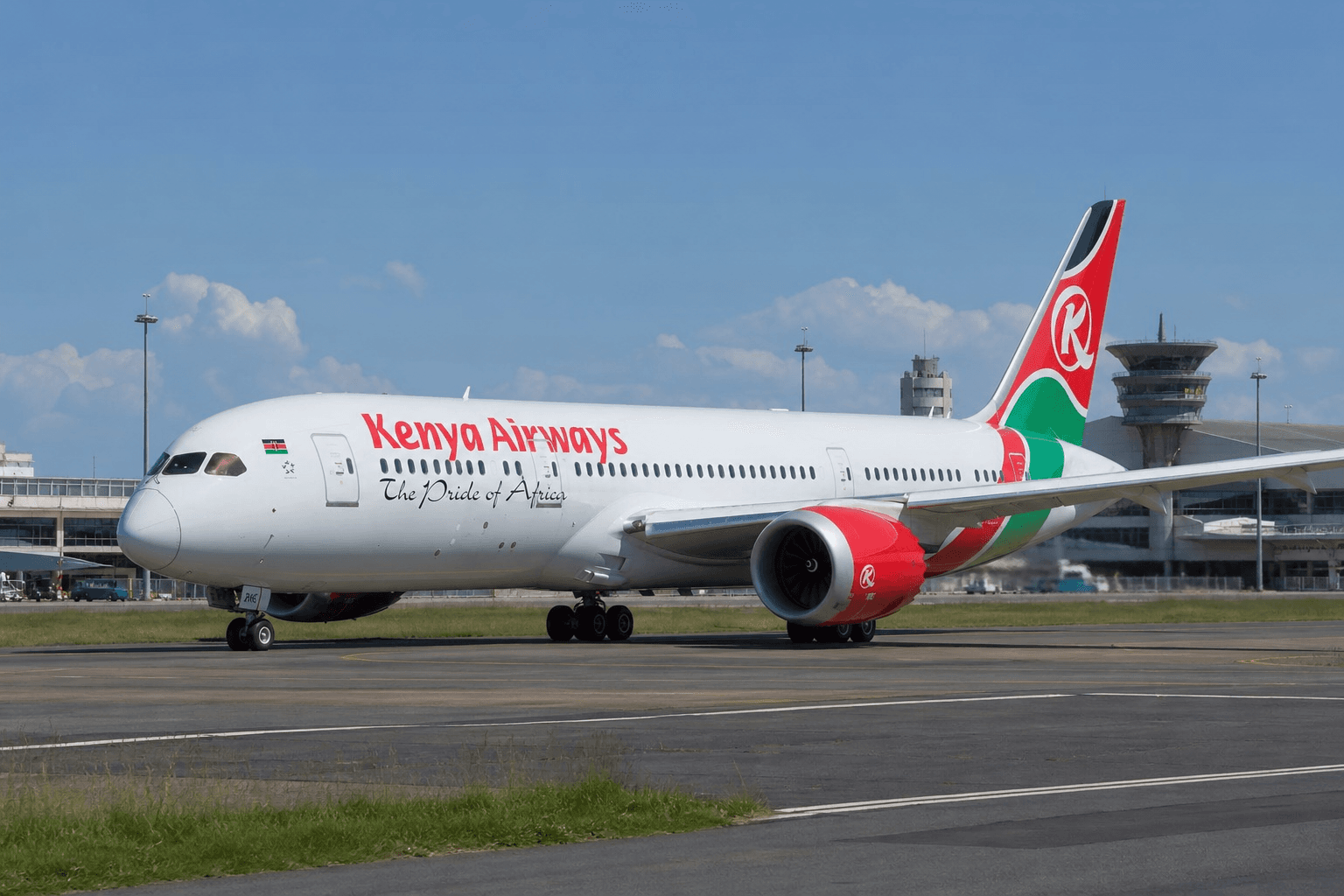
Kenya Airways Dreamliner Returns to Nairobi Due to Flight Controls Spoiler Issue
The New York-bound flight turned around over central Africa and landed safely in Nairobi.
RwandAir Showcases Vibrant Sunburst Livery Reflecting National Identity
The East African carrier's colorful tail draws inspiration from one of Rwanda's national symbols.
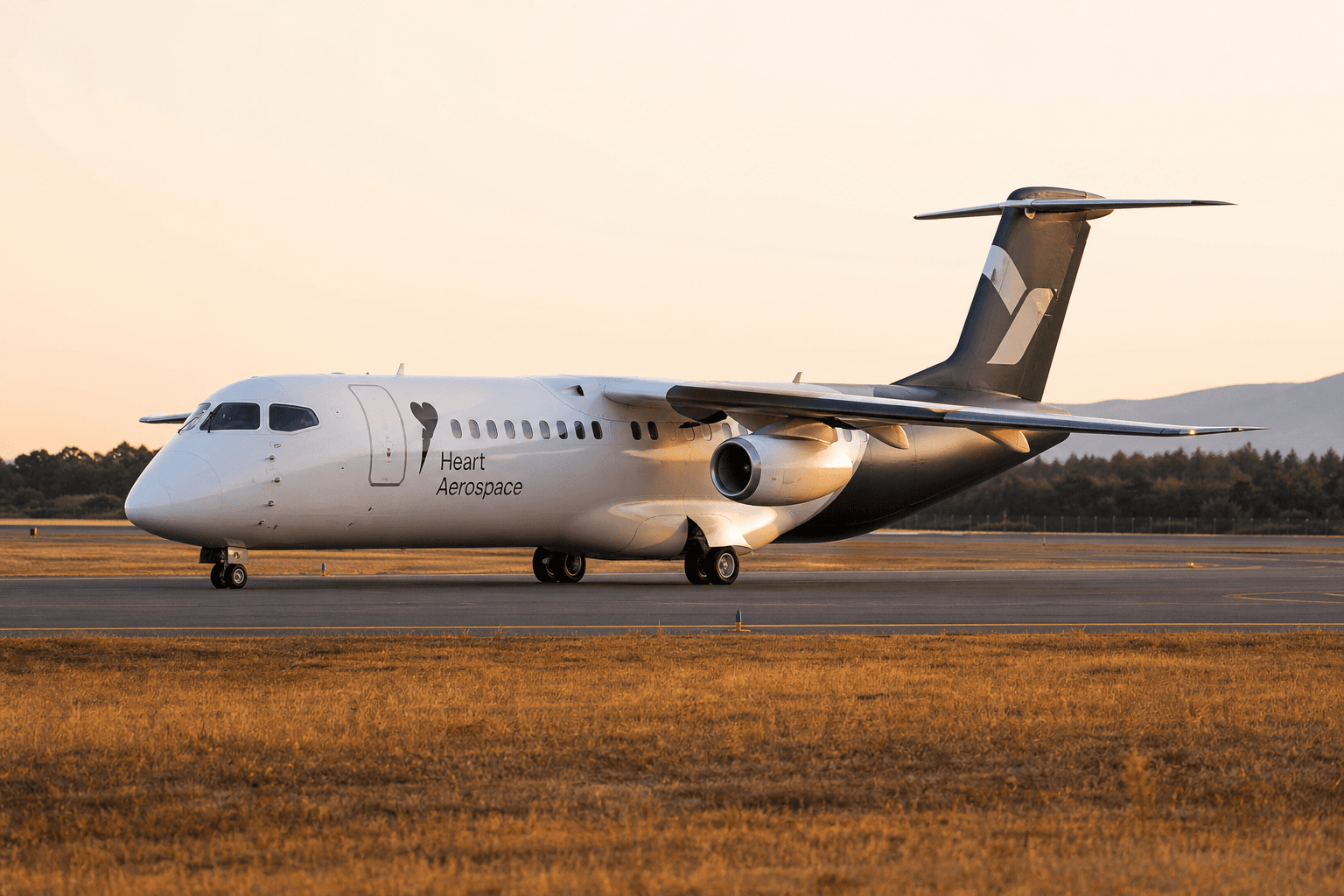
Five Regional Aircraft Makers Drive Innovation In Sub-100-Seat Market In 2026
Across all types of routes, airlines are taking advantage of advancements in aerospace manufacturing to begin choosing different types of aircraft for shorter-duration flights. Finding the right balance between route frequency and fuel burn has renewed focus on the sub-100-seat market. Major airframe manufacturers chase larger narrowbody families, all the while several specialist builders remain intensely committed to this essential segment.
The Daily Touch & Go
The day's best aviation news in your inbox. Free, no spam.