

Image: Julian Herzog ( Website ) · CC BY 4.0 · via Wikimedia Commons
Air Canada launches new long-haul routes to Tenerife and Sapporo for 2026/27 winter
Air Canada expands its international network with thrice-weekly services to Tenerife from Montreal and Toronto, plus new Vancouver-Sapporo flights for winter ski season.
The gist
Air Canada adds three long-haul routes including Canada-Canary Islands links and first direct Vancouver-Sapporo flights for winter 2026/27.
Continuing coverage
All Air Canada →- United Airlines Allows Flight Attendants to Drink Alcohol While Deadheading Under Strict Conditions
- Air Canada Aeroplan and World of Hyatt Launch New Status and Points Partnership
- Air Canada and IAMAW Reach Tentative Four-Year Deal Covering 11,000 Maintenance Workers
- Air Canada Debuts Speedy City Shuttle Linking Downtown Montréal with Montréal-Trudeau Airport
- Air Canada Deploys Airbus A220 on Multiple Nearly Seven-Hour Flights Across North America
Air Canada is set to enhance its long-haul international offerings for the 2026/27 northern winter season by inaugurating three new routes. Starting October 31, the airline will connect Montréal-Trudeau International Airport with Tenerife South Airport, marking the first-ever direct link between these cities. This service is planned to operate twice weekly throughout portions of the season, utilizing the Airbus A321XLR aircraft, which seats 182 passengers in a two-class configuration.
The Montréal-Tenerife route will initially operate once a week on Saturdays, but due to strong booking demand, a Tuesday flight has been added beginning late January through March. Flight times are nearly seven hours westbound, with the overnight return leg taking just over eight hours. The aircraft deployed—the A321XLR—features 14 Signature Class seats alongside 168 Economy Class seats, suggesting a focus on both premium and leisure travelers.
In addition to Montréal, Toronto Pearson International Airport will also gain new Tenerife service. The twice-weekly Toronto-Tenerife flights use the smaller Airbus A321LR, seating 199 passengers, and will run from October 25 through the end of April. This route will become the longest nonstop flight from the Canary Islands, stretching over 3,135 nautical miles. Current data indicates Air Canada and Air Transat will collectively operate four Canada-Canary Islands nonstop routes during this season, reflecting growing demand for sun destinations among Canadian travelers.
Air Canada's entry into the Tenerife market comes amid increased Canadian carrier interest in the Canary Islands, with Air Transat launching new services from Toronto and Montreal to Gran Canaria starting December 2026. The addition of these flights reflects a trend towards more diverse leisure travel options for Canadians seeking winter sun, though how sustainable the multiple routes will be after initial demand remains to be seen.
The most notable new route is Air Canada's direct connection between Vancouver International Airport and New Chitose Airport near Sapporo, Japan. Launching December 17, this thrice-weekly service will be North America’s only nonstop flight to Sapporo, significantly simplifying travel to the popular northern Japan ski destination. Flights will operate on Mondays, Thursdays, and Saturdays westbound, with return flights on Tuesdays, Fridays, and Sundays.
This Vancouver-Sapporo route covers approximately 3,726 nautical miles and will be operated using Boeing 787-9 Dreamliners configured with 20 Signature Class suites, 21 Premium Economy seats, and 214 Economy seats. It offers the shortest transpacific route in Air Canada’s Asian network, complementing year-round flights to Tokyo-Narita and Tokyo-Haneda, as well as seasonal summer services to Osaka-Kansai. The new service eliminates the need for North American travelers to connect through other Asian hubs.
Air Canada’s network developments this winter emphasize increased accessibility to leisure destinations both in Europe and Asia from Canada’s major hubs. The introduction of these routes reflects strategic growth into profitable sun and ski markets, leveraging the capabilities of long-range narrowbody and widebody aircraft. These routes also position Air Canada competitively within winter seasonal tourism corridors, responding to evolving travel demands.
With direct links between Canada and the Canary Islands now numbering four, and a new direct Asia-Pacific route to a prominent ski region, Air Canada is strengthening its international reach during a key travel season. The airline’s capacity to offer nonstop service on these niche long-haul routes utilizes its fleet versatility and aligns with anticipated passenger preferences for convenient, point-to-point connections.
Frequently asked questions
- What new Tenerife routes is Air Canada launching for 2026/27?
- Air Canada is starting twice-weekly nonstop flights from Montreal and Toronto to Tenerife, operated with Airbus A321XLR and A321LR aircraft for the winter season.
- What is notable about Air Canada's new Vancouver-Sapporo route?
- It is North America's only nonstop flight to Sapporo, Japan, launched for winter 2026/27 using Boeing 787-9 aircraft, serving ski travelers.
- How does Air Canada's Tenerife service fit into the Canadian market?
- These are the first Canadian nonstop routes to the Canary Islands, increasing competition alongside Air Transat's Gran Canaria services and expanding leisure options for Canadians.
Read more
All Airlines →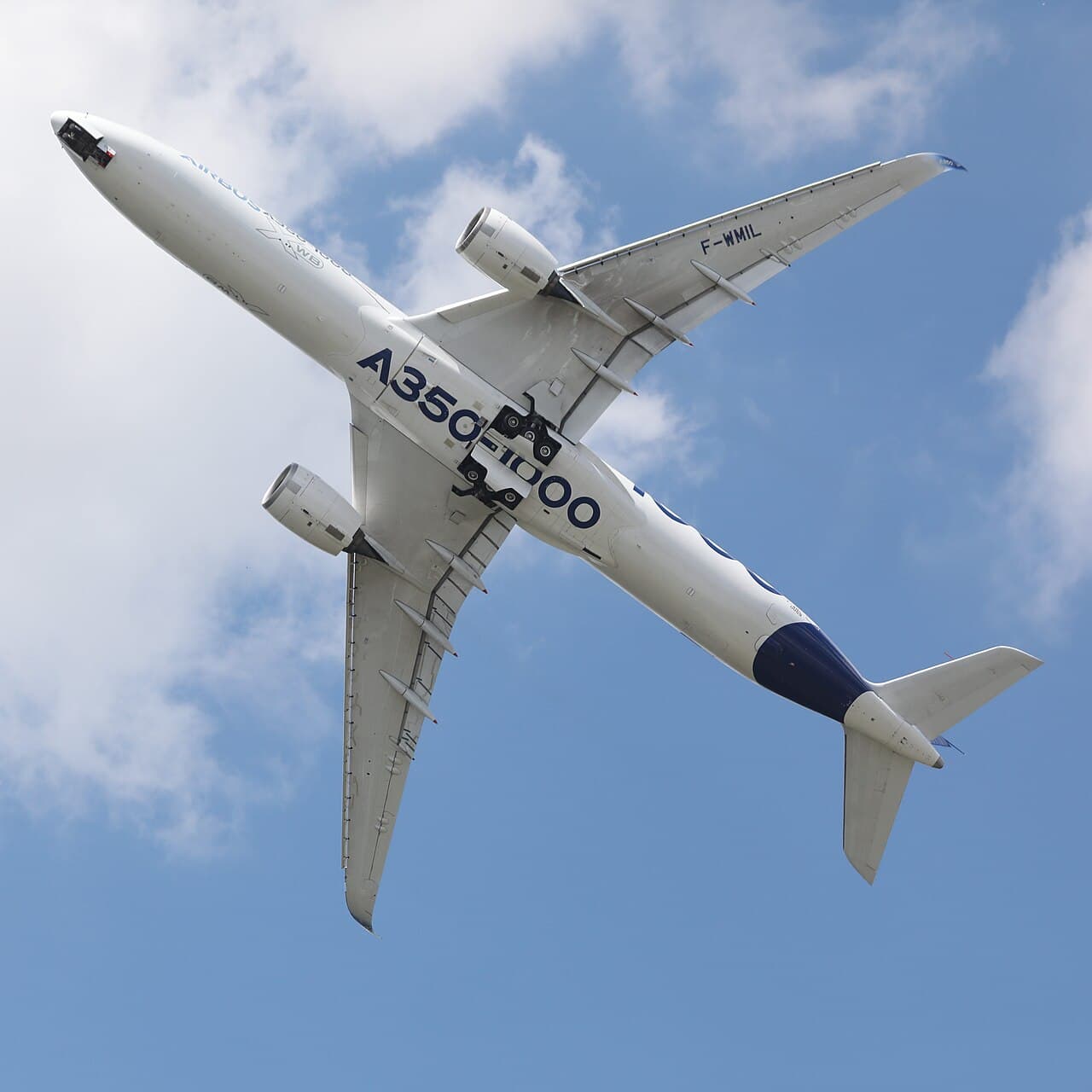
Boeing 777-9 challenges Airbus A350-1000 dominance in long-haul widebody market
When the Boeing 777-9 finally enters commercial service, it will become the largest twin-engine airliner ever built. By then, however, its main rival will already have spent nearly a decade carrying passengers, building a global customer base, and proving itself on some of the world's longest routes. That unusual timing means the contest between the 777-9 and Airbus A350-1000 is not about which widebody aircraft is better on paper. It is about whether Boeing's larger, higher-capacity design can overcome Airbus' years-long operational head start.
Frequent Flyer Award Loopholes Close as Airlines Tighten Elite Perks
The frequent flyer ecosystem has operated on a silent contract between airlines and their most loyal customers, but now that contract seems to be ending. There was once a period defined by the exploitation of fixed award charts, complex routing rules, and the mathematical beauty of carrier-imposed surcharges. Travelers spent years reverse-engineering award flight availability, viewing the loyalty landscape as a puzzle where deep knowledge of program intricacies provided access to premium cabins for a fraction of their cash value.
Top 5 Airlines Offering the Most Luxurious First Class Suites in 2026
The first class cabin is always seen as the ultimate in luxury with lavish features that many can only dream of. Business class has evolved into a more extensive product, with lie-flat beds and now private suites, and with more business class products than ever, first class has become more exclusive and somewhat rare on long-haul international flights.
Boeing 777-300ER Revolutionized Long-Haul Air Travel with Twin-Engine Efficiency
The 777 succeeded Boeing's first widebody twinjet, the 767 , and showed the world just how great the platform could be for both the economics of the notoriously volatile flying business and the satisfaction of flyers. The success of the 777 series directly contributed to the end of its larger quadjet predecessor, the 747.
The Daily Touch & Go
The day's best aviation news in your inbox. Free, no spam.