

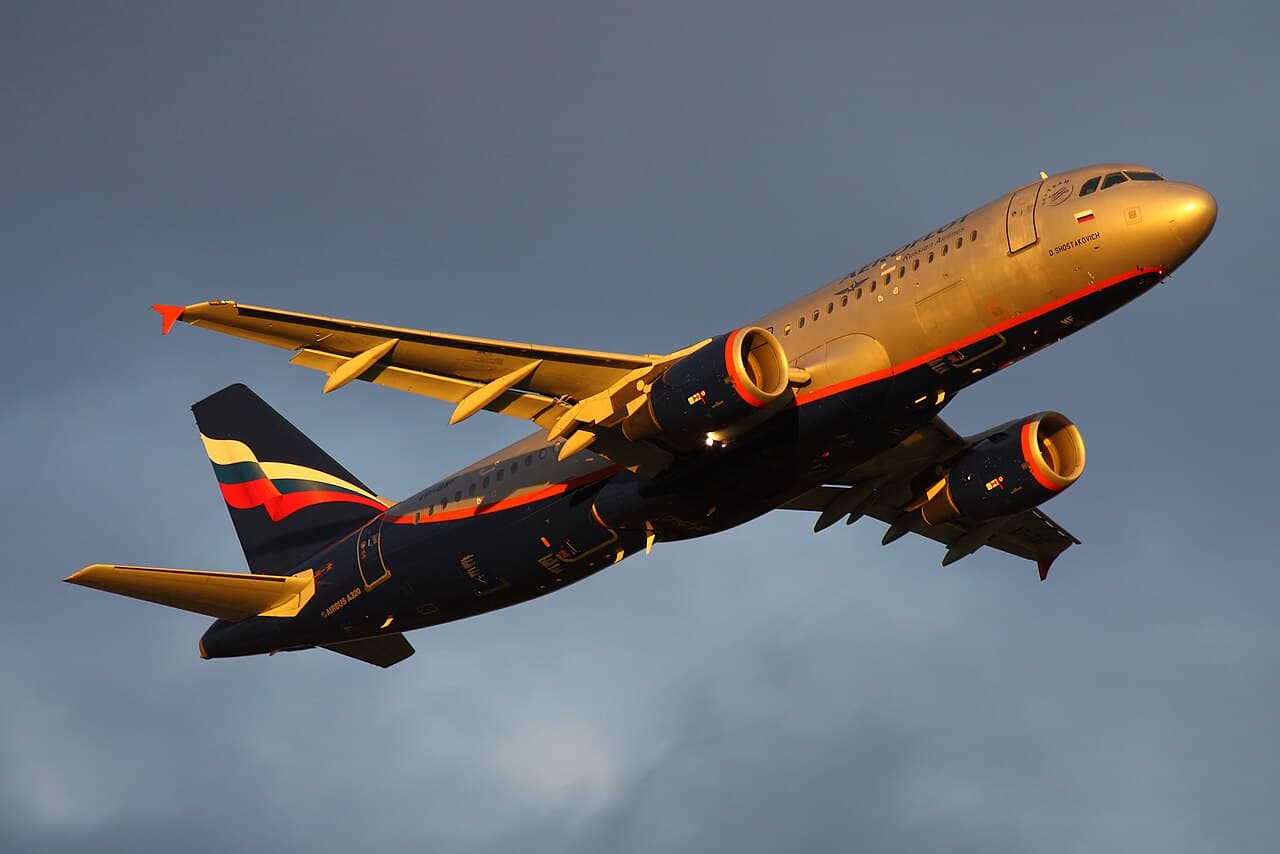
Image: Sergey Kustov · CC BY-SA 3.0 · via Wikimedia Commons
Qantas to Sell Entire Stake in Jetstar Japan by Mid-2027 for $52 Million
Qantas has signed a binding agreement to divest its 33.3% shareholding in Jetstar Japan, with Development Bank of Japan acquiring the stake and JAL maintaining its majority ownership.
The gist
Qantas is exiting Jetstar Japan, selling its 33.3% stake to shift investments back to Australian operations by June 2027.
Continuing coverage
All Qantas →- Qantas Unveils Innovative Wellbeing Zones and Ultra-Private Suites for 22-Hour Project Sunrise Flights
- Former Qantas CEO Alan Joyce Offers Regrets but Defends Pandemic-Era Decisions
- Airbus fixed A380 wing cracks by replacing carbon composite parts with aluminum to avoid fleet grounding
- Qantas A350-1000ULR completes 19-hour nonstop maiden flight from Toulouse to Melbourne
- Airbus A350-1000ULR embarks on nonstop Toulouse to Melbourne test flight
The Qantas Group has formalized a binding agreement to divest its entire 33.3% stake in low-cost carrier Jetstar Japan in a deal valued at approximately 8.2 billion yen, or around $52 million. This transaction marks a strategic shift for Qantas, allowing it to redirect capital resources toward its core domestic and international operations across Australia. The deal involves a share buyback by Jetstar Japan, facilitated by the entry of the Development Bank of Japan as a new shareholder.
Jetstar Japan’s majority shareholder, Japan Airlines (JAL), will retain its 50% ownership in the carrier, alongside Tokyo Century, a financial services firm which also maintains its existing shareholding. The share purchase transaction by Qantas is scheduled for completion by June 2027. This divestment follows a non-binding memorandum of understanding signed by Qantas and JAL earlier this year in February, signaling the parties’ intent to restructure Jetstar Japan’s ownership.
Following the transaction, Jetstar Japan plans to move away from the Jetstar brand and adopt a new brand identity. The airline will transition to a capital structure led primarily by Japanese investors, reflecting greater domestic ownership and control. Qantas has emphasized that there will be no disruptions to the current international services operated by itself and Jetstar Airways between Australia and Japan, thus preserving connectivity and passenger experience.
Jetstar Japan launched in 2012 as a subsidiary low-cost carrier within the international Jetstar group portfolio. The airline currently operates a fleet comprised of Airbus A320 and A321neo aircraft, serving the Japanese domestic market with a focus on cost efficiency and competitive fares. The change in ownership structure is expected to allow the carrier to pursue its strategic priorities under fully Japanese-led governance.
For Qantas, this divestment aligns with a broader capital allocation strategy aimed at strengthening its Australian domestic network and international routes. By exiting Jetstar Japan, the Group can optimize investment priorities towards markets where it has direct operational control and a more dominant market position, particularly in Australia-New Zealand and Australia-Asia corridors.
This transaction reflects ongoing consolidation and localization trends within Asian aviation markets, where foreign airlines increasingly reassess their stakes in joint ventures amid evolving competition and regulatory environments. The Development Bank of Japan’s investment signals strong domestic support for local aviation businesses and may provide Jetstar Japan with the resources needed to navigate future market challenges.
The deal also highlights the complexity of multinational low-cost carrier operations and joint ventures, balancing cross-border ownership with market dynamics. Jetstar Japan’s transition to a Japanese capital-led ownership may enhance its ability to respond agility to domestic policy changes and consumer demands without reliance on foreign shareholders.
Completion in mid-2027 provides a clear timeline for the transition process, including the brand refresh and ownership restructuring. Stakeholders within the Qantas Group and Jetstar Japan will be monitoring regulatory approvals and operational impacts over the coming months to ensure a smooth transition without service interruptions.
With this divestment, Qantas is poised to refocus on growth opportunities in its primary markets, while Jetstar Japan embarks on a path to generate value under its new ownership structure domestically. This move underscores the complexities of airline partnerships in an interconnected but localized aviation landscape.
Frequently asked questions
- Who is acquiring Qantas's stake in Jetstar Japan?
- The Development Bank of Japan is acquiring Qantas's entire 33.3% shareholding in Jetstar Japan through a share buyback.
- Will this sale affect Qantas's international flights between Australia and Japan?
- No, Qantas stated there will be no impact on existing international operations between Australia and Japan operated by Qantas and Jetstar Airways.
- What changes will Jetstar Japan undergo after the ownership change?
- Jetstar Japan will rebrand from Jetstar to a new Japanese-led brand and transition to a capital structure led by Japanese shareholders.
Read more
All Airlines →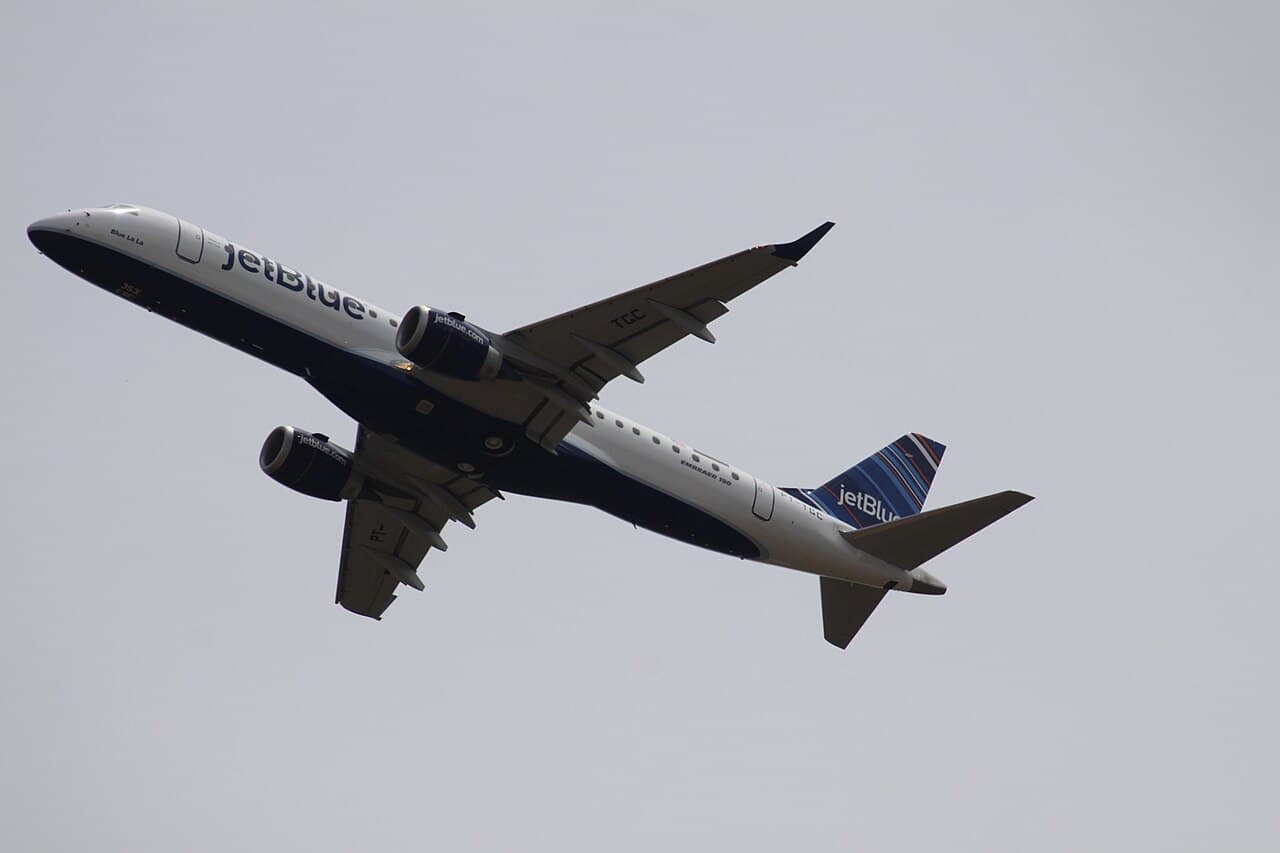
JetBlue's Mint Studio Emerges As Premier Transcon Business Class Amidst Competitive Pricing
JetBlue Airways has spent years refining its premium offering, and while most discussions about premium transcontinental travel focus on whether JetBlue can compete with legacy airlines, the real story is happening in the very front row of the Airbus A321neo . With just two Mint Studio suites available on each aircraft, the product combines exclusivity with a surprisingly approachable pricing strategy that has steadily built a loyal following among frequent travelers.
Air New Zealand to Launch First International Flights at Western Sydney Airport in October 2026
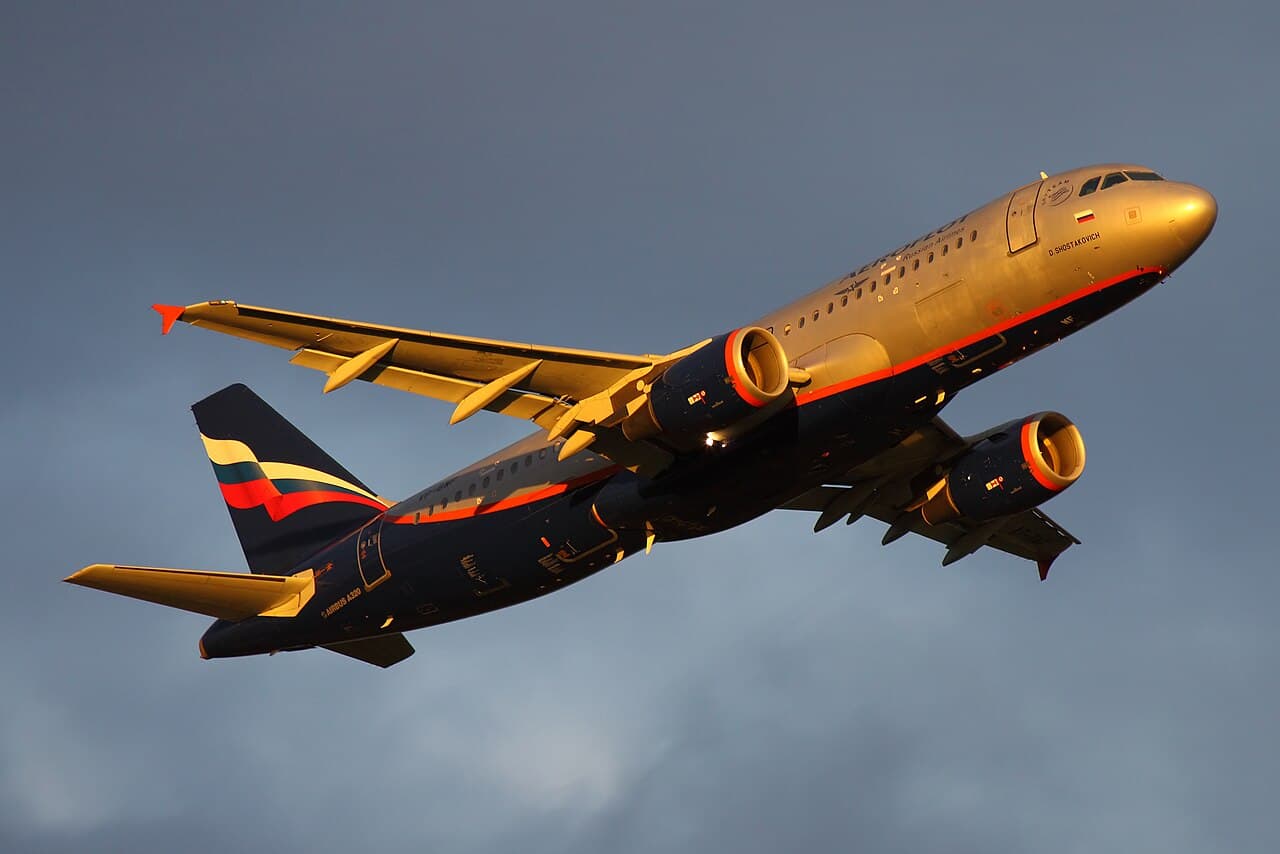
Air New Zealand will become the first international airline to operate at Western Sydney International Airport (WSI), bringing direct flights from Auckland starting 26 October 2026. ezstandalone.cmd.push(function () { ezstandalone.showAds(119); }); As of mid-July 2026,less than 100 days remain until the milestone service begins. It will offer residents in one of Australia’s fastest-growing regions easier access to New Zealand and beyond. The new route marks a significant expansion for the airline’s trans-Tasman network. Air New Zealand already operates into Sydney Kingsford Smith Airport. It will now provide a convenient second option tailored to Western Sydney travellers. ezstandalone.cmd.push(function () { ezstandalone.showAds(127); }); Flight Schedule and Aircraft Air New Zealand will run three return services per week on Mondays, Wednesdays, and Fridays using fuel-efficient Airbus A320 and A321 aircraft. Auckland to Western Sydney: Departs 6:00 am, arrives 7:45 am. Western Sydney to Auckland: Departs 8:55 am, arrives 2:10 pm. ezstandalone.cmd.push(function () { ezstandalone.showAds(128); }); These day trips suit business travellers and short-break holidaymakers. One-way seat-only fares from Auckland start at NZD $319, with tickets now on sale via the Air New Zealand website. Connecting Communities and Boosting Tourism Western Sydney is home to more than 2.5 million people, including a large New Zealand community. Kath O’Brien, Air New Zealand’s General Manager Australia , highlighted the route’s importance. ezstandalone.cmd.push(function () { ezstandalone.showAds(129); }); “Flying directly into the region gives our customers another way to travel across the Tasman, while also strengthening business and tourism connections between New Zealand and Australia,” she said. The service benefits Kiwis visiting family or exploring attractions like the Blue Mountains. Sydney residents gain more choices for trips to New Zealand or onward connections to the Pacific and North America through Air New Zealand’s network. JordanElliott4642, CC BY-SA 4.0, via Wikimedia Commons WSI CEO Simon Hickey welcomed the announcement, noting strong growth in travel between Australia and New Zealand. “Both countries represent each other’s largest inbound market, with those numbers increasing each year,” Hickey said. ezstandalone.cmd.push(function () { ezstandalone.showAds(130); }); He praised the new terminal’s modern design, which features efficient digital check-in, retail options, comfortable seating with charging points, and scenic views of the Blue Mountains. A World-Class Airport Experience Western Sydney International Airport aims to deliver a smooth, passenger-friendly experience at its state-of-the-art 24-hour global gateway. Travellers can expect quick processing and pleasant surroundings, making journeys more enjoyable from the start. Air New Zealand brings a strong reputation for safety and service. Named the 2025 World’s Safest Airline by AirlineRatings.com, the carrier operates a modern fleet with an average aircraft age of under 10 years. ezstandalone.cmd.push(function () { ezstandalone.showAds(131); }); Its extensive domestic network across New Zealand and international routes to Australia, the Pacific, Asia, and North America – supported by Star Alliance partners – provide seamless connections for travellers. Photo Credit: Western Sydney International Airport Conclusion This new route reflects growing demand for convenient travel options between Australia and New Zealand. For Western Sydney residents, it reduces travel time to the airport and opens direct access to New Zealand’s landscapes, cities, and cultural experiences. For visitors heading the other way, it creates easier entry to Sydney’s western region and its attractions. ezstandalone.cmd.push(function () { ezstandalone.showAds(132); }); The launch strengthens economic and cultural ties across the Tasman while giving passengers greater flexibility. Air New Zealand’s commitment to Western Sydney International Airport signals confidence in the region’s future. As the countdown continues, excitement builds for the first international flight at this new gateway.
Former Qantas CEO Alan Joyce Offers Regrets but Defends Pandemic-Era Decisions
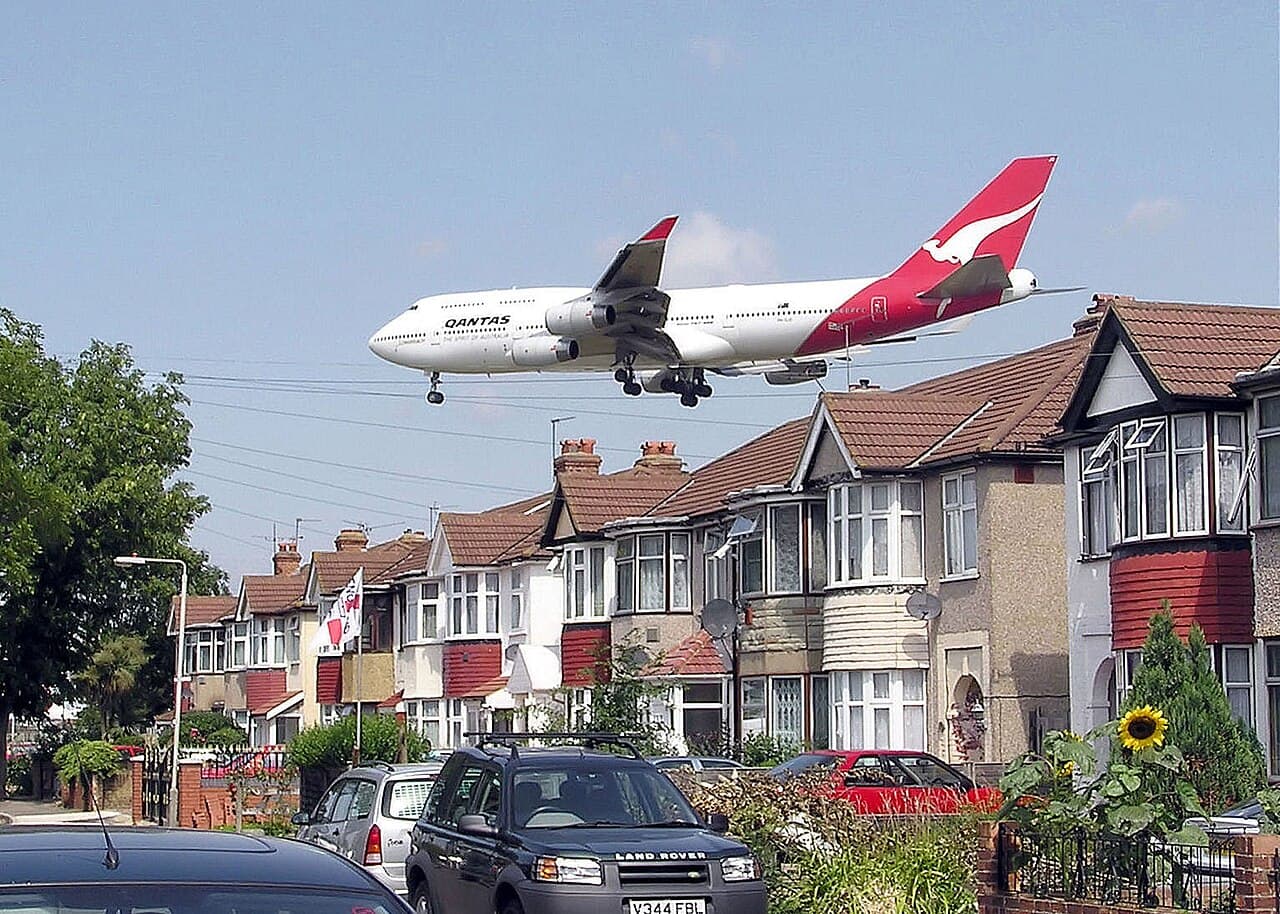
Former Qantas CEO Alan Joyce is back with a memoir and media tour offering apologies for flight credits, ghost flights, illegal outsourcing, passenger-blaming, and his A$17 million stock sale. But the mea culpas mostly read like justifications: Qantas survived, others were worse, and Joyce still wants credit for "getting more things right than wrong."
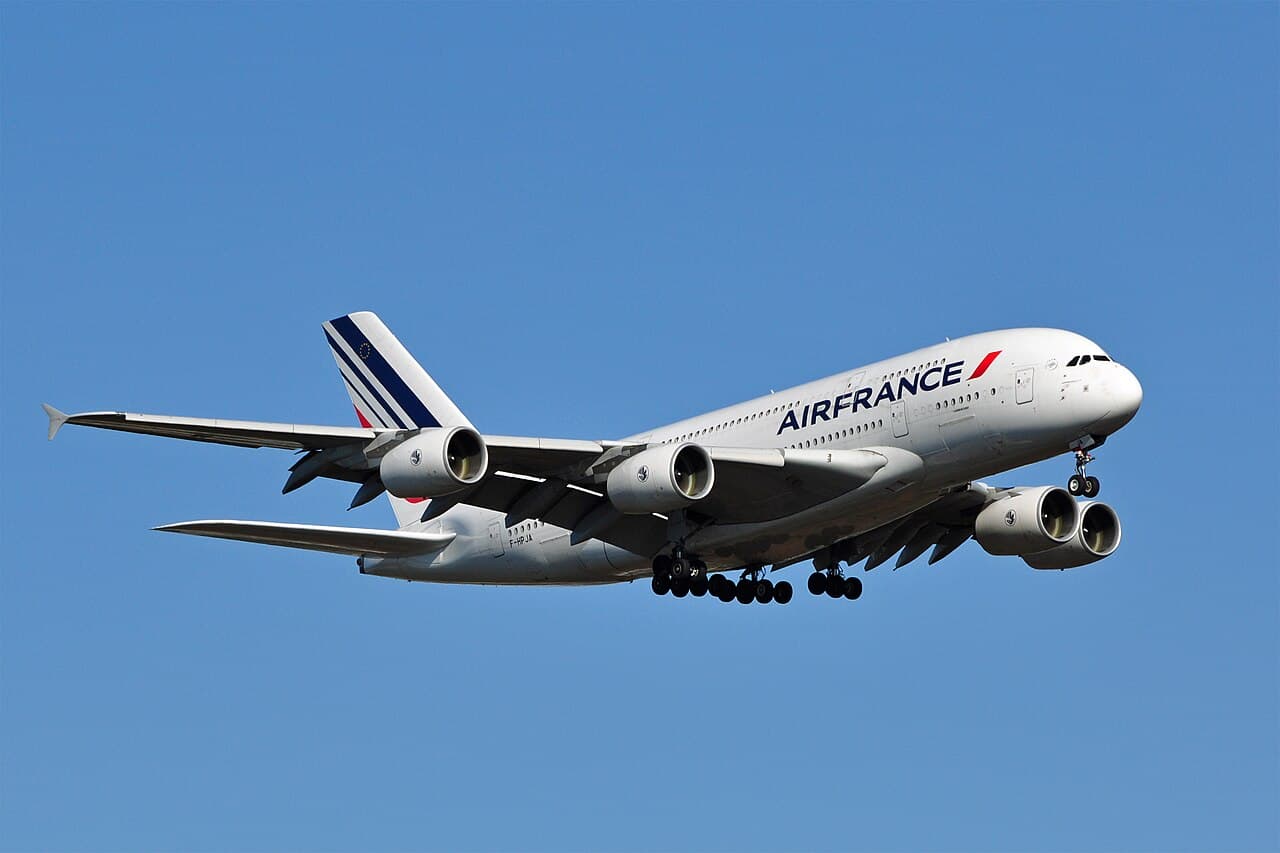
Airbus fixed A380 wing cracks by replacing carbon composite parts with aluminum to avoid fleet grounding
The Airbus A380 is the largest passenger airliner ever built. Airbus launched the double-decker to compete directly with Boeing's 747 and targeted airlines that needed a high-capacity aircraft for long-haul routes between major hubs. The aircraft entered commercial service in 2007 with Singapore Airlines, and several major carriers later added the A380 to their long-haul fleets.
The Daily Touch & Go
The day's best aviation news in your inbox. Free, no spam.