

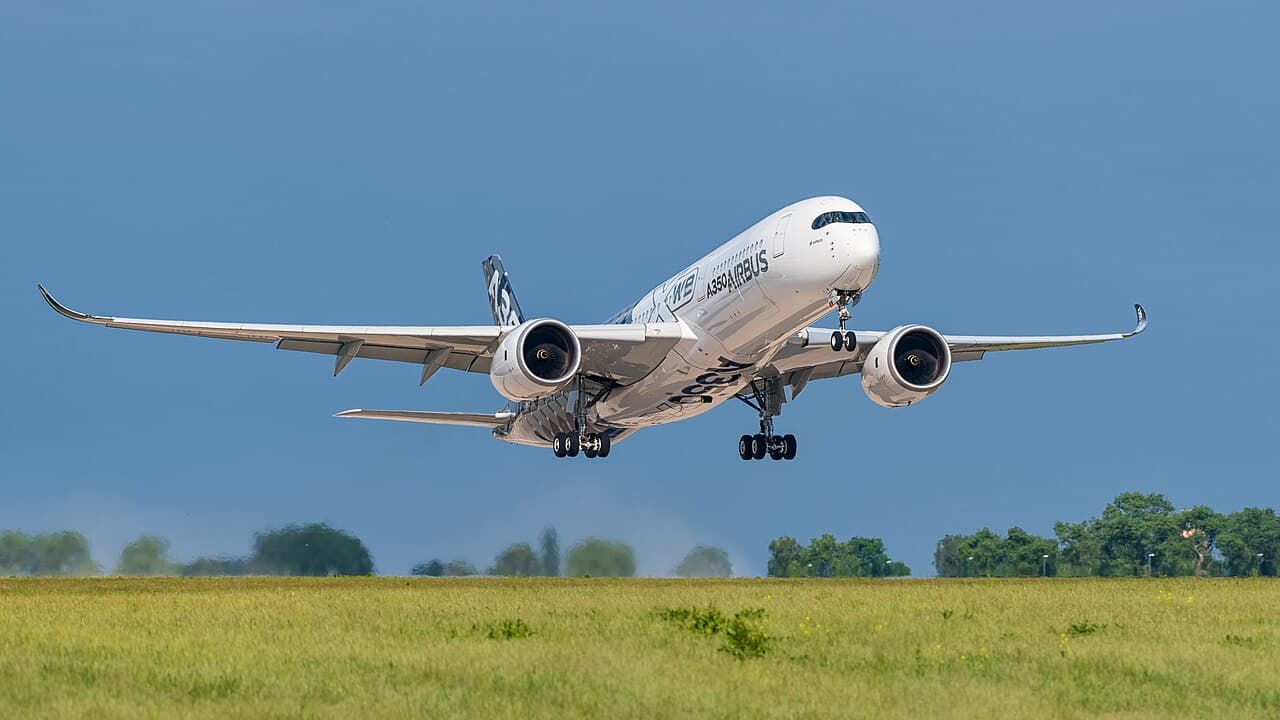
Image: Julian Herzog ( Website ) · CC BY 4.0 · via Wikimedia Commons
Qantas Unveils Innovative Wellbeing Zones and Ultra-Private Suites for 22-Hour Project Sunrise Flights
Ahead of its 2027 Project Sunrise launches, Qantas introduces dedicated wellness space and exclusive first class suites onboard the A350-1000ULR to enhance ultra-long-haul comfort.
The gist
Qantas transforms ultra-long-haul flying with dedicated wellness zones and private suites on A350-1000ULR for 22-hour nonstops.
Continuing coverage
All Qantas →- Former Qantas CEO Alan Joyce Offers Regrets but Defends Pandemic-Era Decisions
- Airbus fixed A380 wing cracks by replacing carbon composite parts with aluminum to avoid fleet grounding
- Qantas A350-1000ULR completes 19-hour nonstop maiden flight from Toulouse to Melbourne
- Airbus A350-1000ULR embarks on nonstop Toulouse to Melbourne test flight
- Qantas A321 Freighter First Cargo Plane to Land at Western Sydney International
Qantas is reshaping ultra-long-haul air travel with a comprehensive set of cabin innovations tailored for its 20-plus hour Project Sunrise flights from Sydney to London and New York launching by 2027. Central to these enhancements is the implementation of a pioneering wellbeing zone that redefines passenger movement and health in the air, as well as ultra-private first class suites designed for uninterrupted rest and productivity on the Airbus A350-1000ULR aircraft.
The wellbeing zone, positioned strategically between premium economy and economy sections, represents a world-first purpose-built area dedicated to passenger wellness during the exhaustive 22-hour journey. Moving beyond the conventional cramped galley or lavatory areas where passengers previously had meager options to stretch, this new zone offers sculpted handrails for assisted exercises, digital instructors guiding onboard workout routines, and a self-serve station stocked with nourishing snacks and specialized hydration beverages aimed at reducing jet lag and circulation issues.
This facility was developed following extensive clinical research with the University of Sydney’s Charles Perkins Centre, revealing that dedicated space for physical movement and calculated lighting sequences effectively diminish risks such as deep vein thrombosis and ease circadian rhythm adjustment. The interior ambiance employs soft biological lighting and sound-absorbing materials to cultivate a calming environment distinct from the main cabin, providing a critical mental and physical break for long-haul travelers confined to their seats for prolonged periods.
At the pinnacle of luxury, Qantas introduces an intimate first class suite configuration featuring only six suites in a 1-1-1 layout, ensuring absolute privacy and direct aisle access. Each suite is fully enclosed by tall walls with sliding doors, housing an 80-inch fixed bed separate from a reclining lounge chair, allowing seamless transitions between work and rest without converting any seating mechanisms. With 3.5 square meters of space, these suites also include expansive 4K touchscreens, personal wardrobes, vanity drawers, and comprehensive storage for carry-ons, catering specifically to the demands of marathon flights.
The integration of advanced circadian lighting systems within these suites highlights a health-first design philosophy, enabling passengers to adjust lighting in sync with destination time zones. Additional technical perks include multiple charging options with wireless induction charging and large tables that accommodate dining for two, illustrating a hotel-room level of comfort aimed at justifying the premium ticket price upward of $20,000 for these routes.
Beyond first class, the airline has optimized cabin space in business, premium economy, and economy by reducing seat density to enhance personal space. Business class passengers benefit from new Business Suites featuring sliding doors—the first of their kind in Qantas's widebody fleet—and lie-flat 80-inch beds designed to mitigate the claustrophobia common on long flights. Premium economy introduces ergonomically engineered seats with 40-inch pitch and a novel recline mechanism that pivots the seat base to maintain spinal alignment, essential for passenger comfort over 22 hours.
Economy passengers receive improvements including increased seat pitch to 33 inches, enhanced multi-layer seat cushioning for better airflow, and 13-inch 4K entertainment screens with individual storage solutions for personal electronics. By prioritizing spaciousness over passenger volume, Qantas aims to redefine expectations for economy long-haul comfort, moving away from common industry compromises on ultra-long flights.
These accommodations come as a trade-off for range and capacity. The A350-1000ULR used for Project Sunrise carries an additional central fuel tank increasing capacity by about 20,000 liters, enabling nonstop flights exceeding 20 hours at the cost of carrying fewer than 240 passengers—nearly 100 seats fewer than standard configurations. This weight management is critical for achieving the aircraft’s extraordinary range without refueling stops but also contributes to noticeably higher ticket prices, approximately 20% above one-stop journeys offered by competitors.
Qantas’s ambitious Project Sunrise elevates the standards of ultra-long-haul travel through scientifically informed cabin design and passenger-centric innovation. By creating dedicated wellness spaces and reimagining private suites, the airline not only addresses the physiological challenges of 22-hour flights but also sets a new benchmark for passenger comfort on the world’s longest nonstop routes.
Frequently asked questions
- What is the purpose of the wellbeing zone introduced by Qantas?
- The wellbeing zone on Qantas's Project Sunrise flights is a dedicated area designed to encourage physical movement and hydration, helping reduce jet lag and deep vein thrombosis symptoms on ultra-long-haul flights.
- How does Qantas’s first class suite differ from traditional airplane seats?
- Qantas’s first class suites on the A350-1000ULR offer fully enclosed rooms with fixed 80-inch beds and lounge chairs, allowing passengers to rest without converting their seats, alongside personal wardrobes and adjustable circadian lighting for health and privacy.
- Why does the A350-1000ULR Project Sunrise configuration carry fewer passengers?
- The A350-1000ULR carries fewer passengers, fewer than 240, due to the additional fuel tank needed for nonstop 22-hour flights, requiring lower seat density to reduce weight and achieve the aircraft’s extended range without stops.
Read more
All Airlines →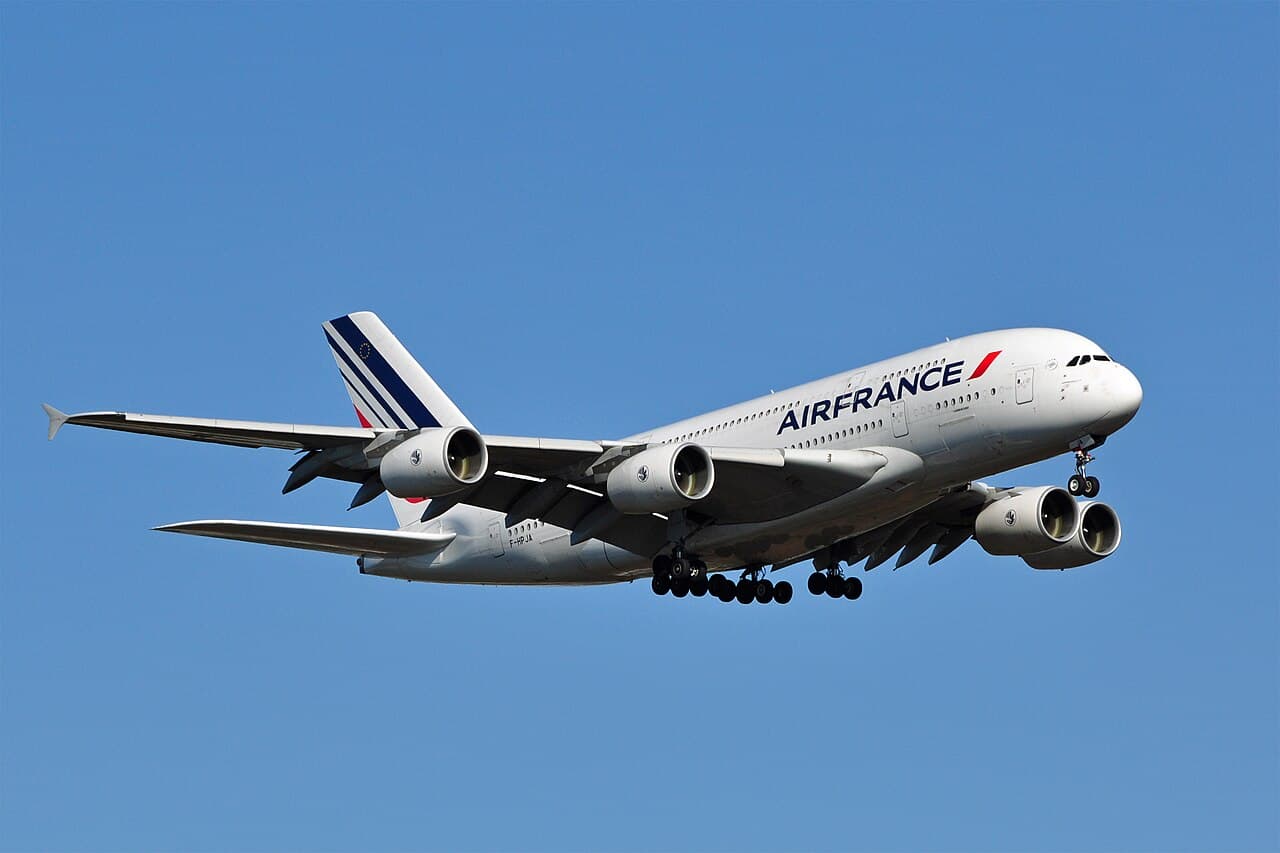
Airbus fixed A380 wing cracks by replacing carbon composite parts with aluminum to avoid fleet grounding
The Airbus A380 is the largest passenger airliner ever built. Airbus launched the double-decker to compete directly with Boeing's 747 and targeted airlines that needed a high-capacity aircraft for long-haul routes between major hubs. The aircraft entered commercial service in 2007 with Singapore Airlines, and several major carriers later added the A380 to their long-haul fleets.
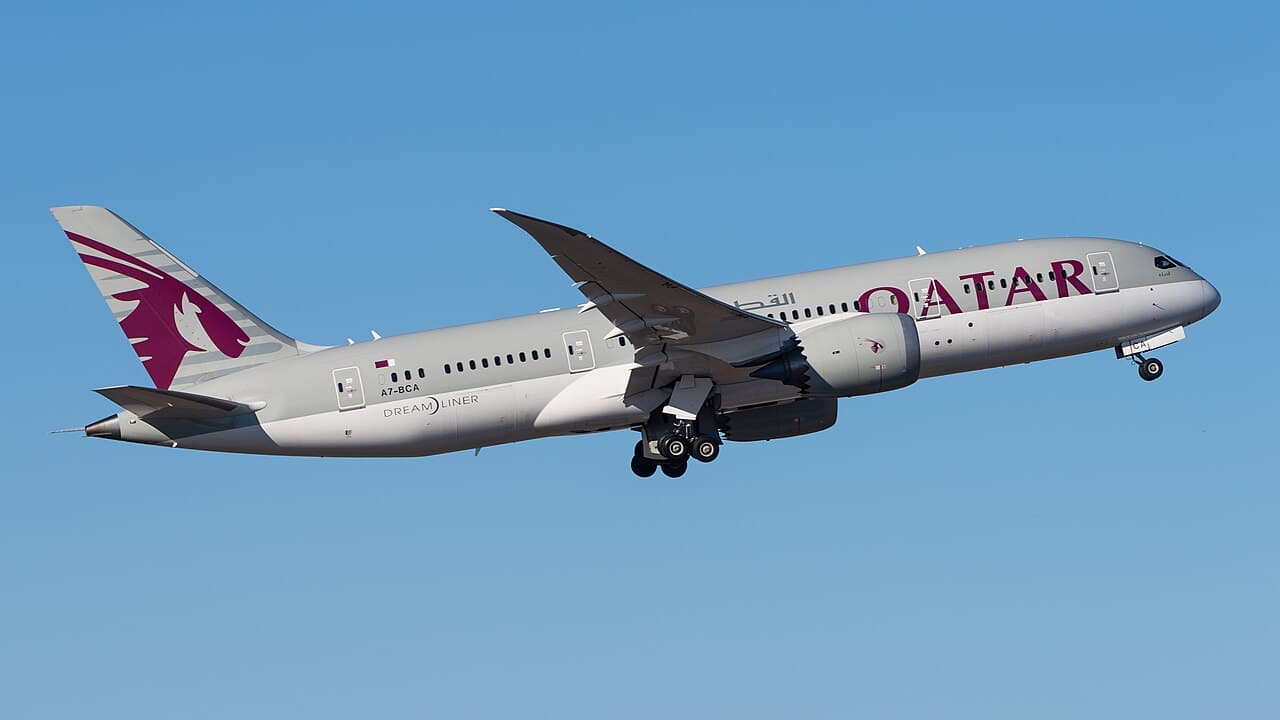
Study Finds GEnx-Powered Boeing 787-10 Leads Widebody Fuel Efficiency Among 14 Competitors
An Aircraft Commerce study comparing 14 widebody aircraft-engine combinations across five routes found that the GEnx-powered Boeing 787-10 produces the lowest fuel burn per available seat mile of any widebody configuration currently in service. The finding ranked the 787-10/GEnx ahead of the same aircraft with Trent 1000 engines, ahead of both A350 variants, and ahead of every older widebody type including the 777-200ER, 777-300ER, and 747-400.
American Airlines Boosts Executive Card Fees and Benefits to Rival Delta and United
American Airlines and Citi are raising the price of the carrier's flagship credit card, but they are also making it substantially harder to ignore. From August 23, the Citi® / AAdvantage® Executive World Legend Mastercard® will cost new applicants $695 per year, $100 more than today, while adding new travel credits, hotel and rental-car status and a faster route toward AAdvantage elite status. At the same time (and not coincidentally), American is also sharply increasing the cost of purchasing Admirals Club access separately.

WestJet Flight Attendants Strike Halts All Boeing 737 and 787 Flights in Canada
WestJet flight attendants have officially gone on strike after last-minute contract negotiations failed, forcing Canada's second-largest airline to cancel all scheduled Boeing 737 and Boeing 787 operations. The strike began on Sunday, August 2, at the height of the country's busy summer holiday period, immediately disrupting travel plans for tens of thousands of passengers across Canada and on international routes. More than 300 flights were canceled before the strike even officially started as the airline attempted to wind down operations in an orderly manner.
The Daily Touch & Go
The day's best aviation news in your inbox. Free, no spam.