


Air Canada Deploys Airbus A220 on Multiple Nearly Seven-Hour Flights Across North America
Air Canada's A220-300 aircraft now serve several of the airline's longest domestic and US transborder routes, with flights approaching seven hours in duration.
The gist
Air Canada uses its fuel-efficient Airbus A220s on long nonstop routes, with the longest flight nearing seven hours from Montréal to San Francisco.
Continuing coverage
All Air Canada →- Air Canada Names Anko Van der Werff as New CEO Ending January 2027 Transition
- SAS CEO Anko van der Werff to lead Air Canada starting early 2027
- Air Canada Expands US Widebody Flights by 35% This Summer on Key Routes
- Air Canada operates 440-seat Boeing 777-300ER on eight key routes from Montréal hub
- Air Canada Plans Expanded Airbus A321XLR Routes for Winter 2026/27
Air Canada is increasingly operating its Airbus A220-300 fleet on extended domestic and transborder routes, some approaching seven hours in scheduled flight time. Recent scheduling data for the second half of 2026 shows this narrowbody aircraft, traditionally associated with short and medium-haul services, is playing a growing role on some of the airline’s lengthier nonstop flights. The longest scheduled A220 flight in this period is from Montréal-Trudeau International Airport (YUL) to San Francisco International Airport (SFO), with a block time of 6 hours and 37 minutes westbound.
Montréal serves as a hub for these long A220 routes, with five of the ten longest flights originating there. Following the YUL-SFO flight, Montréal to Los Angeles is the second longest at 6 hours and 24 minutes, then Montréal to San Diego at 5 hours and 54 minutes, Montréal to Vancouver at 5 hours and 48 minutes, and Montréal to Las Vegas at 5 hours and 45 minutes, though the last is scheduled only once during the analyzed period. This cluster emphasizes Montréal’s strategic role in connecting eastern Canada with major western North American cities.
In addition to transborder flights, several of Air Canada’s longest A220 routes are domestic, reflecting Canada’s vast geography. For example, Halifax to Vancouver ranks third among the longest with a scheduled block time of 6 hours and 23 minutes. Other lengthy domestic routes include Ottawa to Vancouver at 5 hours and 44 minutes and Quebec City to Vancouver at 5 hours and 34 minutes. These long distances highlight how the A220 is increasingly utilized beyond short regional hops, spanning the nation coast to coast.
A newly introduced route also underscores the A220’s extended range within Air Canada’s network. The eastbound service from Raleigh-Durham to Vancouver, with a scheduled block time of 5 hours and 57 minutes, is one of the airline’s longest A220 flights and demonstrates the aircraft being tasked with even more diverse mission profiles. Additionally, a single Mexico City to Las Vegas flight is slated for 5 hours and 45 minutes, notable given the airline’s regional and leisure market priorities.
The aircraft’s design and technology drive its suitability for these lengthening routes. Powered by efficient Pratt & Whitney geared turbofan engines, the A220 offers significant fuel savings and reduced emissions compared to older narrowbodies. Coupled with a modern cabin environment, the aircraft delivers passenger comfort even on flights approaching seven hours, blurring the conventional boundaries between regional and long-haul narrowbody operations.
This adaptability allows Air Canada to utilize its A220 fleet on a broad spectrum of missions. The airline benefits from operating the same aircraft type on shorter regional flights as well as extended transcontinental services without sacrificing efficiency or onboard experience. It enables more consistent scheduling, reduces complexity in fleet management, and streams operational costs across a wider route network.
While none of the A220 flights surpass seven hours in duration as currently scheduled for late 2026, several are close to this benchmark, illustrating advances in aircraft design that extend the practical nonstop range for single-aisle jets. This evolution permits the A220 to take on roles traditionally fulfilled by larger aircraft, offering Air Canada flexibility in adjusting capacity for various markets and demand levels.
The expanded use of the A220 on longer routes also responds to broader airline industry trends emphasizing fuel efficiency and network versatility. As airlines face pressure to lower environmental impact and optimize costs, the A220’s capabilities enable a balance between operating economics and passenger service standards. The aircraft's longer-range deployment could influence how airlines view route planning and aircraft assignment in the coming years.
Air Canada's strategy to leverage the A220 across its network reflects both the aircraft's technical evolution and the carrier's approach to matching aircraft to route demands. Passengers flying Air Canada on longer domestic and transborder routes can expect the modernized comfort and cost efficiency of the A220, as the aircraft transitions from a regional workhorse to a key asset in coast-to-coast and US-bound services.
Frequently asked questions
- What is the longest scheduled Airbus A220 flight operated by Air Canada?
- The longest scheduled Airbus A220 flight by Air Canada is from Montréal-Trudeau International Airport to San Francisco International Airport, with a block time of 6 hours and 37 minutes.
- Which city serves as the primary hub for Air Canada’s longest A220 flights?
- Montréal is the primary hub for Air Canada's longest Airbus A220 flights, with five of the ten longest routes originating there.
- How is Air Canada utilizing the Airbus A220 beyond traditional short-haul routes?
- Air Canada is deploying the Airbus A220 on longer domestic and transborder routes nearing seven hours, including coast-to-coast flights across Canada and to major US cities, expanding its traditional regional role.
Read more
All Airlines →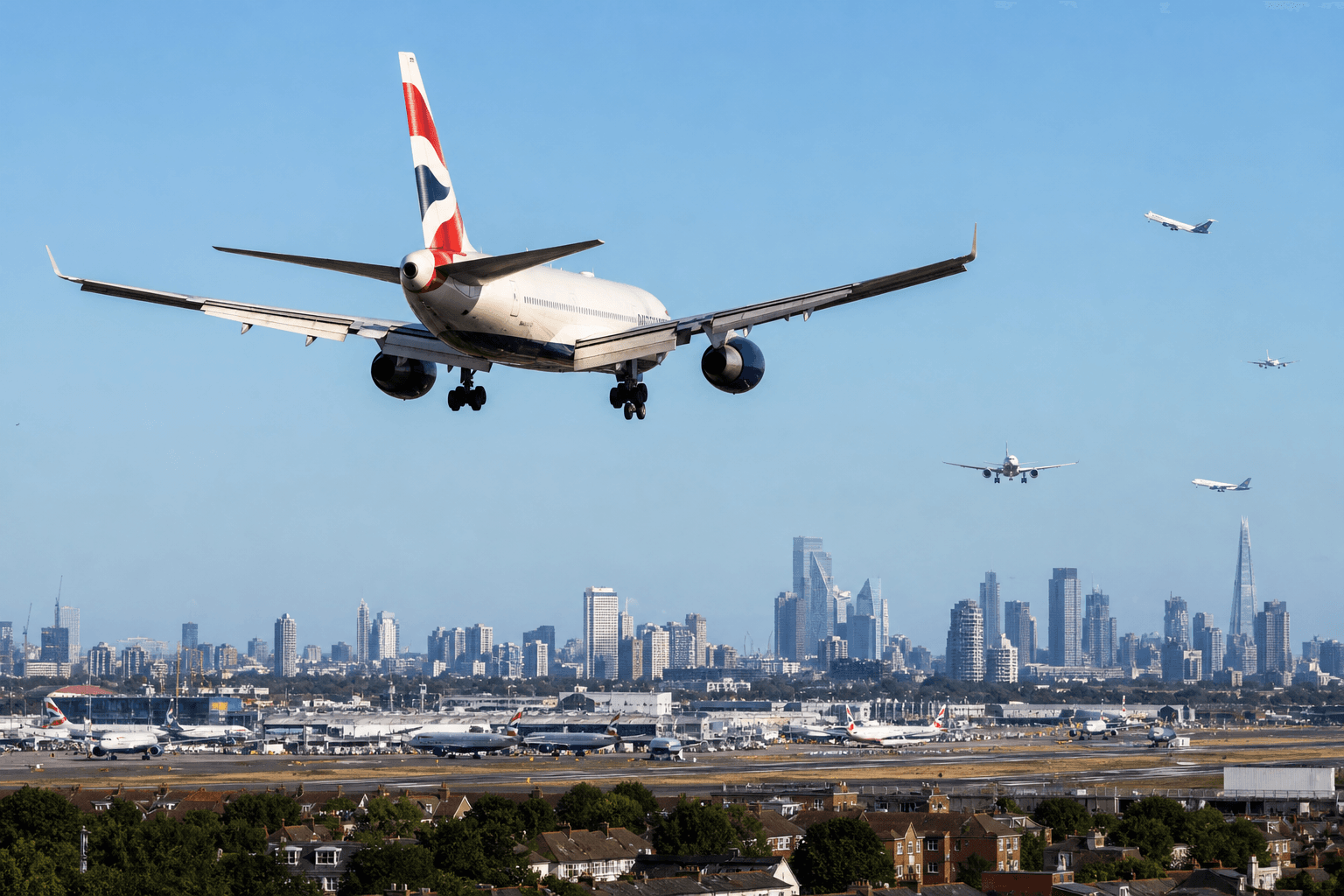
Tokyo, Ganja, Gulf Among World's Most Congested Airspaces Impacting Global Aviation
The world's busiest airports often dominate aviation statistics , but many of the biggest bottlenecks in commercial aviation are found not on the ground but in the air. Every day, hundreds of thousands of passengers pass through a handful of critical air corridors where dozens of airlines, multiple air traffic control authorities, and flights from every continent converge. When everything runs smoothly, these invisible highways keep global aviation moving. When they do not, delays can quickly spread across continents.
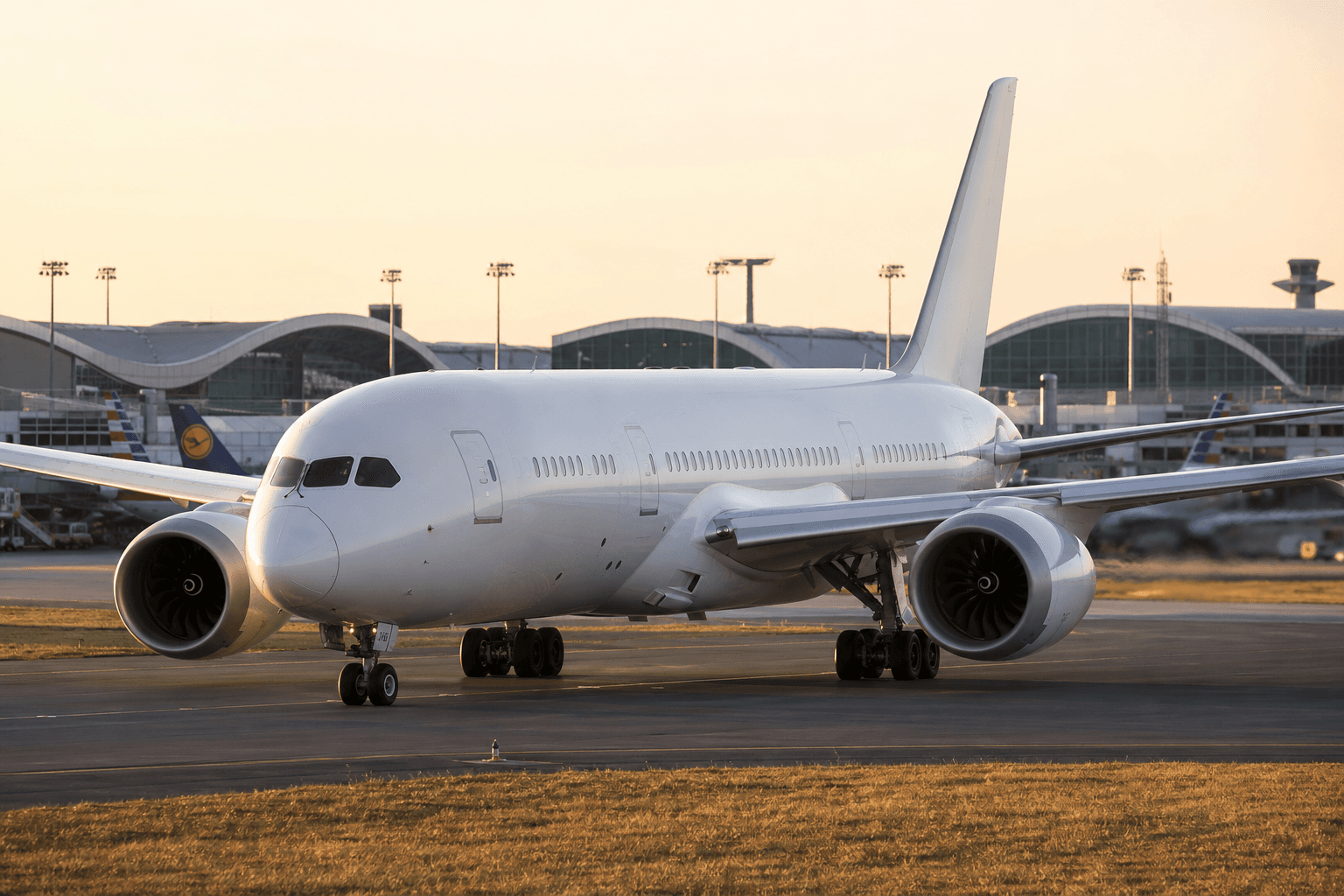
Boeing 787 Surpasses One Billion Passengers, Maintaining Lead Over Airbus A350
The Boeing 787 has proved to be an immense commercial success for the US manufacturer since it entered commercial service in 2011. Today, some 15 years later, more than one billion people worldwide have flown on a 787, with the aircraft operating over 2,100 flights per day. With such impressive statistics, Airbus may well be asking itself what it needs to do to make its rival aircraft, the A350, as successful.
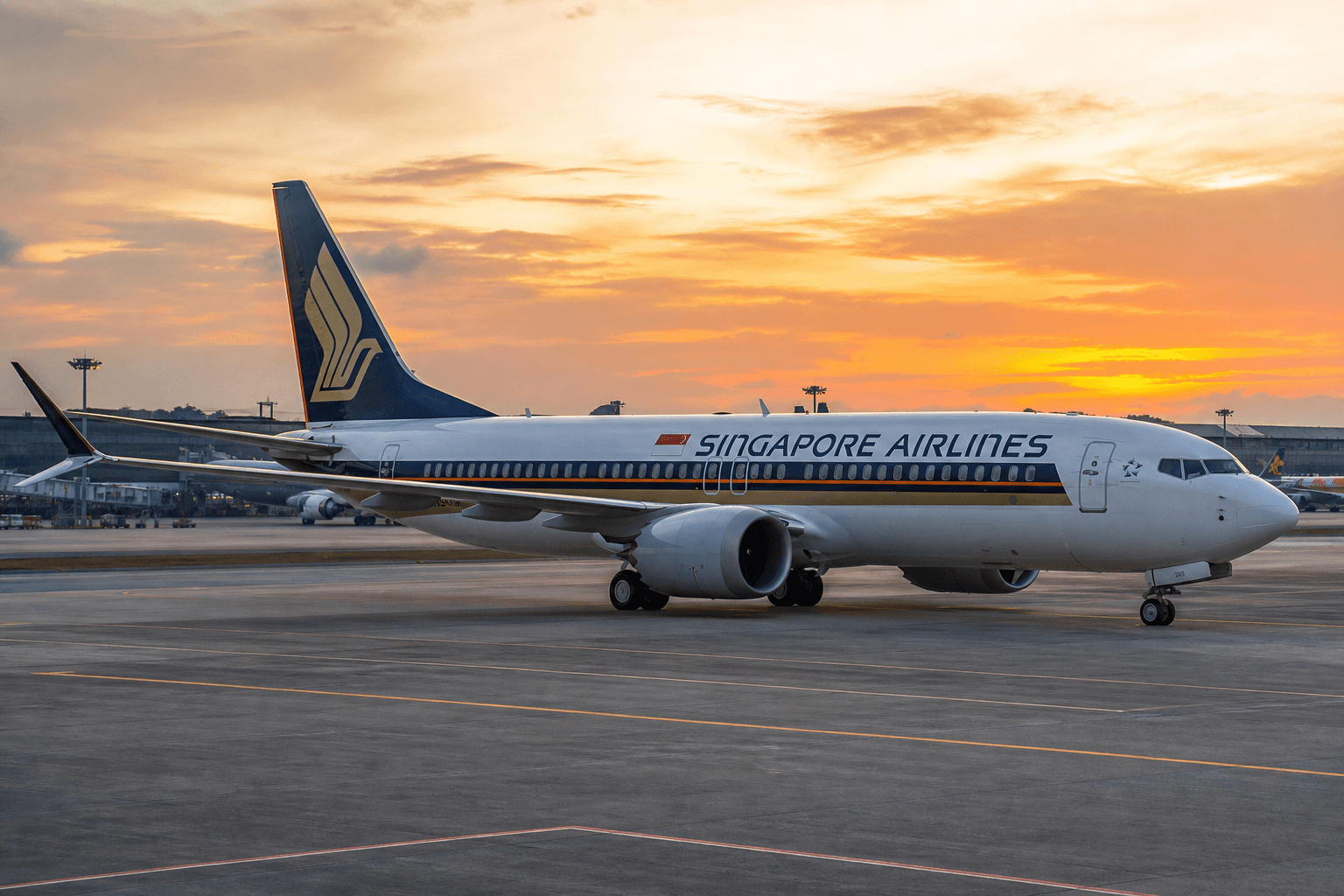
Singapore Airlines Operates 11 Boeing 737 MAX Routes Up to Nearly 7 Hours
The Boeing 737 MAX is the latest generation derivative of one of the world's most popular short-haul aircraft types. While this still remains the case, modern technology has allowed narrowbody aircraft to fly for longer distances, unlocking an interesting market segment of long-range narrowbody services.
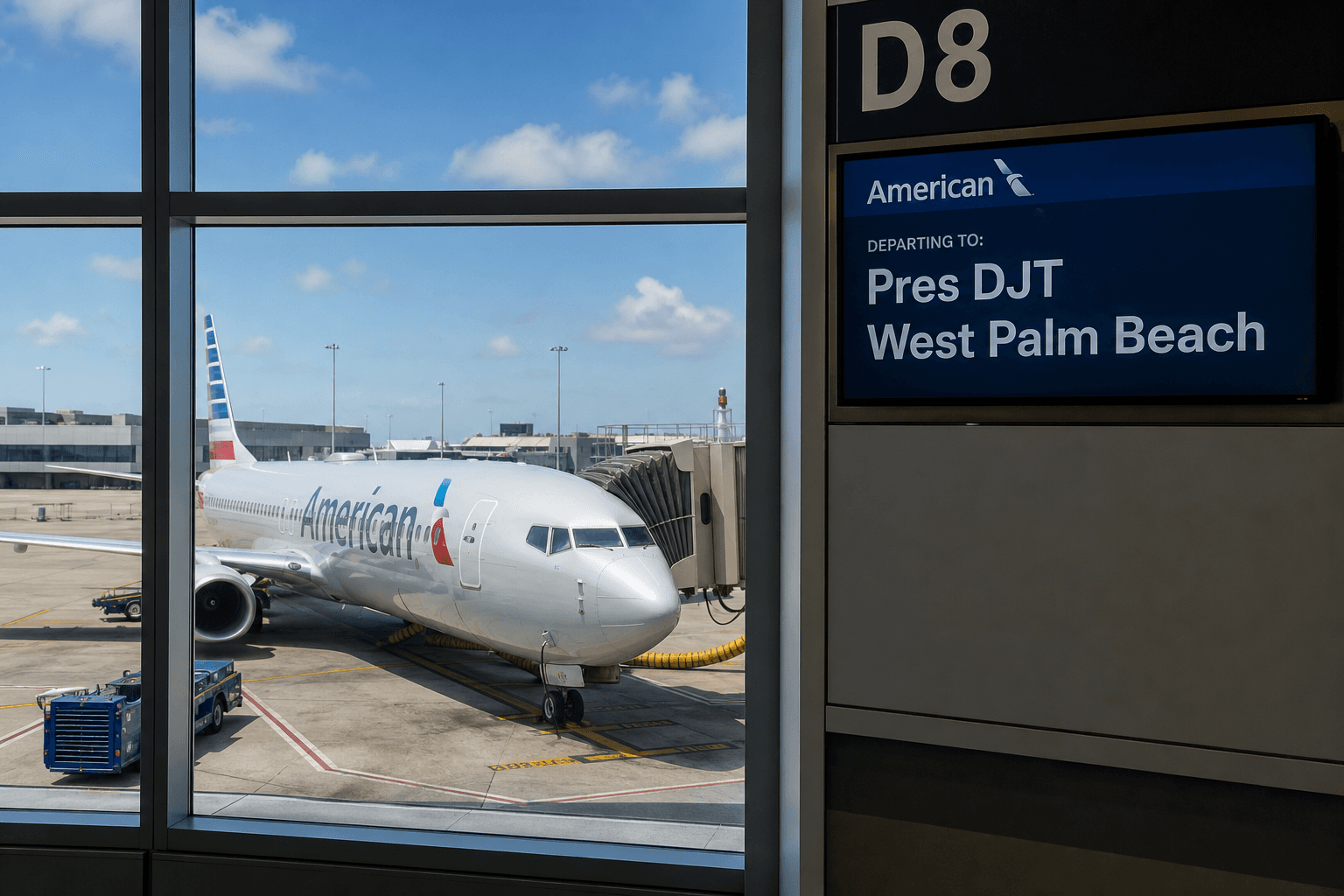
American Airlines Lists West Palm Beach as 'Pres DJT' on Gate Screens, Breaking Usual Naming Pattern
American Airlines now labels West Palm Beach "Pres DJT" on gate screens, departing from its usual practice of naming airports only when distinguishing between multiple airports serving one city. Clinton and Ford airports receive no such treatment.
The Daily Touch & Go
The day's best aviation news in your inbox. Free, no spam.