

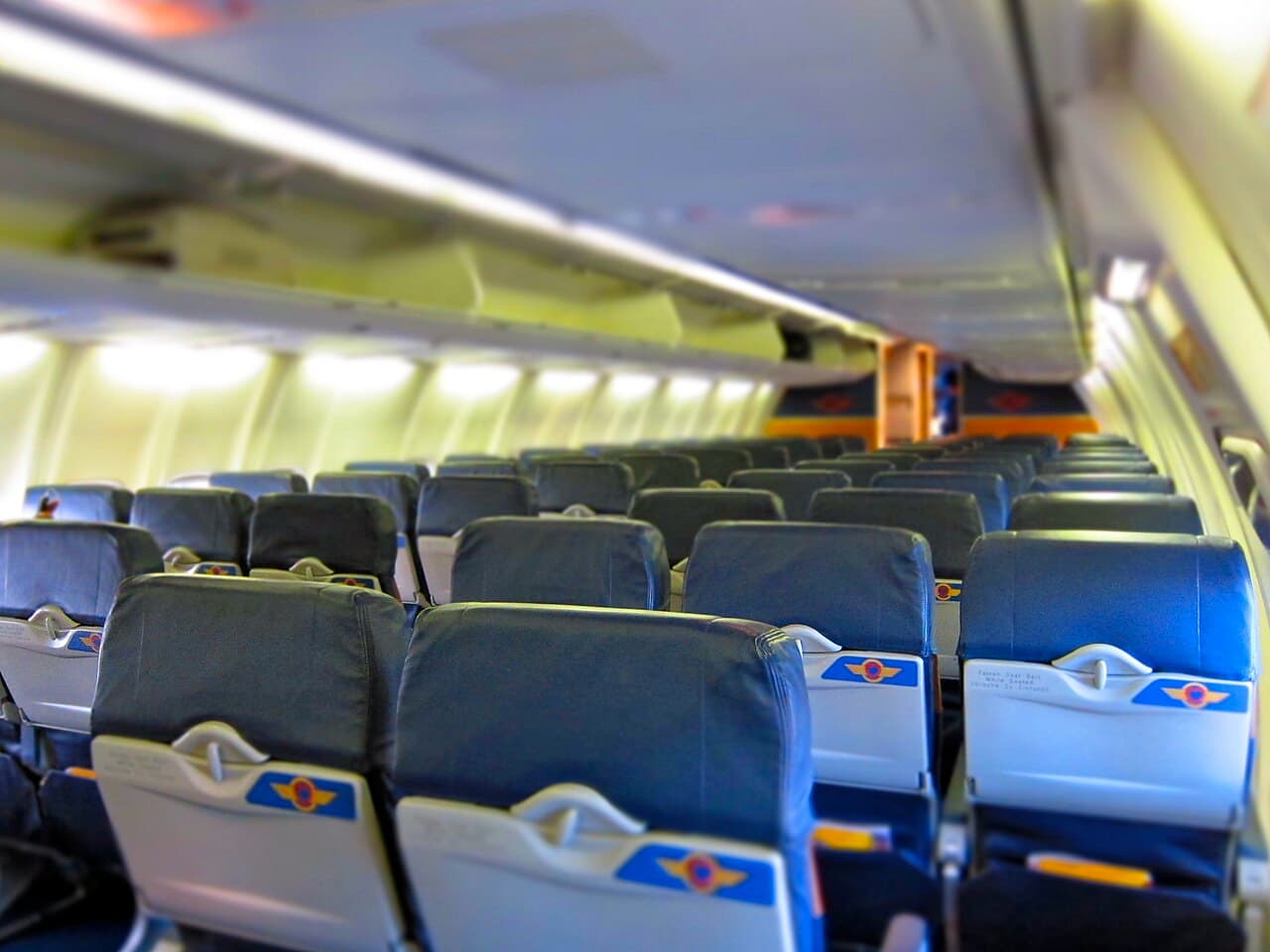
Image: Kevin Dooley · CC BY 2.0 · via Wikimedia Commons
Southwest operates a dynamic fleet flow model for Hawaii interisland routes
Since 2019, Southwest has streamlined its Hawaii interisland flights using Boeing 737 MAX aircraft flown in and out from the mainland, balancing fleet utilization and engine stress.
The gist
Southwest’s Hawaii interisland flights rely on rotating 737 MAXs flowing from the mainland, optimizing aircraft use and maintenance cycles.
Southwest Airlines initiated its Hawaii interisland services in April 2019, utilizing Boeing 737-800s as a temporary measure until its Boeing 737 MAX fleets became available. By June 2021, Southwest started deploying 737 MAX aircraft on these routes, fully transitioning off the 737-800s by April 2022. This shift marked a significant modernization of the carrier’s Hawaii operation, aligning equipment with operational needs.
The airline’s interisland network includes key connections between Honolulu and Līhuʻe, Kahului, Kona, and Hilo, mirroring much of Hawaiian Airlines' route map but featuring fewer daily flights. Southwest’s peak interisland schedule occurred in summer 2023 with 64 daily flights, a number that declined to around 50 daily departures starting April 2025 and has stabilized since then, representing less than half of Hawaiian’s frequency on these routes.
Despite operating fewer flights, Southwest utilizes larger 737 MAX aircraft compared to Hawaiian’s fleet, impacting overall routing and capacity. On heavily traveled segments like Honolulu-Kahului, Hawaiian operates approximately 19 daily flights versus Southwest’s eight. Southwest’s more limited frequency paired with larger aircraft highlights a distinct operational strategy compared to its local competitor.
An in-depth review of aircraft movements on June 19, 2026, revealed Southwest’s approach of flowing 14 airplanes through the interisland operation. Some aircraft primarily operate island-hopping schedules, while others arrive from mainland cities, undertake interisland flights, and then return to the mainland. This rotation maintains aircraft utilization and reduces the need for aircraft to remain factory-fresh or underutilized within the islands.
Southwest’s 737 MAX aircraft receive mixed flight profiles involving both short interisland hops and longer mainland segments. This approach benefits the engines, which require longer time intervals between engine cycles than older models. By combining longer and shorter sectors, the airline mitigates the accelerated maintenance demands often characterizing aircraft in exclusive short-haul, high-cycle operations.
This operational model also supports flexibility in fleet deployment. Some aircraft start and end their day in the islands, but they rarely remain based there for extended periods. For instance, several airplanes arrived just days before June 19 and were scheduled to depart back to the mainland the day following their intensive interisland use. The use of operational spares, such as aircraft temporarily based in Honolulu, assures schedule resilience with backup options available.
Southwest’s strategy hinges on maintaining a consistent flow of aircraft from the mainland, leveraging longer-haul flights to reduce engine cycle accumulation and operational stresses. This contrasts with having dedicated aircraft permanently stationed in Hawaii, which face concentrated short sectors and potentially higher maintenance costs. However, this model introduces additional maintenance complexities and scheduling considerations due to cross-regional fleet movements.
The similarity of Southwest’s and Hawaiian’s route structures suggests Hawaiian could consider adopting a comparable fleet flow model. Such a strategy might balance utilization and maintenance needs while supporting efficient interisland operations. However, Hawaiian management must weigh these benefits against factors like aircraft interior configuration requirements and the maintenance overhead associated with older aircraft variants.
Beyond route and fleet decisions, Southwest also uses its Hawaii operation to connect smaller mainland cities directly to various Hawaiian islands using the same aircraft, enhancing passenger convenience by reducing connection points. This integrated routing model optimizes both passenger experience and aircraft deployment, though it may not yield significant incremental revenue according to some industry observers.
Read more
All Airlines →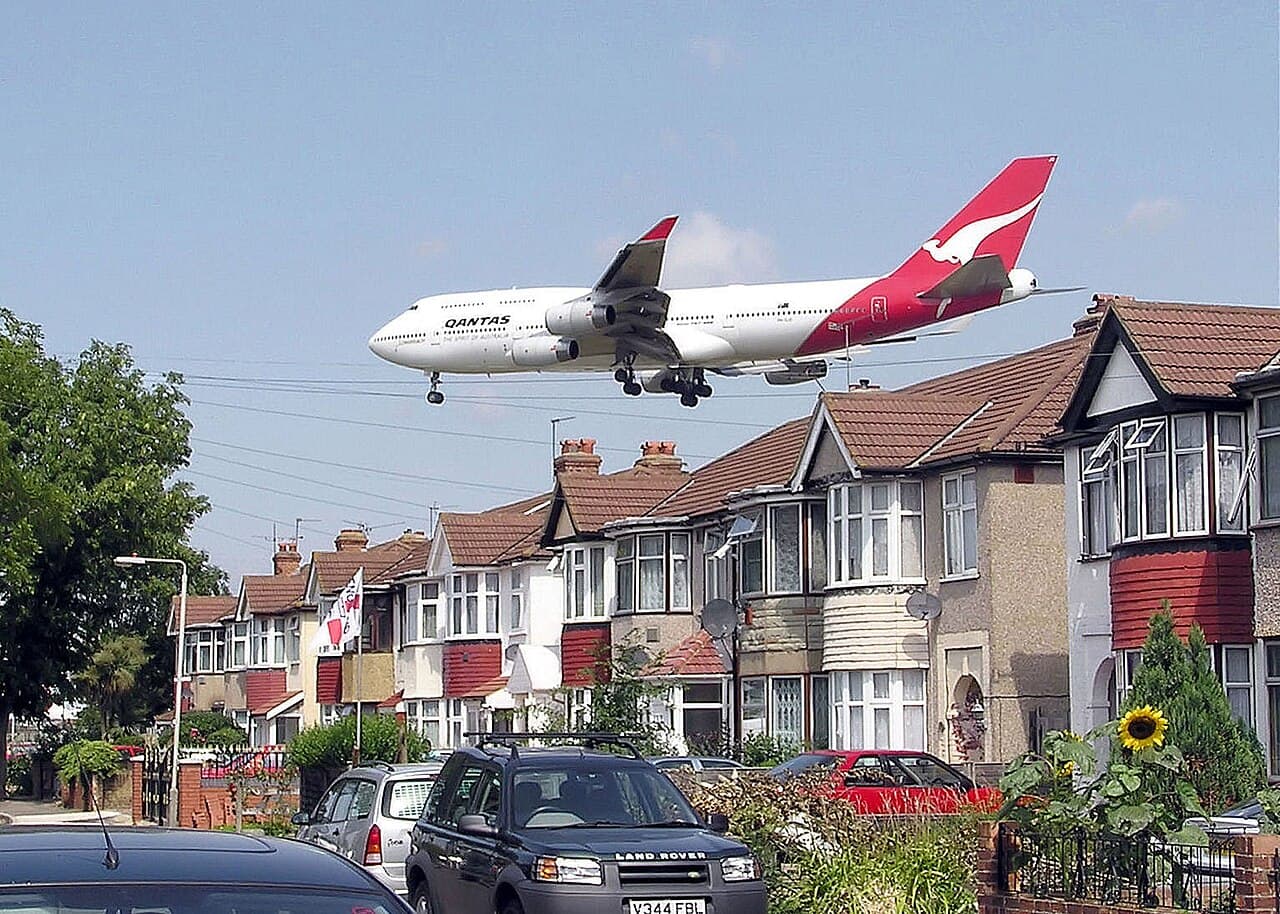
Frequent Flyer Award Loopholes Close as Airlines Tighten Elite Perks
The frequent flyer ecosystem has operated on a silent contract between airlines and their most loyal customers, but now that contract seems to be ending. There was once a period defined by the exploitation of fixed award charts, complex routing rules, and the mathematical beauty of carrier-imposed surcharges. Travelers spent years reverse-engineering award flight availability, viewing the loyalty landscape as a puzzle where deep knowledge of program intricacies provided access to premium cabins for a fraction of their cash value.
Top 5 Airlines Offering the Most Luxurious First Class Suites in 2026
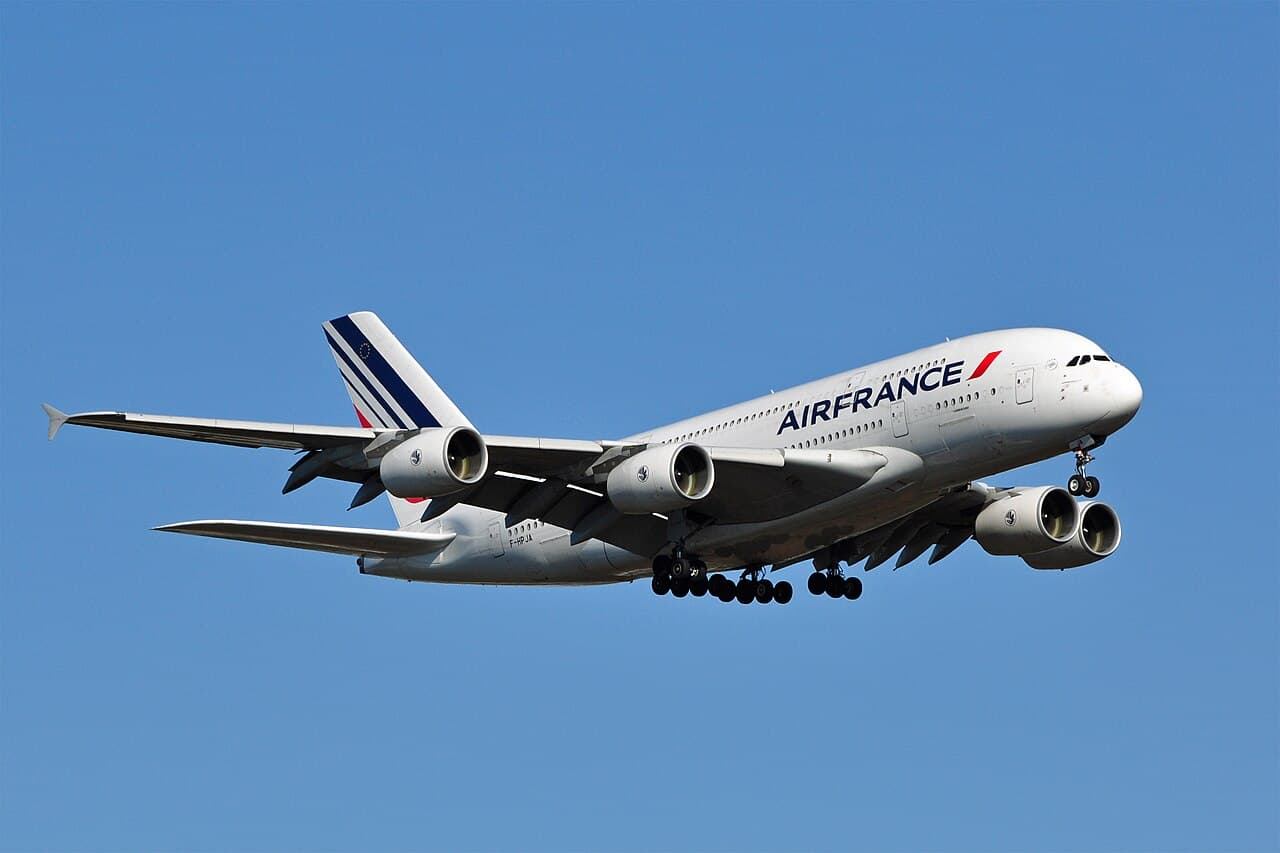
The first class cabin is always seen as the ultimate in luxury with lavish features that many can only dream of. Business class has evolved into a more extensive product, with lie-flat beds and now private suites, and with more business class products than ever, first class has become more exclusive and somewhat rare on long-haul international flights.
Boeing 777-300ER Revolutionized Long-Haul Air Travel with Twin-Engine Efficiency
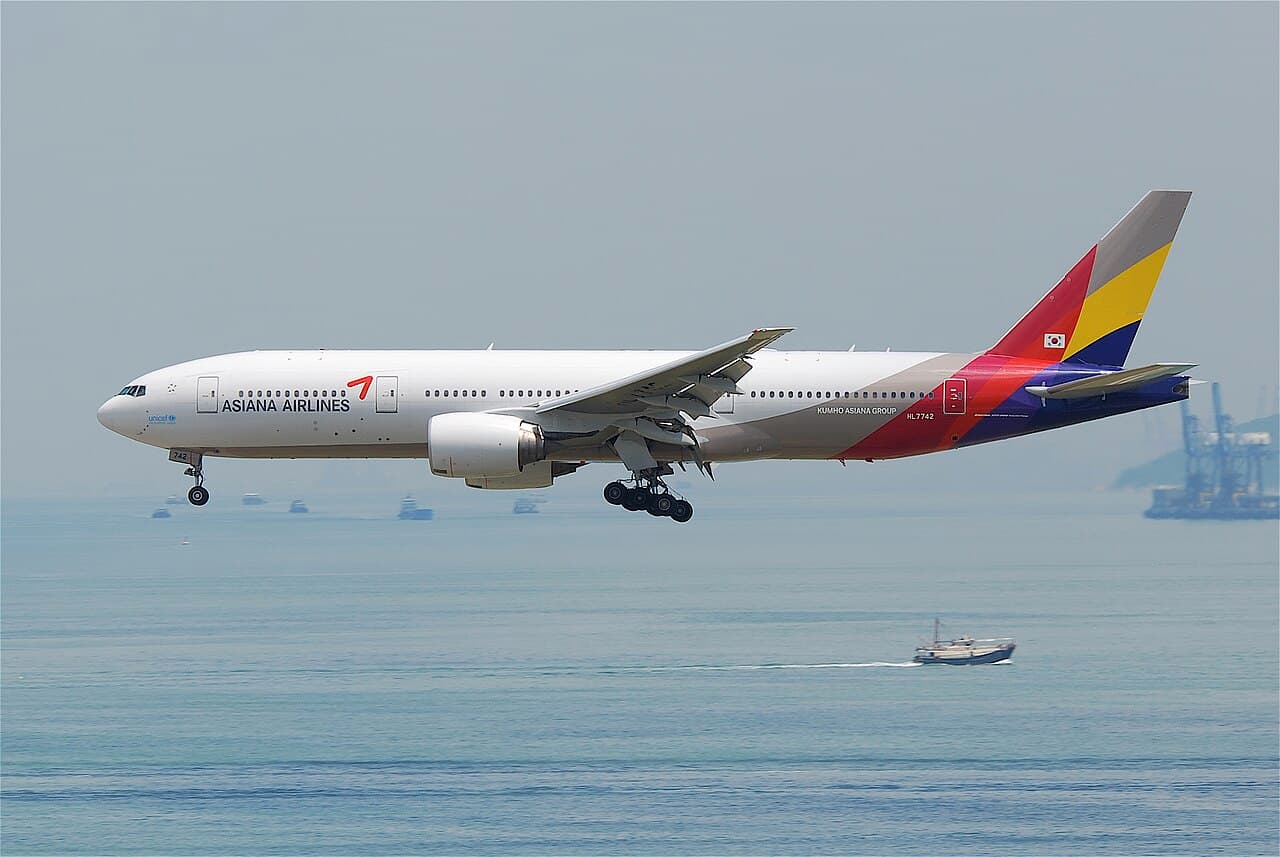
The 777 succeeded Boeing's first widebody twinjet, the 767 , and showed the world just how great the platform could be for both the economics of the notoriously volatile flying business and the satisfaction of flyers. The success of the 777 series directly contributed to the end of its larger quadjet predecessor, the 747.
Air Canada launches new long-haul routes to Tenerife and Sapporo for 2026/27 winter
Air Canada has been steadily expanding its international network in recent years. The airline has added several new destinations so far this year and increased its presence across leisure markets. It is continuing this expansion with more additions for the 2026/27 winter season .
The Daily Touch & Go
The day's best aviation news in your inbox. Free, no spam.