

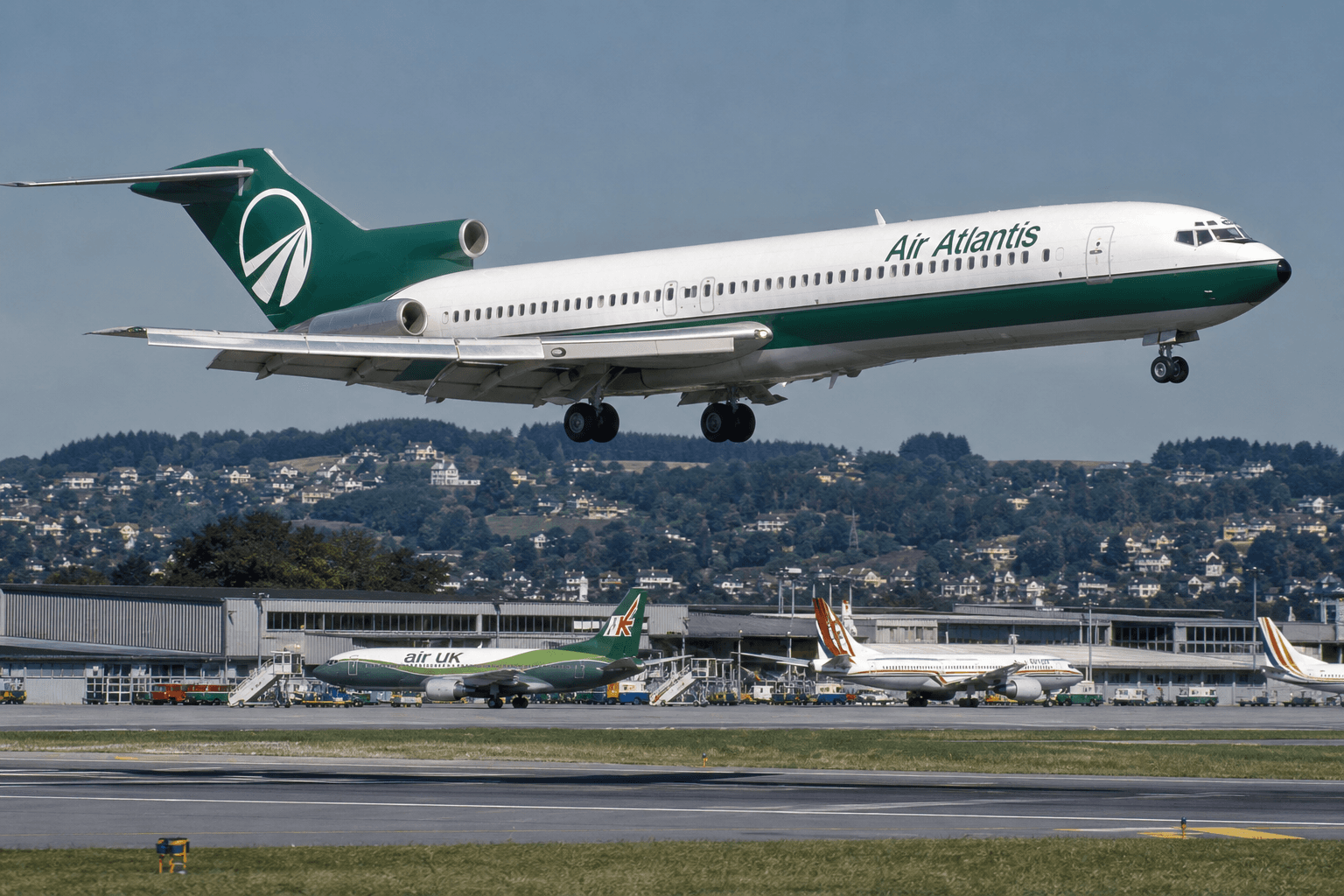
Illustration: The Touch & Go
Air Atlantis, Portuguese Charter Airline, Shaped 1980s European Holiday Travel
Air Atlantis operated from 1985 to 1993, flying holidaymakers from across Europe to Portugal's resorts with a distinctive green-and-white fleet of Boeing jets.
The gist
Air Atlantis, a TAP Air Portugal subsidiary, boosted 1980s European charter tourism before merging back into TAP in 1993.
Continuing coverage
All Boeing 727 →Air Atlantis was launched in 1985 as a dedicated charter airline subsidiary of Portugal’s flag carrier, TAP Air Portugal. The move came amid a surge in leisure travel demand from northern Europe to Portugal, particularly to the Algarve and Madeira holiday destinations. TAP sought to segregate its charter operations from its mainline scheduled services by creating Air Atlantis, allowing each to target their respective markets efficiently. Operating from its base at Lisbon Airport, Air Atlantis commenced service in 1986 and rapidly became a key player in Portuguese charter aviation.
Focusing exclusively on holiday travel, Air Atlantis primarily flew package holiday passengers from cities throughout the UK, Ireland, Germany, France, Belgium, the Netherlands, and Scandinavia to Portuguese resort destinations including Lisbon, Faro, Funchal, and Porto airports. British regional airports such as Manchester, Birmingham, Glasgow, Newcastle, and Bristol regularly saw Air Atlantis jets during summer months. The airline never operated scheduled flights but instead partnered with major European tour operators to transport leisure travelers, becoming a common sight at numerous airports despite its lack of traditional scheduled service.
Air Atlantis’s fleet was robust and reflected the parent company’s preference for Boeing aircraft. Initially operating Boeing 707-300 series, 727-100, and 737-200 jetliners, the airline later incorporated Boeing 727-200 and 737-300 aircraft as it expanded. In total, 19 aircraft served with Air Atlantis between 1985 and 1989. The livery showcased a striking combination of white and green with red accents, mirroring the Portuguese flag and closely resembling TAP’s colors. Aircraft were configured in high-density seating layouts to maximize passenger volumes, emphasizing the airline’s charter focus.
The airline existed during a golden era for European charter aviation in the late 1980s, when airports across the UK welcomed a wide array of leisure carriers. Alongside domestic British operators such as Britannia Airways, Dan-Air, and Air Europe, Air Atlantis represented the vibrant international dimension of this travel boom. Plane spotters cherished this period for the variety and frequency of unusual aircraft arriving from diverse European origins, often using regional airports that today see far less diverse traffic.
In addition to scheduled charter routes for tour operators, Air Atlantis occasionally performed ad hoc charters and managed aircraft leasing arrangements for other airlines, demonstrating operational flexibility. This versatility augmented its role in the European charter market, even though the airline was fully owned and operated under the TAP Air Portugal umbrella. Such practices allowed Air Atlantis to maintain fleet utilization throughout seasonal fluctuations.
By the early 1990s, the landscape for European airlines was shifting with deregulation and increasing integration between charter and scheduled services. TAP Air Portugal responded to these industry changes by deciding to dissolve Air Atlantis in 1993, absorbing its operations and fleet back into the parent airline. This reintegration marked the end of Air Atlantis as an independent charter brand, while some of the aircraft found new operators around the globe.
Despite its relatively brief existence of seven years, Air Atlantis made a lasting impact on the Portuguese leisure travel market and on European aviation enthusiasts. Its fleet of distinguished Boeing aircraft and distinctive green-and-white livery remain fondly remembered by plane spotters who witnessed the heyday of 1980s charter flying. The airline's role in supporting Portugal’s burgeoning tourism industry was significant during a period of rapid growth in holiday travel to southern Europe.
The integration of charter operations into TAP following Air Atlantis’s closure reflected a broader industry trend toward consolidation and flexibility in airline business models. Although Air Atlantis ceased operations, its legacy lives on in the history of European charter aviation and in the vibrant tourism that it helped foster in Portugal’s key destinations. Interest in preserving the memory of such carriers remains alive among aviation historians and enthusiasts, serving as a window into a distinct chapter of airline evolution.
Frequently asked questions
- When was Air Atlantis operational and what was its relationship to TAP Air Portugal?
- Air Atlantis operated from 1985 until 1993 as a wholly owned charter subsidiary of TAP Air Portugal, focusing on leisure travelers while TAP concentrated on scheduled international routes.
- What aircraft types did Air Atlantis operate during its service?
- Air Atlantis’s fleet primarily consisted of Boeing aircraft including 707-300, 727-100, 727-200, 737-200, and 737-300 models, configured for high-density seating to transport charter passengers.
- Why did Air Atlantis cease operations in the early 1990s?
- Due to changes in the European airline market such as deregulation and integration of charter and scheduled services, TAP Air Portugal decided to close Air Atlantis in 1993, folding its operations back into the parent company.
Read more
All Technology/eVTOL →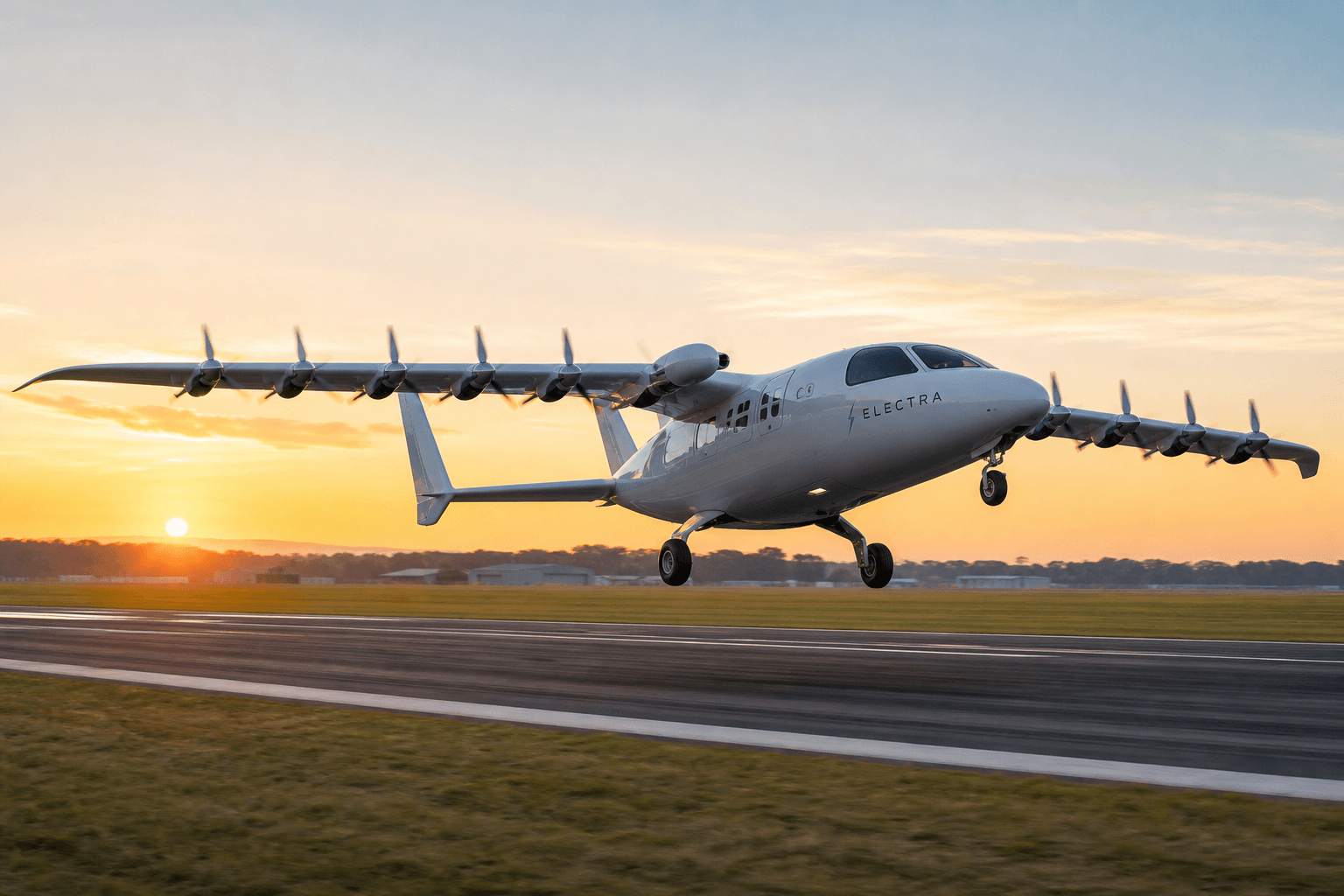
FAA Sets Certification Basis for Electra EL9 Hybrid-Electric Aircraft
Electra announced Friday that the FAA has closed the G-1 issue paper for its EL9 Ultra Short aircraft, formally establishing the certification basis for the nine-passenger hybrid-electric design. The milestone does not constitute type certification but sets the regulatory requirements the company must meet to obtain it. Certification Framework The company submitted its Part 23 type certification application in November 2025. Closing the G-1 issue paper after seven months establishes an agreed regulatory foundation for the EL9's distributed hybrid-electric propulsion, blown-lift system and fly-by-wire controls. "The swift G1 achievement reflects the hard work and productive collaboration between Electra and the FAA," Electra CEO Marc Allen said. Allen said the company will now carry that work into the G-2 phase of the certification program. Compliance Planning The G-2 phase will focus on the EL9's means of compliance, or how Electra will demonstrate that the design meets the certification basis. Electra Senior Vice President for Product Development JP Stewart said that work will include engineering analysis, ground and flight testing, inspections, conformity activities and certification data. Electra said the EL9 is designed to take off and land in 150 feet or less and carry up to nine passengers on routes of up to 330 nautical miles. The aircraft uses a small turbine-powered generator, battery packs and eight electric motors distributed along the wing to produce lift at low airspeeds.
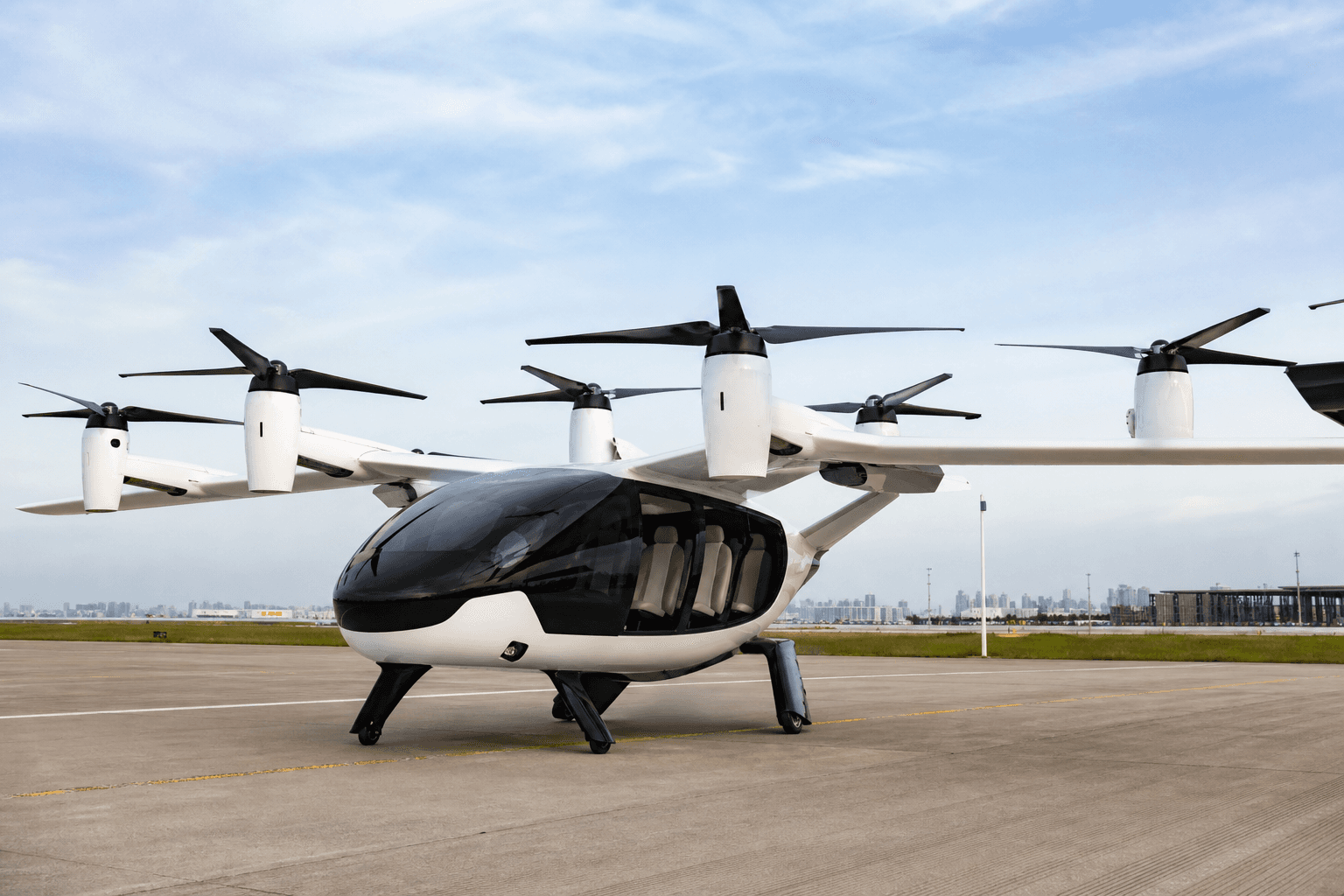
Electra Achieves FAA Certification Basis Using Desired Path for EL9 eVTOL
Electra announced on Friday that the Federal Aviation Administration has closed the G-1 issue paper for its nine-passenger EL9 "Ultra Short" aircraft, a major regulatory milestone that the company said confirms its ability to use the comparatively straightforward certification path that other advanced air mobility entrants were denied. G-1 issue papers are used by the FAA to define the certification basis for aircraft undergoing type certification. Until leading electric vertical take-off and landing […]
Airbus and MTU to Launch Joint Venture for Hydrogen Fuel Cell Aviation Engines in 2027
Joint venture will kick off in 2027 as the pair look to pool resources on fuel cell powertrain development. In a widely anticipated move, Airbus and MTU Aero Engines are to form a joint venture to develop and commercialise a hydrogen fuel cell powertrain. Building on a memorandum of understanding s igned at last year's Paris air show , the updated and non-binding agreement foresees the start of operations in 2027, subject to regulatory clearance. Both partners will support the as-yet-unnamed business, which they say will "accelerate technology development, design, testing and certification of a revolutionary propulsion system". "Our planned joint venture is the next logical step in our shared vision of a hydrogen-based propulsion concept for aviation," says Bruno Fichefeux, head of future programmes at Airbus. He says combining the resources and expertise of the two companies will create a "European powerhouse capable of transforming advanced research into industrialised, certifiable electric propulsion systems." Both companies have existing research projects focused on hydrogen propulsion systems. Despite slowing its effort in early 2025, Airbus has continued fuel cell powertrain research and technology activities under its ZEROe programme, which is targeting an aircraft powered by four 2.4MW electric engines and capable of flying routes of 1,000nm (1,850km) with 100 passengers on board. Earlier in 2026, Airbus said it had confirmed the feasibility of such a concept and will later in 2026 test an integrated 1MW powertrain that is significantly smaller and more compact than an earlier 1.2MW version that it ran in 2023. It also has an existing joint venture with ElringKlinger called AeroStack, through which it is developing aerospace-grade fuel cells. For its part, MTU has been working on two parallel fuel cell propulsion projects. Under its s elf-funded Flying Fuel Cell programme , the German engine specialist is developing a 600kW powertrain, including an electric motor. Meanwhile, through HEROPS, funded by the EU's Clean Aviation body, it is leading a consortium to deliver a 1.2MW fuel cell powertrain ground demonstrator. MTU also owns electric motor manufacturer eMoSys, which could also contribute to the joint effort. Speaking to FlightGlobal in April , Dr Hauke Ludders, head of fuel cell propulsion systems at ZEROe, said the pair intended to respond to Clean Aviation's latest call for proposals with a joint submission on fuel cell power. Clean Aviation has pledged total funding of €101 million for hydrogen-related projects in its fourth call, including a demonstration of "advanced [fuel cell] propulsion techno-bricks". Submissions were due in mid-May, with selected projects to kick-off in early 2027.

Airbus and MTU Aero Engines to launch joint venture for electric hydrogen fuel cell aviation engine
Airbus and MTU Aero Engines intend to deepen their collaboration by establishing a joint venture dedicated to the development and commercialisation of a fully electric hydrogen fuel cell engine. This upcoming milestone follows the Memorandum of Understanding (MoU) signed by both companies at the Paris Air Show in June 2025. By establishing a dedicated and […]
The Daily Touch & Go
The day's best aviation news in your inbox. Free, no spam.