


Airbus and MTU Aero Engines to launch joint venture for electric hydrogen fuel cell aviation engine
Airbus and MTU Aero Engines are forming a joint venture to accelerate development and commercialization of fully electric hydrogen fuel cell propulsion systems for aircraft starting in 2027.
The gist
Airbus and MTU Aero Engines partner to create a joint venture aimed at pioneering fully electric hydrogen fuel cell engines for commercial aviation.
Continuing coverage
All Airbus →- Airbus and MTU to Launch Joint Venture for Hydrogen Fuel Cell Aviation Engines in 2027
- Airbus and MTU Launch Joint Venture to Develop Hydrogen Fuel Cell Engines for Commercial Aircraft
- Airbus Enhances A220 Cabin Comfort for Transatlantic Flights with New 3M Insulation Deal
- Airbus predicts doubling air travel demand by 2045 fueled by urban growth and aircraft efficiency
- Airbus lowers 20-year passenger aircraft demand forecast to 42,060 units
Airbus and MTU Aero Engines are taking a significant step toward zero-emission aviation by establishing a joint venture focused on developing a fully electric hydrogen fuel cell engine. This initiative builds upon their Memorandum of Understanding signed at the 2025 Paris Air Show, aiming to fast-track the creation and certification of a revolutionary propulsion system. The new entity will combine resources, expertise, and engineering teams from both companies to bring the technology to market efficiently and effectively. Operational launch of the joint venture is anticipated in 2027, pending regulatory approvals and social process completions in Europe at both national and continental levels.
The joint venture intends to create a nimble organizational structure that fosters swift technology development and commercialization. The collaboration brings together Airbus's extensive experience in commercial aircraft programs and hydrogen fuel technologies with MTU's long-standing development of fuel cell systems and engine integration expertise. MTU Aero Engines is well regarded for engine design, validation, certification, and maintenance capabilities, which will complement Airbus's proficiency in fuel cell propulsion and liquid hydrogen knowledge. By leveraging their combined strengths, the partners hope to accelerate progress beyond what either could achieve independently.
Hydrogen fuel cell technology represents one of the most promising pathways toward substantially reducing the carbon footprint of aviation. Unlike conventional jet fuel combustion, hydrogen fuel cells generate electric power through electrochemical reactions that produce water vapor as the only emission. Airbus and MTU recognize hydrogen’s potential to transform air transport similarly to how electric vehicles revolutionized the automotive sector by enabling zero-tailpipe emissions. This propulsion approach supports the aviation industry's broader sustainability targets and aligns with global efforts to decarbonize air travel.
The joint venture will focus not only on the propulsion unit itself but also contribute to the ecosystem needed for hydrogen-powered flight at scale. Realization of this vision depends on parallel advancements in hydrogen production, storage, infrastructure, and supportive regulatory frameworks. Airbus and MTU plan to be active in fostering these enabling conditions by engaging with regulatory bodies and industry partners. Their work will encompass certification pathways critical for commercial application, a crucial step toward operationalizing hydrogen propulsion in mainstream aviation markets.
This partnership signals a broader industry shift toward exploring and investing in alternative propulsion systems as solutions to aviation’s environmental impact. Airlines, manufacturers, and regulators are increasingly prioritizing sustainable aviation fuel development and new technologies such as hybrid-electric and hydrogen powertrains. Airbus and MTU’s joint venture exemplifies this momentum by committing to a clean propulsion technology with the potential to underpin a new generation of zero-emission aircraft. Achieving commercially viable hydrogen fuel cell engines would represent a paradigm change in aircraft design and operation.
The joint venture aims to become the global technology leader in hydrogen fuel cell propulsion for commercial aircraft. By concentrating on design, testing, and certification activities, the partners intend to deliver the first fuel-cell-based propulsion system suitable for airline service. This early-mover advantage could position Airbus and MTU at the forefront of next-generation propulsion technology development, reinforcing their competitive standing as sustainability demands reshape the aerospace industry. The collaboration also emphasizes the importance of integrated engineering and manufacturing capabilities across both companies to meet project goals.
Airbus and MTU’s cooperative venture comes against the backdrop of increasing regulatory focus on aviation emissions and growing social pressure for decarbonization. The need for urgent climate action drives innovation in propulsion systems that can reduce or eliminate carbon dioxide and other harmful emissions from aircraft operations. Hydrogen fuel cell technologies, while still in development, offer a viable alternative to fossil-fuel-powered engines by enabling zero-emission flight without sacrificing performance. The success of this joint venture will rely on overcoming technical and certification challenges inherent to pioneering an entirely new propulsion architecture.
Looking beyond propulsion technology, the joint venture underscores the necessity of integrated efforts spanning aircraft design, fuel supply chains, and regulatory coordination to make hydrogen aviation viable. Airbus and MTU’s combined expertise provides a strong foundation to address these multidisciplinary challenges. The planned operational start in 2027 sets a clear timeline for advancing this cutting-edge initiative, reflecting confidence from both companies in their ability to navigate complex engineering and certification pathways. Their collaboration could lay the groundwork for a broader transition to sustainable aviation fuels and propulsion systems in the coming decade.
Read more
All Technology/eVTOL →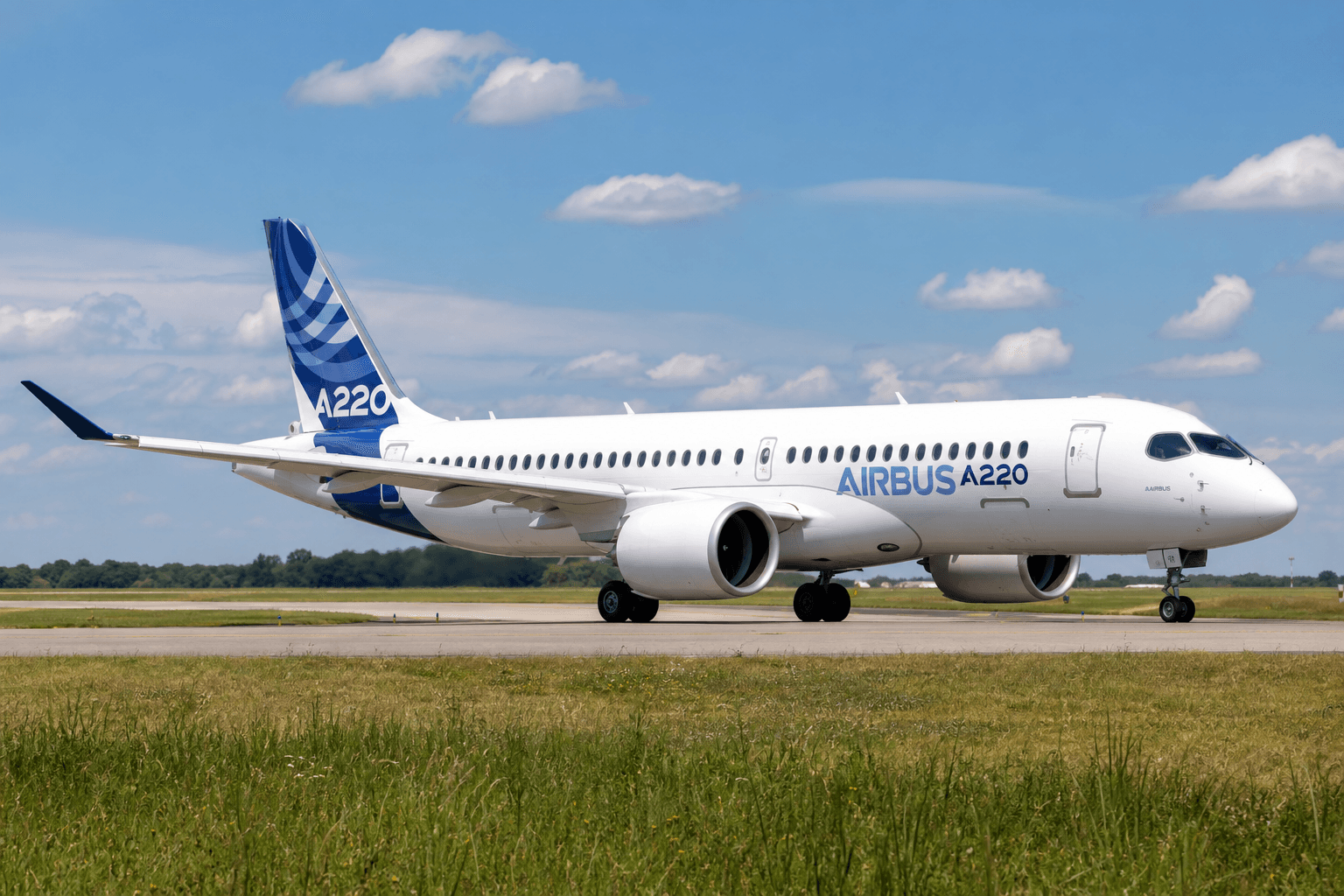
Airbus lowers 20-year passenger aircraft demand forecast to 42,060 units
Airbus has published its latest rolling 20-year Global Market Forecast (GMF) indicating a slight drop in demand for new passenger aircraft compared with last year's outlook. On July 8, 2026, Airbus said there would be demand for 42,060 new passenger aircraft between 2026 and 2045, a fall of 390 planes from its forecast last year. When Airbus published its 2025-2044 Global Market Forecast, the company said there would be demand for 42,450 new passenger aircraft over the rolling 20-year period. Of the 42,060 aircraft required in the next 20 years, 19,820 aircraft are expected to replace older planes, while 22,240 will support growth. Some 81% of the total will be single-aisle aircraft and 19% widebodies. By 2045, Airbus forecasts that the percentage of the global fleet made up of the newest generation aircraft will reach almost 100%, up from around 39% in 2026. KLM Other takeaways from the report include Airbus predicting global passenger traffic will more than double in the next 20 years. According to Airbus, the growth is being driven by Asia with domestic travel in China accounting for the largest traffic flows, followed by domestic travel in the US and India. Asia will also lead the demand for new passenger aircraft between 2026 and 2045 with China requiring the most planes. Airbus also praised the A220 for making new thin routes viable across North America, Europe and Africa. Across these regions, the A220 has created 400 new routes, according to the planemaker. Describing the A220 as the "network builder" Airbus claims that there are more than 2,200 unserved routes suited for the plane. Airbus highlights urbanization and the middle-class demographic Airbus said that "urbanization is shifting to smaller cities" and that the number of smaller urban centers will "grow at a significantly faster pace than larger ones". "With a rise in middle classes and the diaspora this will lead to new city pairings made economically viable thanks to increasingly efficient aircraft and growing passenger traffic volumes," Airbus said. Alongside aircraft efficiencies, the Airbus GMF forecasts expanding connectivity beyond trunk routes to smaller and medium city-pairs. The full 2026-2045 Global Market Forecast is available on the Airbus website . RELATED Airbus reignites hydrogen-electric engine ambitions with new joint venture
Swiss electric propulsion firm H55 cuts workforce nearly in half after certification milestone
Electric propulsion system developer cuts nearly half its workforce after a key certification milestone.
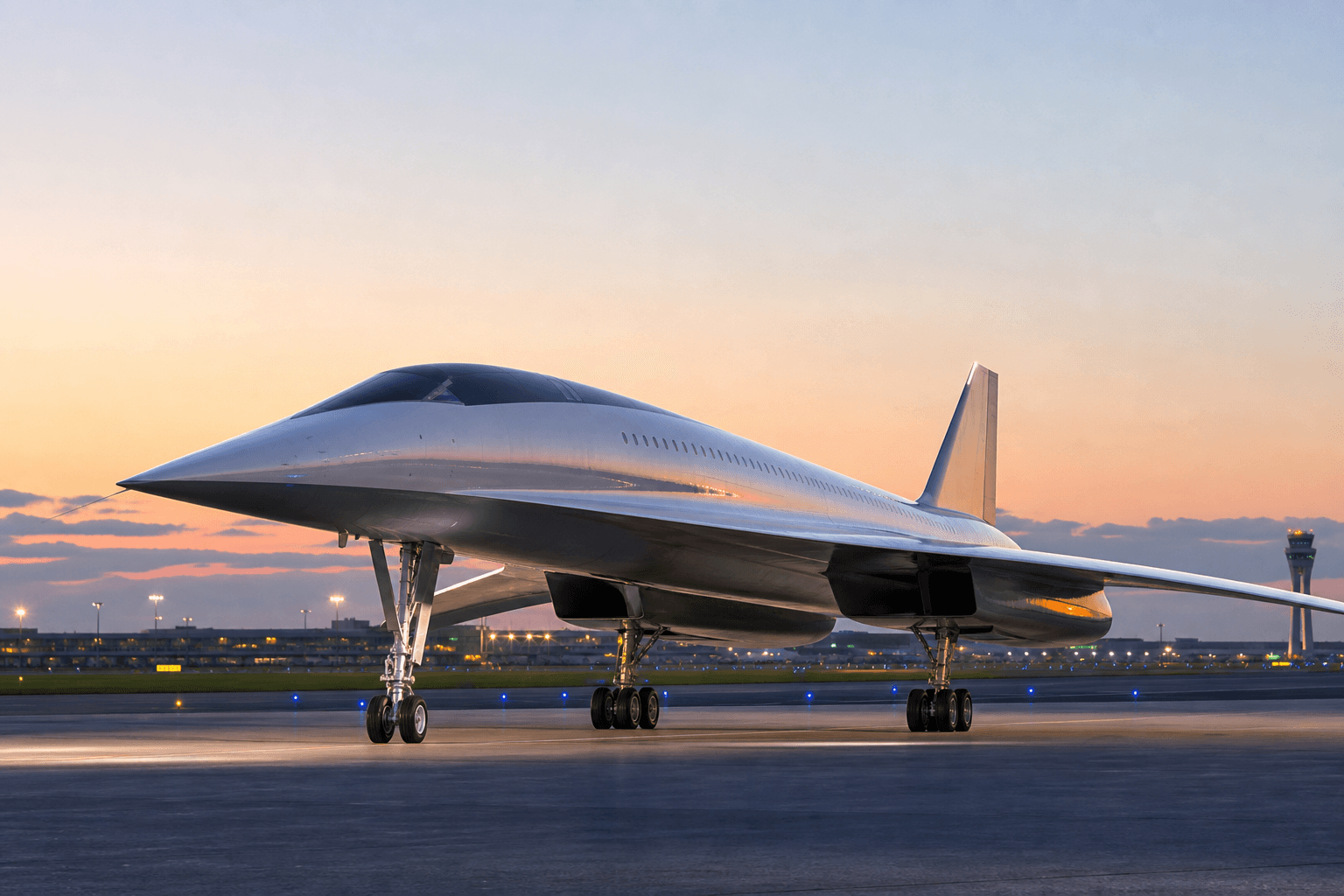
Boom Supersonic Faces Engine and Certification Hurdles Ahead of 2029 Overture Launch
Boom Supersonic says Overture will carry passengers by 2029. Here is what the company still needs to solve to get there.
EAA AirVenture Showcases Cutting-Edge Electric Aircraft and Autonomous Flight Tech
Electric aircraft, drones and autonomous flight companies are scheduled for Boeing Plaza and Tuesday air show appearances.
The Daily Touch & Go
The day's best aviation news in your inbox. Free, no spam.