

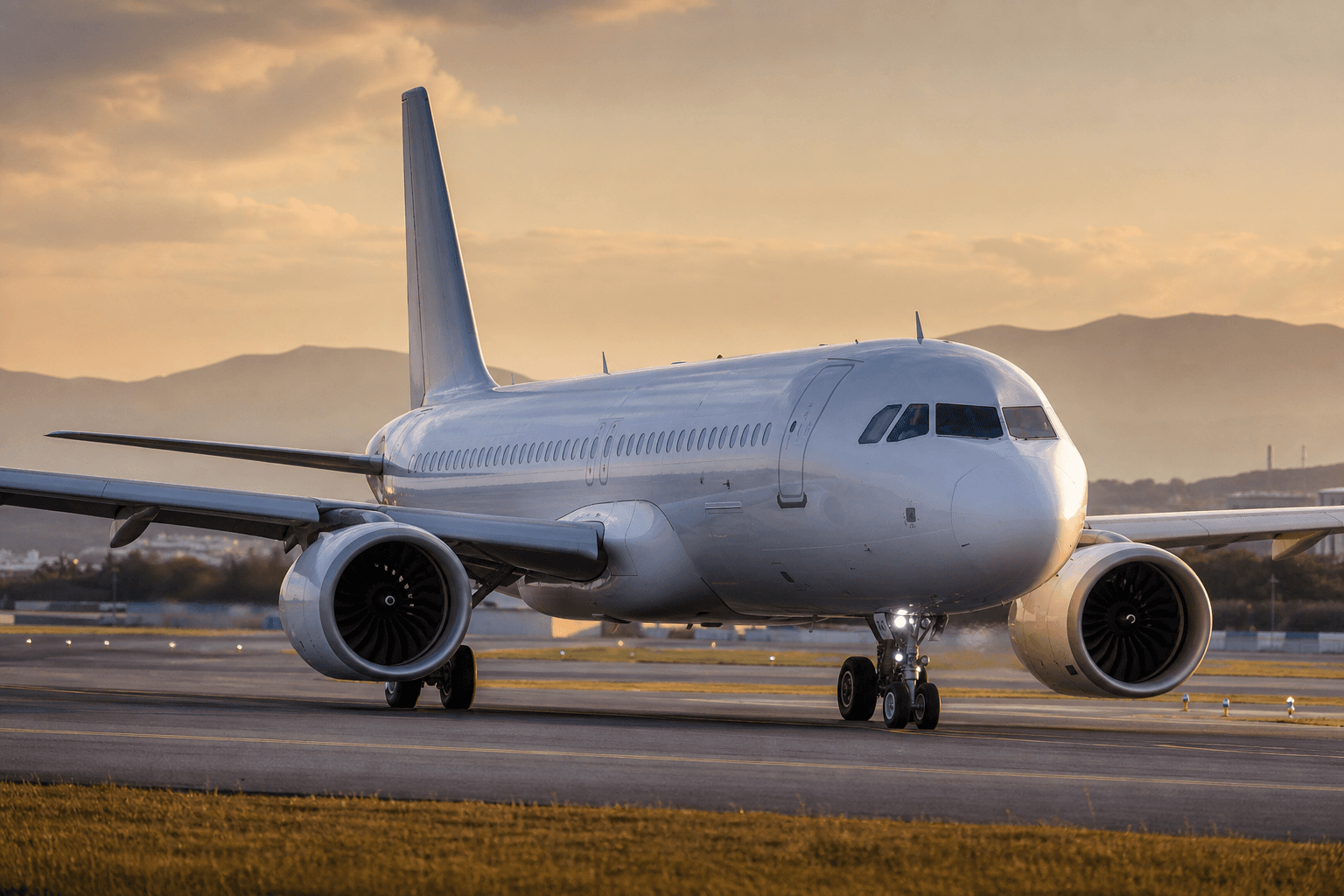
Illustration: The Touch & Go
Airbus and MTU to Launch Joint Venture for Hydrogen Fuel Cell Aviation Engines in 2027
Airbus and MTU Aero Engines plan a joint venture starting in 2027 to develop and commercialize hydrogen fuel cell powertrains for aircraft propulsion, accelerating testing and certification efforts.
The gist
Airbus and MTU will form a joint venture in 2027 to develop hydrogen fuel cell powertrains, advancing clean aviation propulsion technology.
Continuing coverage
All Airbus →- Airbus and MTU Aero Engines to launch joint venture for electric hydrogen fuel cell aviation engine
- Airbus and MTU Launch Joint Venture to Develop Hydrogen Fuel Cell Engines for Commercial Aircraft
- Airbus Enhances A220 Cabin Comfort for Transatlantic Flights with New 3M Insulation Deal
- Airbus predicts doubling air travel demand by 2045 fueled by urban growth and aircraft efficiency
- Airbus lowers 20-year passenger aircraft demand forecast to 42,060 units
Airbus and MTU Aero Engines have announced plans to establish a joint venture dedicated to developing and commercializing hydrogen fuel cell powertrains for aircraft. The partnership, which is expected to commence in 2027 pending regulatory approval, aims to accelerate the design, development, testing, and certification of an innovative propulsion system based on hydrogen-electric technology. This move follows a memorandum of understanding signed at the previous year’s Paris Air Show, signaling a deepening collaboration between the two companies in sustainable aviation technology.
The new business entity, as yet unnamed, intends to pool the expertise and resources of Airbus, a leading aircraft manufacturer, and MTU Aero Engines, a key player in engine technology, to create what Airbus describes as a European powerhouse for hydrogen propulsion. Bruno Fichefeux, head of future programmes at Airbus, highlights that this joint venture represents a natural progression in realizing their shared vision of hydrogen-based propulsion concepts in the aviation sector.
Both Airbus and MTU already possess significant research programs investigating hydrogen propulsion technologies. Airbus, under its ZEROe initiative, has been exploring fuel cell powertrain architectures aiming to power aircraft capable of flying roughly 1,000 nautical miles with 100 passengers. The ZEROe concept includes four 2.4MW electric engines powered by hydrogen fuel cells to provide a zero-emission flight profile. Although Airbus slowed its hydrogen propulsion efforts in early 2025, it continues to advance fuel cell research, including upcoming tests of a more compact 1MW integrated powertrain to validate feasibility in 2026.
Meanwhile, MTU Aero Engines pursues two fuel cell propulsion projects. Its internally funded 'Flying Fuel Cell' program focuses on developing a 600kW powertrain incorporating an electric motor for aviation use. Additionally, MTU leads an EU-backed consortium called HEROPS working on a 1.2MW fuel cell powertrain ground demonstrator. MTU's ownership of electric motor manufacturer eMoSys further strengthens its capabilities to contribute to the new joint venture’s propulsion systems.
The partnership will leverage Airbus’s existing collaborations such as AeroStack, a joint venture with ElringKlinger aimed at developing aerospace-grade fuel cells. This network of projects underlines Airbus’s commitment to maturing hydrogen fuel cell technology for aerospace applications. The joint venture will seek to combine the engineering, testing, and certification strengths of both companies to transition from advanced research to industrialized, certifiable propulsion systems suitable for commercial use.
This development coincides with pending funding opportunities from initiatives like Clean Aviation, which has allocated €101 million toward hydrogen-related projects in its fourth call. These funds support demonstrations of advanced fuel cell propulsion components and powertrains under stringent testing conditions. Both Airbus and MTU plan to submit joint proposals responding to this call, with selected projects expected to initiate in early 2027, aligning with the timeline for the joint venture’s launch.
The timing and scale of this partnership reflect an accelerating trend within the aerospace industry to shift toward sustainable technologies amid regulatory and environmental pressures. Hydrogen fuel cell systems offer promising benefits, including zero carbon emissions from the powertrain and reduced noise pollution compared to conventional engines. Success in this field could enable future aircraft designs with improved environmental footprints, supporting aviation’s path to net-zero emissions.
By establishing a dedicated joint venture, Airbus and MTU aim to consolidate their developments and fast-track the maturity of hydrogen-electric propulsion. With the combined expertise in powertrain engineering, fuel cell technology, and certification processes, the alliance sets a foundation for pioneering clean propulsion technologies that could reshape medium-range air travel. The venture’s progression will be closely tied to regulatory approvals and demonstration projects funded through European aerospace innovation programs.
Read more
All Technology/eVTOL →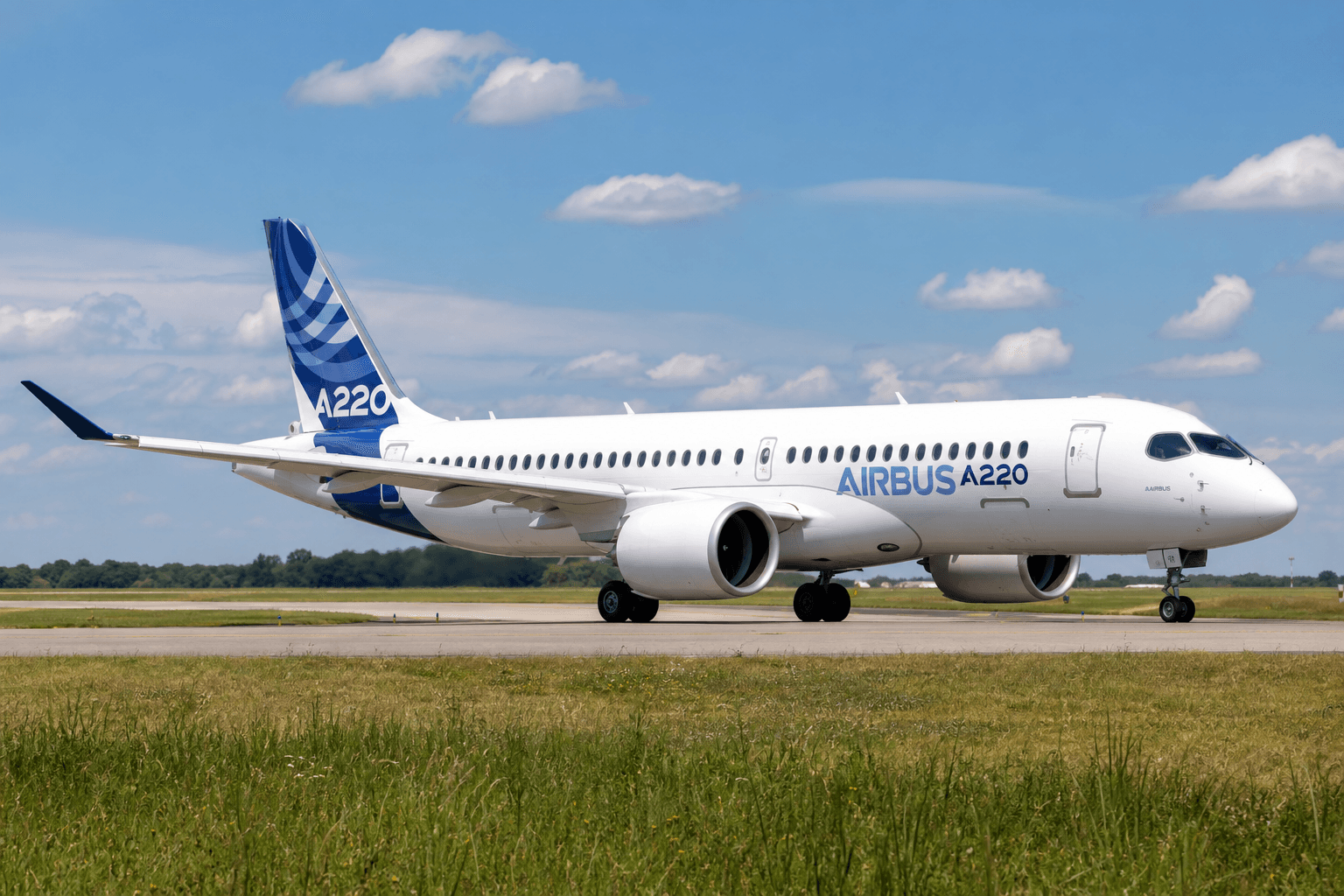
Airbus lowers 20-year passenger aircraft demand forecast to 42,060 units
Airbus has published its latest rolling 20-year Global Market Forecast (GMF) indicating a slight drop in demand for new passenger aircraft compared with last year's outlook. On July 8, 2026, Airbus said there would be demand for 42,060 new passenger aircraft between 2026 and 2045, a fall of 390 planes from its forecast last year. When Airbus published its 2025-2044 Global Market Forecast, the company said there would be demand for 42,450 new passenger aircraft over the rolling 20-year period. Of the 42,060 aircraft required in the next 20 years, 19,820 aircraft are expected to replace older planes, while 22,240 will support growth. Some 81% of the total will be single-aisle aircraft and 19% widebodies. By 2045, Airbus forecasts that the percentage of the global fleet made up of the newest generation aircraft will reach almost 100%, up from around 39% in 2026. KLM Other takeaways from the report include Airbus predicting global passenger traffic will more than double in the next 20 years. According to Airbus, the growth is being driven by Asia with domestic travel in China accounting for the largest traffic flows, followed by domestic travel in the US and India. Asia will also lead the demand for new passenger aircraft between 2026 and 2045 with China requiring the most planes. Airbus also praised the A220 for making new thin routes viable across North America, Europe and Africa. Across these regions, the A220 has created 400 new routes, according to the planemaker. Describing the A220 as the "network builder" Airbus claims that there are more than 2,200 unserved routes suited for the plane. Airbus highlights urbanization and the middle-class demographic Airbus said that "urbanization is shifting to smaller cities" and that the number of smaller urban centers will "grow at a significantly faster pace than larger ones". "With a rise in middle classes and the diaspora this will lead to new city pairings made economically viable thanks to increasingly efficient aircraft and growing passenger traffic volumes," Airbus said. Alongside aircraft efficiencies, the Airbus GMF forecasts expanding connectivity beyond trunk routes to smaller and medium city-pairs. The full 2026-2045 Global Market Forecast is available on the Airbus website . RELATED Airbus reignites hydrogen-electric engine ambitions with new joint venture
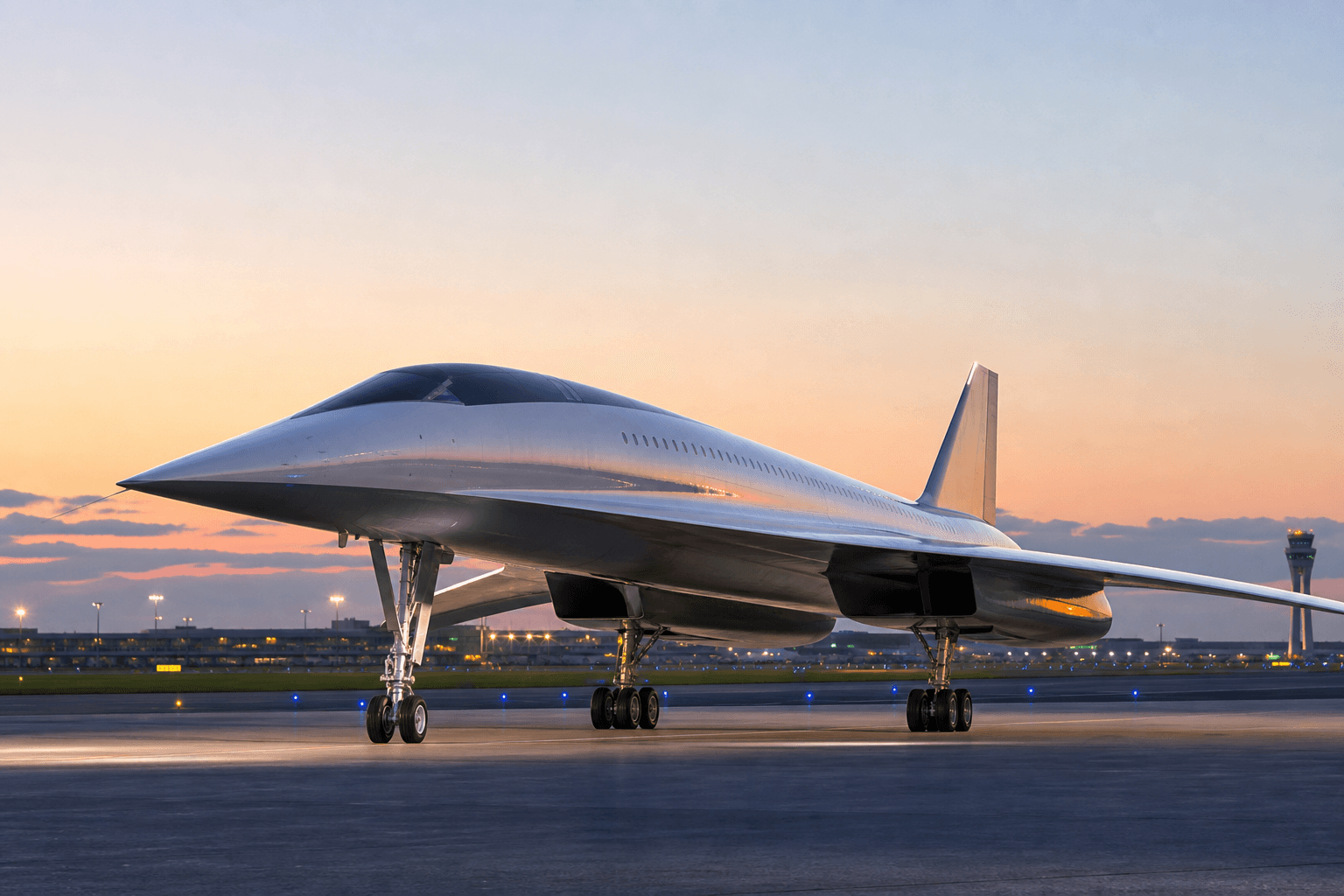
Boom Supersonic Faces Engine and Certification Hurdles Ahead of 2029 Overture Launch
Boom Supersonic says Overture will carry passengers by 2029. Here is what the company still needs to solve to get there.

EAA AirVenture Showcases Cutting-Edge Electric Aircraft and Autonomous Flight Tech
Electric aircraft, drones and autonomous flight companies are scheduled for Boeing Plaza and Tuesday air show appearances.
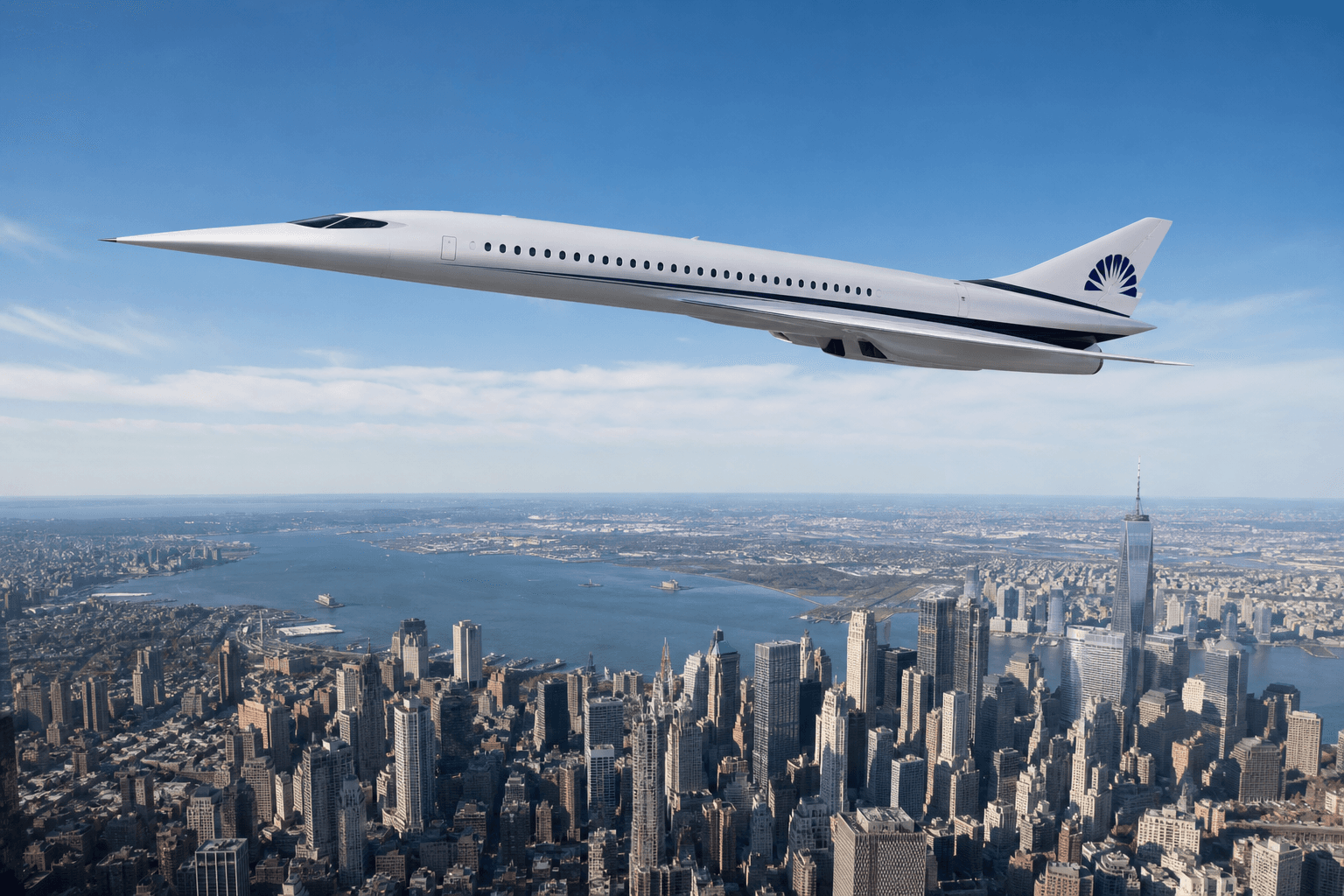
FAA Proposes Noise-Based Rules to Enable Supersonic Flight Over US Land
The agency has launched rulemaking aimed at allowing next-generation supersonic aircraft to operate over land under new noise standards.
The Daily Touch & Go
The day's best aviation news in your inbox. Free, no spam.