

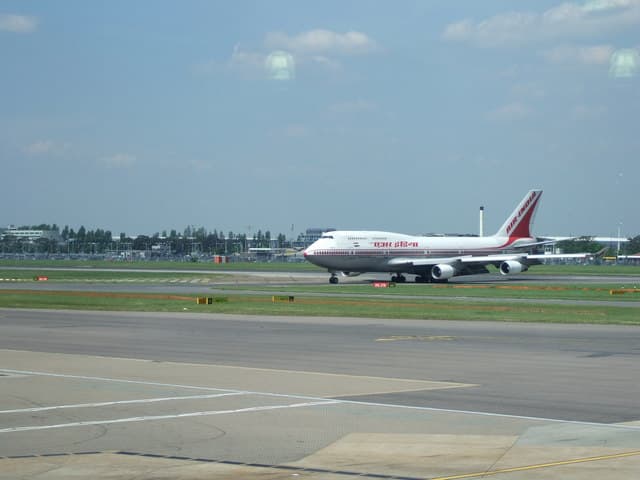
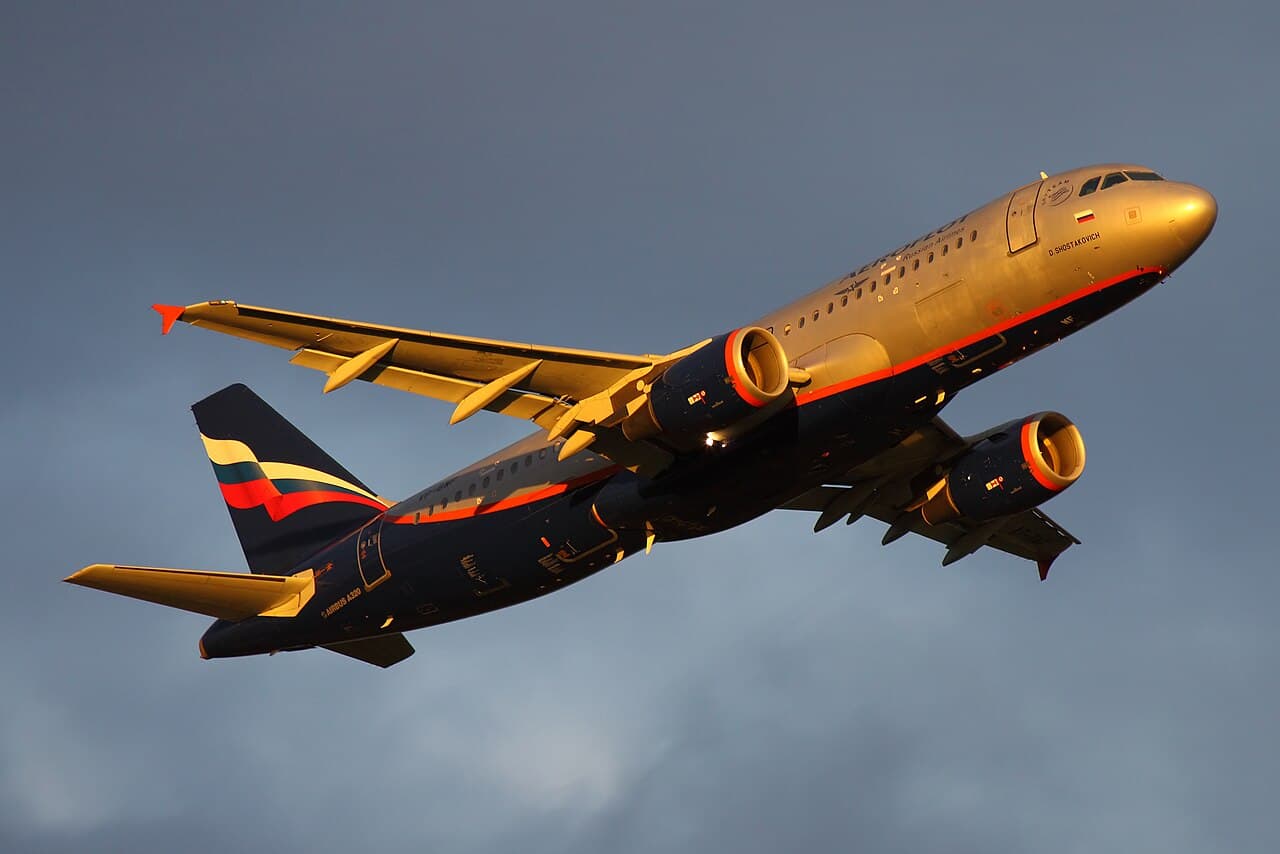
Image: Stanley Howe · CC BY-SA 2.0 · via Wikimedia Commons
Air India posts largest annual loss amid operational and geopolitical challenges
The Tata Group reveals Air India's net loss surged to $2.3 billion for the fiscal year ending March 2026 as revenue fell and external disruptions affected its turnaround plan.
The gist
Air India reports a $2.3 billion loss for FY2026, hit by route disruptions, fuel cost spikes, and a fatal crash, delaying its recovery plan.
Continuing coverage
All Financial Results →Air India has reported its worst annual financial performance since being privatized, with a net loss of Rs222.4 billion (approximately $2.3 billion) for the fiscal year ending 31 March 2026. This steep decline follows a previous net loss of Rs109 billion. The airline’s revenue has also contracted by 9%, a challenging scenario that underscores the difficulties facing the carrier amid wider geopolitical and operational headwinds.
Privatized under the Tata Group in 2022, Air India’s transformation agenda is now confronting extended delays. The carrier had launched Vihaan.AI, an ambitious five-year plan aimed at overhauling its brand, operations, and international stature to emerge as a world-class airline. Tata’s chairman N Chandrasekaran signaled that rebuilding the airline is proving a more complex, multi-year project than originally envisioned, involving upgrades to legacy systems, renewal of the fleet, and a substantial workforce expansion.
Several external factors significantly disrupted Air India’s progress during the year. One major challenge has been the ongoing closure of Pakistani airspace, a legacy of the 2025 armed conflict between India and Pakistan. Indian carriers, including Air India, have had to reroute west-bound flights, incurring additional fuel consumption and time, thereby increasing operational costs. This disruption has strained the airline’s route efficiency and profitability.
Fuel prices presented another substantial burden. Following the Middle East conflict earlier in 2026, global oil prices surged, directly impacting jet fuel costs – the largest variable expense for any airline. As a consequence, Air India’s operating expenses ballooned, eroding margins and contributing to the reported losses. Additionally, currency exchange fluctuations compounded financial challenges, reflecting the carrier’s exposure to international markets.
Compounding these operational and financial pressures was a tragic safety incident that morphed into a major setback for Air India’s recovery efforts. A Boeing 787-8 operated by the airline crashed in Ahmedabad in June 2025, resulting in fatalities. This incident not only exacted human costs but also impacted fleet availability and put the airline under intense public and regulatory scrutiny, further disrupting its transformation timeline.
The shareholder impact has been notable. Singapore Airlines, a significant stakeholder in Air India, reported its first quarterly net loss since the pandemic’s onset in the quarter ending 30 June 2026. This downturn reflects the financial strain Air India’s challenges have exerted across its ownership group. Tata Group acknowledged these ongoing difficulties in its annual report, highlighting the airline business’s vulnerability to external shocks such as geopolitical conflicts and fuel price volatility.
Chandrasekaran emphasized that remedying Air India’s setbacks requires a sustained, long-term effort spanning five to ten years. Key hurdles include rebuilding the airline’s core competencies and culture, expanding technical and operational staff, modernizing systems, and renewing the aging fleet. This broad scope of work demonstrates that restoring Air India is a complex venture demanding patience and continuous investment.
This extended timeframe contrasts with initial expectations of a relatively swift turnaround following privatization. The airline’s journey to an efficient, competitive carrier in global markets is further complicated by ongoing supply chain disruptions affecting aircraft deliveries and parts. However, the Tata Group’s leadership remains committed to their strategic vision, underscoring that the scale of transformation needed matches the historic nature of the endeavor.
Air India’s recent financial disclosures and commentary from Tata’s chairman lay bare the challenges confronting a legacy carrier in tumultuous times. The convergence of geopolitical constraints, market instability, operational incidents, and organizational overhaul makes it clear that recovery will require more than just fiscal backing — it will demand systemic renewal and resilience beyond the short term.
Frequently asked questions
- What caused Air India's record net loss in the fiscal year ending March 2026?
- Air India's record net loss of Rs222.4 billion was caused by increased operational costs due to Pakistani airspace closure, a spike in fuel prices following the Middle East conflict, foreign exchange fluctuations, and the impact of a fatal Boeing 787-8 crash in June 2025.
- How has the Tata Group described Air India's transformation timeline?
- The Tata Group chairman described Air India's transformation as a five- to ten-year journey, indicating that building a world-class global airline requires long-term efforts in fleet renewal, training, service transformation, and network expansion.
Read more
All Airlines →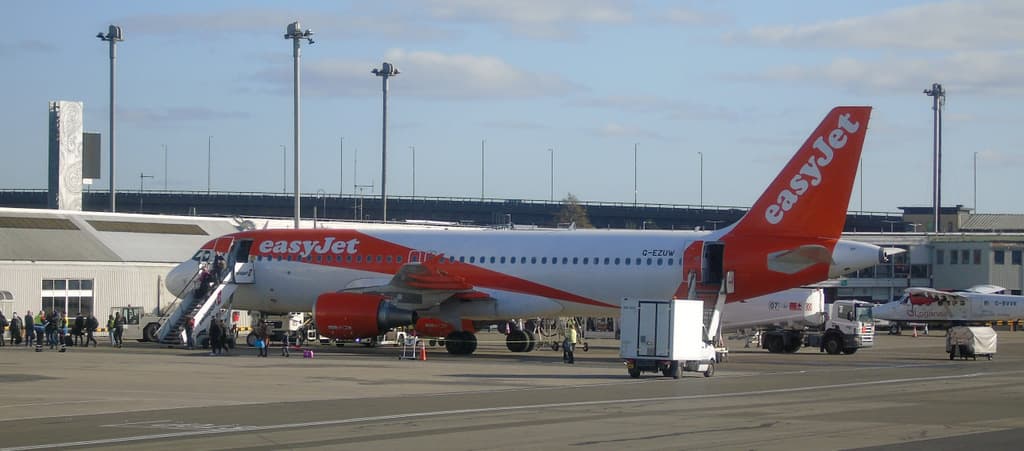
easyJet Q2 profits plunge 70% amid Middle East conflict fuel cost surge
easyJet's profits have been hit hard by the conflict in the Middle East and its impact on fuel prices, according to the low-cost-carrier's latest financial results. On July 23, 2026, easyJet said the group's profit before tax had shrunk by 70% in quarter two, from $382 million (£286 million) last year to $113 million (£85 million) this year. The company said it was impacted by "elevated fuel prices and a reduction in consumer demand following the onset of the Middle East conflict in March and consumer concern about unrealized fuel supply issues". Fuel costs increased by $140 million (£105 million) versus the prior year, due to "higher fuel prices on the unhedged portion of consumption, with fuel prices peaking at approximately $1,800 per metric ton in April". The airline, which has been subject to takeover offers from both Apollo and Castlelake in the last month , said it has hedged 62% of its fuel needs for H127 and 37% for H227. Brookgardener / Shutterstock For H127, the company has secured fuel at an average of $754 per metric ton (MT) and for H227 at $777/MT. The market price on July 20, 2026, is $1,275/MT. "Strong demand for late bookings in the month of departure was seen throughout the quarter, however this was insufficient to fully offset the weaker booking trends experienced following the conflict," easyJet said. Group revenue was up 2% from $3.90 billion (£2.918 billion) in quarter two 2025 to $3.99 billion (£2,983 billion) over the same period this year. "We have continued to manage the impact of the Middle East conflict, and its effect on fuel prices and booking trends, during the quarter," Kenton Jarvis, easyJet's CEO, said. "Pricing has been attractive, driving strong late booking demand for our flights and holidays and our relentless focus on execution has delivered an excellent operational performance and even greater levels of customer satisfaction." He added: "As consumer confidence increases, we are seeing the load factor gap close for peak summer and an extension of the booking curve as customers continue to prioritize travel and take advantage of our great fares." Looking ahead, easyJet said its Available Seat Kilometers (ASK) capacity is expected to grow 6% year on year with seats expected to grow 3% year on year. CCO steps down to return to flying as an easyJet pilot Additionally, easyJet announced that its Chief Operating Officer, David Morgan, has chosen to retire from his current role and return to flying as an easyJet pilot. Sophie Dekkers, the current Chief Commercial Officer, will assume Morgan's role until September 1, 2026, when new recruit Daniel Skjeldam will join easyJet as the permanent CCO. Skjeldam is currently a Non-Executive Director at Norwegian Air Shuttle . easyJet said Skjeldam's appointment comes at an "exciting time for the business as we prepare to launch our new loyalty proposition and focus on driving incremental revenue opportunities through premiumization and business travel, alongside the continued growth and optimization of our network". RELATED easyJet takeover thrown wide open by rival $7.6 billion US offer
ANA expands Embraer E190-E2 order with eight additional jets for flexible domestic service
Airline previously ordered up to 20 E190-E2s in 2025. Japan's All Nippon Airways has ordered eight more Embraer 190-E2s, as it looks to "flexibly respond" to future domestic travel demand. The order, approved by the airline's board on 29 July, comes on top of an existing order for up to 20 E190-E2s, which it announced in 2025. That commitment – firmed up at the Paris air show in 2025 – comprises 15 firm orders and five options. A stock exchange filing for parent ANA Holdings says the value of the latest order stands at around Y105 billion ($642 million). The additional aircraft are expected to be delivered from fiscal 2029, which begins on 1 April 2029, to 2032. The new aircraft will be operated by Tokyo-based codeshare partner IBEX Airlines, as part of ANA's plans to "outsource" its domestic operations. IBEX crew will operate these flights under ANA flight numbers. The two carriers will also "develop" their existing codeshare arrangement to a "comprehensive business partnership". Preparations are underway with the aim of starting the arrangement in 2029. The arrangement will allow both ANA and IBEX to "effectively utilise their management resources", while allowing ANA to retain its domestic network and achieving operational efficiency. IBEX currently operates a fleet of nine MHIRJ Aviation CRJ-700s, and these aircraft will be replaced by the new Embraer E2s. ANA had on previous occasions warned of the challenges posed by shifting demographics, especially as Japan confronts a shrinking population in the future.
Apollo Global Management close to acquiring easyJet for $7.6 billion with growth plans
By the end of September 2022, shortly before easyJet reported its annual results, the British low-cost carrier's market capitalization had fallen to around $2.5 billion, one of its lowest levels in years. For context, that was below the approximately $2.8 billion in net assets recorded on the airline's balance sheet. It was also equivalent to just 39% of annual revenue, less than $8 million for each of the 320 aircraft in its fleet, and approximately $36 for every passenger carried during the year.
Air New Zealand to Launch First International Flights at Western Sydney Airport in October 2026
Air New Zealand will become the first international airline to operate at Western Sydney International Airport (WSI), bringing direct flights from Auckland starting 26 October 2026. ezstandalone.cmd.push(function () { ezstandalone.showAds(119); }); As of mid-July 2026,less than 100 days remain until the milestone service begins. It will offer residents in one of Australia’s fastest-growing regions easier access to New Zealand and beyond. The new route marks a significant expansion for the airline’s trans-Tasman network. Air New Zealand already operates into Sydney Kingsford Smith Airport. It will now provide a convenient second option tailored to Western Sydney travellers. ezstandalone.cmd.push(function () { ezstandalone.showAds(127); }); Flight Schedule and Aircraft Air New Zealand will run three return services per week on Mondays, Wednesdays, and Fridays using fuel-efficient Airbus A320 and A321 aircraft. Auckland to Western Sydney: Departs 6:00 am, arrives 7:45 am. Western Sydney to Auckland: Departs 8:55 am, arrives 2:10 pm. ezstandalone.cmd.push(function () { ezstandalone.showAds(128); }); These day trips suit business travellers and short-break holidaymakers. One-way seat-only fares from Auckland start at NZD $319, with tickets now on sale via the Air New Zealand website. Connecting Communities and Boosting Tourism Western Sydney is home to more than 2.5 million people, including a large New Zealand community. Kath O’Brien, Air New Zealand’s General Manager Australia , highlighted the route’s importance. ezstandalone.cmd.push(function () { ezstandalone.showAds(129); }); “Flying directly into the region gives our customers another way to travel across the Tasman, while also strengthening business and tourism connections between New Zealand and Australia,” she said. The service benefits Kiwis visiting family or exploring attractions like the Blue Mountains. Sydney residents gain more choices for trips to New Zealand or onward connections to the Pacific and North America through Air New Zealand’s network. JordanElliott4642, CC BY-SA 4.0, via Wikimedia Commons WSI CEO Simon Hickey welcomed the announcement, noting strong growth in travel between Australia and New Zealand. “Both countries represent each other’s largest inbound market, with those numbers increasing each year,” Hickey said. ezstandalone.cmd.push(function () { ezstandalone.showAds(130); }); He praised the new terminal’s modern design, which features efficient digital check-in, retail options, comfortable seating with charging points, and scenic views of the Blue Mountains. A World-Class Airport Experience Western Sydney International Airport aims to deliver a smooth, passenger-friendly experience at its state-of-the-art 24-hour global gateway. Travellers can expect quick processing and pleasant surroundings, making journeys more enjoyable from the start. Air New Zealand brings a strong reputation for safety and service. Named the 2025 World’s Safest Airline by AirlineRatings.com, the carrier operates a modern fleet with an average aircraft age of under 10 years. ezstandalone.cmd.push(function () { ezstandalone.showAds(131); }); Its extensive domestic network across New Zealand and international routes to Australia, the Pacific, Asia, and North America – supported by Star Alliance partners – provide seamless connections for travellers. Photo Credit: Western Sydney International Airport Conclusion This new route reflects growing demand for convenient travel options between Australia and New Zealand. For Western Sydney residents, it reduces travel time to the airport and opens direct access to New Zealand’s landscapes, cities, and cultural experiences. For visitors heading the other way, it creates easier entry to Sydney’s western region and its attractions. ezstandalone.cmd.push(function () { ezstandalone.showAds(132); }); The launch strengthens economic and cultural ties across the Tasman while giving passengers greater flexibility. Air New Zealand’s commitment to Western Sydney International Airport signals confidence in the region’s future. As the countdown continues, excitement builds for the first international flight at this new gateway.
The Daily Touch & Go
The day's best aviation news in your inbox. Free, no spam.