

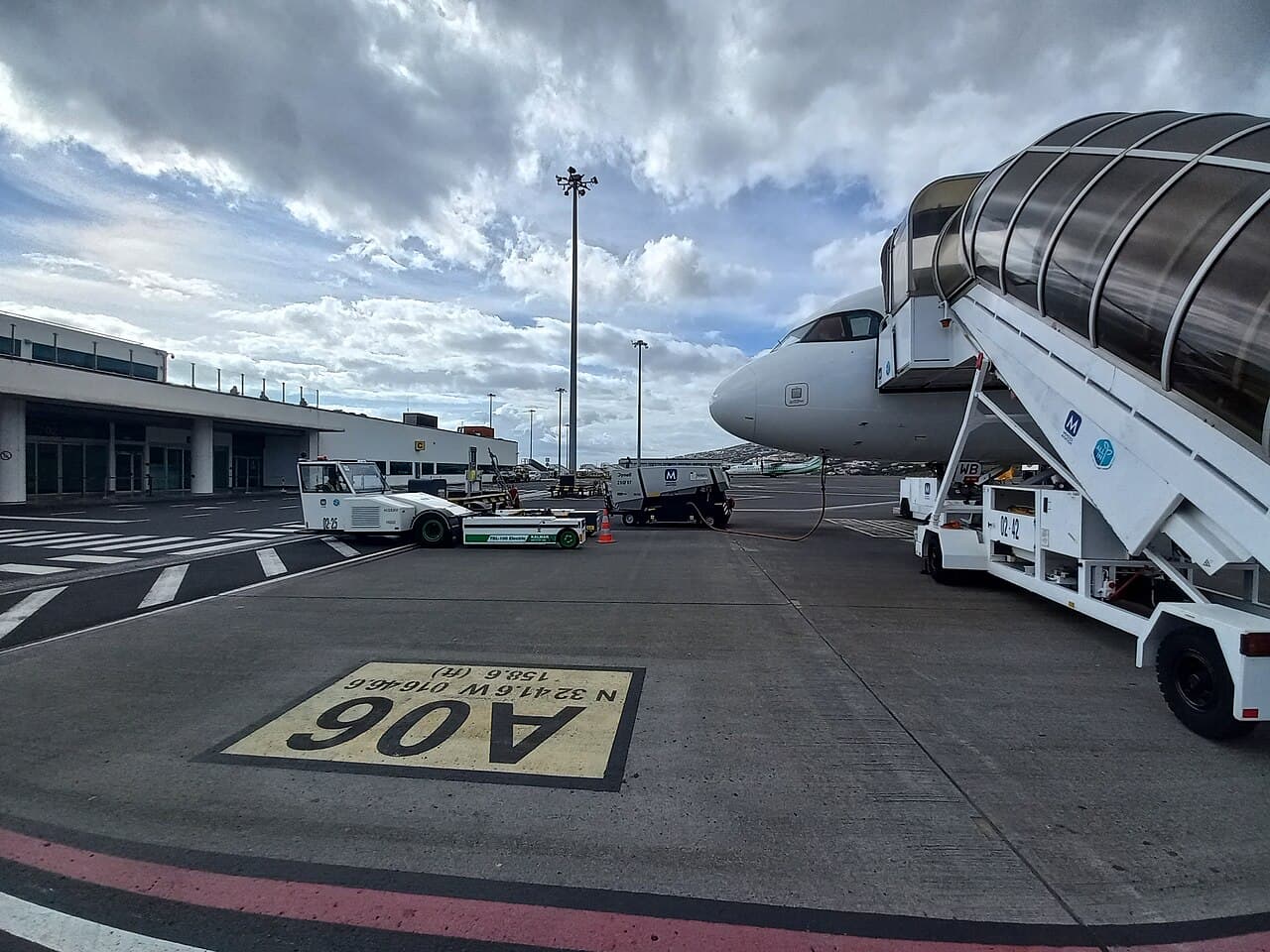
Image: Asurnipal · CC BY-SA 4.0 · via Wikimedia Commons
Schiphol Invests Record €801 Million as Quiet Aviation Gains Momentum in 2026
Amsterdam Airport Schiphol surged ahead in H1 2026 with its largest-ever half-year investment of €801 million, promoting quieter aircraft and expanding passenger and cargo services despite operational challenges.
The gist
Schiphol breaks its own investment record to enhance infrastructure and support quieter, larger aircraft amid rising cargo and sustained connectivity.
Continuing coverage
All Sustainability →Amsterdam Airport Schiphol recorded unprecedented investment levels in the first half of 2026, pouring €801 million into infrastructure enhancements—the highest six-month spending in its history. The Royal Schiphol Group, which encompasses Schiphol, Eindhoven, and Rotterdam The Hague Airports, managed 37.3 million passengers during this period, a slight increase over the previous year despite facing geopolitical tensions and unpredictable weather.
While Schiphol faced a mild decline in passenger numbers at its primary hub, the airport saw an increase in average passengers per flight. This shift toward larger aircraft reflects airline strategies to accommodate growth without increasing overall flight movements, aiding in sustainable capacity management.
Flight operations decreased by 3% compared with 2025, totaling 250,788 across the group, with Schiphol alone accounting for 223,597 movements. The airport faced operational strain from winter weather disturbances and external pressures stemming from conflicts in the Middle East and high fuel prices.
To mitigate connectivity risks, Schiphol implemented temporary reductions in airport charges targeting the preservation of international routes. This strategy cushioned traffic recovery starting in Q2 but resulted in a €37 million drop in revenues. Despite these pressures, Schiphol maintained direct connections to 301 destinations, including 122 intercontinental routes, underscoring its strategic role in global air travel.
The airport welcomed new carriers such as FlyOne Armenia, LATAM Airlines Brasil, and Vietnam Airlines, adding fresh destinations spanning Armenia, Montenegro, and Vietnam. Cargo handling also saw healthy growth, with volumes rising 10% to 0.8 million tonnes, highlighting the strength of Schiphol’s freight operations.
Key infrastructure projects have been accelerated under the €10 billion 2025–2035 investment framework. H1 2026 investments enabled essential maintenance, completion of the A Pier, augmentation of electrical capacity to support electrification, and a major €317 million facility relocation agreement with KLM. These improvements aim to enhance safety, passenger comfort, and operational efficiency.
Preparations for Lelystad Airport’s planned commercial opening in November 2027 advanced, with €35–40 million allocated to development work. Operational improvements included adopting a new security model with fewer service providers and changes in baggage and aircraft handling to improve service quality and working conditions for employees.
Financially, Royal Schiphol Group’s underlying net profit stood steady at €215 million, close to 2025’s €214 million, alongside revenue growth of 5.6% to €1,333 million. However, the substantial capital outlays led to a negative cash flow of €464 million post-investments. To fund these initiatives, the airport issued €500 million in bonds, reinforcing its capital base.
A significant achievement is the marked progress in noise reduction, with 38% of aircraft at Schiphol falling into the two quietest noise categories in early 2026, up from 29% in the previous year. The airport’s tiered landing fees incentivize quieter aircraft and restrict noisier nighttime flights. Independent measurements recorded a 2-decibel average noise decrease since 2018, aided by introduction of quieter models like the Airbus A320neo family and Boeing 787 Dreamliner that emit 3–5 decibels less noise on departure compared to older aircraft.
Frequently asked questions
- What was the scale of Schiphol's investment in the first half of 2026?
- Schiphol invested €801 million in the first half of 2026, marking their highest half-year spending ever as part of a €10 billion plan for 2025–2035.
- How has Schiphol's flight and passenger traffic changed recently?
- Passenger numbers slightly increased by 0.3% to 37.3 million across the group despite a small dip at Schiphol, with total flight movements declining 3% to 250,788, reflecting use of larger aircraft.
- What progress has Schiphol made regarding noise levels at the airport?
- In 2026’s first half, 38% of aircraft at Schiphol fell into the two quietest noise categories, up from 29% in 2025, aided by airport fees rewarding quieter planes; noise levels dropped by about 2 decibels since 2018.
Read more
All Aviation Safety →
Thun Field Runway Shutdown Forces Flight Schools and Tenants to Shift Operations
Facing a critical four-month shutdown starting July 27, tenants and flight schools at Pierce County Airport-Thun Field (KPLU) in South Hill, Washington, are rushing to relocate as the facility begins a $7.18 million federally funded project to replace its aging runway. "[Runway 17-35] is reaching the end of its lifespan and needs to be reconstructed to remain operational," said Trent Smith, airport manager with the Pierce County Planning and Public Works Department. "This project safeguards a critical county asset. By securing a new 20-to-30-year runway lifespan, this investment eliminates costly emergency repairs and preserves runway access for airport businesses, tenants, pilots, and emergency services." The closure was not a surprise to anyone at the airport, but that doesn't mean the impact won't be felt. For months businesses, tenants, and pilots have been wondering where they will go and what they will do during the temporary closure. Part of the challenge was that Pierce County, the airport sponsor, had discussed the project for several years. It would surface, then be put on the back burner when more pressing matters came up. Airport tenants began to doubt the project would happen in their lifetime. READ MORE: Airport Spotlight: Homeowners Reclaiming Crest Airpark READ MORE: When the Airport Is the Destination As part of the long-term planning the county discussed the need to replace the 3,651-foot-by-60-foot runway. The county told airport users that the runway's length will remain the same, but it will be widened to 75 feet, and the airport hangar's electrical infrastructure will be rehabilitated. Additionally, the field drainage will be improved, new PAPI (precision approach path indicator) lighting will be installed, two taxiway connectors will be realigned and repaved, and the windsock, segmented circle, and wind tee will be relocated. The trees and brush that obstruct pilot sightlines and block the Automated Weather Observing System (AWOS) will also be removed. The construction is being funded by a $7.18 million FAA Airport Improvement Program (AIP) grant. On-site work will kick off with hangar electrical rehabilitation beginning July 24. With fixed-wing operations suspended, flight schools and tenants at Washington's Pierce County Airport-Thun Field (above) are navigating a total facility shutdown. [Credit: Meg Godlewski] During the months of planning the county heard a great deal of concern about the impact a total runway shutdown would have on airport tenants, businesses, and flight schools. Some of them offered the following suggestions to mitigate the impact: • Perform the work in the winter when there is less flyable weather. However, that idea was shot down immediately as it was noted that weather delays would stretch out the project and increase the cost. • Perform the work in phases that would allow part of the runway to remain open or at night so that it could be open during the day. This also was rejected. "While we explored alternatives to minimize disruptions, a phased approach or night work is not feasible for this project," Smith said in a statement to FLYING . "Due to the runway's specific length requirements and strict budget constraints, the reconstruction must be completed in a single, non-phased timeline during daylight hours." • A proposal to use the taxiway on the west side of the runway as a temporary one was nixed as too risky because it is in close proximity to the hangars. The county website notes that "monthly fees for hangars and tie-downs remain in effect as these cover the exclusive use of the storage space, which remains accessible. Tenants are encouraged to review their individual lease for any exceptions." Hangar tenants, some paying $373 per month for one with electricity, were told they would need to continue to make the payments while the runway is closed or risk losing their space. They were also advised to expect an increase in hangar rent in 2027. In airport advisory meetings a few business owners who depend on fly-in traffic asked if they would still have to pay rent during the closure. When the answer was yes, it sent a murmur of displeasure through the audience. "While the runway will be closed to fixed-wing operations during construction, the airport grounds, hangars, and facilities will remain accessible, allowing businesses to continue operating," Smith said. "Lease agreements remain in effect, and Pierce County does not anticipate offering rent reductions or adjustments during this period." Spencer Aircraft, one of the larger businesses at the airport with a pilot supply store, maintenance, and avionics department, has spent several months adjusting logistics to prepare for the shutdown. "Avionics is working out of Auburn [Municipal Airport/S50], and Spencer Aircraft will still be working from our location," said Duane Wetherbee, vice president of Spencer Aircraft. "We will also have a few planes working in our hangar that are staying on the field." Some tenants who requested anonymity stated the extended closure would kill their businesses, some of which have not completely recovered from the COVID-19 pandemic that choked supply chains and made it difficult to get parts for aircraft repair. Field maintenance providers have been looking for temporary locations from which to operate. Flight Schools KPLU is one of the busiest training airports in the Seattle area, with no fewer than three robust flight schools—Safety in Motion (the sister company to Spencer Aircraft), Spanaflight, the oldest flight school in Pierce County, and Clover Park Technical College. As of Friday morning, all three were preparing to temporarily relocate to Olympia Regional Airport (KOLM), 27 nm to the southwest. The airport is a towered Class D facility with a VOR on the field. Spanaflight and Safety in Motion have operated satellite schools out of KOLM for several years. During the work Spanaflight will also operate a temporary facility out of Auburn Municipal, a non-towered airport some 14 nm to the north of KPLU. Clover Park Technical College (CPTC), which has its aviation campus on KPLU’s southeast corner, is also temporarily moving to KOLM. CPTC has been at KPLU since 2000 when a purpose-built facility known as the South Hill campus was constructed to house the flight training and aviation maintenance programs. The main campus for the school is in Lakewood, Washington. CPTC traces its roots back to 1942 when it was established to train people to support the war effort. Claire Korschinowski, CPTC dean of instruction, aviation and advanced manufacturing, said the relocation of the flight program to KOLM is temporary. "Training will be done in our fleet with our employees," Korschinowski said. "We are working under a Part 141 certificate, and the FAA gave us a letter of understanding to allow us to operate in the temporary location. The FAA recognizes this is a set of circumstances that we cannot control, and we want to remain providing service to the community." The CPTC program has 47 students enrolled at this time. Usually there are as many as 60, but some students chose not to return for summer quarter because of the impending closure. Many of them are using their Veterans Administration benefits to pay for training. Korschinowski said it has been careful about keeping the students, as well as VA administrators, informed. "The students will still do their ground school on the CPTC South Hill campus," said Korschinowski, adding that A&P and avionics technician courses will not be interrupted by the closure. She said the school has spent years preparing for this. "This is our busiest flying time of year," she said. "We have been doing lots of strategic planning just waiting for this to happen. A few years ago we heard it was going to happen, and then it didn't, and then it did, and we hired extra staff to keep up with the demand for training and we kept the students in
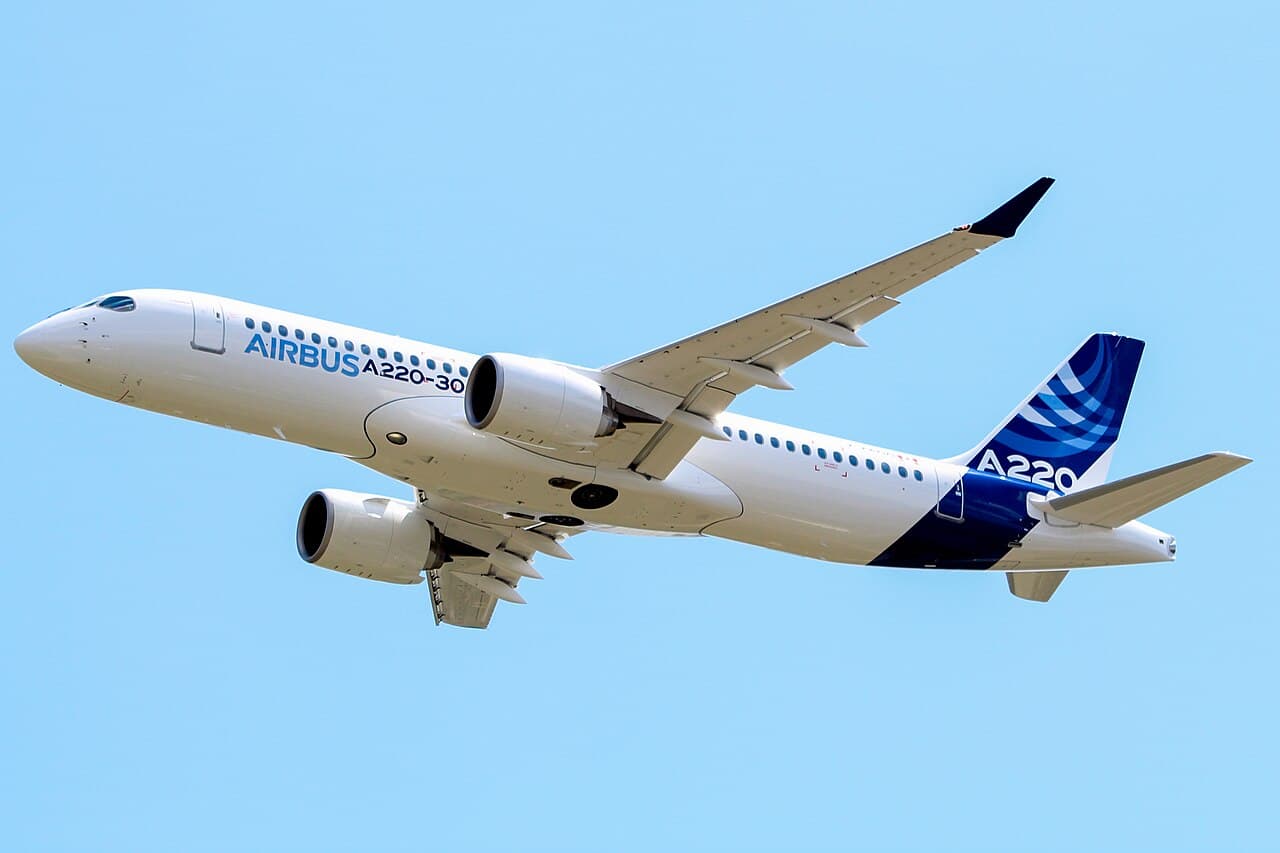
ITA Airways pioneers virtual-reality and robotic arm training for A220 and A321neo doors
Italian carrier to avoid need for full-size mock-ups by using device to simulate A220 and A321neo exits. Italian carrier ITA Airways is to use virtual-reality training for cabin crew door procedures, with the aid of a programmable robotic arm. The carrier says it will be the first airline in Europe to adopt the system for Airbus A220 as well as A321neo exit training, replacing the traditional full-size doors normally required. Its robotic arm is designed to reproduce the weight, pressure and movement associated with the opening and closing of the doors. This physical action is combined with virtual-reality headsets to simulate the 3D environment – including the cabin, the exits and the door controls, as well as sounds. ITA says it could extend the capability to other aircraft types in its fleet "Mixed reality allows us to overcome the limitations of traditional training and create highly realistic, adaptable, and safe training experiences," says chief operations officer Marzio Caneva. He adds that the carrier is "rethinking" the development of "critical skills" with the technology. The arm can expand the range of training scenarios without modifying physical equipment, and replicate malfunctions and complex events, all while reducing the space needed. Danish-based specialist AirVR has developed the system. It says the equipment is customised to airlines' individual procedures, and creating a "digital twin" of the galley or overwing exit area, with door operation based on hand-tracking technology.
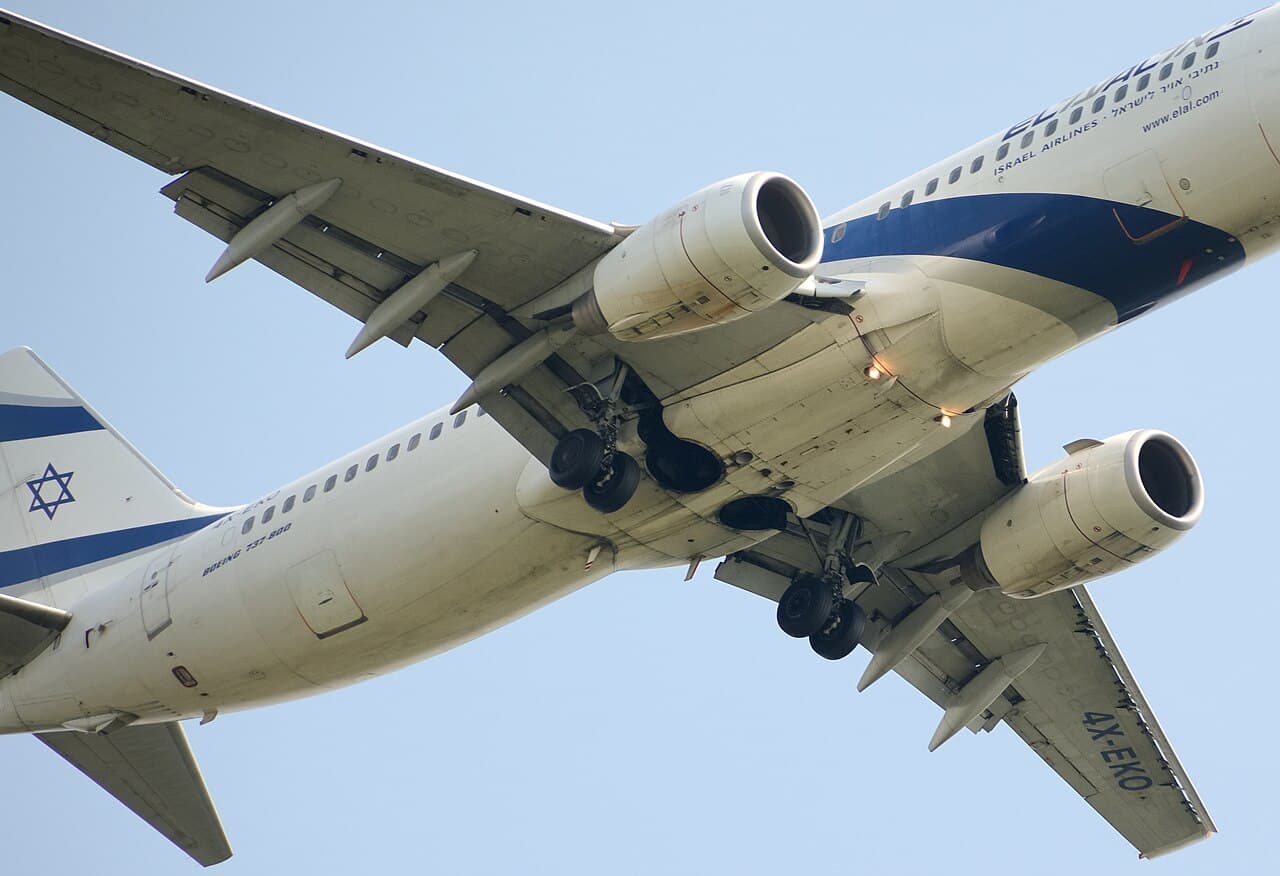
Defunct Cameroon Airlines Sues Boeing for $179M Over 1995 737-200 Crash
Boeing is suing to block a defunct airline's $179 million claim over a 1995 Cameroon Airlines 737 crash. The accident report blamed engine failure and pilot handling, while Boeing says the airline's purchase contract waived these claims decades ago.
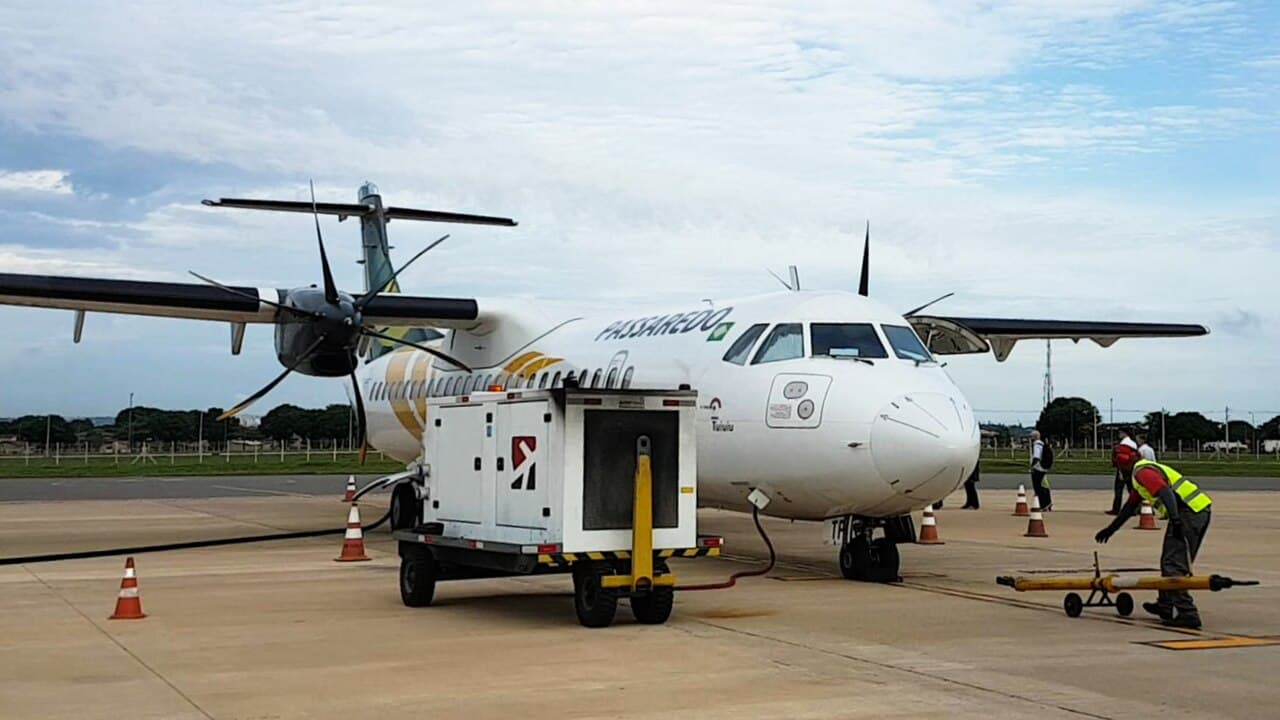
Final Investigation Reveals Multiple Failures in Voepass Flight 2283 Crash
The final report on the tragic Voepass Flight 2283 accident was released on July 23, 2026. Brazil’s CENIPA (Center for Investigation and Prevention of Aeronautical Accidents) spent nearly two years examining the crash that killed all 62 people on board. ezstandalone.cmd.push(function () { ezstandalone.showAds(119); }); The document reveals a chain of failures involving severe icing, crew actions, company practices, and regulatory gaps. What Happened in the Voepass Accident On August 9, 2024, an ATR 72-500 turboprop departed from Cascavel, Paraná, heading to São Paulo’s Guarulhos Airport. The aircraft encountered severe icing conditions during cruise. ezstandalone.cmd.push(function () { ezstandalone.showAds(127); }); Ice buildup degraded its performance, causing a stall and an unrecoverable flat spin. The plane crashed in a residential area of Vinhedo, São Paulo. Sadly, none of the 58 passengers and four crew members survived. CENIPA’s 266-page report identifies 19 contributing factors. It does not blame one single cause. Instead, it shows how multiple issues combined to create the disaster. ezstandalone.cmd.push(function () { ezstandalone.showAds(128); }); Initial Accident Report Severe Icing and Aircraft Problems The report confirms the plane flew through conditions highly favourable to heavy ice formation. The airframe de-icing system was already known to have issues. Investigators found the aircraft should not have been dispatched for this flight. It operated with about 10 inoperative items, including a faulty windshield wiper—a “No-Go” item given the weather forecast. ezstandalone.cmd.push(function () { ezstandalone.showAds(129); }); Previous flights showed recurring de-icing problems. However, crews often failed to log these faults properly. This practice hid the chronic nature of the defects and delayed proper repairs. Crew Actions and Human Factors Cockpit voice recordings revealed that pilots discussed personal topics during critical phases. This distraction contributed to “inattentional blindness.” The crew received multiple alerts: ice detection warnings, “Cruise Speed Low” (sounded about eight times), and “Degraded Performance.” They recognized ice accumulation but did not exit the area promptly or follow manufacturer procedures for minimum safe speeds. When the stall occurred, incorrect control inputs worsened the situation. The report notes the de-icing system was cycled on and off during the flight. ezstandalone.cmd.push(function () { ezstandalone.showAds(130); }); Details of Preliminary Report Company Culture and Maintenance Issues A major finding points to Voepass’s organizational culture. The airline tolerated a “normalization of deviations.” Mechanics and pilots frequently avoided recording problems to keep aircraft flying and meet schedules. Analysis of over 1,200 previous flights confirmed this pattern across multiple crews. Pressure to maintain operations, staff shortages, and fatigue contributed to poor maintenance discipline. Planes were sometimes released in degraded condition. ezstandalone.cmd.push(function () { ezstandalone.showAds(131); }); Regulatory Oversight Shortcomings The report also criticizes Brazil’s civil aviation authority, ANAC. Auditors had identified maintenance and safety issues at Voepass between 2022 and 2024. While some sanctions were applied, these actions proved insufficient to eliminate the risks. Aftermath and Recommendations Following the accident, authorities suspended Voepass operations and later revoked its air operator certificate. CENIPA issued safety recommendations to the airline, ANAC, aircraft manufacturer ATR, and European regulators. These aim to improve de-icing procedures, maintenance logging, crew training, and oversight. The investigation remains technical and preventive. Separate criminal inquiries continue. ezstandalone.cmd.push(function () { ezstandalone.showAds(132); }); VOEPASS Linhas Aéreas, CC BY-SA 4.0 via Wikimedia Commons Lessons for Aviation Safety The Voepass accident final report serves as a stark reminder that disasters often result from many small failures aligning. It highlights the importance of strong safety cultures, proper maintenance reporting, and effective regulatory action. Aviation authorities worldwide can use these findings to strengthen procedures and prevent similar tragedies. Families of the victims and the industry now hope the recommendations lead to real change. Safety must always come before schedules and profits. ezstandalone.cmd.push(function () { ezstandalone.showAds(133); });
The Daily Touch & Go
The day's best aviation news in your inbox. Free, no spam.