

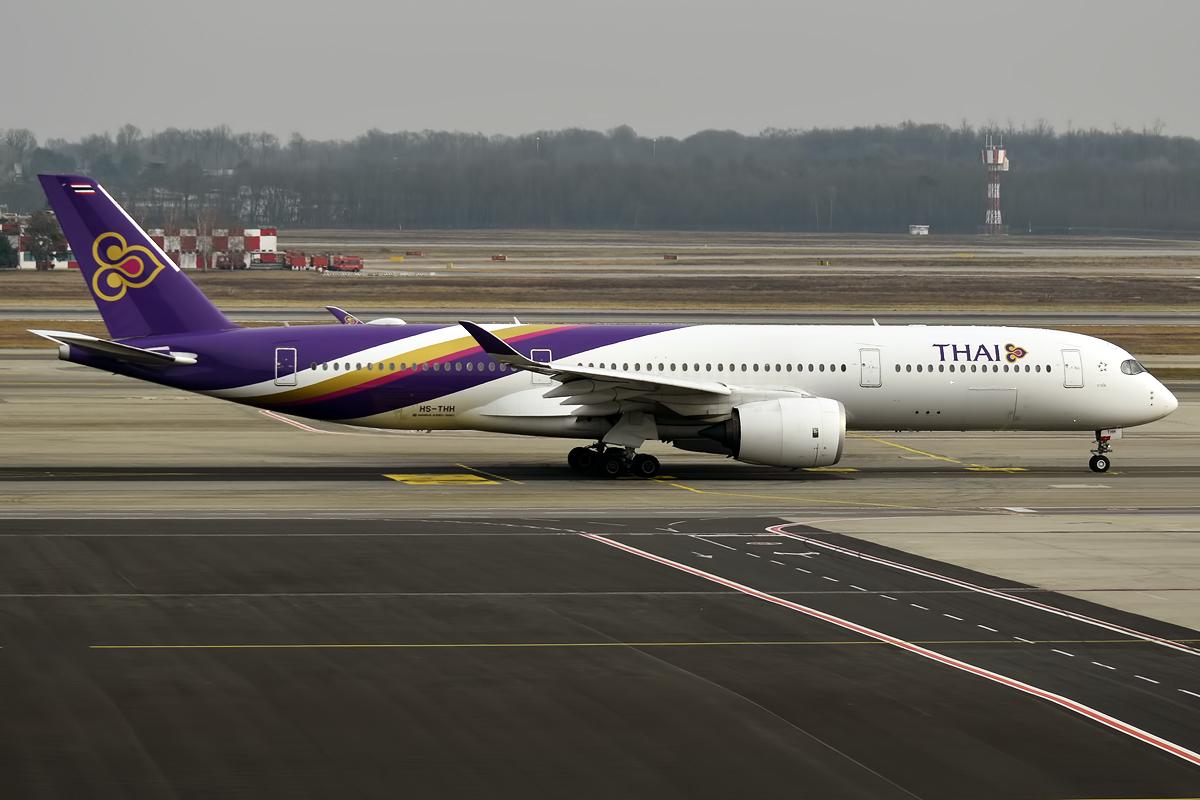
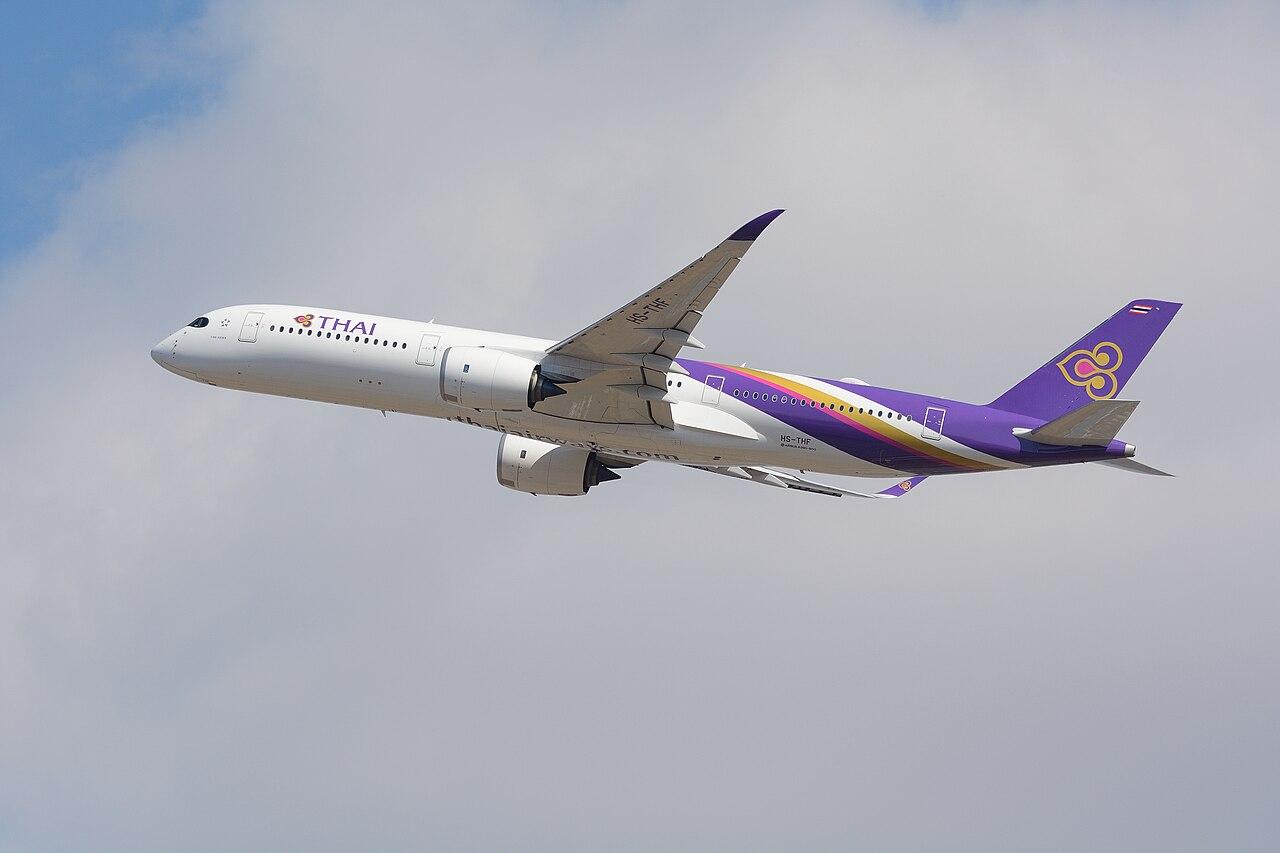
Image: Anna Zvereva from Tallinn, Estonia · CC BY-SA 2.0 · via Wikimedia Commons
Thai Airways Slides to Third-Quarter Net Loss as Fuel Bill Jumps 57% and Bangkok Floods Disrupt Flying
Thai Airways International lost Bt432 million in the July-September quarter, reversing a Bt4.4 billion profit a year earlier, as fuel costs surged and September flooding in Bangkok grounded and delayed flights.
The gist
Thai Airways posted a Bt432 million Q3 net loss as fuel-related costs rose 57% and Bangkok floods disrupted operations, despite 12.9% revenue growth.
Continuing coverage
All Airbus A350 →- Malaysia Aviation Group Nears Order for Up to 20 Boeing 787s to Replace A350 Fleet
- Emirates Puts Airbus A350 on Nairobi-Dubai Route as Fuel Costs Squeeze Airlines
- Delta Pulls the Boeing 767 From 12 Routes in 2026 as A330s, A350s and Narrowbodies Take Over
- Why Ultra-Long-Haul A350 Pilots Must Get Two Hours of Rest in the Back Half of the Flight
- Why Emirates Bet Its Future on the Boeing 777-9 Instead of More Airbus A350s
Thai Airways International fell into the red in its third quarter, posting a net loss of Bt432 million ($12.7 million) for the three months ending 30 September. A year earlier, the Bangkok-based carrier booked a net profit of Bt4.4 billion for the same period. The airline pinned the reversal on two forces: a steep rise in jet fuel costs and severe flooding that struck parts of Bangkok in September. Revenue still climbed during the quarter, but expenses rose far faster. The result left the Star Alliance member with a loss in a period that had produced a healthy profit twelve months before.
The cost side of the ledger drove the swing. Thai Airways said total operating costs rose 29% year on year. Fuel-related expenses led that increase, jumping 57% compared with the third quarter of the previous year. Revenue, by contrast, grew 12.9% to Bt50.1 billion. With costs rising more than twice as fast as income, the gain at the top line was not enough to keep the carrier profitable.
The airline tied the fuel spike to events outside Thailand. In its results statement, Thai Airways said the aviation industry in 2026 remains under pressure from high jet fuel prices after unrest in the Middle East intensified again during the third quarter. Fuel is one of the largest line items for any long-haul network carrier. A 57% rise in that category in a single quarter accounts for much of the 29% increase in total operating expenses the airline reported.
Passenger volumes offered little cushion. Thai Airways carried 3.97 million passengers in the quarter, an increase of about 2% on the prior year. Traffic, measured in revenue passenger kilometres, rose just 0.6%, while capacity grew 0.9%. With traffic growing more slowly than capacity, the airline added seats faster than it filled them. Most of the 12.9% revenue gain therefore came from factors other than carrying many more people.
The September floods compounded the fuel problem. Heavy flooding hit parts of Bangkok, the carrier's home base, during the month and triggered what the airline described as an unprecedented operational meltdown. Several flights were cancelled or delayed as the disruption spread through its schedule. Thai Airways cited the flooding alongside fuel costs as a direct cause of the quarterly loss. Because the airline runs a hub network out of Bangkok, disruption at home can ripple across both its regional and long-haul flying.
Despite the loss, the airline said it sees favourable demand from Europe and mainland China and plans to ramp up operations into the new year. In Europe, Thai Airways is adding frequencies to Paris, Munich and Zurich. Across Asia, it is increasing capacity to Manila, Kuala Lumpur, Hanoi and Nagoya. The additions span both its long-haul European routes and its shorter regional services. The carrier did not give specific frequency counts or start dates for the increases.
Thai Airways also outlined early plans for a cabin retrofit that it says will establish a consistent standard across its fleet. The new business-class seat will offer direct aisle access in a 1-2-1 layout, with privacy doors on each suite. A front row will provide extra space and larger screens. The airline released no further product details, including any changes to economy or premium economy cabins. Its first Boeing 777-300ER is scheduled to enter the shop for retrofit work in mid-2027, with the Airbus A350-900 fleet following in 2028.
Originally reported by FlightGlobal
Read more
All Airlines →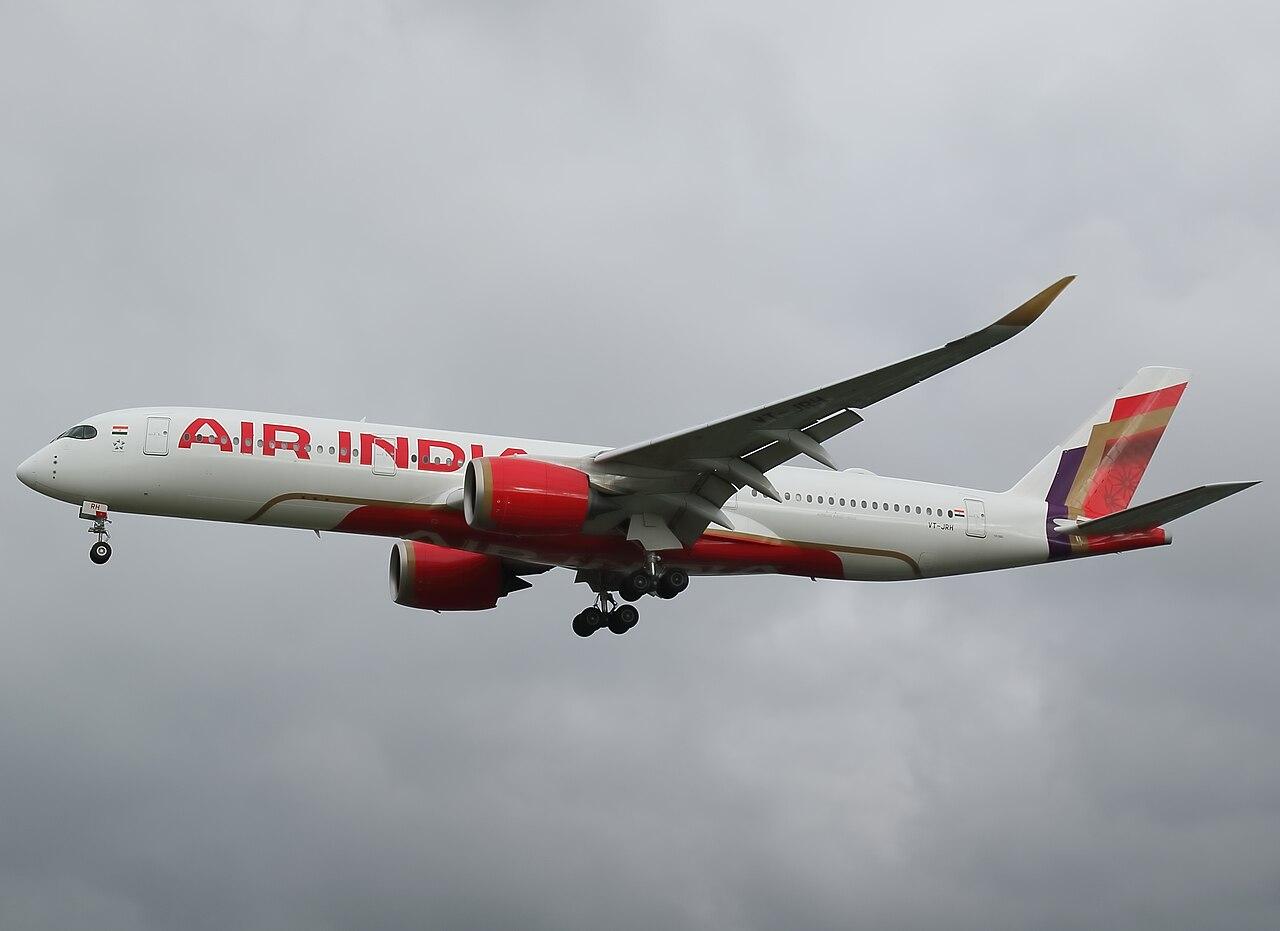
Air India Drops Rome Fuel Stops and Restores Non-Stop Delhi and Mumbai Flights to New York and Newark
With airspace restrictions easing, Air India is again flying all four of its India to New York-area routes without technical stops, cutting journeys from about 22 hours to roughly 17.
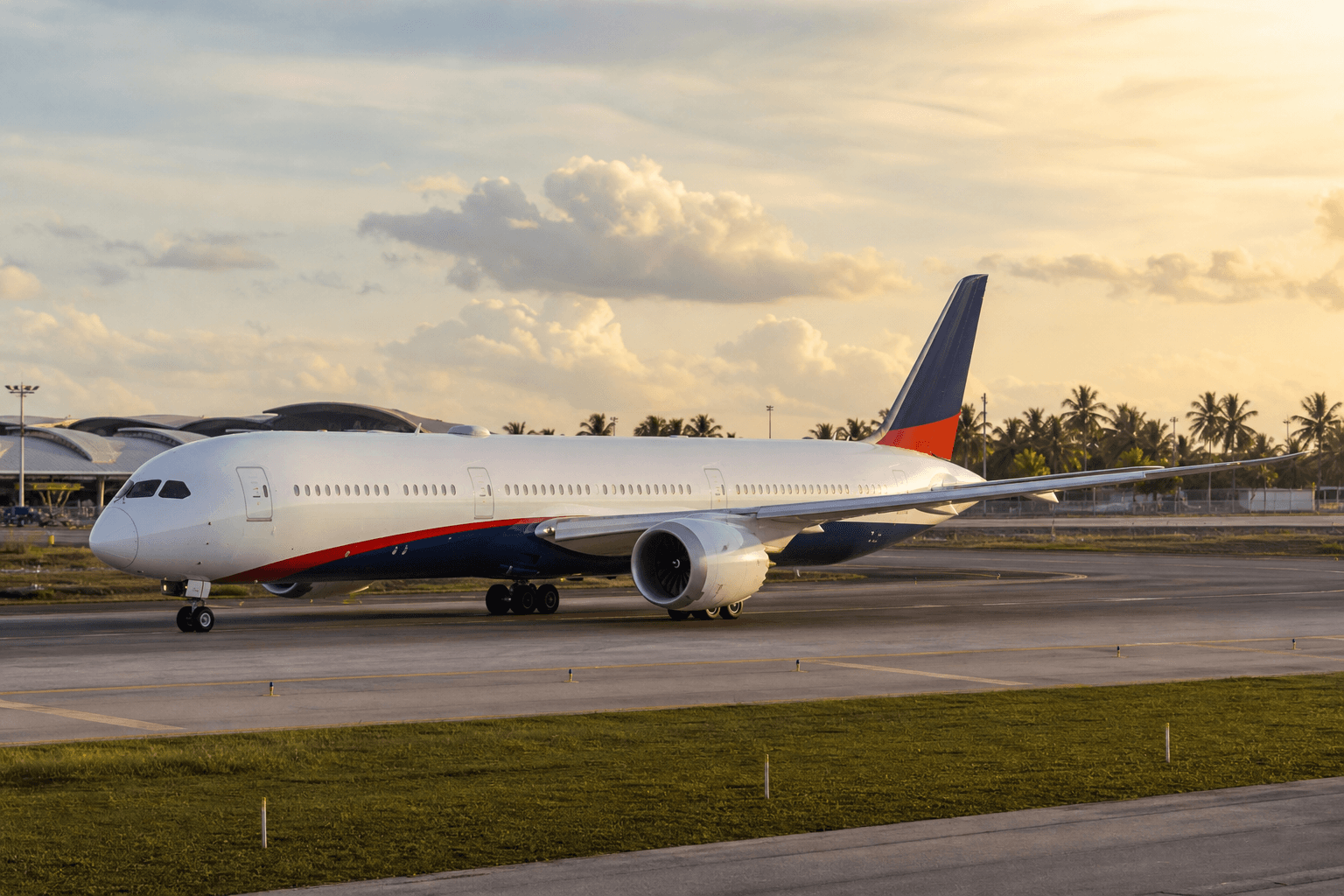
Malaysia Aviation Group Nears Order for Up to 20 Boeing 787s to Replace A350 Fleet
Malaysia Airlines' parent is said to favor the Dreamliner over the A350 because Boeing can deliver by 2030, ahead of a fleet renewal deadline of 2032.
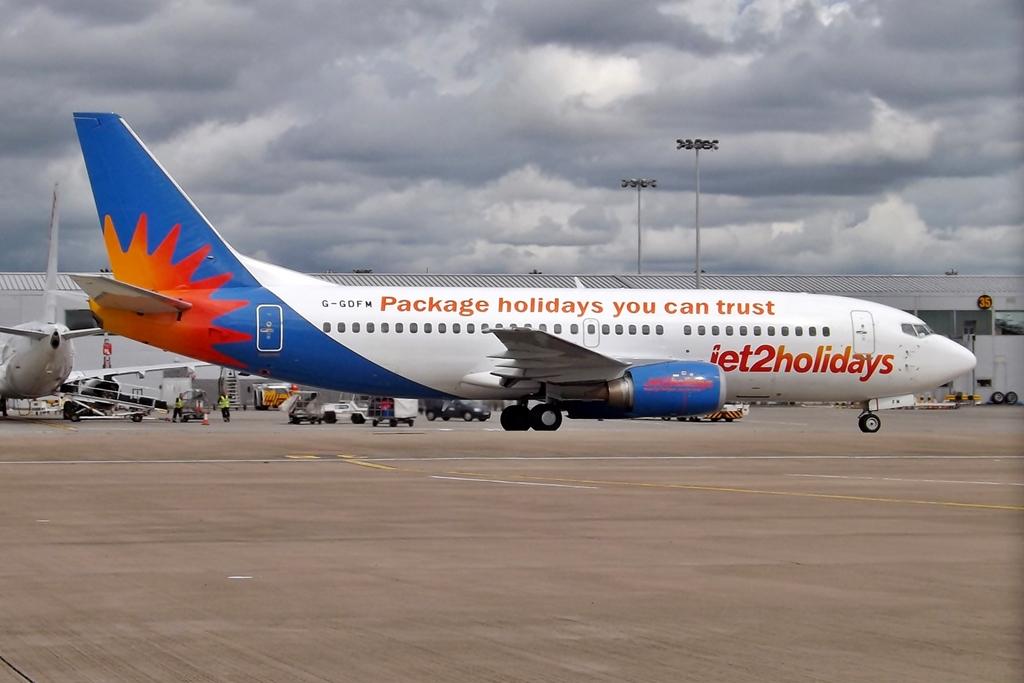
Jet2 First-Half Profit Falls 18% as Carrier Cuts Fares to Fill Seats and Trims Winter Capacity
The UK leisure airline carried a record number of passengers but saw operating profit drop to £588 million, and it will retire its last Boeing 737-300s at the end of next summer.
Thai Airways A350 Diverts to Delhi with Technical Fault, Munich Passengers Wait Two Days for Bangkok
Flight TG925 from Munich to Bangkok made an unscheduled landing in New Delhi, and Thai Airways later sent a dedicated flight to carry the stranded passengers home.
The Daily Touch & Go
The day's best aviation news in your inbox. Free, no spam.