

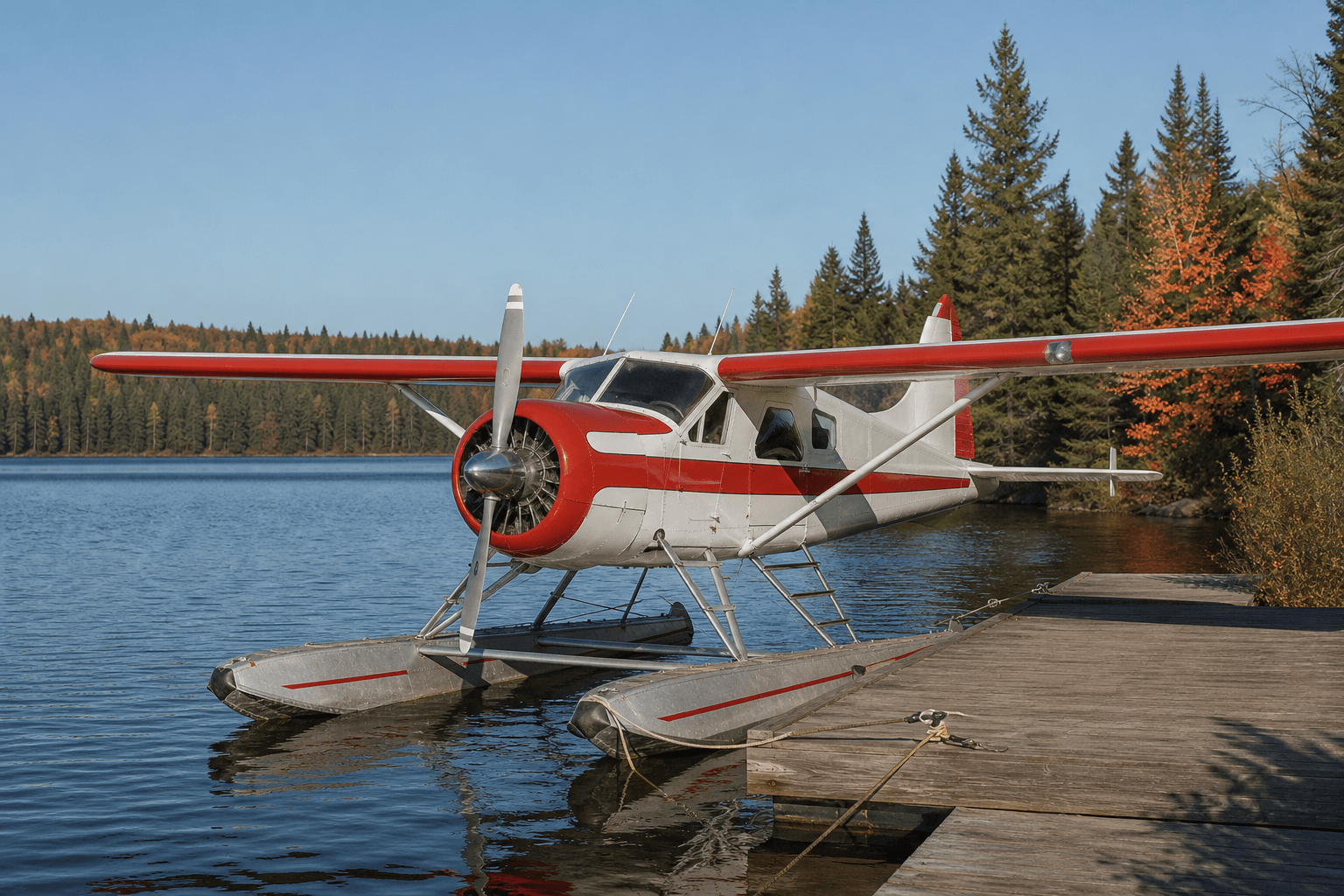
AI-generated illustration
TSB Links Fatal Manitoba Beaver Crash to Aft Centre of Gravity and Cabin Fuel Cans
Canada's Transportation Safety Board says a rearward centre of gravity and two jerrycans carried in the cabin shaped the outcome of a September 2025 float plane crash that killed four people.
The gist
A TSB report says an aft centre of gravity and jerrycans in the cabin played a role in a 2025 Manitoba Beaver crash that killed four.
The Transportation Safety Board of Canada has released its report on the Sept. 13, 2025, crash of a de Havilland Canada Beaver float plane in northern Manitoba that killed four people. Investigators pointed to two factors: the aircraft's centre of gravity may have sat further aft than allowed, and fuel was being carried inside the cabin. The 20-year-old pilot survived the accident. The Beaver went down into forest and caught fire after impact.
The flight was a hunting trip for passengers from St. Theresa Point First Nation, and according to the board, it nearly did not take place. The pilot made two separate takeoff attempts that day. Each time, a passenger who was anxious about flying told the pilot to return to the dock. After the second attempt, the trip was called off for the day.
Hours later, the passengers called back and said they wanted to try again, the report says. The flight that followed was the one that ended in the crash. Investigators found the skies were clear and the weather was fine at the time. They also found no sign that the pilot was fatigued or dealing with any medical issue.
With weather and pilot condition ruled out as factors, the board turned to how the aircraft was loaded. The report says the Beaver's centre of gravity may have been further back than it was supposed to be. A rearward centre of gravity can make an aircraft more sensitive in pitch and reduce its natural tendency to recover from a disturbance. The board said the loading condition could have made the plane more sensitive to fly. It also said the aircraft would have been much harder to recover from a stall.
The second issue concerned fuel. Two jerrycans were carried in the cabin of the aircraft during the flight. The report notes that hauling fuel this way was not against the rules. However, investigators said the cans could have greatly increased the size and intensity of the fire that broke out after the plane hit the ground.
The Beaver is a single-engine bush plane built by de Havilland Canada and remains widely used on floats to reach remote lakes and communities across northern Canada, including for hunting and fishing trips. The TSB investigates transportation accidents to identify safety issues and does not assign blame or civil liability. Its findings in this case focus on weight distribution in the cabin and the practice of carrying fuel containers alongside passengers. The board published the report on Nov. 19, 2026, just over 14 months after the crash.
Originally reported by Yahoo News Canada
Read more
All Aviation Safety →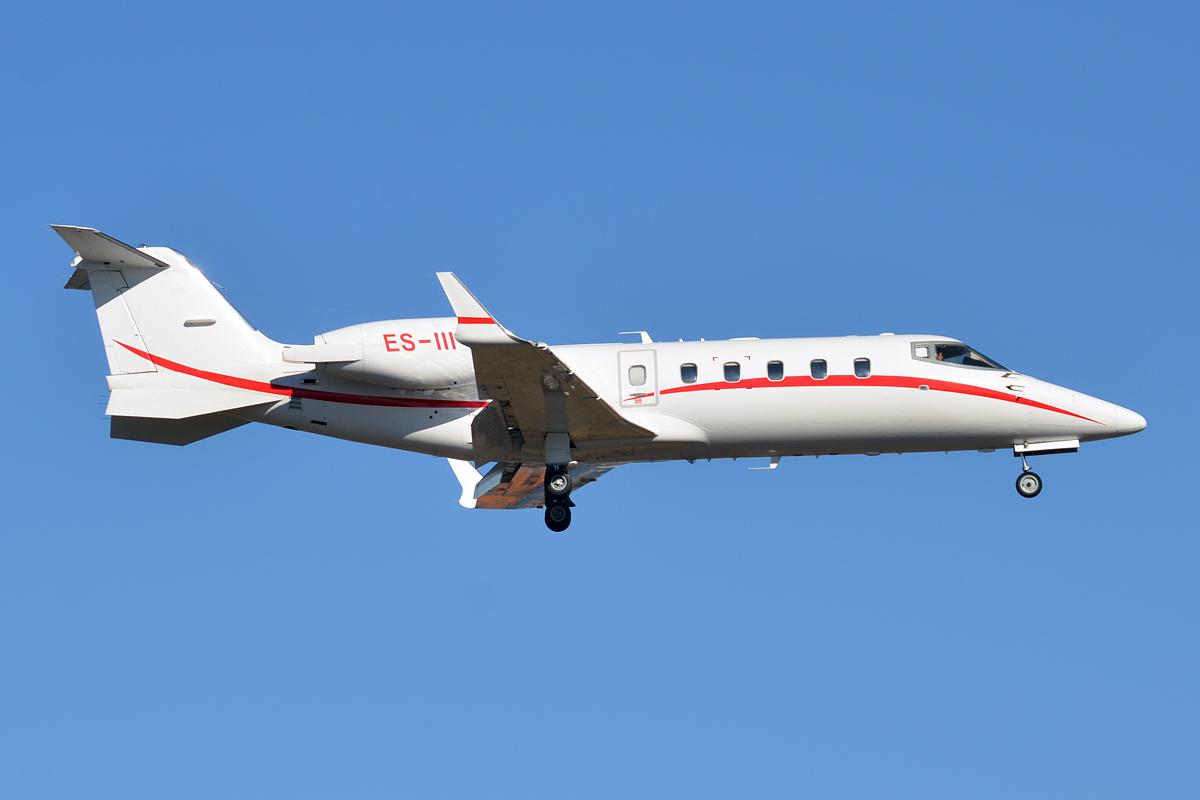
Nine Killed as Bahamas-Bound Learjet 60 Breaks Up Over Greenacres, Florida
An Austin tech founder, his wife and two young children were among nine people killed when a Learjet 60 came apart in flight after meeting icing and heavy turbulence, the NTSB said.
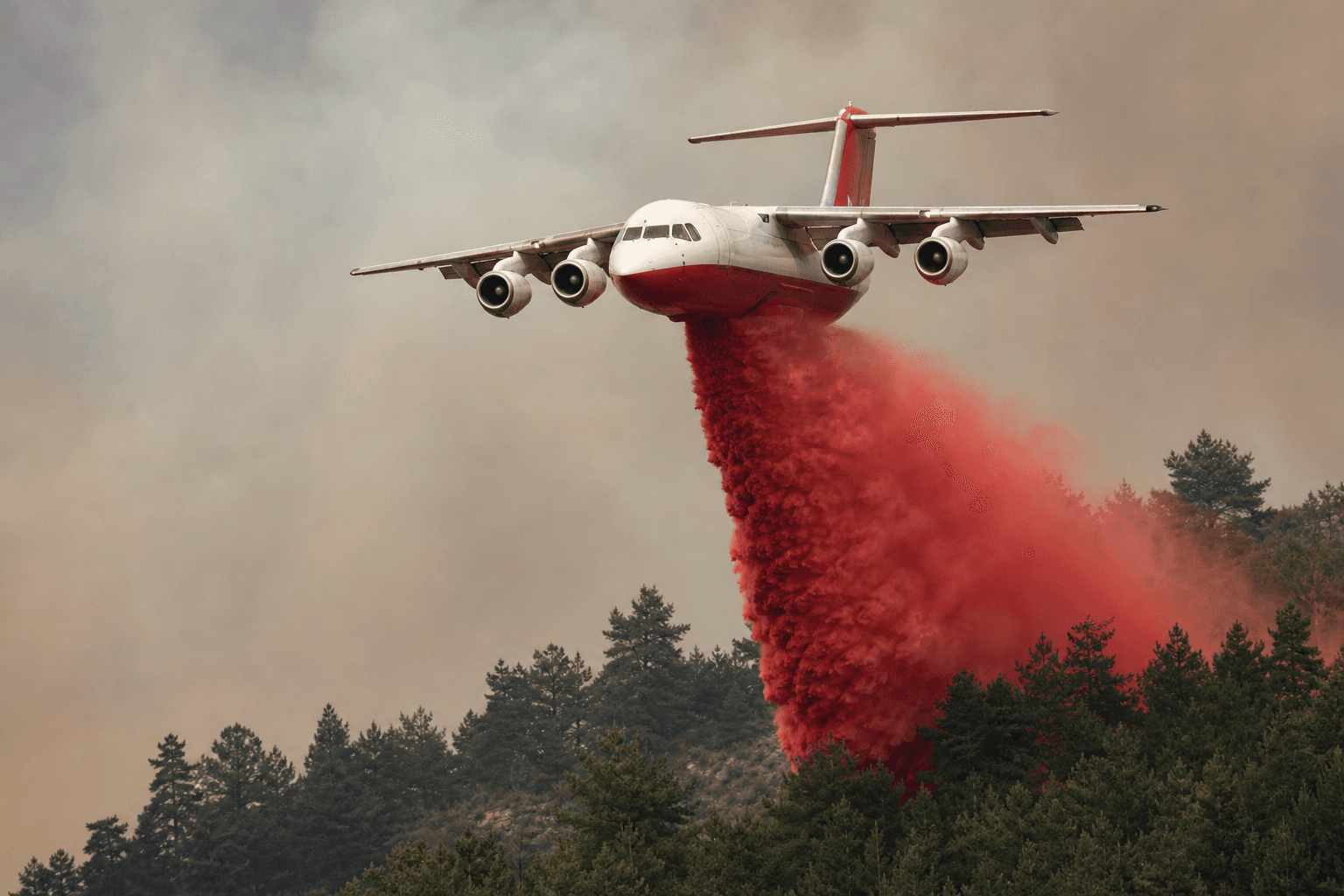
NTSB Finds Approved Fire Retardant Corroded Airtanker Wings, Cables and Engines in One Season
Investigators say the US Forest Service approved Fortress FR-200 without tests that reflected real aircraft construction or the effects of mixing it with other retardants.
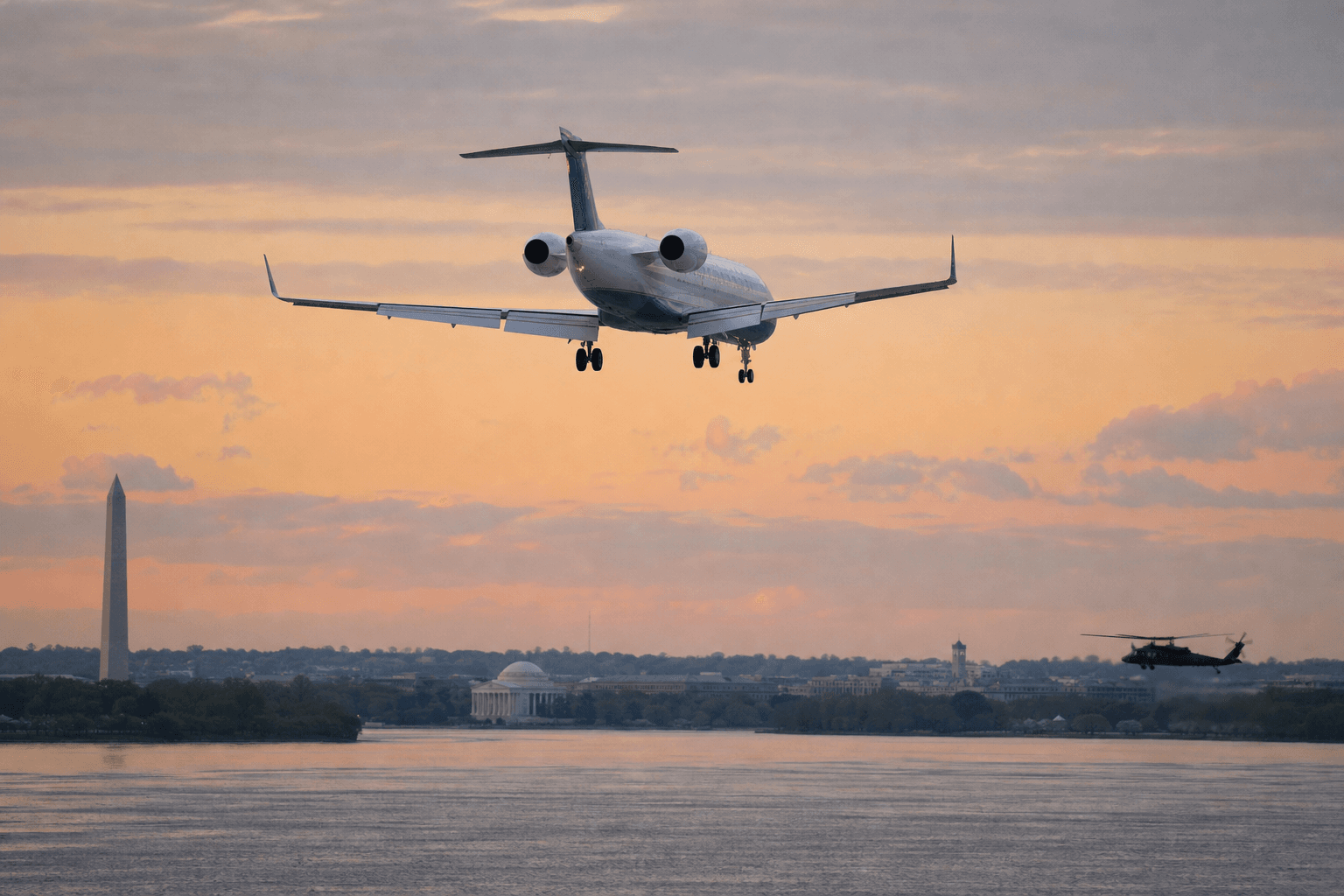
Safety Gaps Persist at Reagan National Nearly Two Years After Midair Collision, Academies Find
A congressionally requested National Academies report says the FAA and Army still fall short on spotting and managing collision risk at KDCA and urges a safety review before any more flights are added.
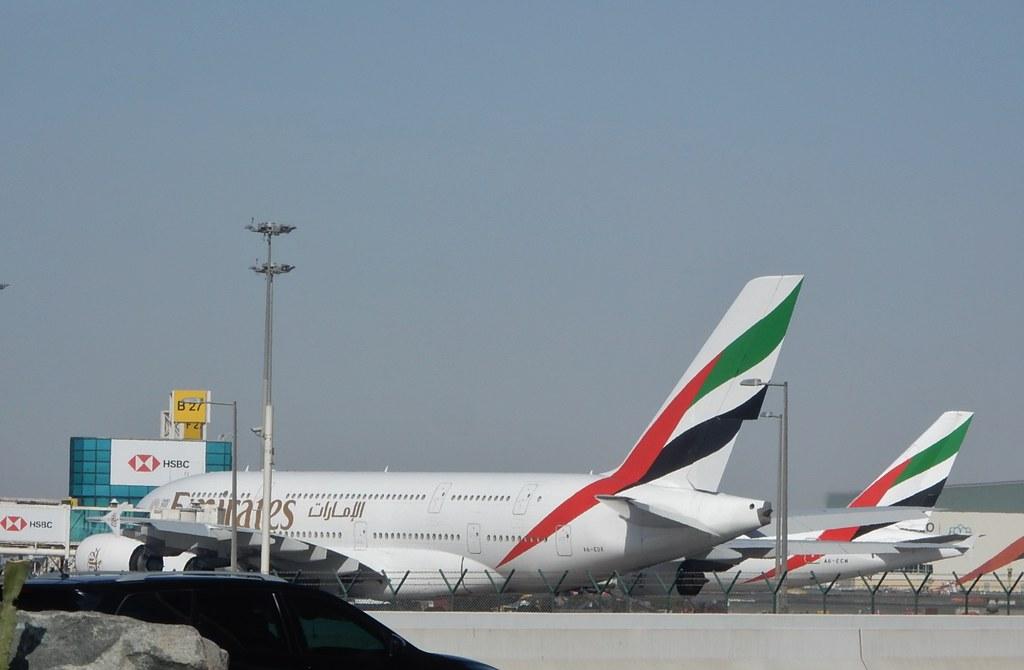
UK Tells Travellers to Dubai and Gulf to Keep Departure Plans Under Review After Iranian Drone Strikes
The Foreign Office reissued its Middle East warning after Iranian drones targeted U.S. bases in Kuwait and Bahrain, telling Britons, including transit passengers at Dubai, to expect cancellations and airspace closures.
The Daily Touch & Go
The day's best aviation news in your inbox. Free, no spam.