

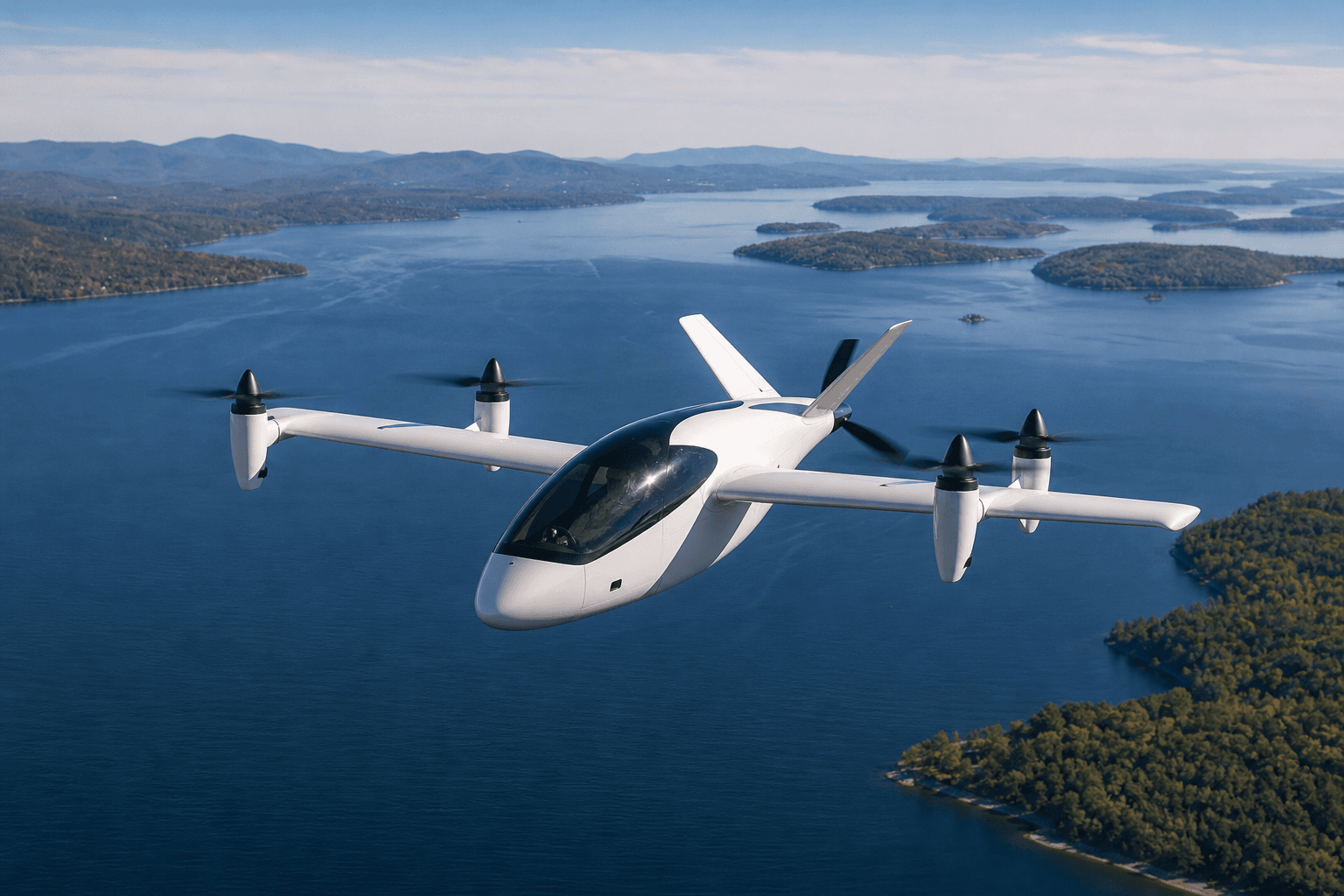
AI-generated illustration
FAA Lets BETA Fly Prospective Customers Aboard ALIA A250 eVTOL Ahead of Certification
A special airworthiness certificate for market survey operations allows BETA Technologies to carry potential operators on A250 demonstration flights, though commercial passenger service remains off limits.
The gist
BETA's ALIA A250 is the first eVTOL the FAA has cleared to carry prospective customers on demo flights before type certification.
Continuing coverage
All Faa →- Burbank Tower Goes ATC Zero Twice in One Evening, Leaving Airline Crews to Self-Announce on CTAF
- FAA Orders Checks on 300 Boeing 737NGs Over Thrust Split Monitor Spoiler Data Flaw
- Safety Gaps Persist at Reagan National Nearly Two Years After Midair Collision, Academies Find
- Paragon Flight Training Wins First FAA Authorization to Give Check Rides to Outside Students
- American Airlines 737 Carrying Senator Ashley Moody Shuts Down Engine, Diverts to Orlando
BETA Technologies can now put prospective customers in the cabin of its ALIA A250 electric vertical takeoff and landing aircraft, after the Federal Aviation Administration granted the type a special authorization for demonstration flights. The A250 is the first eVTOL to receive such clearance from the FAA ahead of type certification. The agency announced the approval on October 21.
The authorization is limited in scope. It lets BETA carry representatives of potential operators under specific operating conditions, but it is not a type certificate and does not permit the A250 to fly commercial passenger services. The FAA issued it as a special airworthiness certificate for market survey operations, a provision that allows manufacturers to show experimental aircraft to would-be buyers before certification, subject to restrictions.
BETA flew the first sortie under the new authority on October 20, one day before the FAA's announcement. The aircraft flew roughly 39 miles (63 km) from Plattsburgh, New York, to Burlington, Vermont, in about 20 minutes. The flight included a vertical takeoff, a transition to wingborne flight and a vertical landing.
The A250 does not use the tilting rotors or propellers found on many competing eVTOL designs. It pairs a fixed wing with four dedicated vertical-lift propulsion units and a separate rear-mounted propeller for thrust in forward flight. The lift propellers raise the aircraft off the ground without a runway, and as speed builds the wing takes over the lifting work. At that point the vertical-lift system can be disengaged until the aircraft comes in to land.
BETA lists a wingspan of 50 feet (15.24 m) and a cabin designed for five passengers and one pilot, with a two-pilot training configuration also planned. The company publishes a maximum speed of about 176 mph (283 km/h) and an optimized charging time of roughly 35 minutes. Those figures are still subject to development and certification work. The demonstration authorization does not set an approved passenger capacity or operating envelope for commercial service.
The A250 has a conventional sibling, the ALIA CX300, which shares its battery, electric propulsion and onboard systems. The CX300 drops the vertical-lift units and operates from runways, which removes the added complexity of vertical flight and allows it to use existing airports on regional routes. That aircraft sits further along in BETA's certification plans, and the manufacturer intends to certify the CX300 first, with the A250 to follow.
BETA is pitching both designs for regional passenger transport, cargo and medical missions. Vertical takeoff and landing would open up more potential operating sites for the A250, but it also brings additional infrastructure and operational requirements compared with a runway-based aircraft. In its 2025 annual report, BETA disclosed 158 firm orders and 402 options for the A250, even though neither aircraft had entered certified commercial service.
The market survey flights give those customers a chance to evaluate the A250 in the air before it is certified. BETA has not set a date for the start of commercial passenger operations.
Originally reported by Air Data News
Read more
All Technology/eVTOL →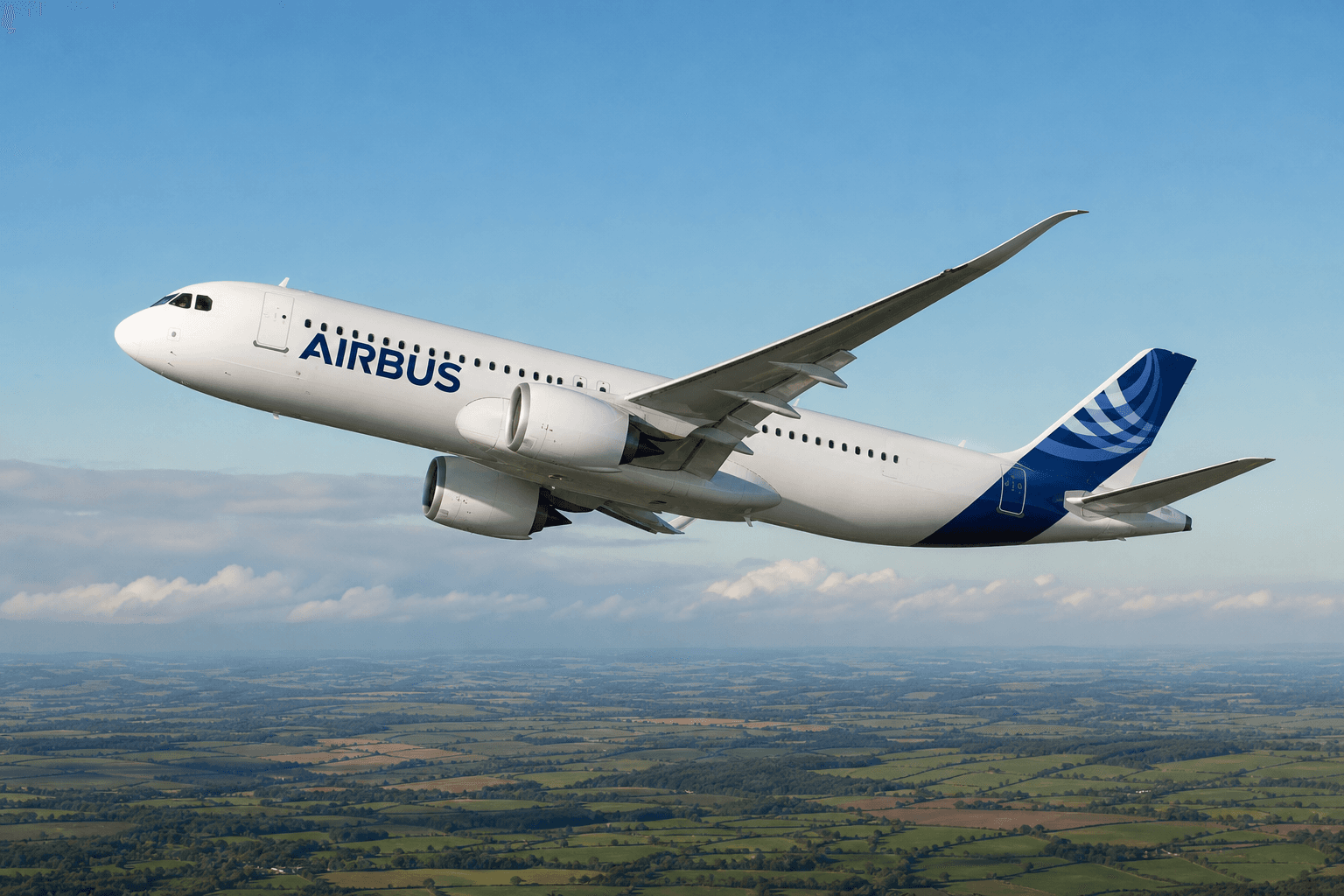
Airbus Starts Building Wing-Tip Extensions for Wing of Tomorrow Flight Tests Due in 2027
Airbus has begun manufacturing the first wing extensions that will replace Sharklets on a test aircraft, part of its work toward high-aspect-ratio wings for the A320neo successor.
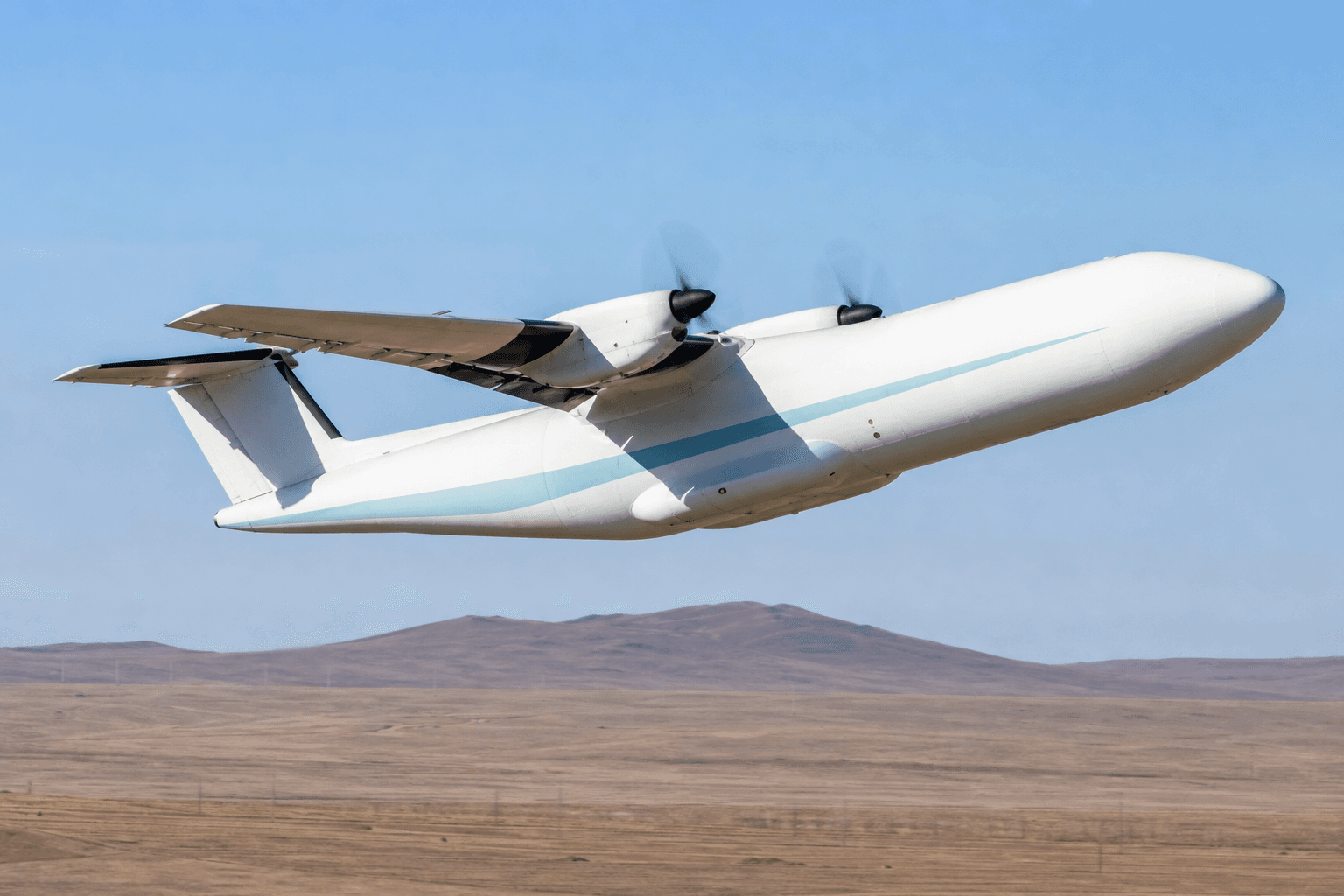
Air White Whale's W5000 Uncrewed Cargo Aircraft Makes 30-Minute First Flight in Inner Mongolia
The twin-turboprop W5000, billed by its Chinese developer as the largest uncrewed cargo aircraft of its kind, flew a 30-minute test at Otog Front Banner General Aviation Airport.

Vulcan Rocket Failure Destroys 40 Amazon Leo Satellites, Clouding Delta's Wi-Fi Timeline
United Launch Alliance lost a Vulcan rocket and its 40-satellite Amazon Leo payload on November 15, a setback for the network Delta Air Lines picked over Starlink for its next-generation in-flight Wi-Fi.
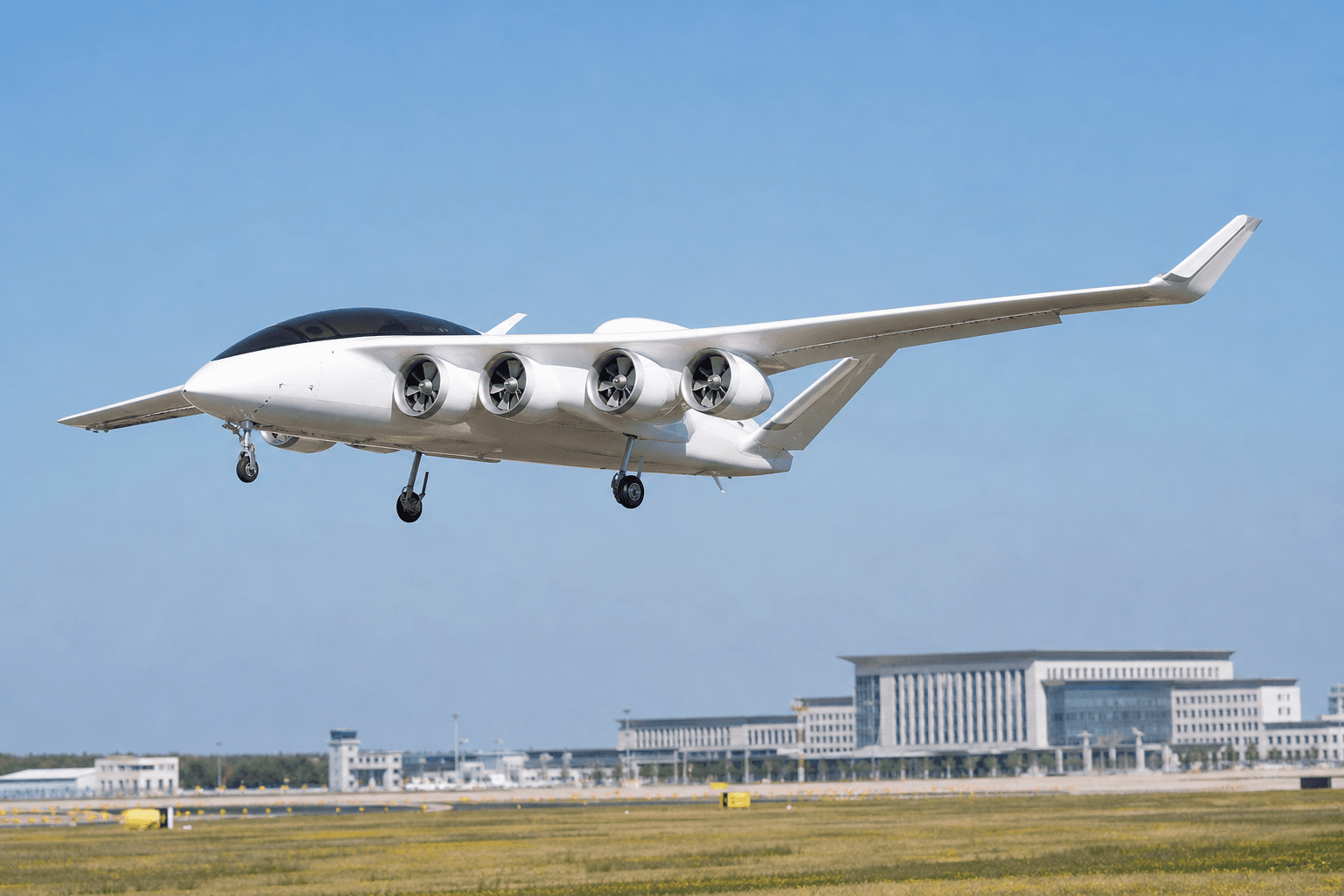
COMAC Flies CE-25A Electric 19-Seater with Pilots Aboard for the First Time
China's state-owned planemaker flew its 10-fan, battery-powered CE-25A for 16 minutes over Binzhou with a crew of three, after 19 uncrewed flights since February.
The Daily Touch & Go
The day's best aviation news in your inbox. Free, no spam.