

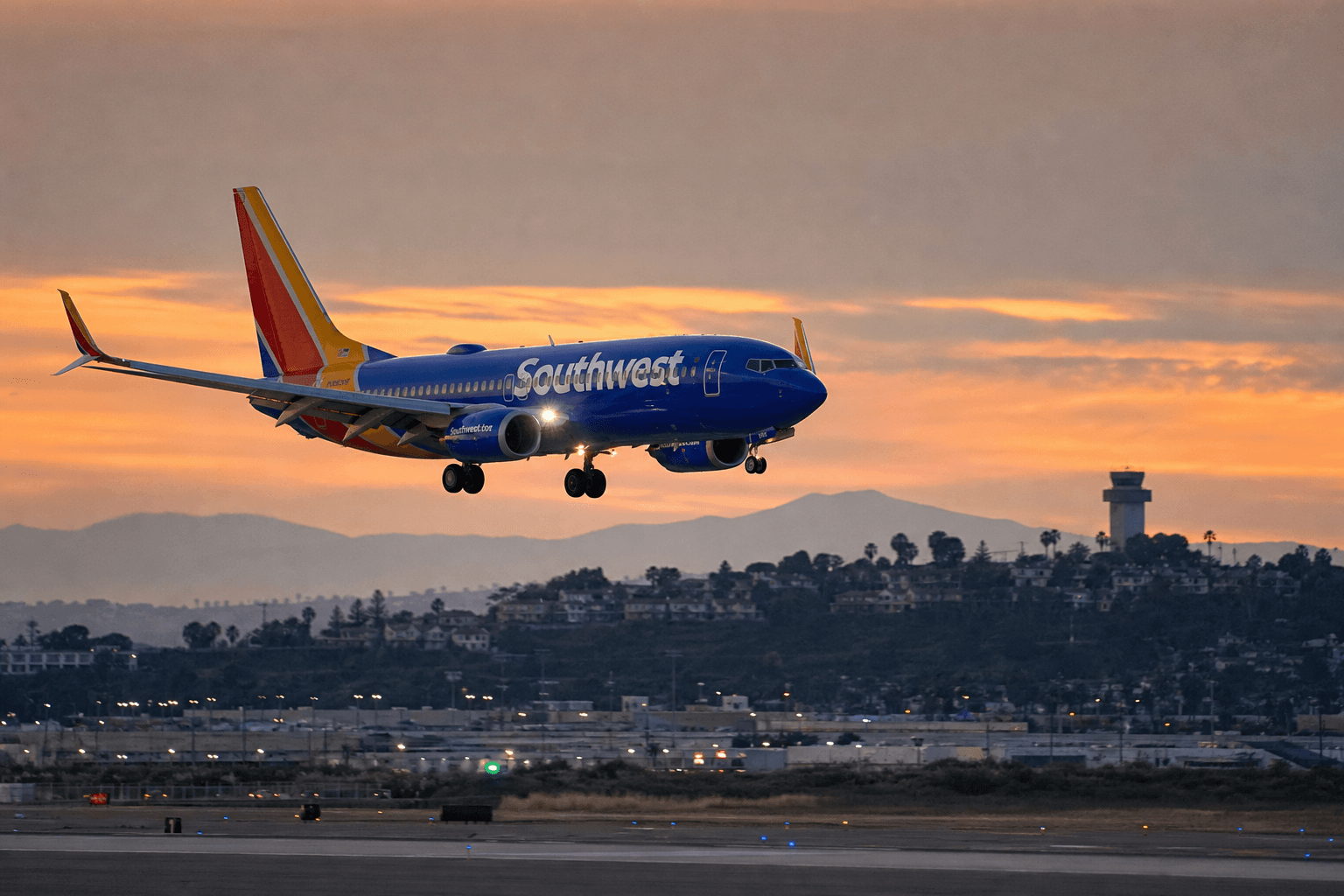
AI-generated illustration
Burbank Tower Goes ATC Zero Twice in One Evening, Leaving Airline Crews to Self-Announce on CTAF
Southwest and Alaska Airlines pilots at Hollywood Burbank Airport coordinated their own movements on a common frequency during roughly 30-minute gaps with no controller in the tower.
The gist
Burbank's tower went ATC Zero at least twice Wednesday evening, forcing airline crews to sequence themselves on CTAF.
Continuing coverage
All Faa →- FAA Lets BETA Fly Prospective Customers Aboard ALIA A250 eVTOL Ahead of Certification
- FAA Orders Checks on 300 Boeing 737NGs Over Thrust Split Monitor Spoiler Data Flaw
- Safety Gaps Persist at Reagan National Nearly Two Years After Midair Collision, Academies Find
- Paragon Flight Training Wins First FAA Authorization to Give Check Rides to Outside Students
- American Airlines 737 Carrying Senator Ashley Moody Shuts Down Engine, Diverts to Orlando
Airline crews at Hollywood Burbank Airport (BUR) sequenced their own takeoffs and landings on Wednesday evening after the airport's control tower went ATC Zero, the FAA designation for a facility with no controllers on duty. The tower was left unstaffed at least twice during the evening, each time for roughly 30 minutes. Pilots from Southwest Airlines and Alaska Airlines could be heard on air traffic control recordings announcing their positions to one another on a shared radio frequency. That procedure is normally used at airports that have no control tower at all.
The recordings captured a Burbank controller telling aircraft that the tower was going ATC Zero and that radar services were being terminated. Crews then moved to the Common Traffic Advisory Frequency, or CTAF, and began broadcasting their movements. A Southwest pilot reported being on short final for Runway 8, while an Alaska Airlines crew announced it was taxiing from the terminal area to the holding pad. One pilot told another that there was no controller and that the field was operating on CTAF.
Crews still had some ATC support. A controller responsible for the wider region continued to guide arriving aircraft toward Burbank, then instructed them to switch to CTAF for the final part of the approach. Departing and landing traffic at the field itself relied on radio calls and visual awareness to stay clear of one another.
Neither the FAA nor Burbank Airport has officially said why the tower closed. CBS Los Angeles, which first reported the closures, cited a source who attributed them to a staffing shortage and said the situation could happen again later that night. It did, with the tower going dark in additional 30-minute windows. There are indications the gaps were tied to mandatory rest breaks for a single controller working the shift alone.
This is the second time in just over a year that the Burbank tower has been left without controllers. On October 6, 2025, the tower had no staff for nearly six hours. Southern California TRACON handled the airport's traffic remotely from San Diego during that closure, and average delays exceeded two hours. That episode came during a 43-day federal government shutdown in which controllers were working without pay, and it was traced to absences.
Burbank's airspace has been identified as one of the region's high-risk hotspots because of its mix of helicopter and fixed-wing traffic and its proximity to Van Nuys Airport. One passenger told CBS Los Angeles that pilots trying to sort out among themselves where to land and who goes next could be a safety issue.
ATC Zero is one of three FAA designations for degraded service at a facility, alongside ATC Alert and ATC Limited. When a tower goes ATC Zero, a neighboring facility absorbs part of its workload, and pilots at the affected airport typically announce their positions and intentions on CTAF. Those calls cover taxiing, approaching the runway, taking off and landing, so that other crews can track nearby traffic.
Self-announcing on CTAF is routine at small, untowered fields, but Burbank is a busy Class C commercial airport. It is served by Southwest Airlines, Alaska Airlines, American Airlines, Delta Air Lines and United Airlines, and it typically handles more than 100 flights a day.
Originally reported by Simple Flying
Read more
All Aviation Safety →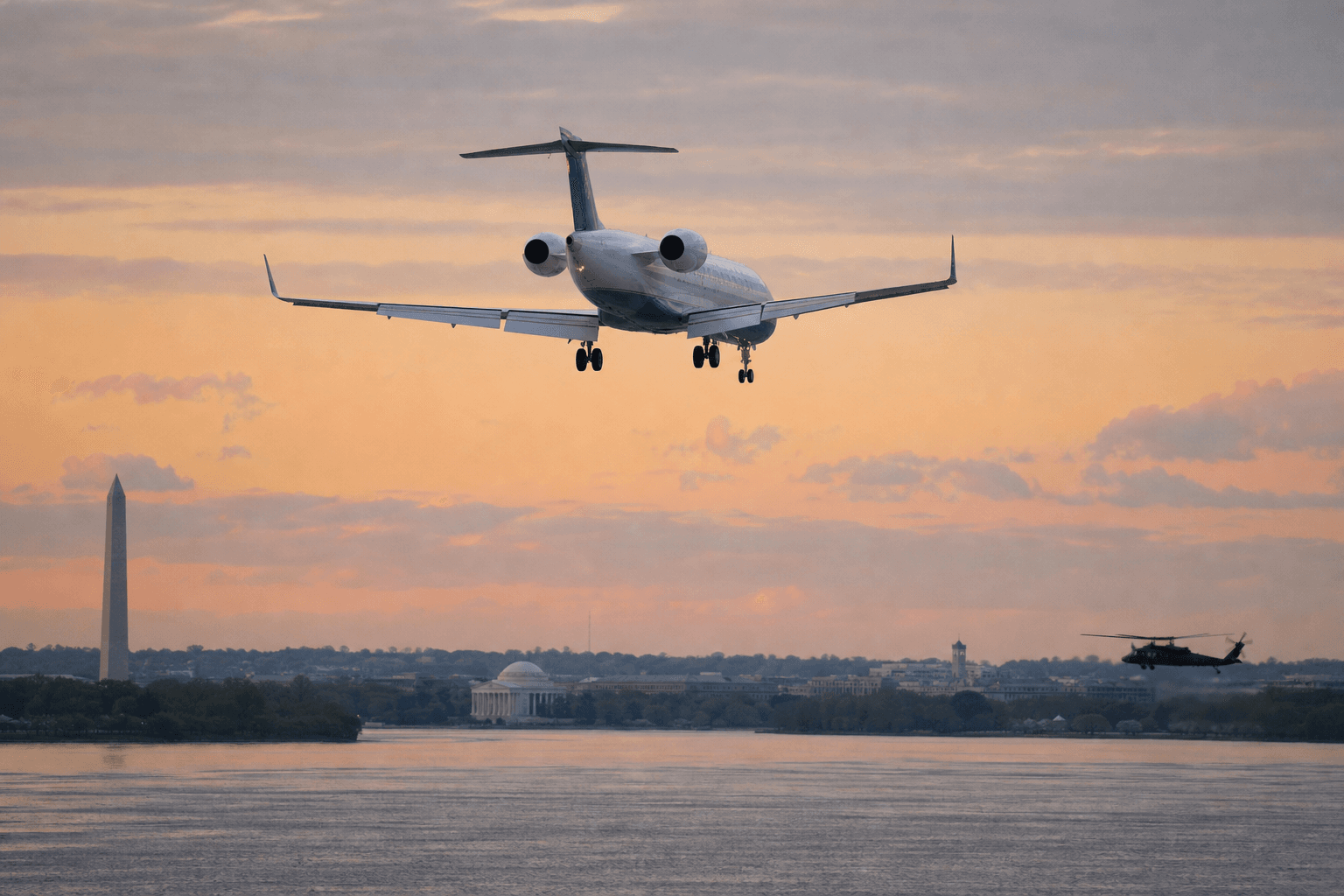
Safety Gaps Persist at Reagan National Nearly Two Years After Midair Collision, Academies Find
A congressionally requested National Academies report says the FAA and Army still fall short on spotting and managing collision risk at KDCA and urges a safety review before any more flights are added.
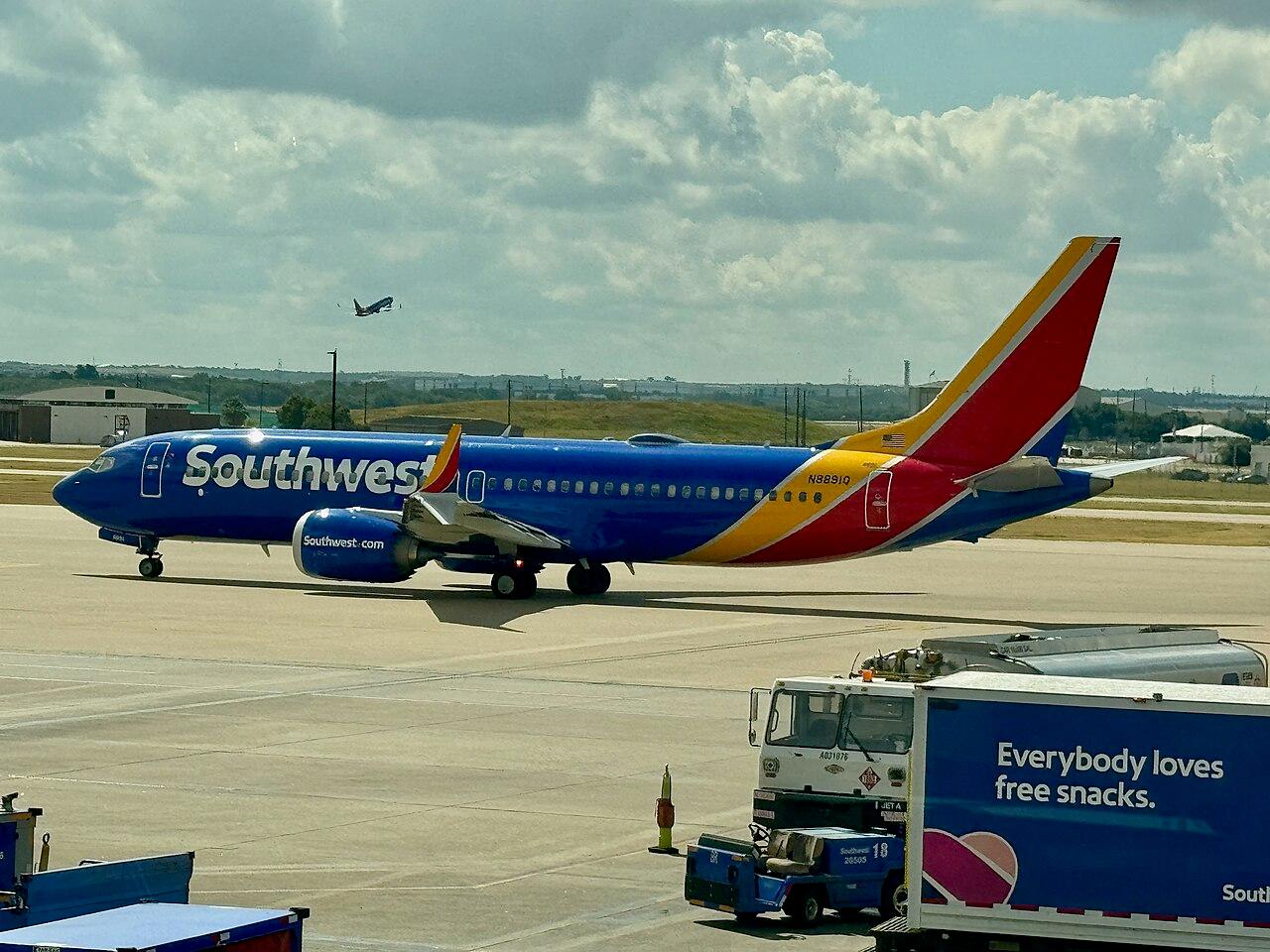
NTSB Finds Storm-Damaged Southwest 737 MAX Flew 44 Times Before Dutch Roll Accident
Investigators said a missed post-storm inspection and a flawed maintenance test allowed a Southwest Boeing 737 MAX with tail damage to keep flying until a Dutch roll accident.
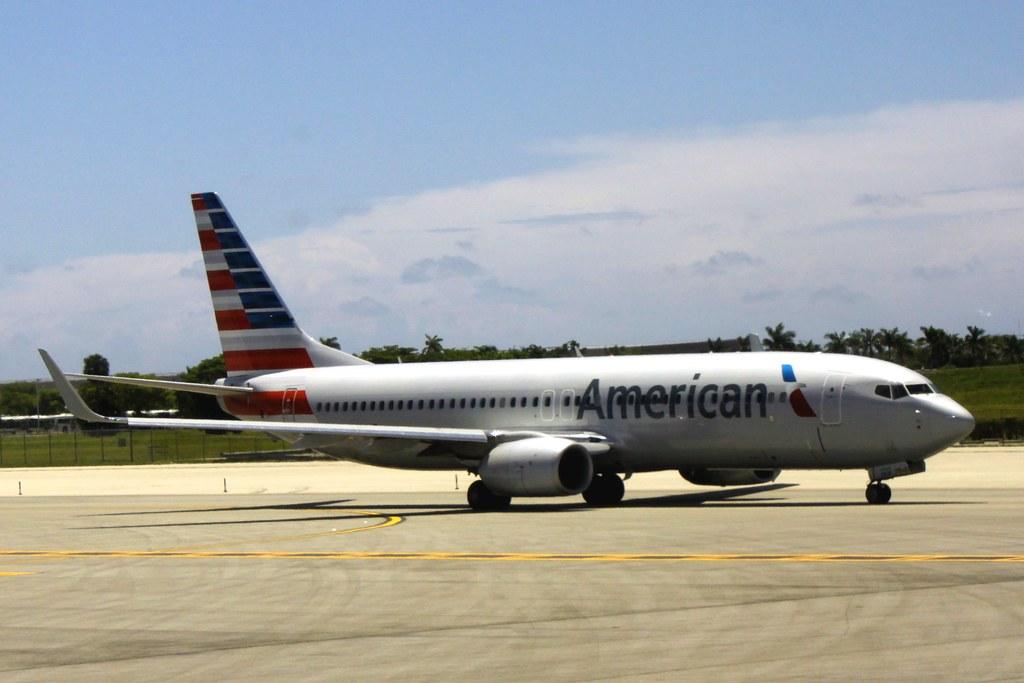
American Airlines 737 Carrying Senator Ashley Moody Shuts Down Engine, Diverts to Orlando
The crew of Flight AA496 from Tampa to Washington National declared a Mayday after left engine indications and chose Orlando's longer runways and in-house maintenance over a return to Tampa.
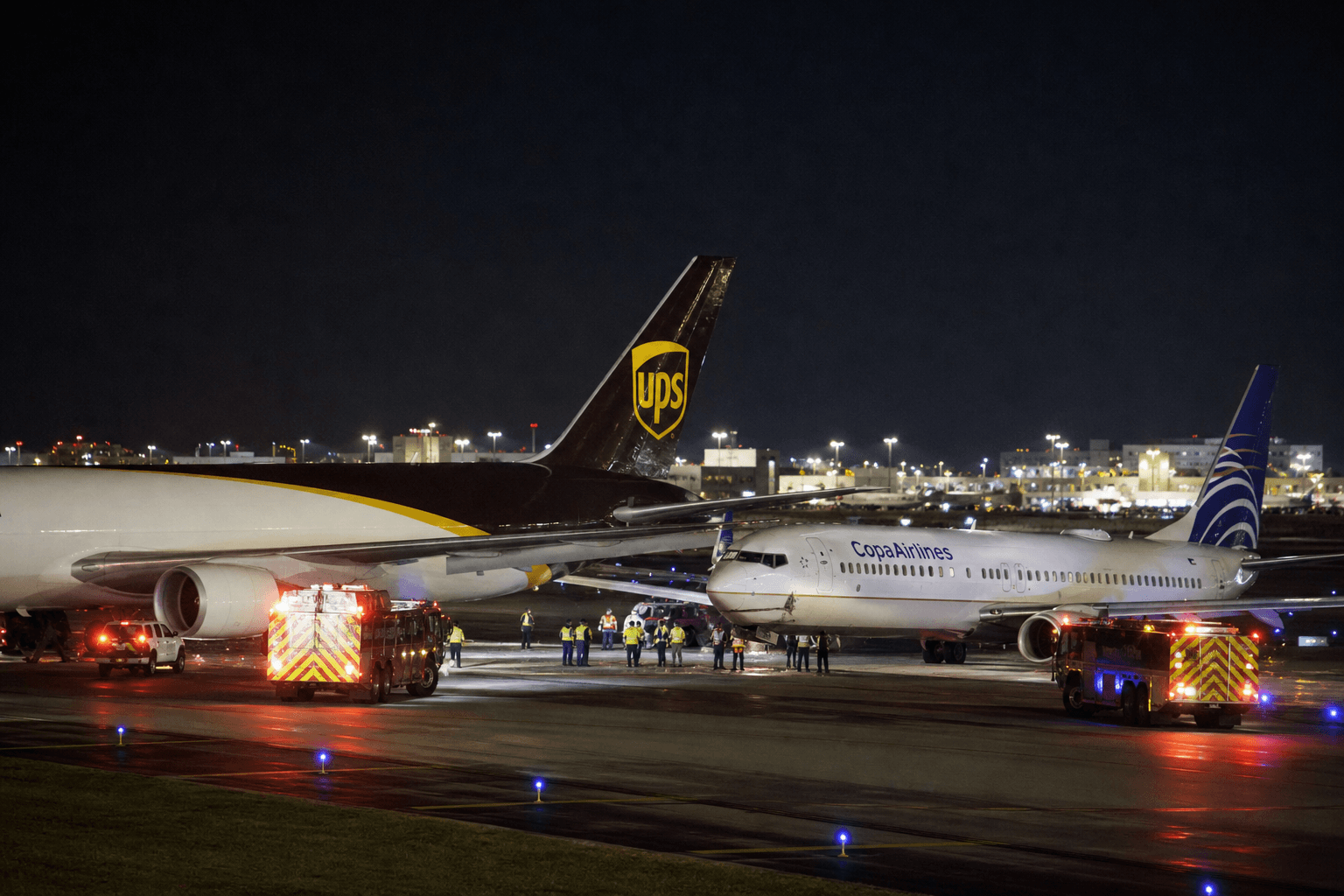
UPS 767 and Copa 737 Collide on Intersecting Taxiways at Miami International
A Copa Airlines 737-800 arriving from Panama City clipped the nose of a departing UPS 767 with its left wing Saturday night, leaving two people with minor injuries.
The Daily Touch & Go
The day's best aviation news in your inbox. Free, no spam.