

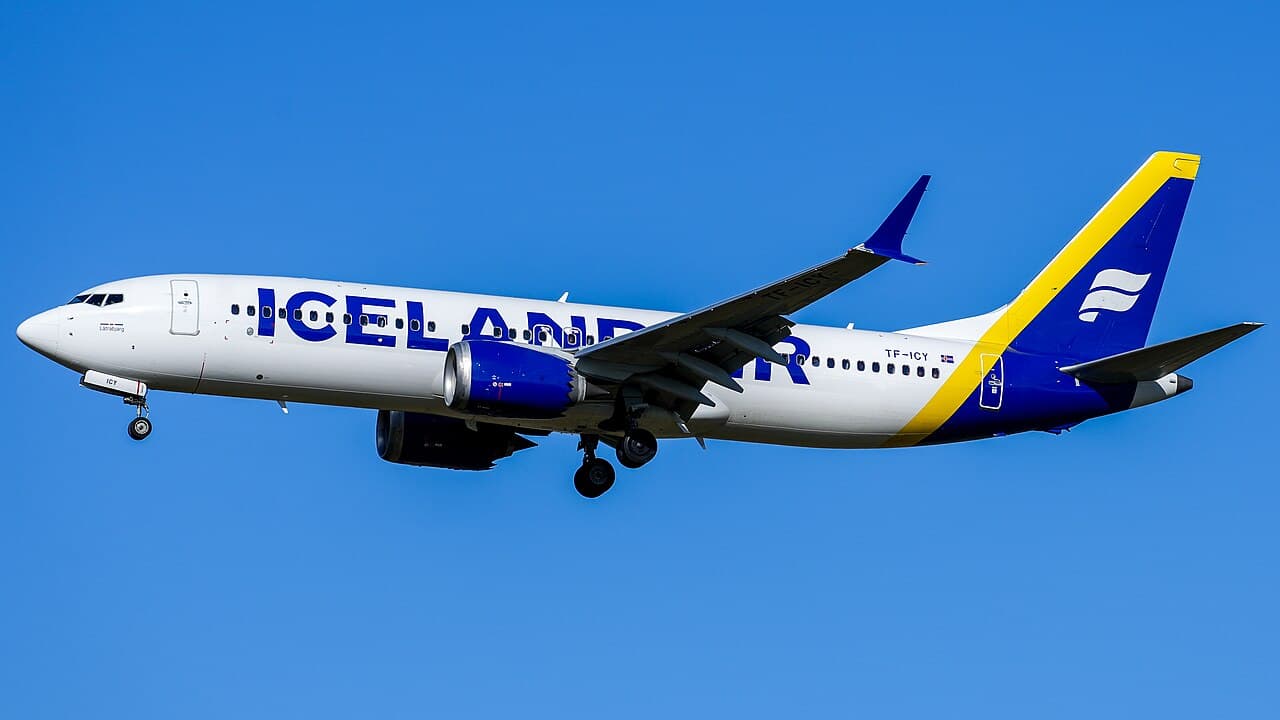
Image: MarcelX42 · CC BY-SA 4.0 · via Wikimedia Commons
Chinese Lessor Begins Repossession of Four Boeing 737-8 Jets from SpiceJet
A Chinese lessor has initiated repossession of four grounded Boeing 737-8 aircraft from SpiceJet amid the airline's ongoing financial and operational difficulties in India.
The gist
A Chinese lessor has started repossessing four idle Boeing 737-8 jets from SpiceJet, highlighting the budget airline's financial strain and fleet challenges.
Continuing coverage
All India →- China's ICBC seeks DGCA deregistration of four SpiceJet Boeing 737 MAX 8s over engine issues
- SpiceJet Struggles to Rebuild Amid Fleet Groundings and Financial Strains
- India's DGCA certifies Embraer E190, E195 and E195-E2 aircraft expanding regional jet options
- India's Netra Mk 1 airborne early warning fleet achieves full operational clearance
A Chinese aircraft leasing company has moved to repossess four Boeing 737-8 aircraft from SpiceJet, India’s low-cost carrier, signaling mounting pressures on the airline’s financial and operational stability. The repossession process began after applications were filed under India’s strengthened aircraft deregistration rules, reflecting continued challenges SpiceJet faces in maintaining its fleet amid industry-wide engine issues and cash flow constraints.
The Directorate General of Civil Aviation (DGCA) in India issued deregistration notices under the Irrevocable Deregistration and Export Request Authorisation (IDERA) framework in connection with the repossession. Two Dublin-based entities, Sky High LXXVIII Leasing Co. Ltd and Sky High LXXX Leasing Co. Ltd, associated with Chinese giant ICBC Financial Leasing, filed the requests for four Boeing 737-8 planes that have been grounded at Delhi, Hyderabad, and Amritsar airports.
SpiceJet confirmed that the repossession will not immediately disrupt its scheduled operations, as the affected aircraft have been out of service for an extended period. The airline cited ongoing problems with CFM LEAP-1B engines, which have affected many 737 MAX family jets globally, leading to significant grounding and maintenance backlogs.
By relinquishing these inactive aircraft, SpiceJet expects to eliminate recurring lease expenses, thereby reducing operational costs amid complex negotiations involving the lessor and engine manufacturer to resolve technical and financial issues. These developments mark one of the earliest tests of India’s 2024 reforms aimed at simplifying and strengthening lessors’ rights to reclaim assets.
SpiceJet has endured a turbulent recent history, having been founded in 2005 by Ajay Singh as a low-cost pioneer in India's rapidly expanding aviation market. Singh departed in 2010 but returned in 2015 to stabilize the airline during financial distress. Despite profitable periods and strong passenger loads under his leadership, the carrier has seen its operational fleet shrink considerably with reports indicating as few as 11 active aircraft by mid-2026.
Financially, SpiceJet has struggled with mounting losses reportedly running into thousands of crores of rupees and liabilities exceeding assets. The airline continues to pursue an ambitious recovery strategy aiming to expand the fleet to 55-100 planes by the end of 2026, relying on aircraft induction, reactivations, and capital support from promoters including Singh himself.
The Indian budget airline sector is fiercely competitive, with robust growth tempered by high fuel prices, currency volatility, and aggressive competition from dominant players like IndiGo and newer entrants such as Akasa Air. The widespread technical issues surrounding the Boeing 737 MAX family, including engine troubles, have amplified operational challenges.
The repossession case exemplifies the critical need for timely lease payments and underlines the importance of the strengthened IDERA legal framework enacted in 2024. This regulatory improvement is intended to reassure lessors and encourage investment by streamlining asset recovery processes in India’s evolving aviation market.
SpiceJet continues negotiations to resolve the lease dispute and engine-related aircraft groundings, aiming to expand capacity for upcoming peak travel seasons. The outcome will depend heavily on securing fresh funding, stabilizing cash flow, and successful dialogue with lessors and suppliers, amidst fluctuating market conditions and regulatory scrutiny.
Frequently asked questions
- Which lessors have filed for repossession of SpiceJet's Boeing 737-8 aircraft?
- Two Dublin-based entities, Sky High LXXVIII Leasing Co. Ltd and Sky High LXXX Leasing Co. Ltd, linked to ICBC Financial Leasing, filed the repossession applications.
- Why are the four Boeing 737-8 planes inactive and subject to repossession?
- The aircraft have been grounded for a prolonged period due to widespread engine issues with CFM LEAP-1B engines affecting the 737 MAX family, causing operational disruptions.
- What impact does SpiceJet anticipate from the repossession of these four aircraft?
- SpiceJet stated that the repossession will not affect current flight operations as the planes were already out of service, and it will remove ongoing lease costs while negotiations continue.
Read more
All MRO/Maintenance →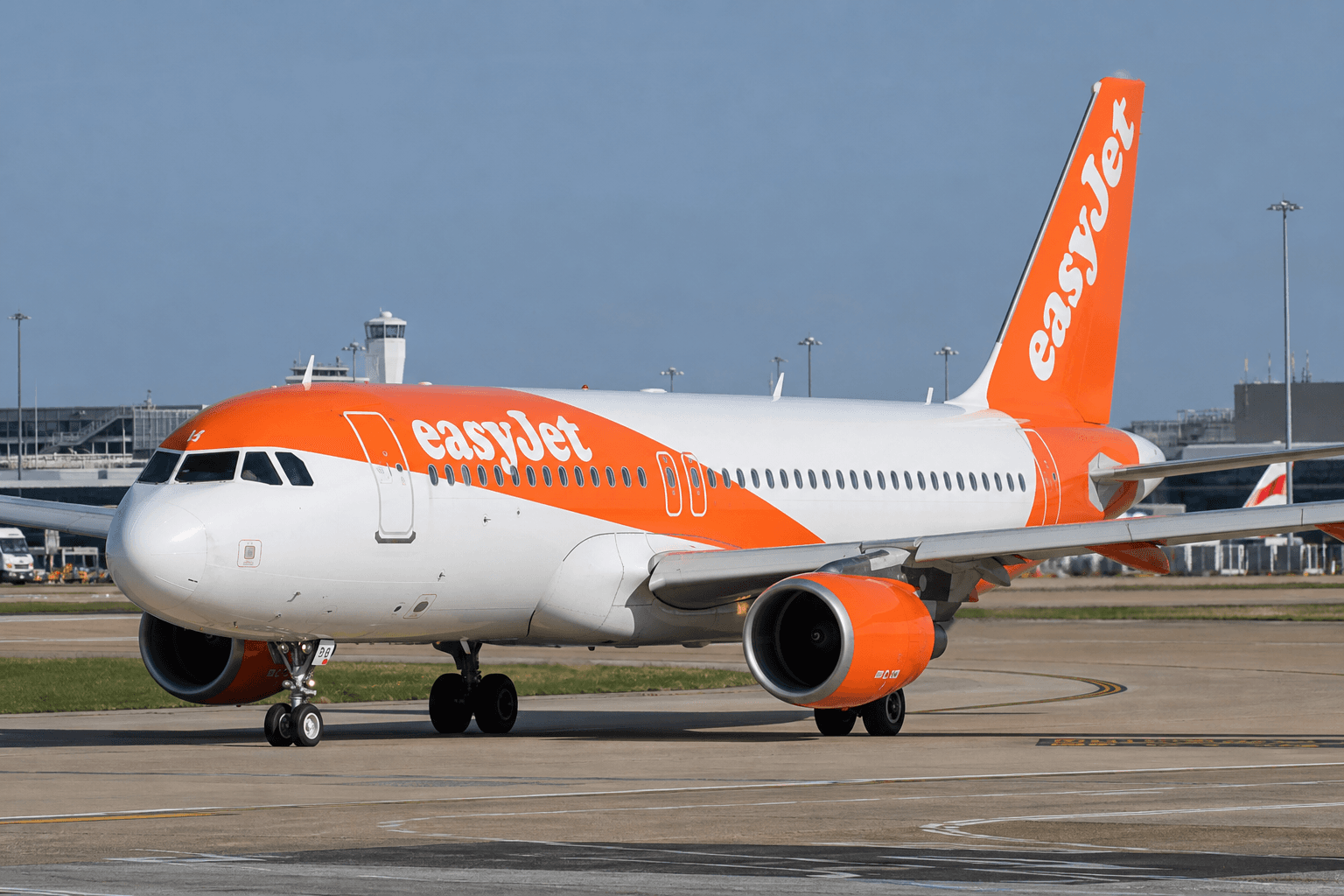
EasyJet takeover sparks fleet flexibility debate among European low-cost carriers
easyJet has been garnering news headlines recently, in the wake of the low-cost carrier gaining the attention of two US companies for a possible takeover. Just as it seemed that Castlelake was crossing the finishing line in acquiring easyJet , a rival offer from US private equity firm Apollo blew the situation wide open . As it stands, Apollo has made what appears to be a superior proposal, but Castlelake still has time to come back with an increased offer. In his latest article for AeroTime, the Founder and Chairman of the Board of Directors of Avia Solutions Group , Gediminas Ziemelis, offers his thoughts on how easyJet could benefit from a more flexible fleet model in the future and why this could be a watershed moment for European LCCs (below). Avia Solutions Group The appeal of easyJet as an acquisition target is rooted in the potential inefficiency of how it and many of its peers own and manage their fleets. ACMI (wet leasing) can be a key vehicle in aiding a future owner's, easyJet's and other European LCCs' search for net profitability. easyJet is currently subject to a possible offer process. No firm offer has yet been announced, and the analysis below reflects an independent ASG scenario rather than any announced intention of easyJet or a potential bidder. By capitalizing on the inherent seasonality of European travel, ASG analysis indicates that, on the assumptions used, the airline could divest 73 of its owned aircraft, potentially generating approximately $2.3 billion in gross disposal proceeds before transaction costs, taxes, debt repayment and other implementation costs. Fundamentally, the headline case is that capital tied up in winter aircraft acts as a drag on return on invested capital. Maintaining a large fleet that easyJet owns and long-term leases year-round, despite significant seasonal drops in demand, is an inefficient use of capital. For example, easyJet's FY25 performance illustrates the classic seasonal nature of the airline industry. During the winter months, the non-peak first half of the fiscal year, the carrier recorded a headline loss before tax of £394 million. However, during the summer peak, it generated an implied profit of £1,059 million between April and September, concluding the full fiscal year with a headline profit before tax of £665 million. Currently, the airline's fleet (as of 31 March 2026, easyJet's total fleet comprised 356 aircraft with 208 owned) implicitly holds enough capacity for peak summer demand, meaning a large portion of its fleet is under-utilized and financially burdensome during the winter. A more efficient strategy would involve rightsizing the permanent fleet to meet only the winter base-case, whilst utilizing short-term wet leasing (ACMI) to cover summer peaks. By trading fixed, long-term capital expenditure for flexible operating costs, the airline could potentially better align its capacity with actual market demand. A rightsizing strategy of this kind could yield a net profit uplift in the region of $250 million, according to ASG analysis – on the assumption that the airline replaces year-round capital depreciation with variable, seasonal expenditure. London Gatwick Airport Fundamentally, using ACMI replaces heavy, idle fixed costs with a flexible operating structure. In short, this strategy trades the cost of maintaining lower-utilization winter capacity for a lean, scalable operation better suited to modern market volatility. Why this could be a watershed moment for European LCCs Thirty-one years after being launched, easyJet's current possible offer process could spur another revolution in the European airline market. This time it will be on how fleets are owned/managed, rather than lower fares. If a future owner, or easyJet itself, were to unlock capital by adjusting/selling off the fleet/orderbook, it could force a wider debate across the sector. There is currently no public indication that easyJet or any potential bidder has decided to implement the specific ACMI strategy described in this article. Rivals sticking with high capital expenditure and long-term, peak-ready fleets may face more shareholder scrutiny over costs required to maintain assets year-round that often sit idle during winter. This is particularly true against the backdrop of Europe's aviation market increased seasonality. Transitioning toward fleet management with ACMI (Aircraft, Crew, Maintenance, and Insurance) or wet leasing as a core strategy allows airlines to trade fixed capital expenditure for operating expenditure. This may mitigate the winter weakness historically seen on European airline balance sheets. Furthermore, it offers the agility to scale capacity flexibly without assuming the multi-year risk of aircraft acquisition or long-term leases. The most competitive European low-cost carriers of the future, particularly those that remain in the public markets, will likely be those that manage their fleets as portfolios of risk/seasonality rather than long term Capex. RELATED easyJet takeover thrown wide open by rival $7.6 billion US offer

1966 Cessna 150G Offers Affordable Time-Building with Modern Avionics Upgrade
Every day, the team at Aircraft For Sale chooses an airplane that catches our attention because it is unique, a good deal, or has other qualities we find interesting. You can read Aircraft For Sale: Today's Top Pick at FLYINGMag.com daily. Today's Top Pick is a 1966 Cessna 150G. Serving as a backbone of flight training for decades, the Cessna 150 has built a legacy of forgiving handling and economic time building. This particular G-model serves as a prime opportunity for student pilots or private owners looking for an affordable platform that retains its original paint and interior while remaining mechanically sound. With 4,816 total hours on the airframe (TTAF) and a useful load of 470 pounds, the aircraft provides a highly dependable gateway to logging hours. Lifting the cowling reveals a proven 100 hp Continental O200-A powerplant that delivers highly economical operation. The engine shows just 646 hours since major overhaul (SMOH), offering plenty of time remaining for its next owner. Translating this power to thrust is a McCauley fixed-pitch propeller showing 1,487 hours since overhaul (SPOH). The aircraft also benefits from an auto fuel STC for added operational flexibility, Madras Super-Tips STC wingtips, and upgraded wingtip LED navigation and strobe lights. The flight deck immediately highlights the most impressive aspect of this time-tested trainer with a significantly upgraded avionics suite that transforms it into a capable modern instrument platform. The panel centers around dual Garmin G5 electronic flight instruments serving as the attitude indicator and HSI, alongside a Garmin GNC 355 nav/comm slaved to the G5 system. 1966 Cessna 150G [Credit: Seitz Aviation] Communication and airspace compliance are further supported by a Collins AMR-350 audio panel, an Appareo Stratus transponder equipped with ADS-B Out, and convenient Stratus USB charging ports for mobile devices. Ensuring immediate mechanical readiness for the buyer, this Cessna 150G is scheduled to receive a fresh annual inspection by Vertex Aviation prior to delivery. Listed at $44,500 , this Washington state-based trainer stands as an outstanding value for aviators seeking a reliable entry into aircraft ownership. If you're exploring ownership options, FLYING Finance can help get you airborne. Use our airplane loan calculator to estimate your monthly payments, or connect with an aviation finance expert at flyingfinance.com . FLYING Magazine: Why Aren't Cessna 140s/150s Considered Light Sport Aircraft? FLYING Magazine: Passenger Lands Cessna 150 After Pilot Incapacitation FLYING Magazine: I Learned About Flying From That: 18,300 Feet in a Cessna 150 Plane + Pilot : Incredible Plane: Cessna 150 Plane + Pilot : Cessna 150/152 The Aviation Consumer: Used Aircraft Guide: Cessna 150/152
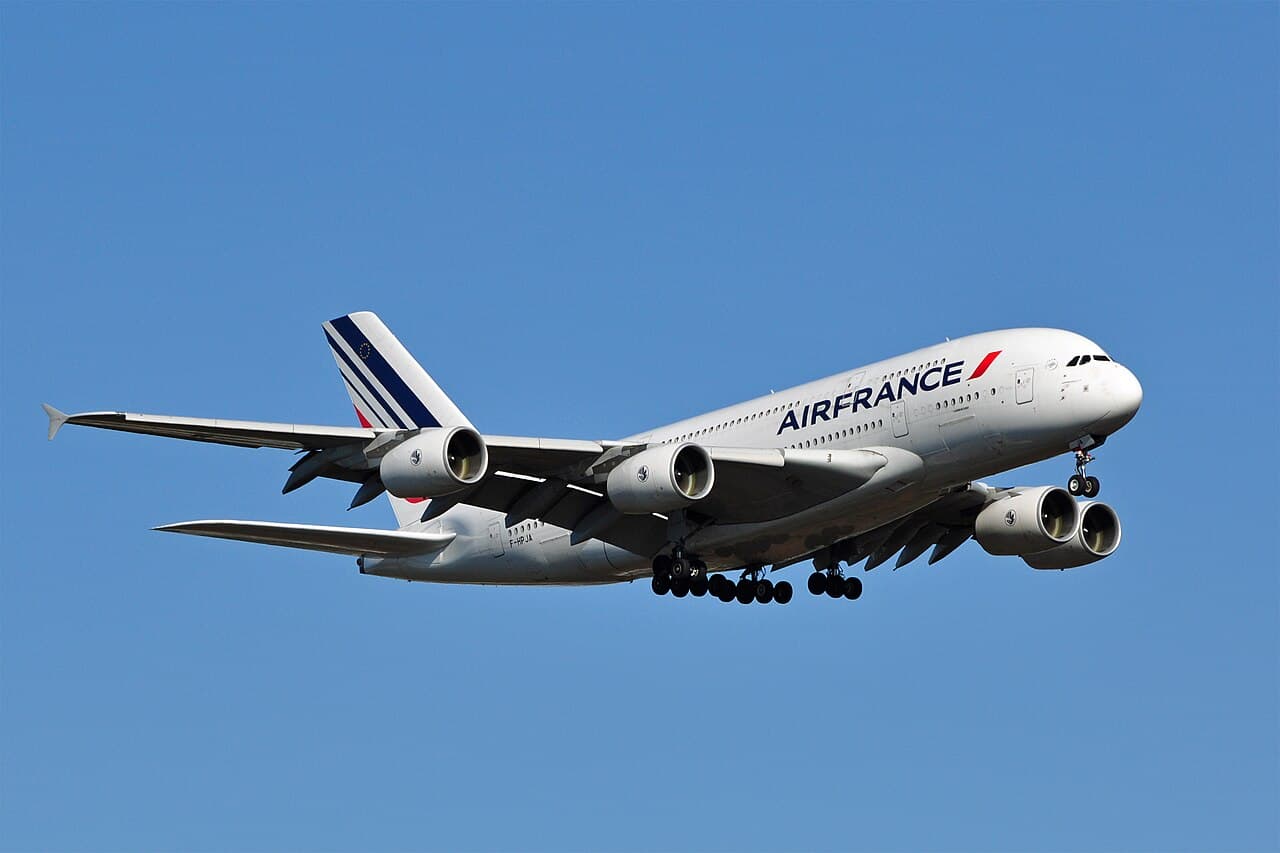
Emirates Extends Airbus A380 Service by Cannibalizing Older Jets for Parts
The Airbus A380 is undoubtedly one of the most iconic aircraft ever built, and it remains the only full-length double-decker aircraft in commercial operations. However, despite its popularity among passengers, the type has also become one of the most complex airplanes for airlines to keep flying. After all, Airbus delivered the final A380 to Emirates in December 2021, ending the program after less than two decades of production. Among other things, this has made it increasingly difficult for airlines to retain the aircraft in their fleets. However, for Emirates, the A380 remains a crucial part of its long-haul fleet and network strategy.
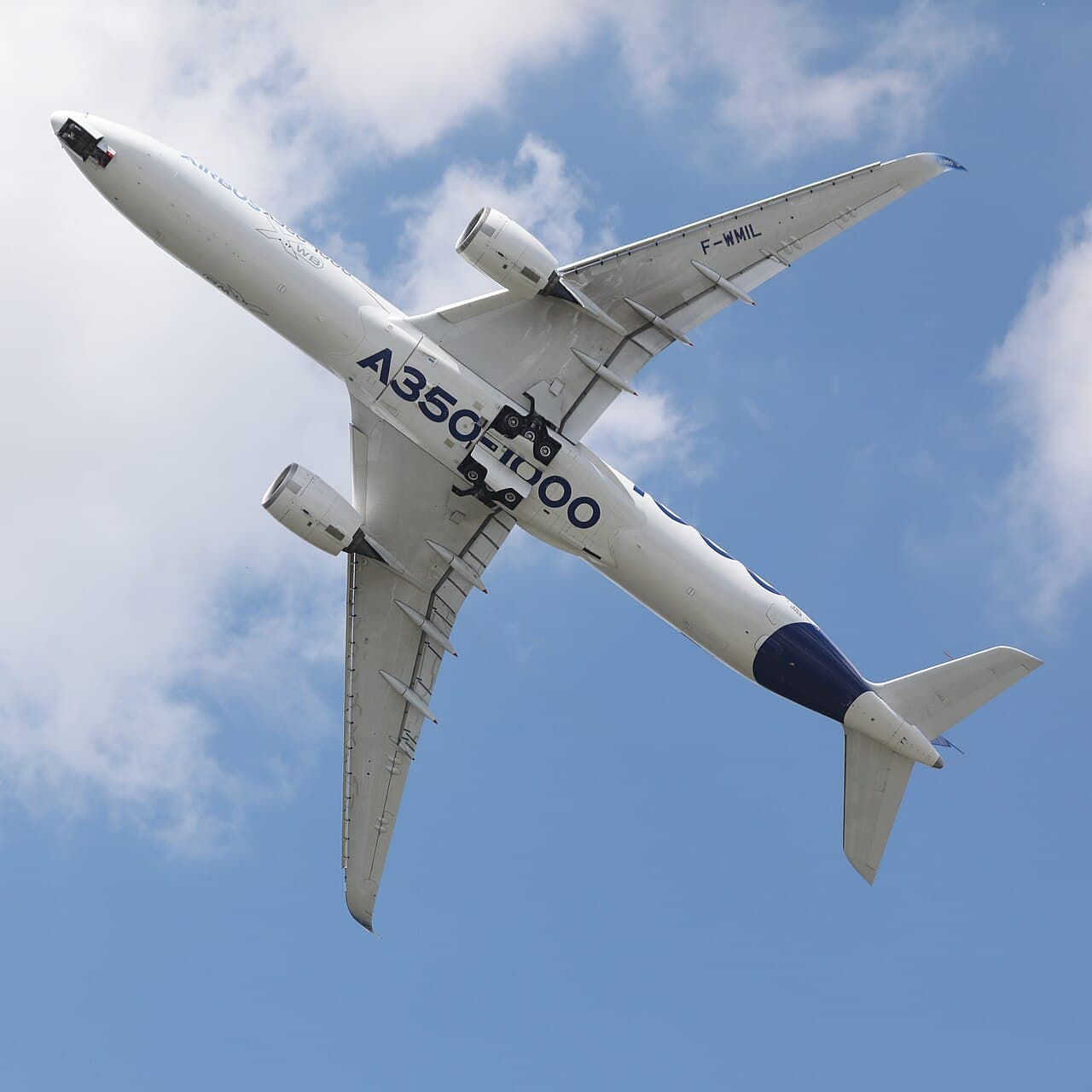
Lufthansa debuts its first Airbus A350-1000 adorned with centennial anniversary livery
Lufthansa is preparing to welcome its first Airbus A350-1000, an aircraft that carries added significance beyond its size. The aircraft, painted at Airbus's Toulouse facility in a blue design featuring a white crane graphic and the markings "1926 | 2026" and "100," is set to become the seventh addition to the airline's special fleet commemorating its 100th anniversary. According to the German flag carrier, painting the aircraft required roughly 432 liters of blue paint and 246 liters of white. From Toulouse to Munich The aircraft, which will carry the registration D-AIFA and the name "Deutschland," is scheduled to be transferred from Toulouse to Munich this fall 2026. Before the transport happens, it still needs to go through several test flights, additional interior work, and a final acceptance inspection. Lufthansa plans to hold an official naming ceremony at a later date. The delivery carries extra weight for the airline: this A350-1000 will be the 700th aircraft Airbus has delivered to the Lufthansa Group overall. A bigger sibling to the A350-900 At 73.8 meters long, the A350-1000 stretches about seven meters beyond the A350-900 already in Lufthansa's fleet. The larger aircraft is configured to carry up to 300 passengers across four cabin classes, including First Class, Business Class, Premium Economy, and Economy Class. Lufthansa has ordered 15 of the aircraft, with deliveries expected to continue through 2030. Part of an anniversary fleet This A350-1000 joins a growing group of Lufthansa aircraft featuring the special anniversary design. Other planes already flying with the livery include an A350-900, an A380, a Boeing 787-9, and a Boeing 747-8 on long-haul routes, along with two A320neo aircraft used on short- and medium-haul flights. According to Lufthansa, the distinctive paint scheme has drawn considerable attention from passengers and aviation enthusiasts alike since it began appearing on the airline's planes. RELATED Lufthansa Technik begins work on new 55,000m² MRO facility in Portugal
The Daily Touch & Go
The day's best aviation news in your inbox. Free, no spam.