

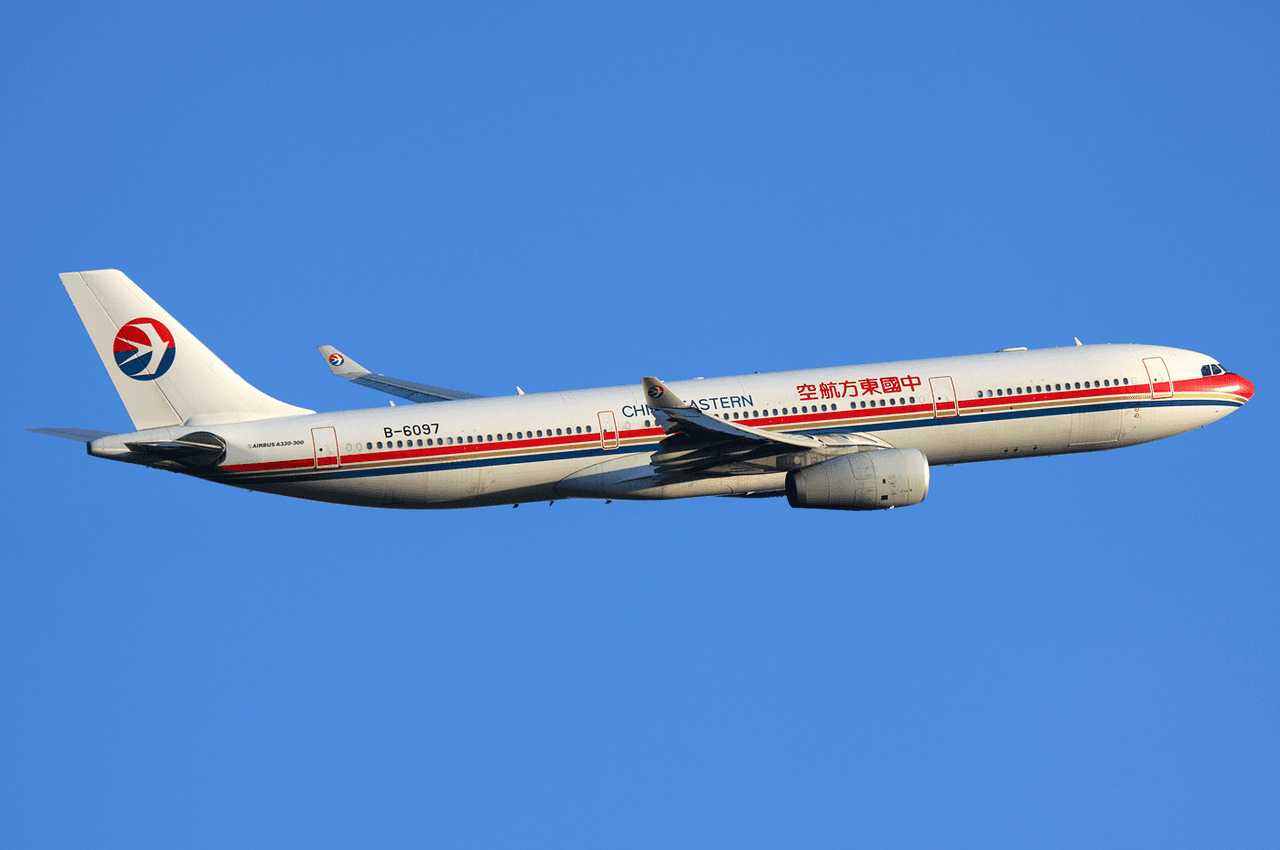
Image: Sergey Kustov · CC BY-SA 3.0 · via Wikimedia Commons
SWISS Begins Retrofit of A330-300s with New SWISS Senses Cabins Including First Class Redesign
SWISS is reconfiguring its Airbus A330-300 fleet with the SWISS Senses cabin concept, reducing seats and adding a rare 1.5-ton weight to balance the aircraft following first class upgrades.
The gist
SWISS starts reconfiguring A330-300s with new SWISS Senses cabins, cutting seats and adding weight to address balance issues from first class changes.
Continuing coverage
All First Class →- Airbus A350 Business Class Narrows Gap on First Class Value Despite Price Premium
- Top 5 Airlines Offering the Most Luxurious First Class Suites in 2026
- Singapore Airlines Trials New First Class Concierge Service at Changi Airport
- Airlines Should Charge Extra For Quality First Class Meals as Standards Decline
- Five Airlines Unveil Next-Gen First Class Suites for 2026-27 Long-Haul Flights
Following the introduction of its SWISS Senses cabin concept on new Airbus A350-900s last year, Swiss International Air Lines (SWISS) has initiated a significant retrofit project for its existing Airbus A330-300 fleet. The project upgrades the cabin with new first and business class seats mirroring Lufthansa Group's Allegris design but tailored with distinct SWISS branding. The process began in Hong Kong, where the first A330-300 to receive the SWISS Senses retrofit, registered HB-JHC, arrived on July 20 to undergo substantial interior changes alongside heavy maintenance including a C-check.
This retrofit involves removing existing cabin interiors to make room for the new premium seat designs, necessitating certification of the fresh configurations on the A330 platform—a process historically challenging for the Lufthansa Group. The initial a330 undergoing retrofit is expected to remain in the maintenance hangar for an extended period as it serves as a prototype, with hopes the certification completes by year's end. Once certified, SWISS plans to sequentially update the other A330 aircraft, aiming for roughly one aircraft every six weeks.
SWISS's Airbus A330-300 fleet consists of fourteen aircraft, with the retrofit timeline projected to span about nineteen months if the schedule proceeds smoothly. This indicates a completion date near spring 2028 at the earliest, though delays could push the project into late summer or early autumn. Subsequent to completing the A330 upgrades, SWISS targets its twelve Boeing 777-300ERs for a similar cabin refresh campaign, though the timeline and approach for that phase remain undecided.
The retrofit introduces a four-class cabin layout on the A330-300s, shifting from their previous 236 seat configuration—eight first class, 45 business class, and 183 economy seats—to a reduced 225 seats comprising three first class suites, 43 business class seats, 28 premium economy seats, and 151 economy seats. Notably, first class capacity decreases by five seats, business class drops by two, and economy seating shrinks by 32, while a new premium economy cabin with 28 seats is introduced.
A striking aspect discovered during the reconfiguration is that the new first class installation’s weight distribution creates a potential imbalance, specifically concerning the aircraft’s center of gravity. To counter this, SWISS is adding a 1.5-ton counterweight in the rear of the aircraft—an unusual measure reflecting the significant design changes and their implications on aircraft balance. This extra weight is an operational compromise to safely accommodate the new first class suites within the A330-300’s structural limits.
The refreshed interior is set to revitalize cabins widely regarded as tired, especially the existing business class seats, which contrast strongly with the modern SWISS Senses products now standard on the A350-900 fleet. However, the difference in fuselage width between the A330 and A350 may make the new premium cabins feel tighter on the A330 platform. In particular, the double suite feature in first class, praised for privacy on the wider A350, may present spatial challenges when installed on the narrower A330.
Economy class on the A330 has been appreciated for its comfortable 2-4-2 seat configuration, providing a more spacious feel compared to some competitors. With the introduction of the premium economy cabin and reduction in total economy seats, SWISS appears to be focusing on enhancing passenger experience in higher fare classes while balancing overall capacity. The retrofit thus represents a strategic shift in cabin design to align with evolving passenger preferences and competitive standards within long-haul international travel.
As SWISS systematically upgrades its long-haul fleet, the A330 retrofit project signals a move to unify the in-flight experience under the modern SWISS Senses concept and ensure consistent service levels. While the certification and installation process involves technical challenges—exemplified by the need for added tail weight—the outcome will likely transform the aging A330 interiors with contemporary amenities and seating arrangements designed to elevate passenger comfort and brand identity across the Lufthansa Group airline.
SWISS’s implementation timeline and execution quality will be closely noted given past certification hurdles within the group. Nonetheless, this extensive retrofit of a major portion of their widebody fleet underscores the airline’s commitment to maintaining competitiveness amid growing market demands. Once complete, the A330 cabin enhancements paired with incoming upgrades to the Boeing 777-300ERs will jointly define SWISS’s product offering on several key long-haul routes for years ahead.
Frequently asked questions
- Why is SWISS adding a 1.5-ton weight to the Airbus A330-300 after the retrofit?
- The new first class cabins installed by SWISS are heavier and cause a potential weight and balance issue, so a 1.5-ton weight is added to the aircraft's rear to maintain proper balance.
- How many seats will the Airbus A330-300 have after the SWISS Senses retrofit?
- After the retrofit, the A330-300s will have 225 seats, including three first class suites, 43 business class seats, 28 premium economy seats, and 151 economy seats, down from 236 seats previously.
- Where is SWISS performing the retrofit of its Airbus A330-300 fleet?
- The retrofit work is being carried out in Hong Kong, with the first A330-300 arriving there in July 2026 to begin reconfiguration and maintenance.
Read more
All MRO/Maintenance →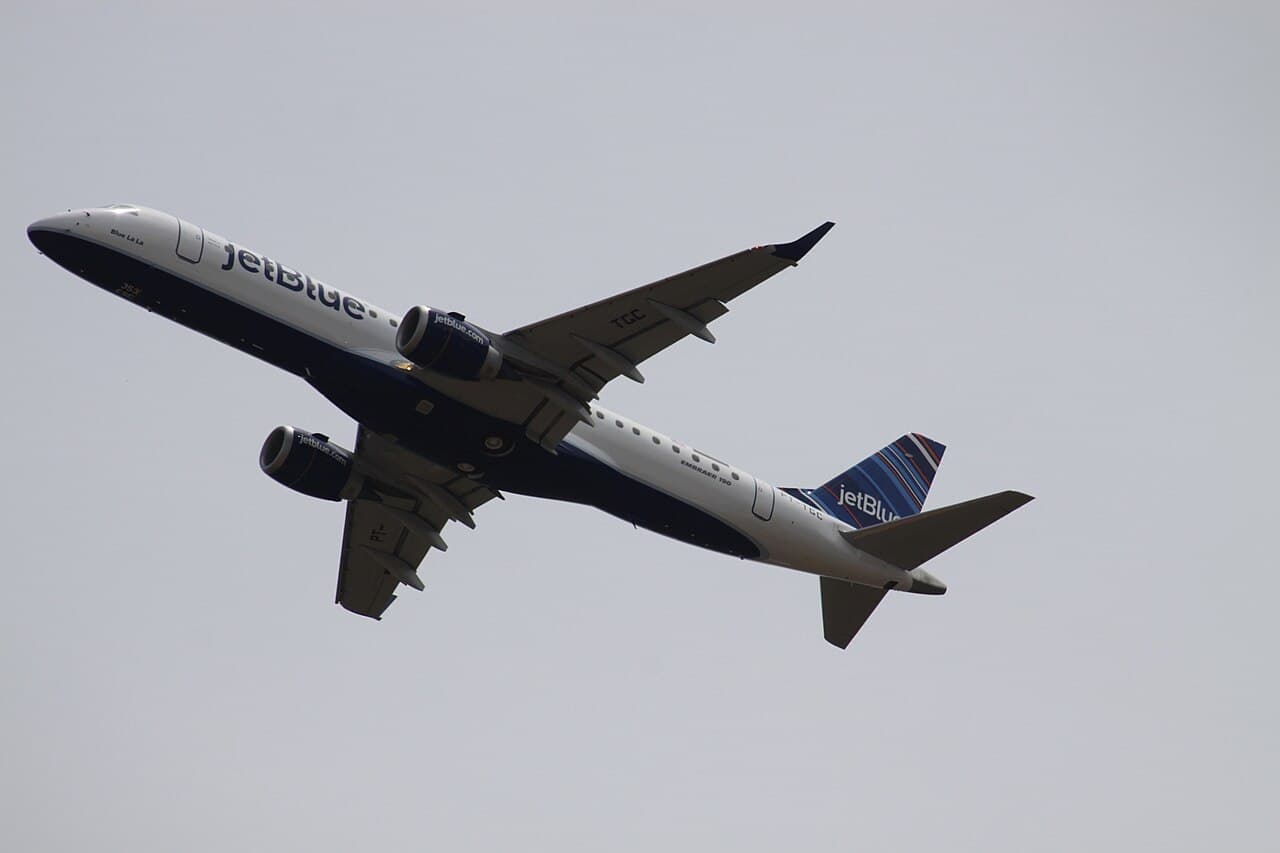
JetBlue Unveils Four-Cabin Fare Model Introducing BlueFirst Base Premium Option
New York-based JetBlue Airways is preparing to launch an all-new first class product for flights configured without its existing flagship "Mint" service. Dubbed "BlueFirst," this is the first conventional premium cabin to be offered on JetBlue flights without Mint seats configured.
FAA Orders $2.66M Seat Inspections on 453 Boeing 737 MAX Jets Amid Certification Oversight
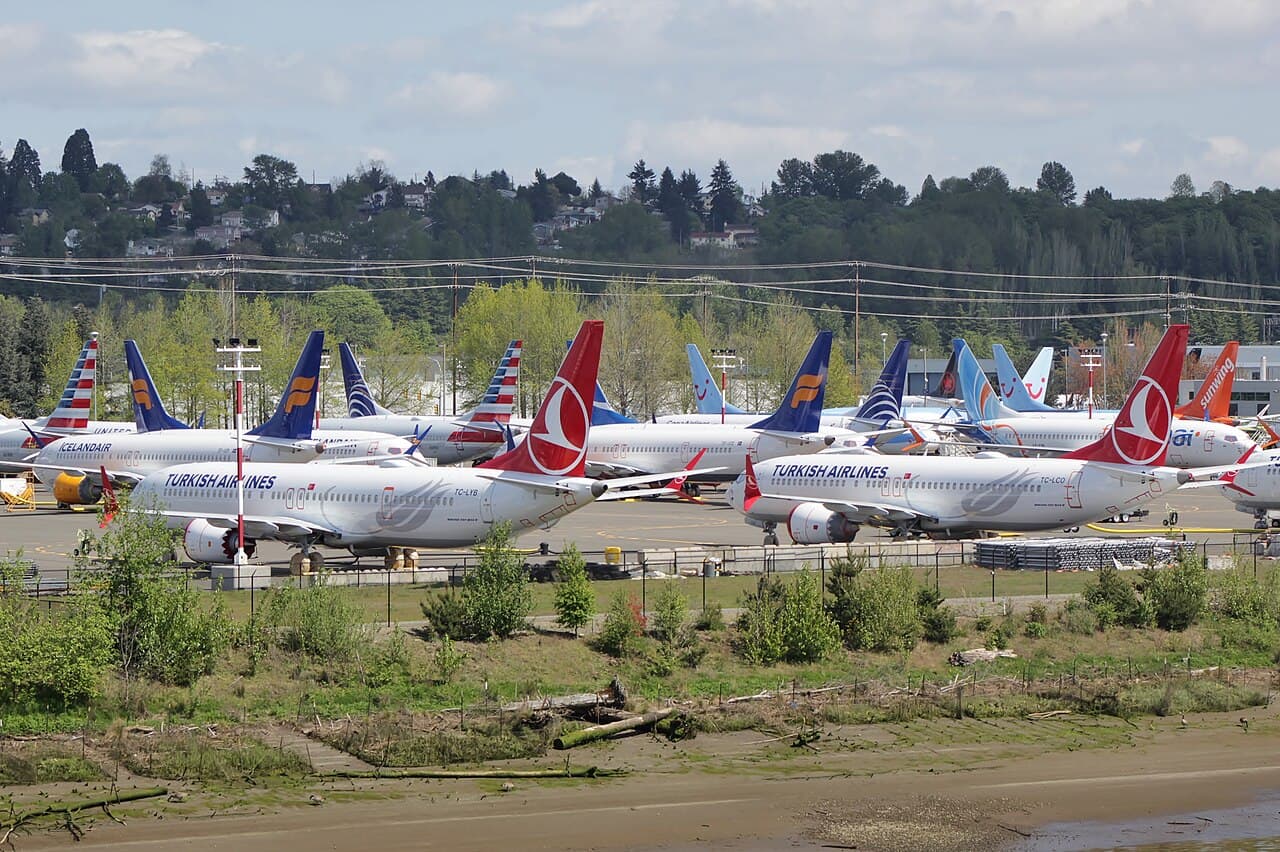
The FAA has recently permitted Boeing to independently issue airworthiness certificates for new examples of its 737 MAX and 787 models, but just a week after Boeing was granted this privilege (which it historically held for decades but was suspended in recent years), the FAA has proposed a new airworthiness directive (AD) regarding improperly installed seats on hundreds of 737 MAXs. It's not actually unusual for the FAA and other regulators to issue ADs, but it does signal that the FAA is only stepping up its oversight of Boeing.
Former Ethiopian Airlines CEO Tewolde Gebremariam appointed as Air India CEO
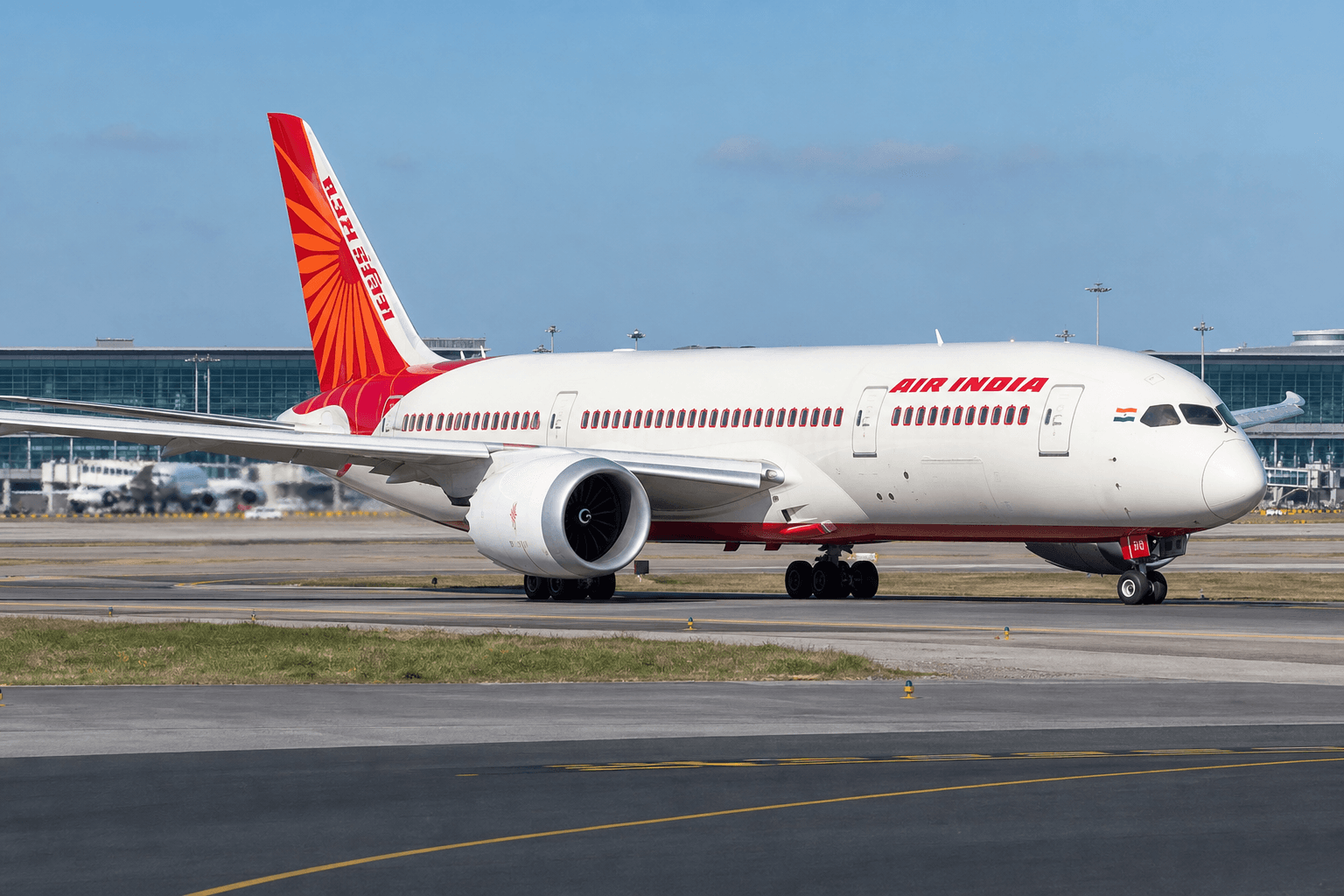
Former Ethiopian Airlines boss Tewolde Gebremariam has been named as the new CEO of Air India, following a comprehensive search to identify the next leader. On August 5, 2025, Air India announced that Gebremariam's "track record" leading Ethiopian Airlines made him "uniquely suited" to for the position. "Tewolde Gebremariam is widely recognized as one of the most successful aviation chief executives," Air India said. "During his decade-plus tenure as CEO of Ethiopian Airlines Group, he spearheaded a multi-billion-dollar expansion, transforming a regional carrier into Africa's largest, most profitable, and decorated airline group—growing revenue by more than fourfold and fleet size nearly threefold." Air India said its objective was to find a leader with a "proven record of managing mega-scale airline turnarounds". Fortune Global Forum 2019 / Flickr.com The airline praised Gebremariam's ability to manage "complex operational landscapes, driving cultural transformation, building competitive global hubs, and developing world-class MRO (Maintenance, Repair, and Overhaul) and aviation training infrastructure". Gebremariam served as the CEO of Ethiopian Airlines from January 2011 to March 2022 and was succeeded by Mesfin Tasew. "Having completed the initial phase of stabilization, integration, and fleet commitments under Campbell's guidance, Air India is now entering a critical execution and expansion era," N. Chandrasekaran, Chairman of Tata Sons and Air India, said. "Tewolde's track record in building one of the world's most efficient and profitable airline groups makes him uniquely suited to lead Air India." Campbell Wilson announced his resignation on April 7, 2026, ending a nearly four-year tenure leading the Tata Group-owned carrier through a sweeping post-privatization transformation. John Taggart / Creative Commons Gebremariam said it was a "profound honor to be entrusted with leading Air India at such a historic moment in its journey". "Air India carries an incredible legacy, and the opportunity to build a world-class global airline that reflects India's extraordinary economic potential is uniquely exciting," added Gebremariam RELATED Air India CEO Campbell Wilson resigns, will stay until successor named
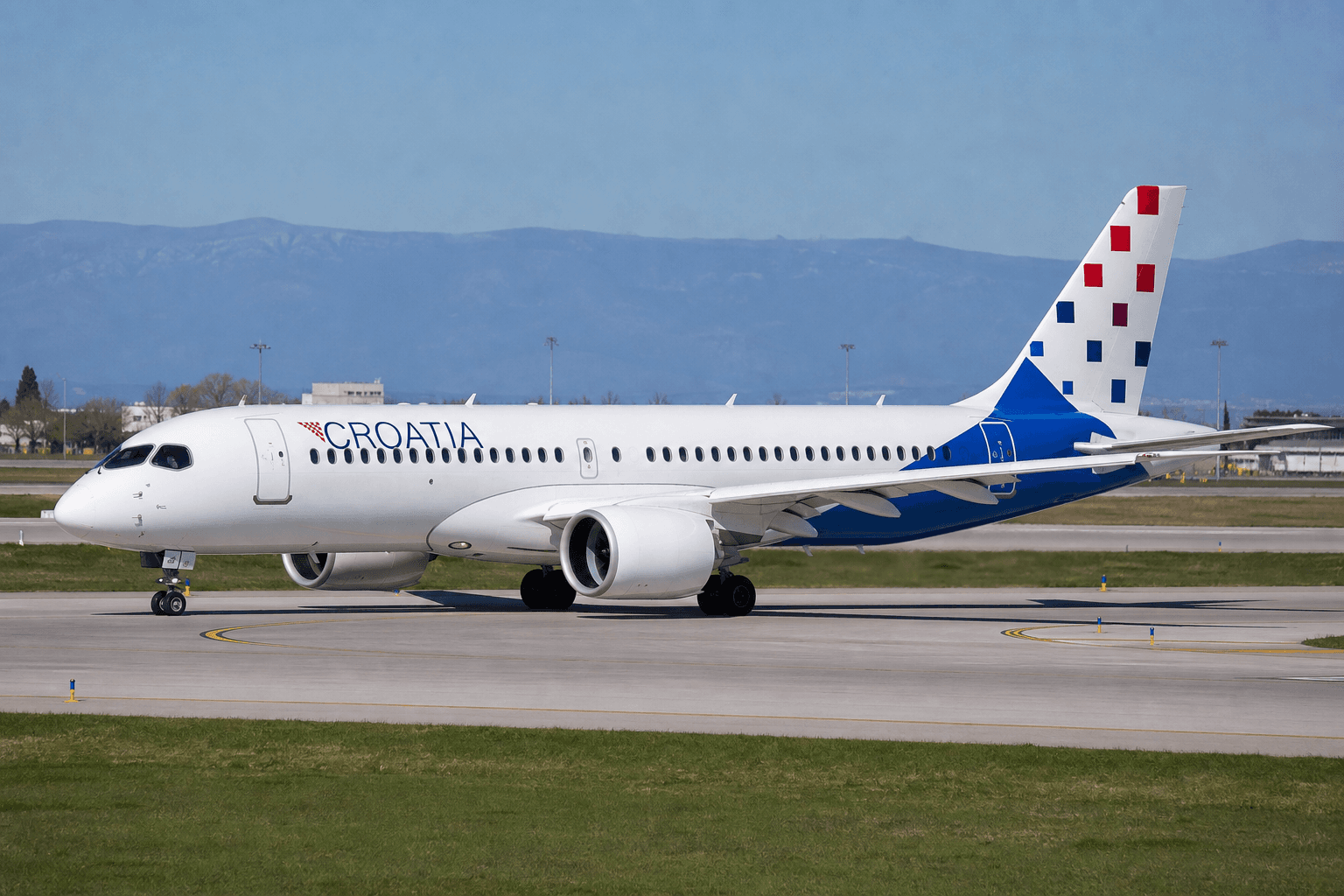
Croatia Airlines sees losses soar to €50 million amid fleet transition and fuel cost pressures
Carrier dealing with complexity of fleet transition as it withdraws older models and shifts to A220s. Croatia Airlines' losses deepened substantially over the first half of this year, as the impact of fuel prices and exchange rates added to the cost burden associated with its fleet transition. It turned in an operating loss of €36.8 million ($42.4 million), which was 73% worse than the previous half-year, while its net loss came close to trebling at around €50 million. Although passenger numbers increased by more than 20% in the first five months – before declining in June – the improved revenue performance was checked by a "significant increase" in fuel prices, says the carrier. Croatia Airlines adds that negative exchange rates contributed heavily to a €16 million rise in net financing costs. The airline is progressing with a fleet modernisation, shifting to the Airbus A220, but is still feeling the effect of transition costs as it introduces the new type. It expects to have 14 of the 15 planned A220 in its fleet by the end of this year – with seven arriving in 2026 – while it gradually withdraws older aircraft from service. Croatia Airlines says the "simultaneous management" of a fleet with three different aircraft types presents an "additional challenge". "Such a structure requires precise resource planning, adaptation of operational procedures [and] increased co-ordination between organisational units," it states. "At the same time, the process of preparing aircraft for retirement from the fleet places an additional burden on the technical sector." Over the course of this year it aims to remove two De Havilland Dash 8-400s, an Airbus A320 and an A319. Two Dash 8s and an A320 were taken out last year, and returned to owners in the first half of 2026. "The fleet renewal project represents the largest strategic step forward in the history of Croatia Airlines and is crucial for the long-term sustainable development of the company," the carrier says. At the half-year mark its operational fleet comprised 15 aircraft: nine A220s, four A319s and two Dash 8s. The airline has also leased an ATR 72 since April to maintain its planned schedule. One of Croatia Airlines' A220 was subsequently damaged in a runway excursion in May, adding to the company's pressures. Croatia Airlines is also having to cover lease costs for two Dash 8s – registered 9A-CQC and -CQD – whose return to their owner has been delayed, owing to limited maintenance capacity and parts availability.
The Daily Touch & Go
The day's best aviation news in your inbox. Free, no spam.