

Illustration: The Touch & Go
Airbus completes assembly of its first A350F freighter, begins test program
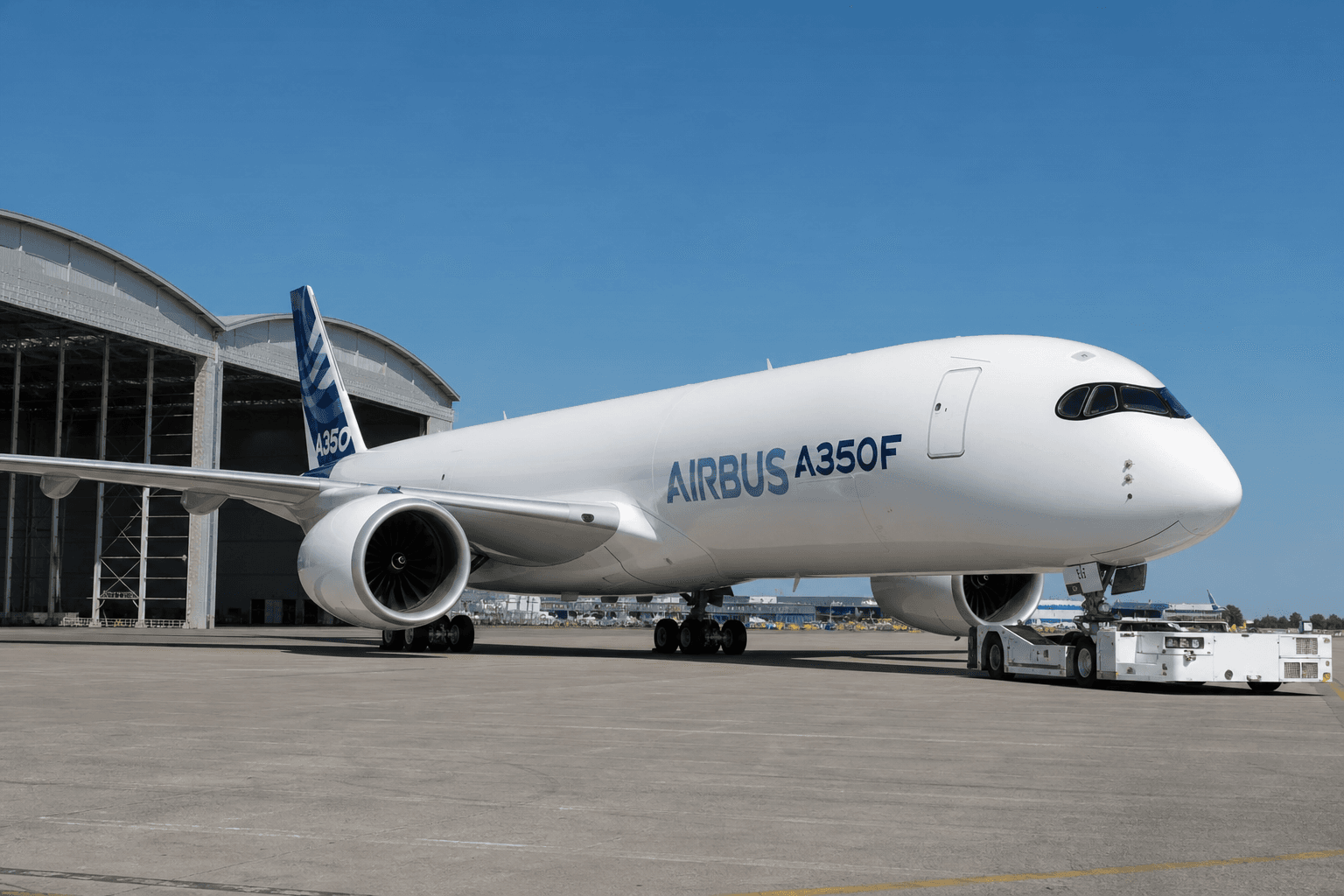
The first Airbus A350F freighter has been fully assembled, marking the start of its official testing phase as announced by Airbus in late June.
The gist
Airbus has finished assembling its inaugural A350F freighter and is commencing testing on the new cargo aircraft.
Airbus has finalized the assembly of the very first A350F freighter, officially initiating the program's testing phase. This milestone was revealed by the company’s head of Freighter Marketing at the end of June. The completion of assembly marks a significant step for Airbus as it advances its cargo aircraft lineup with the A350F, a dedicated freighter variant based on the successful A350 twinjet platform.
The A350F is designed to offer an efficient, long-range freighter option optimized for the air cargo market's evolving demands. Leveraging the A350 passenger aircraft's proven aerodynamic structure and fuel-efficient engines, the freighter version aims to balance payload capacity with operational economy. Assembling the first unit concludes the manufacturing stage, enabling Airbus to move forward with ground and flight testing protocols necessary to certify the type for commercial use.
This program introduction follows Airbus's recognition of growing demand in the air freight sector for larger, more capable twin-engine freighters. The company's marketing lead for freighters emphasized the importance of this launch, noting that the A350F fills a critical need for modern cargo operators seeking high fuel efficiency combined with sizable payload capacity and extended range. The start of testing allows engineering teams to validate performance characteristics and ensure compliance with aviation authority standards.
The A350F inherits many design features from its passenger counterpart, including carbon-fiber reinforced polymer construction and modern avionics technology. However, it incorporates specific modifications for freight operations, such as a redesigned main deck cargo door and reinforced floor structures to handle significant payload weights. Completing assembly signals that these structural and systems adaptations have been integrated into the prototype aircraft, ready for operational evaluation.
The timing of the A350F’s assembly completion also implicates Airbus’s competitive stance in the freighter market. Boeing's 777F and 747-8F models currently dominate the large twin and quadjet freighter segments. With the A350F, Airbus aims to provide an alternative with comparable or superior fuel economy and range capabilities suited for long-haul cargo routes. The program’s progress reflects Airbus’s commitment to expanding its freighter portfolio and capturing opportunities arising from global cargo traffic growth.
While no specific test schedule details have been publicized, the commencement of the testing phase typically involves extensive ground runs, engine tests, taxi trials, and eventually the aircraft’s maiden flight. These stages are critical to demonstrating the freighter’s airworthiness and operational reliability before deliveries to launching customers can begin.
The freighter market's importance continues to rise in parallel with global e-commerce expansion and supply chain complexities. Airbus’s A350F is positioned to serve key cargo operators operating in sectors requiring large payloads over long distances with competitive operating costs. This program development marks a foundational moment for Airbus in securing a strong foothold in next-generation widebody freighter aircraft.
Completion of the first A350F thus transitions the project from production into rigorous validation and certification. The outcomes of these tests will determine the aircraft’s readiness for entry into service and provide data to ensure it meets stringent safety, efficiency, and durability criteria demanded by commercial cargo operators worldwide.
Read more
All Cargo →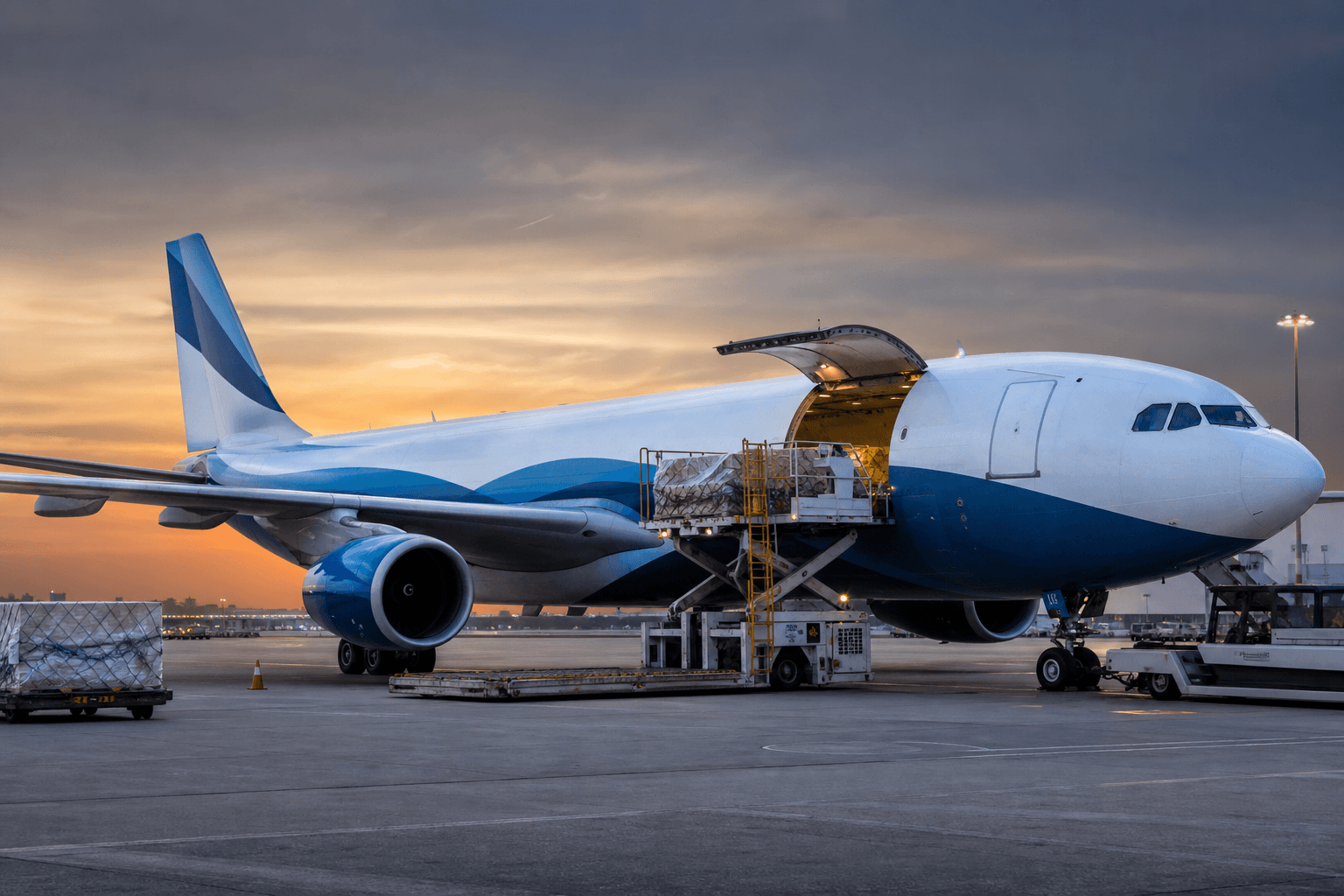
Airbus A330 Emerges as Quiet Successor to Boeing 767 on Cargo Routes
For decades, the Boeing 767 has been one of the defining aircraft of the global air cargo industry. It has become the backbone of fleets operated by dedicated cargo carriers, freight specialists, and airlines that found new life for aging passenger aircraft through passenger-to-freighter conversions. Its combination of payload, range, operating economics, and widespread availability made it the obvious solution for operators seeking a medium-capacity widebody freighter.

National Airlines Expands Fleet with New GE90 and CF6 Engines for Boeing Freighters
GE Aerospace (NYSE: GE) announced on July 23, 2026 that National Airlines has committed to purchase one GE90-110B and six CF6-80C2 engines to power their Boeing 777F/747F cargo airplanes. The GE90 engine family powers all Boeing 777 models and is the exclusive powerplant on the 777-300ER, -200LR, and Freighter. The GE90 engine features several technology […]
Airbus Builds A321XLR Wings in UK and Final Assembly in Germany Across Four Nations
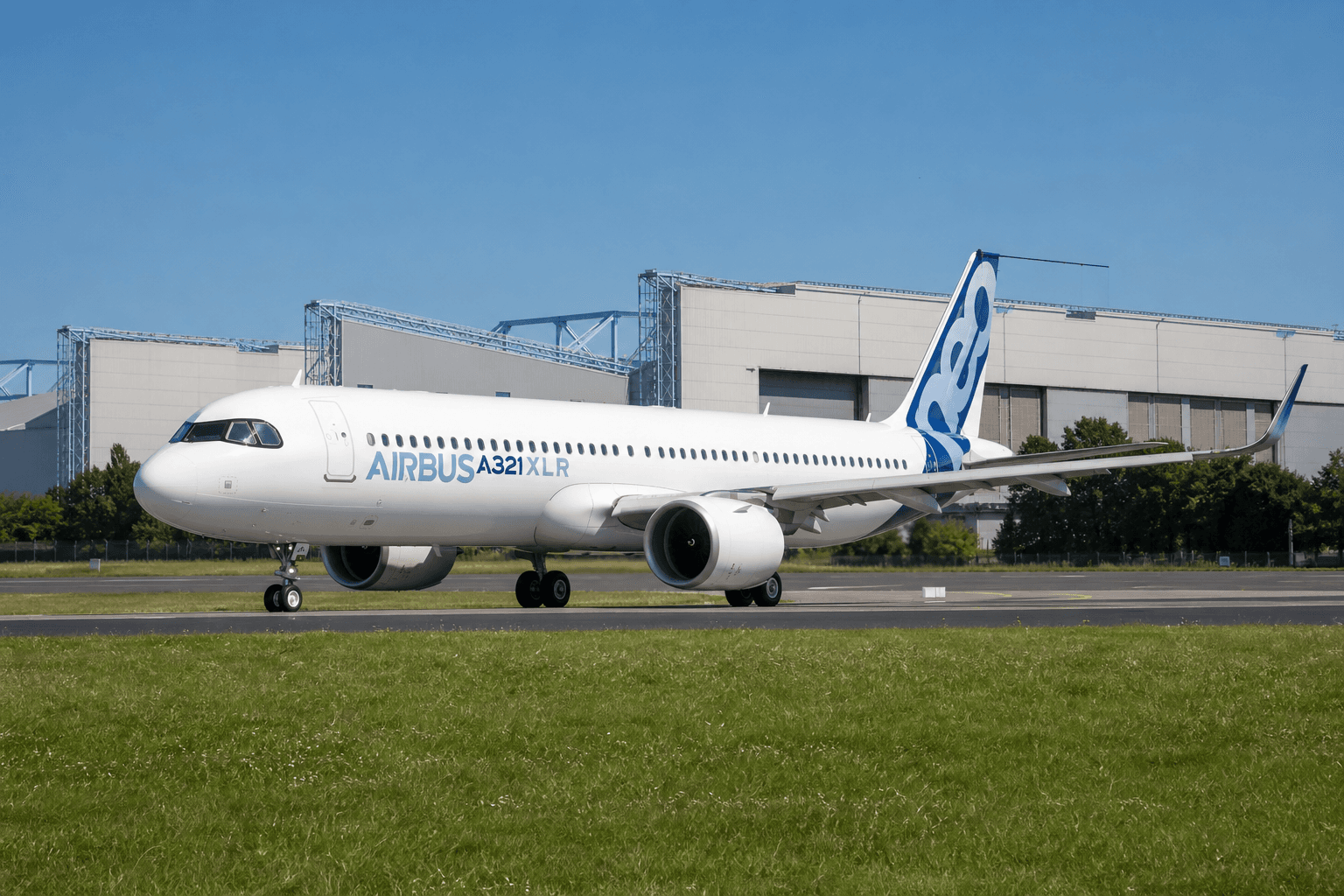
The Airbus A321XLR is built across four countries before it flies. Its wings are manufactured in North Wales, its forward fuselage in western France, its rear fuselage and Rear Center Tank in northern Germany, and its tail in central Spain. The components travel between facilities by road, barge, and a fleet of purpose-built Beluga cargo aircraft before arriving in Hamburg for final assembly.
Airbus Forecasts Doubling of Air Passengers by 2045 Led by Urban Growth and Aircraft Efficiency
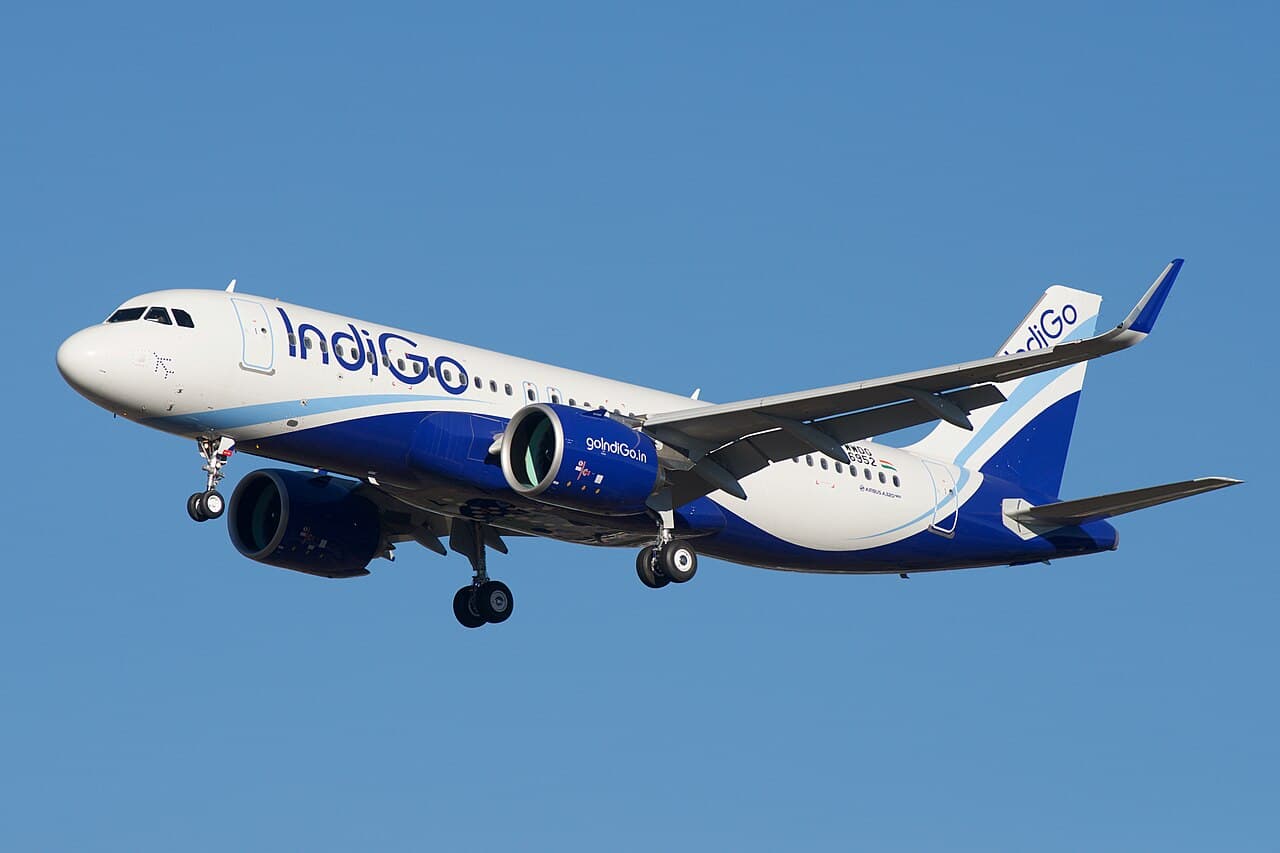
Urbanisation, rising GDP, and more efficient aircraft are set to drive robust long-term demand for air travel, according to Airbus’ latest Global Market Forecast (GMF) for 2026-2045. As populations shift and economies grow, air travel is evolving. ezstandalone.cmd.push(function () { ezstandalone.showAds(119); }); Urbanisation is no longer limited to megacities. Instead, smaller urban centres are expanding rapidly—nearly three times faster than larger ones. This shift, combined with a growing middle class and increasing diaspora communities, is creating new opportunities for direct flights between smaller city pairs. Efficient aircraft are making these routes economically viable. Modern planes can now connect cities that were previously too costly or distant to serve profitably. ezstandalone.cmd.push(function () { ezstandalone.showAds(127); }); Examples include routes like Riga to Tenerife or Melbourne to Alice Springs, which the A220 already handles effectively. Newer models with greater range are opening even more possibilities, such as Lisbon-Recife on the A321neo, Dublin-Nashville with the A321XLR, Algiers-Kuala Lumpur via the A330neo, and Taipei-Phoenix on the A350. ezstandalone.cmd.push(function () { ezstandalone.showAds(128); }); Photo Credit: Airbus Airbus Product Line Matches Market Needs Airbus’ strong order book of around 9,000 aircraft reflects this market demand. The company is ramping up production across its range, from the A220 to the A350, with the A320 Family reaching a rate of 75 aircraft per month. Notably, more than 70% of the A320 backlog consists of the larger A321neo and A321XLR variants—ideal for new, thinner routes. Wider-body aircraft like the A330neo serve high-capacity routes, while the A350 handles ultra-long-haul flights and is proving popular in the cargo segment with its freighter version. ezstandalone.cmd.push(function () { ezstandalone.showAds(129); }); Aviation plays a vital role beyond passengers. It transports high-value goods quickly to market and connects people for business, leisure, family visits, and more. For many communities, it serves as an essential economic lifeline. Resilient Passenger Growth Forecast Global air traffic continues to show strong resilience. The number of people in the middle class—the group most likely to fly—is expected to rise by 1.4 billion (+34%) by 2045. Airbus forecasts annual passenger traffic growth of 3.9% over the next 20 years, driven by global GDP growth of 2.6%, an additional 1.3 billion urban dwellers, and expanding middle classes. As a result, annual passenger numbers are projected to more than double, reaching around 10 billion by 2045. ezstandalone.cmd.push(function () { ezstandalone.showAds(130); }); Short-term challenges such as regional conflicts or high fuel prices have not weakened long-term demand, consistent with historical patterns. Growth is particularly strong in the Asia-Pacific region, with dynamic economies in India, Vietnam, Indonesia, and Malaysia leading the way. International migration and visiting friends and relatives (VFR) travel are also boosting international routes. Photo Credit: IATA Strong Demand for New, Efficient Aircraft To meet this growth and replace older planes, the world will need 42,060 new aircraft over the next 20 years. This includes 19,820 replacements and 22,240 for expansion. Single-aisle aircraft will account for 81% of deliveries, with widebodies making up the remaining 19%. These new-generation planes offer better cost efficiency and lower CO₂ emissions. ezstandalone.cmd.push(function () { ezstandalone.showAds(131); }); Fleet renewal is accelerating after COVID-19, as older aircraft are retired faster. By 2045, Airbus expects nearly 100% of the global fleet to consist of new-generation aircraft. This is up from about 39% in 2026. This transition supports profitable operations on both low-density routes and long-haul sectors while improving overall environmental performance. In summary, Airbus’ forecast highlights a decentralised, more connected future for aviation. Thanks to urbanisation trends, economic growth, and increasingly capable aircraft, air travel is poised to connect more people and places than ever before—driving economic benefits worldwide. ezstandalone.cmd.push(function () { ezstandalone.showAds(132); });
The Daily Touch & Go
The day's best aviation news in your inbox. Free, no spam.