

Image: WhisperToMe · CC0 · via Wikimedia Commons
Airlines urged to charge for guaranteed overhead bin space to end gate-check hassles
Frequent traveler complaints reveal gate-checking carry-on bags wastes time and causes frustration; experts suggest charging passengers for reserved overhead bin space to improve boarding experience.
The gist
Charging for guaranteed overhead bin space could end gate-check hassles and speed boarding, improving passenger experience and airline efficiency.
Travelers frequently face the frustrating experience of being forced to gate-check their carry-on bags despite overhead bins visibly having available space. This common complaint, widely shared on social media with accompanying photos, reflects passengers’ growing dissatisfaction with current airline boarding procedures. Such gate-checking not only deprives passengers of access to their belongings during flight but also leads to long waits retrieving bags after landing, making the process inefficient and aggravating. Experts argue that these practices stem from airlines treating overhead bin space as a ‘license to hunt’ rather than a guaranteed benefit.
Airlines such as American, United, and Delta have attempted to address boarding delays by extending boarding times, yet these measures have not resolved the issue of insufficient bin space for all passengers. Pictures from recent flights show large amounts of unused overhead space even as customers are required to check bags at the gate, fueling skepticism about the true necessity of these policies. Passengers traveling in premium cabins or with elite status often expect priority access to bin space but sometimes find themselves subjected to the same inconveniences as economy travelers, highlighting inconsistencies in enforcement.
Current airline fare structures partially address overhead space scarcity by restricting carry-on privileges under basic economy fares, compelling passengers to check bags when traveling on the lowest ticket classes. However, this approach alone fails to guarantee sufficient bin space for passengers paying higher fares or holding elite status. It effectively penalizes travelers without providing a definitive solution to the core issue—limited and unmanaged overhead bin capacity that cannot meet demand.
One proposed solution gaining attention is to monetize overhead bin space by charging passengers a fee to guarantee room for their carry-on bags. Unlike existing priority boarding fees, this concept would explicitly assign and reserve bin space, providing certainty and convenience to paying customers. Advocates suggest such a system would allow passengers more flexibility in boarding times, reduce gate-checking occurrences, and improve the overall travel experience, especially for frequent business travelers who prioritize carry-on luggage.
Implementing guaranteed bin space may require operational changes, such as adapting procedures similar to Delta's earlier trials where gate agents handled stowing of carry-on bags. Flight attendants would need clear guidelines and support to manage the process uniformly across flights. Though challenging, airlines potentially stand to gain from reduced boarding times, lower staffing costs related to delay management, and enhanced ancillary revenue streams that leverage a scarce onboard resource.
Charging for overhead bin space could also encourage passenger behavior changes, motivating travelers to pack lighter or select checked baggage options when appropriate. Additionally, airlines might re-evaluate checked bag fees, possibly reducing or eliminating them to balance the revenue model and improve customer satisfaction. More efficient boarding and luggage handling processes could lead to improved on-time performance, operational cost savings, and a more pleasant journey for passengers across cabins.
This proposal responds directly to widespread passenger frustration with current boarding gate practices that often feel arbitrary or unjustified. Universal bin space fees would clarify expectations and entitlements associated with carrying on bags. By defining overhead storage as a paid amenity akin to extra legroom seats, airlines would better match supply with demand, reducing conflicts and inconsistencies during boarding.
Some carriers, such as ultra-low-cost Spirit Airlines, demonstrate that rapid boarding and minimal gate-checking can be achieved by managing carry-on luggage effectively, reaffirming that operational improvements are possible. Assigning specific bin space with physical dividers could prevent oversized bags and optimize loading, further enhancing onboard organization and passenger experience. Such innovations highlight ways airlines can evolve boarding procedures while generating new revenue.
Ultimately, monetizing guaranteed overhead bin space addresses a chronic pain point in air travel and offers airlines a pathway to improve efficiency and customer satisfaction. As passenger expectations grow and operating costs rise, airlines may find this approach a pragmatic solution to balance scarce cabin resources and reduce the inefficiencies caused by current bin-sharing policies.
Frequently asked questions
- Why are passengers sometimes forced to gate-check carry-on bags despite bin space availability?
- Passengers are often required to gate-check carry-on bags because airlines treat overhead bin space as unassigned and rely on first-come basis, causing insufficient space for all passengers despite visible availability.
- What is the proposed solution to the overhead bin space shortage at boarding?
- A proposed solution is to charge passengers for guaranteed overhead bin space, assigning and reserving spots so travelers have certainty about carrying on bags and reducing gate-checking.
- How might charging for overhead bin space benefit airlines operationally?
- Charging for bin space could reduce boarding times, lower staffing costs related to delays, and generate additional ancillary revenue by better managing the scarce resource of overhead storage during boarding.
Read more
All Airlines →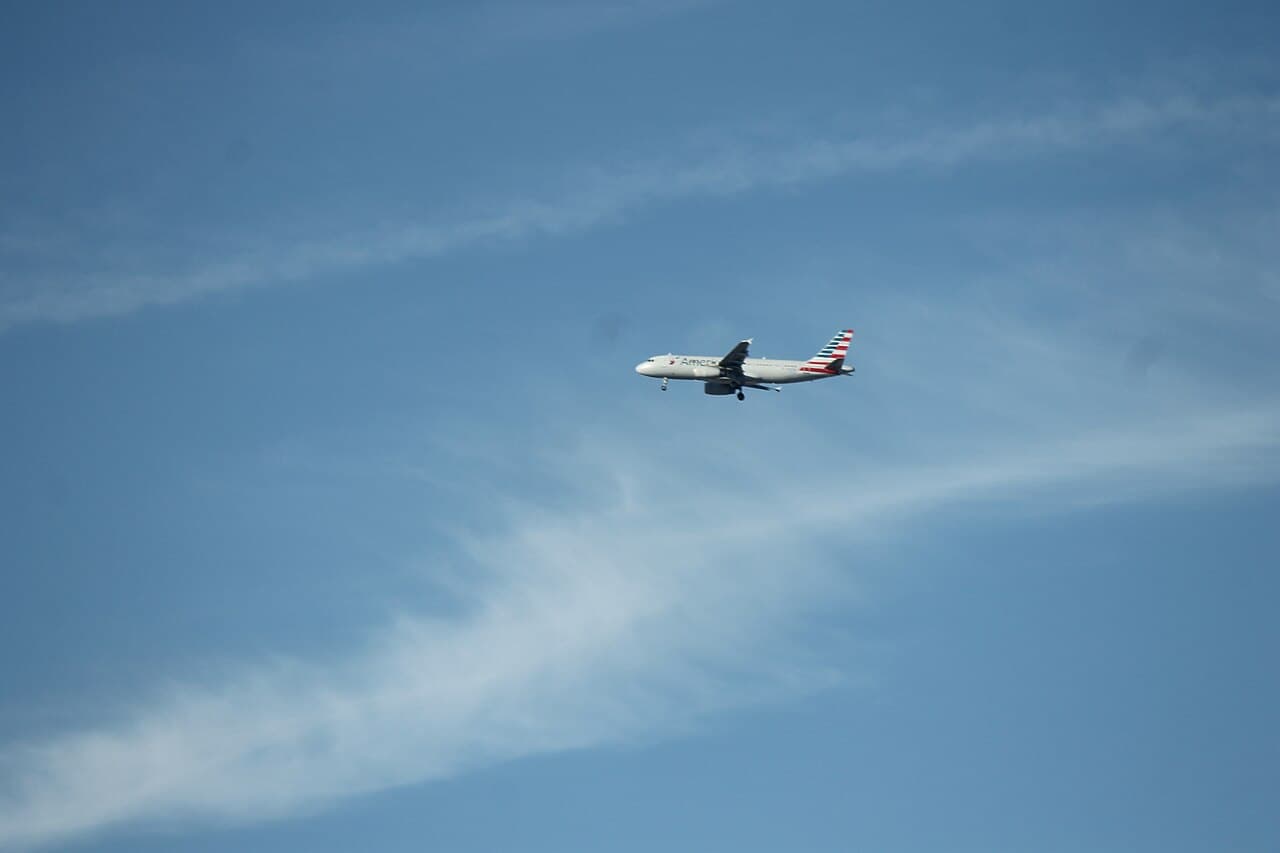
How Crews and Aircraft Separation Amplify Flight Delays Even After Weather Clears
Airlines often blame weather even after skies clear because the disruption has scattered aircraft, pilots and flight attendants across the network. After a storm delayed my American Airlines flight at Washington National, a missing crewmember exposed how separating planes and crews can turn one late arrival into delays across multiple flights.
Airbus to upgrade A321neo with A321XLR wing design and single-slotted flaps
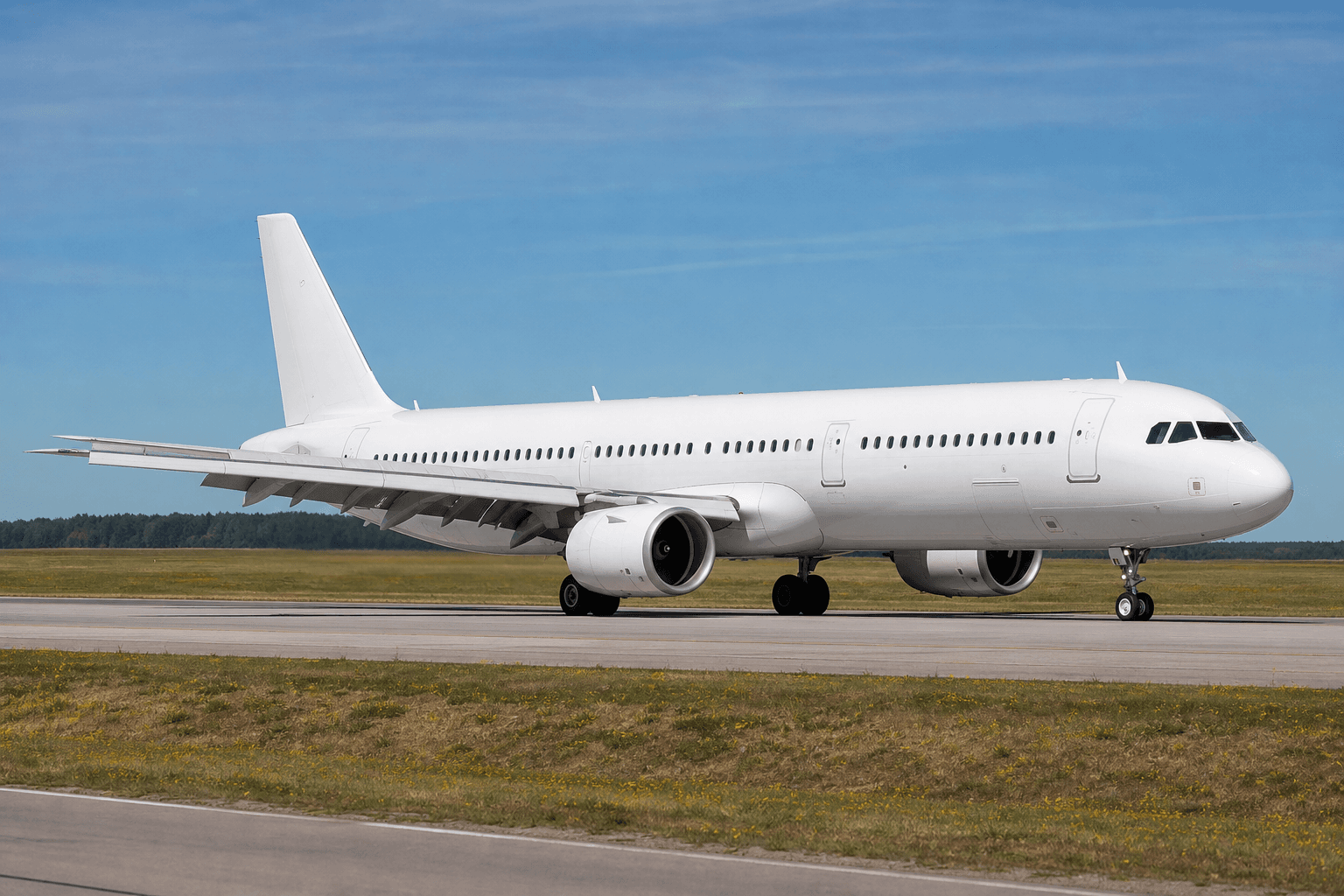
Airbus to incorporate batch of improvements on popular single-aisle model, and test production maturity of some on A320neo line. Airbus is to migrate A321XLR technology – including its revised wing design – to the A321neo, while other enhancements for the single-aisle family will initially be applied to the A320neo before being transferred up to the larger variants. The long-range XLR includes a lighter wing with a single-slotted inboard flap, and this will be incorporated into the regular A321neo, which currently uses a double-slotted design. A321neos will take advantage of a take-off performance improvement system which introduces intermediate flap positions, and works in conjunction with the single-slotted flap arrangement. The changes are part of a package of incremental improvements known as STEP4. A321neos will also benefit from new flight-control laws, the lighter electronic ‘e-rudder’, forward cabin temperature zones, and updated multi-functional runway lights. Head of A320-family development Torsten Hartung says the airframer is putting the "good ingredients" from the XLR onto the popular A321neo platform – the A321neo had a backlog of over 5,600 orders at the end of June. But the STEP4 enhancement will also entail new modifications which Airbus is to apply initially to the A320neo, as a low-risk measure to ensure production maturity before transferring them to the higher-rate A321neo, including the XLR variant. The A320neo will notably receive a new 'cobra' duct for the auxiliary power unit – mounted in the top of the fuselage, and aimed at enhancing cabin air quality – and corrosion-prevention measures such as titanium cabin rails. "The baseline A320neo is the first model to incorporate and prove the new modifications," says STEP leader for A320 family programme development Martin Schnoor. “Where we physically change the aircraft we decided to apply it first on A320neo in order to learn and see how well things are going." Once integration on the A320neo line is smooth, the new modifications will be made to the A321neo and XLR. Schnoor says deliveries of initial STEP4 A320neos are beginning, with the first A321neos and XLRs set to follow after a year. The A320neo has a different wing to the A321neo, but Airbus is ultimately aiming to migrate as many XLR innovations, outside of wing-related changes, to the A320neo as it can. Airbus says STEP4 will also eventually deliver further enhancements across the family, such as cabin-floor reinforcement, to account for changing standards in the weight of passengers and baggage, and a standardised flight data interface and management unit.
EVA Air Pioneered Premium Economy, Reshaping Long-Haul Travel Since 1992
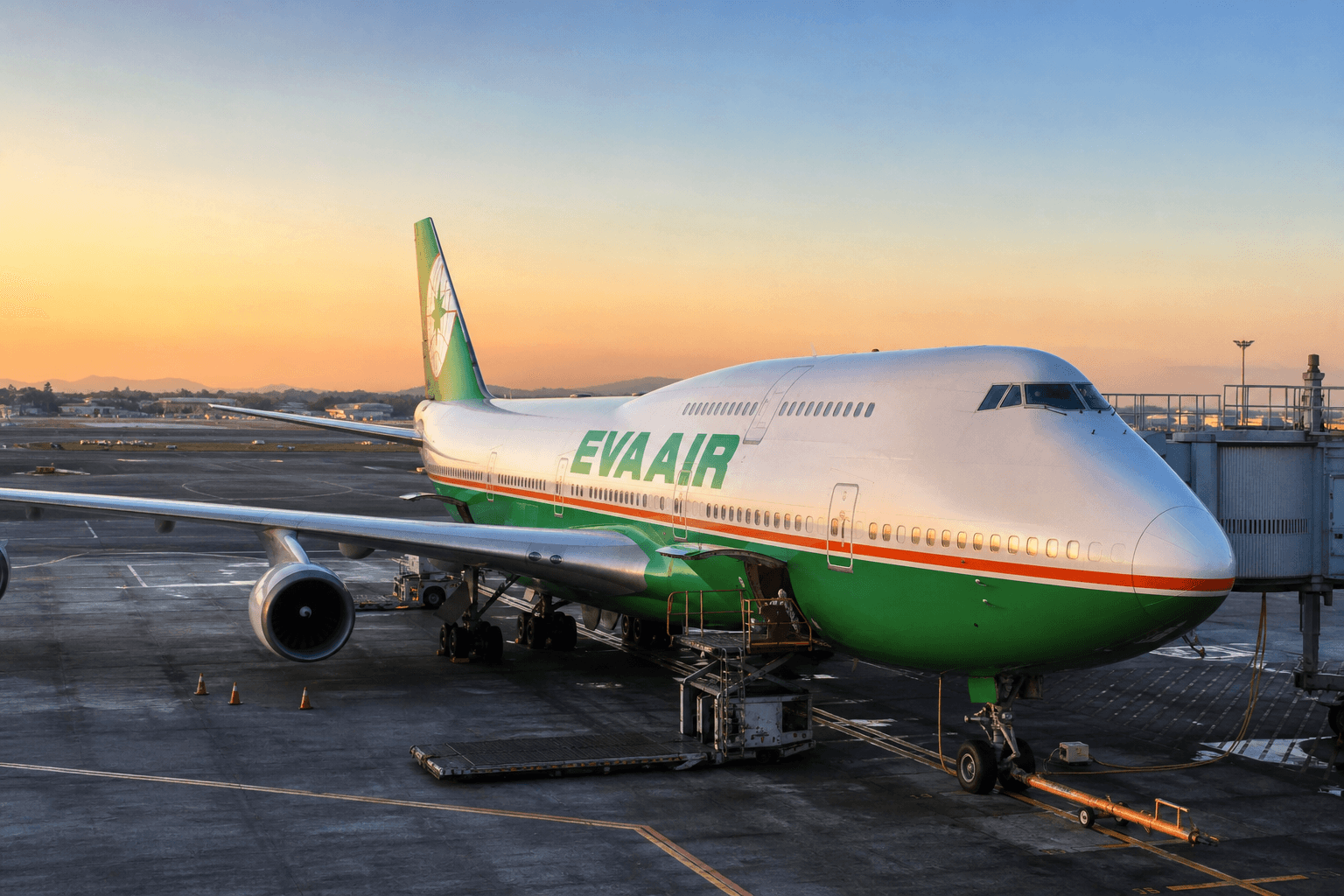
Today, Premium Economy has become one of the most important cabin classes in long-haul aviation. Airlines across the world now rely on the product to bridge the gap between economy affordability and business class comfort, offering wider seats, improved dining, and additional personal space for travelers willing to pay slightly more for a better experience.
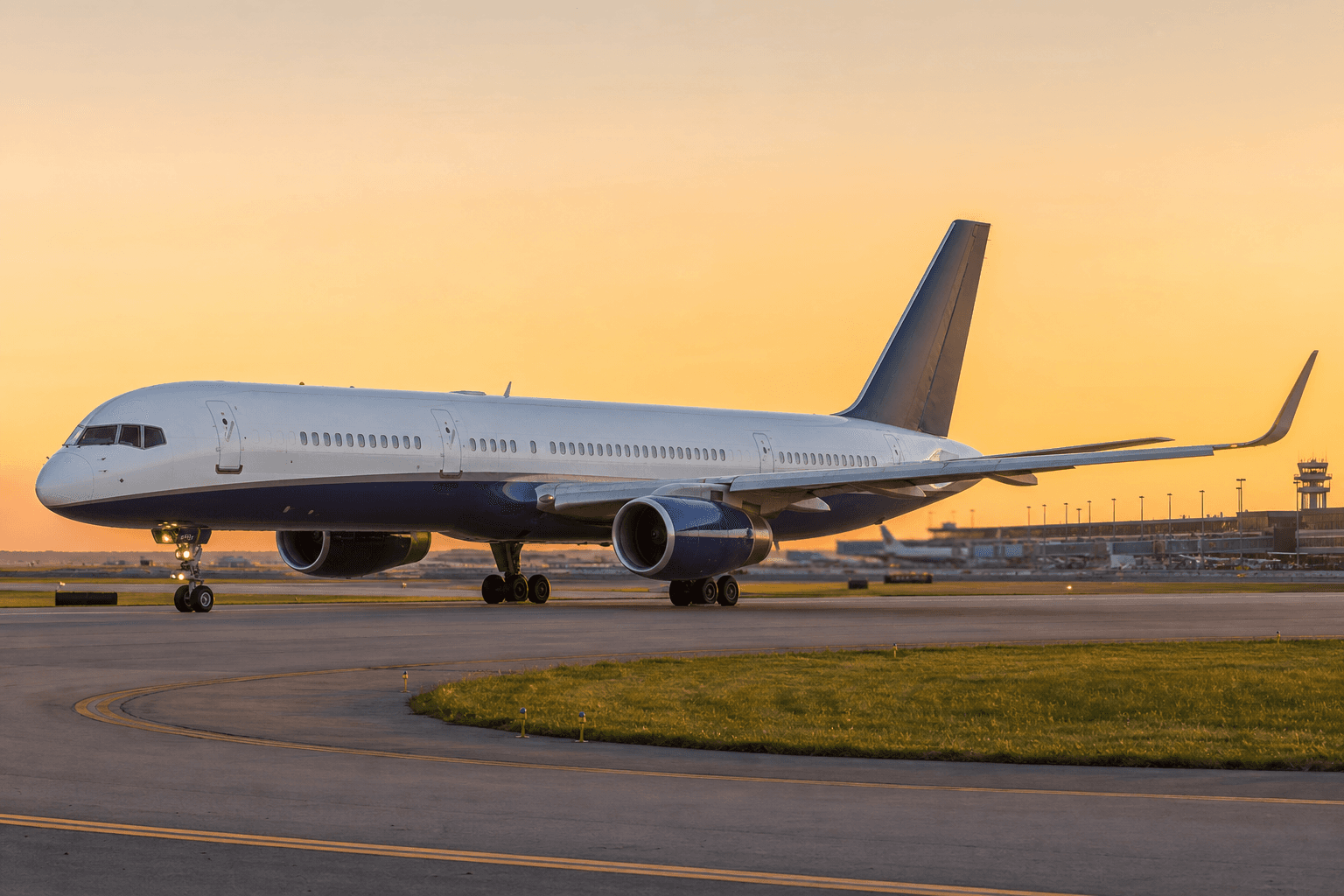
Why Allegiant Air Operated Boeing 757s to Reach Hawaii and Beyond
US-based ultra-low-cost carrier Allegiant Air is primarily known today for operating widebody twinjets from the Airbus A320 series. In fact, until recently, the airline had been an all-Airbus operator for several years, before its deliveries of the Boeing 737 MAX 8-200 began. However, prior to this spell, did you know that Allegiant Air also flew larger aircraft in the form of the 757 during the 2010s?
The Daily Touch & Go
The day's best aviation news in your inbox. Free, no spam.