

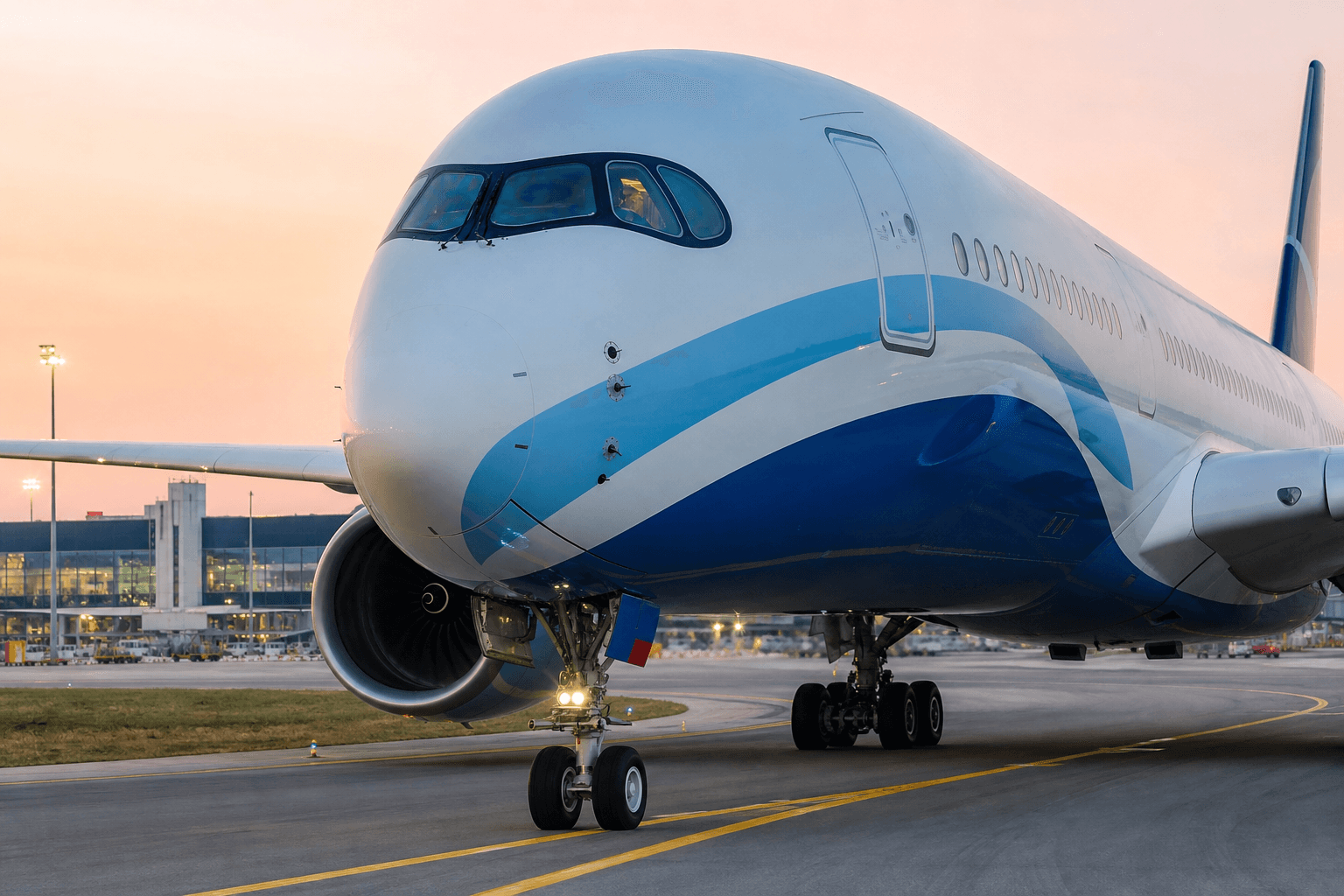
Illustration: The Touch & Go
Inside the Airbus A350's Concealed Crew Rest Compartment Beneath the Flight Deck
The Airbus A350 features a hidden, dedicated crew rest area below the cockpit designed for ultra-long-haul flights to enhance pilot wellbeing and operational efficiency.
The gist
The Airbus A350 includes a secret crew rest space below the flight deck, improving crew comfort on ultra-long flights and showcasing smart space use.
Continuing coverage
All Ultra-Long-Haul →- Cathay Pacific to Operate 11 Ultra-Long Airbus A350 Routes of 14+ Hours in 2026
- Qatar Airways Sued After Teen Dies from Allergic Reaction on Doha-New York Flight
- Airbus to perform ultra-long 22-hour test flight of A350-1000ULR to Australia
- Qantas Uses Perth–Rome Route as Real-World Test Ahead of Project Sunrise Ultra-Long-Haul Flights
- United Airlines' San Francisco to Adelaide Route Launches with Low Initial Load Factor
The Airbus A350 stands out as one of the most technologically advanced widebody aircraft in commercial aviation today. Developed to compete with Boeing's 787 and 777 families, the A350 emphasizes fuel efficiency, passenger comfort, and long-range capability. Entering service in 2015 with Qatar Airways, it quickly gained a reputation for combining advanced composite materials with innovative design features to meet the demands of ultra-long-haul travel.
One of the lesser-known attributes of the A350 is a hidden compartment located directly beneath the flight deck. This confidential room is not featured in passenger seating maps and remains unseen by travelers. It serves a vital function as a dedicated rest area for flight crew during extended missions, reflecting evolving industry focus on crew wellbeing as flights stretch beyond previous durations.
Access to this compartment is tightly controlled, typically through a discreet door near the cockpit, known only to the flight crew and select cabin staff. Inside, the space is modest yet thoughtfully equipped, offering a small bunk or resting surface with adjustable lighting. This sanctuary ensures pilots and cabin crew can recharge in relative quiet and darkness, critical for maintaining alertness and safety on flights exceeding 18 hours.
Operationally, the crew rest area beneath the flight deck allows for efficient rotation among pilots on ultra-long sectors. While some pilots rest, others remain at the controls, thus complying with strict international regulations governing duty periods and rest requirements. Providing a dedicated place for rest away from the passenger environment reduces noise and distractions, ultimately enhancing flight safety through reduced fatigue.
The integration of this secret compartment exemplifies Airbus's approach to maximizing limited internal volume on the A350. Over 50% of the aircraft’s structure employs advanced composite materials to reduce weight and increase efficiency, allowing space to be configured innovatively. Unlike older aircraft where crew rest might be cramped or improvised, the A350 was engineered from inception with such crew needs in mind, embedding functional zones in previously underutilized spaces.
The inclusion of a rest compartment under the flight deck is also a reflection of the growing importance of crew health in aviation design. As airlines expand ultra-long-haul routes that connect distant cities nonstop, ensuring pilots remain rested is essential to operational reliability. These crew rest areas meet stringent safety and regulatory standards, including securing furnishings against turbulence and maintaining appropriate ventilation and access.
Airbus’s design strategy extends beyond passenger comfort, incorporating crew requirements as a core element rather than an afterthought. This secret room supports this philosophy by offering a controlled, practical environment for breaks and sleep without sacrificing the aircraft's aerodynamic performance or adding unnecessary weight. Through such clever spatial engineering, the A350 can sustain crew welfare while maintaining high operational efficiency.
In the competitive global market, airlines operating A350s deploy these aircraft on ultra-long routes that once necessitated stopovers, such as Singapore to New York or Atlanta to Johannesburg. The hidden crew rest compartment is a behind-the-scenes enabler of these nonstop flights, strengthening the aircraft’s appeal for operators demanding long-range capabilities balanced with crew endurance.
Ultimately, the A350's secret space beneath the flight deck illustrates how modern aircraft blend cutting-edge technology, ergonomic design, and regulatory compliance to push the limits of global connectivity. It is a subtle but crucial feature enhancing the safety and comfort of the crews who pilot the world’s longest journeys.
Frequently asked questions
- Where is the secret crew rest area located on the Airbus A350?
- The secret crew rest area is located directly below the flight deck, accessible through a discreet door near the cockpit.
- What purpose does the hidden compartment serve on ultra-long-haul A350 flights?
- It provides a dedicated, quiet space for flight crew to rest during long flights, helping to reduce fatigue and maintain safety on missions that can exceed 18 hours.
- How does the secret crew rest area reflect Airbus's design philosophy?
- It shows Airbus's focus on integrating crew wellbeing into aircraft design by intelligently using limited space to create functional rest areas without compromising performance.
Read more
All Airlines →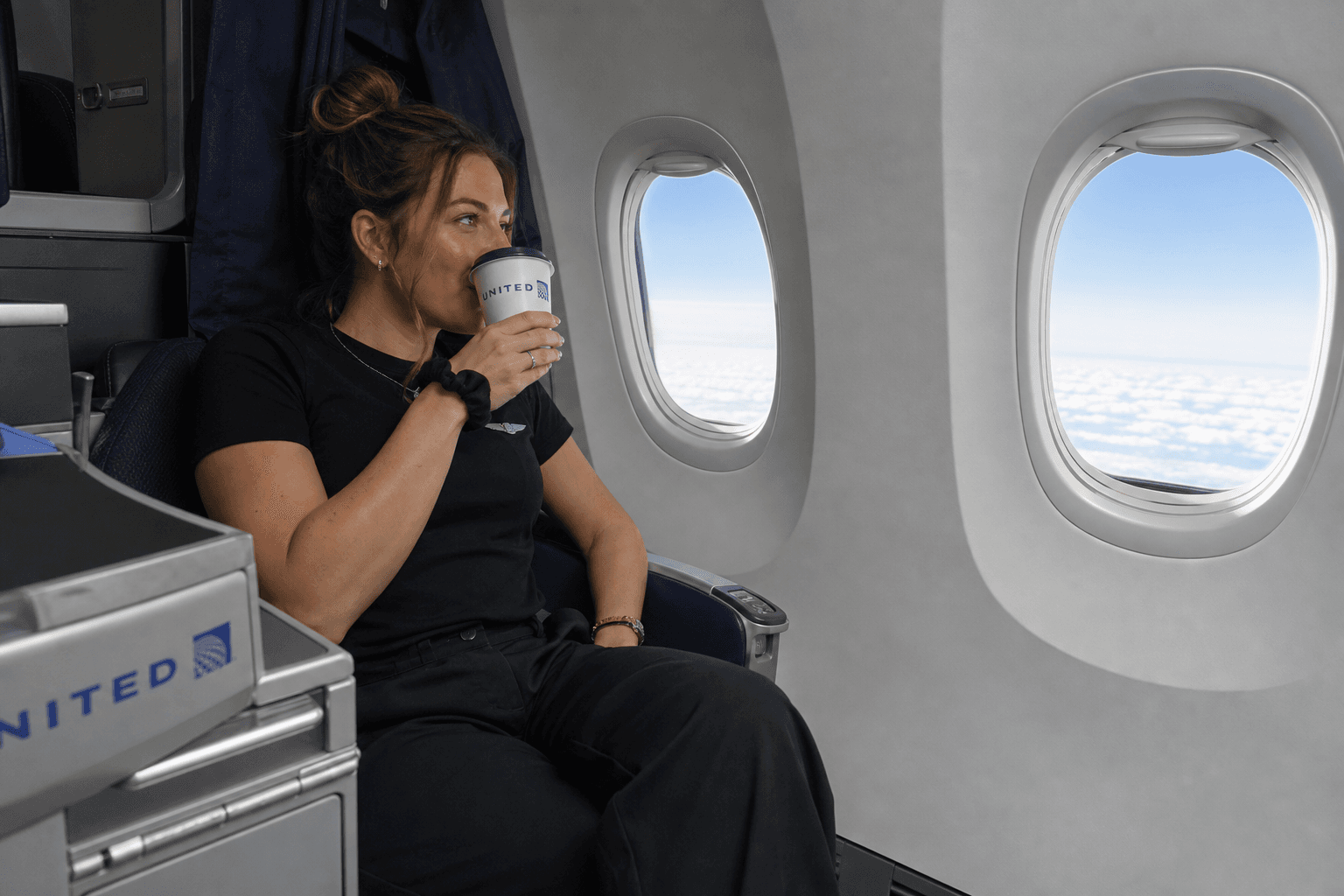
United Airlines Allows Flight Attendants to Drink Alcohol While Deadheading Under Strict Conditions
United Airlines flight attendants can drink while on duty in one narrow situation: when they are deadheading as passengers, out of uniform, and not expected to work another flight that day.
How Crews and Aircraft Separation Amplify Flight Delays Even After Weather Clears
Airlines often blame weather even after skies clear because the disruption has scattered aircraft, pilots and flight attendants across the network. After a storm delayed my American Airlines flight at Washington National, a missing crewmember exposed how separating planes and crews can turn one late arrival into delays across multiple flights.
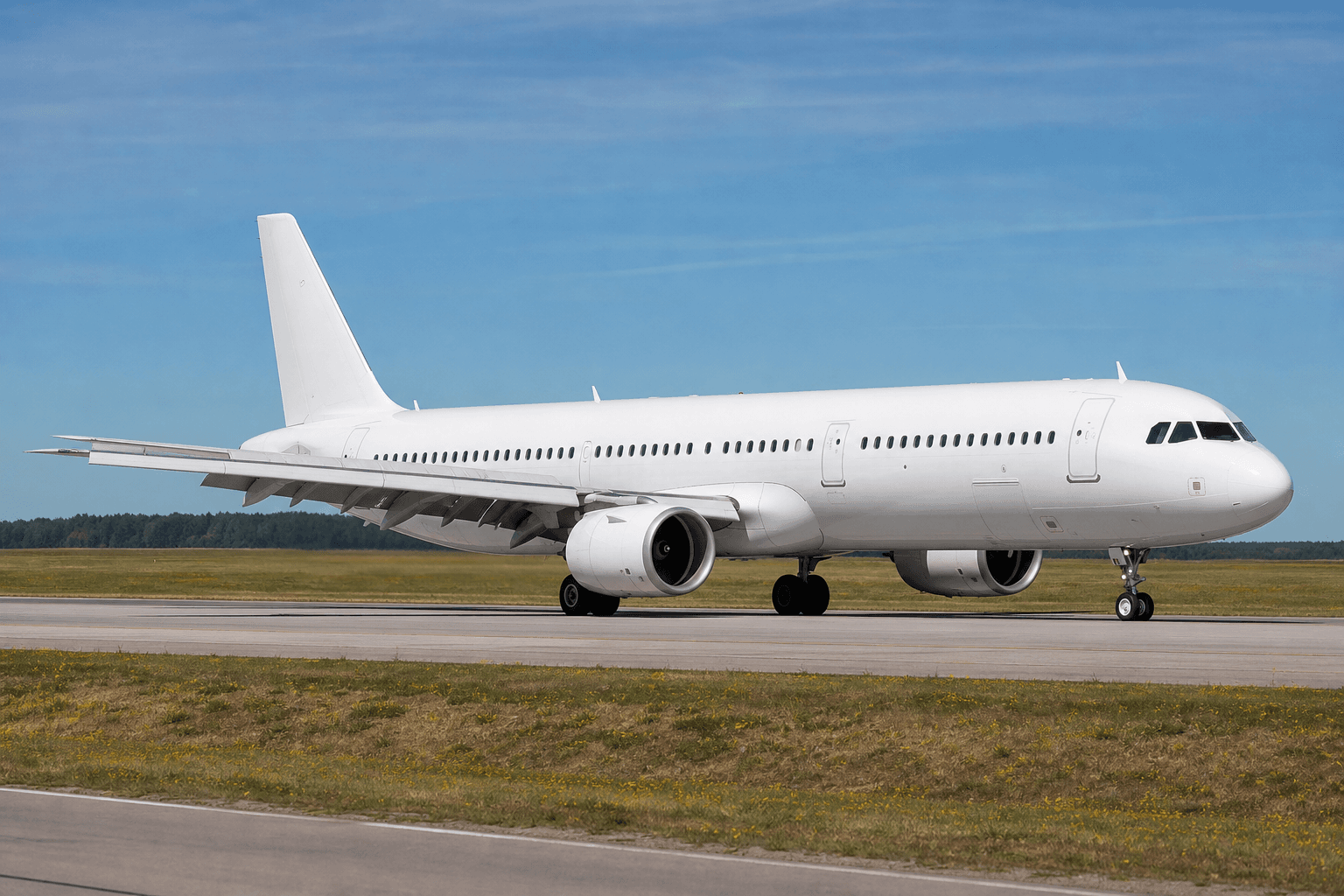
Airbus to upgrade A321neo with A321XLR wing design and single-slotted flaps
Airbus to incorporate batch of improvements on popular single-aisle model, and test production maturity of some on A320neo line. Airbus is to migrate A321XLR technology – including its revised wing design – to the A321neo, while other enhancements for the single-aisle family will initially be applied to the A320neo before being transferred up to the larger variants. The long-range XLR includes a lighter wing with a single-slotted inboard flap, and this will be incorporated into the regular A321neo, which currently uses a double-slotted design. A321neos will take advantage of a take-off performance improvement system which introduces intermediate flap positions, and works in conjunction with the single-slotted flap arrangement. The changes are part of a package of incremental improvements known as STEP4. A321neos will also benefit from new flight-control laws, the lighter electronic ‘e-rudder’, forward cabin temperature zones, and updated multi-functional runway lights. Head of A320-family development Torsten Hartung says the airframer is putting the "good ingredients" from the XLR onto the popular A321neo platform – the A321neo had a backlog of over 5,600 orders at the end of June. But the STEP4 enhancement will also entail new modifications which Airbus is to apply initially to the A320neo, as a low-risk measure to ensure production maturity before transferring them to the higher-rate A321neo, including the XLR variant. The A320neo will notably receive a new 'cobra' duct for the auxiliary power unit – mounted in the top of the fuselage, and aimed at enhancing cabin air quality – and corrosion-prevention measures such as titanium cabin rails. "The baseline A320neo is the first model to incorporate and prove the new modifications," says STEP leader for A320 family programme development Martin Schnoor. “Where we physically change the aircraft we decided to apply it first on A320neo in order to learn and see how well things are going." Once integration on the A320neo line is smooth, the new modifications will be made to the A321neo and XLR. Schnoor says deliveries of initial STEP4 A320neos are beginning, with the first A321neos and XLRs set to follow after a year. The A320neo has a different wing to the A321neo, but Airbus is ultimately aiming to migrate as many XLR innovations, outside of wing-related changes, to the A320neo as it can. Airbus says STEP4 will also eventually deliver further enhancements across the family, such as cabin-floor reinforcement, to account for changing standards in the weight of passengers and baggage, and a standardised flight data interface and management unit.
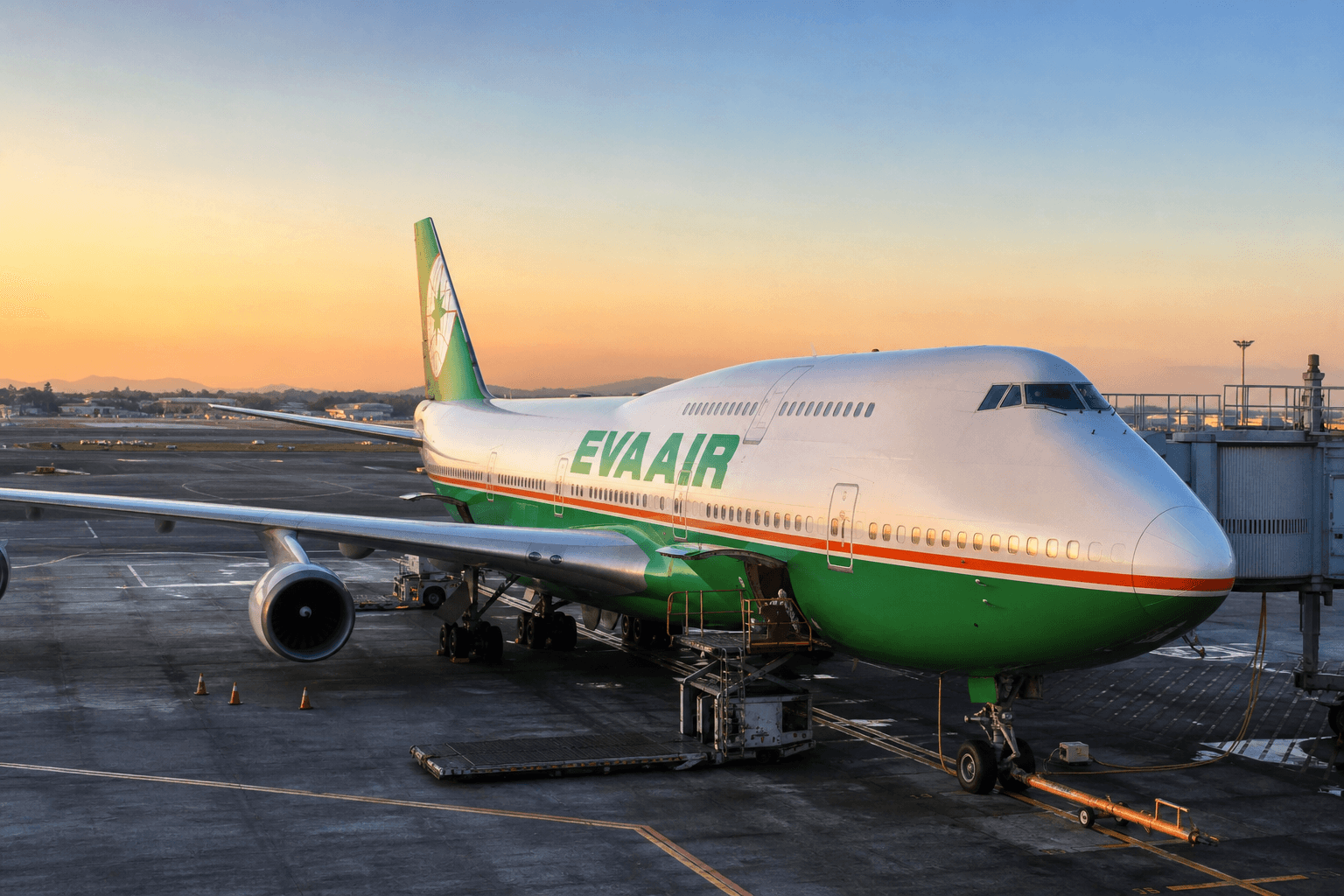
EVA Air Pioneered Premium Economy, Reshaping Long-Haul Travel Since 1992
Today, Premium Economy has become one of the most important cabin classes in long-haul aviation. Airlines across the world now rely on the product to bridge the gap between economy affordability and business class comfort, offering wider seats, improved dining, and additional personal space for travelers willing to pay slightly more for a better experience.
The Daily Touch & Go
The day's best aviation news in your inbox. Free, no spam.