


Image: Doug Kerr from Albany, NY, United States · CC BY-SA 2.0 · via Wikimedia Commons
Military GPS Jamming Probed in Fatal New Mexico Medevac Crash Amid Rising Interference Incidents
A Beechcraft King Air medevac crash in New Mexico is under scrutiny after GPS disruptions from a military jamming exercise may have hindered navigation, contributing to the fatal accident that claimed four lives.
The gist
Military GPS jamming is investigated following a deadly New Mexico medevac crash linked to navigation loss amid rising GPS interference reports.
A fatal medevac accident in New Mexico involving a Beechcraft King Air continues to draw attention as investigators explore whether a military GPS jamming exercise played a role. The twin-engine aircraft crashed in May while en route from Roswell to Ruidoso, tragically killing both pilots and two medical personnel onboard. The accident occurred near mountainous terrain at night, complicating navigation when the crew reportedly lost reliable satellite GPS signals during a nearby electronic warfare exercise.
The incident remains under investigation with no definitive determination of probable cause released. Reports indicate that GPS interference was detected by multiple aircraft in the area during the military exercise near White Sands Missile Range. This coordinated jamming reportedly disrupted the onboard satellite navigation systems, leaving the medevac crew without dependable positioning information in critical final approach phases.
According to sources familiar with the investigation, three additional aircraft experienced GPS outages or disruption coincidental with the timing of the medevac flight. The inference is that the military jamming effect extended over a broad area, not isolated to a single aircraft. Inability to utilize satellite navigation in complex and rugged terrain, especially at night, likely contributed to spatial disorientation or navigational errors leading to the crash into a mountainside.
While investigators have linked the GPS outage to the sequence of events culminating in the accident, official statements emphasize that it is premature to conclude that the military jamming exercise directly caused the crash. Further analysis and corroboration of data from flight recorders, radar, and military exercise logs are ongoing to establish causal factors with certainty.
The incident has reignited concerns among aviators and regulatory authorities over the escalating prevalence of GPS interference events in U.S. airspace. Data shared by the Aircraft Owners and Pilots Association (AOPA) highlights a stark rise in reported GPS disruptions, from only four events across the continental U.S. in 2020 to 50 by 2024, followed by an additional 40 incidents in just the first half of 2025.
Such interference can severely degrade situational awareness and safety margins, particularly for flights reliant on satellite navigation during critical phases or in challenging environments. Medevac missions, which frequently operate in demanding conditions and on tight schedules, are particularly vulnerable when key navigation aids become unreliable.
Military operations, including electronic warfare exercises, are known to cause intentional GPS jamming or spoofing to train and test defense systems. However, the impact on civilian aviation and emergency services is an emerging safety issue. Coordination between military authorities and civilian airspace users is essential to mitigate risks from electronic interference.
This medevac crash underscores the operational hazards posed by increasingly frequent GPS interference incidents. Pending the formal investigation's outcome, it may prompt calls for enhanced communication protocols, airspace management coordination, and technologies to safeguard navigation for critical flights amid jamming activities.
The investigative findings from this accident will likely influence safety policies addressing electronic warfare effects on civil aviation navigation infrastructure. Stakeholders in the aviation community are watching closely for any regulatory or procedural changes arising from the case.
Frequently asked questions
- What aircraft was involved in the New Mexico medevac accident?
- A twin-engine Beechcraft King Air was involved in the May accident near Ruidoso, New Mexico.
- How did military GPS jamming impact the medevac flight?
- The flight lost reliable GPS navigation due to a military electronic warfare exercise near White Sands Missile Range, limiting the crew's situational awareness during a critical night approach in mountainous terrain.
- Are GPS interference incidents increasing in the U.S.?
- Yes, reported GPS disruption events climbed from 4 in 2020 to 50 in 2024, with another 40 incidents recorded in 2025, per Aircraft Owners and Pilots Association data.
Read more
All Aviation Safety →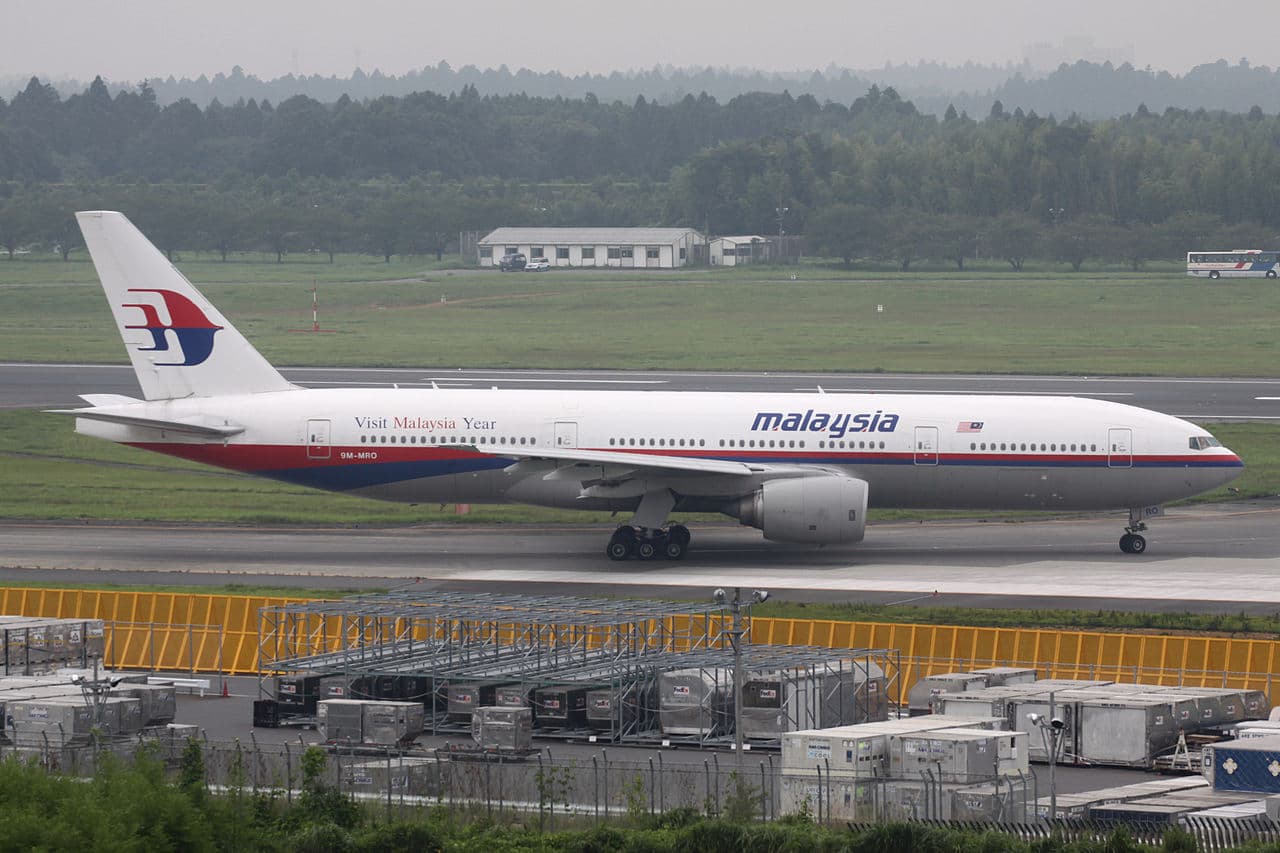
Malaysia Airlines Pilot Arrested in Indonesia with 70,000 Ecstasy Pills and Multiple Drugs
A lot of drug smuggling happens by airplane, and it's not totally uncommon to see pilots and flight attendants involved, given how much they travel, plus the special privileges they have at some airports. Well, here's one of the most extreme stories I've ever heard — a Malaysia Airlines pilot was caught in Indonesia transporting 57 pounds of ecstasy. Not only that, but he even tested positive for methamphetamine, ecstasy, and cocaine. Malaysia Airlines pilot caught smuggling drugs into Indonesia This incident happened on the night of Tuesday, July 28, 2026, at Jakarta Soekarno-Hatta Airport (CGK). Customs officers at the airport were inspecting baggage at the international arrivals hall via x-ray, and noticed a bag that looked suspicious. The bag was later collected by a 39-year-old Malaysia Airlines pilot who had just completed flight MH727 from Kuala Lumpur Airport (KUL). At that point, customs officers approached the pilot, and took him and the suitcase to a customs inspection room for further examination. It was there that authorities discovered 14 large packages containing more than 70,000 ecstasy pillows, weighing a total of 26 kilograms (57 pounds). There was also a separate package of methamphetamine. As you'd expect, the pilot was detained, and authorities are still trying to figure out the network he was involved in. During questioning, the pilot stated that he had been instructed by another person to transport the drugs to Jakarta, and that they would be picked up from his hotel. He was offered 50,000 MRY (11,700 USD) for doing the job. The pilot also admitted that he had previously transported drugs on two occasions. In addition to once previously transporting seven kilograms (15 pounds) of methamphetamine to Jakarta, he had also once transported methamphetamine to Sabahh, Malaysia. Unfortunately for this pilot, Indonesia has some of the strictest anti-drug laws of anywhere in the world, and drug trafficking charges can carry a life sentence, or even the death penalty (though the country has maintained a moratorium on executions for the last decade). This Malaysia Airlines pilot was caught at Jakarta Airport The pilot also tested positive for three different drugs Here's what makes this story even more shocking. When this all happened, the pilot also had a drug test administered on him, and that showed positive results for methamphetamine, ecstasy, and cocaine. I'm not an expert on this stuff, but I'd interpret that to mean that the results were positive for this being in his system, rather than him just coming in contact with these drugs? Because if so… wow! One would certainly hope that he hadn't consumed these drugs shortly before flying, and that they were just in his system from days earlier. Of course that still completely violates rules and is unacceptable, but there's a difference between doing these drugs days before a flight, vs. an hour before a flight. Sometimes we'll see airline employees get caught drug smuggling because they need (or want) the money, even if they wouldn't consume any of these drugs themselves. However, in this case it seems the pilot both consumed and smuggled drugs. This Malaysia Airlines pilot also tested positive for drugs Bottom line A Malaysia Airlines pilot was caught smuggling a huge quantity of drugs at Jakarta Airport, including 57,000 ecstasy pills. He admitted he had done something like this twice before, and that someone was supposed to pick up the drugs at his hotel. Unfortunately for him, this is going to come with quite the punishment, given Indonesia's strict anti-drug laws. What makes this even wilder is that a drug test was performed on him, and he tested positive for methamphetamine, ecstasy, and cocaine. What do you make of this Malaysia Airlines pilot drug bust?
Final Investigation Reveals Multiple Failures in Voepass Flight 2283 Crash
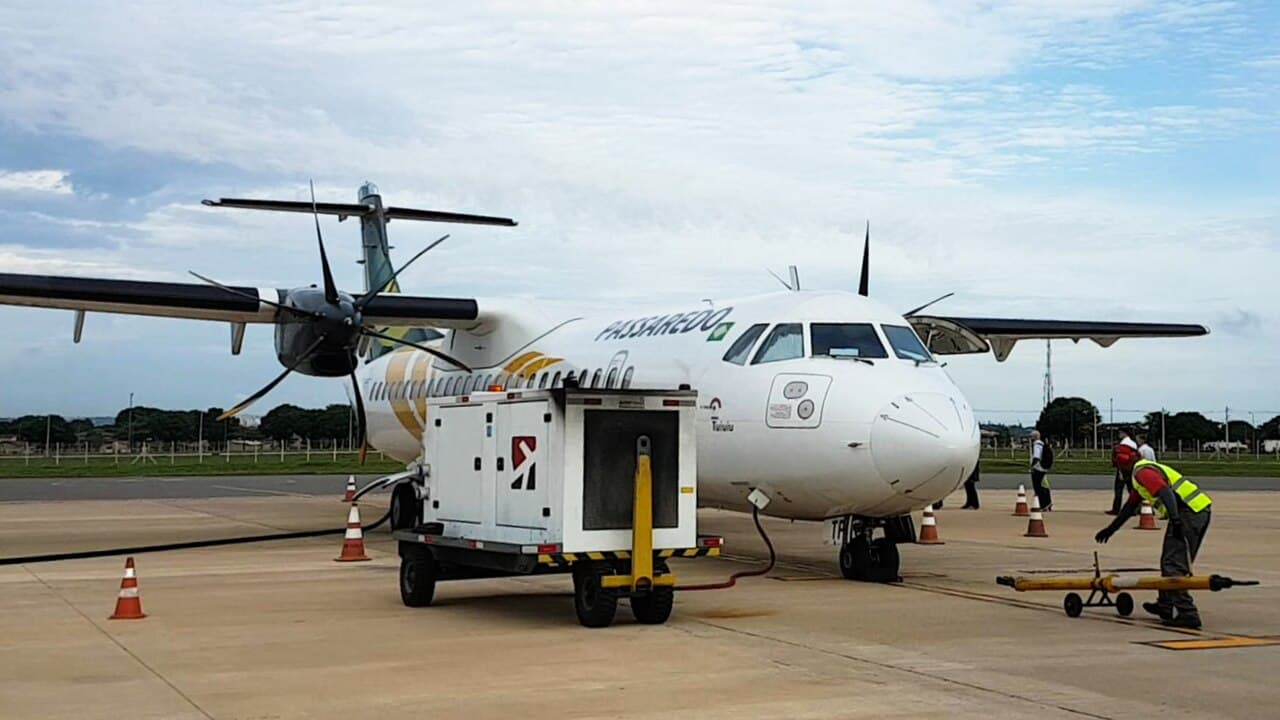
The final report on the tragic Voepass Flight 2283 accident was released on July 23, 2026. Brazil’s CENIPA (Center for Investigation and Prevention of Aeronautical Accidents) spent nearly two years examining the crash that killed all 62 people on board. ezstandalone.cmd.push(function () { ezstandalone.showAds(119); }); The document reveals a chain of failures involving severe icing, crew actions, company practices, and regulatory gaps. What Happened in the Voepass Accident On August 9, 2024, an ATR 72-500 turboprop departed from Cascavel, Paraná, heading to São Paulo’s Guarulhos Airport. The aircraft encountered severe icing conditions during cruise. ezstandalone.cmd.push(function () { ezstandalone.showAds(127); }); Ice buildup degraded its performance, causing a stall and an unrecoverable flat spin. The plane crashed in a residential area of Vinhedo, São Paulo. Sadly, none of the 58 passengers and four crew members survived. CENIPA’s 266-page report identifies 19 contributing factors. It does not blame one single cause. Instead, it shows how multiple issues combined to create the disaster. ezstandalone.cmd.push(function () { ezstandalone.showAds(128); }); Initial Accident Report Severe Icing and Aircraft Problems The report confirms the plane flew through conditions highly favourable to heavy ice formation. The airframe de-icing system was already known to have issues. Investigators found the aircraft should not have been dispatched for this flight. It operated with about 10 inoperative items, including a faulty windshield wiper—a “No-Go” item given the weather forecast. ezstandalone.cmd.push(function () { ezstandalone.showAds(129); }); Previous flights showed recurring de-icing problems. However, crews often failed to log these faults properly. This practice hid the chronic nature of the defects and delayed proper repairs. Crew Actions and Human Factors Cockpit voice recordings revealed that pilots discussed personal topics during critical phases. This distraction contributed to “inattentional blindness.” The crew received multiple alerts: ice detection warnings, “Cruise Speed Low” (sounded about eight times), and “Degraded Performance.” They recognized ice accumulation but did not exit the area promptly or follow manufacturer procedures for minimum safe speeds. When the stall occurred, incorrect control inputs worsened the situation. The report notes the de-icing system was cycled on and off during the flight. ezstandalone.cmd.push(function () { ezstandalone.showAds(130); }); Details of Preliminary Report Company Culture and Maintenance Issues A major finding points to Voepass’s organizational culture. The airline tolerated a “normalization of deviations.” Mechanics and pilots frequently avoided recording problems to keep aircraft flying and meet schedules. Analysis of over 1,200 previous flights confirmed this pattern across multiple crews. Pressure to maintain operations, staff shortages, and fatigue contributed to poor maintenance discipline. Planes were sometimes released in degraded condition. ezstandalone.cmd.push(function () { ezstandalone.showAds(131); }); Regulatory Oversight Shortcomings The report also criticizes Brazil’s civil aviation authority, ANAC. Auditors had identified maintenance and safety issues at Voepass between 2022 and 2024. While some sanctions were applied, these actions proved insufficient to eliminate the risks. Aftermath and Recommendations Following the accident, authorities suspended Voepass operations and later revoked its air operator certificate. CENIPA issued safety recommendations to the airline, ANAC, aircraft manufacturer ATR, and European regulators. These aim to improve de-icing procedures, maintenance logging, crew training, and oversight. The investigation remains technical and preventive. Separate criminal inquiries continue. ezstandalone.cmd.push(function () { ezstandalone.showAds(132); }); VOEPASS Linhas Aéreas, CC BY-SA 4.0 via Wikimedia Commons Lessons for Aviation Safety The Voepass accident final report serves as a stark reminder that disasters often result from many small failures aligning. It highlights the importance of strong safety cultures, proper maintenance reporting, and effective regulatory action. Aviation authorities worldwide can use these findings to strengthen procedures and prevent similar tragedies. Families of the victims and the industry now hope the recommendations lead to real change. Safety must always come before schedules and profits. ezstandalone.cmd.push(function () { ezstandalone.showAds(133); });
American Airlines Boeing 787 Diverts to Dublin After Multiple Flight Attendants Fall Ill Mid-Flight
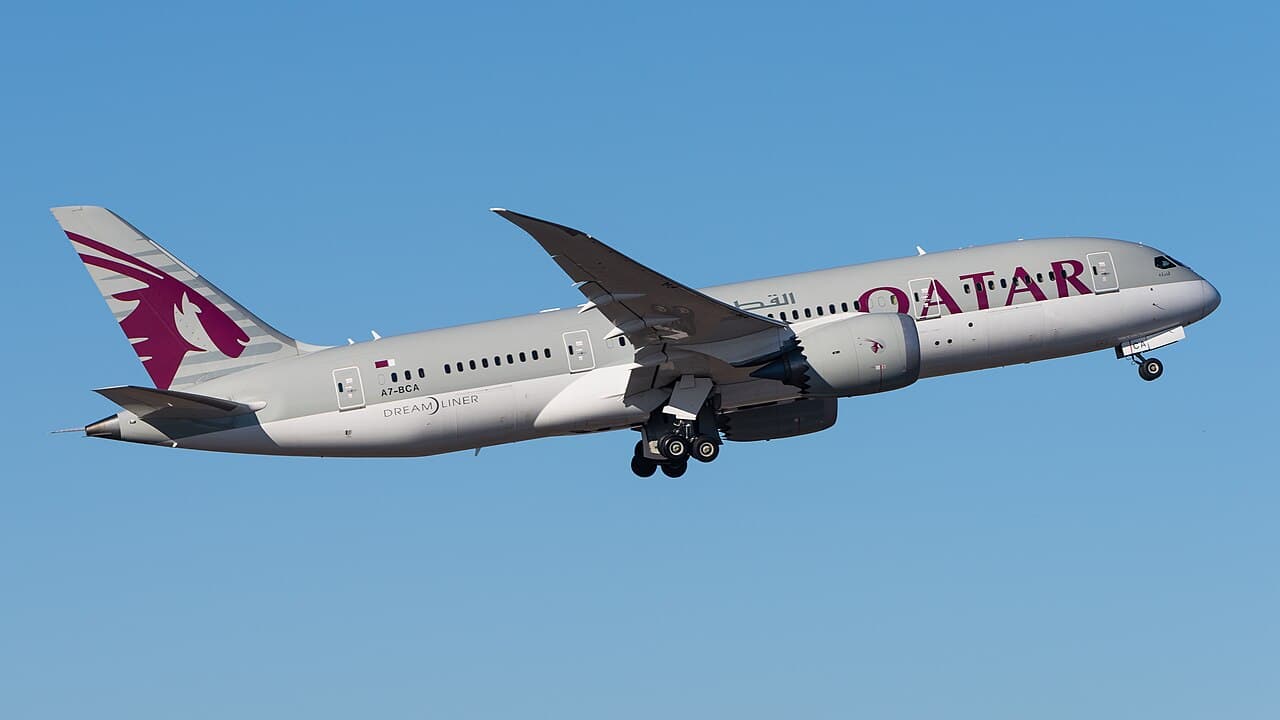
An American Airlines Boeing 787-9 Dreamliner with as many as 284 passengers on board made an emergency landing in Dublin, Ireland, on Saturday afternoon after six of the eight flight attendants on the service from Rome to Philadelphia reportedly felt ill as the plane started its transatlantic service. American Airlines flight AA-719 departed Rome Fiumicino International Airport just before 1 pm local time on July 25 for what should have been a routine eight-and-a-half-hour flight across the pond to the carrier’s Philadelphia hub. Flight Radar 24 shows how American Airlines 719 from Rome to Philadelphia ended up diverting to Dublin on July 25. Data from the light tracking website Flight Radar 24 shows that the seven-year-old aircraft climbed to a cruising altitude of around 38,000 feet as it tracked over France and over the Atlantic Ocean, before the pilots suddenly turned towards Ireland around three hours into the flight. The reason given to air traffic control for the sudden diversion was a medical emergency, although the exact details of what kind of medical episode was taking place weren’t immediately revealed. Sources cited by trusted aviation insider JonNYC on X have, however, reported that six of the flight attendants started to feel dizzy and ill as the plane flew over the Atlantic. Although none of the crew members are believed to have been incapacitated, the pilots decided that the flight couldn’t continue with so many flight attendants feeling ill all at once. The plane landed safely in Dublin on Saturday afternoon, but with no replacement crew to take the passengers to Philadelphia, and the cause of the illness amongst the flight attendants still a mystery, American Airlines had no other option but to cancel the onward flight. on this, I'm told– 100% UNCONFIRMED– "AA 719. Flight divert after 6 of 9 FA's felt dizzy / ill." 100% unconfirmed. https://t.co/2uBxohJ0Bn — JonNYC (@xJonNYC) July 25, 2026 American Airlines has been contacted for comment, but had not responded by the time of publication. There are several potential causes for this sudden mass sickness amongst the flight attendants, although some type of ‘toxic’ fume event (a term that the airline industry prefers to call an ‘odor’ event) is the least likely, given that this flight was operated by a Boeing 787. The Dreamliner is the only commercial passenger aircraft that does not use the so-called ‘bleed air’ system to feed air into the cabin from the outside. The term bleed air is derived from the fact that some of the air being sucked into the engines is then bled into the air conditioning system. This method of delivering fresh air into the passenger cabin has been criticized as campaigners claim the air can become contaminated with vaporized engine oil or other contaminants from the engine, which can make passengers and crew sick if it is fed into the cabin. The more likely cause for this diversion is a fault with the air conditioning packs that supply the air into the cabin. If even one of these packs stops working, the levels of oxygen in the cabin can drop to the point that passengers and crew could start feeling the early symptoms of hypoxia. This wouldn’t necessarily be bad enough to trigger a depressurization emergency, but it would be enough for people to start feeling dizzy, light-headed, and potentially even clumsy and euphoric. This kind of fault is much more likely to affect flight attendants rather than the passengers because they are up and about, running a busy meal service, meaning their bodies require more oxygen to function normally. Another potential cause, although highly unusual, could be a chemical leak from a spilt cleaning product. Yes, this sounds oddly specific, but this is exactly what caused a group of American Airlines flight attendants to feel ill shortly after takeoff from London Heathrow during a flight to Philadelphia in October 2018. Two of the crew members were so badly affected by the smell of the noxious chemicals that they lost consciousness for a short time, leading the pilots to make an emergency diversion to Shannon, Ireland. American Airlines said the incident was caused by a bottle of industrial cleaning solution known as CH2200D, which had been accidentally left in a toilet by the cleaning crew. When the plane took off, the bottle tipped over, and the solution soaked into the carpet, releasing a noxious vapor that overpowered some of the flight attendants.
Inquiry finds poor maintenance discipline and resource strain behind Voepass ATR 72 icing crash
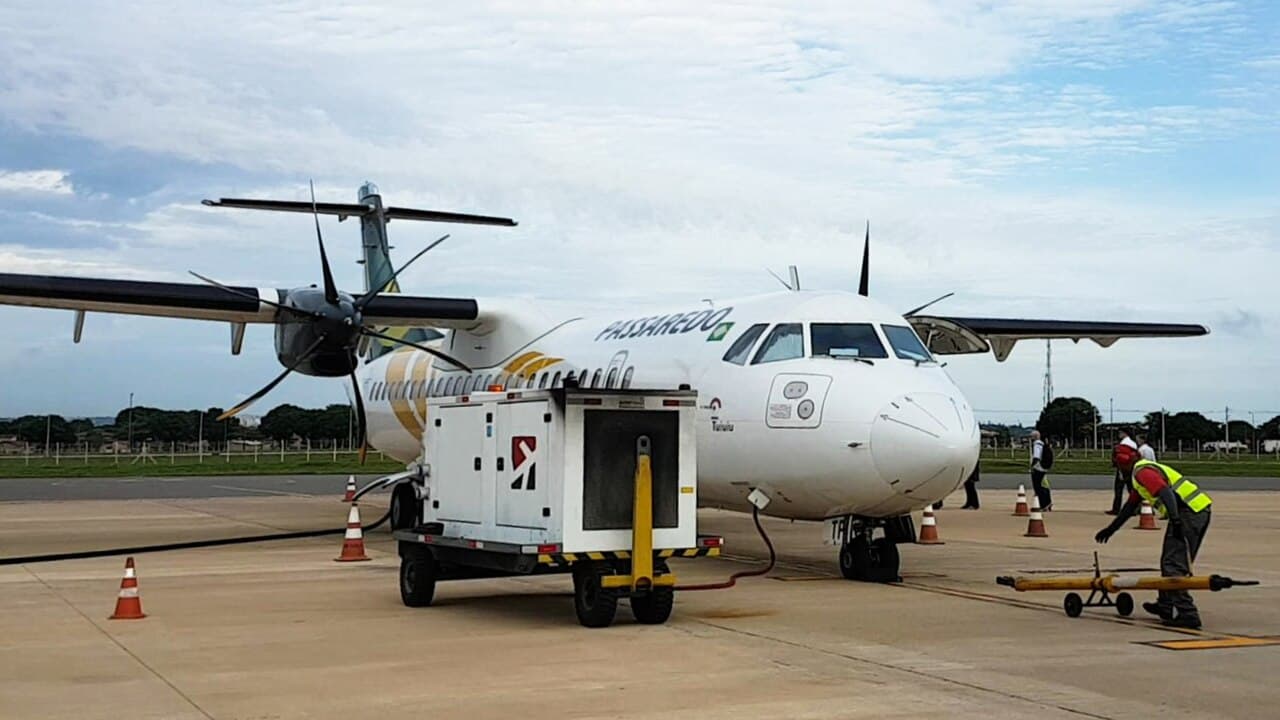
Brazilian probe finds strained resources and pressure to meet flight schedules meant aircraft were knowingly operated in degraded condition. Pressure to ensure continuous aircraft availability despite limited maintenance resources led to poor discipline at Brazilian carrier Voepass, with technical faults left unrecorded and unresolved, investigators have disclosed. Investigation authority CENIPA has highlighted the failure to record an airframe de-icing malfunction in the Voepass ATR 72-500 which fatally stalled as a result of ice accumulation on 9 August 2024. The aircraft was dispatched without restrictions imposed by the minimum equipment list being recorded. Despite the malfunction the ATR was flown through icing conditions on its service from Cascavel to Sao Paulo Guarulhos, entering a flat spin over Vinhedo from which it did not recover. CENIPA has detailed a pervasive, and normalised, culture of deviation from rigorous maintenance practices arising from limited resources – particularly at secondary bases – and the pressure to avoid disruption to aircraft schedules. This even went as far as recording malfunctions as having been resolved, without corrective work being performed, in order to release an aircraft to operation without minimum equipment list restrictions. When the system malfunctioned on a subsequent flight, says CENIPA, it would again be recorded in the technical logbook, thereby "establishing a new rectification deadline". "This conduct resulted in the successive renewal of the [minimum equipment list] item without effective correction of the malfunction, masking its chronic nature and postponing its definitive resolution," it adds. "There was also the practice of replacing an inoperative component with another known to be malfunctioning and dispatching the aircraft for flight." This would similarly enable a new malfunction entry, and continuation of operation based on the minimum equipment list. ‘Superficial manner’ CENIPA says mechanics usually had only a few hours, during night-shift periods, to perform corrective maintenance – especially complex tasks – on aircraft which were scheduled to operate flights the following morning. "The pressure placed on mechanics to expedite the release of aircraft conflicted with the lack of time available for troubleshooting and resolving failures reported in the [logbook]," says the inquiry, "thereby contributing to the performance of maintenance tasks in a superficial manner." CENIPA says maintenance of the de-icing system boots was conducted exclusively at the company's main base at Ribeirao Preto. Despite evidence of airframe de-icing system faults on immediately preceding flights, there was "no record" of such malfunctions in the logbook, it adds. The aircraft was dispatched on its flight to Sao Paulo, under the conditions of the minimum equipment list, with 10 inoperative items – but the airframe de-icing system was not among them. CENIPA's inquiry learned of maintenance problems including qualified personnel shortages, exhausting work schedules, and fatigue, contributing to a "climate of pressure" on mechanics. "At the secondary bases, since the infrastructure was limited, there was an 'operational standard' focused on releasing aircraft with inoperative items dispatched under the [minimum equipment list], with the expectation that definitive resolution of the malfunction would occur when the aircraft returned to the main base," it says. While this model did not, itself, amount to non-compliance with requirements, it led to situations in which deadlines expired with faults remaining unresolved. "In practical terms, these combined actions resulted in aircraft being operated under knowingly degraded conditions, exceeding the time limits established by the regulations in force," says the inquiry. Pressure on pilots CENIPA adds that there was a "culture" among flight crews of not recording malfunctions in the logbook. "It was possible to ascertain that these patterns of deviation were encouraged by the company and directed toward the pilots," it adds. "This informal process constituted a form of pressure on pilots in command, aimed at avoiding the recording of discrepancies that could result in the prolonged unavailability of the aircraft for flight due to the need to correct the reported failures." Problems with the de-icing system, which had been perceived by several crews prior to the accident, were a "clear example" of this absence of formal reporting, it adds. "This conduct evidenced the normalisation of operational deviations in the face of recurrent failures," it says. "This behaviour generated a recurring pattern of verbal communications between pilots and mechanics without proper technical recording." None of the 58 passengers and four crew members survived the crash. Voepass was grounded last year . ATR has responded to the inquiry's conclusions, stating that the accident "further demonstrates that adherence to maintenance, operational procedures and training are essential to prevent re-occurrence". "Flight safety is the primary responsibility of the commercial aviation system and all its stakeholders," it says.
The Daily Touch & Go
The day's best aviation news in your inbox. Free, no spam.