

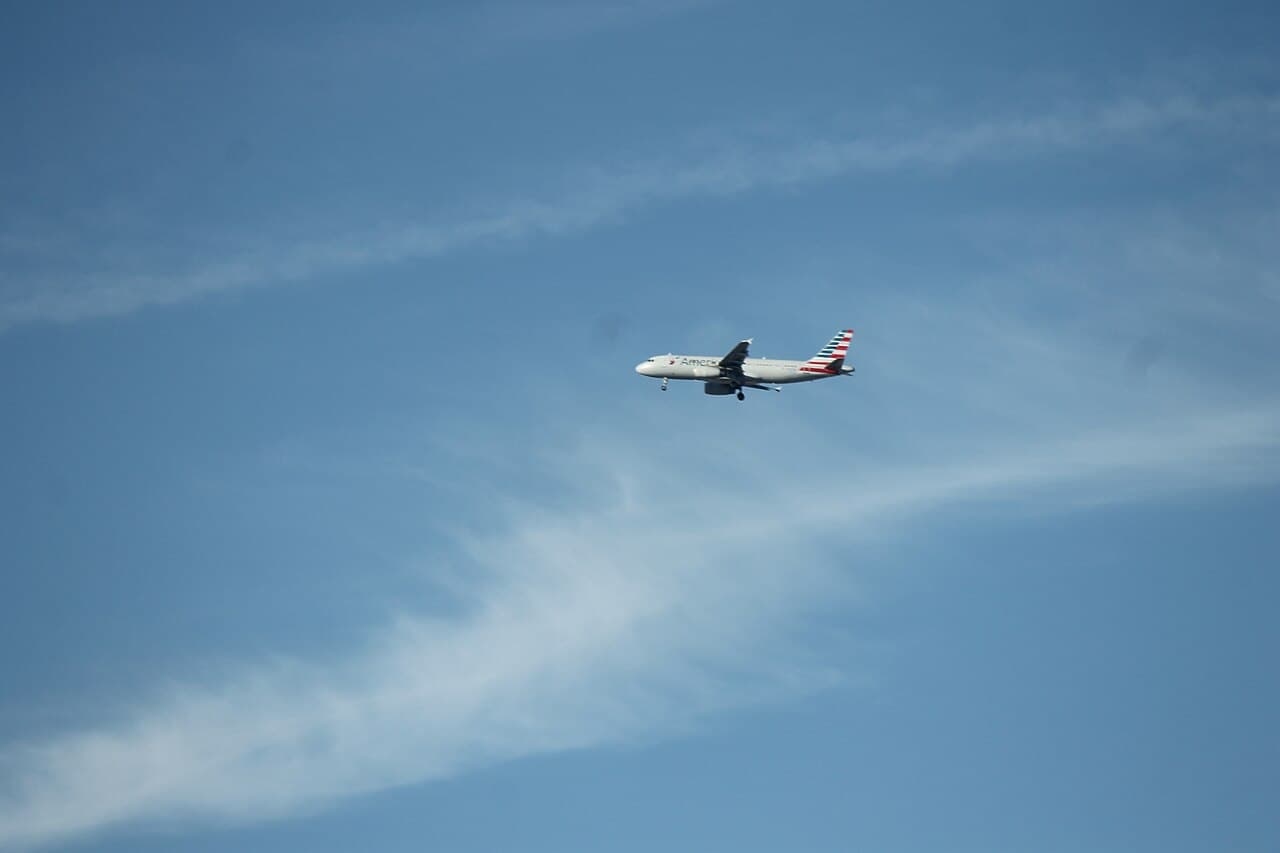
Image: Noah Wulf · CC BY-SA 4.0 · via Wikimedia Commons
American Airlines to Amend Downgrade Refund Policy Amid DOT Pressure
American Airlines had introduced a policy refunding only 40% of fare differences on downgrades but will revise it following regulatory scrutiny.
The gist
American Airlines will change its downgrade refund method after DOT challenges its 40% fare difference refund policy.
American Airlines recently faced regulatory pushback after implementing a controversial policy that refunded passengers only 40% of the fare difference when downgraded from premium cabins to coach. This policy meant passengers paying as much as $10,000 for business class fares would receive just $6,000 back if downgraded, while the airline retained the rest. The Department of Transportation (DOT) criticized this as inconsistent with existing regulations requiring refunds to reflect the actual fare difference.
This controversy triggered a formal complaint from consumer advocates Ben Edelman and Mike Borsetti, who argued the 40% refund formula violated rules and constituted an unfair and deceptive practice. They demanded DOT enforce a refund based on the precise fare difference at the time of purchase instead of a flat percentage. The ensuing regulatory scrutiny pushed American Airlines to defend its stance while preparing for a policy shift.
American Airlines' legal response hinged on claiming that the regulatory language mandating an appropriate refund does not specify how to calculate it, granting them discretion. The airline framed the 40% refund as a standardized proxy intended to simplify complex fare calculations affected by fluctuating prices, connections, and restrictions. Further, American argued that because an alternative option allows passengers to reject downgrades and receive full refunds, their policy did not amount to unfair treatment.
Paradoxically, despite asserting its legal right to retain funds under the 40% rule, American announced plans to modify this refund method by month's end. The new approach will calculate refunds based on the difference between the passenger's allocated premium fare and the average fare paid by coach passengers on the same flight segment. However, this method also raises concerns over transparency and fairness, such as varying fare classes and surcharges that can influence the average.
Experts highlight that American's argument misinterprets DOT regulations, which explicitly require refunding the actual fare difference in downgrade situations. The DOT's past rulings rejected percentage-based refund approaches, favoring precise calculations based on fare differentials. The airline's defense that including the policy in its Contract of Carriage negates claims of deception is flawed, as regulatory compliance cannot be bypassed by contract terms alone.
Adding to the complexity, the airline's position on regulatory scope appears contradictory. While citing certain provisions to shield its refund policy, American acknowledges limitations that undermine those same defenses. Furthermore, DOT has clarified in prior cases that consumer protections apply beyond oversale scenarios, including downgrades due to equipment substitutions, indicating American's narrow interpretation is legally unsound.
Despite the announced change, American will not retroactively adjust refunds for customers affected under the 40% policy. This incomplete remedy leaves unresolved questions about how the new average fare calculation will be applied and whether it truly addresses the equity concerns raised by regulatory authorities and consumer advocates. Transparency in computations and equitable refund practices remain critical issues moving forward.
Frequently asked questions
- What was American Airlines' original refund policy for downgrades?
- American Airlines originally refunded only 40% of the fare difference when passengers were downgraded from premium cabins to coach seats.
- Why did the Department of Transportation challenge American Airlines' downgrade refund policy?
- The DOT stated that airlines must refund the actual difference between the original fare and the downgraded fare, which American's 40% refund policy did not comply with.
- How will American Airlines change its downgrade refund calculations going forward?
- American plans to refund the difference between the passenger's allocated premium fare and the average fare paid by coach passengers on the same flight segment, replacing the 40% flat refund method.
Read more
All Regulatory →
Discover Florida's Hidden Gems for General Aviation Beyond Theme Parks
Oh, the Sunshine State. It's about as romantic a place as you can get in general aviation. From its sugar-sand shores and turquoise waters along the Gulf Coast to the marshes and swamps of the state's interior, Florida is one of the most geographically diverse states in the country. With a drive from the Georgia border to the southernmost reaches of the Florida Keys stretching well over 10 hours, it's also a place best experienced and enjoyed by air. While many pilots think of Florida as the home of the annual April pilgrimage to the Sun 'n Fun Aerospace Expo in Lakeland and that crowded place in Orlando with the castle and mouse ears—and rightfully so—those attractions represent only a few chapters in a much larger story. In this July/August issue of Plane + Pilot , we invite you to discover your next Florida adventure, perhaps one a little more off the beaten path, by land, sea, and our preferred method—air. Keys Seaplanes owner and operator Nick Pontecorvo enjoys all that Florida has to offer and sharing that with his customers. [Credit: Jon Whittle] Perhaps you're looking to sharpen your skills and grow as an aviator. A training excursion to Patty Wagstaff's hangar in St. Augustine for upset recovery training remains high on my own aviation bucket list. Or maybe you've always dreamed of adding an Airplane Multi-Engine Sea (AMES) rating to your certificate with Lockwood Aero in Sebring, flying the unmistakable, yellow AirCam over Florida's lakes and waterways. With some of the nation's most respected flight schools, aviation universities , manufacturers, and industry leaders calling it home, the state remains a premier destination for aviation education and advancement. Or maybe your mission is less about proficiency and more about relaxation. Dust off the family cruiser, top off the tanks, and launch toward the hidden waterways of the Everglades. Continue south and you'll find yourself island hopping through the Florida Keys, where fresh seafood, tropical drinks (think mai tais and mojitos), and ocean breezes are never far from the ramp. Whether you're looking for a fly-in-friendly restaurant, shooting range, beach getaway, or simply new destination to explore, this issue of Plane + Pilot is sure to provide exactly what the doctor ordered. There's always the opportunity to combine those two missions—honing your aviation skills while recreating with family and friends. A morning departure from St. Augustine, for instance, can take you across the state's interior and, within an hour or two (depending on the aircraft make and model), have you cruising down Florida's Gulf Coast before touching down at Cedar Key's iconic runway (KCDK) for lunch in the historic coastal town. You never know what you might see flying across the Sunshine State. Whether it's the Marco family enjoying their Beaver on floats or an alligator coming up for a little fresh air. [Credit: Jon Whittle] Known for having the shortest paved public runway in Florida at just 2,300 feet, Cedar Key requires a little more than luck to ensure a safe landing and avoid an unintended splashdown. While the scenery is certainly inviting and encourages a closer look, pilots should remain above 2,000 feet when overflying the nearby Cedar Keys and Lower Suwannee National Wildlife Refuge. After heading into town on a borrowed bike, golf cart, or your own two feet to enjoy one of Florida's iconic GA destinations, it's easy to continue the adventure. Point the nose south toward the marshlands, where a low-and-slow aircraft offers the perfect vantage point for spotting alligators, manatees, and perhaps even the elusive Florida panther. Whether you're touching down on wheels or floats, in Sebring or deep in the Everglades, Florida offers pilots far more than just Sun 'n Fun or a visit to that magical castle. [Credit: Jon Whittle] Regardless of how you dream up your ideal Florida getaway, it goes without saying that few states offer such dramatic changes in scenery, culture, and recreation without ever crossing a state line. It's this unique blend of adventure, accessibility, and aviation culture that keeps pilots returning to the Sunshine State year after year. So whether you're in search of action-packed adventures or laid-back escapes, make sure a Florida flying adventure ends up on your to-do list sooner than later. This feature first appeared in the July/August 2026 Issue of Plane + Pilot magazine.
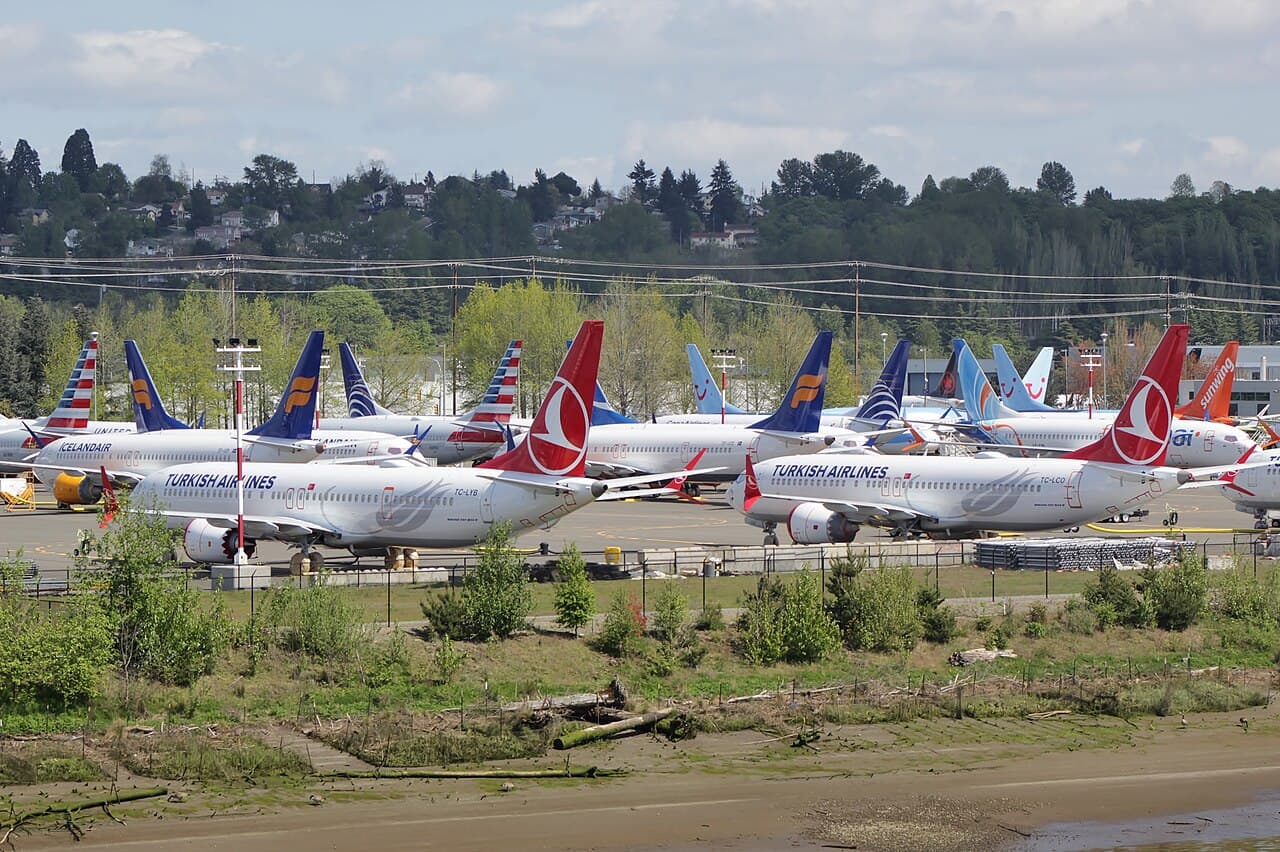
United Airlines to Retire 80 Older Aircraft in 2027 as Boeing 737 Max 10 Joins Fleet
Number of retirements a "step up" from previous years, says the US carrier. United Airlines plans to retire 80 older, less fuel-efficient aircraft in 2027 amid a fleetwide cabin refresh that should help cut costs and improve margins. The new number of retirements is a "step up" from previous years, United chief financial officer Mike Leskinen said during the carrier's second-quarter earnings call on 16 July. This should help balance capacity with demand and help ensure the airline's entire fleet is retrofitted with upgraded interiors more quickly. As new aircraft enter the fleet, they will bolster United's "barbell approach", which matches newer, fuel-efficient aircraft to high-demand, profitable routes. Older aircraft with more dated cabins and higher costs can be "sat down" and only used when necessary in peak times. "It maximises not only profits, but it maximises return on invested capital to have a larger amount of these younger, more fuel-efficient aircraft," says Leskinen. United expects to take delivery of its first Boeing 737 Max 10 aircraft in 2027, with up to 20 expected next year and another 147 on order.. The more fuel-efficient new model will feature plenty of premium seats and will operate United's most important routes. "The Max 10 will be superior in every way," says the carrier's chief commercial officer, Andrew Nocella. Earlier in July, Boeing said it had started producing Max 10s on a new factory line in Seattle as it works toward securing US Federal Aviation Administration (FAA) certification for the narrowbody. Cabin upgrades across the fleet United reaffirmed its previous plan to add SpaceX's Starlink satellite Wi-Fi to 1,000 aircraft by the end of the year. "As fast as Starlink can produce the antennas for us, we're going to get them on the airplane," says chief executive Scott Kirby. "For premium customers that really want to be able to make sure they're connected with high speed, it is going to lead to big share gains for us." Other cabin refresh work – including increased premium seat capacity, upgraded seatback entertainment screens and larger overhead bins – is also under way, United says, which should help increase margins. Getting those margins to where United wants them, in the "mid-teens" will require "more structural changes in the industry", Kirby says, noting some competitors will lose money this year thanks to sharply higher fuel costs. "They have an awful lot of flying that loses money on an individual route basis. One way or another, that gets resolved over time," he adds.
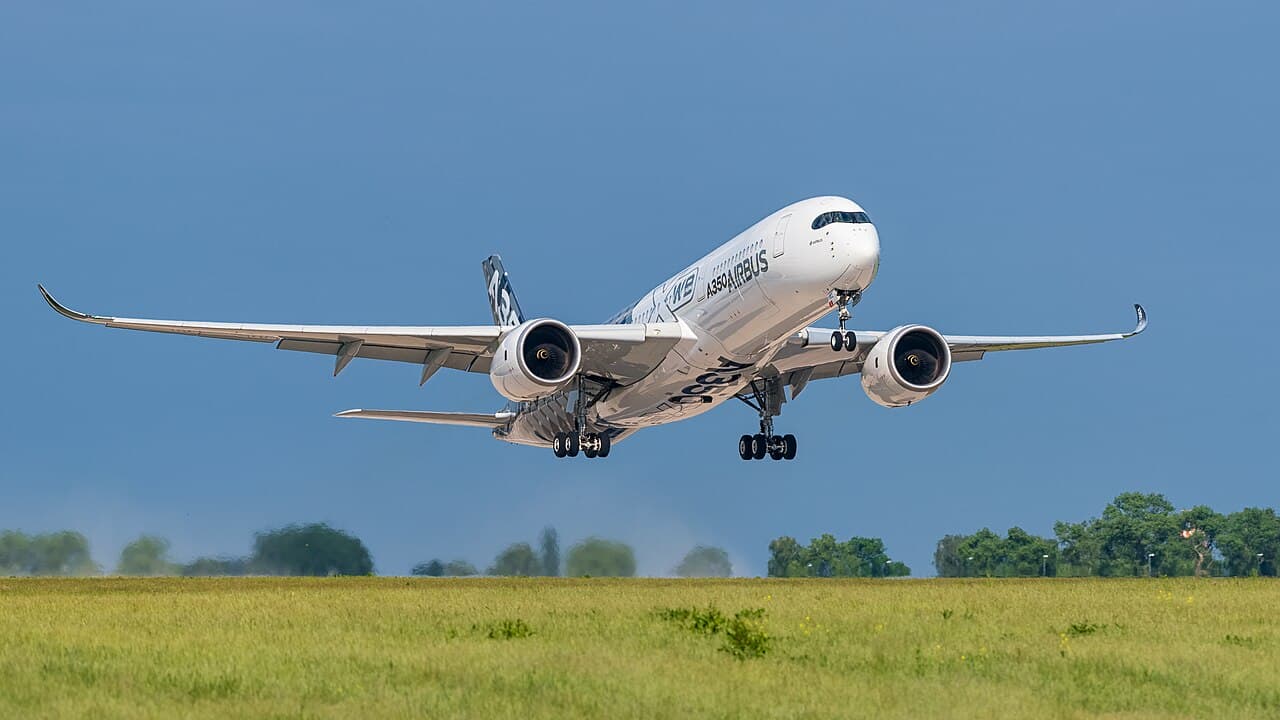
Delta to Launch Los Angeles-Manila Flights in March 2027 with Airbus A350
Historically, Delta Air Lines has shied away from ultra long haul flights, with a limited number of exceptions. However, that's slowly starting to change. Delta recently launched flights to Hong Kong (HKG) , and Riyadh (RUH) flights are expected soon as well. A few months back, Delta revealed in a regulatory filing that it plans to launch yet another route to Asia. Last week I wrote about how an announcement was imminent. Well, that has now been confirmed, as Delta has today unveiled details of its newest long haul route. Delta confirms March 2027 launch for flights to Manila Delta plans to launch nonstop flights between Los Angeles (LAX) and Manila (MNL) as of March 27, 2027. The flight will initially operate 3x weekly, before switching to daily as of June 7, 2027. Specifically, the flight is expected to operate with the following schedule: DL181 Los Angeles to Manila departing 11:50PM arriving 5:30AM (+2 days) DL180 Manila to Los Angeles departing 7:40AM arriving 6:05AM Delta plans to fly from Los Angeles to Manila The 7,305-mile flight will be operated by an Airbus A350-900, featuring the carrier's latest cabin products. The flight is blocked at 14hr40min westbound and 13hr25min eastbound. We've officially had a clue that this route would be added since October 2025, when a Delta executive revealed to employees internally that the airline plans to add flights to Singapore (SIN) and Manila (MNL). So while the Singapore service remains to be seen, the Manila flights are becoming a reality. LAX-MNL flights departing Manila at 7:40 A.M. will arrive in Los Angeles at 6:05 A.M. on the same day, while return flights will depart Los Angeles at 11:50 P.M. and arrive in Manila at 5:30 A.M. two days after departure. https://t.co/b37BKT8Dpm — JonNYC (@xJonNYC) July 17, 2026 I'm curious to see how Delta's Asia growth strategy plays out It's an interesting time for Delta when it comes to its Asia network: Historically, Delta's Asia network has been based so heavily around routing passengers through Seoul Incheon (ICN) with connections on joint venture partner Korean Air, which means Delta's actual list of nonstop Asia destinations has been very limited With Delta now taking delivery of a good number of long haul planes, including new "flagship" Airbus A350-1000 aircraft , the airline has big growth aspirations for the plane Delta's West Coast strategy has been a challenge — for a while we saw the airline growing in Seattle (SEA), setting that up as a transpacific gateway, but that airport is pretty maxed out in terms of capacity, and Delta is in the number two spot behind Alaska ; now we're seeing Delta try to grow greatly in Los Angeles (LAX) , which the airline sees as a "once in a generation" opportunity Los Angeles is probably the most competitive West Coast market among Asian carriers, and capacity is seemingly endless, and as a result, yields can be really rough; that's why none of the "big three" carriers have been able to achieve a dominant position at the airport I'm excited to see Delta's long haul network get more interesting, but there's no denying this strategy also faces some challenges. For one, US carriers have among the highest operating costs in the world for ultra long haul flights, given labor costs at US airlines. Beyond that, it's hard for Delta to be the leader across the Pacific, when they're competing against United, which not only has a very well established network, but also has a mega hub in San Francisco (SFO), which has a scale that Delta simply can't replicate in Los Angeles or Seattle. The Manila route specifically is also interesting, given that Philippine Airlines is joining the oneworld alliance , so might become a more competitive option for some. For that matter, the airline is also improving its passenger experience in premium cabins, with new planes and seats . United also added San Francisco to Manila flights in late 2023, though United is also a lot further along when it comes to the size of its Asia route network, and San Francisco is also a much bigger hub for the airline. So we'll see how this situation evolves. Admittedly airline economics have changed over the years, and routes no longer need to be wildly profitable directly, but instead, loyalty programs are also a big consideration. But still, I'm curious to see how this whole Asia network growth plays out for Delta. Can Delta make money flying from Los Angeles to Manila? Bottom line Delta plans to launch nonstop flights between Los Angeles and Manila as of late March 2027. The flight will initially operate 3x weekly, before moving to daily within a few weeks. Delta will use an Airbus A350 for the service, as it does for all of its Asia routes. Frankly, I'm excited to see Delta grow across the Pacific, given that United basically had Asia to itself among the "big three" US carriers, in terms of the size of its network. However, I'm just not convinced that Delta has a winning strategy here, at least in terms of this being profitable in the long run. What do you make of Delta's Manila plans?
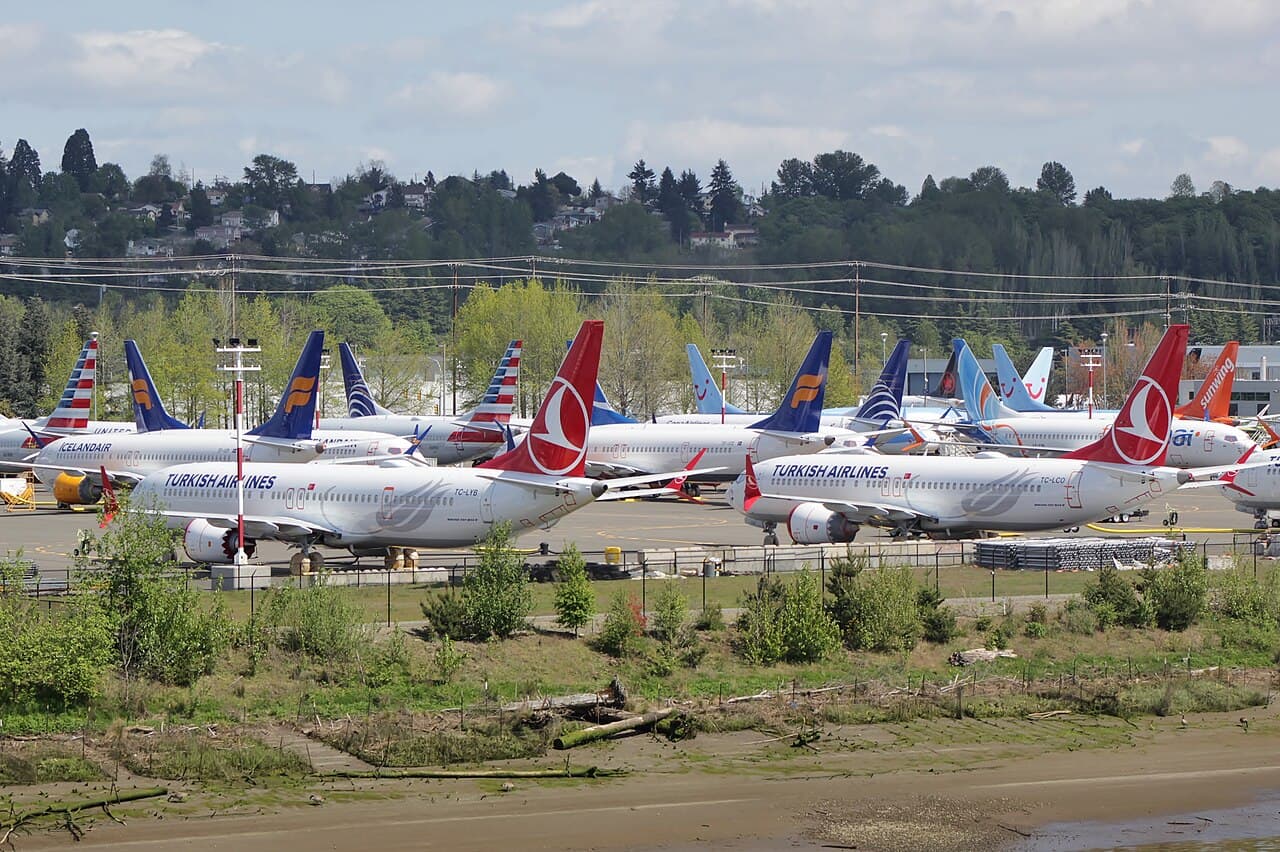
FAA Restores Boeing's Authority to Certify 737 MAX and 787 Deliveries
The Federal Aviation Administration ( FAA ) has finally returned authority to Boeing to certify airworthiness certificates again on select Boeing 737 MAX and Boeing 787 family of aircraft. This comes after the permissions were revoked in 2019, following the fatal MAX crashes .
The Daily Touch & Go
The day's best aviation news in your inbox. Free, no spam.