

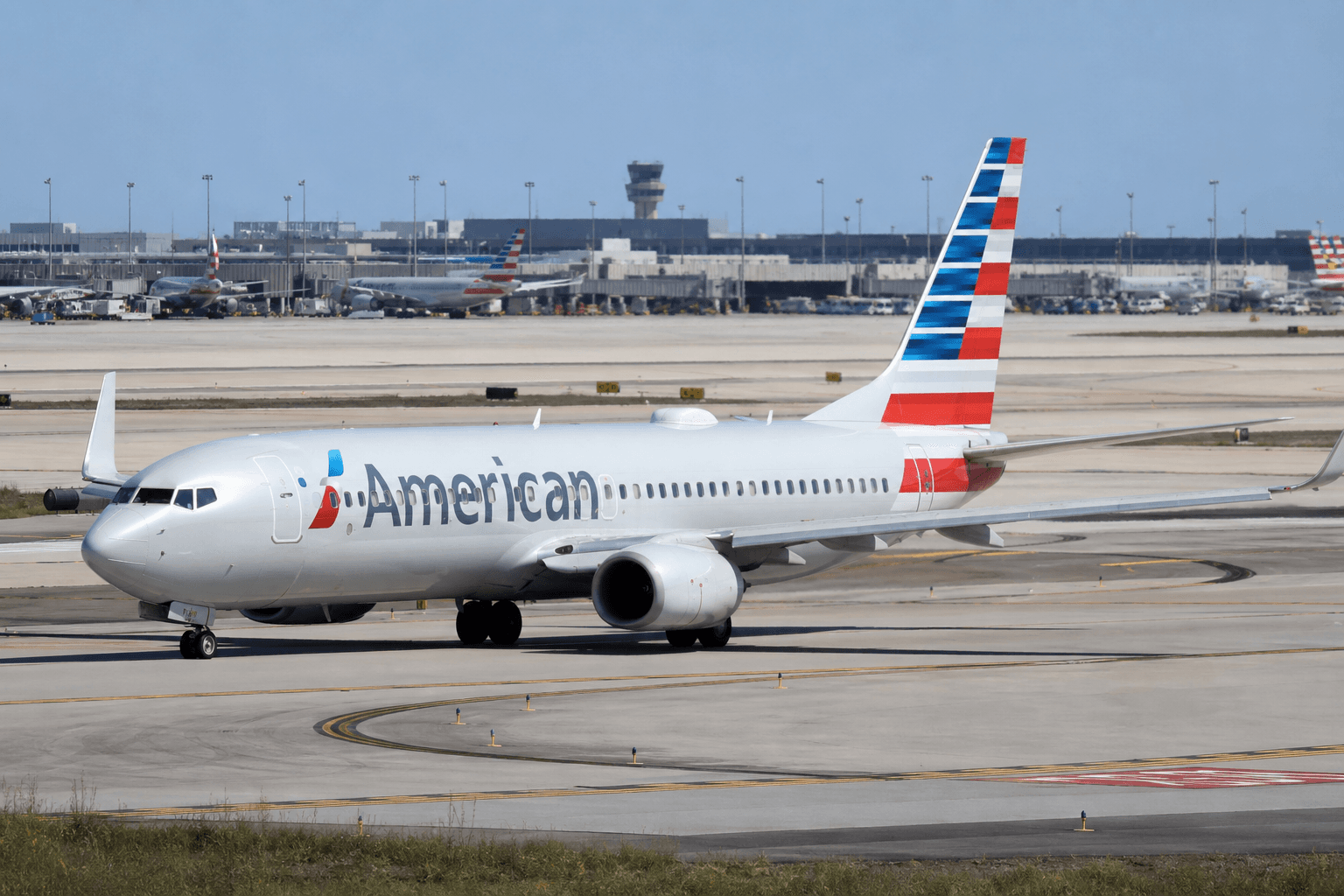
Illustration: The Touch & Go
American Airlines Removes Elite Perks and Mileage Earnings on Basic Economy in 2026
American Airlines eliminated AAdvantage miles and elite benefits on Basic Economy fares purchased after December 2025 and May 2026, ending a longtime cost-saving strategy for frequent flyers.
The gist
American Airlines elites lose mileage earnings, seat selection, and upgrades on Basic Economy tickets bought in 2026, closing a major fare loophole.
American Airlines has significantly altered its Basic Economy fare structure between December 2025 and May 2026, removing mileage earnings and elite privileges previously enjoyed by AAdvantage loyalty members. Effective December 17, 2025, Basic Economy tickets purchased no longer earn redeemable miles or Loyalty Points, the latter being crucial for elite status qualification. Then, starting May 18, 2026, elite members lost complimentary seat selection, upgrade eligibility, and the ability to use system-wide upgrade certificates on Basic Economy fares.
The changes mark a departure from a long-standing practice where elite members could book Basic Economy to save costs while still benefiting from status perks like seat assignments and upgrades. Previously, an elite passenger might have booked the cheapest Basic Economy fare yet retained full mileage accrual and upgrade options. Now, Basic Economy fares provide none of those loyalty benefits and restrict boarding and baggage allowances.
The initial December 2025 change focused on earnings. American Airlines tied mileage and Loyalty Point accrual to ticket purchase date rather than travel date, meaning anyone buying a Basic Economy ticket after December 17, 2025, earns no miles regardless of flying dates. This wiped out the previous incentive for elites to book cheaper Basic Economy over more expensive Main Cabin fares, as the cost saving now comes at the cost of zero progress toward elite status advancement.
The May 2026 update tackled experience benefits by withdrawing elite privileges on Basic Economy bookings. Gold, Platinum, Platinum Pro, and Executive Platinum members lost the ability to select seats ahead of time and no longer qualify for complimentary upgrades. Even system-wide upgrades, a prized certificate awarded to Executive Platinum members, cannot be applied to Basic Economy tickets purchased after that date. Checked bag fees for non-elites on Basic Economy also increased, adding to the fare's cost disadvantage.
Historically, the elite workaround exploited Basic Economy's cheaper price point while accessing main cabin benefits through status. A frequent flyer could book Basic Economy for substantial savings while still receiving seat selection and upgrade opportunities granted by their elite rank. For travelers making dozens of flights yearly, this approach offered meaningful financial benefits without sacrificing status rewards.
This move aligns American Airlines with its legacy competitors Delta and United, which already discontinued mileage earnings on Basic Economy tickets—Delta did so in 2024 and United followed suit. However, the carriers differ regarding elite accommodations on Basic Economy. United elites retain free carry-on bags, checked bags, and priority boarding when booking Basic Economy, mitigating some fare restrictions that apply to regular passengers. American allows all Basic Economy passengers a carry-on but rescinded other elite benefits entirely.
These revisions close a loophole that undermined the Basic Economy fare class's intended stripped-down product offering. By removing mileage accrual and elite experience benefits, American Airlines restores a clear distinction between Basic Economy and higher fare classes like Main Cabin, discouraging elites from booking Basic Economy purely as a cost-saving tool while preserving their status benefits.
From a loyalty program perspective, these changes may impact how frequent travelers plan their bookings and status requalification strategies. The financial trade-offs now more starkly align with the participation incentives of the fare classes. Frequent elites aiming to maintain or increase status must reconsider booking Basic Economy or accept no miles and benefits on those tickets.
Frequently asked questions
- When did American Airlines stop awarding miles on Basic Economy tickets?
- American Airlines implemented the mileage and Loyalty Point earning change for Basic Economy tickets purchased starting December 17, 2025.
- What elite benefits were removed on Basic Economy tickets purchased after May 18, 2026?
- Starting May 18, 2026, American Airlines removed complimentary seat selection, upgrades, and the ability to use system-wide upgrade certificates on Basic Economy purchases.
- How does American Airlines' Basic Economy policy compare to Delta and United?
- While all three carriers no longer award miles on Basic Economy tickets, United still grants elite members carry-on and checked bag privileges and priority boarding, unlike American, which removed most elite perks on Basic Economy.
Read more
All Regulatory →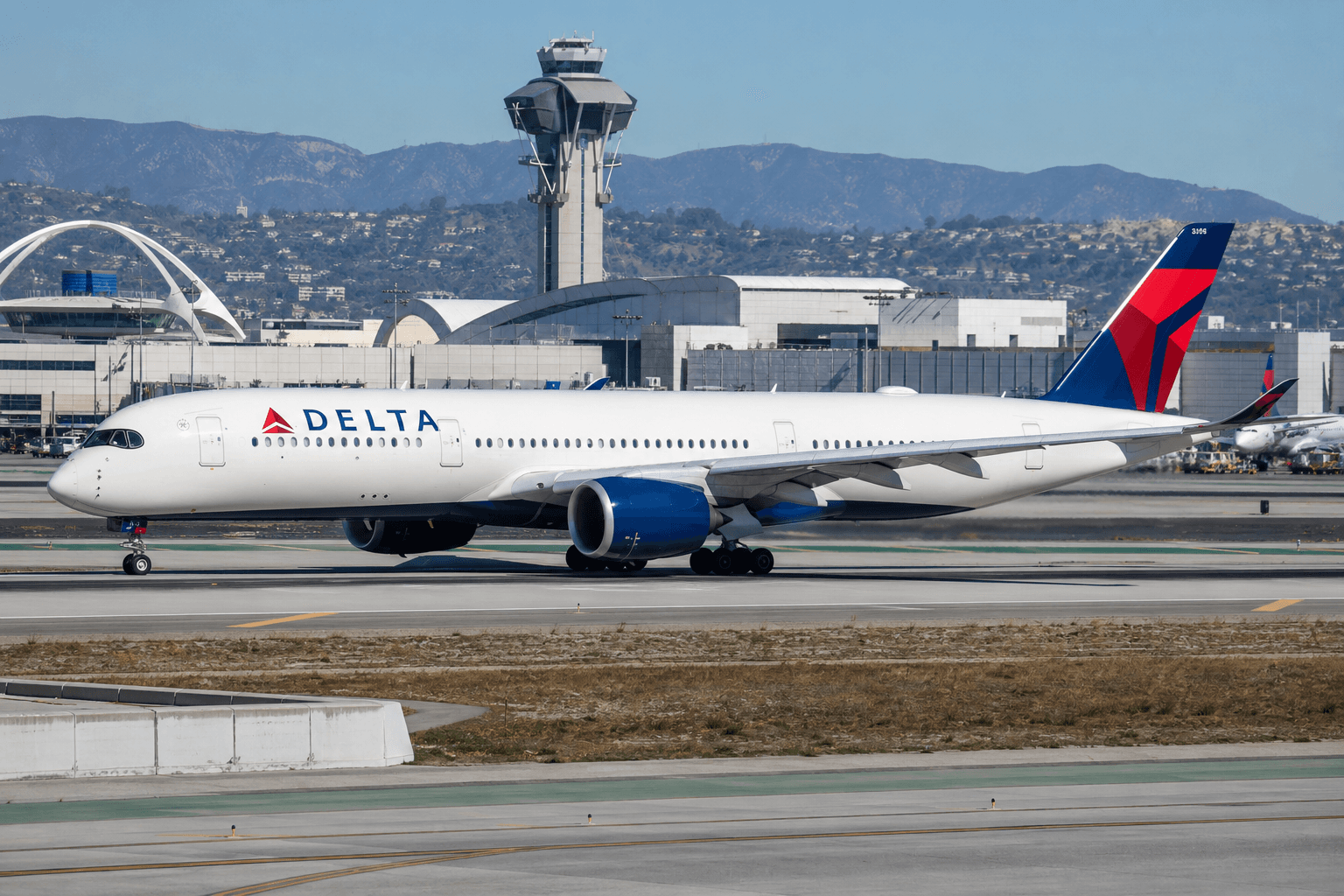
Delta to launch first nonstop flights between Los Angeles and Manila in 2027
Delta Air Lines is set to launch its first-ever nonstop flights between Los Angeles and Manila, becoming the only US airline flying directly between the two cities when service begins March 28, 2027. That distinction puts Delta in direct competition with Philippine Airlines, the country's flag carrier and, until now, the only airline offering a direct connection between Los Angeles and Manila. United Airlines currently serves the route as well, but only by connecting passengers through San Francisco rather than flying nonstop. The route and the aircraft To start with, Delta will fly the route three times a week, departing Los Angeles on March 28, 2027 and Manila on March 30, 2027, before expanding to daily service on June 7, 2027. The flights will operate on Delta's Airbus A350-900, a twin-engine, wide-body jet configured with four cabins: Delta One, Delta Premium Select, Delta Comfort and Delta Main. Delta One, the airline's top business-class product, will come with flat-bed seating, sliding privacy doors and elevated dining. Passengers across all cabins will have access to seatback entertainment, plus free Wi-Fi for SkyMiles members. For Jeff Moomaw, Delta's Vice President for Asia Pacific, the new route gives the airline a chance to introduce more travelers in the Philippines to its premium service while extending its global network. "As we continue growing across the Asia Pacific region, Manila represents an exciting opportunity to introduce more travelers to Delta's premium experience while expanding access to our global network," he said. Part of a bigger push from LAX The Manila route builds on Delta's broader effort to establish Los Angeles as its main West Coast gateway for trans-Pacific travel, a shift away from its earlier reliance on Seattle for flights across the Pacific. Over the past year, Delta has added new LAX services to Hong Kong, Melbourne, and Chicago, brought back its Shanghai route, and announced upcoming flights to Vancouver and Newark. The airline also plans to lean into its joint venture with Korean Air, giving travelers the choice of flying nonstop with Delta or connecting through Seoul's Incheon Airport, where Korean Air already runs multiple daily flights to Manila. Regulatory groundwork Delta's plans for the Manila route surfaced earlier this year in filings with the US Department of Transportation. The airline asked regulators to hold off on approving Philippine Airlines' request to launch service to Chicago until the Philippine government confirmed that US carriers would get fair access to landing slots at Manila's Ninoy Aquino International Airport. Delta previously served Manila through connecting hubs in Tokyo and Seoul, before suspending that service in 2021. The airline's return to the market, this time with a direct route from one of its key US gateways, marks its most significant push yet into a corridor long dominated by the Philippines' own flag carrier. RELATED Philippine Airlines announces nonstop Chicago to Manila route starting November
Wildfire smoke reduces visibility near Oshkosh ahead of AirVenture arrivals
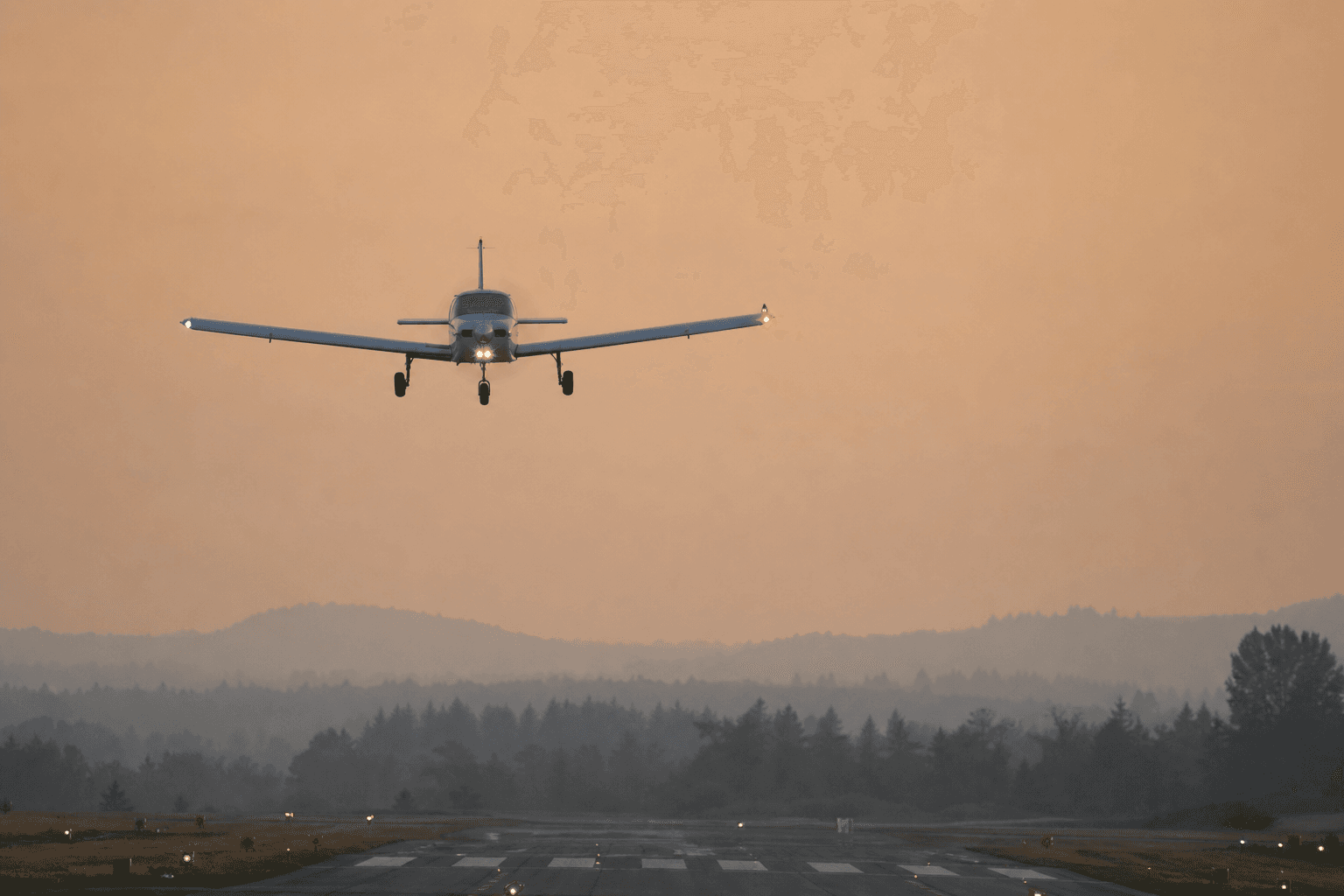
Canadian wildfire smoke has sharply reduced visibility in parts of Wisconsin, raising concerns for pilots preparing to fly into EAA AirVenture Oshkosh ahead of the show's opening on Monday. The National Weather Service said wildfire smoke would continue to affect visibility and air quality across northeast Wisconsin through Friday, July 17, 2026, just as the first major wave of aircraft begins arriving at Wittman Regional Airport. At times on July 16, visibility at Oshkosh dropped to around one mile in haze and smoke before improving later in the day. ATC cautioned that changing conditions underscore how quickly an otherwise visual arrival could become difficult or potentially unsafe, particularly for pilots flying into the congested Oshkosh area. The National Weather Service office in Green Bay said smoke could reduce visibility to less than one mile in parts of the region. A statewide air-quality advisory has also been extended until at least 12:00 local time on Friday, with monitoring stations in Wisconsin recording Air Quality Index readings in the hazardous category. Air traffic controllers involved in preparations for AirVenture urged pilots to remain conservative when making weather decisions. Controllers also cautioned pilots not to attempt to thread their aircraft between thunderstorms forecast south of Oshkosh on July 17. They warned that a pilot encountering smoke while flying VFR should not assume that a pop-up IFR clearance will be available into the pilot's preferred airport due to the heavy influx of traffic expected in the region. IFR arrivals at Oshkosh and several surrounding airports require reservations during AirVenture because of the extraordinary amount of traffic in the region. A pilot who encounters deteriorating visibility could therefore be directed to an alternate airport. The FAA's special AirVenture flight procedures took effect at 12:00 local time on Thursday, July 16, and remain in place until 12:00 on July 27. The FAA advises pilots planning to land at Oshkosh to prepare for a possible diversion to Fond du Lac, Appleton or Green Bay. Pilots are also urged to obtain a complete weather briefing, review applicable notices to airmen (Notams) and become familiar with the special procedures before departure. There were no announced changes Thursday to the Fisk VFR arrival, the FAA's published AirVenture procedures or the mass-arrival schedule. The first scheduled mass arrivals are due at Oshkosh on Saturday, July 18. Up to 70 Mooneys are scheduled to arrive at 10:00 local time followed by as many as 130 Bonanzas at 13:00 and 90 Cessnas at 17:00. Sunday's schedule calls for up to 50 Cirrus aircraft to arrive at 10:00 and as many as 70 Cherokees at 12:00. EAA notes that all mass-arrival times remain subject to change because of weather or other factors. Under the special procedures, most VFR aircraft arriving at Oshkosh follow a route through Ripon and Fisk before receiving runway instructions from controllers. The procedure relies heavily on pilots maintaining visual contact with landmarks and other aircraft and rocking their wings to communicate with controllers, making reduced visibility a significant concern. Oshkosh is closed to arriving aircraft each night from 20:00 until 07:00 local time during the special-procedure period. The FAA also warns that some categories of aircraft may be temporarily turned away because of parking saturation, ground conditions, temporary flight restrictions, air shows or other activities. Much of the smoke is coming from hundreds of wildfires burning across Canada, with some of the largest concentrations in Ontario, Manitoba and Saskatchewan. Fires in northern Minnesota are also contributing to the haze over the Upper Midwest. Smoke from the fires has spread across the Great Lakes and into the Northeast US, producing unhealthy or hazardous air quality and reducing visibility in parts of Wisconsin, Minnesota, Michigan and Illinois. Conditions around Oshkosh are expected to improve as winds shift heading into the weekend, and the current National Weather Service forecast does not specifically call for widespread smoke after Friday. Longer-range smoke forecasts remain uncertain, however, and another change in wind direction could bring smoke back during AirVenture next week while the fires continue to burn. EAA AirVenture Oshkosh runs from July 20 through July 26, 2026. Thousands of aircraft are expected to fly into Wittman Regional Airport and surrounding airports before and during the event.
Wildfire Smoke From Canada Threatens Arrival Conditions at Oshkosh AirVenture 2026
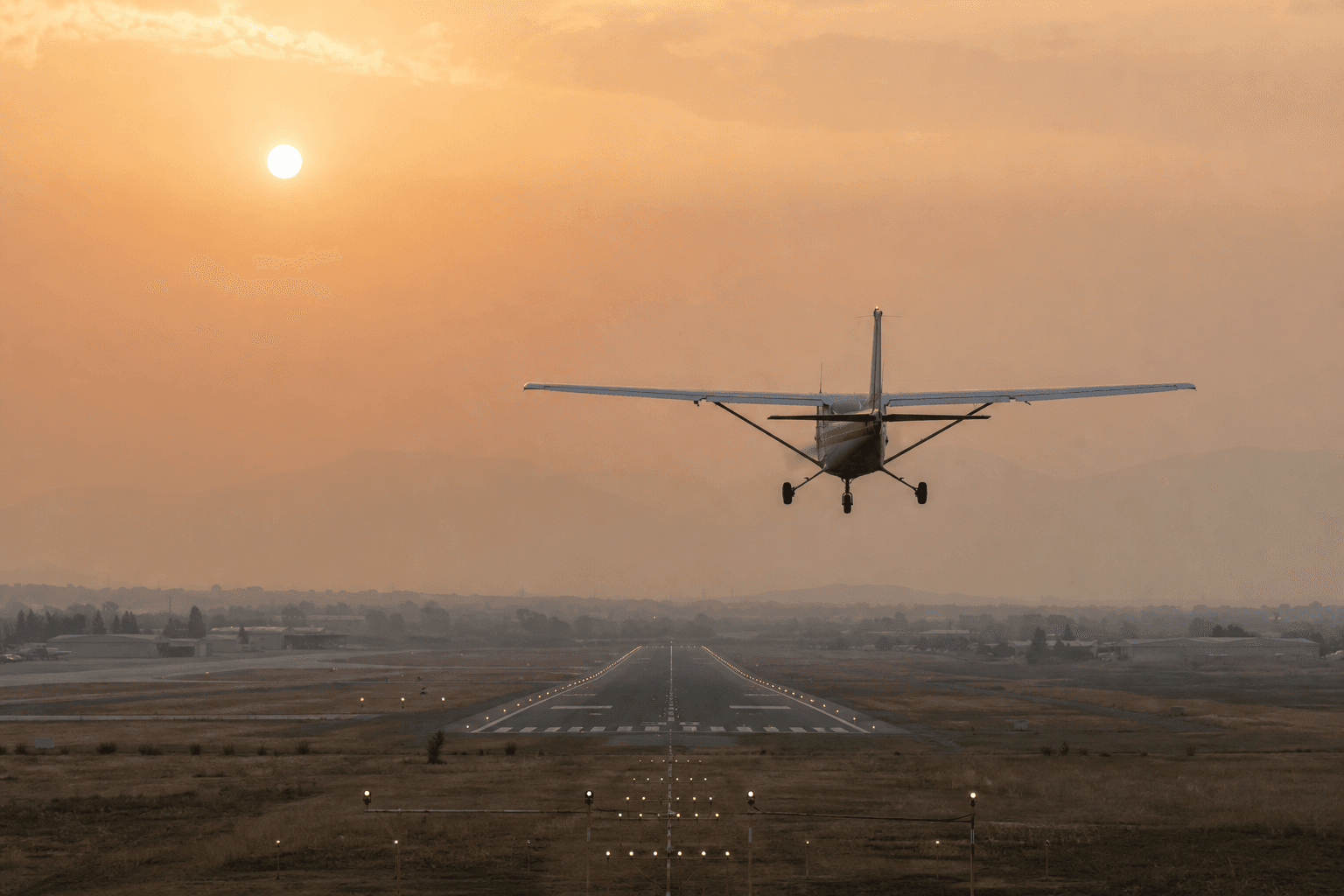
Smoke from wildfires may delay some arrivals into EAA AirVenture Oshkosh this year. The air quality map from AccuWeather shows a smoke plume from Canada, which is experiencing a record number of wildfires, reaching the Midwest and stretching to the Northeast. Conditions range from moderate and poor to unhealthy and dangerous. According to the Wisconsin Department of Natural Resources Fire Management dashboard, as of Thursday afternoon, there are 673 wildfires burning in Wisconsin. As of noon CDT Thursday the Air Quality Index in Oshkosh, Wisconsin, was listed as 414 Hazardous due to elevated levels of fine particulates in the wildfire smoke. AirVenture is scheduled for Monday, July 20, through Sunday, July 26, at Wittman Regional Airport (KOSH). READ MORE: Historic Lineup Will Take Center Stage at AirVenture's Boeing Plaza READ MORE: NASA's Super Guppy Will Miss AirVenture Due to Storm Damage A check of METARs from Grand Forks, North Dakota, to Binghamton, New York, show MVFR to IFR conditions due to smoke (FU). Weather officials monitoring the event noted that the poor air quality over the Upper Midwest and Pennsylvania, New York, and New England will likely remain through the weekend as more smoke comes down from the north. For pilots, smoke and haze can quickly reduce visibility and make the automated weather information gleaned from local airports questionable as the distance reported by the airport automated weather machine is significantly greater than what the pilots in the sky are seeing. Haze makes the eyes focus to infinity, which makes judging distances difficult if not impossible. Poor visibility can also be present at altitude as it is often impossible to determine how high up the smoke extends. Pilots attempting to reach Oshkosh should be prepared for a cat-and-mouse game as the visibility is often better in early morning, with just a light haze in the vicinity, but by early afternoon it can turn to IFR-producing smoke. Pilots who have already made it to KOSH are using social media to share PIREPs about visibility. Some are warning others that VFR is not a possibility. This isn't the first time AirVenture has been under a blanket of smoke. In 2023 and '24, Canadian wildfires turned the morning skies over Oshkosh a sepia-tone color for part of the week, making for some dramatic photographs but very poor air quality.
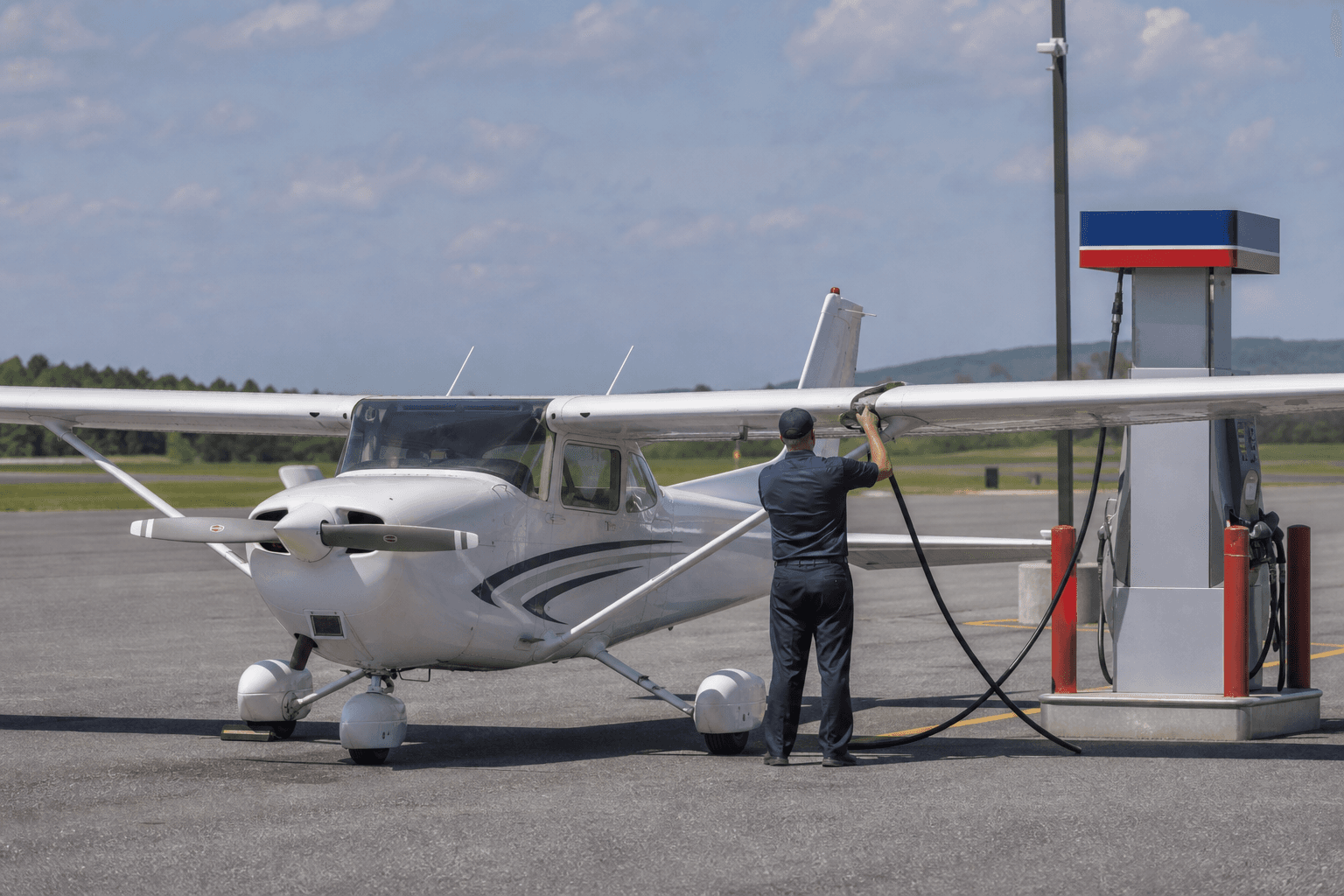
Swift Fuels expands FAA-approved unleaded 100R avgas to 1,600 piston aircraft
Swift Fuels announced a major update of its 100R unleaded aviation fuel supplemental type certificate approval, expanded by the FAA to cover 1,200 piston engine models and 1,600 aircraft. The Indiana-based company reported that distribution is also expanding according to plan.
The Daily Touch & Go
The day's best aviation news in your inbox. Free, no spam.