


Discover Florida's Hidden Gems for General Aviation Beyond Theme Parks
Florida offers diverse landscapes and unique flying experiences beyond its theme parks, from seaplane ratings to Everglades island hopping and historic coastal towns.
The gist
Florida’s vast geography and aviation culture invite pilots to explore beyond popular theme parks with scenic flights, training, and unique destinations.
Continuing coverage
All Flight Training →- Garmin SmartCharts Tops 2026 FLYING Magazine Editors' Choice Awards
- Part 141 Flight Schools Require Approved Airports for Cross-Country Flights to Count
- Texas Cadet Sebastian Vargas Becomes 200th Private Pilot Funded by Ray Foundation Through CAP
- Cirrus Launches TRAC10 Training Aircraft for Professional Flight Schools
- Cirrus Unveils TRAC10 Trainer Designed to Revolutionize Professional Flight Schools
Florida stands out as a paradise for general aviation enthusiasts seeking more than the usual tourist hotspots. Known widely for attractions like the Sun ’n Fun Aerospace Expo in Lakeland and the packed skies over Orlando's entertainment areas, the state's broader aviation appeal remains less explored. Stretching from the Georgia border down to the southernmost islands of the Florida Keys, the Sunshine State offers a flight experience rich in geographical diversity, perfect for pilots wishing to combine adventure with flying skill development.
Beyond the crowded theme park airspace, some of Florida’s most rewarding destinations require precision and savvy piloting. The tiny paved runway at Cedar Key Airport, just 2,300 feet in length, challenges aviators to showcase their approach skills while rewarding them with stunning views of this historic coastal town. Pilots must also exercise care by maintaining altitude above 2,000 feet when overflying nearby protected natural areas such as the Cedar Keys and Lower Suwannee National Wildlife Refuge to preserve local wildlife habitats.
For those aiming to grow their qualifications, Florida excels as an aviation education hub. Patty Wagstaff’s upset recovery training facility in St. Augustine provides a sought-after environment to master recovery techniques and enhance pilot proficiency. Likewise, Lockwood Aero in Sebring offers opportunities to earn the coveted Airplane Multi-Engine Sea (AMES) rating while flying the distinctive yellow AirCam, perfect for scouting Florida’s lakes and waterways.
The aviation culture in Florida benefits from the presence of some of the nation’s top flight schools, aviation universities, and manufacturers. This concentration fosters an environment where pilots can find robust training programs and connect with industry leaders. It also enhances the state’s reputation as a destination not only for leisure flying but for serious pilot advancement and certification.
Leisure and exploration remain integral to Florida’s appeal for GA pilots. The Everglades, with its hidden waterways and rich biodiversity, invites pilots to fly low and slow for exceptional wildlife spotting, including alligators, manatees, and even the elusive Florida panther. From here, island hopping through the Keys offers a more relaxed experience featuring tropical drinks and fresh seafood, easily accessible by short hops from mainland airports.
Combining skills development with family fun is feasible during flights across Florida. A morning departure from St. Augustine can swiftly transition from inland flying to scenic views of the Gulf Coast, culminating in a lunch stop at Cedar Key’s quaint and inviting airstrip. Pilots might encounter family floatplane operations or view Florida’s unique wildlife from the air, highlighting the state's seamless integration of aviation with natural and cultural exploration.
Florida’s multifaceted aviation landscape offers pilots the chance to tailor their flying experiences—from rigorous training opportunities to serene beach-down landings. The blend of diverse terrain, cultural landmarks, and year-round favorable flying conditions make it a compelling destination for aviators seeking to extend their adventures beyond conventional tourist paths.
Frequently asked questions
- What makes Florida a unique destination for general aviation pilots?
- Florida offers diverse geography from coasts to wetlands, excellent year-round flying weather, and a range of destinations beyond popular theme parks that appeal to both leisure and training pilots.
- Where can pilots receive specialized flight training in Florida?
- Pilots can train at facilities like Patty Wagstaff’s upset recovery training in St. Augustine and Lockwood Aero in Sebring, which offers Airplane Multi-Engine Sea rating flights on the AirCam.
- What are some considerations for pilots flying to Cedar Key Airport?
- Cedar Key’s runway is short at 2,300 feet, requiring precise piloting skills; pilots must also maintain 2,000 feet altitude when overflying nearby wildlife refuges to protect local ecosystems.
Read more
All Regulatory →
Part 141 Flight Schools Require Approved Airports for Cross-Country Flights to Count
Question: I am a Part 141 flight student working on my commercial certificate. I was on the solo long cross-country flight when I had to divert to another airport because of the weather. When I returned to the flight school and told my CFI what I had done, he said the flight would not count because the airport I diverted to isn't one of the ones we're authorized to use. How can they take that time away from me? READ MORE: When Is the Best Time to Begin Training for an Instrument Rating? READ MORE: Considerations for Mountain Flying Answer: Part 141 flight schools operate using a highly regulated FAA-approved syllabus and Training Course Outline (TCO), which includes a list of approved airports the students can fly to. Deviating from the list without prior permission invalidates the specific flight toward meeting the requirements to complete the Part 141 course. Basically, you'll have to repeat that cross-country flight—only this time going to an approved airport for it to count. The good news is the hours don't magically disappear. They still count toward total flight hours, so make sure you log them. I get that this seems unfair and it is disappointing, but let's look at the bigger picture here: Diverting to avoid weather is sound aeronautical decision-making. Good on you. Ask us anything you've ever wanted to know about aviation. Our experts in general aviation, flight training, aircraft, avionics, and more may attempt to answer in a future article. Email your questions here .
Pilots Gear Up for Structured Arrivals at Oshkosh AirVenture with Key Preparation Tips
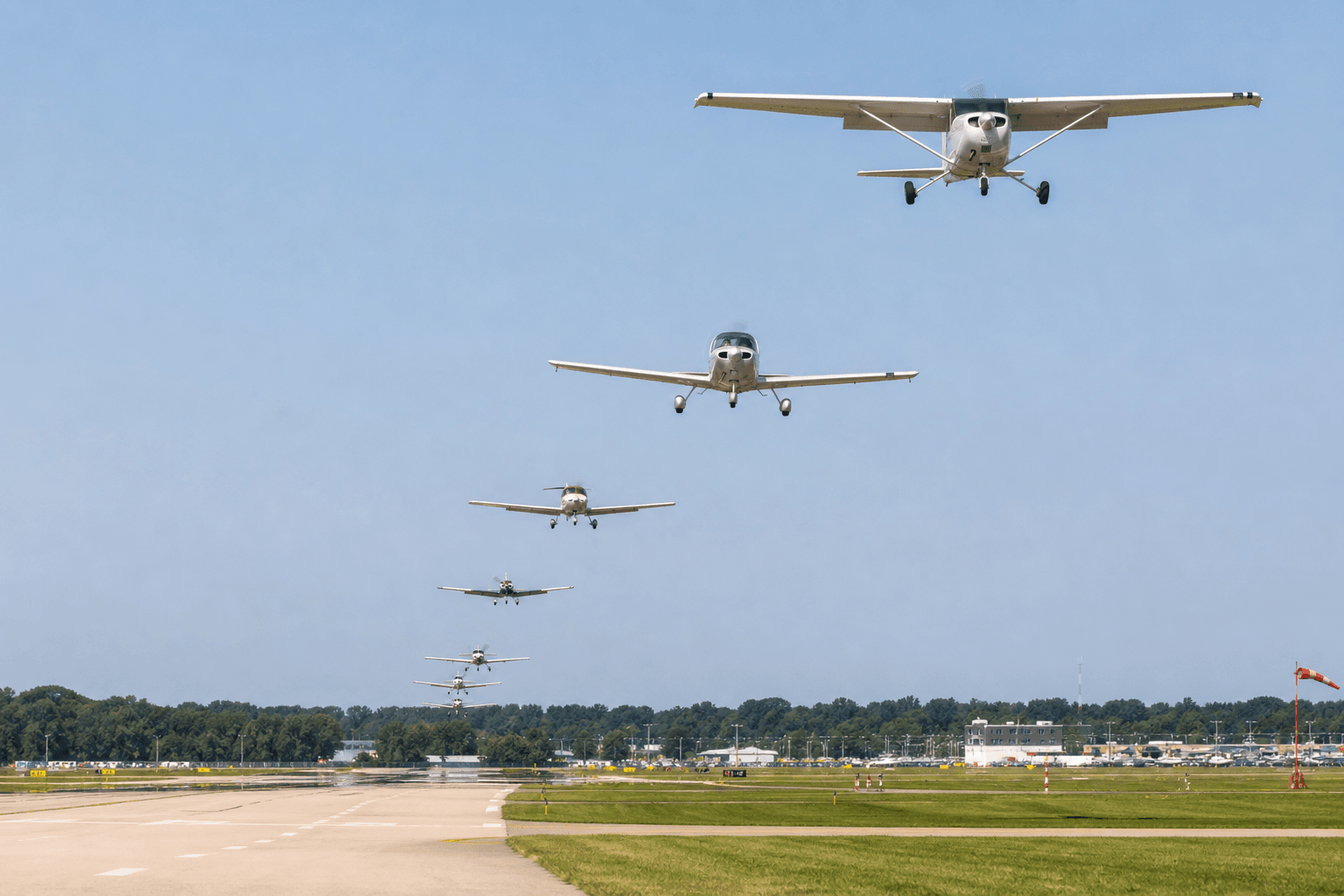
Each year during the week of EAA AirVenture, Wittman Regional (KOSH) in Oshkosh, Wisconsin, transforms from a quaint general aviation airport into one of the nation's busiest landing spots. Last year alone saw more than 16,000 aircraft operations at KOSH during the 11-day period leading up to and during the event, meaning each hour roughly 108 aircraft either took off or landed while the airport was open. While that sort of activity generates over $250 million of economic impact for Oshkosh and the surrounding Fox Valley region, for pilots that traffic can mean controlled chaos in the best of times and total disorder in the worst. In a guest blog post for ForeFlight, Plane + Pilot editor in chief Cayla McLeod, who is an 11-year AirVenture veteran, offered some pro tips that every pilot needs to know when venturing out to GA's ultimate fly-in event on July 20-26. Among that advice for safely navigating the arrival procedures, ensuring proper preparation remains at the top. Because flying into Oshkosh requires highly structured visual procedures, committing the NOTAM to memory—and having it handy in the cockpit—should be treated as a requirement. The Experimental Aircraft Association has produced a number of videos detailing the proper techniques and arrival process for those flying in. These sorts of tools are invaluable pieces of information to review for first-time attendees and Oshkosh veterans alike. Another pointer is to carry ample fuel. Extended flight times can easily occur due to heavy traffic volume, weather delays, holding patterns, and go-arounds. The FAA recommends having sufficient fuel to accommodate unexpected delays or to divert to another airport if needed, and pilots who attempt to use a "minimum fuel" excuse can expect to be turned away. It's also important to remember that the high-paced nature of the arrival doesn't end once landed. After landing, pilots are expected to safely and expeditiously vacate the runway into the grass to clear the way for the continuous stream of aircraft touching down immediately behind them. Having a diagram of the airport handy in the cockpit can be a big help in keeping pilots organized as they navigate the hustle and bustle on the ground. Flying into Oshkosh is an important moment for any pilot, and although it can be a stressful process, by controlling what you can and exercising total attention to detail the reward once touching down is unlike any other felt in aviation.
Rising Costs and Predatory Loans Challenge Aspiring Pro Pilots Financing Training
When I was in my early teens, I once asked an older pilot if he had any advice for someone just starting flight training, and he half-jokingly replied, "Ah, yes, have rich parents!" I didn't quite recognize the sage wisdom of this advice and failed to follow it, having had the temerity to get myself born into a large family of rather modest means. So I scrapped and schemed and worked a number of odd jobs through my teen years to pay for primary training and then went off to college and amassed an eye-watering level of student loan debt while completing my advanced ratings, all to graduate just after the 9/11 attacks. In retrospect I was fortunate. My seemingly poor timing put me in a very good position when the pilot shortage finally gathered steam, and as expensive as flight training seemed then, it has become even more so. It was also an era of easy borrowing and low interest rates. If you, like me, lacked the foresight to be born into wealth and are now trying to finance your dream of becoming a professional pilot, you face greater obstacles than I ever did. Post-COVID inflation has made most things more expensive, and everything in aviation from used aircraft to engine overhauls to insurance has outpaced it. Meanwhile, interest rates have skyrocketed, with prime lending rates above 8 percent for a full year now and most unsecured loans at least 3 percent above that. Few reputable banks are offering noncollege flight training loans these days, and this void has been filled by lenders who can be described as little better than loan sharks. Predatory interest rates of 17 percent or more are common. Sadly, many of the flight schools appear to be willing accomplices, prominently advertising "easy" financing "as low as 4.5 percent" or some similarly unrealistic rate. Many of their partner lenders will not reveal actual rates or terms until the student has already been accepted to the training program, with a proposed start date. Every week there are posts on aviation forums by students who have just learned, shortly before starting training, that their proposed $130,000, 15-year loan will end up costing $250,000 or more, with monthly payments above $2,000. Unfortunately, many see little alternative but to sign on the dotted line, justifying the terms with optimistic career earnings projections and the perceived rush to get their ratings "before the pilot shortage is over." It's an effective trap for lower-income kids with a dream but not much financial literacy. Honestly, had I been put in that position at 18 years old, I probably would have signed on the dotted line myself. I was financially illiterate at that age too. I've learned a lot about money since then, though, and about the aviation industry. Let me offer some really sound advice: Be very wary of any flight school that requires significant money up front. There are many cases of schools suddenly closing or otherwise absconding with students' funds or refusing or delaying repayment of the balance after the student has flunked out or quit midway through training. At the very least, they should require no more in your account than is required to complete the next block of training (e.g, private pilot certificate, instrument rating, etc). If a flight school's preferred lender isn't upfront about rates or terms, be very skeptical. Anyone who requires you to be accepted at the school and have a start date before revealing loan terms is likely springing a debt trap on you. A hard truth of aviation is that the majority of those who start primary training quit before earning their private pilot certificate, and the attrition rate for professional programs is similarly high. Not everyone will enjoy flying, and not everyone is cut out for it. You won't really know if it's for you until you're at least through primary training. Don't make any momentous financial decisions until then. Career earnings for a pilot can be high, but also vary quite widely depending on timing, keeping a clean record, maintaining a Class I medical, networking ability, and sometimes just plain dumb luck. Do not base financial decisions on best-case scenarios. And in any case, plan on several early years of earning less than $50,000, perhaps substantially less. Do not, under any circumstances, accept any substantial loan at more than 12 percent interest. It will be a millstone around your neck. Unlike most debt, student loans are not dischargeable in personal bankruptcy. Having to repay a crippling amount of high-interest debt early in your career will cause a high level of stress and may well lead to career decisions that prioritize short-term earnings over long-term advancement. There was a period during the pilot shortage when it made some sense to spend more and even accept less than satisfactory loan terms in order to finish training quickly and reach the airlines ASAP. In my opinion, that period is over. Hiring is starting to return to traditional norms, and there's even a bit of a glut of low-time pilots. It's difficult to be hired at regional airlines at 1,500 hours right now, for example. All of this points to doing your training in a way that minimizes borrowing until interest rates come down. First, get as far into your training as you can while paying cash. If you have a decent job now, pay cash to train toward a private pilot certificate at a local flight school while still working. Make the decision to quit and take on debt only once you have your certificate. If you don't have a job that will pay for primary training, put major effort into securing aviation scholarships and grants. Most aviation organizations offer them, and you should apply for every single one. Some are relatively small, but the dollars add up, and there's a multiplicative effect as your name gets out there. In fact, this is a fantastic way to get a head start on networking. When you reach the point that you simply have to finance your training, shop around. You'll be surprised to find there's a fair amount of variance among private student loan lenders—not all are loan sharks. If your intended school is pushing use of a predatory lender, I'd be very skeptical about training there. After all, when the lending is more lucrative than providing the actual training, that makes the training a loss leader—and quality is likely to suffer accordingly. READ MORE: 6 Mistakes to Avoid When Looking for Pilot Training Loan s Rates vary significantly based on credit scores and history. If you know that you'll be applying for loans in the next few years, put a strong effort into increasing your credit history and scores now. Alternatively, you'll get better rates by having a cosigner with good credit. This doesn't need to be a parent, but given that they'll share responsibility for the loan with you, you had best have a good relationship and proven yourself trustworthy to anyone you ask to cosign on a loan. The Federal Reserve is expected to start lowering interest rates next summer. As long as your lender does not tack on substantial origination fees, you may well be better off taking multiple smaller loans throughout your training, versus one big loan at the start. And while variable rate loans can be a gamble, I think they're a decent bet now, so long as yours is adjusted monthly or quarterly and is tied to a fair index (the former standard, London Interbank Offered Rate [LIBOR], has been discontinued, and Secured Overnight Financing Rate [SOFR] is the best replacement). Finally, the best interest rates going these days in the U.S. are for federal direct subsidized and unsubsidized Loans. For the 2023-24 school year, they're set at 5.5 percent for undergraduate students and 7.05 percent for graduate/professional students. The catch is these loans can only be used at nationally accredited institutions, which largely limits you to college flight programs (both four-year and two-year). With pilot supply and recruiting returning t
American Airlines to Amend Downgrade Refund Policy Amid DOT Pressure
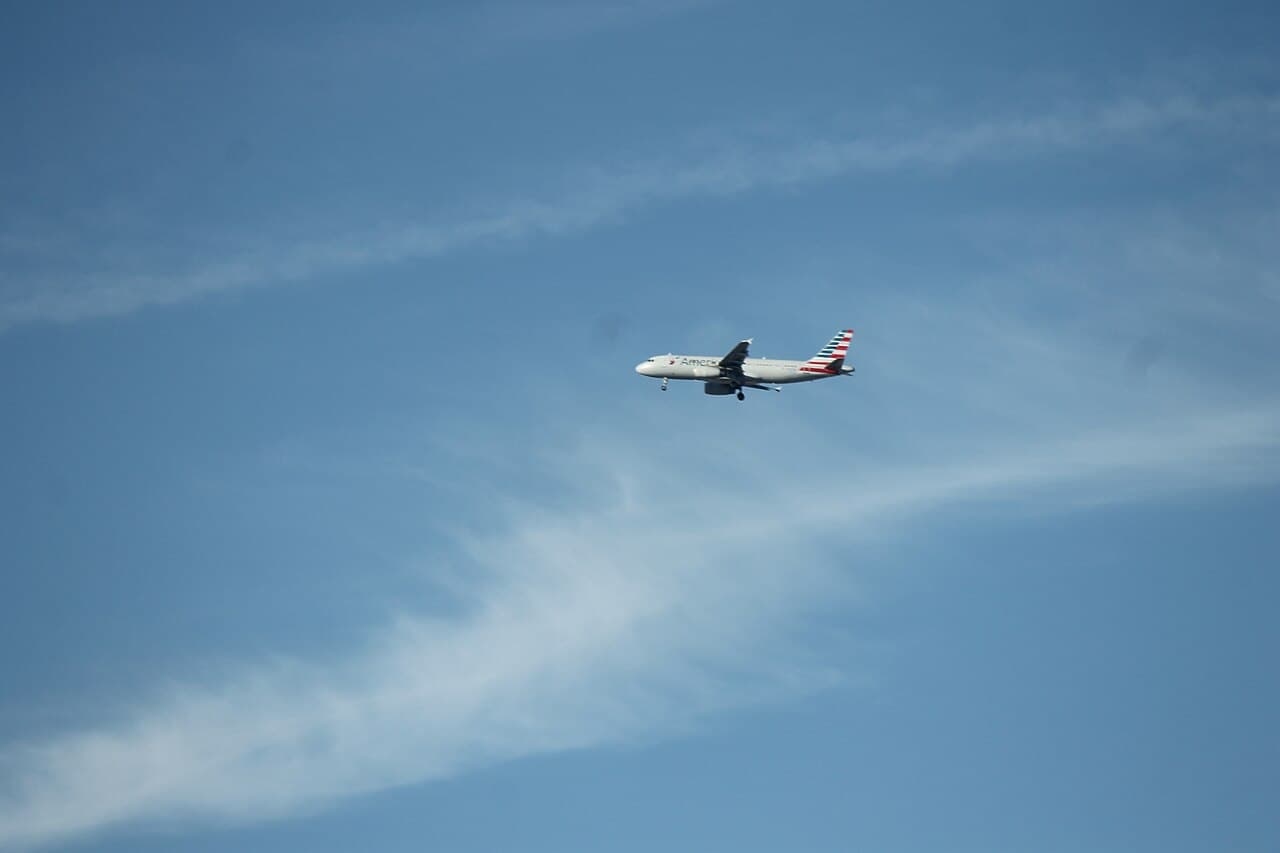
American Airlines is defending its right to refund only 40% when it downgrades a passenger, even if that leaves the carrier keeping thousands of dollars. It now promises a different calculation, but wants regulators to dismiss the complaint without making shortchanged customers whole.
The Daily Touch & Go
The day's best aviation news in your inbox. Free, no spam.