


Illustration: The Touch & Go
New Jersey Forest Fire Service Plans Hangar Evictions at Aeroflex/Andover Airport
The Forest Fire Service aims to repurpose hangar space at Aeroflex/Andover Airport for critical repairs, threatening eviction of local pilots and businesses.
The gist
Eviction notices at Aeroflex/Andover Airport put local flight school and maintenance shop at risk amid Forest Fire Service repairs.
Continuing coverage
All Hangar Eviction →The New Jersey Forest Fire Service, which operates Aeroflex/Andover Airport, recently informed local pilots and airport tenants of intended evictions due to significant construction activities. The move involves terminating leases of hangar space to address urgent repair and condition issues. Tenants received official notices indicating that they will be given a minimum three-month notice before being required to vacate their hangars. While grass tiedown spaces will remain accessible to pilots, leased hangar facilities will be exclusively reserved for Forest Fire Service use moving forward. The airport serves a strategic role as a base for aerial wildfire suppression efforts, requiring these infrastructure upgrades to maintain operational readiness.
According to the Forest Fire Service’s public statement on Facebook, the extensive capital improvements will reduce the overall size of the hangar complex. This reduction means that the current tenant businesses will lose access to their existing hangar spaces. Airport operations outside of the hangars, including transient general aviation activity, will continue without interruption. However, the restricted use of hangars represents a significant shift affecting the airport’s community of pilots and aviation operators.
Among the most impacted are two primary businesses: a flight school operating a fleet predominantly composed of fabric-covered airplanes, and a maintenance shop requiring hangar space for repairs and services. Both rely heavily on indoor storage to protect their aircraft and equipment from environmental exposure. Their potential displacement raises concerns about the viability of continuing operations at Aeroflex/Andover Airport under the new arrangement.
Sean Collins, AOPA Eastern Regional Manager, conveyed strong opposition to the eviction plan. He described the decision as appalling given its potential to put the flight school and maintenance shop out of business. Collins emphasized that the flight school’s aircraft cannot be stored outdoors due to their fabric construction, while the maintenance shop’s activities are intrinsically linked to hangar availability. The Forest Fire Service’s approach appears to disregard the operational needs of these tenants, indicating a lack of consultation with the airport’s aviation community before the announcement.
Aeroflex/Andover Airport plays a critical role beyond recreation, supporting wildfire suppression efforts through its Forest Fire Service base. The necessity for capital improvements reflects ongoing maintenance challenges common in airports with mixed-use responsibilities. Hangar structures often face deterioration due to age, weather exposure, and the demands of housing firefighting equipment alongside general aviation users. The decision to prioritize Forest Fire Service use suggests a strategic shift focused on agency operational requirements over general aviation tenancy.
The eviction notices and proposed hangar demolitions underscore the tensions that can arise when public service agencies manage airports with multiple stakeholder groups. Flight schools and maintenance businesses contribute to local aviation ecosystems by training pilots and maintaining aircraft, supporting the broader general aviation industry. Displacement of these tenants may have ripple effects on pilot training availability, aircraft maintenance capacity, and the airport’s economic vitality.
The three-month eviction notice period provides limited time for tenants to seek alternative arrangements, which may prove challenging given the specialized needs for hangar space, particularly for fabric-covered airplanes sensitive to weather exposure. Relocation options for such aviation businesses are often limited by geography and infrastructure availability. This situation highlights a critical juncture where infrastructure upgrades for emergency services intersect with the operational realities of commercial general aviation providers.
This development at Aeroflex/Andover Airport captures the complex balance between public safety imperatives and sustaining local aviation economies. It also brings attention to the necessity of coordinated planning and stakeholder engagement in airport management, especially when tenant displacement affects businesses vital to the aviation community. How these evictions proceed could serve as a case study for similar situations elsewhere, where multi-use airports must accommodate both emergency operations and general aviation needs in shared environments.
Read more
All Airports →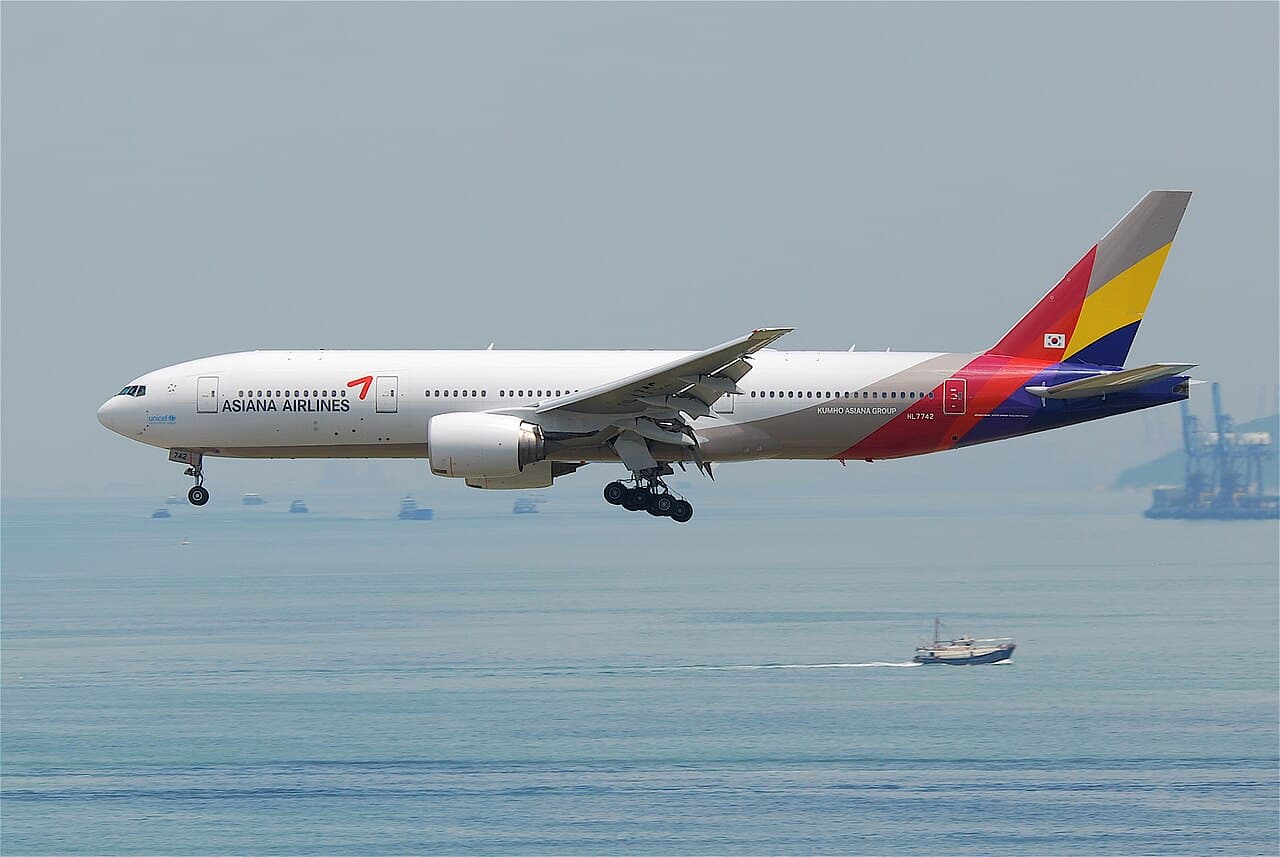
Boeing 777 Crews Balance Rolling and Standing Takeoffs for Efficiency and Safety
Whenever a 350-ton (317-metric-ton) Boeing 777 swings its nose onto the runway centerline, it normally comes to a complete standstill, sets the parking brakes, and undergoes a dramatic spool-up of the engines before release. Flight deck crews frequently skip over this full stop entirely, sweeping the thrust levers forward while the twin-jet is still rolling through its turn.
ATR identifies 209 untapped Indonesian domestic air routes serving 16 million passengers annually
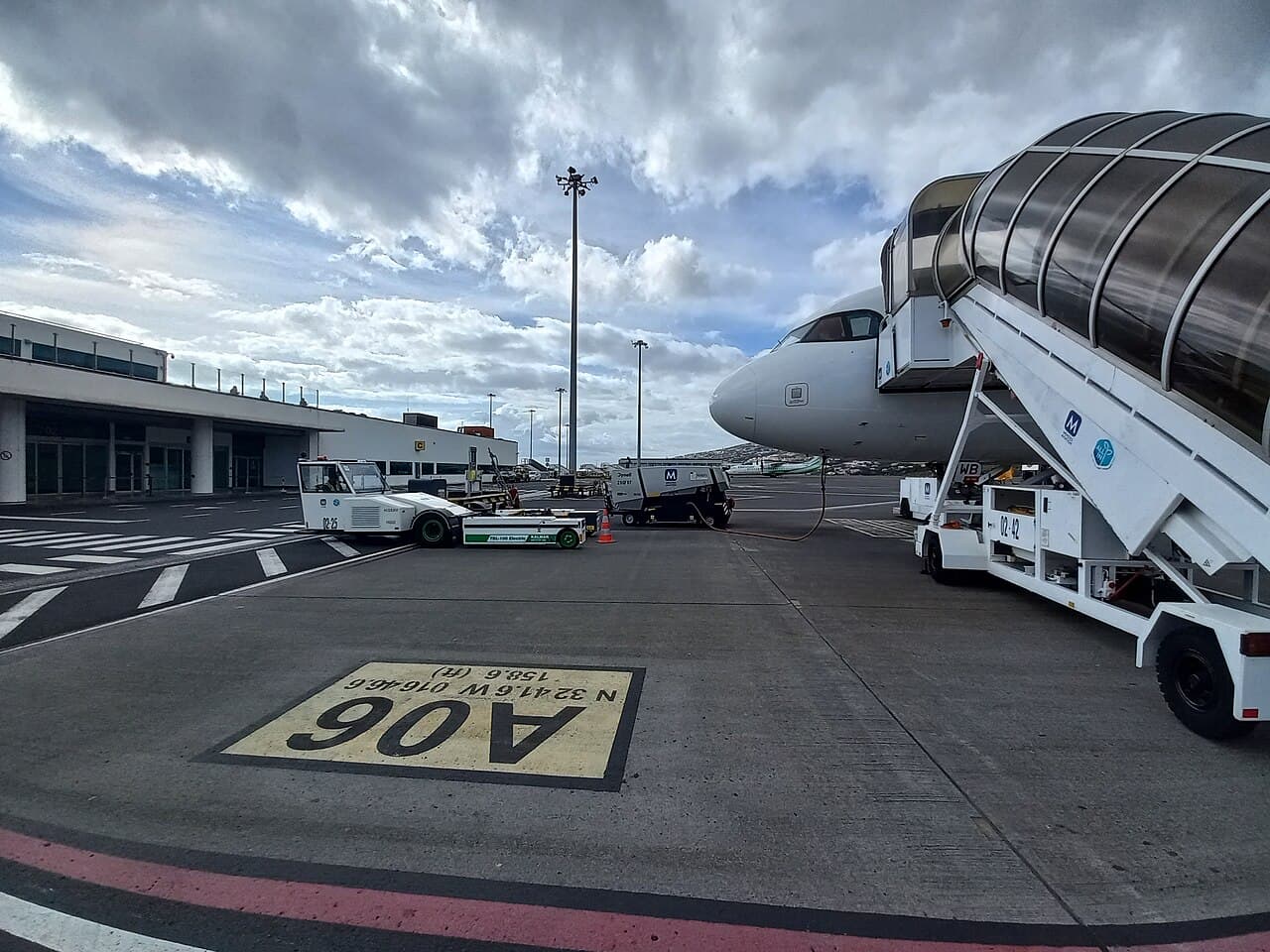
Franco-Italian turboprop aircraft manufacturer ATR has identified 209 new domestic air routes across Indonesia that it says would be economically viable using regional turboprop planes. The company points to a market of roughly 16 million passengers a year that remains largely untapped despite existing airport infrastructure. According to ATR, 70 of Indonesia's 180 paved-runway airports currently have no scheduled passenger service at all, leaving significant room for new domestic routes without the need for major infrastructure investment. Inside ATR's data: tracking 780 million journeys The findings come from ATR's proprietary MobilityMonitor platform, which tracked the travel patterns of 35 million Indonesian residents, a sample the company says is representative of the broader population. That group made roughly 780 million inter-city journeys over the course of a year, using a mix of cars, motorbikes, buses, ferries, trains, and planes. Around 90% of those journeys fell between 100 and 800 kilometers, a distance range ATR says is well suited to turboprop aircraft. By cross-referencing the most common travel routes with Indonesia's existing airport network, and then scaling the sample data to estimate total market size, ATR arrived at its list of 209 potential air routes. Outer islands stand to benefit most #image_title The data shows that 88% of these potential routes, representing about 14 million passengers annually, are intra-island connections rather than routes between islands. Notably, 90% of the identified routes fall on islands other than Java, including Sumatra, Sulawesi, Kalimantan, Papua, and Maluku. That imbalance reflects Indonesia's uneven infrastructure. Java, despite making up only about 7% of the country's land area, contains roughly 58% of its motorway network. Kalimantan, by contrast, is about four times larger than Java but has only around 5% of the country's motorways. ATR's data illustrates just how much that gap affects mobility. Average surface travel speeds in Java reach around 65 kilometers per hour thanks to its more developed road and rail systems, while speeds elsewhere in the archipelago drop to between 26 and 37 kilometers per hour. Distances tend to be longer on the outer islands too, often exceeding 350 kilometers and reaching nearly 480 kilometers in parts of Papua. Sumatra and Sulawesi lead the opportunity ATR identified Sumatra and Sulawesi as the largest potential markets for regional aviation, driven by strong travel demand across a wide range of new city-pair connections. One example cited by the company is the Bengkulu-Pekanbaru (BKS-PKU) route in Sumatra, where a road trip can take more than 18 hours, compared to roughly one hour by direct flight. ATR estimates demand along that corridor could support two daily flights. ATR sees an opening for turboprops Alexis Vidal, ATR's Senior Vice-President, Commercial, said the data points to a large, largely untapped market. "The demand is there, as is the airport infrastructure. What is needed now is the right aircraft," Vidal said. He added that MobilityMonitor has also revealed just how uneven mobility is across the Indonesian archipelago, but said regional air services could help close that gap. "By connecting communities across the archipelago using regional air services, it will help to drive economic growth, provide greater access to essential services and create more opportunities for people," Vidal said. RELATED ATR sees 16 million-passenger market in untapped Indonesian routes

Vietjet expands Philippine routes with three new flights starting November
Airline to launch three new routes linking Vietnam and Philippines. Vietjet is to launch five new international routes, focusing on flights to the Philippines amid stronger tourism demand. The low-cost operator will launch three new flights from 10 November to the Philippines: from Ho Chi Minh City and Hanoi to Cebu, as well as between Ho Chi Minh City and Clark. Each flight is operated thrice weekly, the carrier adds. The announcement marks a significant ramp-up from current operations, as Vietjet only operates to Manila from Ho Chi Minh City. The airline will also be the sole operator on Ho Chi Minh City-Cebu and Clark flights. The carrier states: "[The] new routes will give travellers more options for leisure and business travel and visits to family and friends, while supporting stronger tourism and trade ties between Vietnam and the Philippines." Separately, Vietjet is to launch four weekly flights between Da Nang and Osaka from 20 December, expanding its current operations to Japan. It will be the second carrier operating between the two cities, after national carrier Vietnam Airlines. Vietjet will resume flights to the northern Thai city of Chiang Mai from 25 October, operating four times weekly. Vietjet's Asia expansion comes a week after it announced it would be operating to the new Western Sydney international airport in January next year, becoming the airport's third international carrier.
American 737 and United A320 Both Suffer Tire Bursts on Arrival at Chicago O'Hare
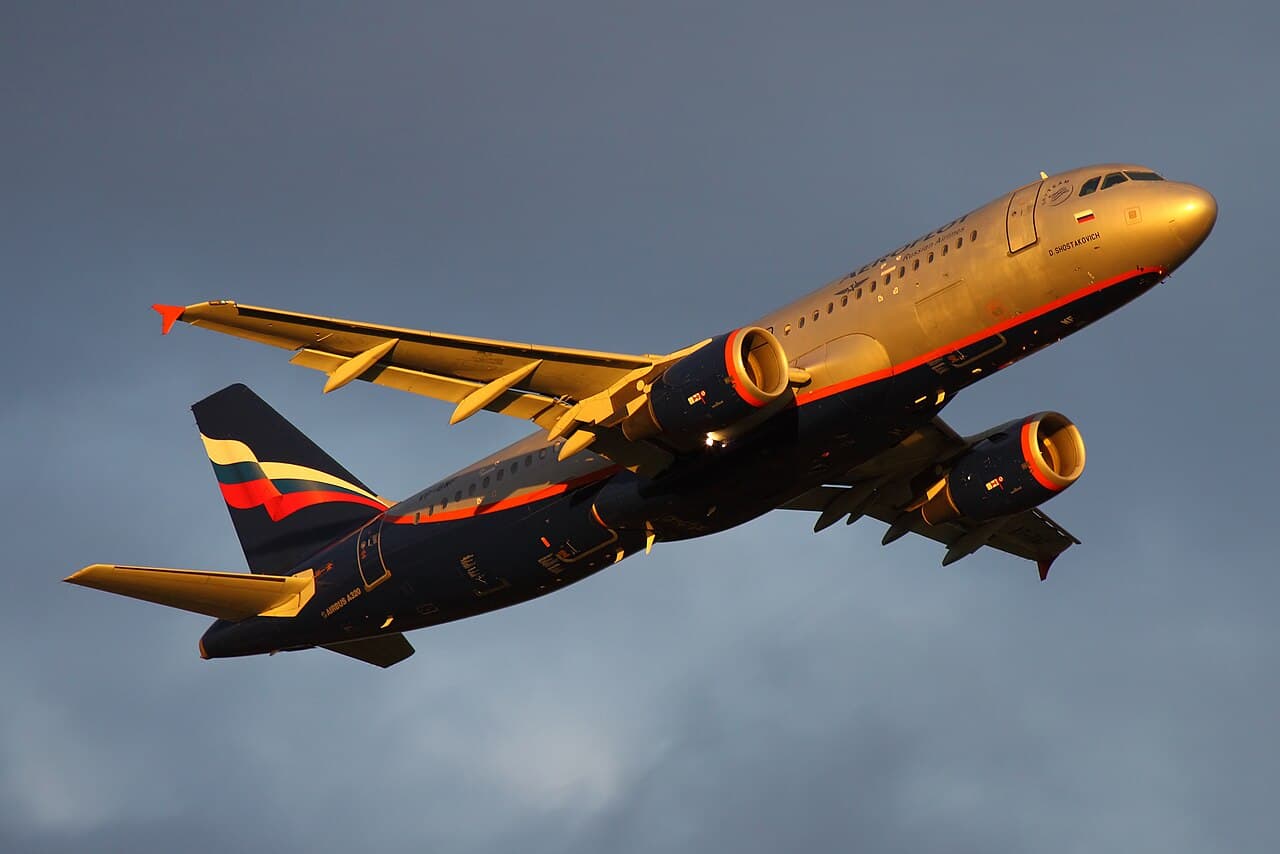
Within mere hours of each other, two arriving aircraft at Chicago O'Hare International Airport (ORD) have seen their tires burst . The two incidents, which occurred in different parts of the airport, have seen both airplanes removed from service for the rest of the evening. American Airlines flight 386 had just landed from New York LaGuardia Airport (LGA), while United Airlines flight 739 had touched down in the Windy City from Omaha (OMA).
The Daily Touch & Go
The day's best aviation news in your inbox. Free, no spam.