


Illustration: The Touch & Go
New Jersey Forest Fire Service plans hangar eviction, risking local flight school and maintenance shop
The Forest Fire Service at Aeroflex/Andover Airport intends to end hangar leases to undertake critical repairs, threatening key aviation businesses.
The gist
New Jersey’s Forest Fire Service eviction notices at Aeroflex/Andover Airport endanger local pilots and aviation businesses relying on hangar space.
Continuing coverage
All Hangar Eviction →The New Jersey Forest Fire Service, operator of Aeroflex/Andover Airport, has issued eviction notices to local pilots leasing hangar space, citing major construction needed to resolve critical repairs. Tenants have been informed they will receive at least three months’ notice before being required to vacate the hangars, effectively ending their leases. This move specifically targets hangar tenants, though grass tiedown spaces will remain available for transient aircraft activity. The airport continues to function as a base for aerial wildfire suppression operations, which remain unaffected by this decision.
The Forest Fire Service clarified that the hangar complex will be reduced in size during these capital improvements and that the remaining hangar space will be reserved exclusively for its own use. Airport operations beyond the hangar area are set to proceed without interruption. This announcement was also shared on the Service’s official Facebook page underscoring the operational focus on their firefighting mission.
AOPA is actively collaborating with pilots affected by the Forest Fire Service’s decision, raising concerns about the impact on the airport’s user community. Two principal businesses based at Aeroflex/Andover— a flight school and a maintenance shop— face imminent threats to their viability. Both enterprises depend heavily on hangar facilities: the flight school operates a fleet primarily comprised of fabric-covered aircraft that cannot be securely stored outdoors, while the maintenance shop requires hangar space to carry out its repair and servicing tasks.
Sean Collins, AOPA Eastern Regional Manager, publicly criticized the eviction plan, labeling it as neglectful of the tenant pilots and businesses. Collins highlighted that although Aeroflex/Andover experiences mainly transient traffic, the eviction and impending demolition of hangars disregards the operational necessities of the airport's aviation tenants. He urged a reconsideration of the plan, emphasizing its potential to force these aviation businesses to cease operations permanently.
Aeroflex/Andover Airport plays a dual role supporting both recreational and business aviation as well as serving the state's wildfire suppression efforts. The Forest Fire Service’s need to improve and reduce the hangar structures is evidently driven by safety and operational priorities for firefighting, yet this has created a conflict with the tenant community who utilize the facilities for flight training, maintenance, and storage.
Such conflicts between state agencies and general aviation users are not uncommon, especially when airports serve critical public safety missions alongside civilian aviation needs. The situation at Aeroflex/Andover exemplifies the challenge of balancing infrastructure upgrades required for state service facilities while maintaining a viable environment for local aviation businesses and pilot communities.
The forthcoming eviction notices and the hangar demolition raise questions about the future capacity of Aeroflex/Andover Airport to support general aviation activities. The loss of hangar space could diminish the airport’s attractiveness and utility for local pilots and businesses, potentially leading to economic and operational decline for those dependent on the site.
AOPA’s intervention underscores the organization's role as an advocate for general aviation stakeholders facing encroachment or displacement issues. The association is likely to push for dialogue between the Forest Fire Service and the airport tenants to mitigate business disruption, preserve hangar access where possible, or arrange alternative accommodations for displaced operators.
This eviction episode highlights the complex interplay at multipurpose airports, where operational priorities can diverge sharply between public agencies and private aviation users. The coming months of tenant notices and construction will be crucial in determining how Aeroflex/Andover balances firefighting imperatives with the continued support of its aviation community.
Read more
All Airports →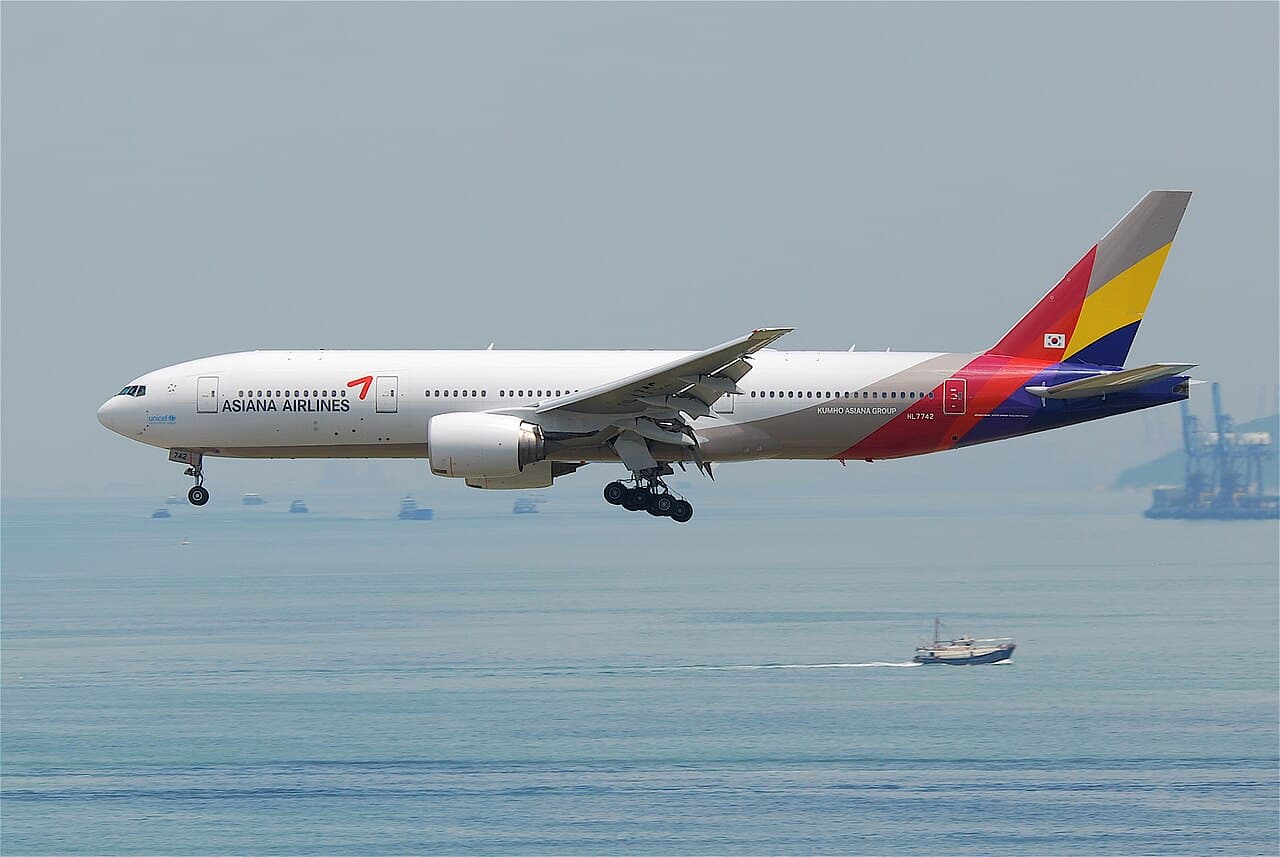
Boeing 777 Crews Balance Rolling and Standing Takeoffs for Efficiency and Safety
Whenever a 350-ton (317-metric-ton) Boeing 777 swings its nose onto the runway centerline, it normally comes to a complete standstill, sets the parking brakes, and undergoes a dramatic spool-up of the engines before release. Flight deck crews frequently skip over this full stop entirely, sweeping the thrust levers forward while the twin-jet is still rolling through its turn.
ATR identifies 209 untapped Indonesian domestic air routes serving 16 million passengers annually
Franco-Italian turboprop aircraft manufacturer ATR has identified 209 new domestic air routes across Indonesia that it says would be economically viable using regional turboprop planes. The company points to a market of roughly 16 million passengers a year that remains largely untapped despite existing airport infrastructure. According to ATR, 70 of Indonesia's 180 paved-runway airports currently have no scheduled passenger service at all, leaving significant room for new domestic routes without the need for major infrastructure investment. Inside ATR's data: tracking 780 million journeys The findings come from ATR's proprietary MobilityMonitor platform, which tracked the travel patterns of 35 million Indonesian residents, a sample the company says is representative of the broader population. That group made roughly 780 million inter-city journeys over the course of a year, using a mix of cars, motorbikes, buses, ferries, trains, and planes. Around 90% of those journeys fell between 100 and 800 kilometers, a distance range ATR says is well suited to turboprop aircraft. By cross-referencing the most common travel routes with Indonesia's existing airport network, and then scaling the sample data to estimate total market size, ATR arrived at its list of 209 potential air routes. Outer islands stand to benefit most #image_title The data shows that 88% of these potential routes, representing about 14 million passengers annually, are intra-island connections rather than routes between islands. Notably, 90% of the identified routes fall on islands other than Java, including Sumatra, Sulawesi, Kalimantan, Papua, and Maluku. That imbalance reflects Indonesia's uneven infrastructure. Java, despite making up only about 7% of the country's land area, contains roughly 58% of its motorway network. Kalimantan, by contrast, is about four times larger than Java but has only around 5% of the country's motorways. ATR's data illustrates just how much that gap affects mobility. Average surface travel speeds in Java reach around 65 kilometers per hour thanks to its more developed road and rail systems, while speeds elsewhere in the archipelago drop to between 26 and 37 kilometers per hour. Distances tend to be longer on the outer islands too, often exceeding 350 kilometers and reaching nearly 480 kilometers in parts of Papua. Sumatra and Sulawesi lead the opportunity ATR identified Sumatra and Sulawesi as the largest potential markets for regional aviation, driven by strong travel demand across a wide range of new city-pair connections. One example cited by the company is the Bengkulu-Pekanbaru (BKS-PKU) route in Sumatra, where a road trip can take more than 18 hours, compared to roughly one hour by direct flight. ATR estimates demand along that corridor could support two daily flights. ATR sees an opening for turboprops Alexis Vidal, ATR's Senior Vice-President, Commercial, said the data points to a large, largely untapped market. "The demand is there, as is the airport infrastructure. What is needed now is the right aircraft," Vidal said. He added that MobilityMonitor has also revealed just how uneven mobility is across the Indonesian archipelago, but said regional air services could help close that gap. "By connecting communities across the archipelago using regional air services, it will help to drive economic growth, provide greater access to essential services and create more opportunities for people," Vidal said. RELATED ATR sees 16 million-passenger market in untapped Indonesian routes

Vietjet expands Philippine routes with three new flights starting November
Airline to launch three new routes linking Vietnam and Philippines. Vietjet is to launch five new international routes, focusing on flights to the Philippines amid stronger tourism demand. The low-cost operator will launch three new flights from 10 November to the Philippines: from Ho Chi Minh City and Hanoi to Cebu, as well as between Ho Chi Minh City and Clark. Each flight is operated thrice weekly, the carrier adds. The announcement marks a significant ramp-up from current operations, as Vietjet only operates to Manila from Ho Chi Minh City. The airline will also be the sole operator on Ho Chi Minh City-Cebu and Clark flights. The carrier states: "[The] new routes will give travellers more options for leisure and business travel and visits to family and friends, while supporting stronger tourism and trade ties between Vietnam and the Philippines." Separately, Vietjet is to launch four weekly flights between Da Nang and Osaka from 20 December, expanding its current operations to Japan. It will be the second carrier operating between the two cities, after national carrier Vietnam Airlines. Vietjet will resume flights to the northern Thai city of Chiang Mai from 25 October, operating four times weekly. Vietjet's Asia expansion comes a week after it announced it would be operating to the new Western Sydney international airport in January next year, becoming the airport's third international carrier.
American 737 and United A320 Both Suffer Tire Bursts on Arrival at Chicago O'Hare
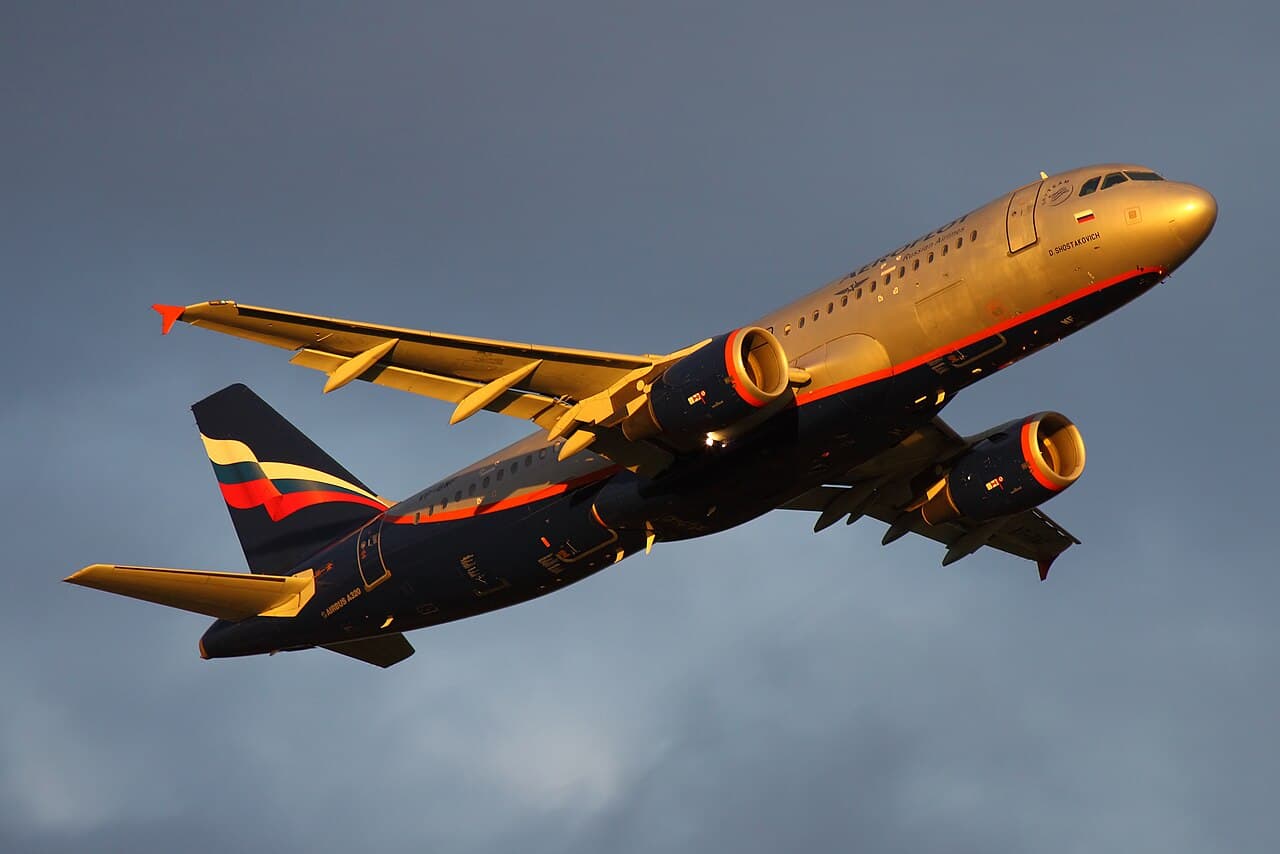
Within mere hours of each other, two arriving aircraft at Chicago O'Hare International Airport (ORD) have seen their tires burst . The two incidents, which occurred in different parts of the airport, have seen both airplanes removed from service for the rest of the evening. American Airlines flight 386 had just landed from New York LaGuardia Airport (LGA), while United Airlines flight 739 had touched down in the Windy City from Omaha (OMA).
The Daily Touch & Go
The day's best aviation news in your inbox. Free, no spam.