

Illustration: The Touch & Go
Israir revives ex-American Airlines A330s for upcoming New York-Tel Aviv flights
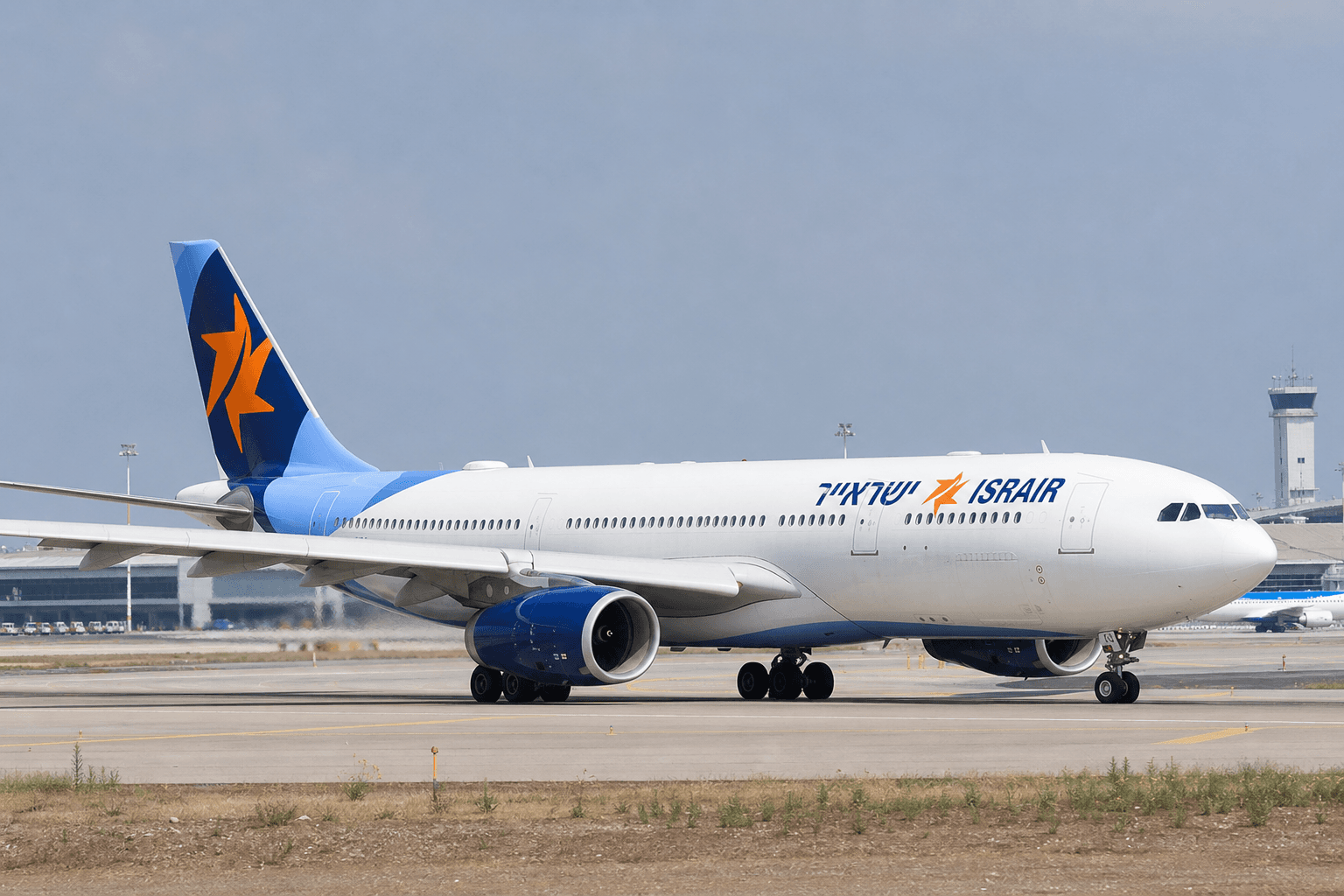
Israir is preparing to launch transatlantic service using Airbus A330-200s retired by American Airlines three years ago, filling the gap left by American's continued absence from Tel Aviv routes.
The gist
Israir is set to operate New York-Tel Aviv flights with former American Airlines A330s, stepping in while American delays resuming service after three years.
Israir is poised to launch transatlantic flights between New York and Tel Aviv using two Airbus A330-200 aircraft formerly operated by American Airlines. These jets, retired by American at the start of the pandemic, are undergoing reactivation and crew familiarization. Israir aims to offer direct service on this heavily trafficked route, compensating for American's continued three-year hiatus from Tel Aviv flights since October 2023.
American Airlines retired its entire A330 fleet during the COVID-19 pandemic alongside Boeing 757s and 767s, leaving a void in its long-haul capacity. These A330-200s were relatively young at retirement, about ten years old, and had recently undergone premium economy cabin refurbishments. Instead of returning them to active service, American transferred the aircraft to various operators; the two now acquired by Israir highlight their residual value.
The two Israir A330-200s (registrations 4X-BAK and 4X-BAL) previously flew with American and US Airways and were stored in Tucson before transfer to aircraft trader Jetran. Since then, the aircraft have been restored to operational status with support from Israir’s Cyprus-based maintenance provider Bird Aviation. One aircraft has already commenced scheduled short-haul flights to prepare crews and is expected to initiate New York-Tel Aviv service shortly.
Israir disclosed a purchase price of $74 million for the pair, with additional costs for reactivation pushing the total expenditure beyond $80 million. Israeli travel company Issta invested $35 million upfront, securing around 40 economy seats per flight for ten years, reflecting a substantial commitment of the economy cabin to tour operators. This partnership underscores the commercial strategy behind Israir’s fleet expansion and route launch.
To operate the U.S.-Israel service, Israir secured foreign air carrier authority from the U.S. Department of Transportation last year. Israeli Civil Aviation Authority approval for the A330 program, including North American operations, was granted in July 2026. The airline is still awaiting FAA Part 129 authorization and TSA security program certification, prerequisites for commencing U.S. flights.
New York–Tel Aviv ranks among the largest ‘visiting friends and relatives’ markets worldwide, encompassing diverse travel purposes including religious pilgrimage, business, and tourism. Despite Middle East tensions, over 1.2 million passengers traveled the route (including Newark) in 2025. Israir’s six weekly flights with 247-seat A330-200s would supply approximately one-eighth of the one-way seat capacity on the route.
Other carriers such as Delta and United plan to resume Tel Aviv service in September 2026, while El Al and Arkia continue operating flights. European airlines have also historically served the route indirectly, though geopolitical factors have occasionally disrupted those operations. Israir’s direct service with widebody aircraft marks a notable entry in the competitive transatlantic market for U.S.-Israel travel.
From American Airlines’ perspective, retiring these young A330-200s arguably reduced the fleet’s long-haul flexibility and capacity just as transatlantic demand began to recover post-pandemic. The A330-200s had an efficient layout with 247 seats including 20 reverse herringbone business class seats and 21 premium economy seats. Their reappearance under Israir illustrates the continued operational relevance of these aircraft.
Israir’s acquisition signals a market opportunity to meet strong demand on this key international corridor. If certification and scheduling progress as planned, their entry may provide more choices for travelers on the New York-Tel Aviv route. Meanwhile, American Airlines continues to assess its widebody fleet requirements, with potential future orders possibly including the A330 series it had once dismissed.
Frequently asked questions
- Why did American Airlines retire its Airbus A330-200s?
- American Airlines retired its Airbus A330-200s at the start of the pandemic as part of a wider fleet reduction including Boeing 757s and 767s, despite the A330s being relatively young and recently refreshed, to reduce long-haul capacity amid reduced travel demand.
- What is Israir's plan for the former American Airlines A330-200 aircraft?
- Israir has purchased two former American Airlines A330-200s and is reactivating them to operate scheduled flights on the New York-Tel Aviv route, using them in their existing 247-seat configuration and supporting them through Bird Aviation maintenance in Cyprus.
- What approvals does Israir need to operate U.S.-Israel flights?
- Israir has received U.S. Department of Transportation foreign carrier authority and Israeli Civil Aviation Authority approval for its A330 operations including North America, but still requires FAA Part 129 authorization and TSA approval of its foreign carrier security program before commencing flights to the U.S.
Read more
All Airlines →
Global Widebody Aircraft Shortage Grows Amid Boeing, Airbus Production Delays
The years after the COVID-19 pandemic have been tumultuous in the airline industry. While some airlines are succeeding, many are also struggling or have failed altogether, and strikingly, demand for new planes is up while manufacturers cannot keep up. Narrowbody jets are generally being produced at high rates that meet demand (although engines are a constraint), but the discrepancy between supply and demand is most striking with widebody airliners.
Boeing 777-300ER Revolutionized Long-Haul Air Travel with Twin-Engine Efficiency
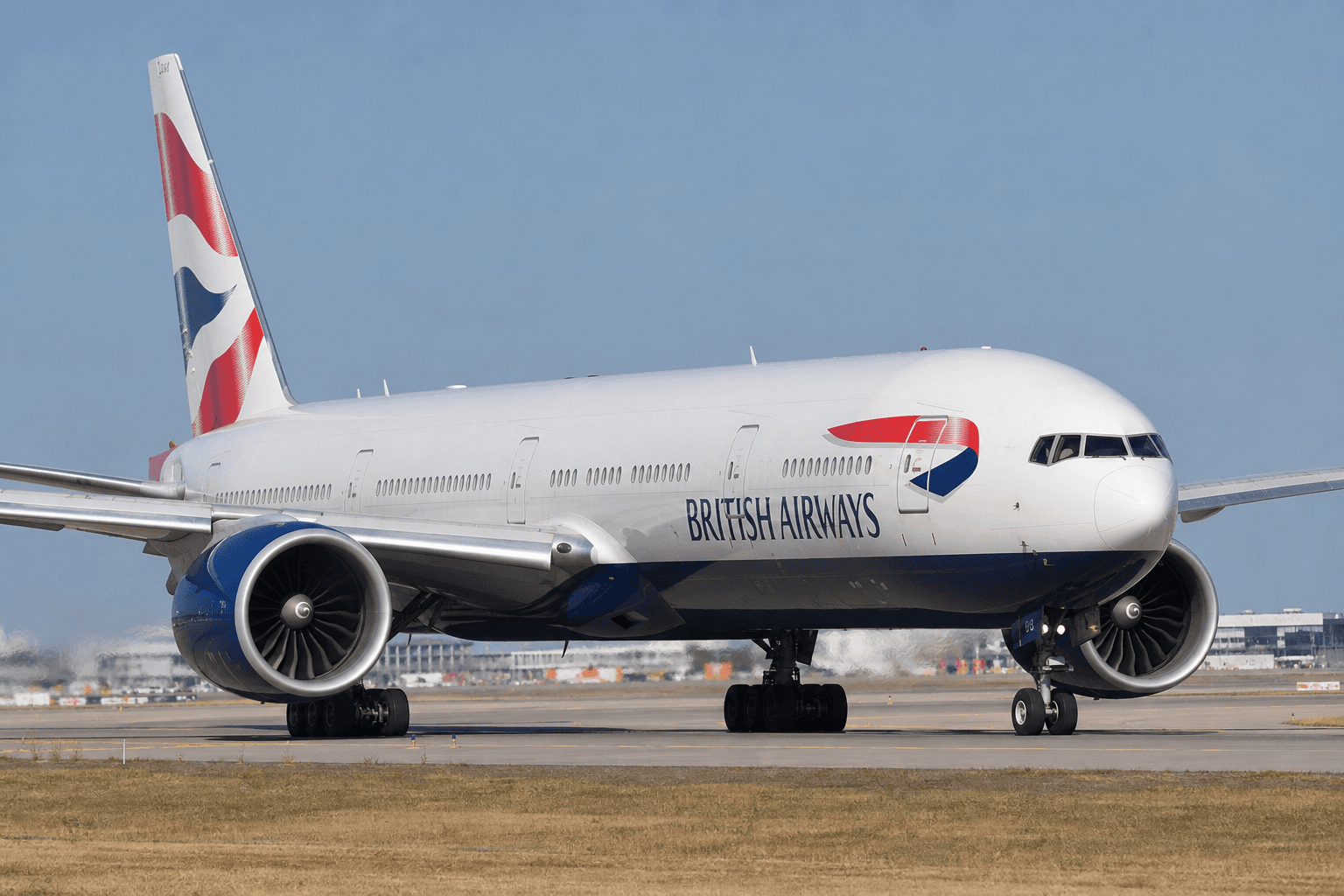
The 777 succeeded Boeing's first widebody twinjet, the 767 , and showed the world just how great the platform could be for both the economics of the notoriously volatile flying business and the satisfaction of flyers. The success of the 777 series directly contributed to the end of its larger quadjet predecessor, the 747.
Riyadh Air and GOL spearhead 2026 long-haul network expansions amid established carriers' route growth
Flying has come a long way since the first scheduled passenger flight. That service carried just one passenger and flew the short distance of around 21 miles, but it marked the beginning of an industry that would eventually transform the way people travel around the world. Today, we can travel from one corner of the world to another with relative ease.
Study Finds GEnx-Powered Boeing 787-10 Leads Widebody Fuel Efficiency Among 14 Competitors
An Aircraft Commerce study comparing 14 widebody aircraft-engine combinations across five routes found that the GEnx-powered Boeing 787-10 produces the lowest fuel burn per available seat mile of any widebody configuration currently in service. The finding ranked the 787-10/GEnx ahead of the same aircraft with Trent 1000 engines, ahead of both A350 variants, and ahead of every older widebody type including the 777-200ER, 777-300ER, and 747-400.
The Daily Touch & Go
The day's best aviation news in your inbox. Free, no spam.