

Image: San Diego Air & Space Museum · Public domain · via Wikimedia Commons
American Airlines revamps leadership to boost lagging profits against Delta and United
CEO Robert Isom announces senior leadership changes at American Airlines to close performance gaps amid rising fuel costs and union pressures.
The gist
American Airlines reorganizes senior leadership to tackle profitability challenges and catch up with competitors.
Continuing coverage
All Aviation Strategy →- Gulf Air Positions Itself as Signature Premium Connector Amid Gulf Giants
- British Airways Ends 36 Long-Haul Routes From London Over Past Two Decades
- Air New Zealand CEO Nikhil Ravishankar outlines strategy to enhance sleep and connectivity
- How a Single Airline CEO Can Influence oneworld Alliance Membership Decisions
American Airlines has initiated a significant reshuffle of its senior management team as the carrier confronts ongoing challenges in financial performance relative to industry peers Delta Air Lines and United Airlines. CEO Robert Isom outlined the changes as a strategic effort to enhance operational execution and overall company strength. The reorganization seeks to integrate commercial and operational oversight more broadly under new leadership assignments, while bringing in new expertise from outside the company.
Among the key appointments announced, former Spirit Airlines Chief Operating Officer John Bendoraitis joins American to lead technical operations, signaling a move to sharpen the airline’s maintenance and reliability capabilities. Current Chief Commercial Officer Nat Pieper will take on additional responsibility for marketing and branding efforts, aiming to revitalize the airline’s market positioning. Meanwhile, Chief Customer Officer Heather Garboden’s new duties will include reservations and service recovery, focusing on improving customer experience and operational responsiveness.
Other shifts include JC Gulbranson assuming oversight of airports and planning functions, and joining the senior leadership team along with Garboden. The communications division also sees restructuring, with Chief Communications Officer Ron DeFeo stepping down. Caroline Clayton will assume communications leadership roles, and Steve Neuman will take charge of government affairs, both elevated to the senior team to align external engagement and regulatory relations more closely with company goals.
These leadership changes occur as American Airlines anticipates near break-even financial results for 2026. The carrier faces significant headwinds from sharply increased jet fuel prices, which are projected to add over $4 billion in expenses compared to earlier projections. This cost pressure has weighed heavily on earnings, intensifying the urgency to enhance operational efficiency and revenue generation.
Additionally, American Airlines is grappling with mounting union disputes that reflect wider concerns over the airline’s competitive standing. The Association of Professional Flight Attendants issued a unanimous vote of no confidence in CEO Isom earlier this year, criticizing the airline’s lagging profitability and operational performance. The union has openly called for leadership changes, reflecting tensions centered on employee confidence and corporate strategy.
The Allied Pilots Association has also voiced doubts about management's ability to close the performance gap with competitors. APA President Nick Silva disclosed attempts to meet with American’s board to discuss the airline’s future were unsuccessful, leading the union to engage with external analysts, investors, and stakeholders. These developments underscore the complex internal and external pressures facing the airline.
Despite such challenges, CEO Isom has reaffirmed that American Airlines will maintain its current strategic direction. The company continues to prioritize expansion of its global network, enhancement of premium revenue streams, and bolstering of its AAdvantage loyalty program to drive long-term growth. Investments are ongoing in product upgrades including premium seating, lounge amenities, onboard connectivity, and adjustments to hub operations to improve revenue and operational results.
This leadership restructuring represents the first major step in an anticipated series of initiatives designed to strengthen American Airlines’ competitive footing and operational capabilities. The airline is signaling a commitment to address executional shortcomings and improve customer experience in a market that remains fiercely competitive and cost-sensitive.
How the new management team will translate these changes into measurable performance gains remains critical as American Airlines strives to close profit and operational gaps with Delta and United. The integration of new leadership roles and external expertise positions the airline to tackle its most pressing challenges, including rising costs, labor relations, and market positioning.
Frequently asked questions
- Who is joining American Airlines as the new technical operations leader?
- Former Spirit Airlines Chief Operating Officer John Bendoraitis is joining American Airlines to lead technical operations.
- What additional responsibilities is Chief Commercial Officer Nat Pieper taking on?
- Nat Pieper will expand his duties to include marketing and branding alongside his role as Chief Commercial Officer.
- Why is American Airlines conducting this leadership reshuffle?
- The reshuffle aims to improve execution, strengthen the company, and address financial performance gaps relative to competitors Delta and United Airlines.
Read more
All Airlines →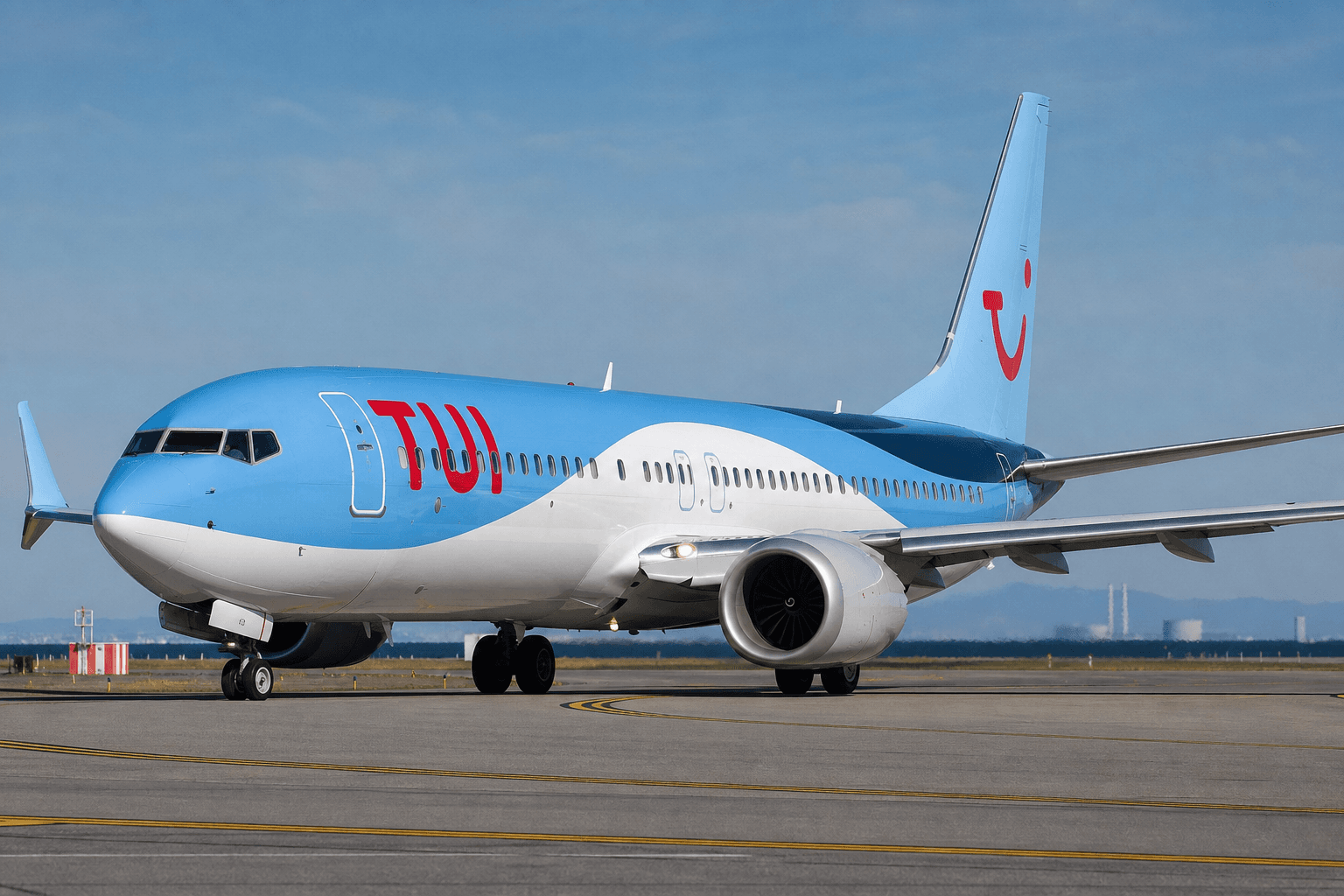
TUI Advances Airline Commercial Strategy Amid Third-Quarter Loss from Geopolitical Turbulence
Strategy to commercialise TUI’s airline business bolstered by launch of website supporting direct sales in June . European travel giant TUI slipped to a loss in its markets and airlines division for the April-June period, citing higher fuel costs and increased market capacity amid the conflict in Iran. TUI's markets and airlines business, which include tour operators, sales and its airline operations, posted an underling EBIT loss of €16 million ($18.5 million) for the company's fiscal third quarter. That compared to a profit of €50 million for the same period in the previous financial year. "This development was driven by weaker demand as a result of geopolitical developments and increased price pressure in a market environment characterised by higher fuel costs and additional capacity on the market," TUI says. The company is developing TUI Airline as a "commercially independent business" as part of wider group strategic initiatives, a process it says is well on track. That includes cost and network efficiencies and moves to increase its flight-only offering, a move boosted in June by the launch of tuifly.com enabling direct airline sales from its German airline. Sales for TUI’s other airline units will follow this year. “This direct distribution channel is expected to support revenue diversification by capturing higher-margin direct sales while reducing reliance on third-party booking platforms,” it says. TUI adds that summer 2026 business for the division also continues to be affected by the fallout from the war in Iran. "This is reflected in increased consumer caution and the ongoing trend towards later bookings," it says, noting booked revenue for the summer is currently 6% down. The company though does point to bookings being up 7% over the last four week, indicating a recovery in demand. It also notes that while demand has been strongest in Greece and Spain, this has also picked up for destinations in the eastern Mediterranean. Overall TUI posted an underlying group EBIT of €235 million for its third quarter and expects a profit in the range of €1.1-1.4 billion for the year ending September 2026, assuming there is no significant escalation in geopolitical tensions and fuel supplies. The top end of that guidance range is slightly below the €1.41 billion profit it made in the previous financial year.
Global airlines announce fleet expansion and new routes in August 2026
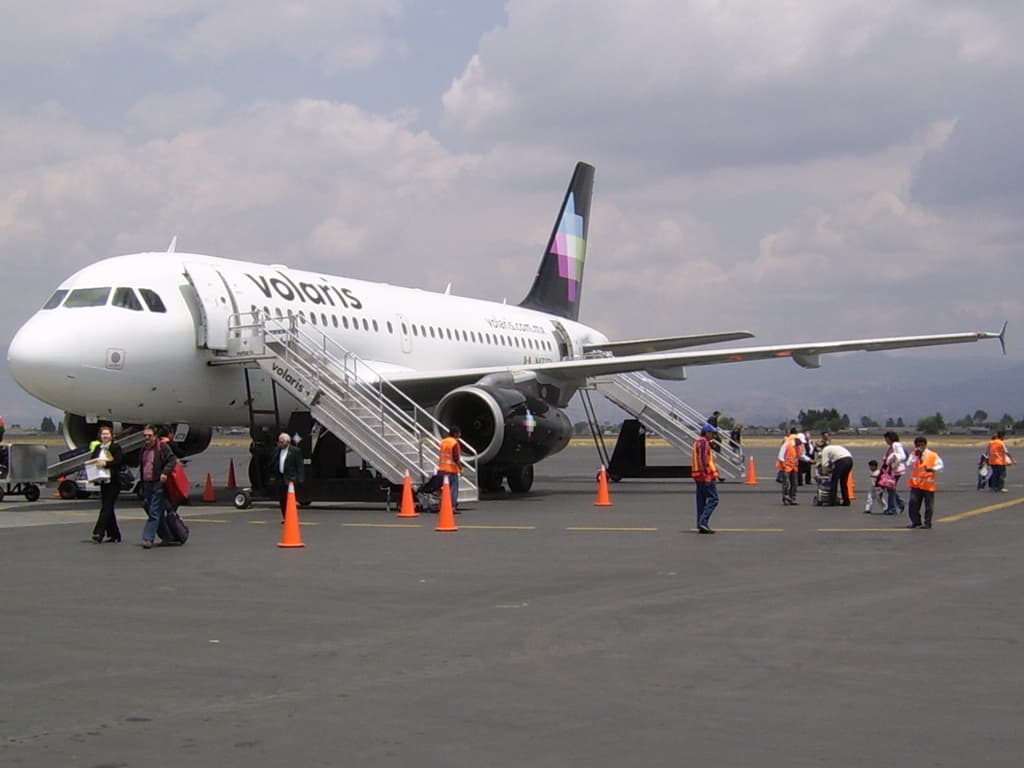
Top airline news stories for August 11, 2026 (click the link for the full details): airBaltic to reorganize Breeze Airways expands internationally Trinitiy Airways is born Pegasus Airlines expands in Europe with a major acquisition Riyadh Air expands in Asia American Airlines restores a seasonal route to South America Volaris adds 8 new routes
Israir revives ex-American Airlines A330s for upcoming New York-Tel Aviv flights
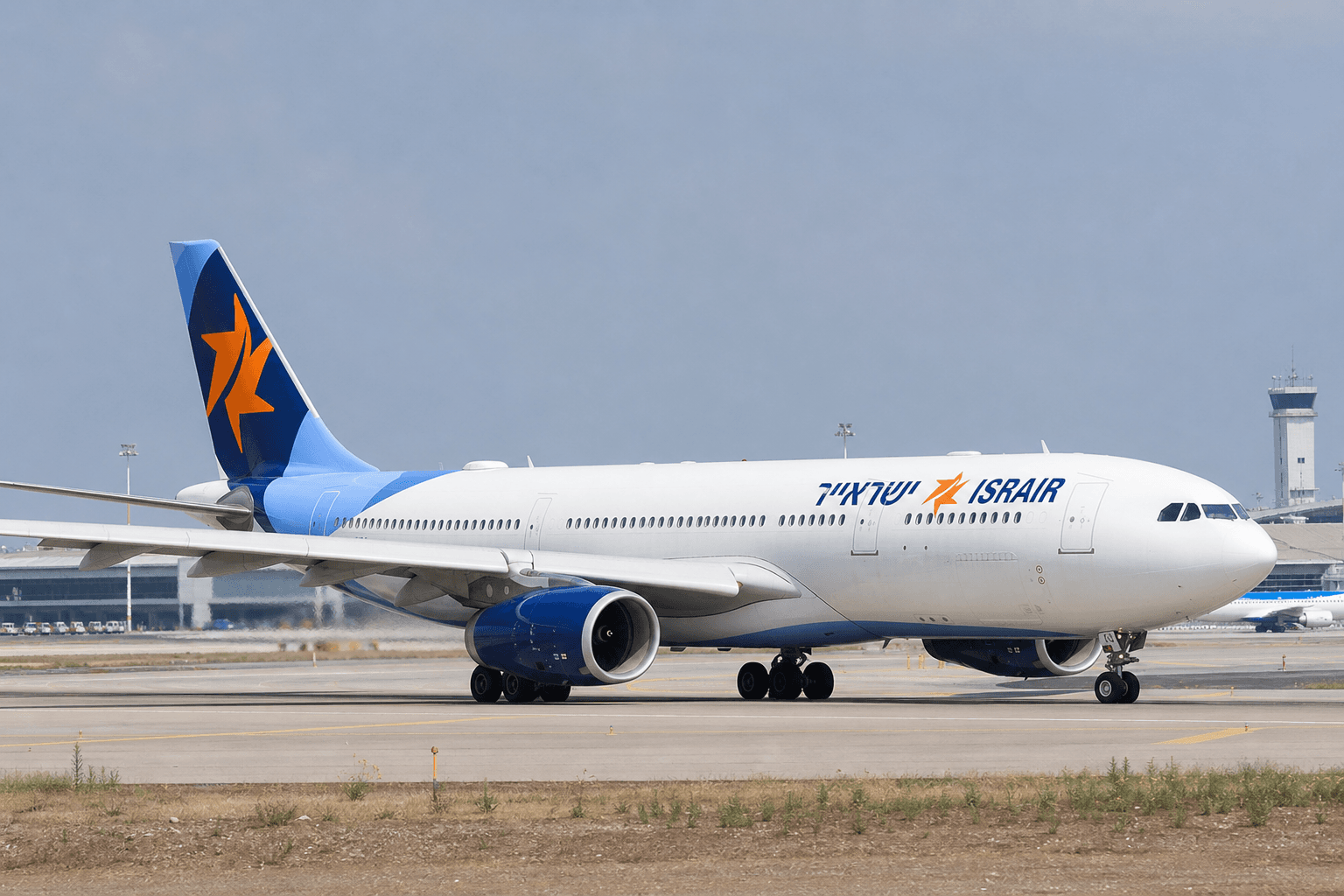
American Airlines retired its relatively young Airbus A330-200s during the pandemic, leaving itself short of long-haul aircraft just as international demand returned. Now two of those ex-American jets belong to Israir, which plans to use them for Tel Aviv–New York service — potentially bringing American's old planes back to a market American itself still has not resumed.
American Airlines AI System Automatically Removes Passengers from Flights Ahead of Connections
American Airlines' automated rebooking system keeps removing passengers from flights when it predicts they will miss a connection, even when they still make it to the gate in time. The result is that seats get released to someone else, passengers are turned away from flights they could have boarded, and American may owe involuntary denied boarding compensation when its algorithm gets it wrong.
The Daily Touch & Go
The day's best aviation news in your inbox. Free, no spam.