


Bell Approaches 525 Helicopter Certification with FAA Testing Underway
Bell's 525 super-medium twin helicopter moves closer to late 2026 certification as FAA testing and operational evaluations ramp up.
The gist
Bell's 525 helicopter nears FAA certification in Q4 2026 with key testing milestones and operational trials planned.
Continuing coverage
All Faa →- Guide for Airports on Unleaded Avgas Transition Released Ahead of FAA Final Plan
- FAA Issues New Guidance to Preserve Cockpit Voice Recorder Data After Incidents
- FAA Proposes Noise-Based Rules to Enable Supersonic Flight Over US Land
- FAA Contracts L3Harris to Modernize ADS-B Ground Network Through 2045
- FAA mandates radio altimeter upgrades amid 5G Upper C-band rollout with cellular carrier rebates
Bell Helicopter is advancing steadily toward the type certification of its 525 super-medium twin helicopter, signaling substantial progress nearly 14 years after the program began in 2012. This model, intended to be Bell's flagship civil rotorcraft, integrates advanced features such as fly-by-wire controls, positioning it at the forefront of modern helicopter technology. After some delay from initial projections, the company and its partners now anticipate certification in the final quarter of 2026.
In preparation for certification, Bell has entered the critical phase of function and reliability (F&R) testing, an essential part of demonstrating the aircraft's operational robustness under varied and demanding conditions. These ground and flight tests simulate real-world scenarios, validating the 525's safety systems and airworthiness. The commencement of F&R testing is marked by the return to flight of pre-production aircraft number 15 in mid-June, highlighting the program’s momentum.
Complementing Bell's internal testing efforts, Omni Helicopters International (OHI) is gearing to launch an operational evaluation campaign scheduled to begin in September 2026, approximately three months before the targeted type certification date. Scheduled to operate in Guyana, Omni's local unit, Omni Helicopters Guyana, will conduct around six months of operational flights accumulating roughly 500 hours. This extensive evaluation will encompass on-the-ground trials such as evacuation procedures and seating configurations before transitioning to in-flight testing post-certification.
Omni Helicopters’ role is integral to the 525 programme’s validation process, although currently there are no firm purchase orders for the helicopter model. The company has not disclosed details on ongoing negotiations concerning acquisition. This operational partnership serves as a real-world proving ground, ensuring that the helicopter meets the demanding requirements of commercial operators in challenging environments.
A key recent milestone was the acceptance by the Federal Aviation Administration (FAA) of a major test campaign at Bell’s Relentless Advanced Systems Integration Lab (RASIL) in May 2026. Designed specifically to simulate various flight control failures and verify the system’s fault responses and continued safe operation, this testing is the final hurdle before initiating the F&R tests. Successful RASIL testing confirms compliance with certification regulations and safety standards, substantially de-risking the transition to certification flights.
While focusing on certification, Bell is also already planning enhancements beyond the initial approved specifications. Last year, the company filed with the FAA for a post-type certification increase in the 525’s maximum gross weight (MGW) by approximately 500 pounds (227 kilograms), on top of the current maximum of 9.3 tonnes. This development aims to expand the helicopter’s operational capacity, including potential to carry up to 18 passengers in configurations typical of oil and gas industry operations, compared to the current 16.
Bell emphasizes ongoing collaboration with the FAA to finalize all outstanding certification requirements while continuing to invest in the 525’s capabilities beyond initial certification. The planned MWG increase and other enhancements reflect Bell’s commitment to maximizing the aircraft’s performance and operational flexibility in a competitive rotorcraft market.
The protracted development cycle has seen the 525 program adapt and persevere through regulatory, technical, and testing complexities. These recent testing achievements and planned operational trials mark a significant step toward bringing this advanced helicopter into service not just in corporate roles but also in demanding commercial applications such as offshore oil support and search and rescue.
The pending type certification and complementary post-certification enhancements will likely position the Bell 525 as a competitive choice in the super-medium twin helicopter segment. The aircraft’s adoption of modern fly-by-wire technology combined with increased payload capability could offer operators improved safety, efficiency, and mission flexibility in diverse environments.
Read more
All Regulatory →
FAA Contracts L3Harris to Modernize ADS-B Ground Network Through 2045
L3Harris will modernize more than 700 FAA ground stations used for aircraft position reporting.
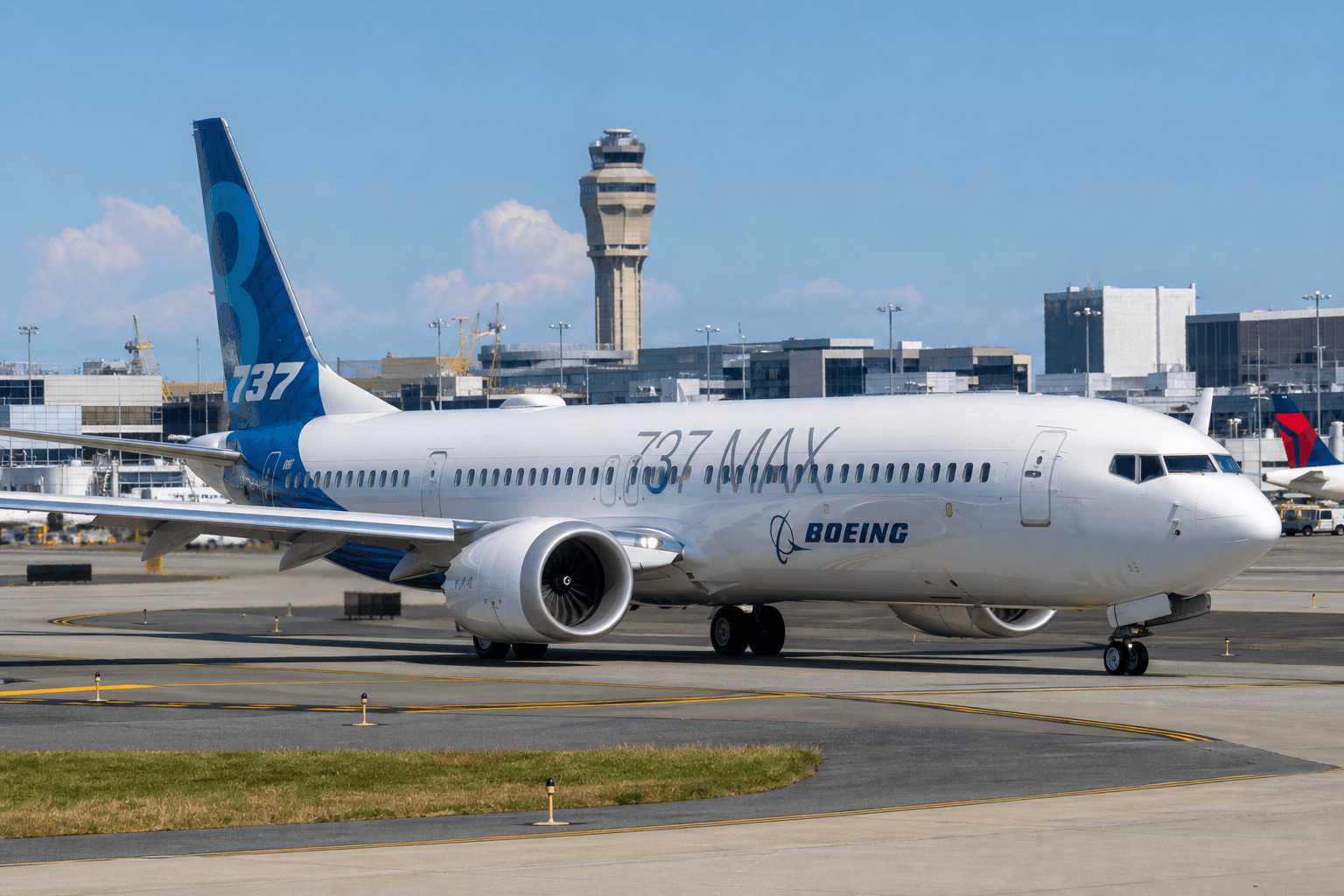
FAA Lets Boeing Self-Certify 737 MAX Deliveries on Alternating Weeks Under Limited ODA
This is the story of the 737 MAX and the ODA, a relationship once broken and now mended. Boeing's push to return to its best is making big strides.

FAA Proposes Removing Obsolete Balloon and Pilot Certificate Rules from Part 61
The proposal would remove Part 61 sections tied to old free-balloon and expired pilot certificates.

FAA Releases Updated Cardiac Condition Guidance for Aviation Medical Examiners
New disposition tables cover several heart-related conditions for FAA medical certification.
The Daily Touch & Go
The day's best aviation news in your inbox. Free, no spam.