

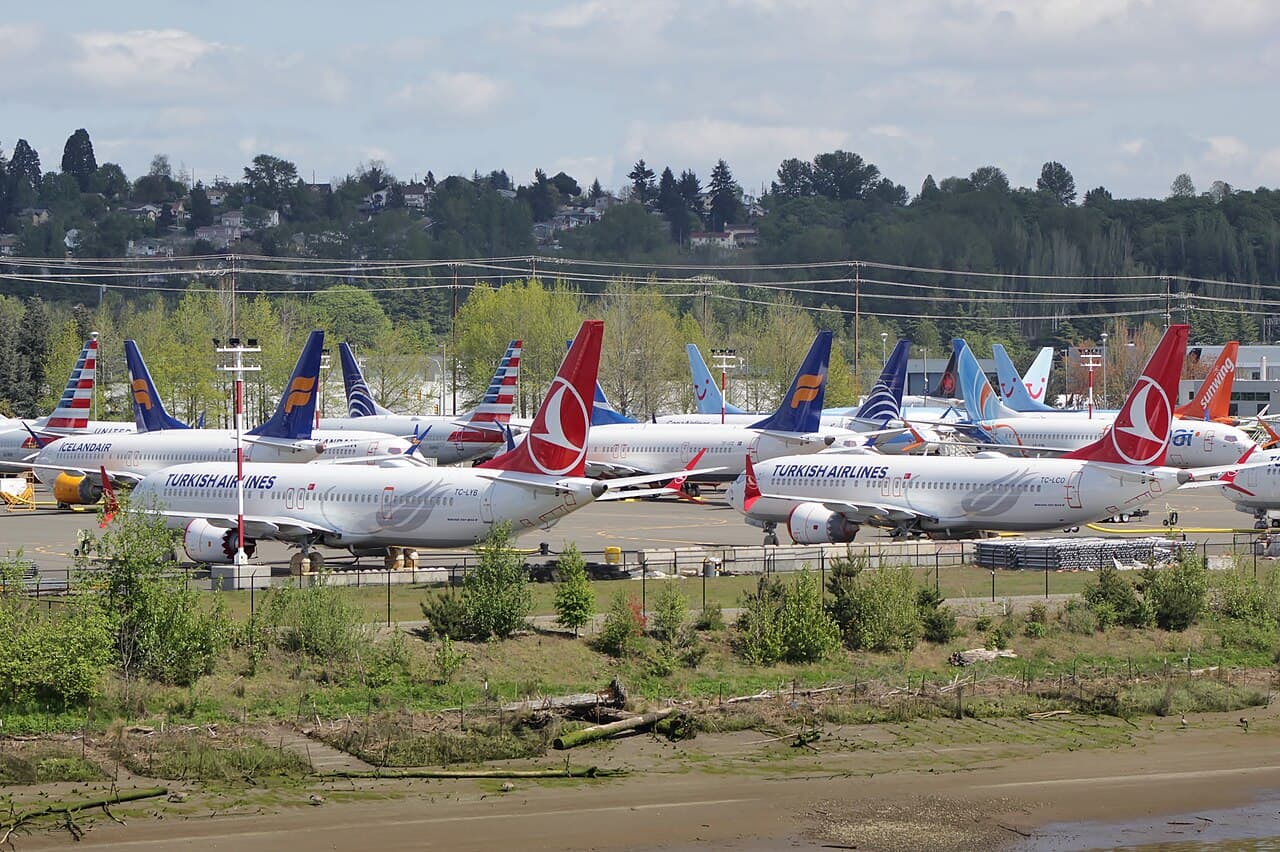
Image: SounderBruce · CC BY-SA 4.0 · via Wikimedia Commons
Boeing deliveries lag behind Airbus after July slowdown in 2026
Boeing delivered 53 commercial aircraft in July 2026, falling behind Airbus's 67, with Boeing's year-to-date total at 367 versus Airbus's 418 deliveries.
The gist
July 2026 sees Boeing deliveries drop to 53 planes, widening the delivery gap with Airbus ahead of year's end.
Continuing coverage
All Boeing →- Northrop Grumman opens Florida engineering hub for Navy's next-gen carrier fighter
- US Air Force's KC-46 Pegasus tackles aging KC-135 refueler challenges amidst technical hurdles
- FAA Orders $2.66M Seat Inspections on 453 Boeing 737 MAX Jets Amid Certification Oversight
- Archer Aviation Acquires Boeing's Wisk, Insitu, and SkyGrid to Expand Aerospace AI Platform
- Boeing's July Orders Highlight Significant Deals with Uganda and AerCap
Boeing's commercial aircraft deliveries experienced a slowdown in July 2026, with the company handing over 53 planes to customers. This figure lagged behind rival Airbus, which delivered 67 aircraft during the same month. The July results have affected Boeing's year-to-date tally, bringing its total deliveries for the first seven months to 367 units compared to Airbus’s 418. This widening gap highlights the competitive dynamics between the two major aircraft manufacturers in 2026.
Prior to July, Boeing had shown encouraging momentum, particularly in May and June, when deliveries reached 60 and 64 aircraft respectively. These monthly figures had contributed to Boeing celebrating its best first-half delivery performance since 2018, with 314 jets delivered in the first six months of the year. In comparison, Airbus had delivered 351 planes by the midpoint of 2026, maintaining a lead over Boeing despite the American manufacturer’s recent progress.
Examining the full delivery figures for 2026 so far, Boeing’s 367 jets represent an increase from 328 aircraft delivered during the same period in 2025, indicating some production recovery. Airbus also improved on its 2025 performance with 418 deliveries in the first seven months. The challenges Boeing faced earlier this year suggest the company is working to overcome production bottlenecks that had slowed down output in previous quarters.
Boeing’s delivery mix during July 2026 featured a significant number of 787-9 Dreamliners and 737 MAX jets. Notable customers included AerCap, which took delivery of nine 737 MAXs and one 787-9. Additionally, airlines such as Air India, Lufthansa, Korean Air, Riyadh Air, and United Airlines received new 787-9 Dreamliners. United Airlines alone received three of these widebody aircraft, while Riyadh Air and Lufthansa each added two 787-9s to their fleets in July.
The delivery of 10 Dreamliner aircraft in July, following 13 in June, suggests that Boeing has mitigated some earlier production constraints on the 787 program. The 737 MAX continues to be a significant part of Boeing’s commercial output, with Somon Air receiving its first 737 MAX delivery in July 2026. Orders for Boeing aircraft remain steady as well, highlighted by 38 new orders registered in July 2026.
Among the new orders were purchases made at the Farnborough Airshow by customers including AerCap, Luxair, and Uganda National Airlines. Apart from these, Boeing also received an undisclosed order for five 737 MAX jets and a separate order for one Boeing Business Jet (BBJ), demonstrating continued interest across various market segments. These orders indicate ongoing demand despite the delivery pace fluctuations.
Boeing’s production and delivery operations face ongoing market pressures from Airbus, which has consistently maintained a lead in deliveries since the start of 2026. Airbus’s July 2026 delivery figure, though a slight decrease from previous months, sustained its edge in cumulative annual deliveries with an advantage of 51 aircraft by August. This competitive environment compels Boeing to address operational efficiency and supply chain management to close the gap.
The delivery patterns of both major manufacturers in 2026 illustrate the broader trends in the commercial aviation market, including recovery from pandemic-related disruptions and adaptation to evolving customer needs. Boeing’s recent delivery slowdown after a strong mid-year run serves as a crucial indicator of challenges the company must navigate to regain ground against Airbus as the year progresses.
Frequently asked questions
- How many aircraft did Boeing deliver in July 2026?
- Boeing delivered 53 commercial aircraft to customers in July 2026.
- How do Boeing's 2026 deliveries compare to Airbus's?
- By the end of July 2026, Boeing had delivered 367 aircraft while Airbus had delivered 418, maintaining a lead over Boeing.
- Which airlines received Boeing 787-9 Dreamliners in July 2026?
- Air India, Lufthansa, Korean Air, Riyadh Air, and United Airlines all received new Boeing 787-9 Dreamliners in July 2026.
Read more
All General Aviation →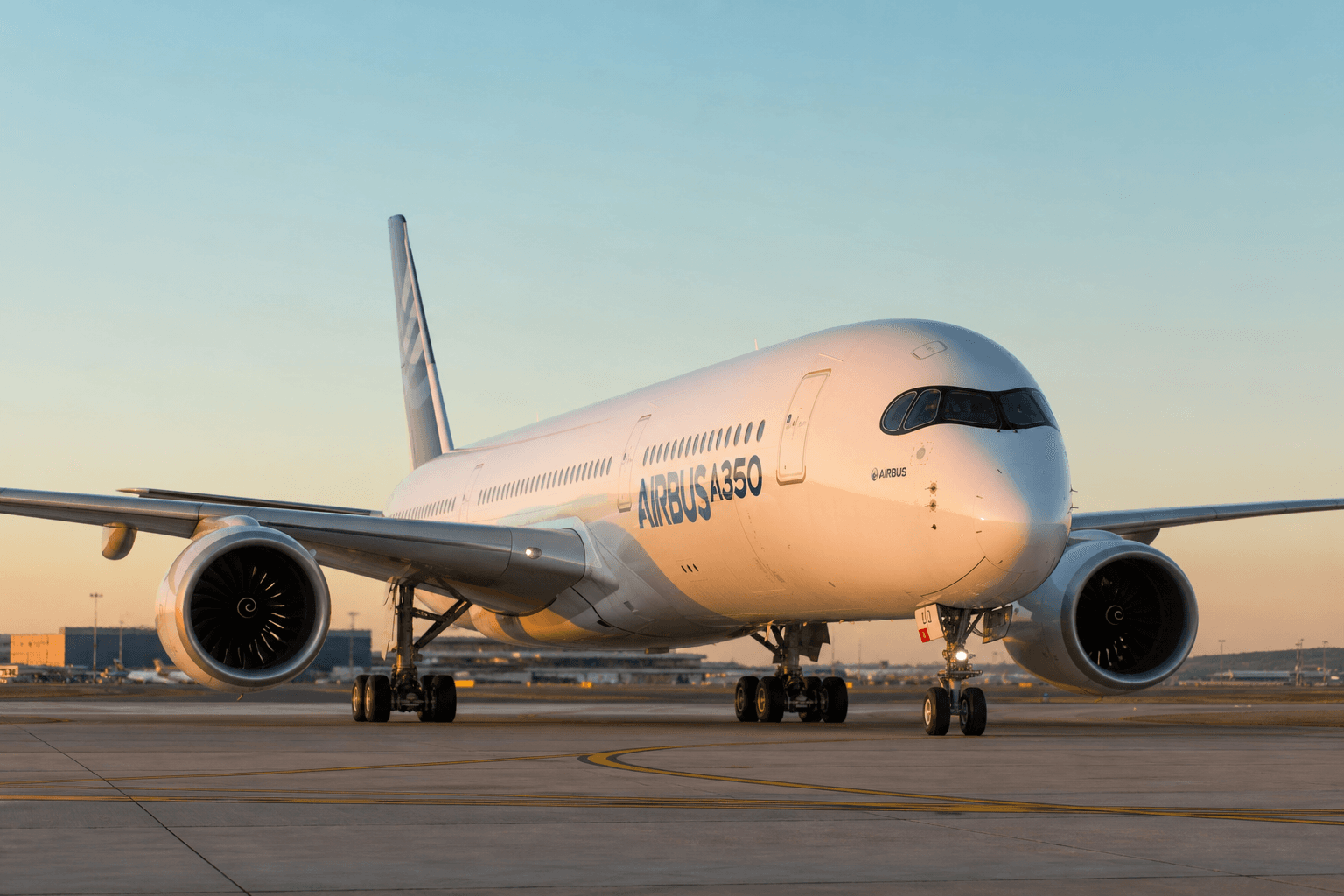
Rolls-Royce Estimates Up to Seven Years to Develop Engine for Stretched Airbus A350-2000
Airbus kicked up buzz across the commercial aviation industry with renewed talks of a stretched A220 regional jet and A350 widebody airliner before the Farnborough airshow wrapped up on July 24. While Europe's titanic planemaker told Reuters a decision would be coming soon, the caveat is that engine maker Rolls-Royce would likely need six or seven years in order to make a powerplant for a larger A350-2000 jetliner.
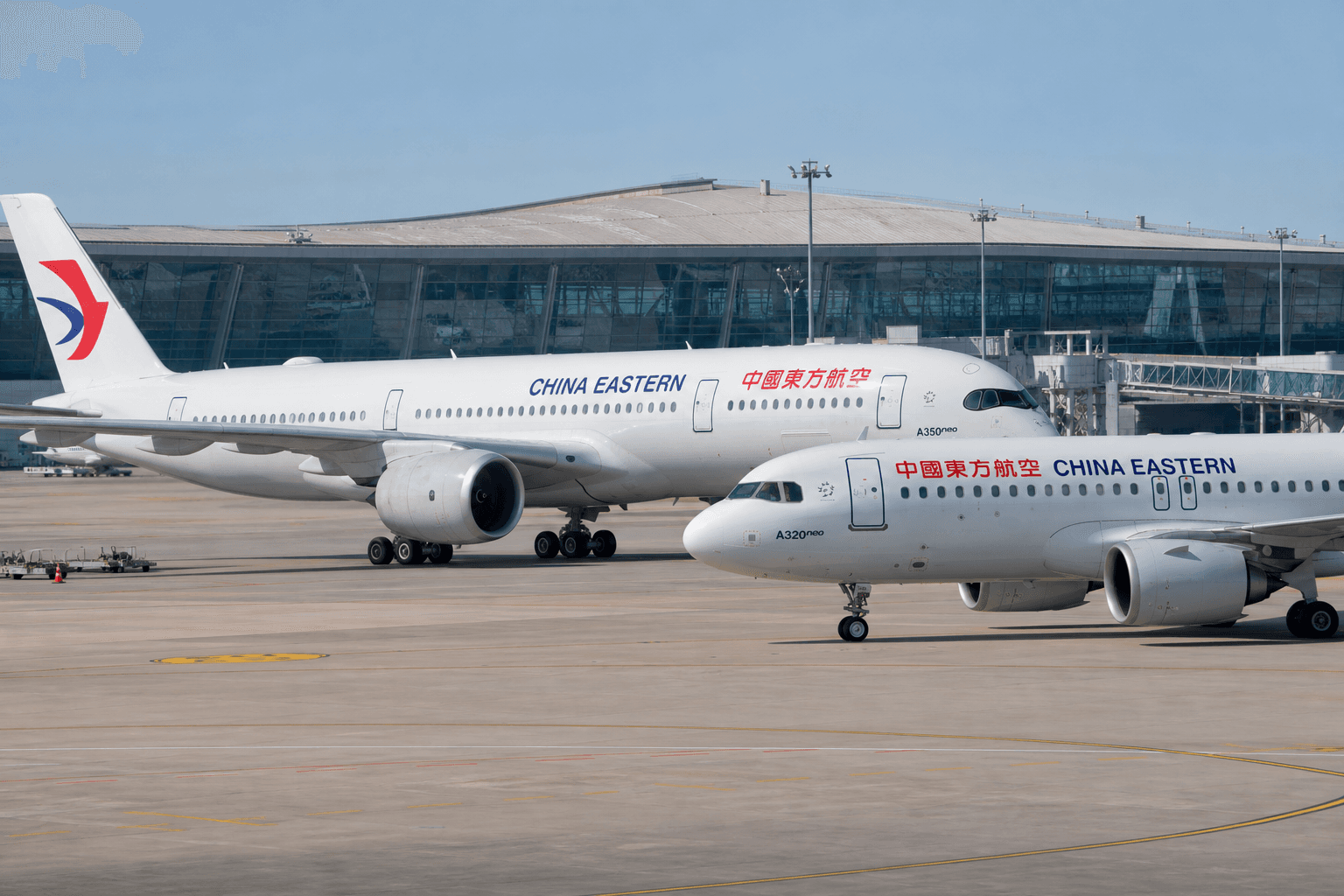
Air China and Shenzhen Airlines Order 55 Airbus Jets Worth $12.4 Billion
Airbus has secured another major order in China, with Air China and its subsidiary Shenzhen Airlines having put their names down for a combined 55 aircraft worth around $12.4 billion in list prices. Of course, airlines tend to receive a discount on the list price , especially when placing orders of this scale, but, even so, the deal represents a big financial win for Airbus ahead of the 2026 Farnborough Airshow.
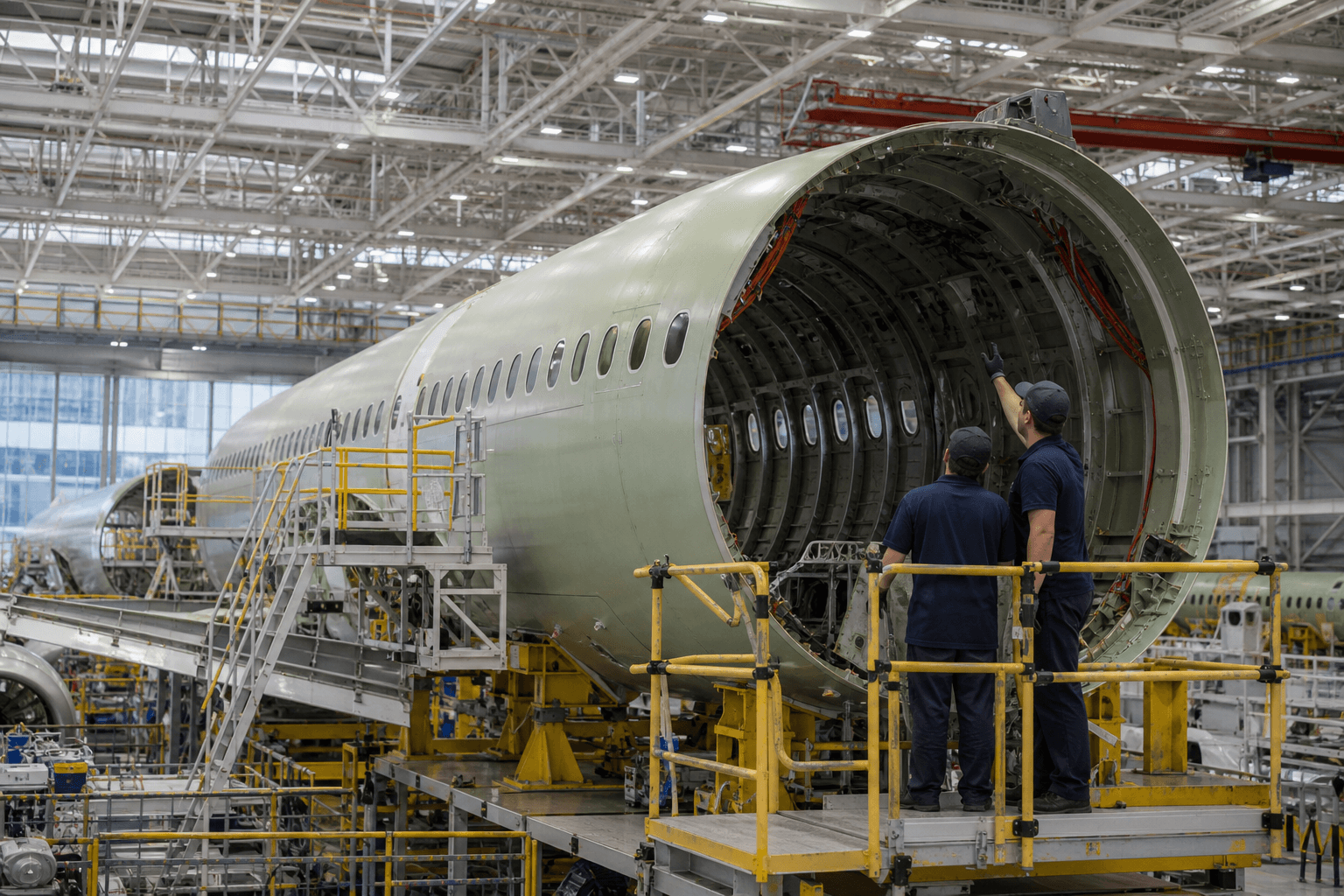
Tiny $10 Part Can Halt Delivery of $200M Jet Amid Supply Chain Challenges
Amid the plethora of developments that have been unfolding over the last few years, the global aviation industry faces an unprecedented production crunch where airline demand far outpaces manufacturing capacity. Global supply chains are complex and fragile, arguably more so than ever before, and the industry cannot afford to lose control
Used Single-Engine Piston Aircraft Inventory Drops 17% Amid Flat Asking Prices
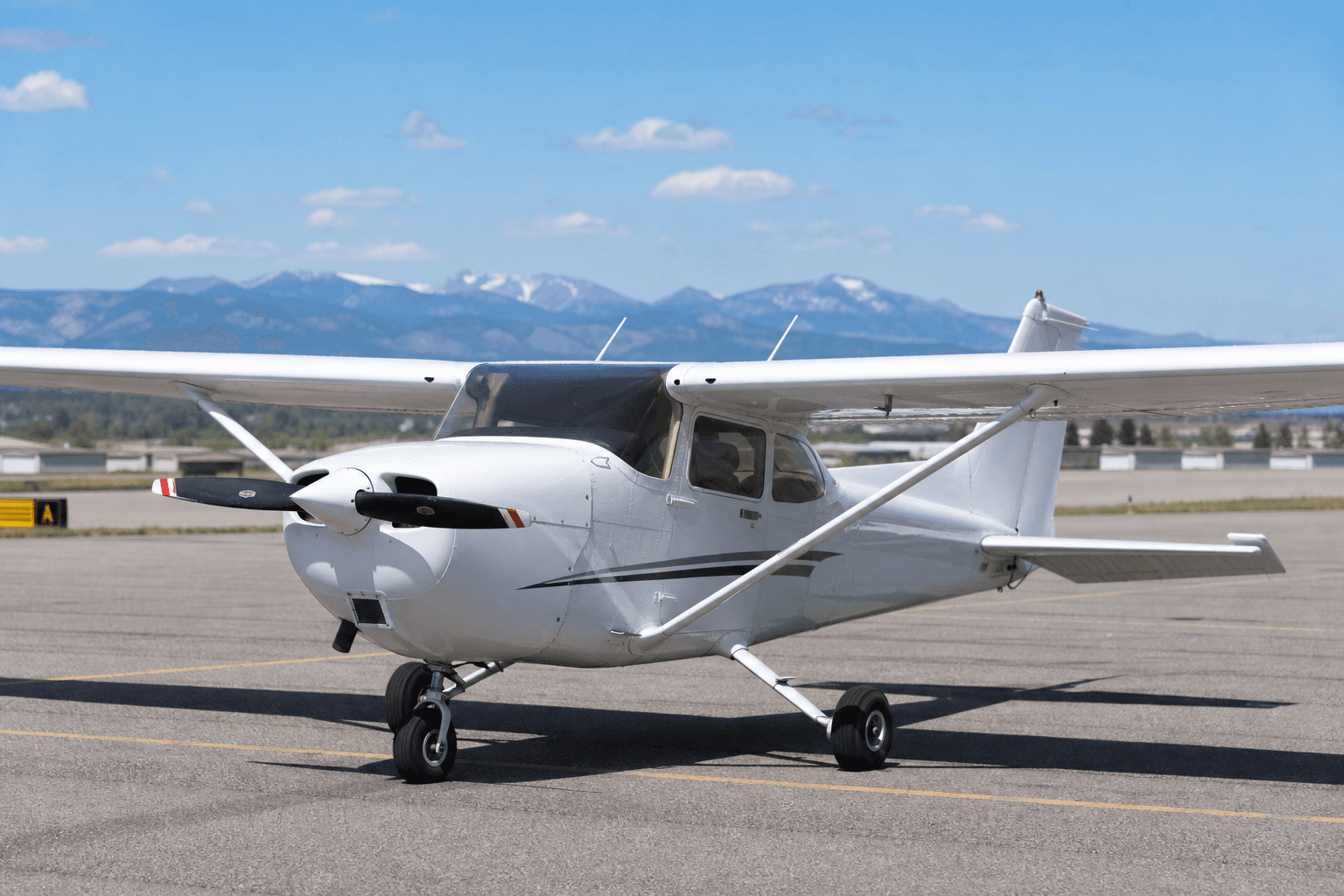
Inventory of used single-engine piston aircraft in the U.S. and Canada fell 17.01% year over year in July, according to the latest aviation market report from Sandhills Global. Inventory also declined 2.5% from June and is currently trending downward. Asking Prices Remain Relatively Flat Despite the decline in available aircraft, asking values showed little movement during the month. Used piston-single asking prices increased 0.09% from June but remained 0.37% below July 2025 levels. Sandhills currently characterizes the longer-term asking-price trend as downward. The July numbers reversed some of the inventory gains recorded a month earlier . In June, piston-single inventory increased 2.48% month over month, although it was already 14.08% below the previous year. Asking values in June declined 0.61% from May and 0.74% year over year. Other Used Aircraft Markets Tighten The decline was not limited to piston singles. Sandhills reported that worldwide used jet inventory fell 22.97% year over year in July, while turboprop inventory declined 17.74%. Used Robinson piston helicopter inventory was down 8.7% from the previous year. Sandhills said it compiles its aviation market reports from aircraft listed on Controller.com and its other aircraft marketplaces. The company's reports track inventory and asking-value trends for used jets, piston singles, turboprops and Robinson piston helicopters.
The Daily Touch & Go
The day's best aviation news in your inbox. Free, no spam.