

Illustration: The Touch & Go
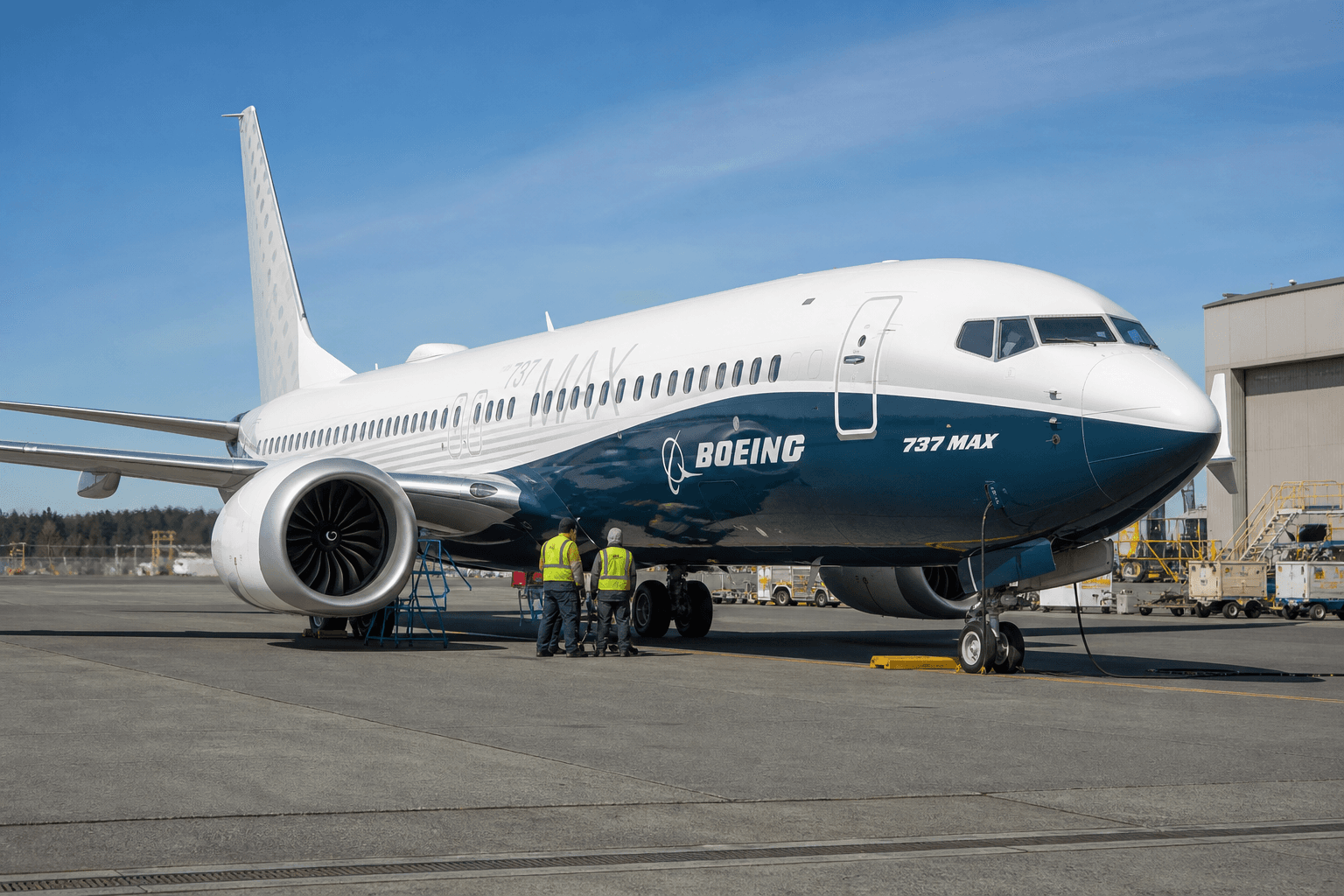
China's ICBC seeks DGCA deregistration of four SpiceJet Boeing 737 MAX 8s over engine issues
Industrial and Commercial Bank of China has filed deregistration requests with India's DGCA for four Boeing 737 MAX 8s leased to SpiceJet that have been grounded due to engine problems.
The gist
China’s ICBC moves to deregister four grounded SpiceJet 737 MAX 8s to recover leased aircraft amid ongoing operational fleet adjustments.
Continuing coverage
All Boeing 737 Max 8 →- Crew oversight led to Boeing 737 Max 8 slow, shallow take-off at Luton after intersection departure change
- Southwest unveils 'Independence One' Boeing 737 MAX 8 with FlightAware tracking
- Australia's 10 Longest Boeing 737 MAX 8 Routes Stretch Up to Nearly 7 Hours
- WestJet Expands Transatlantic Reach with 2026 European Route Additions
- Vietnam Airlines secures $2.9 billion EXIM loan to finance 50 Boeing 737 Max 8 jets
Industrial and Commercial Bank of China (ICBC), the world's largest bank, has initiated regulatory action with India's Directorate General of Civil Aviation (DGCA) to deregister four Boeing 737 MAX 8 aircraft leased to SpiceJet. On July 9, 2026, ICBC submitted Irrevocable De-Registration and Export Request Authorization (IDERA) documents for these planes, effectively seeking their removal from the Indian civil aircraft registry. This move allows ICBC to recover possession of the jets and relocate them outside India.
The deregistration filings were made through lessor companies SKY HIGH LXXVIII and SKY HIGH LXXX, both of which are subsidiaries of ICBC and based in Dublin, Republic of Ireland. The four aircraft in question—registered VT-MXA, VT-MXB, VT-MXC, and VT-MAX—have been grounded for considerable periods due to technical difficulties related to high-pressure turbine issues in their engines. This maintenance challenge has resulted in the planes being out of operational service since 2024 or 2025, according to records from Planespotters.net.
SpiceJet clarified that these aircraft are not currently part of its operating fleet. A company spokesperson stated that deregistering these assets would relieve SpiceJet from the continuing lease rental obligations tied to jets that have remained idle for an extended duration. The spokeswoman emphasized that the deregistration would have no impact on the airline's day-to-day operations, as these aircraft have not been active in the fleet for some time.
The Boeing 737 MAX 8s involved are relatively young, all just under eight years old. Nonetheless, their prolonged suspension from service due to recurring engine problems represents a significant setback. The airline's decision aligns with financial prudence, aiming to eliminate ongoing leasing expenses associated with non-operational aircraft and streamline fleet management.
Earlier in 2026, SpiceJet's Chairman and Managing Director Ajay Singh highlighted gradual improvements in the airline's core business amid challenging market conditions. He noted rising revenues, improving yields, and sharply reduced losses as indicators that strategic changes were delivering tangible results. Singh referenced a careful and calibrated fleet expansion plan targeting 55-60 aircraft in the upcoming winter schedule.
This growth strategy includes a mix of wet and damp leases combined with reactivating previously grounded jets. However, the deregistration of these four ICBC-leased 737 MAX 8s marks a contrasting dynamic of trimming idle assets that hamper financial efficiency. It reflects the complexities facing SpiceJet as it balances operational recovery and asset optimization in a highly competitive Indian aviation sector.
The lease arrangements managed by ICBC via Irish-based companies underscore the layered nature of aircraft ownership and financing in the global aviation industry. Leasing remains a key method for airlines to access modern fleet capacity without direct capital outlay, but challenges like technical issues and market dynamics frequently lead to adjustments such as asset repossession or deregistration.
Removal of the four jets from India’s registry and their subsequent repositioning will likely involve ICBC seeking new avenues for asset utilization or remarketing. How these aircraft reintegrate into the wider market or undergo refurbishment could depend on resolving the engineering issues that sidelined them. Meanwhile, SpiceJet continues focusing on leveraging its currently active fleet to stabilize and grow its network amid ongoing market headwinds.
Frequently asked questions
- Why is ICBC seeking deregistration of the four Boeing 737 MAX 8 jets leased to SpiceJet?
- ICBC is requesting deregistration to repossess the aircraft after they remained out of service for an extended period due to high-pressure turbine engine issues, eliminating lease costs on non-operational jets.
- Are these four Boeing 737 MAX 8 aircraft still active in SpiceJet's fleet?
- No, the four aircraft have been grounded since 2024 or 2025 and are not part of SpiceJet's current operational fleet.
Read more
All MRO/Maintenance →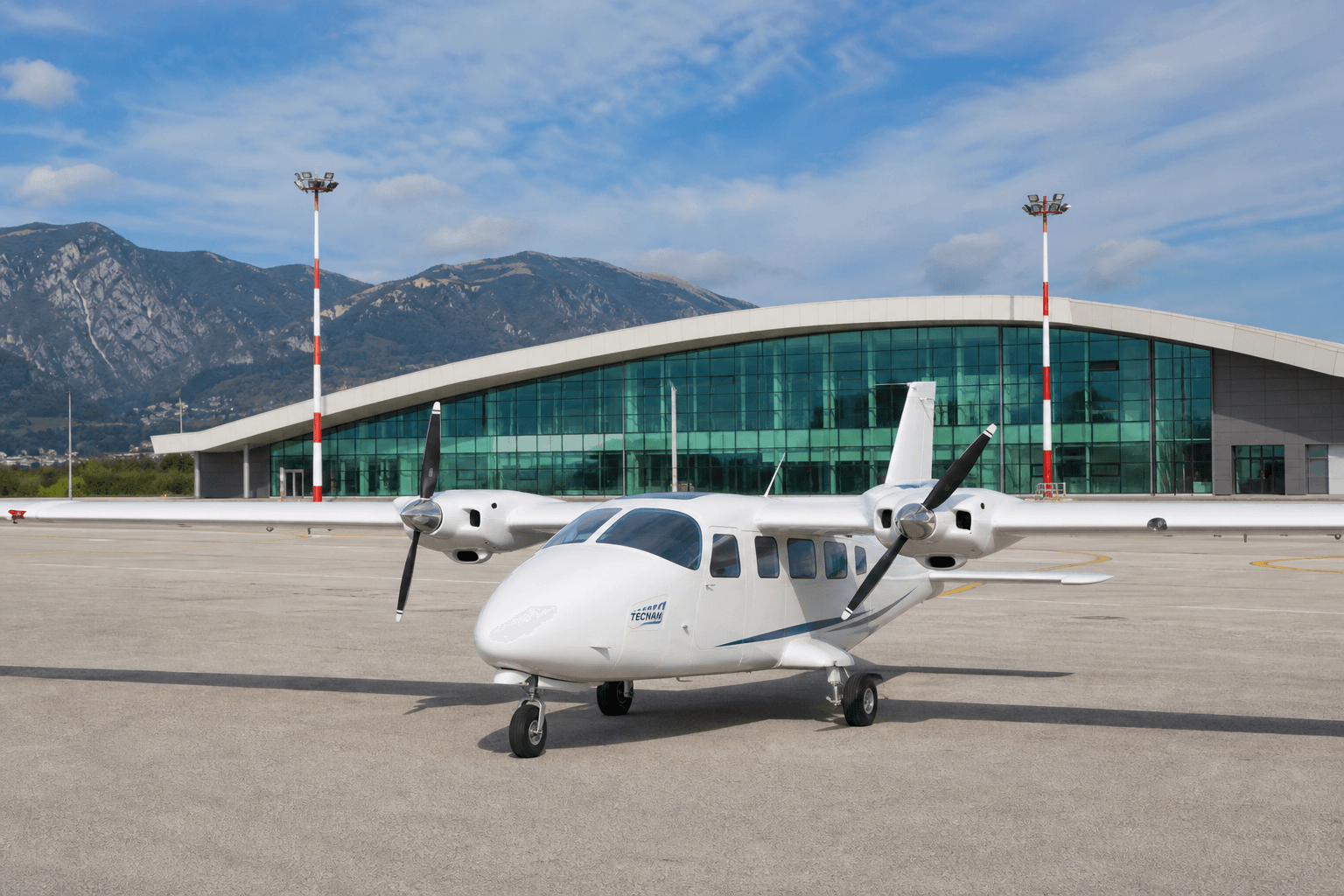
Tecnam to create regional airline using P2012 piston twins for Italian connectivity
Airframer proposes new carrier flying P2012 commuter-configured piston-twin through Altair subsidiary. Italian airframer Tecnam has proposed the creation of a new regional airline under its ownership to foster regional air mobility (RAM) services within the southern European country. Tecnam detailed the company's plans at an event to mark the inauguration of a new terminal at Rome Urbe airport – a small facility founded as the city's first airport in 1928 – on 8 July. The RAM initiative is being spearheaded by Italy's civil aviation regulator ENAC and its infrastructure unit ENAC Servizi with the goal of creating "a flexible, widespread national network that improves regional connectivity and expands access to mobility", it says. Commercial RAM services will begin from Rome Urbe later this year, connecting to airports including Rome Fiumicino, Pescara, Fano, Elba and Tortoli-Arbatax using aircraft with 9-19 seats. ENAC says three companies have so far expressed interest in operating these routes, including SkyAlps, AvioItaliana and Altair – the latter a Tecnam subsidiary that has previously specialised in maintenance services. But, speaking at the event, Tecnam chief executive Paulo Pascale said it was now looking to branch out: "Among its future objectives is the launch of a regional airline. It currently operates a helicopter and, regulations permitting, will soon operate with our P2012 Traveller aircraft." The P2012 is a piston-twin that can accommodate nine passengers in a commuter configuration. ENAC Servizi is also in the process of renovating Tecnam's home base at Capua airport near Naples, adding a new runway and terminal; it will later become part of the RAM network, serving the Campania region. "ENAC Servizi is contributing to this vision through the enhancement of a network of territorial airports designed to become effective platforms for regional connectivity, innovation and technological development," says director Marco Trombetti. "In this framework, Capua airport plays a key role as one of the infrastructures enabling this new mobility model."
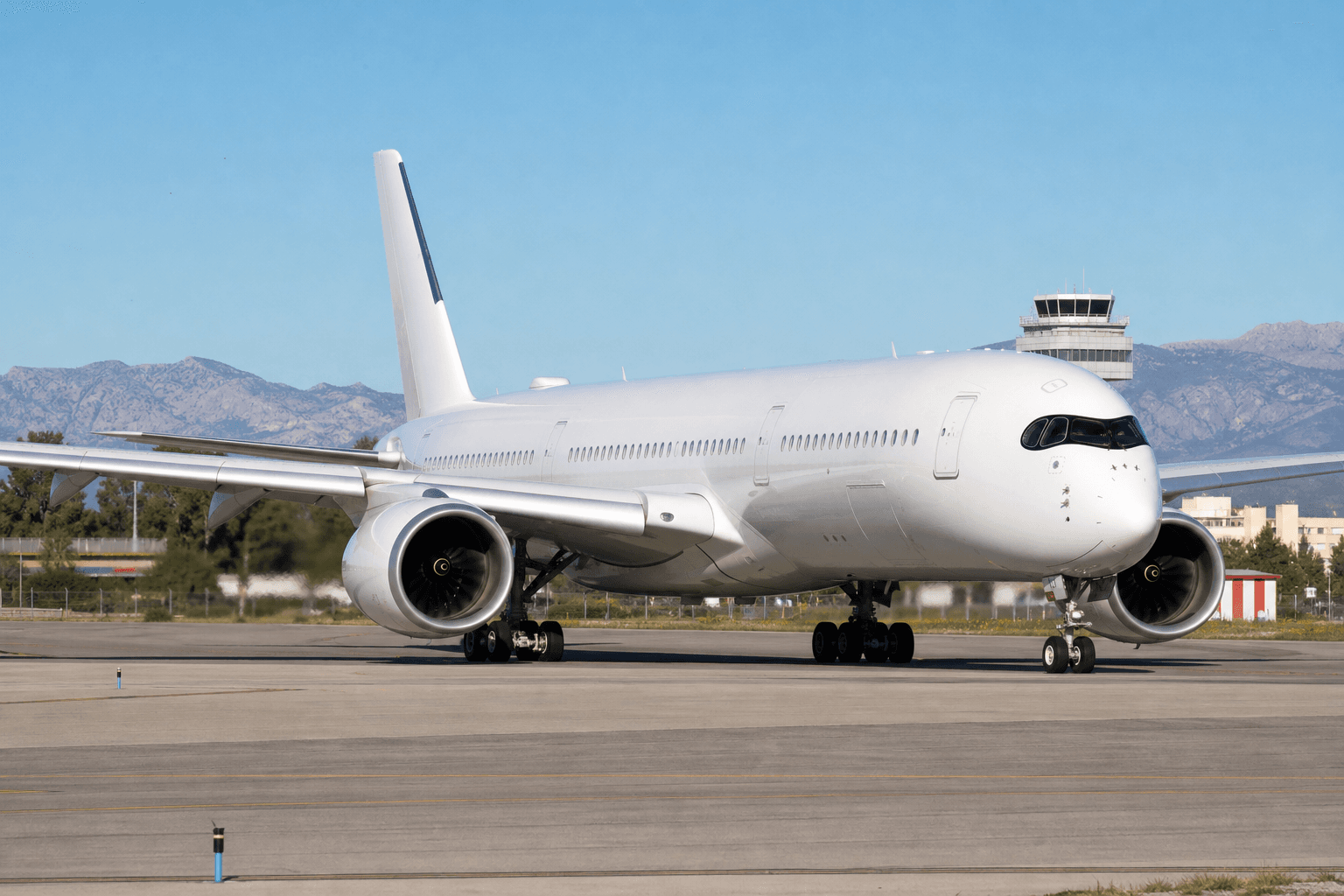
Air Europa to Receive First Airbus A350-900 in 2028 amid Strategic Overhaul
Spanish carrier is "optimistic" about this year after increasing 2025 profits by one-third. Air Europa expects to take delivery of its first Airbus A350-900 in 2028 and has embarked on a new strategic plan to achieve a "major structural and operational transformation" over the next two years. The Spanish carrier, which increased its full-year pre-tax profit by one-third to €155 million ($176 million) in 2025, says its new '+Air 28' plan will focus on operational efficiency, profitability and data-driven decision-making. As part of the plan, the carrier will launch a new maintenance division – Air Europa Technics – which will provide MRO services for its own aircraft and to third-party operators. Air Europa says it will adapt its maintenance capabilities to service the A350-900, ahead of incorporating the type into its currently all-Boeing fleet. It operates more than 60 aircraft, comprising 787-8s and -9s as well as 737s, and is in the process of adding 737 Max 8s as well . The carrier firmed an order with Airbus for up to 40 A350-900s at the beginning of this year. Air Europa confirms to FlightGlobal that the airline will take delivery of its first A350 at some point in 2028. Air Europa says it is "optimistic" about the remainder of 2026, despite "global instability surrounding the fuel market". Operating revenue in the first four months of the year was 9.2% higher than in the same period in 2025. The airline aims to increase its full-year pre-tax profit by 28% in 2026, it says. Full-year revenue in 2025 was 7.3% higher than the previous year, at €3.1 billion. Earnings before interest, taxes, depreciation and amortisation (EBITDA) increased by 14%, to €235 million. Passenger numbers were up 2.6% on a 1.5% increase in capacity, leading to a slight increase in load factor to 84.4%. "The continuous expansion and renewal of our fleet, together with structural improvements and operational efficiency, are the pillars on which we will continue to grow and demonstrate the strategic role we play, especially in Europe and Latin America," says Air Europa president Juan Jose Hidalgo. The airline’s chief executive, Richard Clark, adds: “The 2025 results are, once again, the outcome of the joint collaboration of all the professionals at this company. This effort does not stop, and it is the key to continuing our international expansion, as reflected in the opening of new routes, both domestic and international.” Air Europa’s recently-opened routes include Oviedo and Seville in Spain, Geneva in Switzerland and Johannesburg in South Africa. Star Alliance carrier Turkish Airlines is in the process of acquiring a 25-27% stake in Air Europa , which is a SkyTeam member. British Airways parent IAG is also a 20% shareholder in Air Europa, which is majority-owned by Globalia.
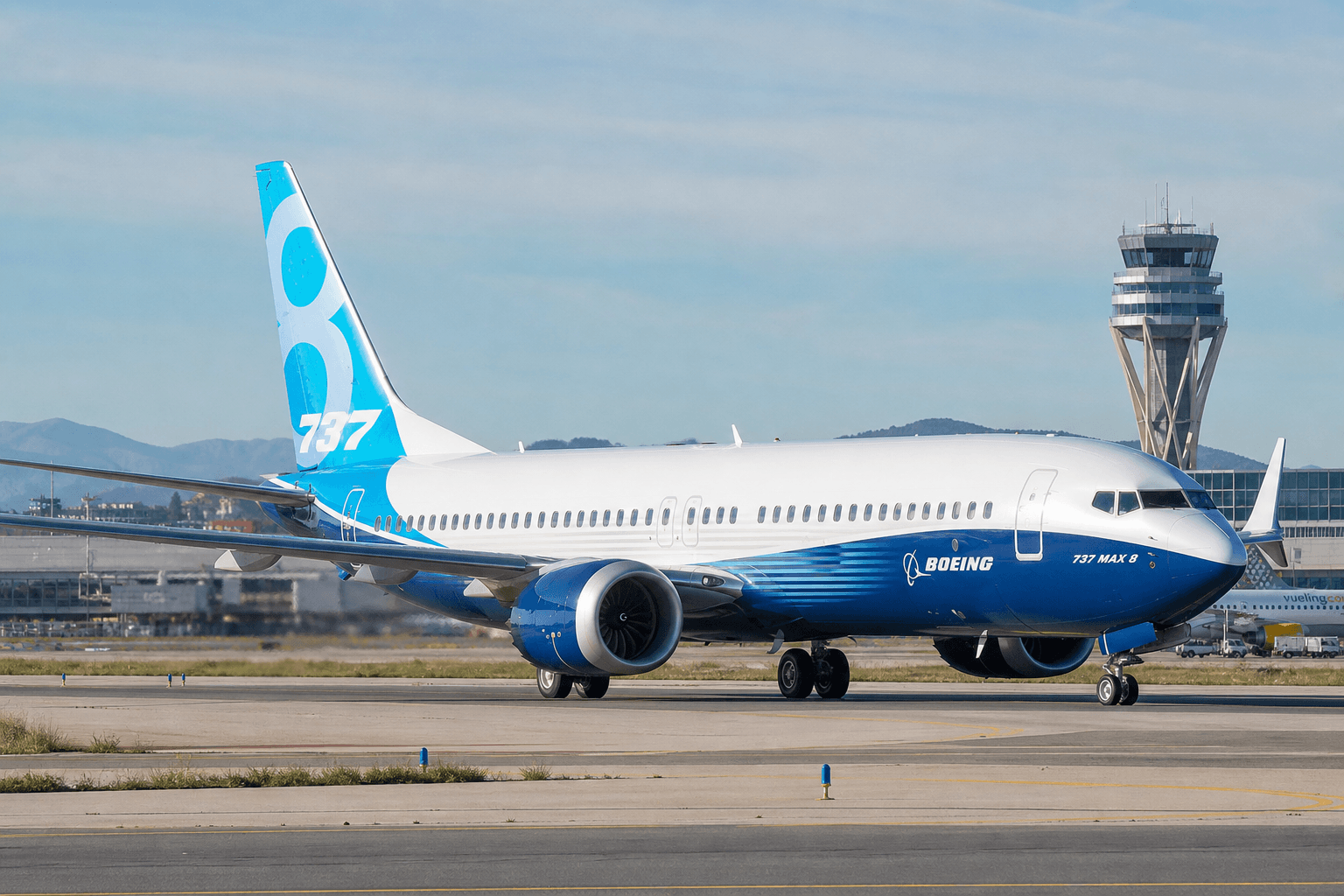
Vueling to Launch Boeing 737 MAX 8-200 on Mediterranean and European Routes in December 2026
Spanish low-cost carrier Vueling has unveiled the first routes that will see its new Boeing 737 MAX 8-200 aircraft enter commercial service later this year, marking the beginning of one of the most significant fleet changes in the airline’s history. For more than two decades, Vueling has operated an exclusively Airbus narrowbody fleet. However, from December 2026 the airline will begin introducing Boeing aircraft for the first time as parent company IAG pushes ahead with its mixed-fleet strategy. First 737 MAX Routes Confirmed According to newly filed schedules, the Boeing 737 MAX 8-200 will make its operational debut on 18 December 2026 . Initially, the aircraft will operate only selected flights on a handful of routes from the airline’s main hub at Barcelona-El Prat Airport (BCN) before gradually becoming more widespread. The first planned destinations include: Alicante Fuerteventura Ibiza Málaga Palma de Mallorca Paris Charles de Gaulle Paris Orly Rome Fiumicino Seville Source: Aeroroutes The inaugural day of operations is expected to include services between Barcelona and: Alicante Rome Fiumicino Palma de Mallorca As is always the case with newly filed schedules, aircraft allocations remain subject to change before the winter season begins. A Historic Fleet Change The move represents a remarkable departure for Vueling. Since launching operations in 2004, the Barcelona-based airline has built its business around the Airbus A320 family, operating A319s, A320s, A320neos, A321s and A321neos. Introducing the Boeing 737 MAX means pilots, engineers and cabin crew will all require new training while maintenance and operational procedures are expanded to accommodate a second aircraft family. The aircraft entering service are the Boeing 737 MAX 8-200 , a high-capacity version originally developed for low-cost carriers. Seating around 197-200 passengers in a single-class layout, the type offers significantly lower fuel burn and operating costs compared with previous-generation aircraft. Why Boeing? The change follows IAG’s decision to allocate its order for 50 Boeing 737 MAX aircraft to Vueling. The order comprises: 25 Boeing 737 MAX 8-200s 25 Boeing 737 MAX 10s The first three aircraft are expected to arrive before the end of 2026, with additional deliveries continuing over the coming years. Although introducing a second aircraft type inevitably increases operational complexity, the move gives Vueling greater fleet flexibility and reduces reliance on a single manufacturer. The high-density MAX 8-200 is also well suited to the airline’s busy Mediterranean network, where demand often peaks during holiday periods. Current Fleet Before the arrival of the Boeing fleet, Vueling operates approximately 140 Airbus aircraft comprising: Airbus A319-100 Airbus A320-200 Airbus A320neo Airbus A321-200 Airbus A321neo The airline serves more than 100 destinations across Europe, North Africa and the Mediterranean from its principal base in Barcelona, alongside major operations at Paris-Orly, Bilbao and several other Spanish airports. With the Boeing 737 MAX now just months away from entering service, Vueling is preparing for the biggest operational transformation in its history—bringing an end to more than 20 years as one of Europe’s best-known all-Airbus airlines.
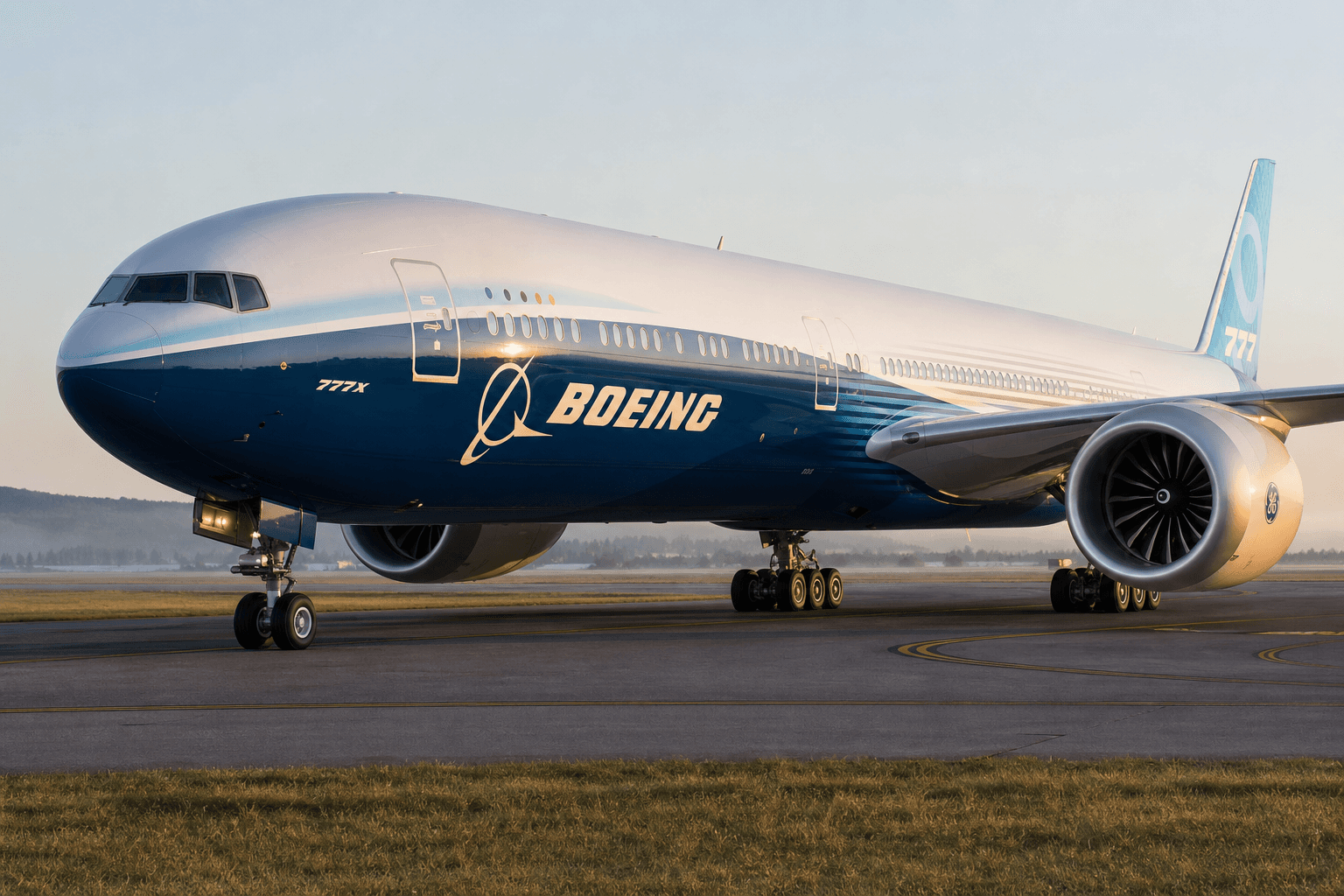
Limited Facilities Worldwide Certified to Service Boeing 777X GE9X Engines at Launch
An engine like the CFM56 is easy to work on, in part because it's a known motor that has been in service for decades and has global support. It's easy to arrange maintenance for the engine, while parts are cheap to source and can be delivered quickly. But with any new engine, it takes time to scale up a maintenance network, particularly today, as new models are becoming increasingly complex, and this is the exact challenge that early Boeing 777X operators will face with the aircraft's General Electric GE9X engines.
The Daily Touch & Go
The day's best aviation news in your inbox. Free, no spam.