

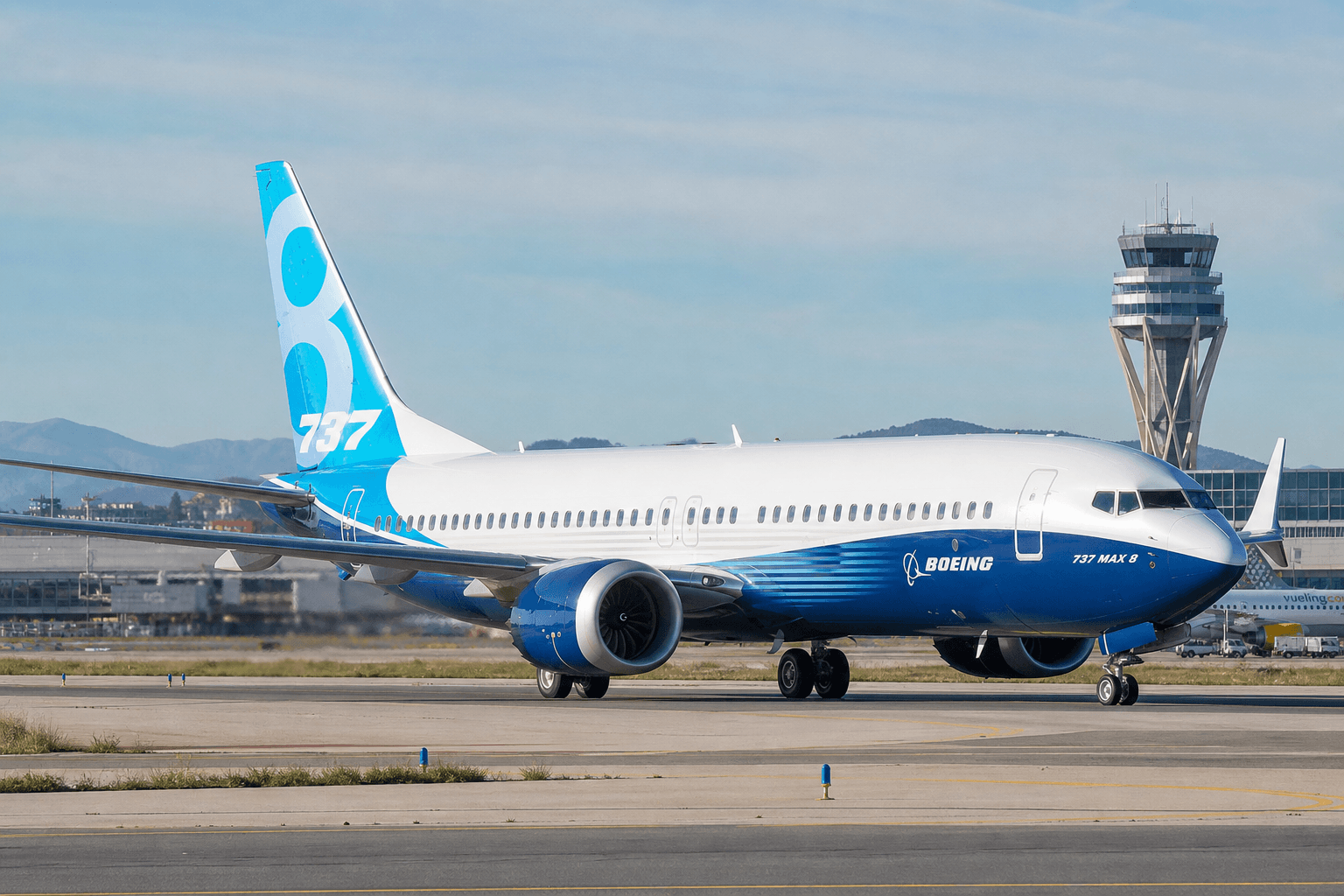
Illustration: The Touch & Go
Vueling to Launch Boeing 737 MAX 8-200 on Mediterranean and European Routes in December 2026
Spanish low-cost carrier Vueling will introduce Boeing 737 MAX 8-200 aircraft starting December 18, 2026, marking a major fleet shift from an all-Airbus lineup.
The gist
Vueling introduces Boeing 737 MAX 8-200 aircraft on several key routes from December 2026, ending over 20 years of exclusive Airbus operations.
Continuing coverage
All Boeing 737 Max →- Singapore Airlines Operates 11 Boeing 737 MAX Routes Up to Nearly 7 Hours
- SpiceJet Struggles to Rebuild Amid Fleet Groundings and Financial Strains
- Ryanair and Cebu Pacific Lead World in Economy Seat Density with Ultra-Compact Cabins in 2026
- VietJet Plans New Low-Cost Australian Airline with Boeing 737 MAX Fleet
- Singapore Airlines' Boeing 737 MAX Flights Visible at 10 Key Airports Globally
Vueling, the Spanish low-cost airline based in Barcelona, is set to commence operations with Boeing 737 MAX 8-200 aircraft from December 18, 2026, inaugurating a significant milestone in its fleet evolution. For more than two decades since its establishment in 2004, Vueling has flown an exclusively Airbus narrowbody fleet. The transition to Boeing jets marks the airline's first-ever foray into a mixed-fleet operation, driven by parent company International Airlines Group’s (IAG) strategy to diversify fleet types across its subsidiaries.
The initial deployment of the Boeing 737 MAX 8-200 will be limited to select flights on strategic routes from Barcelona-El Prat Airport, which serves as Vueling’s main hub. Early routes confirmed by Aeroroutes encompass a blend of popular leisure and business destinations, including Alicante, Fuerteventura, Ibiza, Málaga, Palma de Mallorca, Paris Charles de Gaulle, Paris Orly, Rome Fiumicino, and Seville. On the very first day of operations, December 18, 2026, the MAX 8-200 is expected to operate Barcelona flights to Alicante, Rome Fiumicino, and Palma de Mallorca.
The Boeing 737 MAX 8-200 variant selected by Vueling is a high-capacity configuration specifically designed for low-cost carriers, seating approximately 197 to 200 passengers in a single-class cabin. This type offers benefits in terms of fuel efficiency and lower operating costs relative to older-generation narrowbodies, aligning well with Vueling’s cost-sensitive business model. The introduction of this aircraft will require extensive training and operational restructuring, as pilots, cabin crews, and maintenance teams will need to adapt to new procedures and certifications associated with Boeing airframes and systems.
Up until now, Vueling's fleet has consisted entirely of Airbus aircraft, including models from the A319, A320, and A321 families, both classic and neo versions. This established Airbus-only composition has provided operational consistency but centralizes reliance on a single manufacturer. The shift to integrate Boeing’s 737 MAX expands fleet flexibility and may mitigate supply chain or maintenance constraints linked to exclusive Airbus dependence. It also brings new complexity to Vueling’s operational management as it supports two distinct aircraft platforms.
The decision to introduce Boeing aircraft stems from IAG allocating its substantial order of 50 Boeing 737 MAX jets between Vueling and other group airlines. Vueling’s share comprises 25 units of the 8-200 variant plus 25 737 MAX 10s, with the initial three jets slated for delivery before the end of 2026 and subsequent deliveries staggered over forthcoming years. This fleet expansion anticipates increasing capacity to accommodate seasonal traffic surges typical on Mediterranean routes, where Vueling maintains a strong presence.
Currently, Vueling's fleet numbers approximately 140 Airbus aircraft, servicing over 100 destinations across Europe, North Africa, and the Mediterranean. Bases extend beyond Barcelona to include Paris-Orly and Bilbao, among others in Spain. The introduction of the 737 MAX is expected to significantly alter Vueling’s operational profile, ending its reputation as a leading all-Airbus operator in Europe and positioning it for a more flexible, diversified platform capable of addressing varied route demands.
This major fleet transformation is remarkable given Vueling’s long-standing Airbus equipment strategy, which has contributed to streamlined pilot type ratings, maintenance efficiencies, and consistent passenger experiences. The switch signals the airline’s responsiveness to evolving market and supply dynamics under IAG’s governance, embracing newer, fuel-efficient Boeing models that complement its network strategies and cost frameworks.
The operational debut of the 737 MAX 8-200 is not only a technical milestone for Vueling but also a strategic maneuver designed to bolster the airline’s competitiveness in a reshaped European low-cost market. The phased introduction starting on key Mediterranean and major European city routes is planned to optimize capacity utilization during peak travel periods while easing the transition for crews and ground support.
As Vueling prepares for the rollout of Boeing aircraft, the industry will witness one of the most significant fleet changes by a European low-cost carrier. This change is poised to influence downstream supplier arrangements, pilot training programs, and customer perception as the airline hybridizes its narrowbody fleet and enhances its ability to manage capacity fluctuations across its extensive regional network.
Frequently asked questions
- When will Vueling start operating Boeing 737 MAX 8-200 aircraft?
- Vueling plans to begin commercial flights with Boeing 737 MAX 8-200 aircraft on December 18, 2026.
- Which routes will initially use the Boeing 737 MAX 8-200?
- Initial service routes include flights from Barcelona to Alicante, Fuerteventura, Ibiza, Málaga, Palma de Mallorca, Paris Charles de Gaulle, Paris Orly, Rome Fiumicino, and Seville.
- Why is Vueling introducing Boeing aircraft after operating only Airbus jets?
- IAG allocated an order of 50 Boeing 737 MAX jets to Vueling, diversifying the fleet to reduce reliance on a single manufacturer and to improve operational flexibility with newer, fuel-efficient aircraft.
Read more
All MRO/Maintenance →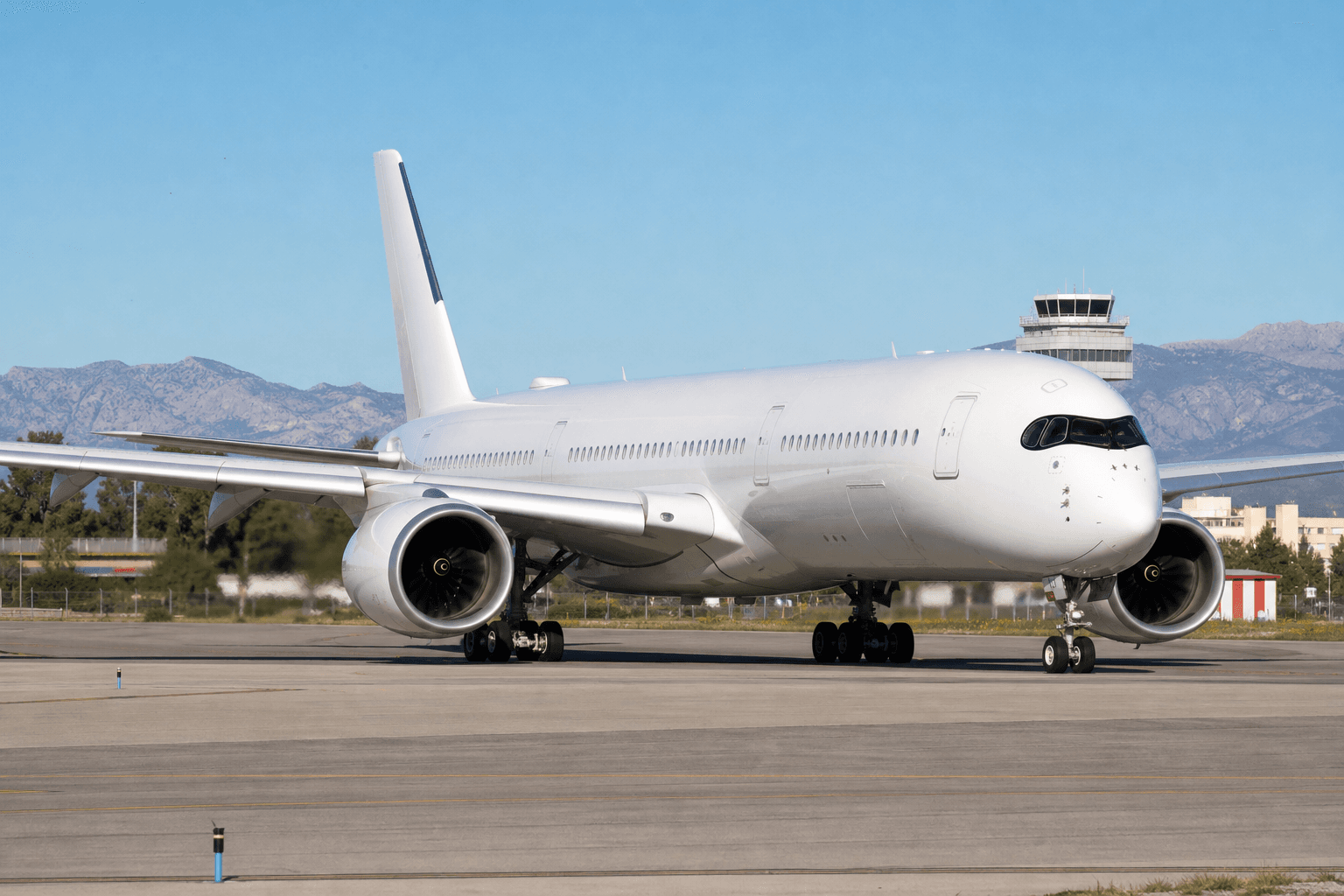
Air Europa to Receive First Airbus A350-900 in 2028 amid Strategic Overhaul
Spanish carrier is "optimistic" about this year after increasing 2025 profits by one-third. Air Europa expects to take delivery of its first Airbus A350-900 in 2028 and has embarked on a new strategic plan to achieve a "major structural and operational transformation" over the next two years. The Spanish carrier, which increased its full-year pre-tax profit by one-third to €155 million ($176 million) in 2025, says its new '+Air 28' plan will focus on operational efficiency, profitability and data-driven decision-making. As part of the plan, the carrier will launch a new maintenance division – Air Europa Technics – which will provide MRO services for its own aircraft and to third-party operators. Air Europa says it will adapt its maintenance capabilities to service the A350-900, ahead of incorporating the type into its currently all-Boeing fleet. It operates more than 60 aircraft, comprising 787-8s and -9s as well as 737s, and is in the process of adding 737 Max 8s as well . The carrier firmed an order with Airbus for up to 40 A350-900s at the beginning of this year. Air Europa confirms to FlightGlobal that the airline will take delivery of its first A350 at some point in 2028. Air Europa says it is "optimistic" about the remainder of 2026, despite "global instability surrounding the fuel market". Operating revenue in the first four months of the year was 9.2% higher than in the same period in 2025. The airline aims to increase its full-year pre-tax profit by 28% in 2026, it says. Full-year revenue in 2025 was 7.3% higher than the previous year, at €3.1 billion. Earnings before interest, taxes, depreciation and amortisation (EBITDA) increased by 14%, to €235 million. Passenger numbers were up 2.6% on a 1.5% increase in capacity, leading to a slight increase in load factor to 84.4%. "The continuous expansion and renewal of our fleet, together with structural improvements and operational efficiency, are the pillars on which we will continue to grow and demonstrate the strategic role we play, especially in Europe and Latin America," says Air Europa president Juan Jose Hidalgo. The airline’s chief executive, Richard Clark, adds: “The 2025 results are, once again, the outcome of the joint collaboration of all the professionals at this company. This effort does not stop, and it is the key to continuing our international expansion, as reflected in the opening of new routes, both domestic and international.” Air Europa’s recently-opened routes include Oviedo and Seville in Spain, Geneva in Switzerland and Johannesburg in South Africa. Star Alliance carrier Turkish Airlines is in the process of acquiring a 25-27% stake in Air Europa , which is a SkyTeam member. British Airways parent IAG is also a 20% shareholder in Air Europa, which is majority-owned by Globalia.
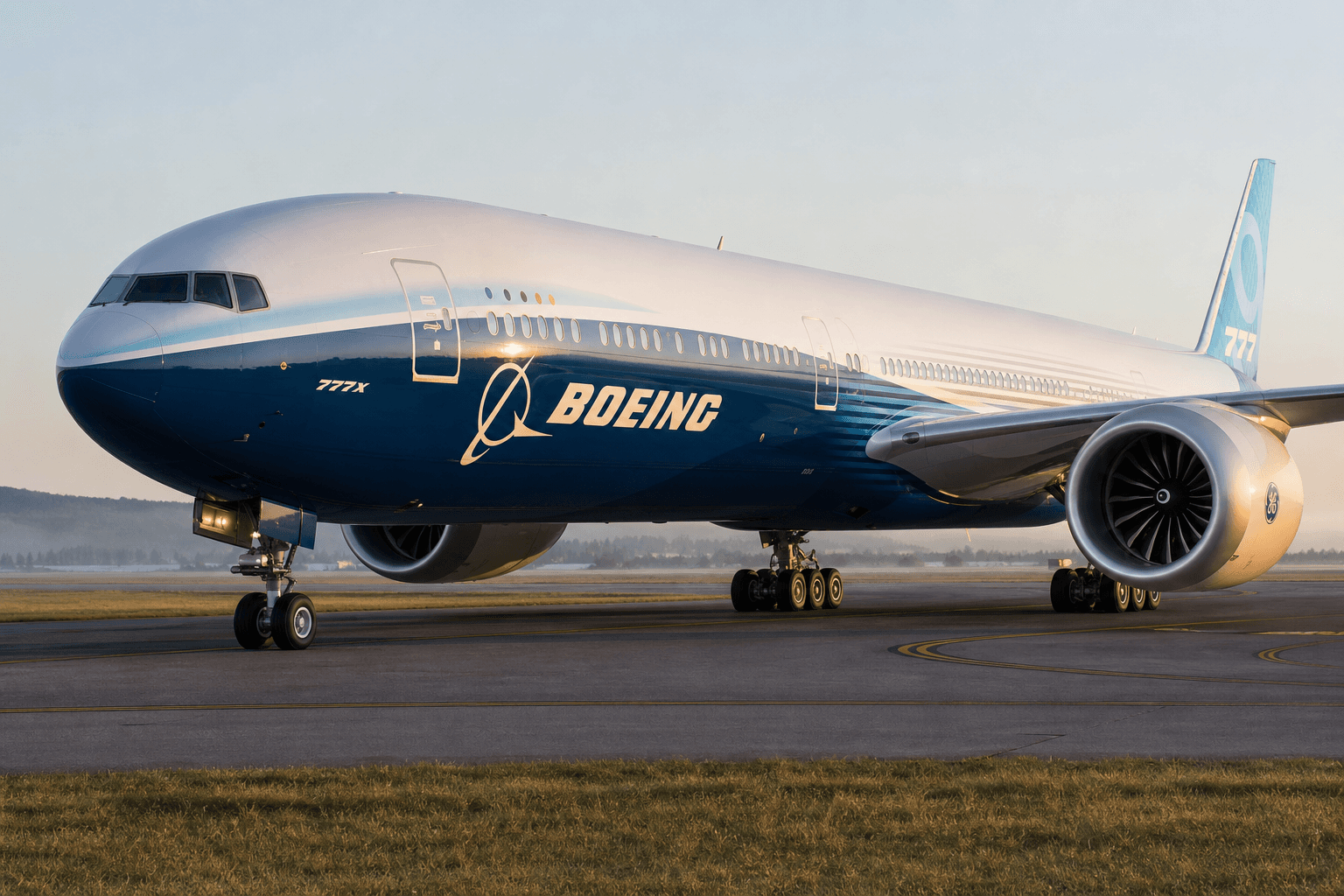
Limited Facilities Worldwide Certified to Service Boeing 777X GE9X Engines at Launch
An engine like the CFM56 is easy to work on, in part because it's a known motor that has been in service for decades and has global support. It's easy to arrange maintenance for the engine, while parts are cheap to source and can be delivered quickly. But with any new engine, it takes time to scale up a maintenance network, particularly today, as new models are becoming increasingly complex, and this is the exact challenge that early Boeing 777X operators will face with the aircraft's General Electric GE9X engines.
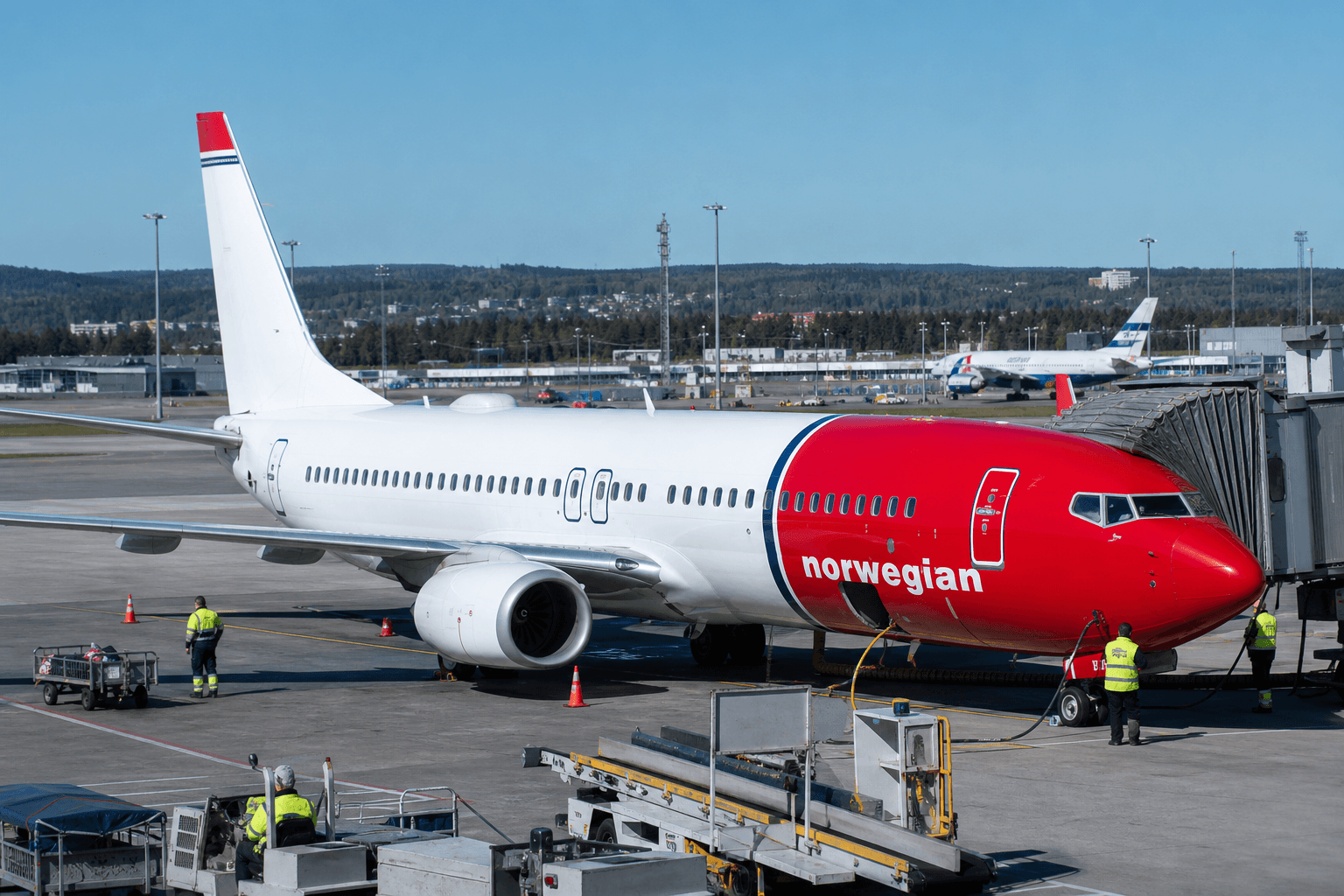
Norwegian Air Swaps Its Logo for British Airways' After England Beats Norway in World Cup Bet
Oslo-based Norwegian Air has replaced its own logo on its official Instagram page with that of British Airways after losing a bet with the rival carrier over who would prevail in the hotly contested quarterfinal match between England and Norway in the FIFA World Cup on Saturday. In the days leading up to the match, Norwegian trolled British Airways on social media and challenged the Heathrow-based flag carrier of the United Kingdom to a bet: The side that loses must replace their logo with that of their rivals for 24 hours. View this post on Instagram A post shared by Norwegian (@flynorwegian) Surprisingly, the lawyers at British Airways actually gave the go-ahead for the airline’s social media team to engage in this heated rivalry, and before long, a Norwegian Air intern was on a plane to London with a USB stick containing the airline’s logos. A day before the match, USB sticks containing logo files were exchanged at BA’s headquarters close to London Heathrow Airport. The match ended in a stunning victory for England, with Jude Bellingham, the Real Madrid midfielder, scoring both goals in the 2-1 victory for the English team in Miami. As the celebrations in England continued through the night, Norwegian Air followed through with its promise, changing its own logo to that of British Airways logo on its Instagram page. In a seperate post, Norwegian Air wrote: “While the tournament is over for us, this friendly bet will forever live in all our hearts We wish England and British Airways all the best in the semi-final, and we sincerely hope you'll get to bring football home!” British Airways then cheekily replied: “We love this new look on you,” while its fellow oneworld airline Qantas also got in on the fun, saying: “felt cute might delete later xx” Malaysia Airlines also called out how unique this whole situation is, saying: “Respect to Norwegian! Most airlines need six months and 14 approvals to change a logo.” Norwegian Air had thrown its full support behind its national soccer team in the lead-up to the match, adorning its cabins with Norwegian flags and encouraging passengers and crew to take part in the iconic ‘Viking Row’ that has come to symbolise Norway’s national soccer team. With all this newfound interest in Norwegian Air’s social media presence, the airline certainly wasn’t going to miss this great marketing opportunity. Hours after the match, the airline offered a discount code for passengers flying between England and the airline’s destinations in Norway and beyond. At one point in Norwegian Air’s not-too-distant past, the airline directly challenged British Airways on routes to North America from London Gatwick Airport, as it attempted to break into the low-cost, long-haul market. Unfortunately, maintenance issues with the Rolls-Royce engines on its fleet of Boeing 787 Dreamliners further compounded Norwegian’s financial performance on these routes, and there were real concerns that the carrier might fall into liquidation. In the end, Norwegian abandoned its long-haul ambitions and retreated to its core market in Norway. As it turned out, however, that was the best decision it could have made. After undergoing a painful transformation, the airline is once again profitable, albeit much smaller than it was before the COVID-19 pandemic.
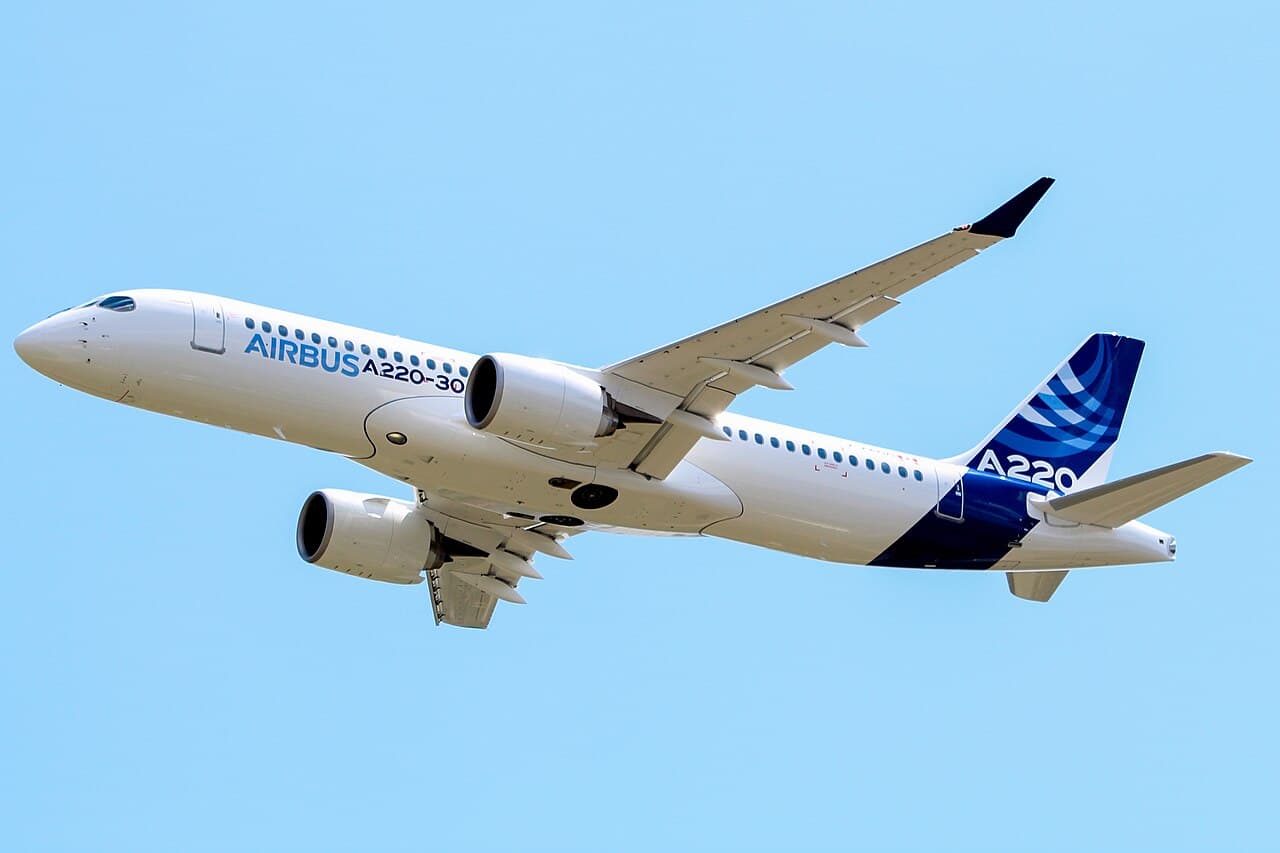
airBaltic Reports Record Passenger Numbers and Fleet Growth in First Half of 2026
Latvian national carrier airBaltic continues to demonstrate solid operational momentum, carrying 509,700 passengers across its network in June 2026. This figure marks a 2% increase compared to the same month in 2025. ezstandalone.cmd.push(function () { ezstandalone.showAds(119); }); The airline also operated 4,535 flights during the period, reflecting a healthy 6.2% year-on-year rise. Despite the passenger growth, the load factor for June stood at 81.9%, a 2.2 percentage point decline from the previous year. ezstandalone.cmd.push(function () { ezstandalone.showAds(127); }); This dip primarily resulted from expanded capacity, as the airline deployed more flights and seats to meet anticipated demand and strengthen its network. Record First-Half Performance The positive trend extended across the first six months of 2026. airBaltic transported a total of 2,454,900 passengers, achieving a 3.9% increase over the same period in 2025. ezstandalone.cmd.push(function () { ezstandalone.showAds(128); }); This represents the highest passenger volume ever recorded for the January-to-June timeframe. In parallel, the airline conducted 23,634 flights, up 5% year-on-year. These results highlight airBaltic’s successful recovery and expansion efforts. The airline has benefited significantly from improved fleet availability. ezstandalone.cmd.push(function () { ezstandalone.showAds(129); }); After resolving previous Pratt & Whitney engine-related challenges that grounded aircraft in prior periods, airBaltic now operates its full fleet of Airbus A220-300 jets without major limitations. This has enabled greater operational stability, higher capacity (measured in available seat kilometres), and the ability to run more reliable schedules. By mid-2026, the fleet has grown to around 55 A220-300 aircraft, supporting both scheduled network operations and ACMI (Aircraft, Crew, Maintenance, and Insurance) activities. The modern, fuel-efficient A220 fleet contributes to better cost management and an enhanced passenger experience, known for its comfort, quiet cabin, and large windows. ezstandalone.cmd.push(function () { ezstandalone.showAds(130); }); Photo Credit: airBaltic Expanding Connectivity and Customer Focus airBaltic plays a vital role in connecting the Baltic States (Latvia, Estonia, and Lithuania) to more than 80 destinations across Europe, the Middle East, North Africa, and the Caucasus region. Its extensive network makes travel more accessible and convenient for leisure and business passengers alike. Recent initiatives underscore this commitment. The airline has extended several routes into the winter season, such as Tallinn–Vienna and Vilnius–Berlin, turning them into year-round connections. It is also adding new routes for the 2026/2027 winter period, including services from holiday destinations like Gran Canaria and Tenerife to various European cities. ezstandalone.cmd.push(function () { ezstandalone.showAds(131); }); Customer satisfaction remains high. In its latest survey, airBaltic achieved a 97% overall satisfaction rate and saw its Net Promoter Score rise to +36. Strong scores for crew professionalism, onboard comfort, and service quality reflect the airline’s focus on delivering a premium experience even in a competitive market. Supporting Regional Growth As a key economic driver, airBaltic facilitates tourism, business travel, and trade links that boost the broader Baltic economy. Its operations create jobs, stimulate inbound tourism, and provide essential connectivity for the region’s residents and visitors. ezstandalone.cmd.push(function () { ezstandalone.showAds(132); }); While the aviation industry faces challenges such as fluctuating fuel prices and economic pressures, airBaltic’s traffic figures for mid-2026 signal resilience. With full fleet utilization, network expansion, and a customer-centric approach, the airline is well-positioned to build on this momentum in the coming months.
The Daily Touch & Go
The day's best aviation news in your inbox. Free, no spam.