

South Korea upgrades F-15K fleet with advanced BAE EPAWSS electronic countermeasures
The Republic of Korea Air Force will install BAE Systems' ALQ-250 Eagle Passive Active Warning Survivability System on its Boeing F-15K Slam Eagle fighters to enhance survivability against modern air defenses.
The gist
South Korea is enhancing its F-15K fighters with BAE’s EPAWSS system to improve defenses against advanced air threats.
Continuing coverage
All Boeing →- Boeing predicts steady 20-year aircraft demand despite current travel slump
- Boeing dismantles never-flown 777-9 amid costly rework and program delays
- Boeing returns to Farnborough Airshow with emphasis on rebuilding trust and safety
- Boeing to Introduce MQ-28 Ghost Bat for UK Collaborative Combat Aircraft Program
- Boeing Eyes AESA Radar to Boost Apache Attack Helicopter Against Drone Threats
South Korea is moving to significantly boost the electronic warfare capabilities of its Boeing F-15K Slam Eagle fighter fleet by integrating the BAE Systems ALQ-250 Eagle Passive Active Warning Survivability System (EPAWSS). This advanced system is designed to protect the non-stealth F-15K from detection and targeting by contemporary ground-based air defense radars through sophisticated electromagnetic jamming techniques. The move comes as part of a contract awarded to BAE by Boeing, the prime contractor managing the sustainment of the ROKAF's Slam Eagle fleet. With 59 F-15Ks currently in operational service, the introduction of EPAWSS aims to extend their survivability and combat effectiveness in increasingly contested electromagnetic environments.
Developed by BAE Systems, the EPAWSS is an all-digital, internally carried electronic warfare system providing comprehensive 360-degree threat detection and countermeasure capabilities. This capability enables the F-15K pilots to maintain situational awareness and counter hostile radar and missile threats in complex signal-dense battlespaces. BAE highlights that EPAWSS complements the F-15’s inherent advantages of speed, range, and payload capacity, thereby reinforcing its role in air superiority missions. Originally developed for the US Air Force’s F-15 fleet, including the current F-15EX Eagle II new builds and retrofitting of legacy F-15E Strike Eagles, the technology is now being customized for the ROKAF’s variant.
The F-15K Slam Eagle variant operated by South Korea is derived from the two-seat F-15E Strike Eagle, a proven multirole combat aircraft. The inclusion of EPAWSS upgrades the aircraft’s electronic warfare suite to meet the evolving threats posed by sophisticated surface-to-air missile systems and integrated air defenses in the region. Boeing’s contract with BAE to provide these systems signals a focused effort by the Korean Air Force to maintain technological parity with potential adversaries. EPAWSS integration also ensures interoperability with US forces, a critical factor given the close military ties between South Korea and the United States.
BAE Systems’ Philip Casalegno, F-15 international programme director, indicated the company’s close collaboration with Boeing, the South Korean Air Force, and regional industry partners to deliver an advanced electronic warfare system tailored to the F-15K platform. This collaboration reflects a growing trend of upgrading legacy fighter fleets worldwide with state-of-the-art survivability systems to offset the lack of stealth features. The EPAWSS represents one of the most sophisticated electronic countermeasure packages currently available, combining threat detection, jamming, and decoy functions in a single integrated platform.
The system reportedly has already seen frontline operational deployment for the first time, with BAE confirming its use though not specifying details. It is believed the EPAWSS was active during a major bombing campaign executed by US and Israeli forces in the Middle East in late February, where hundreds of fighters and bombers were employed amid complex air defense threats. Continuous enhancements to the system occur through software and firmware updates to adapt to dynamic threat environments. This operational experience lends credibility to the system’s effectiveness and real-world applicability beyond testing environments.
Electronic warfare systems like EPAWSS are becoming essential for non-stealth aircraft like the F-15 family to survive in the increasingly sophisticated and integrated air defense networks fielded by many nations. These systems allow fighters to disrupt radar tracking and missile guidance systems, thereby increasing the likelihood of mission success and pilot survivability. South Korea’s move to equip its F-15Ks with such technology aligns with regional security dynamics where air defense modernization has been a priority for neighboring states.
The EPAWSS program dovetails with broader modernization efforts across the ROKAF’s fleet, positioning the F-15K to continue playing a key role in South Korea’s air combat capability. As regional air and missile threats evolve, integrating cutting-edge electronic warfare modules provides a critical edge. Given the geopolitical tensions on the Korean peninsula and surrounding regions, survivability enhancements like EPAWSS contribute directly to deterrence and defense posture.
Upgrading the F-15K with EPAWSS also reflects a cost-effective strategy by the ROKAF. Instead of procuring entirely new stealth platforms immediately, enhancing existing airframes with electronic survivability systems preserves operational relevance and leverages the existing investment in Boeing’s advanced fighter. This path allows for a gradual and sustainable transition within the ROKAF’s broader modernization roadmap while maintaining high readiness levels for current threats.
Frequently asked questions
- What is EPAWSS and what does it do for the F-15K?
- EPAWSS is the ALQ-250 Eagle Passive Active Warning Survivability System developed by BAE Systems. It uses electromagnetic jamming and 360° threat detection to help the non-stealth F-15K evade and counter modern air defense radars and threats.
- How many F-15K fighters does South Korea currently operate?
- South Korea operates 59 F-15K Slam Eagle fighters derived from the two-seat F-15E Strike Eagle, which are now being upgraded with EPAWSS.
- Has EPAWSS been used operationally before being fielded in South Korea?
- Yes, BAE confirmed that EPAWSS has been employed in operational settings, including presumed deployment during a late February campaign by US and Israeli forces in the Middle East, and the system is continuously improved via updates.
Read more
All Military/Defense →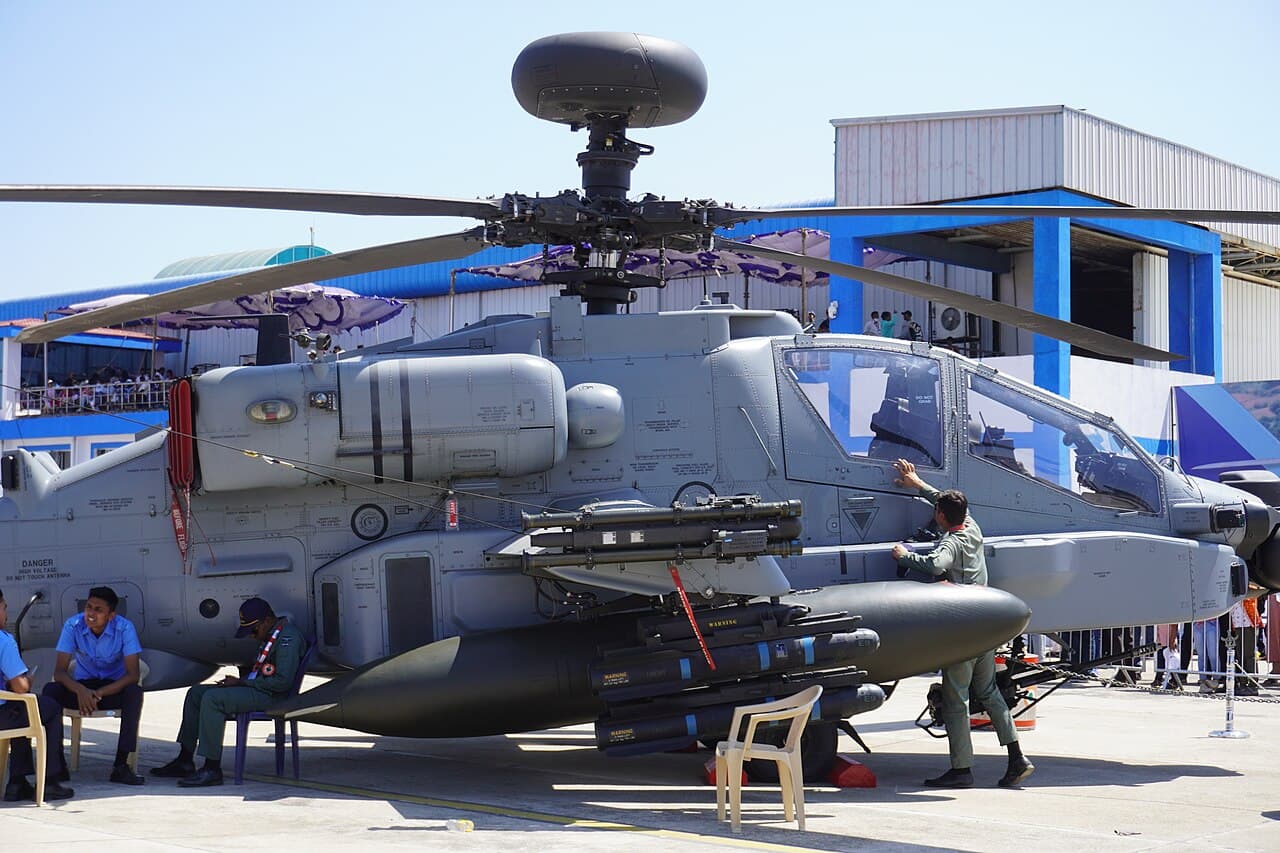
Boeing Eyes AESA Radar to Boost Apache Attack Helicopter Against Drone Threats
More capable sensor would boost detection of airborne threats. Boeing is advancing further enhancements for its AH-64E Apache to boost the platform's ability to engage non-traditional threats such as one-way attack drones. The US Army has used the attack helicopter to "great effect" in the counter-drone application recently in the Middle East, including in the Strait of Hormuz , says TJ Jamison, Boeing's director of business development for attack helicopter programmes. That has included using a new air-to-air mode with its Longbow fire-control radar to "help locate enemy drones coming in and engage and destroy them". "Adapting to change is nothing new for the Apache – it has been doing it since its inception," he notes. "The next chapter is we take lessons learned from Ukraine [and] the ongoing conflict with Iran… as we continue to modernise and adapt this aircraft to meet the changing face of warfare." He refers to a US Army trial conducted last year named Operation Flyswatter, during which the service "flew 14 small-, medium- and large-scale drones at two Apaches". The rotorcraft shot down 13 of the targets, with the remaining one having accidentally flown off the exercise area, ruling it out from being engaged. Among enhancements now being made to the type include the use of a new proximity fuze on the 30mm shells fired from its chin-mounted cannon, so that a direct hit is no longer required to bring down a drone. Meanwhile, the Apache's V6.5 software standard, which Jamison says is "in the process of finalising its certification and testing, and will be fielded soon… [with] increased range, lethality and survivability", uses an open system architecture, enabling rapid updates. "The goal is to get it as simple as a download on your iPhone," he says, while adding: "We're not quite there yet." Another option being explored by the US Army would involve the integration of a fuselage-mounted active electronically scanned array (AESA) radar. "Now you can see the next generation of drones – the very small, swarm type – all organic to the aircraft," Jamison says of the possible addition. "There are a number of OEMs that have an AESA capability currently that we are looking at for potential integration into Apache as we continue down that army modernisation path," he says. However, the service has made no decision yet about funding any such update. Noting that the Apache's original Longbow radar detection capability gave "an 8km [4.3nm] range", necessitating the sensor to be installed on top of the rotor mast, he says: "As you get out to the 50, 60, 70km range, hiding it behind a hill or a tree or a building is not quite as critical as it was when we had that shorter range." Boeing also sees an opportunity to potentially use directed energy, microwave or electronic warfare capabilities to counter the drone threat in the future.
US F-47 Sixth-Gen Fighter Faces $300M Price Tag and Limited Fleet Size
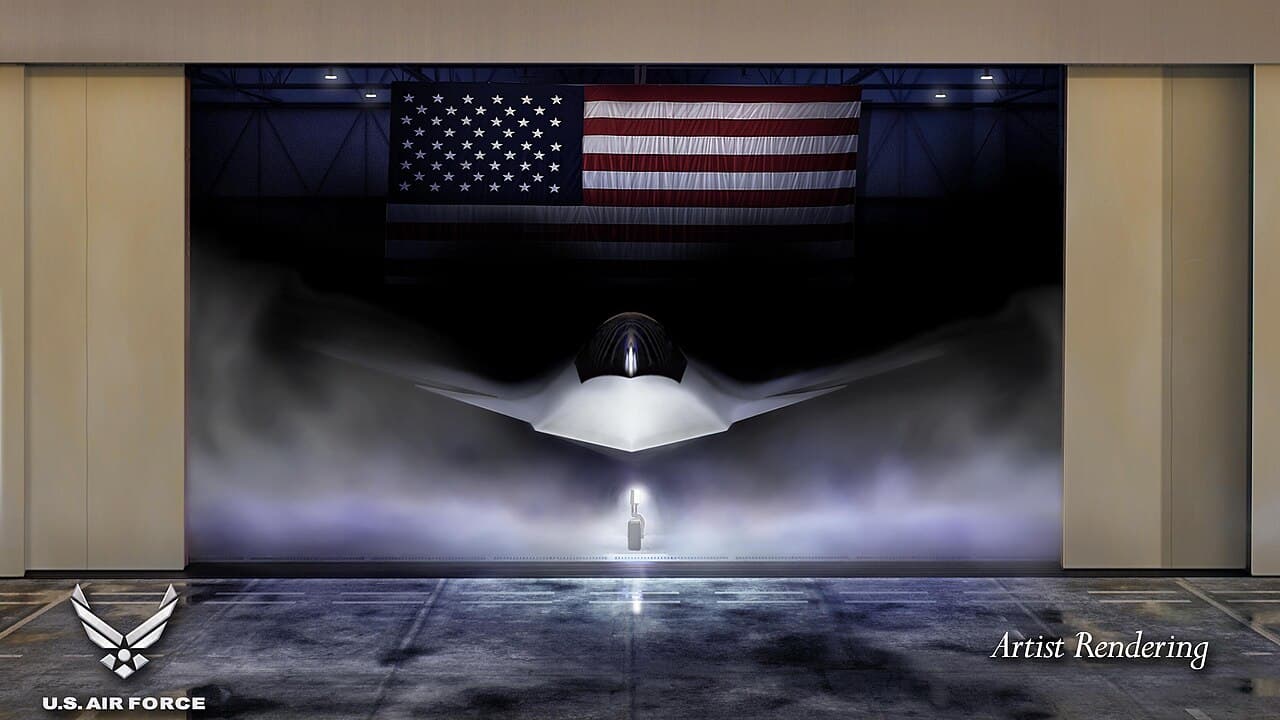
The race to build the first sixth-generation fighter jet is well underway, with the United States and the People's Republic of China competing to be the first to produce a fully combat-capable example. While the People's Liberation Army Air Force made headlines in late 2024 by test-flying two different prototypes, the US program has been quietly testing new designs since 2019. When Boeing was awarded the contract for the F-47 Next Generation Air Dominance in early 2025, the program jumped into the spotlight.
Five Military Aircraft With The Longest Continuous Production Runs Remain Operational
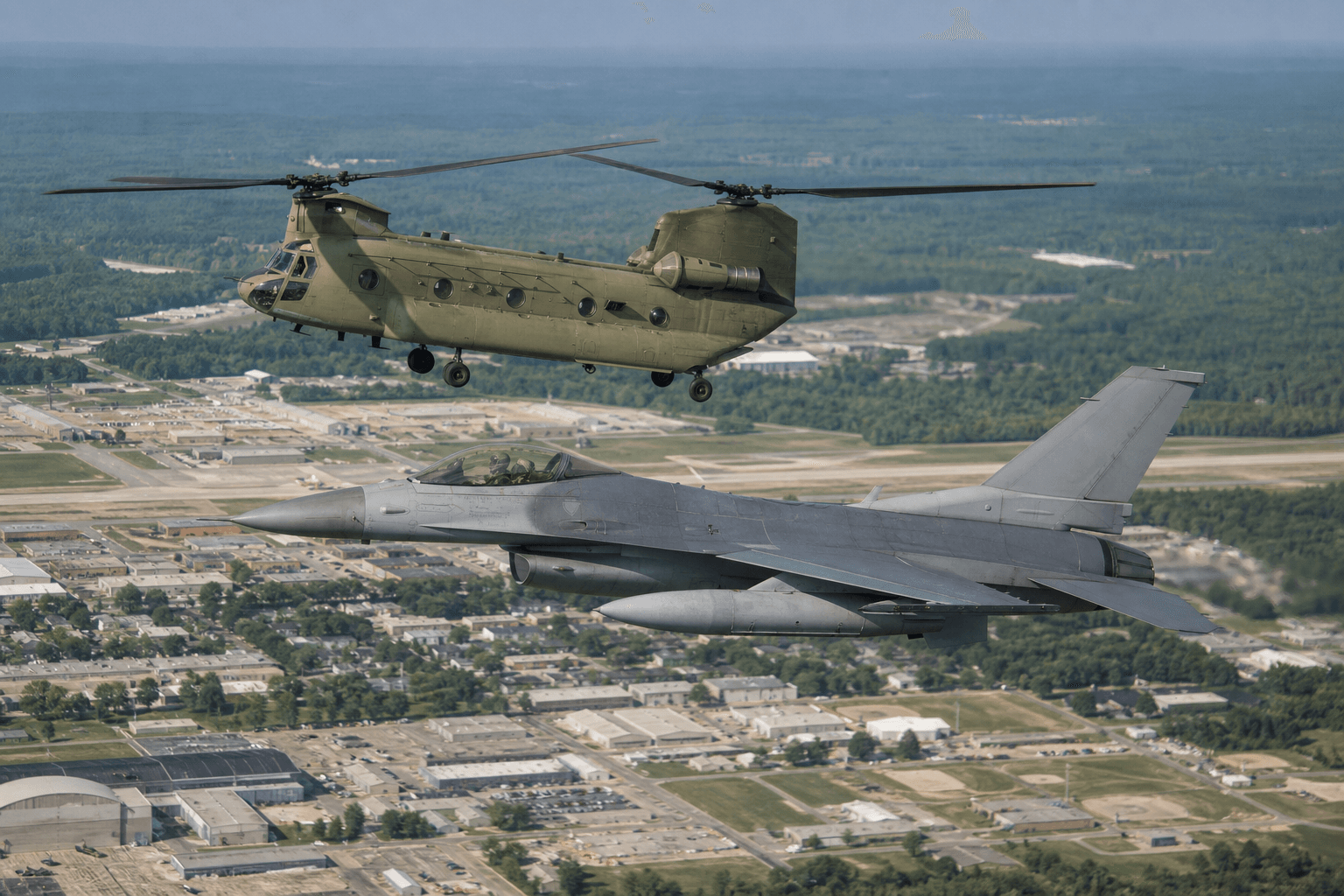
The United States has the largest military in the world by far, operating over 13,000 aircraft across all of its branches (Air Force, Navy, Army, Marines, and Coast Guard). With this, the armed forces operate a significant number of older aircraft in addition to cutting-edge designs, while some manufacturers continue to produce aircraft first designed in the mid-20th century.

San Diego Pilot's Volunteer Flights Bring Burn Survivors to Champ Camp
San Diego pilot Andy Coy recently flew 16-year-old burn survivor Susy home from Champ Camp, piloting the most recent of 18 Angel Flight West flights she has received since 2019. The trip also added to Coy's record as a volunteer aviator. He has completed 38 flights as an Angel Flight West Command Pilot, transporting passengers and supplies for the nonprofit organization. A Pilot Raised Around Aviation Coy grew up in a family with connections to general aviation and medicine. His father was a general aviation pilot who founded a radiology practice, and his uncle served in the Air Force before becoming a pilot for Delta Air Lines. Coy, however, did not begin pursuing his own pilot certificate until 2020, after his son left home to attend college about seven hours away in San Luis Obispo. Coy has since logged more than 1,100 flight hours. His Angel Flight West assignments have included transporting patients and their families, carrying blood and flying campers and counselors to specialized programs across the western United States. Angel Flight West coordinates the flights at no cost to passengers through a network of volunteer pilots and commercial airline partners. "Camp flights are especially important to me," Coy said. "Those kids have been through tough experiences, and I love seeing the camaraderie between the campers and counselors — laughing together, supporting one another, and being part of the group." Eighteen Flights to Camp Susy attends the Alisa Ann Ruch Burn Foundation's Champ Camp, a weeklong residential program held at Wonder Valley in Sanger, California. She began traveling to the camp in 2019 and has since received 18 flights through Angel Flight West. Coy piloted her most recent trip home. "As a burn survivor, Susy has walked a path that requires courage every single day," her mother, Vivana, said. "The trips didn't just take her to camp; they lifted her confidence, her independence, and her sense of possibility. Because of Angel Flight West, she was able to experience unforgettable adventures, learn new skills, and feel empowered in ways that truly matter." Champ Camp is open to burn survivors ages 5 to 17 who were treated at California hospitals or currently live in the state. The 2026 session was held June 6-13 and included activities like fishing, horseback riding, canoeing, archery, crafts, water slides, campfires and team-building exercises. The program is staffed by medical personnel, counselors and volunteers, including adult burn survivors and firefighters. Three Decades of Camp Flights "It's one thing to have your physical needs cared for in the hospital, but it's another to care for your soul and mental health journey after something as life-changing as a burn injury," Alisa Ann Ruch Burn Foundation Camps and Recreation Manager Erika Mendoza said. "Because of AFW and the partnership we've had for many, many years, our camp kids don't just get to see their favorite people once a year — they get to see them multiple times." The distances involved can make transportation a deciding factor in whether a child can attend a specialized camp. Angel Flight West said some participants travel hundreds or thousands of miles, and volunteer aircraft can shorten that trip while connecting campers with programs such as Champ Camp. Know someone using GA to make a difference? Send the details to editor@avweb.com .
The Daily Touch & Go
The day's best aviation news in your inbox. Free, no spam.