

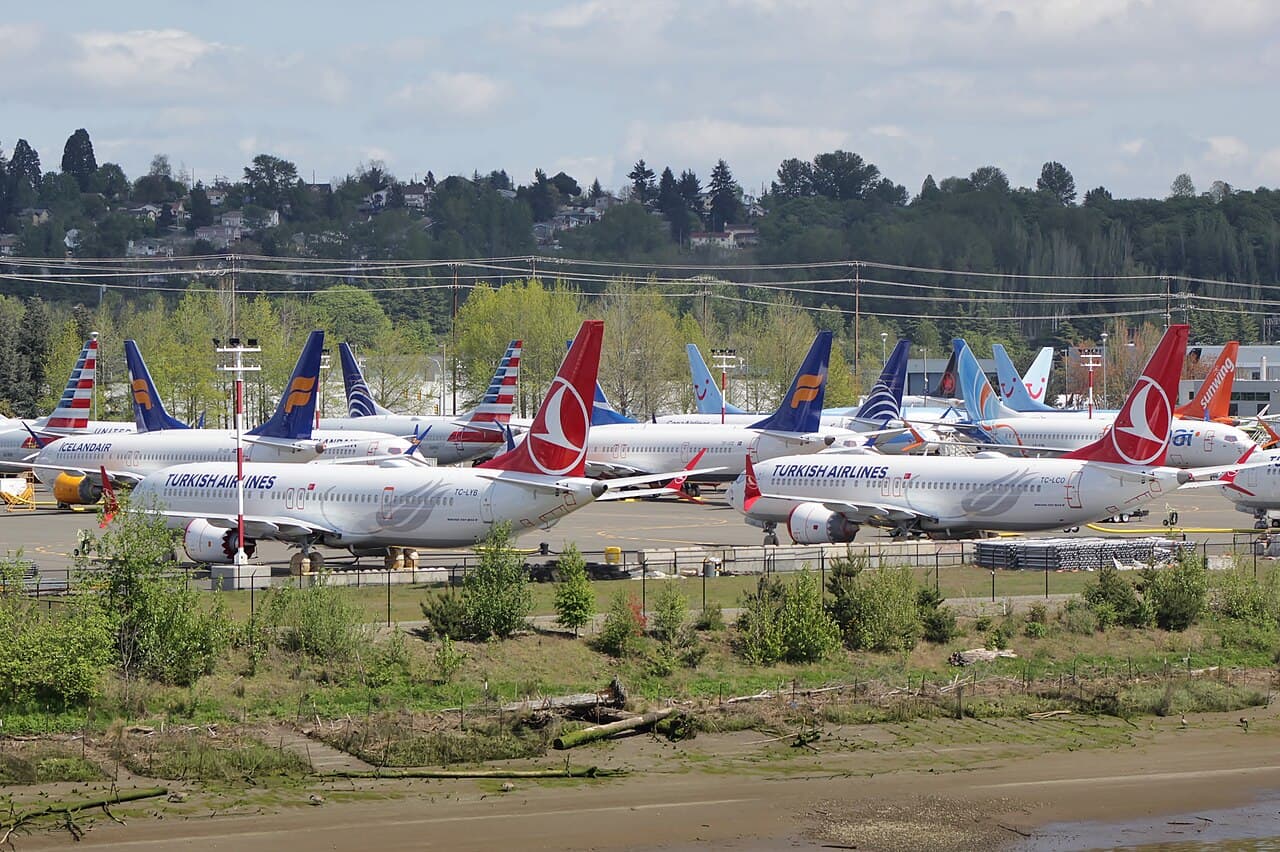
Image: SounderBruce · CC BY-SA 4.0 · via Wikimedia Commons
Vietnam Airlines secures $2.9 billion EXIM loan to finance 50 Boeing 737 Max 8 jets
Vietnam Airlines has obtained a preliminary $2.9 billion loan guarantee from the US Export-Import Bank to fund its order of 50 Boeing 737 Max 8 aircraft slated for delivery between 2030 and 2032.
The gist
Vietnam Airlines lands $2.9 billion EXIM-backed loan to acquire 50 Boeing 737 Max 8 jets for fleet expansion and modernization.
Continuing coverage
All Fleet Expansion →- Brussels Airlines Pauses Long-Haul Fleet Growth Citing Profit and Geopolitical Strains
- LATAM Airlines posts $227 million Q2 profit amid strong premium demand
- Cathay Pacific Group Posts 27% Operating Profit Rise and Stays on Track for 10% Capacity Growth
- US-Bangla Airlines to Double Fleet with $1.5B Boeing Order
- ANA expands Embraer E190-E2 order with eight additional jets for flexible domestic service
Vietnam Airlines has taken a significant step in expanding its fleet by securing an in-principle commitment from the US Export-Import Bank (EXIM) for a loan guarantee up to $2.9 billion. This financing is intended to support the carrier's recent purchase of 50 Boeing 737 Max 8 aircraft, which the airline confirmed in February 2026. The commitment from EXIM represents a foundational move towards finalizing the necessary funding arrangements with international lenders to realize its ambitious fleet modernization plans.
The Boeing 737 Max 8 aircraft, scheduled for delivery from 2030 through 2032, will primarily serve Vietnam Airlines’ domestic and short-haul international routes. These new jets are expected to enhance the airline’s operational efficiency and passenger experience on such sectors. As the latest customer for the 737 Max 8, the airline is positioning itself to leverage the model's improved fuel efficiency and operational cost benefits compared to older generation aircraft.
Vietnam Airlines’ engagement with EXIM Bank is not unprecedented; the airline has a history of utilizing EXIM-supported financing to acquire widebody aircraft like the Boeing 777 and 787 models. This established relationship underlines the airline’s strategic approach to funding capital-intensive fleet investments through US-backed financial instruments. Vietnam Airlines is the only Vietnamese carrier currently to have secured such financing for aircraft acquisitions, highlighting its leading role in the country’s aviation sector.
Beyond aircraft procurement, EXIM has shown interest in backing other facets critical to Vietnam Airlines’ growth, including aircraft engines, maintenance, repair and overhaul (MRO) facilities, and broader aviation infrastructure. This interest could facilitate a more integrated development of Vietnam Airlines' operational capabilities and infrastructure, aiding the carrier’s long-term competitiveness and service quality.
The timing of this loan agreement reflects the airline's effort to plan for sustainable expansion over the next decade, aligning aircraft deliveries with market growth in Southeast Asia. Deployment of the new 737 Max 8s on short and medium-haul routes will likely strengthen Vietnam Airlines’ network connectivity and service offerings in a competitive regional market. By modernizing its fleet with fuel-efficient aircraft, the airline can also enhance its environmental performance amid intensifying global pressures on aviation sustainability.
Vietnam Airlines’ fleet modernization is part of a broader industry trend where carriers in Asia-Pacific are investing heavily to renew aging fleets and improve operational economics. The 737 Max 8 continues to be a popular choice for many airlines pursuing such goals due to its range, capacity, and technological advances. Vietnam Airlines’ announcement signals its confidence in the 737 Max family as a building block for future growth and regional connectivity.
The preliminary approval of the loan by EXIM Bank will enable Vietnam Airlines to move forward in negotiations with various financial partners to lock in definitive funding for the purchase. This staged financing approach helps the airline mitigate the financial risks associated with delivering a large volume of new aircraft over several years. The strategic use of US-backed financing also reinforces Vietnam Airlines’ close ties with international financial markets and Boeing as its principal widebody and narrowbody supplier.
Vietnam’s aviation market has been growing strongly, driven by rising middle-class demand for air travel and increasing tourism. With these new 737 Max 8 aircraft, Vietnam Airlines aims to capitalize on these growth opportunities by improving frequency and capacity on key routes. Securing significant loan guarantees well ahead of delivery schedules provides the airline with financial predictability and supports its expansion without immediate capital strain.
This financing deal marks an important milestone in Vietnam Airlines’ fleet renewal journey, reinforcing its position within the regional aviation market. The collaboration with EXIM Bank reflects mutual confidence in the carrier’s long-term strategy and the continued appeal of US export credit support for aircraft acquisitions worldwide. As the airline prepares for a new generation of operations, this loan sets the cornerstone for its transformation into a more competitive and sustainable airline.
Read more
All Airlines →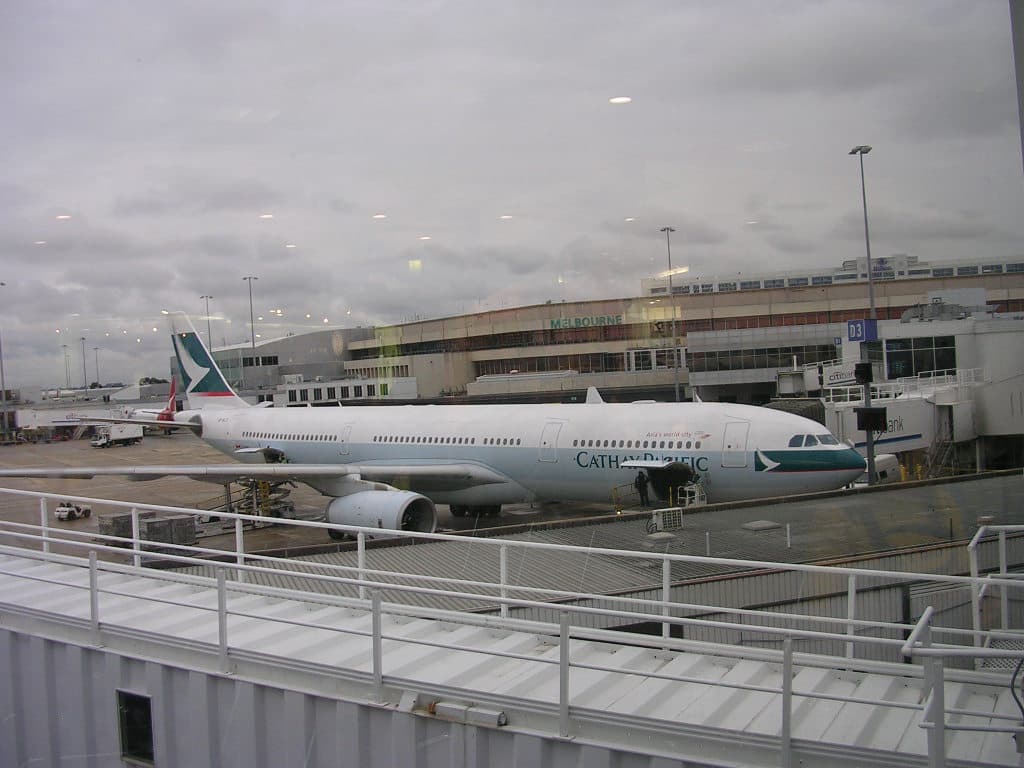
Cathay Pacific Group Posts 27% Operating Profit Rise and Stays on Track for 10% Capacity Growth
The group saw a 27% increase in its half-year operating profit, while net profit was up 71% year on year. Cathay Pacific Group is maintaining its full-year capacity growth guidance, with near-term demand "looking strong", and as its half-year profit improves. The Hong Kong-based airline group "remains on track" to reach its passenger capacity growth target of 10%, says Cathay chair Guy Bradley. "We remain cautiously optimistic for the rest of the year, subject to developments in the Middle East situation and other macroeconomic factors," Bradley, who was appointed airline chair in May, adds. The group, comprising mainline operator Cathay and low-cost unit HK Express, expects the "impact of elevated fuel prices" to continue for the rest of the year. Nonetheless – and if "market conditions are favourable" – the airline group is targeting to operate to 150 international points in 10 years, with 150 new aircraft set to join its fleet. For the six months ended 30 June, Cathay Group saw a 27% jump in its operating profit to HK$7.5 billion ($961 million). This was despite half-year expenses climbing 27% to HK$61.4 billion, led by a spike in fuel-related costs. Bradley notes that the group's fuel expenses close to doubled between the January-March and April-June quarters, underscoring the impact of the Middle East conflict on fuel costs. Group revenue was up 25% to HK$68 billion, on the back of strong travel demand on mainline operations, as well as significant operational improvements from HK Express. "Having got off to a strong start in the first quarter, we faced a more challenging second quarter due to the situation in the Middle East and the resulting significant increase in jet fuel prices," states Bradley. The group posted a net profit of HK$6.2 billion, a 71% jump from the year-ago period. During the period, Cathay took on non-recurring gains of around HK$1 billion, from the reduction of its shareholding in Air China in June this year.
Delta Flight 2204 Returns to Atlanta After Cockpit Fumes, Evacuates Passengers Safely
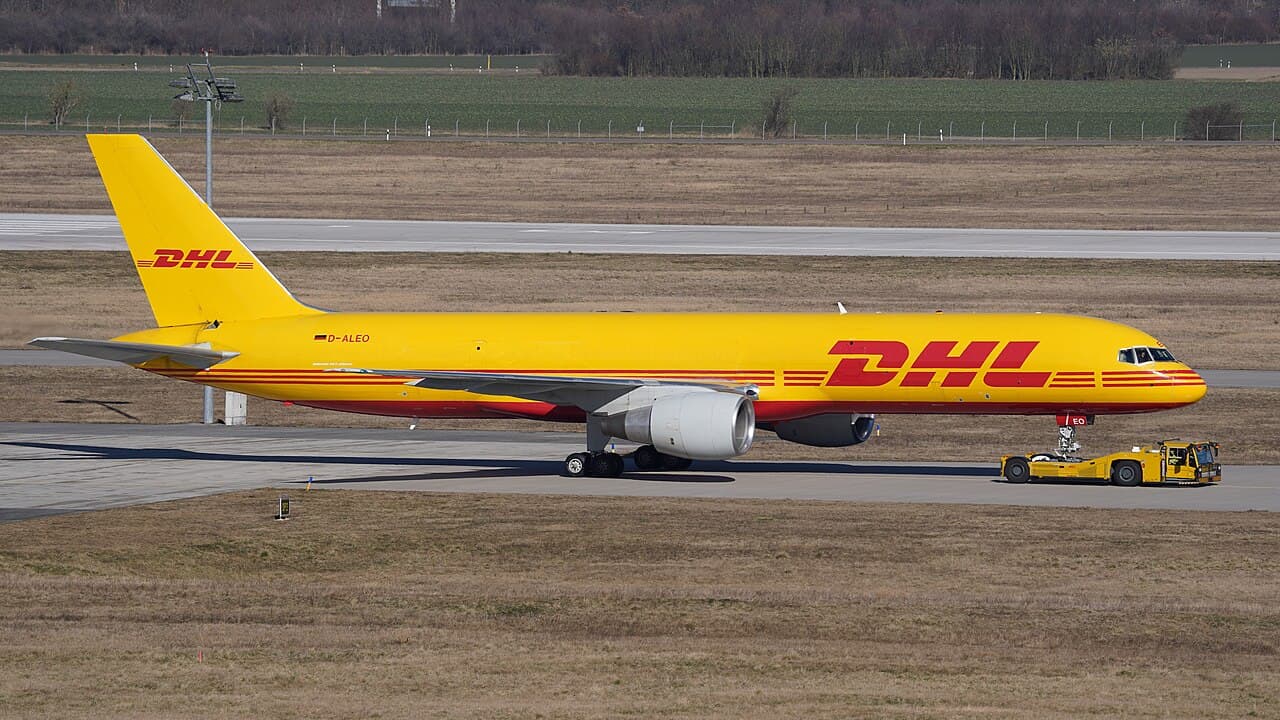
A Delta 757 returned to Atlanta shortly after takeoff after pilots reported smoke and fumes in the cockpit, donned oxygen masks, and told passengers to brace for landing. The plane landed safely, but after smoke was reported in the back of the aircraft, nearly 200 passengers evacuated by slides on a taxiway before continuing to Orlando on a replacement aircraft.
Airbus A350 Business Class Narrows Gap on First Class Value Despite Price Premium
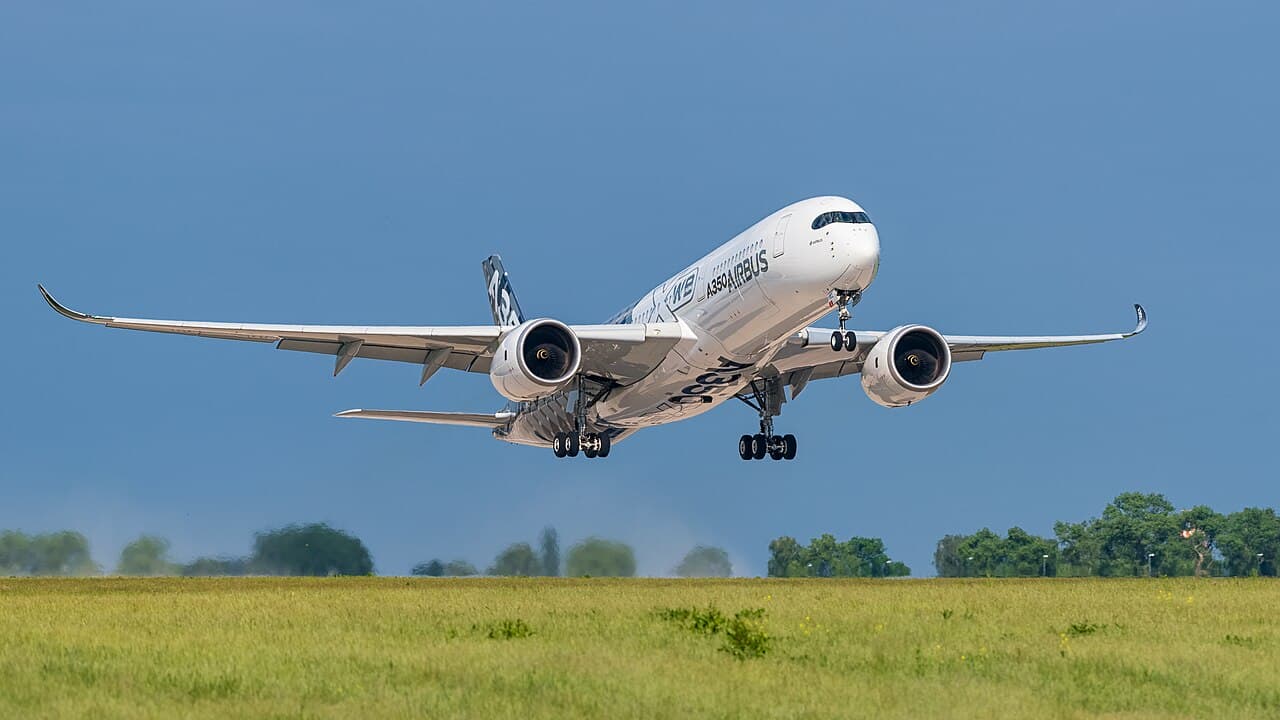
The Airbus A350 has become one of the world's premier long-haul airliners, serving flagship routes for airlines across Europe, Asia, the Middle East, and North America. Alongside its quieter cabin, lower cabin altitude, higher humidity levels, and wider fuselage, the aircraft has also become a showcase for some of the aviation industry's most advanced premium cabins.
Concorde's Speed Outshone Cabin Comfort on Transatlantic Flights
Concorde flew paying passengers for nearly 28 years between 1976 and 2003, carrying up to 100 passengers at Mach 2 across the Atlantic in 3 hours, 30 minutes. The aircraft is remembered for its speed, its exclusivity, and the experience of flying at 60,000 feet (18,288 m) at the edge of space. Whether it was actually comfortable is a different question, and the answer depends on what the word means in the context of a flight that lasted less time than a drive from Manhattan to the Hamptons on a Friday afternoon.
The Daily Touch & Go
The day's best aviation news in your inbox. Free, no spam.