


US Coast Guard MH-60 Jayhawk Crashes Near Sitka, Alaska During Training Flight
A Coast Guard MH-60 Jayhawk helicopter crashed near Harbor Mountain on June 22 during a training mission, injuring four crew members with minor injuries.
The gist
A Coast Guard MH-60 Jayhawk helicopter crashed near Sitka, Alaska during training, leaving four crew with minor injuries.
Continuing coverage
All Search And Rescue →On June 22, 2026, a US Coast Guard MH-60 Jayhawk helicopter crashed near Harbor Mountain, several miles outside Sitka on Baranof Island, Alaska, during a routine training flight. The Sikorsky-manufactured helicopter was assigned to Coast Guard Air Station Sitka and was carrying four crew members when the incident occurred. The initial alert came shortly before 10:10 local time when the Coast Guard Arctic District command center in Juneau received activation signals from the crew’s personal locator beacons.
Rescue response was swift, with Sitka Fire and Rescue teams reaching the crash site at approximately 11:00 and promptly transporting all four crew members to Mt. Edgecumbe Medical Center. Authorities later confirmed that all personnel aboard sustained only minor injuries. Rear Admiral Bob Little, commander of the Coast Guard’s Arctic District, expressed relief at the outcome, praising the rapid intervention by the local emergency services during the critical rescue operation.
The MH-60 Jayhawk serves as a medium-range recovery helicopter within the Coast Guard, playing a vital role in search and rescue, law enforcement, and military readiness missions. Air Station Sitka, one of the Coast Guard’s principal aviation units in Alaska, frequently conducts operations in the region’s rugged terrain and challenging coastal weather conditions. The crash underscores the inherent risks faced by crews operating in remote and difficult environments.
Following the crash, the Coast Guard initiated an investigation to determine the cause of the accident. At this stage, specific details contributing to the mishap have not been released, reflecting standard procedure in military aviation incidents. Meanwhile, the Coast Guard moved quickly to sustain its operational readiness in Southeast Alaska by repositioning a helicopter and crew from Air Station Kodiak to Sitka to cover the gap caused by the grounded aircraft.
The MH-60 Jayhawk helicopter is manufactured by Sikorsky and equipped for diverse mission profiles that demand reliability in harsh environments. Its capabilities include extended-range search and rescue missions and support for law enforcement efforts in maritime regions. The loss of an airframe due to an accident during training highlights the constant focus on safety and operational preparedness required by Coast Guard aviation crews.
Baranof Island’s rugged features and the proximity to Harbor Mountain complicate flight operations, especially under unpredictable Alaskan weather patterns. Training flights are crucial for maintaining pilot proficiency and ensuring preparedness for real-life rescue and enforcement missions amidst these challenges. This incident is a reminder of the dangers inherent even in controlled training scenarios.
Air Station Sitka’s strategic location facilitates Coast Guard presence in Southeast Alaska, a vast area with numerous remote communities and maritime activity. The station’s aviation assets are essential for rapid response to emergencies and for patrolling Alaska’s extensive coastline. The decision to quickly redeploy resources from Kodiak attests to the importance of maintaining continuous coverage in this expansive operational theater.
The quick rescue and minor injuries reported in this crash speak to the effectiveness of emergency response protocols and the durability of the MH-60 Jayhawk’s design in absorbing impact forces. Personal locator beacons played a significant role in quickly alerting command centers and rescue teams, allowing for a rapid and coordinated search and rescue effort.
As investigation efforts continue, the Coast Guard will analyze data and witness accounts to evaluate the sequence of events leading to the crash. The findings will inform any necessary safety recommendations or training adjustments aimed at minimizing risks in future operations. Meanwhile, the repurposed helicopter and crew from Kodiak ensure mission continuity during this interlude.
Read more
All Aviation Safety →
Malaysia Extends MH370 Search with Ocean Infinity Through Mid-2027
Malaysia extends the MH370 search until 2027, giving Ocean Infinity another year to solve aviation's biggest mystery and bring closure to families.
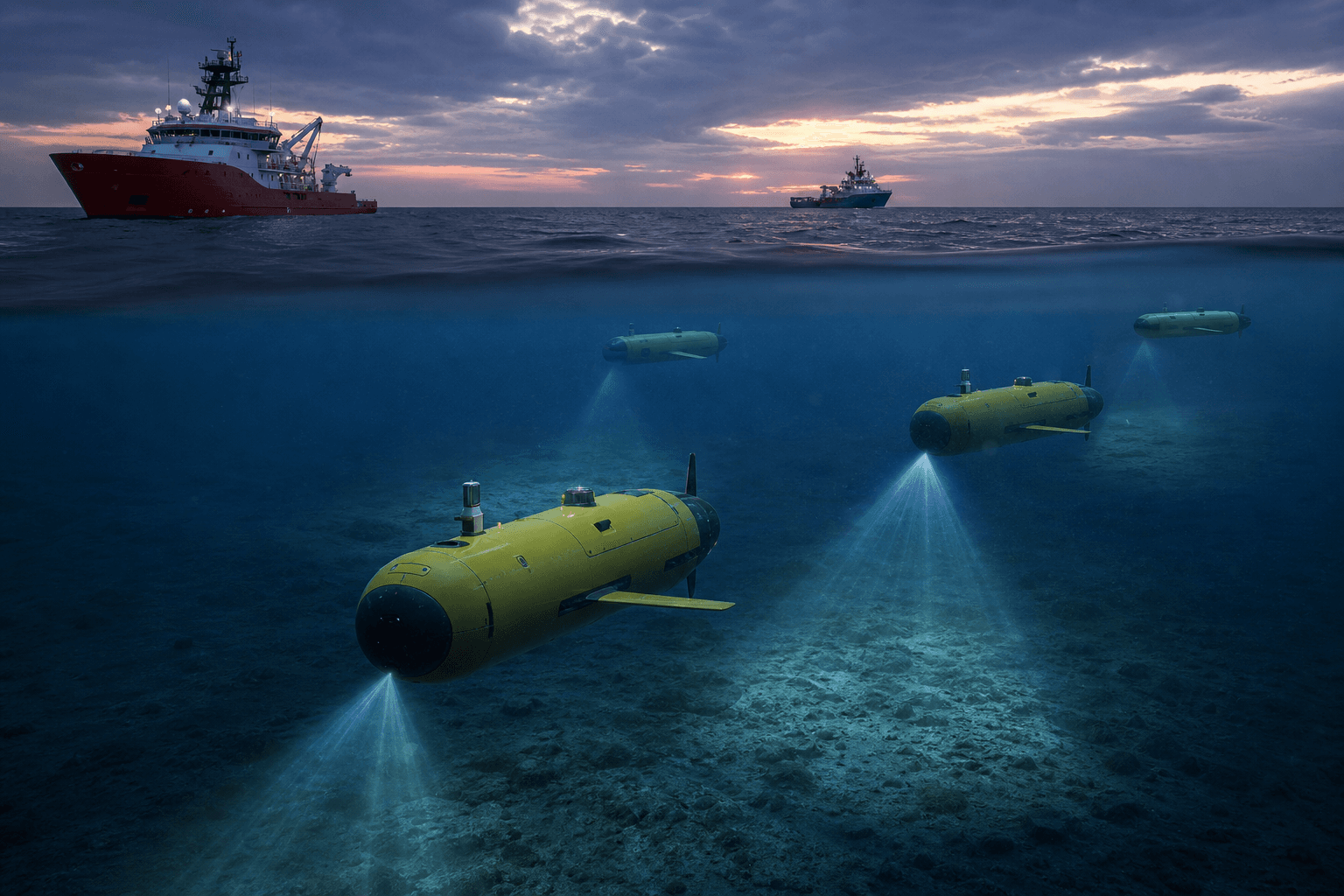
Malaysia extends MH370 deep-sea search contract with Ocean Infinity for 12th anniversary
Deep-sea hunt specialist Ocean Infinity to be paid $70 million if it locates crash site of missing 777-200ER. Malaysia's government is extending the duration of a deep-sea search for the wreckage of a missing Boeing 777-200ER, lost in the Indian Ocean more than 12 years ago. The Malaysia Airlines aircraft, operating flight MH370, disappeared en…

Light aircraft crashes into China Zun skyscraper in Beijing
Social medai video and photos show debris and wreckage at base of 109-storey China Zun tower. Images circulating on social media are indicating that a light aircraft has collided with one of the upper floors of the China Zun skyscraper in Beijing. Video images show debris falling to the ground adjacent to the building —…
FAA and Coast Guard Clash Over Safety of Helicopter Routes Near Washington National Airport
Agency says data does not support the claim that recent changes harmed safety for helicopter operators.
The Daily Touch & Go
The day's best aviation news in your inbox. Free, no spam.