

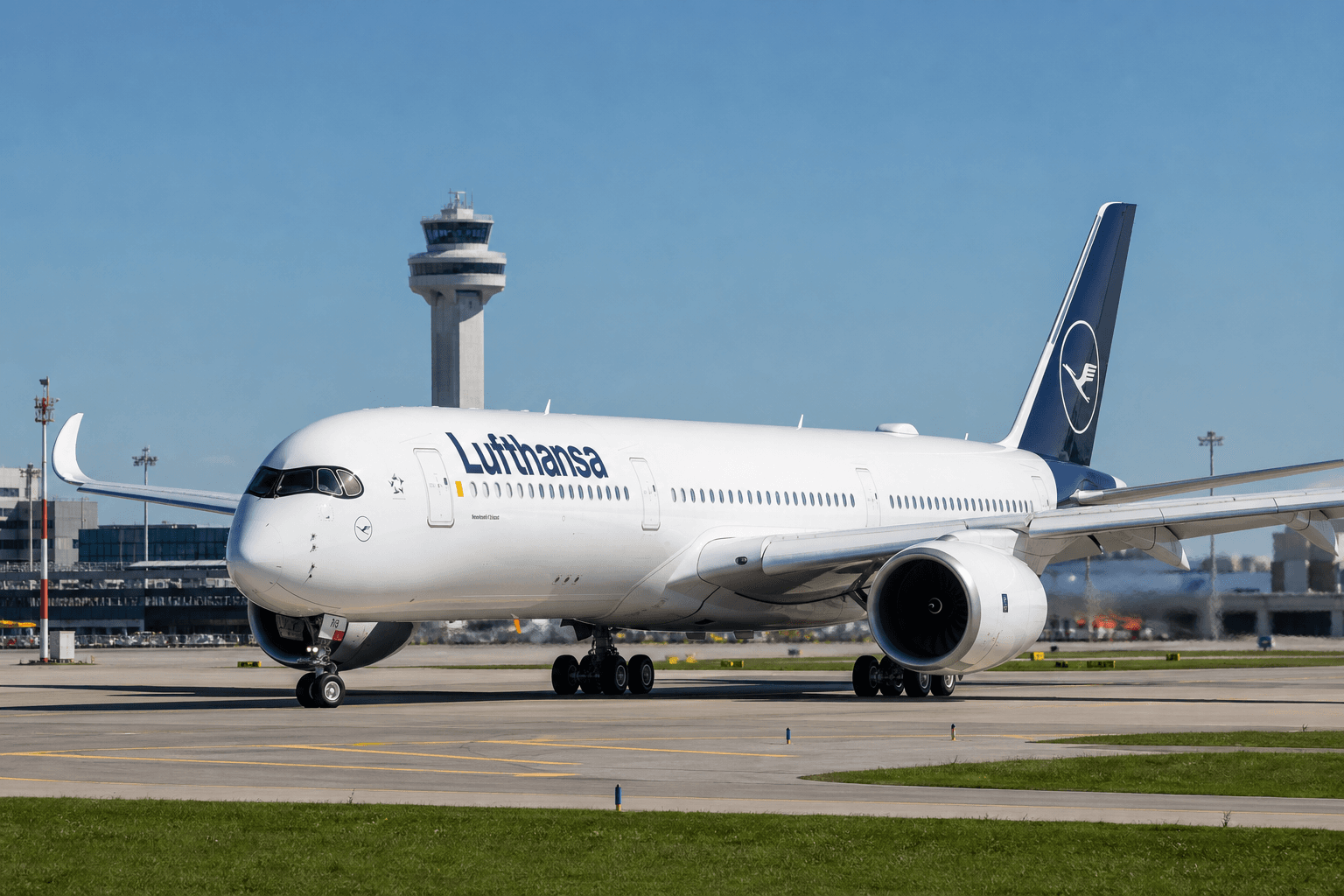
Illustration: The Touch & Go
Vietnam Airlines deploys A350 with rescue teams and aid to earthquake-hit Venezuela
Vietnam Airlines launched a humanitarian flight carrying personnel, rescue dogs, and tons of relief supplies to assist Venezuela after major earthquakes.
The gist
Vietnam Airlines sent an A350-sourced humanitarian mission to Venezuela, transporting 124 rescuers and 25 tons of aid to support earthquake relief efforts.
Vietnam Airlines has dispatched a dedicated Airbus A350 flight to Venezuela to support ongoing earthquake recovery operations. The flight, VN66, departed from Noi Bai International Airport in Hanoi at 00:45 local time on June 29, 2026. It made a technical stopover at Paris Charles de Gaulle Airport before continuing to Simon Bolívar International Airport in Caracas, scheduled to arrive at 12:10 local time the same day. This mission demonstrates Vietnam Airlines’ ability to respond swiftly to international humanitarian crises with efficient logistical coordination.
Onboard the Airbus A350 were 124 personnel sourced from Vietnam’s Ministry of National Defence and Ministry of Public Security. The contingent included specialized search and rescue teams, supported by 10 trained search and rescue dogs prepared to aid field operations. Flight VN66 also carried approximately 25 tons of humanitarian supplies, including rescue equipment and other critical relief materials intended for disaster response efforts in Venezuela. This comprehensive load underlines the scale and seriousness of Vietnam Airlines’ contribution to emergency assistance.
Vietnam Airlines committed a flight crew of 23 members to operate the mission aircraft. Given the urgent circumstances, the carrier expedited logistical preparations and secured necessary flight clearances on short notice to meet the demands of timely deployment. The company articulated the operation as a testament to its organizational capabilities, reflecting a dedication to national service and international solidarity in extraordinary situations. The carrier’s adaptability was essential in assembling the resources and personnel rapidly for the humanitarian flight.
The airline warned that allocating an Airbus A350 and substantial resources to the humanitarian flight might impact regular flight schedules in the ensuing days. This potentially includes timing alterations and aircraft substitutions on some routes. Vietnam Airlines has pledged to communicate promptly with affected passengers and provide assistance to mitigate inconvenience, signaling operational challenges posed by such emergency missions.
Vietnam Airlines has a history of supporting international humanitarian and evacuation missions. Notably, in 2025, the airline ferried relief supplies to Myanmar while also repatriating Vietnamese rescue personnel following earthquake responses there. Prior missions include evacuation flights for Vietnamese citizens from conflict and disaster zones, such as Ukraine in 2022, Libyan evacuations in 2011 and 2014, and support for nationals during Japan’s 2011 earthquake and tsunami. These operations underscore the airline’s experience in managing complex, large-scale humanitarian logistical challenges.
The Airbus A350 used for flight VN66 is a wide-body, long-range aircraft well-suited for such missions, capable of carrying substantial cargo and personnel over intercontinental distances. This capacity is critical in reaching remote or crisis-affected locations swiftly. The choice of aircraft and the technical stopover in Paris highlight the logistical planning to optimize range and operational efficiency for this humanitarian route.
The earthquake in Venezuela precipitated urgent needs for search and rescue as well as delivery of essential supplies. Vietnam Airlines’ participation complements international relief efforts by providing a rapid transport link from Asia to South America, illustrating the expanded global reach of Vietnamese aviation capabilities. The scale of personnel and equipment signifies a significant bilateral aid gesture.
Vietnam Airlines continues to leverage its fleet and operational expertise to execute humanitarian flights under challenging time constraints and complex logistical environments. The airline’s role in Venezuela contributes to a broader pattern of using commercial aviation resources effectively for crisis response. These activities deepen Vietnam Airlines’ engagement on the international humanitarian stage and showcase the strategic utility of the Airbus A350 in such missions.
Read more
All Airlines →
BOC Aviation, Avolon, SMBC and AerCap Dominate Global Widebody Leasing Market
Approximately half of all commercial aircraft in service worldwide are operated on lease rather than owned outright by the airline flying them. When a passenger boards a Delta Air Lines Airbus A330-900neo or a Ryanair Boeing 737 MAX 8, there is roughly a 50% chance that the aircraft belongs to a leasing company that purchased it from Airbus or Boeing and leases it to the airline under a long-term contract. The airline pays a monthly lease rate, operates the aircraft on its own routes with its own crews, and returns it to the lessor at the end of the term. The lessor retains ownership throughout and places the aircraft with another operator when the lease expires.
Boeing 787 vs Airbus A330neo: Cost, Orders, and Operating Efficiency Compared
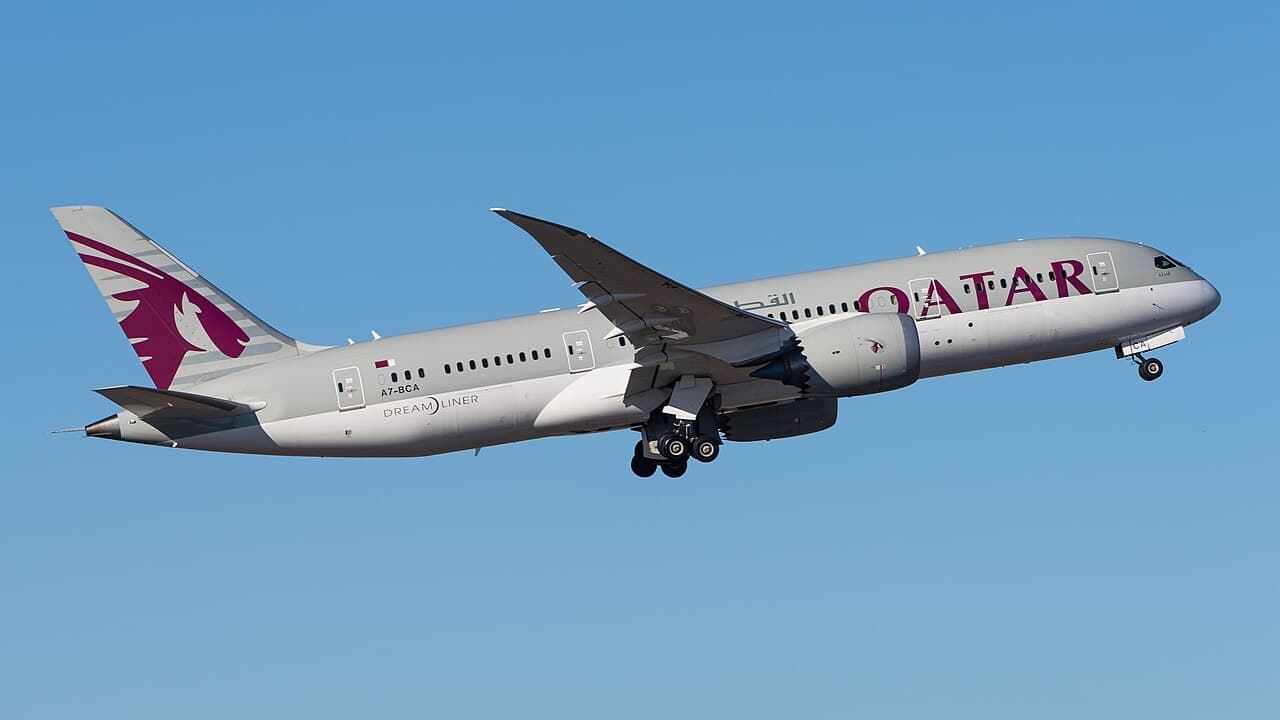
The current commercial aviation landscape is dominated by Boeing and Airbus . The two companies directly compete for contracts with the world's largest aircraft operators, and has resulted in an effective duopoly since the 1990s. Today, the Airbus A330neo family and Boeing 787 Dreamliner family compete for market share in the mid-sized widebody category.
Air Canada Sets New Q2 Revenue Record Despite Rising Fuel Costs and Operational Hurdles
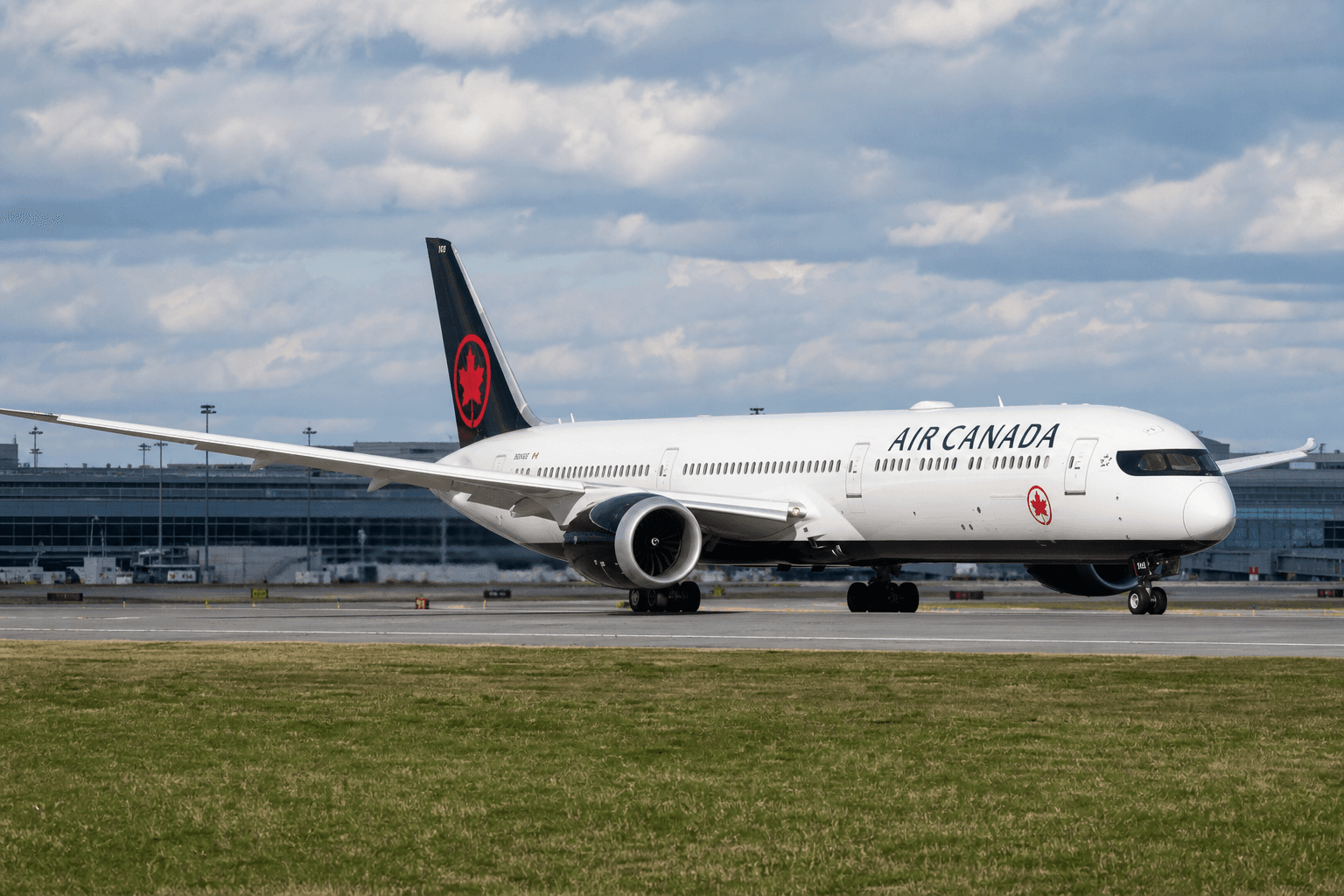
Air Canada reported strong second-quarter 2026 results driven by solid demand. The airline achieved record operating revenues of $6.3 billion. This marked an 11 per cent rise from the same period last year. ezstandalone.cmd.push(function () { ezstandalone.showAds(119); }); Demand stayed robust across the network. Premium and corporate travel performed well. Sixth Freedom traffic also contributed. Capacity grew just 0.3 per cent year over year. Weather disruptions in the later part of the quarter limited flight completion rates. This kept capacity slightly below the lower end of guidance. ezstandalone.cmd.push(function () { ezstandalone.showAds(127); }); Key Financial Highlights Adjusted EBITDA reached $719 million. This sat at the top end of the company’s second-quarter guidance range. The result came despite a 49 per cent jump in fuel expense. Operating expenses totalled $6.481 billion. This led to an operating loss of $215 million. The loss included $388 million in labour-related and other charges. ezstandalone.cmd.push(function () { ezstandalone.showAds(128); }); On an adjusted basis, the picture looked stronger. Air Canada posted adjusted pre-tax income of $77 million. Adjusted net income stood at $114 million, or $0.40 per diluted share. The reported net loss was $178 million, equal to $0.63 per diluted share. Adjusted CASM came in at 15.47 cents. Cash generation remained healthy. Net cash flows from operating activities totalled $651 million. Free cash flow reached $174 million. The airline used $125 million to repurchase more than six million shares. Its net leverage ratio held steady at 1.7.CEO ezstandalone.cmd.push(function () { ezstandalone.showAds(129); }); Photo Credit: Air Canada Comments on Performance President and Chief Executive Officer Michael Rousseau highlighted the quarter’s strengths. “Air Canada delivered record second-quarter operating revenues… supported by strong demand across our network,” he said. He pointed to diversified revenue sources, effective pricing, and focus on controllable costs. Rousseau also thanked employees for their commitment. He noted the company’s solid cash position and balance sheet. These factors support investment and shareholder returns. Looking ahead, Rousseau expressed confidence. He cited resilient premium and corporate demand, fare actions to offset fuel volatility, and disciplined cost control. ezstandalone.cmd.push(function () { ezstandalone.showAds(130); }); He also mentioned Anko van der Werff as his announced successor and the path toward an investment-grade rating in the mid-term. Photo Credit: Air Canada Updated Full-Year Guidance Air Canada reinstated and updated its full-year 2026 outlook. Adjusted EBITDA is now expected between $2.9 billion and $3.2 billion. This is lower than the previously suspended range of $3.35 billion to $3.75 billion. Capacity growth is forecast at 2.25 per cent to 3.25 per cent versus 2025. Adjusted CASM should rise 5 to 6 per cent from 2025 levels. Free cash flow is projected between $200 million and $500 million. ezstandalone.cmd.push(function () { ezstandalone.showAds(131); }); Assumptions include modest Canadian GDP growth and continued demand trends. The Canadian dollar is expected to average C$1.41 per U.S. dollar. Jet fuel is assumed at about C$1.38 per litre in the third quarter and C$1.29 in the fourth. The company plans to offset a significant portion of higher fuel costs through pricing and hedging. It also assumes $1 billion from planned sale-and-leaseback transactions in 2026. Longer-Term Outlook Air Canada continues to target operating revenues of approximately $30 billion by 2028. It aims for an adjusted EBITDA margin of at least 17 per cent that year. Aspirations for 2030 include further margin gains and strong free cash flow generation. ezstandalone.cmd.push(function () { ezstandalone.showAds(132); }); The results show Air Canada navigating higher fuel costs and one-time charges while capturing strong travel demand. Management remains focused on cost control, cash generation, and long-term value creation.
American Airlines Deploys Airbus A321XLR on Nine Routes with 155 Seats Each
American Airlines is set to be a major operator of the Airbus A321XLR . While present fleet data from ch-aviation shows that it currently has only seven units of the next-generation narrowbody twinjet at its disposal, its 44 outstanding orders for the type will bring its total to 51 in time. The carrier has configured these jets with 155 seats across three classes, making them ideal for long thin routes.
The Daily Touch & Go
The day's best aviation news in your inbox. Free, no spam.