

Illustration: The Touch & Go
Airbus boosts C295 output as Spain receives first search-and-rescue model
Airbus increases annual C295 production from 10 to 13 units while delivering Spain's first maritime search-and-rescue-configured aircraft.
The gist
Airbus raises C295 production and delivers Spain's initial SAR-configured aircraft, highlighting growing demand for the twin-turboprop.
Continuing coverage
All Airbus →- Airbus delivers 67 jets in July 2026, sales momentum cools but stays strong
- Airbus Surpasses 1,000 Net Orders in 2026 Following Strong July Demand
- Airbus A321XLR Challenges Hub-and-Spoke Model with Long-Range Narrowbody Flights
- Airbus Posts Strong H1 2026 with 351 Aircraft Deliveries and Record Order Backlog
- Rolls-Royce Estimates Up to Seven Years to Develop Engine for Stretched Airbus A350-2000
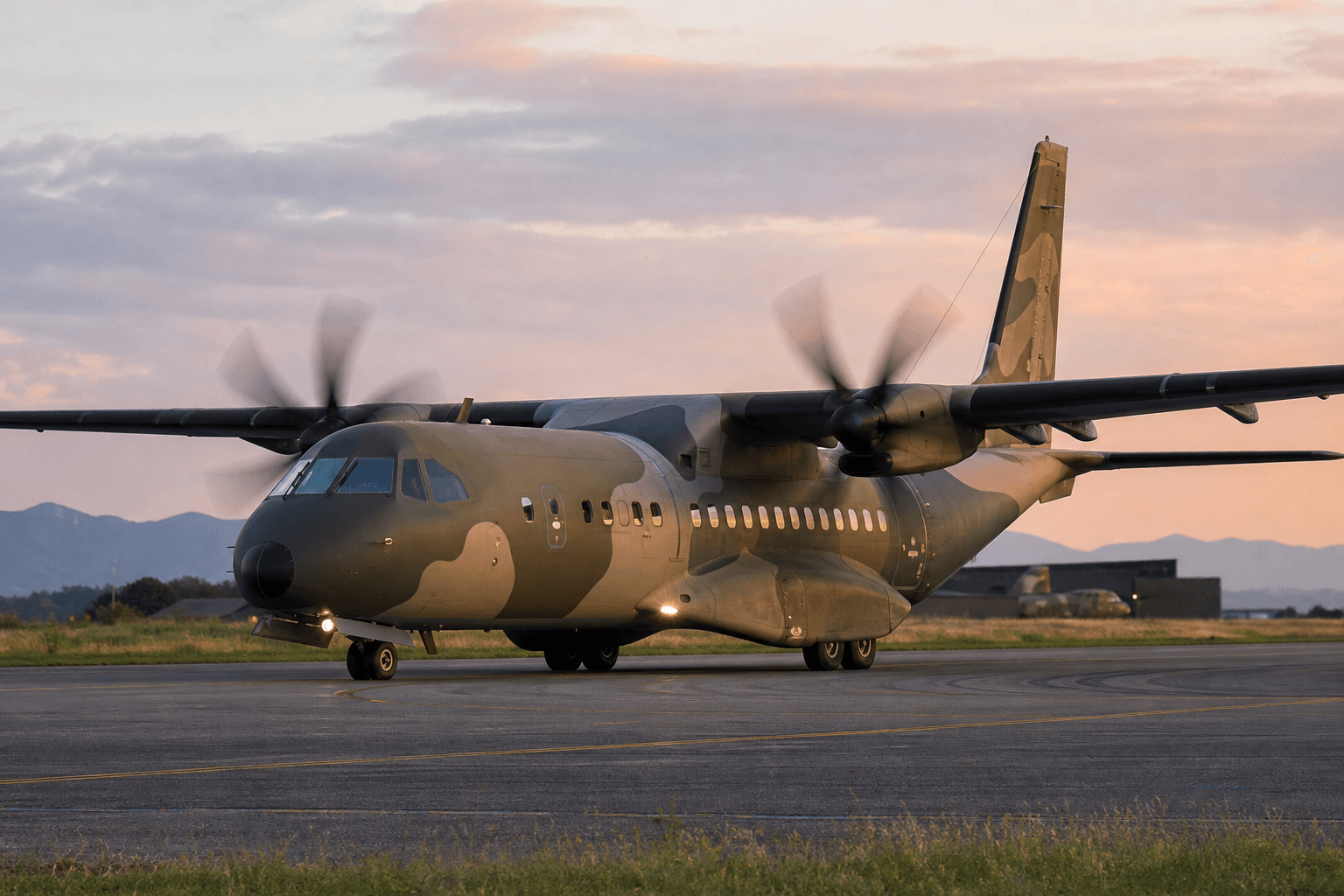
Airbus Defence & Space is accelerating production of its C295 tactical transport aircraft, raising the yearly output from 10 to 13 units. This decision aligns with an expanding order book, notably driven by Spain’s increased acquisitions. On 24 June 2026, the company handed over the first C295 configured for maritime search and rescue (SAR) to the Spanish Air Force, marking a milestone in the twin-turboprop’s diversified roles.
The newly delivered SAR-configured C295 will soon depart on a ferry flight to the 46th Wing stationed at Gando air base in Gran Canaria. This aircraft was assembled at Airbus’s San Pablo final assembly line in Seville, Spain, which serves as the main production hub for the C295. The introduction of this mission-specific variant illustrates Airbus’s commitment to adapting the platform to specialized operational demands.
Spain has ordered a total of 34 C295 aircraft, comprising several configurations. Eight of these are allocated to the new SAR role, intended to replace Spain’s existing fleet of CN235 Vigma aircraft that have been operational since 2008. The SAR C295 models promise significant improvements in range and tactical capabilities, thereby upgrading the Spanish Air Force’s maritime emergency response capacity.
Additionally, Airbus plans to deliver 18 tactical transport C295s to Spain later this year under a December 2025 contract. These transports enhance Spain’s airlift and tactical deployment capabilities with modernized avionics and systems. Alongside SAR and transport versions, a maritime patrol aircraft (MPA) variant of the C295 is scheduled for delivery starting in 2028, representing the most complex mission variant produced to date.
The MPA versions will succeed Spain’s retired Lockheed Martin P-3C Orion fleet, providing advanced capabilities for anti-submarine and anti-surface warfare. Eight of these MPA-configured C295s were ordered in December 2023, reflecting Spain’s strategic emphasis on maritime domain awareness and security. The integration of MPA C295s reaffirms the platform’s versatility across multiple naval air missions.
Globally, the C295 has secured 335 orders from 19 different countries, asserting Airbus’s position as the leader in its segment of tactical transport aircraft. The current production backlog extends beyond Spain to include units destined for Canada, Ecuador, Morocco, and Thailand. These wide-ranging international orders underline the aircraft’s strong appeal for military and governmental operators worldwide.
A notable development in production capacity is the inaugural flight of the first C295 locally assembled in India, part of a 56-aircraft contract for the Indian Air Force. This aircraft was completed at a final assembly facility in Vadodara operated through a joint venture with Tata Advanced Systems. Prior to this, Airbus had already supplied 16 Spanish-assembled aircraft, demonstrating a scalable production model across continents.
The step-up in production rate is a direct response to the growing demand for the C295’s multifaceted capabilities, from tactical transport to SAR and maritime patrol. Airbus’s approach to local assembly partnerships and customization for specific mission profiles positions the C295 as a flexible asset for modern air forces.
Spain’s receipt of the SAR-configured C295 and the planned ramp-up in deliveries signify a substantial modernization of its tactical air fleet. These additions will enhance operational readiness across diverse mission sets, from humanitarian aid to maritime defense. Airbus’s ongoing production increase and expanding customer base forecast continued growth for the C295 programme in coming years.
Read more
All Military/Defense →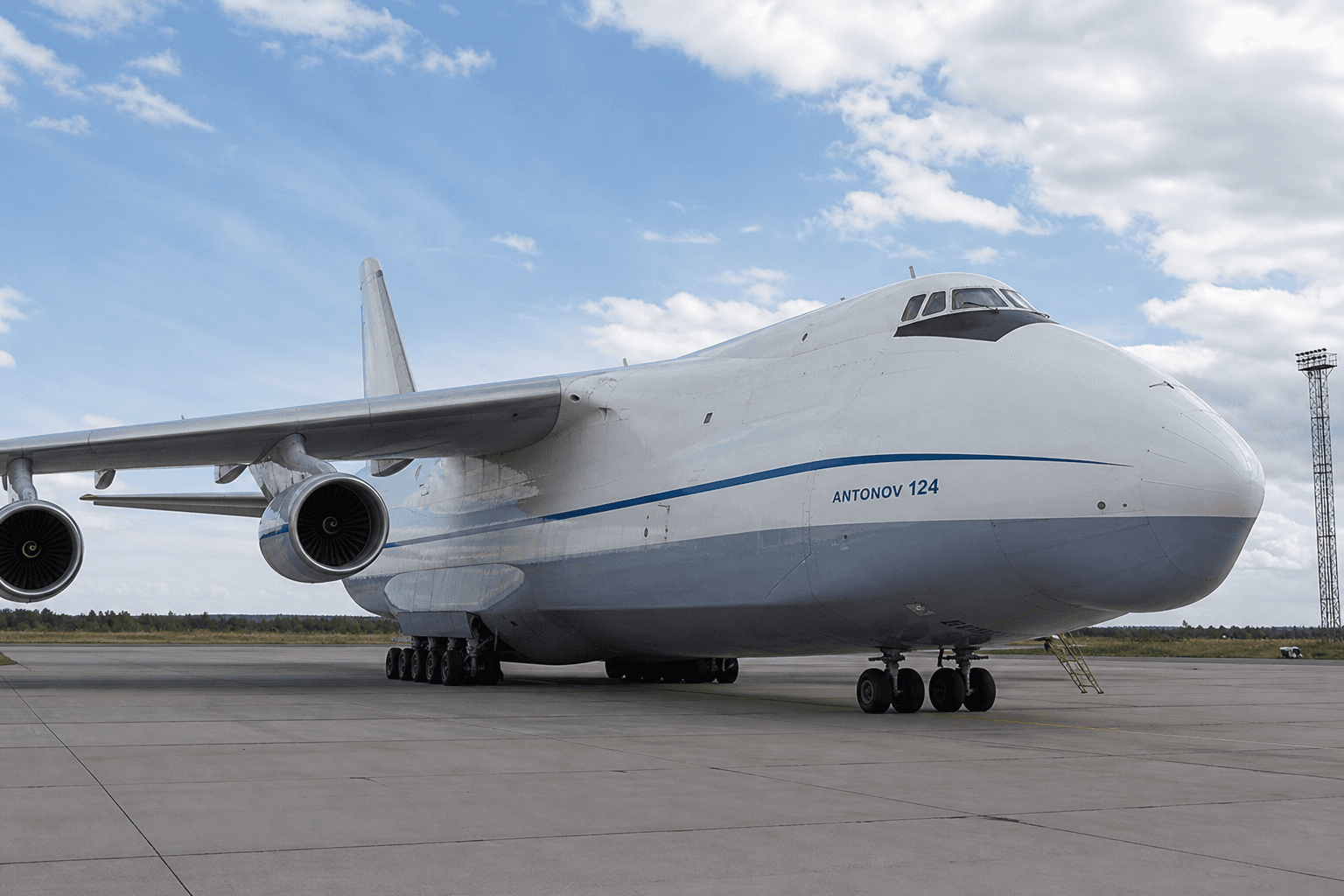
Antonov's Decline: From Soviet Aerospace Giant to Production Hiatus Amid Geopolitical Strains
Antonov produced many of the Soviet Union's most iconic transport aircraft, including the huge An-124 Ruslan and An-225 Mriya . It built most of the mid-sized military transports as well as regional aircraft like the Antonov An-148 and the enormously successful An-2 biplane. By the late 1980s, the company was producing around 250 aircraft annually. After the Soviet collapse, that fell to between five and 20 annual deliveries, with the last new aircraft produced in 2016.
Colombia orders two Embraer KC-390 Millennium airlifters for fleet modernization
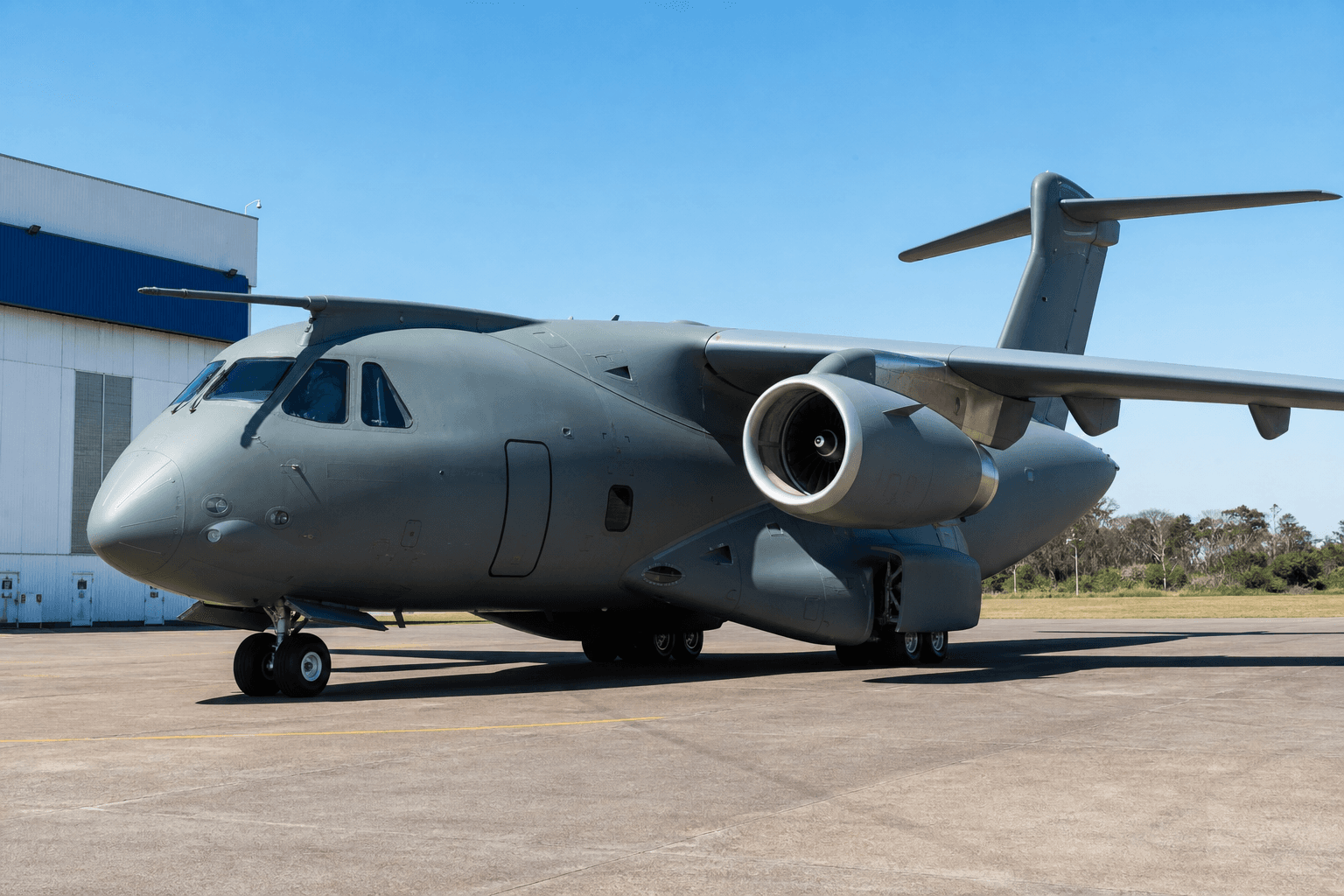
Embraer announced on August 4, 2026, that the Fuerza Aeroespacial Colombiana (FAC) has signed a contract for two KC-390 Millennium multi-mission aircraft, making Colombia the first Latin American customer for the type outside Brazil and the 13th nation to order it. The FAC put the value of the contract at $366.4 million at fixed prices, with execution spread over four years. The package covers the two aircraft, mission equipment, initial training for pilots, maintenance technicians and mission support personnel, ground support equipment, and 24 months of integrated logistics support. Embraer said the deal also includes an offset program structured to meet Colombian regulatory requirements. Deliveries are scheduled for 2029 and 2030, with the first aircraft to be ferried from Embraer's Gavião Peixoto plant to CATAM air base in Bogotá. Replacing an aging Hercules fleet The purchase falls under the FAC's heavy tactical military transport requirement, part of a modernization plan the force ties to its Air and Space Development Strategy 2042 (EDAES 2042), formulated in 2019. Colombia's tactical airlift currently rests on a small fleet of Lockheed C-130B and C-130H Hercules, operated since the late 1960s and supplemented over the years by second-hand US transfers. That fleet came under scrutiny after a C-130H registered FAC-1016 crashed shortly after takeoff from Puerto Leguízamo on March 23, 2026, killing 70 of the 126 people on board. The decision was not entirely free of controversy. President Gustavo Petro directed the FAC to conclude negotiations with Embraer in July 2026, according to Infodefensa , before the force had completed a technical comparison that also included the Lockheed Martin C-130J Super Hercules and Airbus A400M. The FAC nevertheless maintained that its selection followed technical, legal and financial analyses conducted by its own personnel. Tanker role and Gripen interoperability Two Brazilian Air Force F-39E Gripen fighters refuel simultaneously from an Embraer KC-390 Millennium. (Credit: Embraer) Embraer said the aircraft will be delivered with connectivity allowing them to operate alongside the 17 Gripen E/F fighters Colombia ordered from Saab in November 2025 under a €3.1 billion contract. The KC-390 can be fitted with removable air-to-air refueling equipment, allowing it to serve as either tanker or receiver. Bosco da Costa Junior, President and CEO of Embraer Defense & Security, said the company was "honored by the FAC's decision to select the KC-390 Millennium," pointing to a relationship dating back more than 35 years to Colombia's purchase of the EMB-312 Tucano and later the A-29 Super Tucano. Embraer says the KC-390 carries up to 26 tons of payload at speeds of up to 470 knots and can operate from short or unpaved strips. Beyond Brazil, the type has been selected by Portugal, Hungary, South Korea, the Netherlands, Austria, the Czech Republic, Uzbekistan, Sweden, the United Arab Emirates, Slovakia and Lithuania [though the latter postponed the procurement – ed. note]. The Czech Air Force received its first aircraft on July 16, 2026.
RAAF marks 45 years of Operation Gateway with P-8A Poseidon patrols from Malaysia
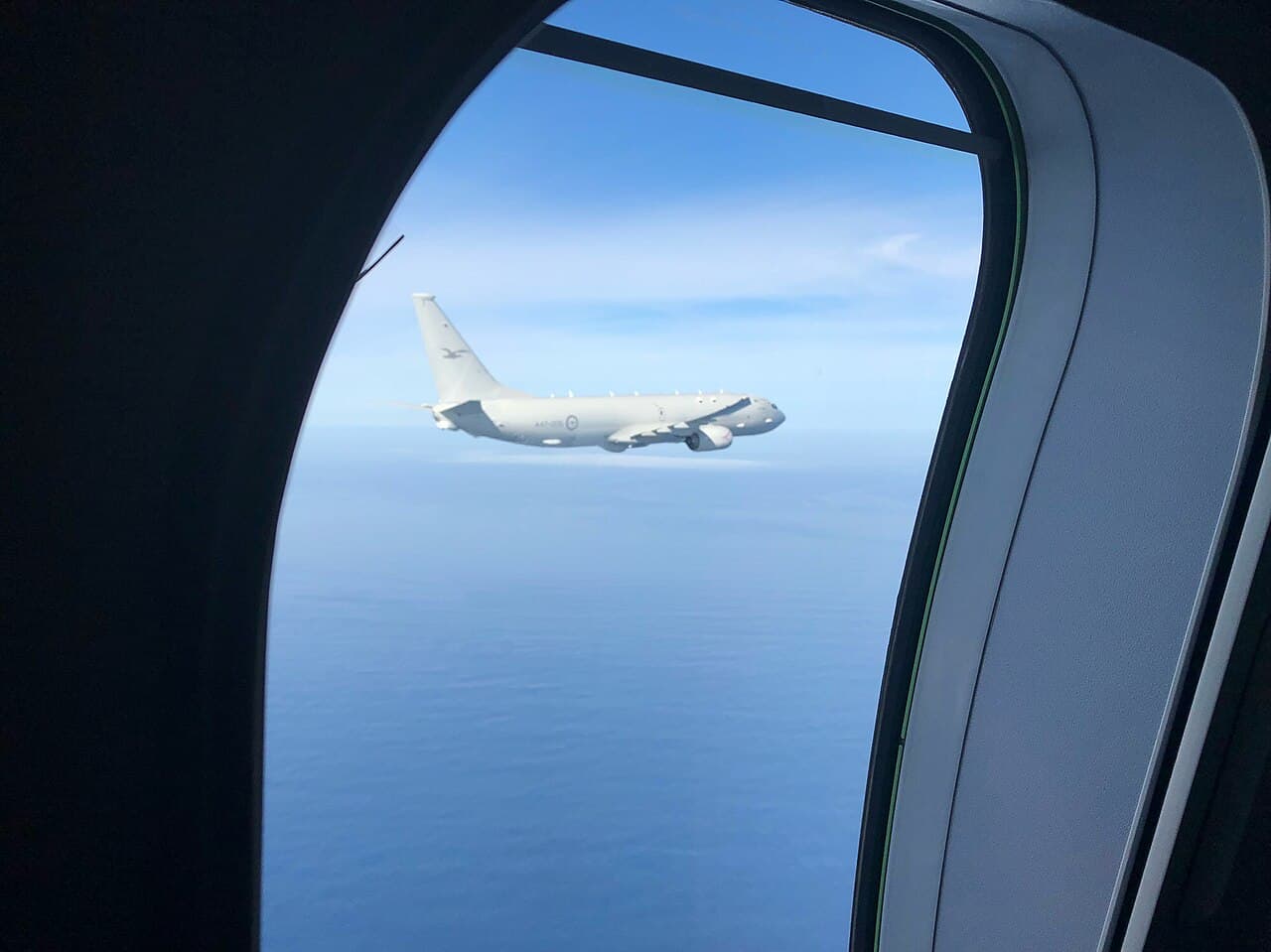
The Royal Australian Air Force (RAAF) has completed this year's first rotation of Operation Gateway, with three P-8A Poseidon aircraft conducting maritime patrols from Royal Malaysian Air Force Base Butterworth as the mission marks its 45th year. The detachment carried out maritime domain awareness patrols across the North Indian Ocean and South China Sea, monitoring activity along some of the world's busiest shipping corridors connecting Southeast Asia, South Asia, the Middle East, and Africa. Same mission, different era Operation Gateway is one of Australia's longest-running Defence operations. It has been bringing Australia and Malaysia together in support of regional security since 1980, with the first mission in 1981. In the most recent Operation Gateway… pic.twitter.com/sg82mC2o9r — Defence Australia (@DefenceAust) June 24, 2026 Australia's longest-running bilateral operation Operation Gateway is the longest continuous bilateral operation in Australian Defence Force history and remains a central element of the Australia-Malaysia defense relationship. Since the operation began in 1981, Gateway aircraft have accumulated more than 30,000 flying hours and completed more than 3,500 sorties. Squadron Leader Justin McCoy, the detachment commander, said the operation benefits both nations. "Being based at Butterworth gives us proximity to our patrol areas," McCoy said. "The situational awareness we gain from these missions is important for understanding the security environment." 75 personnel behind the mission The 2026 deployment involved more than 75 personnel from 92 Wing, along with supporting elements from across the Air Force, including 19 Squadron at Butterworth. "Operation Gateway represents 45 years of collaborative operations," McCoy said. "We've gone on a journey not only within Australia, but with Malaysia in lockstep with those changes. Everyone who has deployed here and supported us locally has worked really hard, and I'm very proud of the outcome." Same mission, new aircraft While the P-8A Poseidon has replaced earlier maritime patrol aircraft over the decades, the mission itself remains unchanged. Each patrol contributes to a layered understanding of activity across critical maritime approaches, supporting informed decision-making for both Australia and Malaysia. The Indian Ocean serves as an economic highway spanning multiple regions, making it one of the most strategically significant waterways globally. Monitoring that activity continues to be the focus of the operation as it enters its fifth decade. RELATED RAAF deploys P-8A Poseidon and E-7A Wedgetail to RIMPAC 26 exercise in Hawaii
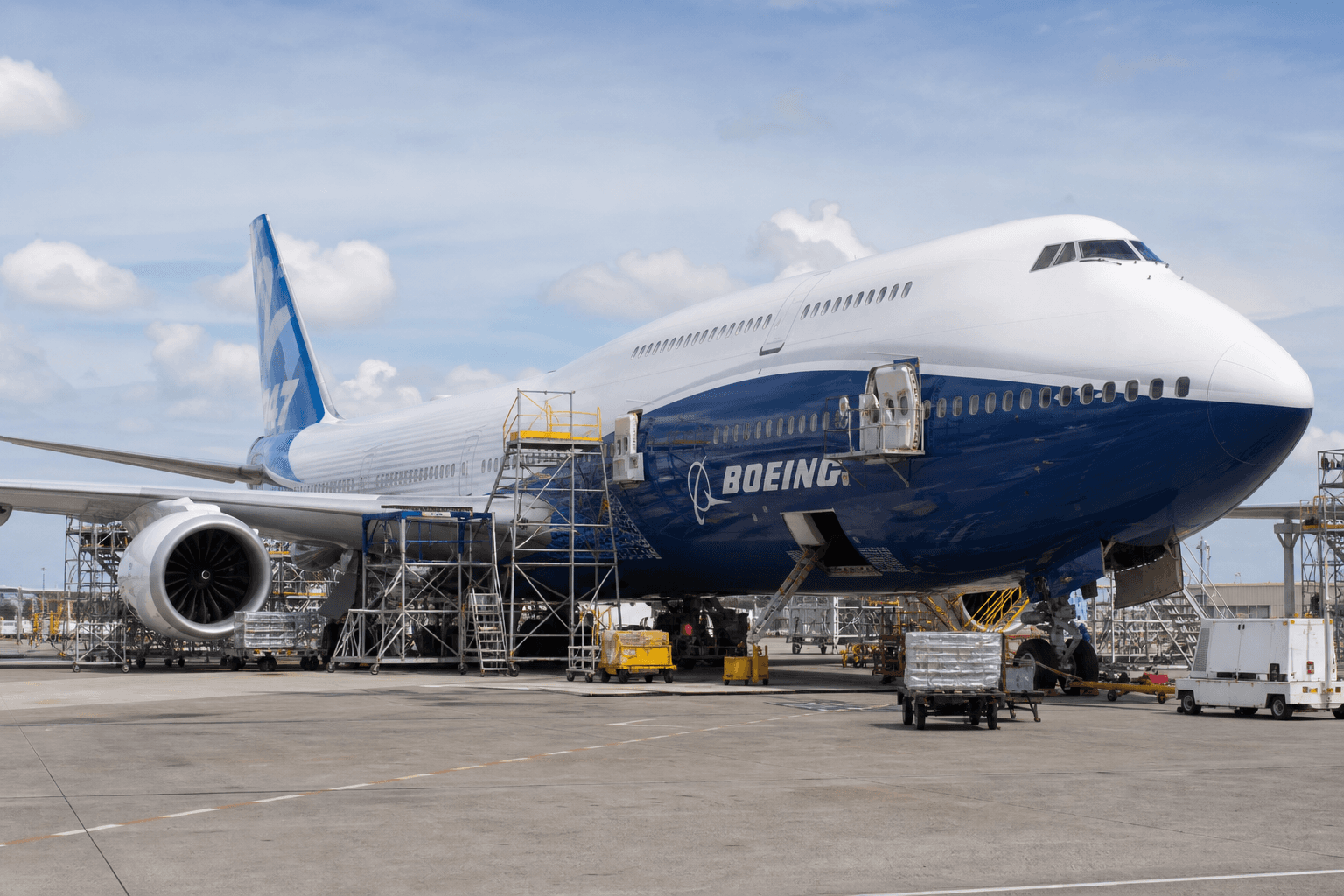
Boeing's VC-25B Air Force One Replacements Delayed to 2028-29 Completion
The Boeing 747 may have ended its commercial production run, but two of the most consequential examples ever built remain deep inside a modification program that has stretched years beyond its original timetable. Boeing 's two purpose-built VC-25B presidential aircraft, which are the long-awaited replacements for the US Air Force's aging VC-25As, were originally expected to be delivered by the end of 2024. Instead, the first aircraft is now scheduled for roughly mid-2028, while the second is expected around mid-2029, according to the latest program reporting summarized by Yahoo Finance .
The Daily Touch & Go
The day's best aviation news in your inbox. Free, no spam.