

Illustration: The Touch & Go
Aviation's 65% Sustainable Fuel Goal by 2050 Faces Serious Doubts Amid Supply and Policy Challenges
The aviation industry's ambitious plan to use 65% sustainable aviation fuel by 2050 is compromised by limited production, costly feedstocks, and ineffective mandates, casting uncertainty on net-zero targets.
The gist
With sustainable aviation fuel supply lagging and policy gaps widening, the aviation sector’s 2050 net-zero goal appears increasingly out of reach.
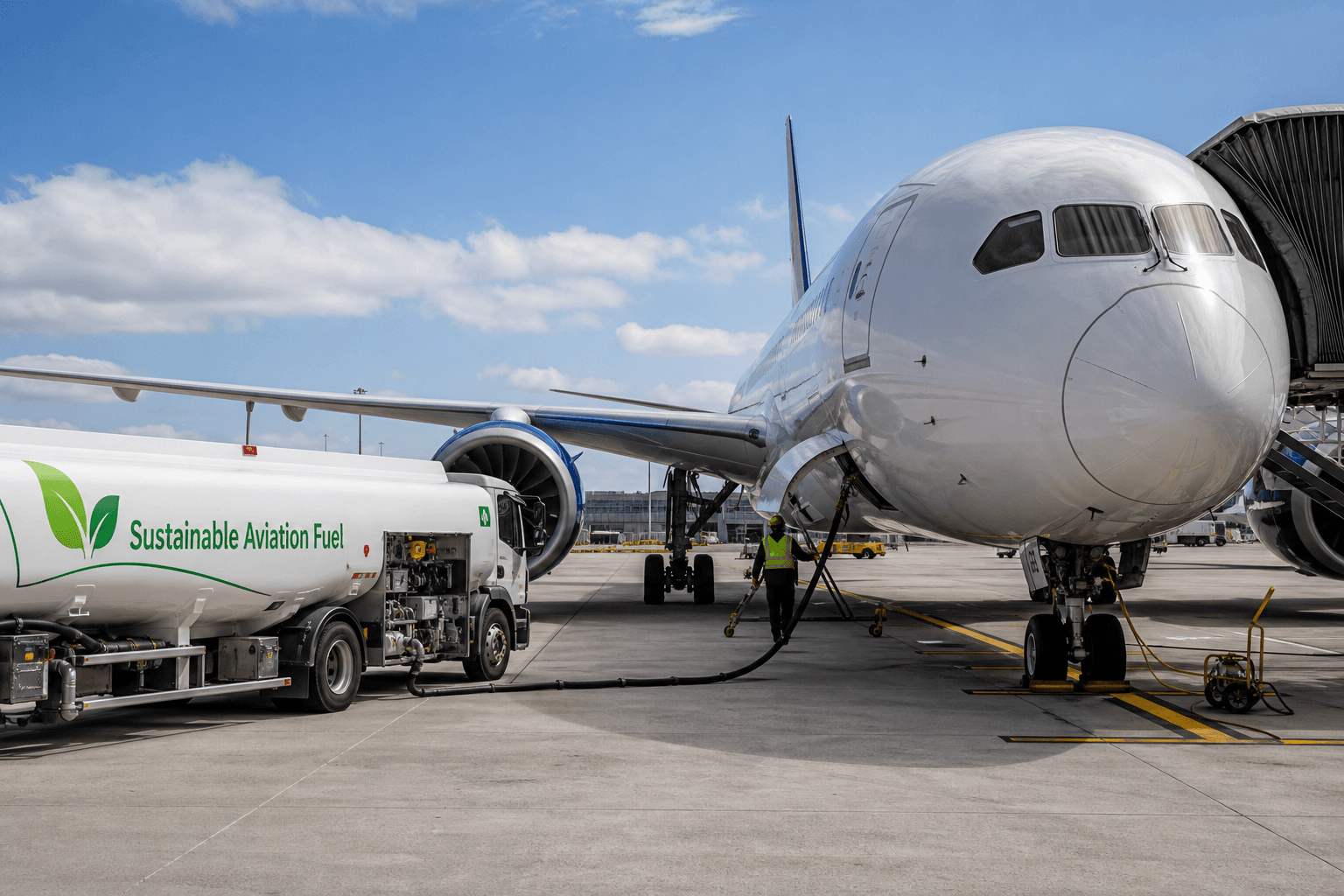
The global aviation industry is under mounting pressure to curb its environmental footprint, aiming for net-zero carbon emissions by 2050. Central to this strategy is Sustainable Aviation Fuel (SAF), a bio-based fuel designed to mimic traditional jet fuel but generate significantly lower lifecycle carbon emissions. The International Air Transport Association (IATA) and the International Civil Aviation Organization (ICAO) have set a target for SAF to comprise 65% of aviation fuel use worldwide by 2050. However, current production rates and industry dynamics increasingly call this ambitious benchmark into question.
In 2026, SAF production stands at a mere 2.4 million tons, about 0.8% of total aviation fuel consumption, highlighting a gaping gulf between supply and demand. IATA Director General Willie Walsh has sharply criticized this shortfall, singling out energy companies for failing to invest in expanding SAF availability despite public commitments to sustainability targets. Speaking at the IATA Annual General Meeting, Walsh stressed that while airlines are actively working to reduce emissions, the lack of commitment from fuel producers is undermining collective net-zero ambitions.
The difficulties in scaling SAF production stem largely from feedstock limitations and high production costs. Most SAF today is produced via the HEFA (Hydroprocessed Esters and Fatty Acids) process, relying on oils, fats, and greases as raw materials. These feedstocks are scarce and fiercely contested by other industries, restricting potential growth. Other production pathways exist but remain prohibitively expensive and less mature technologically, while the regulatory and certification landscape imposes additional hurdles before new SAF formulations can reach commercial scales.
European governmental mandates intended to boost SAF use have paradoxically driven up compliance costs for airlines without significantly expanding supply. IATA argues that such policies risk increasing ticket prices and may ultimately hamper progress if they do not incentivize corresponding investment in production capacity. The organization's concern extends to upcoming e-SAF (electro-fuel) regulations, which could replicate these challenges.
Technological progress in aircraft is underway to facilitate greater SAF integration. Airbus and Boeing are collaborating on developing engines that can operate on 100% SAF, moving beyond current commercial limits where fuel blends contain up to 50% sustainable components due to factors such as the lack of aromatics in SAF that help engine lubrication. Milestones include United Airlines’ 2021 test flight and Virgin Atlantic’s 2023 transatlantic journey utilizing entirely SAF-powered engines on one or more engines, showcasing operational feasibility.
Beyond fuels, international efforts like the Carbon Offsetting and Reduction Scheme for International Aviation (CORSIA) aim to address emissions by requiring airlines to offset their carbon output on international routes through verified carbon credits. While 126 countries have pledged participation, the offset program remains voluntary until its mandatory phase in 2027. Challenges arise as many nations prioritize offsets for national targets under the Paris Agreement, limiting credit availability for airlines and complicating the scheme’s effectiveness.
Industry stakeholders acknowledge SAF as indispensable for aviation’s decarbonization but stress that current conditions—limited supply, high costs, and insufficient policy coherence—are obstacles that threaten the 2050 net-zero goal. IATA calls for coordinated efforts among fuel producers, governments, and airlines to accelerate SAF scale-up, drive down costs, and reform mandates to better align incentives with supply-side expansion.
As of now, the sector’s strategy balances between technological innovation, regulatory frameworks, and market dynamics. Without tangible progress in SAF availability and supportive policies, the reliance on offsetting schemes and limited alternative technologies may result in failure to meet emissions targets. The coming years will reveal whether aviation can overcome these systemic constraints or if the 65% sustainable fuel usage target evolves into an aspirational rather than achievable benchmark.
Read more
All Sustainability →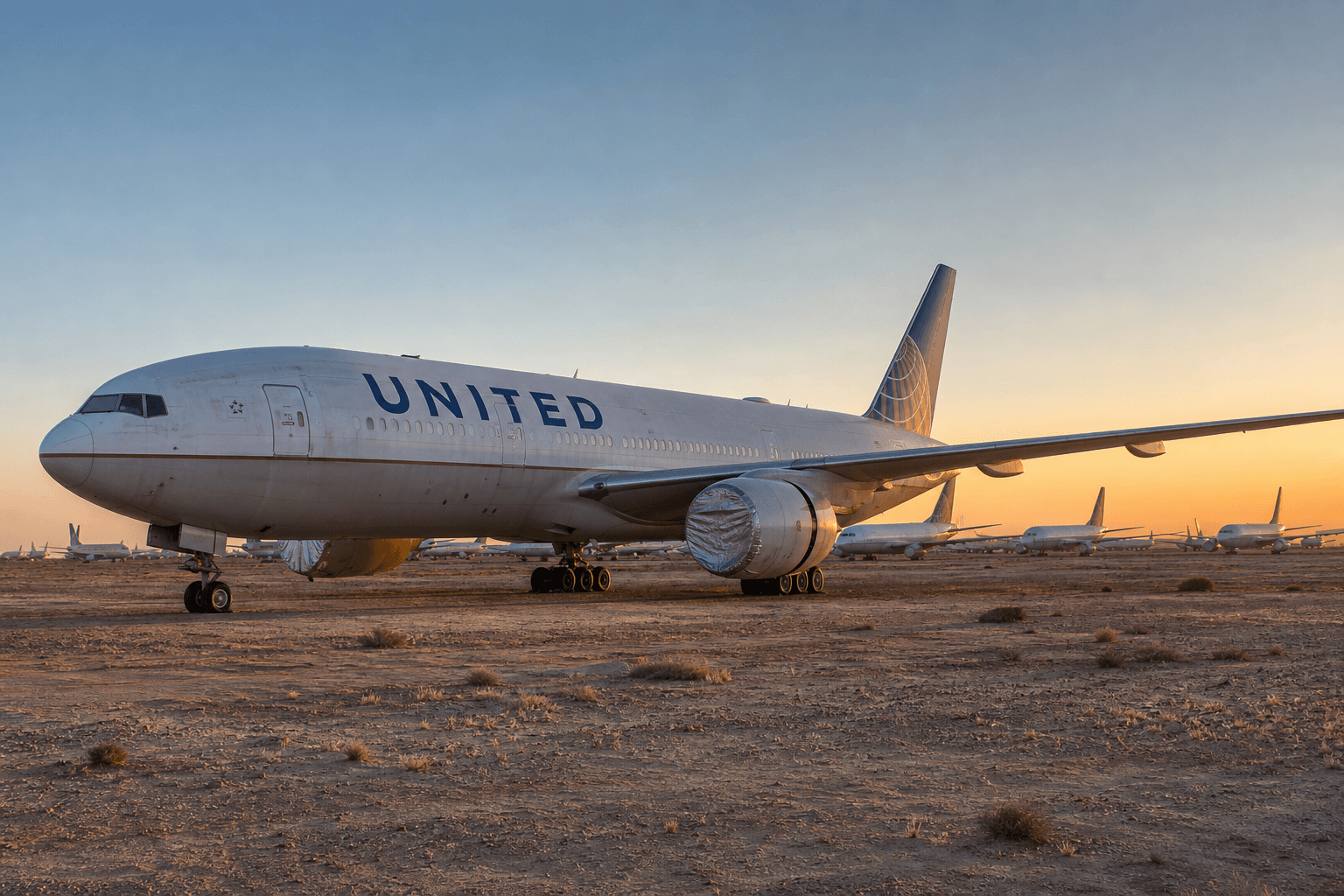
United Airlines Accelerates Retirement of Aging Boeing 777-200s Amid Europe's Carbon Policies
Europe's newest carbon rules do not ban older airliners, nor do they impose a direct tax on jet fuel. Yet 2026 is the year those policies began influencing which widebody aircraft airlines can afford to keep flying across the Atlantic. For carriers such as United Airlines , that shift reinforces the business case for retiring its nearly 29-year-old Boeing 777-200 aircraft in favor of newer, more efficient replacements.
Rolls-Royce Trent XWB and GE GEnx Engines Burn 100% SAF but Lack Certification
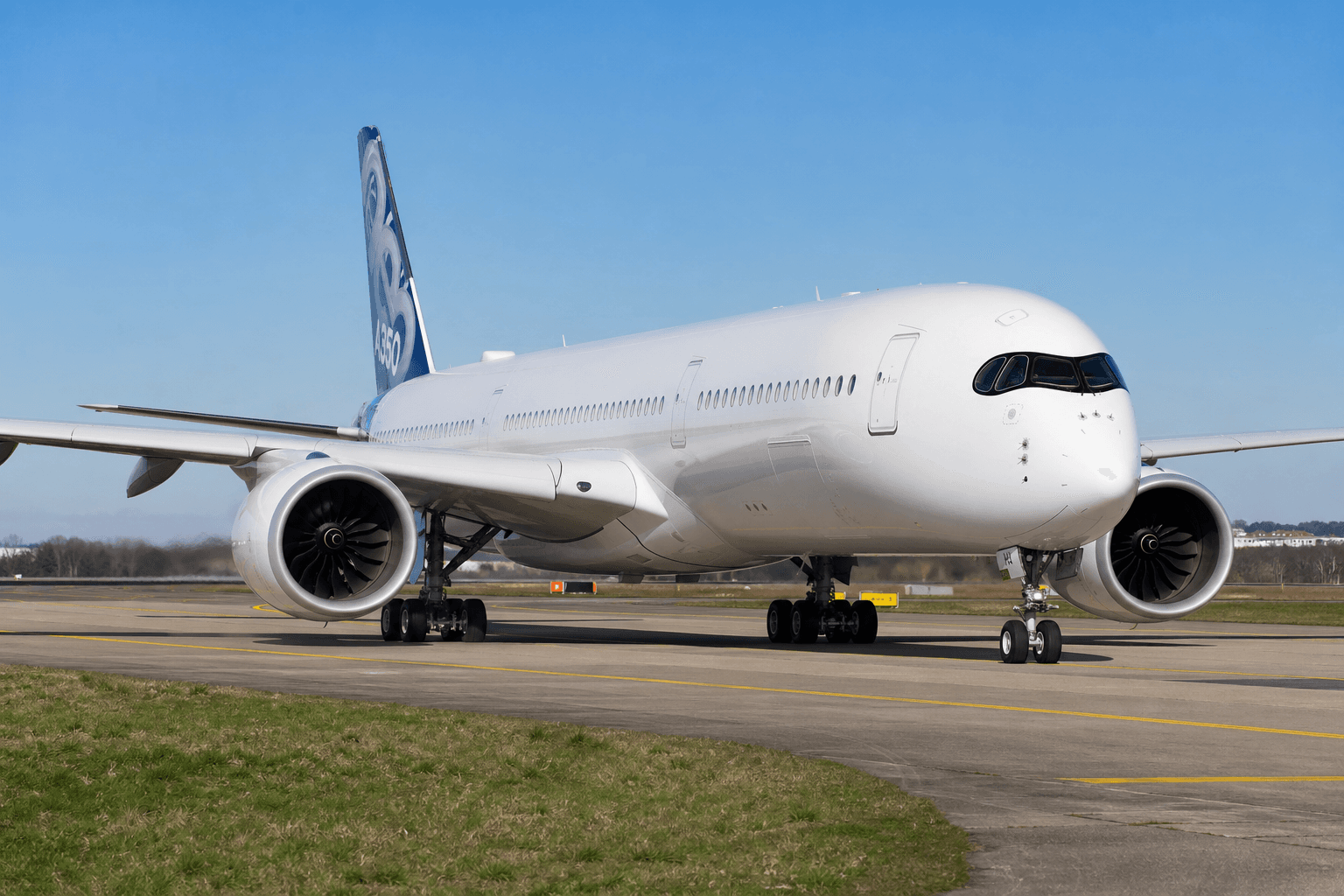
Modern widebody jet engines have reached the pinnacle of thermodynamic engineering, capable of producing immense thrust while burning cleaner alternative fuels. Manufacturers like Rolls-Royce and GE Aerospace have repeatedly shown that their flagship powerplants, including the Trent XWB and the GEnx , can operate perfectly on 100% sustainable aviation fuel during controlled demonstrations. If an airline were to attempt to pump unblended synthetic fuel into a commercial passenger flight today, the aircraft would be legally grounded.
Gulfstream and Rolls-Royce Complete First High-Altitude Flights Using 100% Sustainable Aviation Fuel
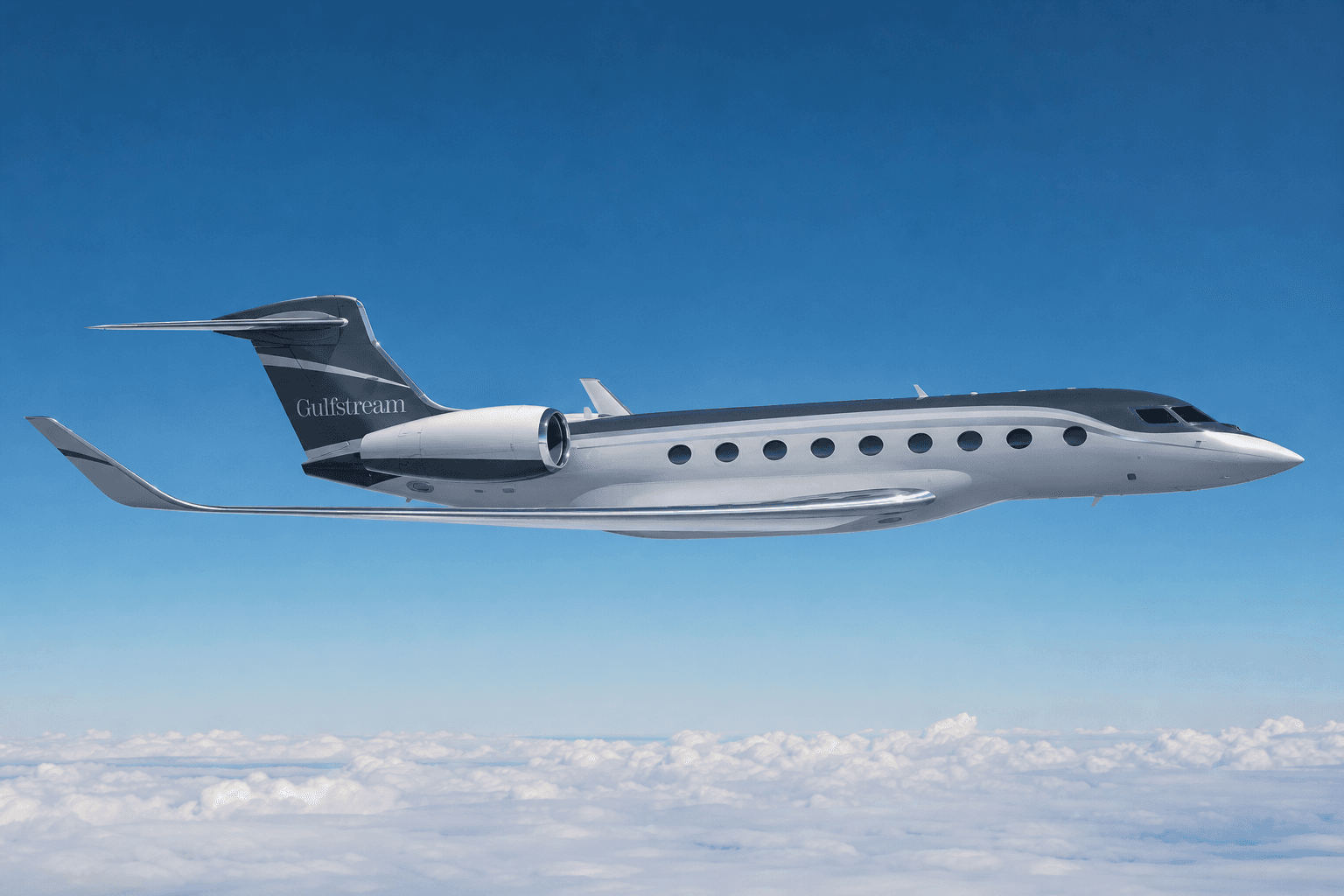
Gulfstream Aerospace and Rolls-Royce said this week that they completed a high-altitude flight-test campaign examining the emissions produced by 100% sustainable aviation fuel at altitudes up to 50,000 feet. A Gulfstream G800 powered by Rolls-Royce Pearl 700 engines conducted the flights alongside a modified G700. The G700 served as an airborne laboratory and measured particulate emissions and atmospheric conditions while flying in close formation. The campaign also marked the first G800 flight using 100% SAF. [Credit: Gulfstream] Researchers compared conventional Jet-A, low-sulfur Jet-A and 100% hydroprocessed esters and fatty acids SAF . Rolls-Royce said preliminary results showed a measurable reduction in particles that contribute to contrail formation. The FAA, NASA, German Aerospace Center and Missouri University of Science and Technology participated in the project. Although the test used unblended SAF, current fuel standards generally limit its commercial use to blends of up to 50% with conventional jet fuel, depending on the production pathway. Rolls-Royce said the campaign data will help inform future fuel standards and that demonstrating its current engines can operate on 100% SAF lays groundwork for certification.
Brussels Airlines Pauses Long-Haul Fleet Growth Citing Profit and Geopolitical Strains
Brussels Airlines has decided to freeze its long-haul fleet expansion plans. The Belgian carrier, part of the Lufthansa Group, will not add two Airbus A330 aircraft in 2027. Its long-haul fleet will stay at 11 Airbus A330s. ezstandalone.cmd.push(function () { ezstandalone.showAds(119); }); The airline cited weaker-than-expected profitability, repeated strikes in Belgium, and ongoing geopolitical uncertainty as the main reasons. Discussions with the Lufthansa Group led to this cautious approach for the coming years. ezstandalone.cmd.push(function () { ezstandalone.showAds(127); }); Financial Pressures Drive the Decision In the first half of 2026, Brussels Airlines reported an adjusted operating loss of €70 million. This marked a 50% decline compared to the same period in 2025. Passenger numbers rose to 4.5 million, up 8%, while revenue grew about 9% to €821 million. Load factors also improved. However, external factors hit hard. Fuel costs jumped by €64 million due to higher oil prices linked to Middle East unrest. An Ebola outbreak in East Africa reduced demand on some routes and complicated crew scheduling. ezstandalone.cmd.push(function () { ezstandalone.showAds(128); }); Strikes at Brussels Airport and by air traffic controllers added further pressure, costing around €3 million. These challenges prompted the airline to scale back growth plans. Previously, Brussels Airlines aimed to expand its long-haul fleet to support stronger connections, especially to Sub-Saharan Africa, where it holds a key position within the Lufthansa Group. ezstandalone.cmd.push(function () { ezstandalone.showAds(129); }); Photo Credit: Brussels Airlines No Wet-Lease Capacity in Summer 2027 The airline will also end its use of wet-leased aircraft for the 2027 summer season. Four airBaltic planes currently operating for Brussels Airlines until the end of October 2026 will not return next year. This removes seasonal extra capacity that helped during peak periods. Despite these adjustments, the carrier continues to invest in passenger experience. New cabins for Business Class, Premium Economy, and Economy on its Airbus A330 fleet remain on track for introduction in 2027. These upgrades aim to improve comfort and competitiveness on intercontinental routes. ezstandalone.cmd.push(function () { ezstandalone.showAds(130); }); Focus on Existing Operations and Recovery Brussels Airlines is shifting emphasis toward optimizing its current fleet rather than rapid expansion. The airline hopes a strong summer 2026 season will help recover results for the full year. Higher production capacity compared to 2025 supports this goal, provided operations remain stable. The decision reflects broader industry pressures. Rising fuel costs, geopolitical risks, and labour disruptions have affected many European carriers. As a Lufthansa Group member, Brussels Airlines benefits from group support but must prioritize sustainable profitability. ezstandalone.cmd.push(function () { ezstandalone.showAds(131); }); Photo Credit: Brussels Airlines Looking Ahead Looking ahead, the freeze does not signal a complete halt to development. Short- and medium-haul fleet renewal with Airbus A320neo aircraft continues. The airline also maintains its role as a European hub for African routes. Leadership changes are underway, with a new CEO set to take over, focusing on integrated hub operations. This measured strategy aims to build resilience. By holding the long-haul fleet steady and ending temporary wet-lease arrangements, Brussels Airlines seeks to strengthen its core business. ezstandalone.cmd.push(function () { ezstandalone.showAds(132); }); Passengers can still expect product improvements through the new cabins. The coming months will show whether the summer recovery materializes and supports longer-term stability.
The Daily Touch & Go
The day's best aviation news in your inbox. Free, no spam.